This Small Georgia City Rejected A $9.7 Billion Data Center Project, And The Decision Made Headlines
A developer wanted to build a $9.7 billion data center on farmland, and the city council said no. That alone made people across the country stop scrolling.
The plan covered 513 acres and six buildings. Its power needs could have matched an entire city.
I can’t imagine many small towns turning down that kind of money.
This Georgia community did, and it wasn’t a quiet decision. Neighbors packed a town hall, started online groups, and asked hard questions about water, power, and noise.
I like how this story isn’t really about computers. It’s about a town deciding what kind of place it wants to be.
A Project So Big It Needed A Code Name
Big projects often hide behind secret names, and this one went by Project West. The city at the center of the story is LaGrange, Georgia, the county seat of Troup County.
The plan was first proposed in March 2025. Its price tag reached a jaw-dropping $9.7 billion.
The campus would have covered 513 acres. Planners pictured six buildings packed with computer equipment.
Its planned capacity was 600 megawatts of power. That’s a number most of us only see in science class.
The developer behind it stayed undisclosed. A LaGrange resident named Joshua Harrelson was identified as the landowner representing the project.
That secrecy mattered more than you might expect. Many residents wanted to know exactly who was coming to town.
Data centers are giant buildings full of servers. They store photos, run apps, and power artificial intelligence tools we use every day.
So the project wasn’t science fiction. It was the real backbone of modern internet life, just landing very close to home.
Knowing the scale helps explain everything that came next. A plan this large was always going to get noticed.
Google Was Already Building Here, Which Makes This Twist Even Better

Here’s a plot detail that surprises a lot of people. LaGrange already had a data center going up before Project West ever came along.
Google’s project, known as Project Pegasus, is under construction in the city. So the town wasn’t anti-technology from the start.
That changes how you read the headlines. The city had already welcomed one major tech player.
Project West was a separate proposal from a different developer. It also sat in a very different kind of spot.
Residents seemed to weigh each plan on its own merits. One yes didn’t automatically lead to another yes.
I believe that’s a fair way to make decisions. Every project brings its own costs, benefits, and questions.
It also shows how fast the data center boom is moving. Two huge proposals landed in one small Georgia city within a short stretch.
For a place with roughly 30,000 people, that’s a lot of attention. Most towns that size never see one project like this, let alone two.
Suddenly, LaGrange had a choice to make about its future.
Farmland Versus Factory Floors Became The Big Debate
Location, location, location. Real estate agents love that phrase, and it turned out to be the heart of this fight too.
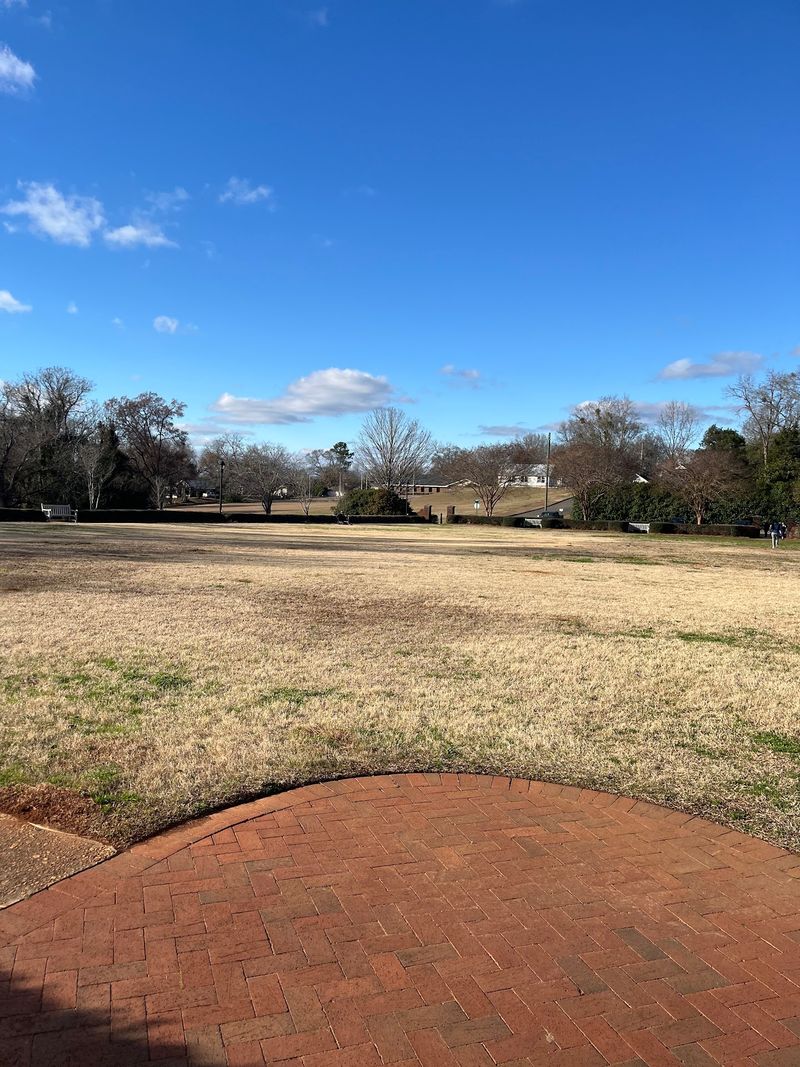
Project West wasn’t planned for an existing industrial park. Instead, it targeted land near Interstate 85 and Hamilton Road described as farmland.
That raised eyebrows right away. Industrial parks are built for big projects, with roads and utilities already in place.
Farmland is a different story. Once you pave over open fields, they rarely come back.
People also questioned whether the plan fit Troup County’s long-term development goals. Communities spend years shaping those plans for good reason.
A sudden 513-acre campus could upend a lot of careful thinking. It’s a bit like a guest rearranging your living room furniture.
The interstate access made the site attractive to developers. Easy highway connections matter for building and maintaining huge facilities.
Still, convenience for builders doesn’t always mean a good fit for neighbors. The rural character of the area meant something to people.
That tension between growth and green space shows up all over the country. In LaGrange, it got a very public spotlight.
Thirsty Machines Raised Some Very Real Water Worries
One million gallons a day. That’s how much water the KIA plant in nearby West Point uses, and Project West’s water needs might have rivaled it.
Let that sink in for a second. That’s a lot of water for computers that never get thirsty in the usual way.
Data centers use water mainly for cooling. Servers run hot, and big facilities need serious systems to keep them from overheating.
LaGrange sits close to the Chattahoochee River. That river supports drinking water, wildlife, and recreation for a huge region.
So the Chattahoochee Riverkeeper paid close attention. The group helped organize a town hall about the environmental impact of data centers.
Water questions tend to hit home fast. Everyone uses it, and nobody wants to worry about running short.
Residents asked where the water would come from. They also wondered what it might mean during dry summers.
I like how ordinary people dug into these technical details. You don’t need an engineering degree to ask smart questions about your own water supply.
Those questions helped shape the conversation in a big way.
A Whole City’s Worth Of Electricity Is Hard To Ignore
Flip on every light, fridge, and air conditioner in LaGrange at once. Estimates suggested Project West could have needed about that much energy by itself.
Good luck ignoring that comparison. It turned an abstract number into something everybody could picture.
The planned 600 megawatts was a massive load. Power on that scale usually requires new infrastructure, like transmission lines and substations.
Residents wondered who would pay for those upgrades. They also wanted to know whether the local grid could handle the extra demand.
Energy use connects to other concerns too. More demand can mean more power plants running harder somewhere down the line.
Groups like the Sierra Club and Science For Georgia stepped in to share information. They helped explain what such demand could mean for families and the environment.
It’s easy to forget the internet has a physical side. Every video stream and AI chat depends on buildings humming away somewhere.
LaGrange simply asked whether that somewhere should be right next door. That’s a fair question for any Georgia town facing a similar choice.
Neighbors Packed The Room And Brought Their Questions
More than 200 people showed up. For a weeknight town hall about data centers, that’s a seriously impressive turnout.
The meeting was organized by Science For Georgia, the Chattahoochee Riverkeeper, and the Sierra Club. Its focus was the environmental impact of these huge facilities.
People didn’t stop at one meeting. They formed the Troup County Anti-Data Center Coalition to keep pushing.
A Facebook group also popped up called Say No to Data Centers in LaGrange, Georgia. Online groups like that make it easy to share updates and plan next steps.
Transparency was a major theme. Many residents felt they didn’t have enough information about who was behind the project.
That frustration gave people a shared reason to speak up. Not knowing the developer’s name only added fuel to the fire.
I believe this is the most inspiring part of the story. Regular folks learned the issues, showed up, and made their voices heard.
Local government works best when people participate. LaGrange offered a pretty great example of that in action.
Two Pause Buttons Got Pressed In One Single Week
September 2025 moved fast. Within seven days, both the county and the city hit pause on new data centers.
Troup County went first on September 16, 2025. It enacted a 90-day moratorium on new data center applications.
One week later, on September 23, the LaGrange City Council followed. The city approved its own 180-day moratorium.
A moratorium is basically a timeout. It stops new applications so leaders can study the issue before making big rules.
The city’s pause was meant to allow more research and public input. That gave residents time to learn and speak up.
Think of it like reading the instructions before building furniture. Skipping that step usually leads to wobbly results.
These pauses didn’t ban data centers forever. They simply slowed things down so decisions wouldn’t be rushed.
That approach feels sensible to me. A project worth billions deserves more than a quick thumbs-up.
The moratoriums also showed that local officials were listening. Public pressure clearly reached the people making the decisions.
One Annexation Vote Changed Everything
Annexation sounds like a boring word. In LaGrange, it turned out to be the hinge the whole story swung on.
Annexation means bringing land from the county into the city limits. Project West’s site needed that step to move forward as planned.
The LaGrange City Council denied the annexation request. That decision effectively stalled the $9.7 billion development.
No flashy ban was needed. One procedural vote did the job.
The denial came amid growing public concern and organized action. Residents and environmental groups had been speaking up for months.
News outlets across the region picked up the story. A small city turning down billions of dollars is the kind of headline that travels.
It’s a good reminder that local meetings matter. Votes you never hear about can shape your town for decades.
Want to make a difference where you live? Check your city council’s meeting schedule.
Those agendas might look dull on paper. Sometimes they hold the biggest decisions in the whole community.
Other Towns Are Watching What Happened Here
LaGrange isn’t alone in this fight. Communities across Georgia and the United States are taking a closer look at giant data center proposals.
Many are pushing back for similar reasons. Water, energy, infrastructure, and quality of life keep coming up again and again.
That’s why this story made headlines beyond Troup County. It reflects a much bigger national conversation.
Tech companies need more data centers than ever. Artificial intelligence and cloud services are growing fast.
Small towns often have the land those companies want. They also have residents who care deeply about their homes.
LaGrange showed one way to handle that tension. Ask questions, slow down, and decide what fits your community’s plans.
A low-level hum from big facilities even came up as a concern. Little details like noise matter when you live nearby.
I can’t imagine a better lesson in local power. A city of around 30,000 people stood its ground on a multibillion-dollar plan.
Whatever you think about data centers, that’s worth paying attention to. Your town could be next.