This Small Idaho Town Keeps Welsh Traditions Alive Through Food And Culture
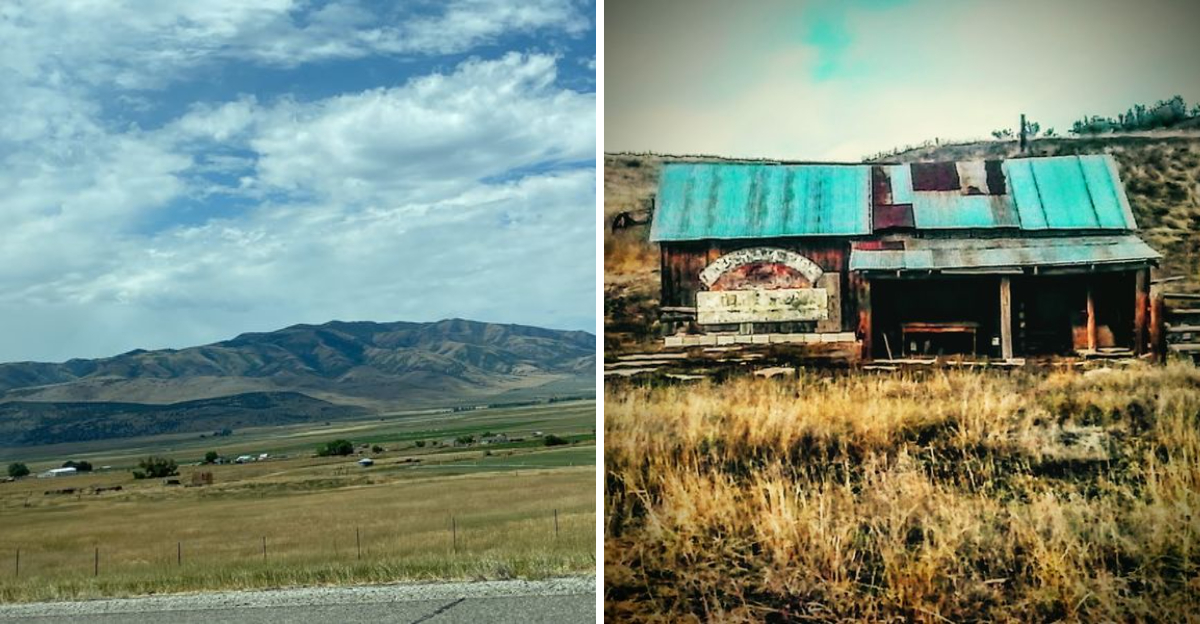
Welsh culture probably is not the first thing most people expect to find while driving through rural Idaho. One tiny town clearly missed that memo.
Generations of families here have kept old traditions from fading into dusty history.
Recipes still make their way around local kitchens, Welsh words survive in handwritten records, and community pride runs much deeper than a decorative flag outside city hall.
Nobody slapped a theme onto the town to attract tourists. These roots arrived with settlers, stayed with their descendants, and became part of everyday life.
The result feels wonderfully unexpected.
You can learn about family stories, stumble across cultural details that survived an ocean crossing, and possibly leave craving food you had never planned on eating that day.
Plenty of small towns celebrate their past, but this one has held onto Wales with impressive determination.
Its name remains a mystery for now, though the dragon on the family tree is a fairly large clue.
Trace The Welsh Roots That Still Shape The Town’s Identity
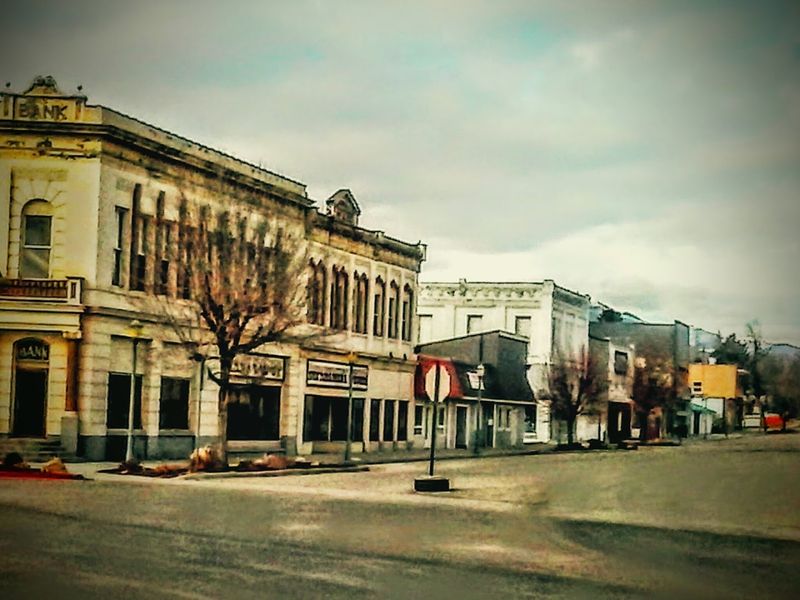
Welsh heritage still feels woven into Malad City’s everyday identity, especially through family names that have echoed through the valley for generations.
Settlers with surnames such as Jones, Williams, Evans, Thomas, Davis, and Edwards helped build the community, and those names still feel deeply familiar around town.
Early Welsh residents brought more than a new population to southeastern Idaho. They brought language, music, religious life, poetry, foodways, and a cultural confidence that helped shape Malad’s personality from the beginning.
Some early civic records were even kept in both English and Welsh, which says a lot about how central the language once was to public life. That history gives Malad a rare kind of distinction.
Idaho towns often celebrate ranching, railroads, mining, farming, or mountain culture, but Malad carries a Celtic thread that makes it stand apart. The Welsh identity here does not feel imported for visitors.
It belongs to families, churches, recipes, songs, old buildings, and community memory. Walking through town, the past never feels completely sealed away.
It still sits in the names, stories, and traditions residents continue to protect.
Taste Traditional Welsh Foods During Community Celebrations
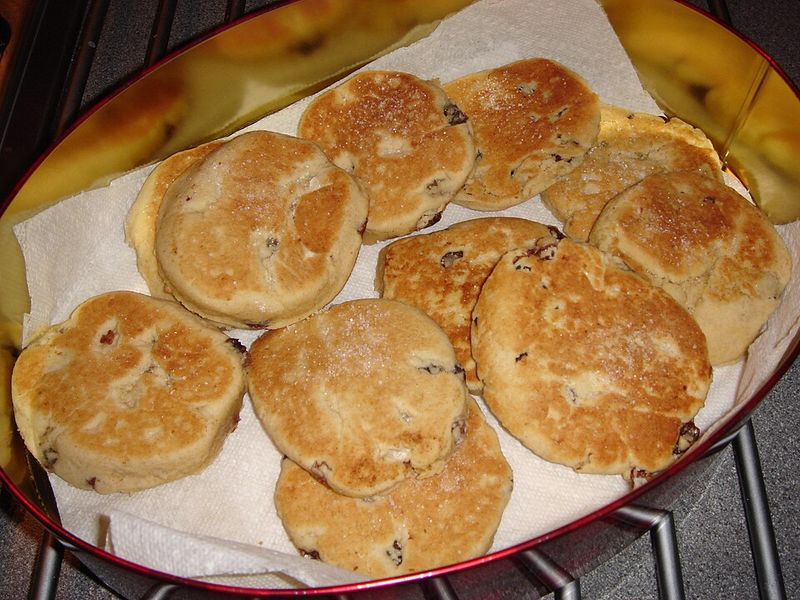
Food gives Malad’s Welsh heritage its warmest invitation. During local celebrations, especially the Malad Valley Welsh Festival, visitors can taste traditional dishes that connect the town directly to family kitchens across generations.
Welsh cakes are usually the first treat people talk about, with their lightly sweet, griddled texture and simple comfort.
Bara brith brings a richer flavor through fruit, spice, and tea-bread tradition, while cawl offers the kind of hearty stew that fits perfectly in a rural valley shaped by hard work and community gatherings.
These dishes matter because they make heritage immediate. A person may not know the full story of Welsh settlement in Malad, but one bite of a family recipe can make the connection feel real.
The Welsh Kitchen has long been one of the festival’s most meaningful stops because it turns memory into something shared across tables. Volunteers are not just serving food.
They are keeping recipes alive, teaching visitors what those dishes mean, and honoring the people who carried them across oceans and into Idaho homes. In Malad, comfort food doubles as cultural preservation.
Learn How Early Settlers Built A Lasting Cultural Legacy
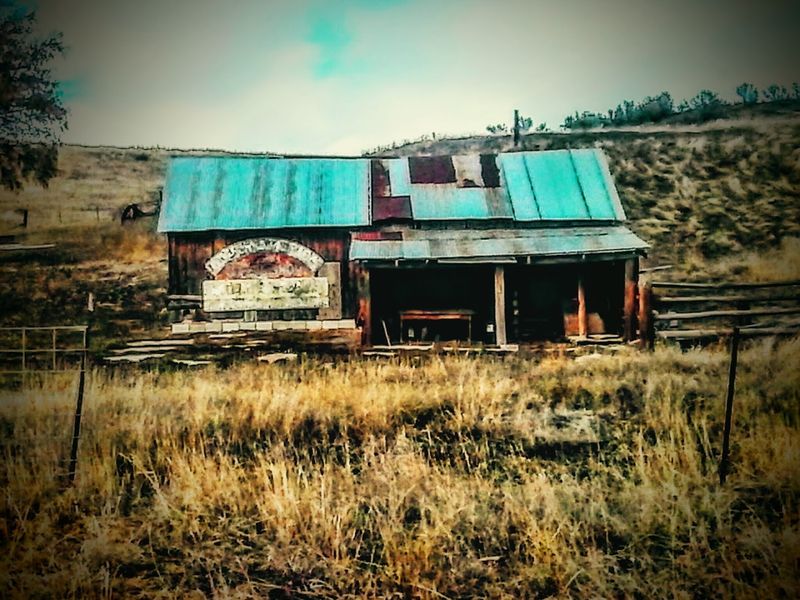
Settlement in Malad Valley was never only about survival. The early Welsh pioneers who helped shape the town brought a cultural life rich enough to last well beyond the first generation.
Malad City was founded in the 1860s, and it quickly became an important center for Oneida County. Those early settlers built homes, farms, churches, businesses, and civic institutions, but they also kept traditions that gave the community a distinct voice.
One of the most important was the eisteddfod, a Welsh tradition centered on music, poetry, storytelling, and performance.
In Wales, that tradition reaches back for centuries, and in Malad it became a way for settlers and their descendants to gather around the arts while maintaining a bond with their ancestry.
The old local eisteddfod eventually faded during the World War I era, but its memory did not disappear. When the Malad Valley Welsh Festival revived that spirit in the 2000s, it showed how strongly the town still wanted to reconnect with its roots.
The legacy of those settlers lives in more than old dates. It lives in the decision to keep singing, cooking, remembering, and gathering.
You Can Hear Welsh Music And Poetry At Local Events
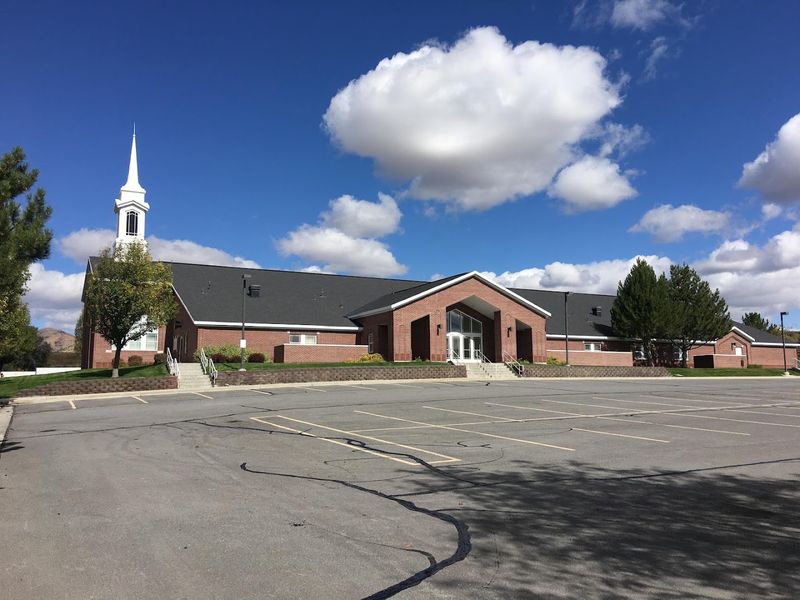
Music and poetry give Malad’s Welsh culture a voice that feels public, emotional, and alive. During the Malad Valley Welsh Festival, performances bring folk songs, harp music, storytelling, poetry readings, and community talent into the same celebration.
That matters because Welsh identity has always been closely tied to the spoken and sung word. A song can carry memory differently than a museum label.
A poem can turn ancestry into something felt rather than simply explained. The festival’s poetry tradition is especially meaningful because it echoes the old eisteddfod model, where creative expression was treated with ceremony and respect.
The Chairing of the Bard remains one of the most distinctive parts of the celebration, honoring the winning poet in a way that connects Idaho directly to Welsh custom. For first-time visitors, the music may be the easiest entry point into the culture.
For families with deep local roots, the performances can feel like a continuation of something older than the town itself. Malad’s events work because they do not reduce heritage to displays.
They let people hear it, perform it, and pass it along in front of the whole community.
See Why Family Recipes Remain Part Of Everyday Life
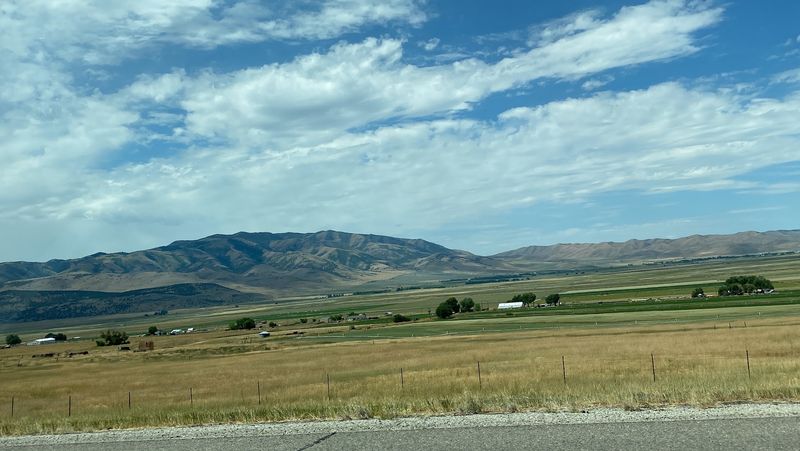
Recipes survive when people keep making them for reasons bigger than nostalgia. In Malad City, Welsh food traditions remain powerful because they belong to families, festivals, church gatherings, and community memory.
Welsh cakes, bara brith, and cawl are not complicated in a flashy way, but that is part of their strength. They are practical, comforting, and tied to the kind of home cooking that travels well across time.
A Welsh cake cooked on a griddle carries a different feeling than something pulled from a commercial bakery case. Bara brith feels like a recipe meant to be sliced, shared, and remembered.
Cawl brings warmth and substance, the kind of dish that makes sense in a farming valley where food was meant to feed people well. At community events, these foods become more than menu items.
They become proof that culture can survive through hands, habits, and repeated preparation. Someone learned from a parent.
Someone else learned from a grandmother. Then another generation stepped in to keep the table full.
That chain is what makes Malad’s Welsh food traditions feel so personal and genuinely worth celebrating.
Join The Festivities During The Malad Valley Welsh Festival
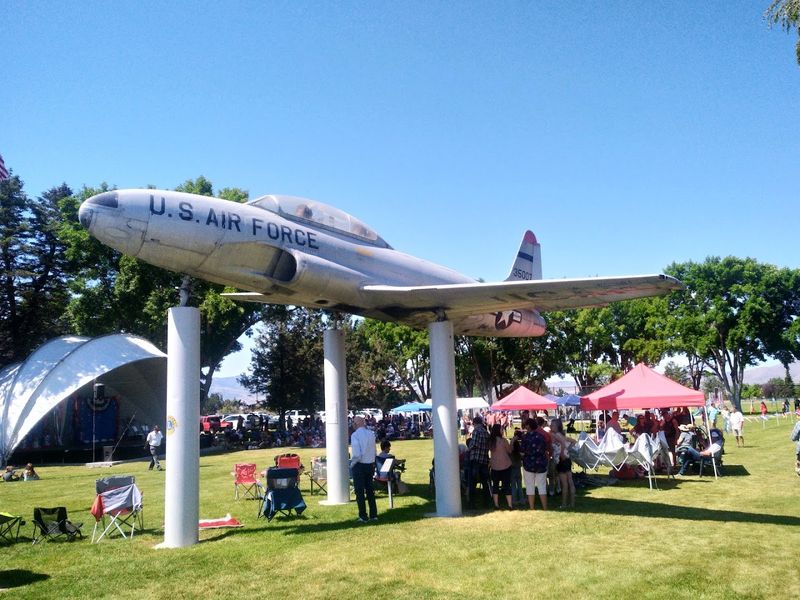
September now brings Malad’s biggest Welsh celebration to life. The Malad Valley Welsh Festival is scheduled for September 18 and 19, 2026, making it a future event for travelers planning late-summer or early-fall trips.
The festival is held at Malad Valley Heritage Square in nearby Samaria, a historic setting southwest of Malad City that fits the celebration beautifully.
Visitors can expect a mix of Welsh food, live music, poetry, storytelling, family-history displays, traditional games, craft vendors, cultural demonstrations, and historic-site activities.
The setting gives the festival a more rooted feeling than a standard street fair. Historic cabins, pioneer displays, wagons, and old community structures help connect the performances and food to the valley’s actual past.
That is what makes the event so appealing. It does not feel like a random cultural theme placed over a small-town weekend.
It feels like a local reunion with room for visitors. People come for Welsh cakes, songs, quilts, poetry, stories, and friendly conversation, but they leave understanding that the festival belongs to the families and volunteers who have worked hard to keep Malad’s Welsh identity visible.
Explore Historic Sites Connected To The Town’s Pioneer Families
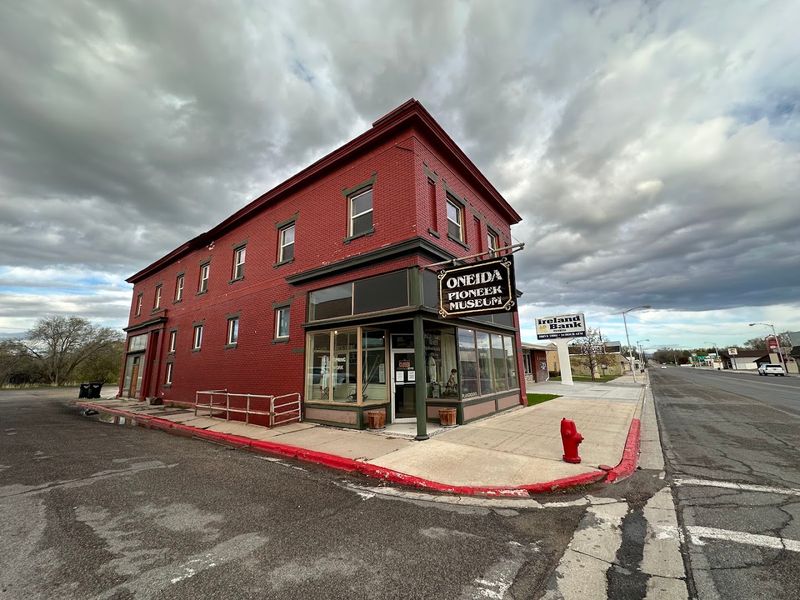
History stays close to the surface in Malad City, especially for visitors who know where to look.
The Oneida Pioneer Museum is one of the best starting points, with exhibits tied to early families, photographs, clothing, quilts, farm tools, household items, school memories, and community life in the valley.
The museum helps turn broad pioneer history into something more personal, showing how families actually lived, worked, worshiped, celebrated, and built their homes in this part of Idaho. Around town, historic buildings add more pieces to the story.
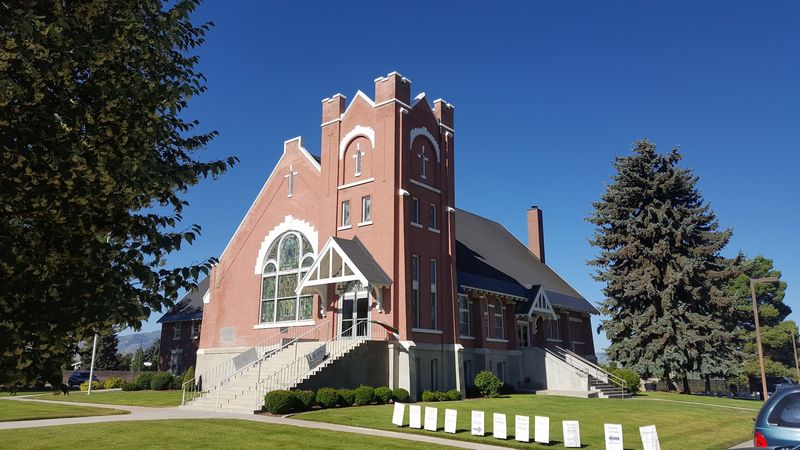
The old First Presbyterian Church reflects the faith traditions that shaped early residents. Other buildings connected to local families, banks, homes, and civic life show how quickly Malad developed from a pioneer settlement into a lasting county-seat community.
Malad Valley Heritage Square adds another layer to Samaria’s story through its pioneer cabins, covered wagons, and historic farm machinery. Family-history displays also help visitors understand the rural setting that shaped the lives of the area’s Welsh settlers.
These sites matter because they make the town’s heritage physical.
Names become buildings. Stories become rooms.
Family roots become places a visitor can actually stand in front of and remember.
Meet Residents Proud To Preserve Their Welsh Heritage
Local pride is the reason Malad’s Welsh story still feels alive instead of archived. The Malad Valley Welsh Society and community volunteers work throughout the year to keep the town’s heritage visible through events, newsletters, cultural programs, food traditions, and the annual festival.
That kind of dedication matters because heritage does not preserve itself. People have to cook the recipes, collect the stories, organize the programs, teach the children, welcome visitors, and care enough to keep repeating the work.
In Malad, that commitment feels sincere. Descendants of early Welsh families share space with newer residents and curious travelers, creating a celebration that feels proud without being closed off.
Children hear the music. Adults enter poems.
Families share recipes. Volunteers explain history to people who may have arrived knowing almost nothing about Welsh Idaho.
That generosity is what makes the town so memorable. Malad City is not trying to become a tourist version of Wales.
It is honoring the Welsh roots that helped make the community what it is. Visitors can find Malad City in Oneida County in southeastern Idaho, with the festival’s main historic celebration now centered at Malad Valley Heritage Square in Samaria.