This Small Kentucky College Ranked No. 1 In The Nation For The Second Year In A Row
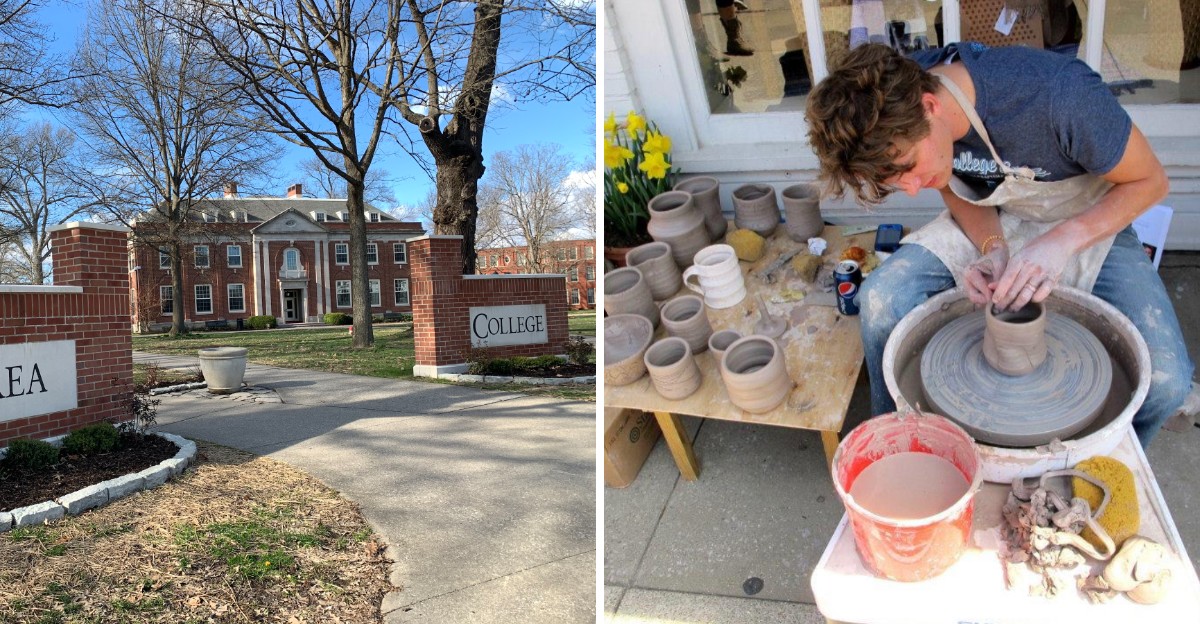
Students at this school haven’t paid tuition since 1892. Not a dime of it, for well over a century.
That alone would make headlines. Then Washington Monthly named it the No. 1 college in the country, beating more than 1,400 four-year schools.
It did it two years running.
I love that the secret sauce isn’t a fancy stadium or a giant endowment brag. Every student works at least 10 hours a week on campus.
Some of them weave, carve, and make brooms you can actually buy.
The campus sits where the Bluegrass meets the Appalachian foothills in Kentucky. It also has a historic hotel, a planetarium, and a forest bigger than many small towns.
How does a small school pull all that off?
The Ranking That Put Everyone On Notice
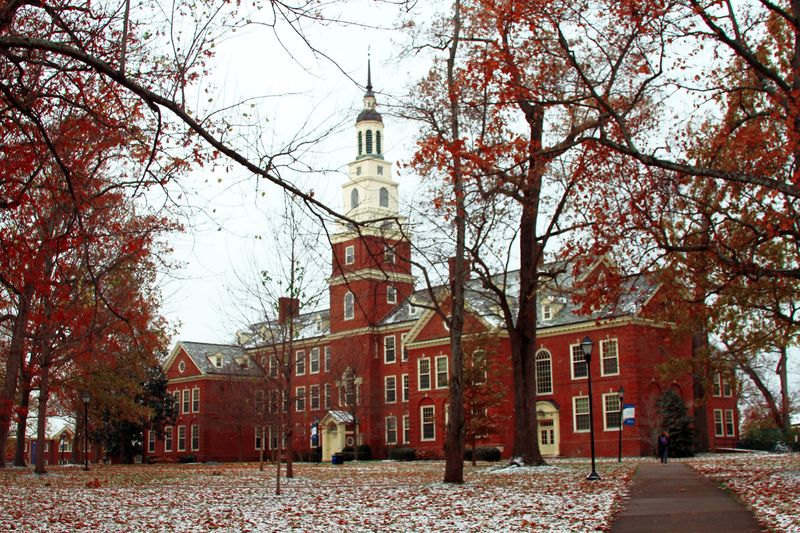
Berea College didn’t win by being the biggest or the flashiest. Washington Monthly ranked it No. 1 in the nation in its 2026 College Guide, for the second year in a row.
That list looks at more than 1,400 four-year colleges and universities. It asks a different question than most rankings do.
Instead of praising wealth or fame, it measures how much a school serves the public good. Access, affordability, and student outcomes all carry real weight.
Honestly, I find that refreshing. A college earns points by lifting people up, not by turning them away.
Money Magazine noticed too. It gave Berea Kentucky’s only Five-Star Rating in its 2024 Best Colleges list.
That marked the second straight year for that honor as well. The magazine pointed to graduation rates, cost, financial aid, and alumni salaries.
So two different outlets, using two different yardsticks, landed on the same school. That’s hard to wave off as luck.
For families in Kentucky, it’s also a nice reminder. One of the country’s most respected colleges sits right in their own backyard.
And the reasons behind the ranking get even more interesting once you look closer.
You’ll find the campus at 101 Chestnut St, Berea, Kentucky. It’s an easy place to explore on foot once you arrive.
Tuition Has Been Off The Table Since 1892

Benjamin Harrison was president the last time a Berea student paid tuition. The college stopped charging it in 1892 and never looked back.
Today, the Tuition Promise Scholarship covers every enrolled student. Over four years, that adds up to nearly $200,000 in tuition costs per student.
Read that number again. Then think about the loans many students carry for decades.
Berea focuses on students with limited financial means. That’s not a side project here, it’s the whole point.
And the school is pushing further. Starting in Fall 2027, the Financial Freedom Pledge kicks in for every enrolled student.
That pledge covers 100 percent of tuition, housing, food, and required fees. No loans are needed to make it work.
I can’t imagine how much pressure that lifts off a family. Rent, meals, and fees are often what sink students, even with scholarships.
Plenty of schools talk about affordability in glossy brochures. Berea College has been quietly doing it for well over a century.
If you know a student who thinks college is out of reach, this detail is worth sharing. It might change a whole plan.
Every Student Clocks In, And That’s The Best Part
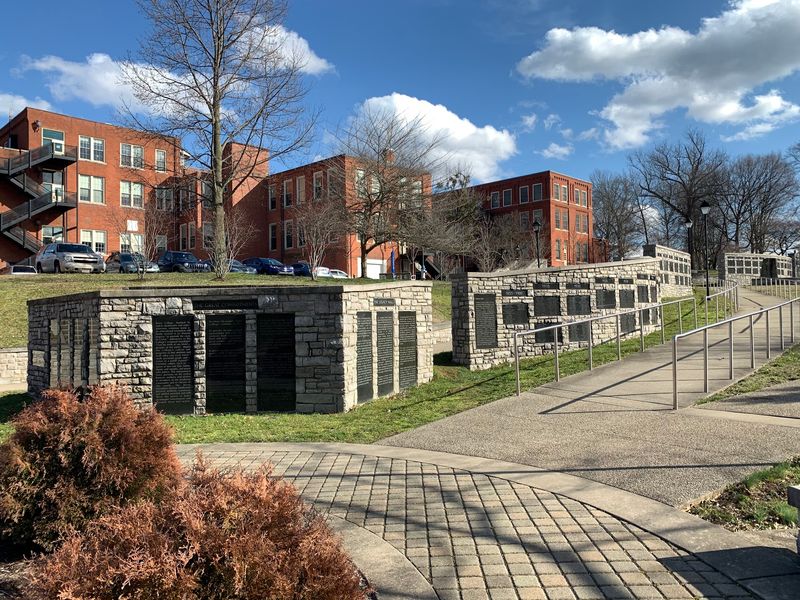
Ten hours a week. That’s the minimum every Berea student works through the college’s Labor Program.
Berea is a federally recognized Work College, which is a rare label. Only a handful of schools in the country carry it.
Students pick from more than 130 campus departments. Jobs can range from offices to studios to hospitality and beyond.
The work helps offset costs, sure. But the bigger payoff might be the experience students walk away with.
Each student builds a labor transcript alongside their regular academic one. It lists the professional and soft skills they picked up on the job.
Picture showing up to a job interview with proof you’ve worked for four years. That’s a pretty strong opening line.
Teamwork, reliability, and problem-solving get practiced daily, not just discussed in a lecture hall. Employers tend to notice that kind of thing.
I also like the message it sends. Work isn’t treated as a chore here, but as part of a real education.
For students who’ve already held jobs in high school, this setup might feel familiar. For others, it’s a crash course in adulting with a safety net.
A Founding Story Way Ahead Of Its Time
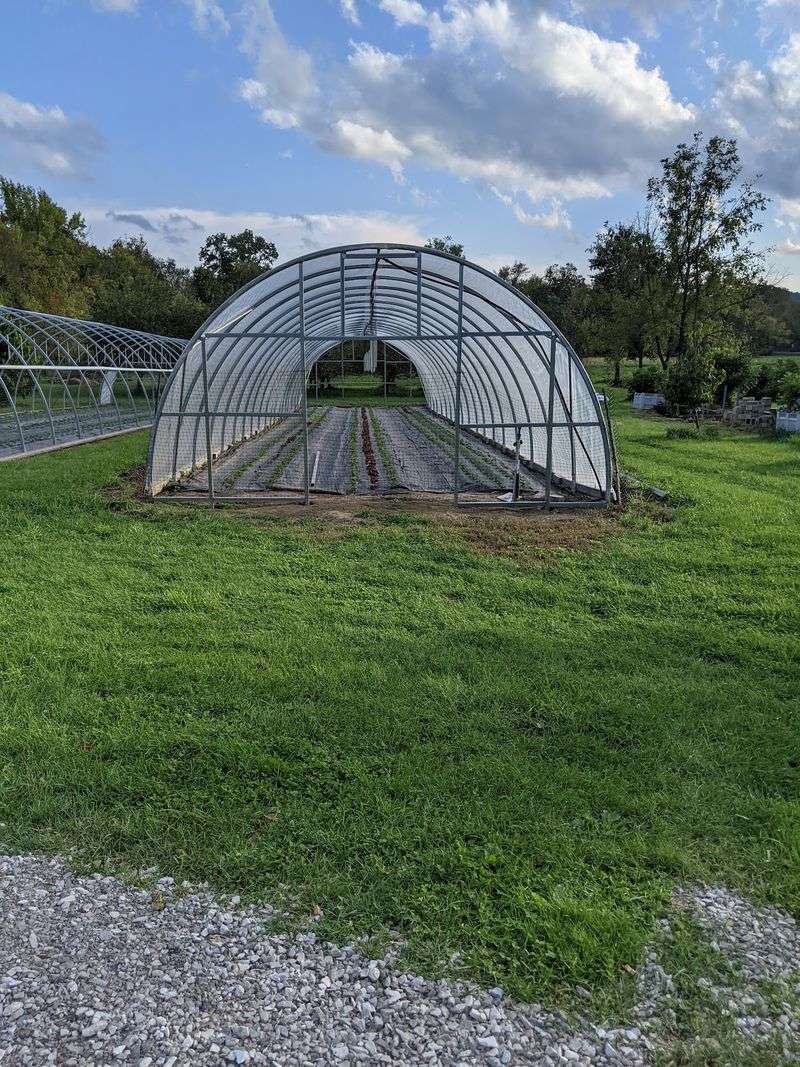
In 1855, an abolitionist named John G. Fee founded a school that broke the rules of its era.
Berea became the South’s first interracial and coeducational college.
That was a bold move in pre-Civil War Kentucky. Black and white students, women and men, all learning together.
The college motto explains the thinking behind it. It reads, “God has made of one blood all peoples of the earth.”
That line still guides Berea College today. You can see it in the commitment to opening doors for students who might otherwise be shut out.
History buffs, this part’s for you. The campus offers a free student-guided Historic Tour.
It highlights the school’s story and its 19th-century architecture. Having students lead it adds a nice personal touch.
I believe the founding story explains a lot about the modern rankings. A school built on access from day one tends to keep that habit.
Plenty of colleges have old buildings and old dates. Fewer have a founding mission that still shapes nearly every decision they make.
It’s a story that sticks with you long after the tour ends.
Handmade Brooms Are Kind Of A Big Deal Here

Brooms might not sound exciting. At Berea, though, they’re part of a craft tradition students keep alive with their own hands.
The Student Craft program teaches traditional skills in four areas. Those are Broomcraft, Ceramics, Weaving, and Woodcraft.
Students learn the techniques, then make real pieces. Those handcrafted items are offered in limited editions.
That means you can bring home something a student actually made. It’s a souvenir with a story baked right in.
Want a peek behind the scenes? The free Crafts Studio Tour shows where the making happens.
It’s a great pick for anyone who loves art, design, or just watching skilled work up close. Kids who like building things may enjoy it too.
These crafts connect the college to its Appalachian roots. Weaving and woodworking have deep history in this part of Kentucky.
I love that these skills aren’t stuck behind museum glass. Young people are learning them, using them, and passing them forward.
A handwoven piece or a sturdy broom also beats another plastic keychain. Your kitchen floor might even thank you.
Book A Night At A Hotel With A Green Streak
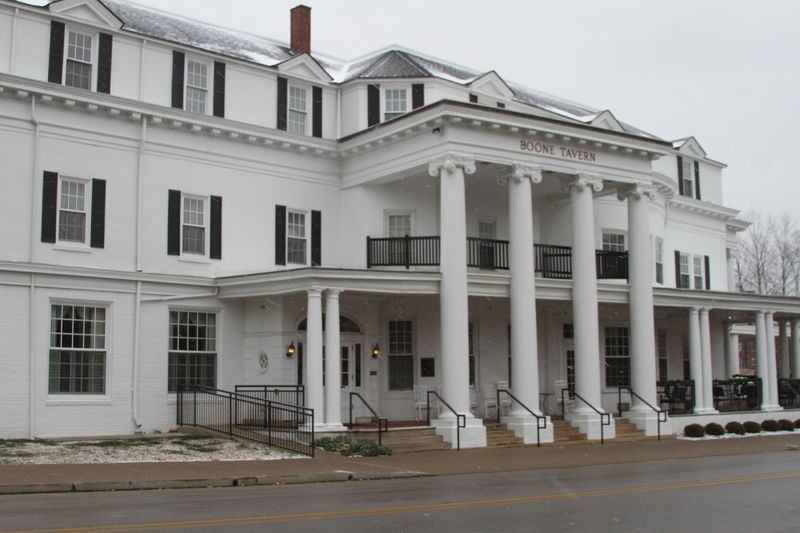
Kentucky’s first LEED Gold certified green hotel sits right on campus. It’s the historic Boone Tavern Hotel, and the college runs it.
That pairing makes sense once you know Berea’s habits. Sustainability shows up all over this school.
A hotel tied to a college might sound odd at first. Here, it fits the mission and gives visitors a handy home base.
Staying on campus means the tours, galleries, and library are all close by. That makes a weekend visit feel easy and unhurried.
The hotel’s historic character adds charm, too. It’s the kind of place that makes a college trip feel like a mini getaway.
Families touring schools could turn a campus visit into an overnight trip. Travelers just passing through Kentucky could do the same.
The green certification isn’t just a plaque on the wall. It reflects the same thinking behind the campus Eco Tour.
I think it’s clever when a place lives its values this openly. You don’t have to guess what Berea cares about.
Plus, saying you stayed at a top-ranked college’s hotel makes for a fun travel story.
Bring Your Curiosity To The Galleries, Library, And Planetarium
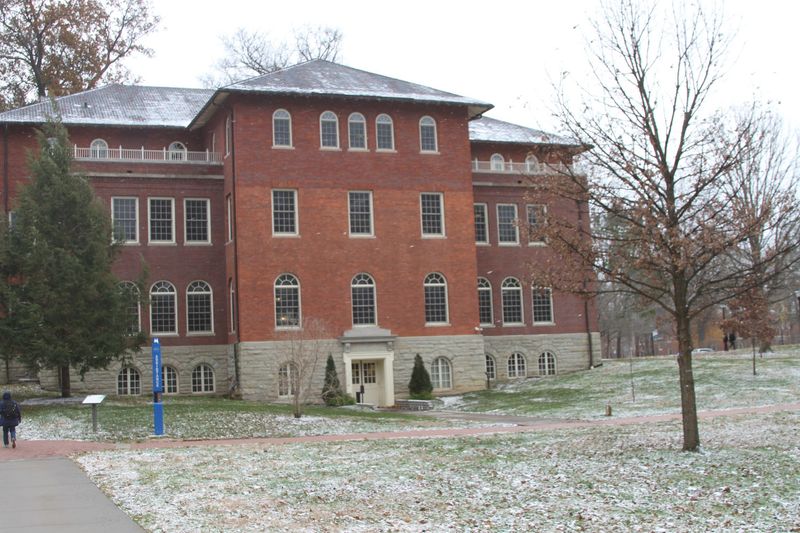
Only 299 Heritage Editions of the St. John’s Bible exist. One of them lives in Hutchins Library at Berea College.
That’s a pretty special item for a small campus to hold. Art and book lovers will want to see it.
Next stop, the Doris Ulmann Galleries. They hold an extensive art collection worth some unhurried time.
Then there’s the Loyal Jones Appalachian Center. It celebrates the culture and heritage of the surrounding mountain region.
And yes, there’s a planetarium. Stargazing on a college visit is a bonus most campuses can’t offer.
Kids especially might perk up at that one. It’s a fun change of pace after a long walk around campus.
Together, these spots make Berea feel bigger than its size. You could easily fill a full day without leaving the grounds.
I like how each place shows a different side of the school. Faith, art, mountain culture, and science all get their moment.
Check hours before you go, since campus offices keep weekday schedules. A little planning helps you catch everything.
A 9,000-Acre Backyard Waits Just Beyond Class
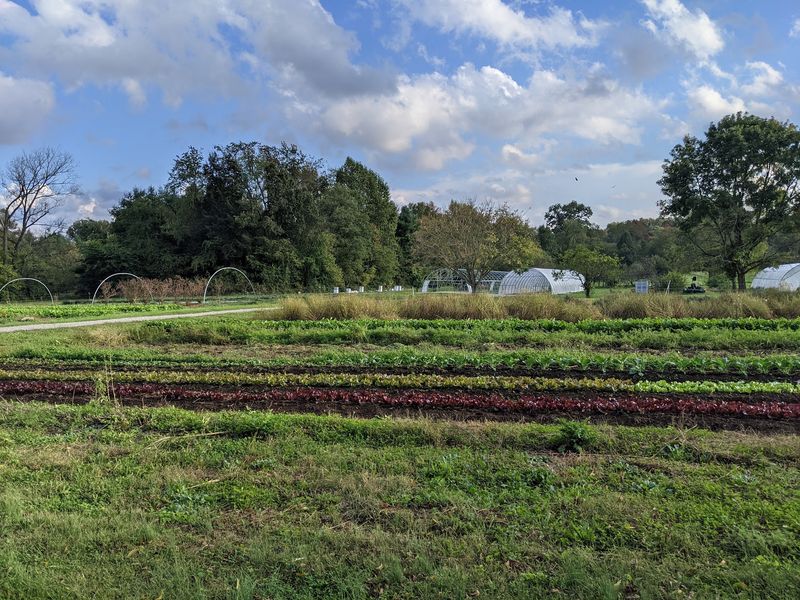
Most colleges brag about a quad. Berea College manages a forest of about 9,000 acres.
Visitors can reach it through the Forestry Outreach Center. It’s a great option for folks who’d rather explore trees than hallways.
The setting helps, too. Campus sits where Kentucky’s Bluegrass Region meets the foothills of the Appalachian Mountains.
That mix gives the area rolling views and a real sense of place. Evening light over those hills can be lovely.
Want the green side of campus life? The free student-guided Eco Tour focuses on the college’s commitment to sustainability.
It pairs nicely with a forest outing. One shows the ideas, the other shows the land behind them.
Pack good shoes and some water before heading out. Trails and walking are part of the fun here.
I can’t imagine a better study break than a forest this size. It beats staring at a screen, that’s for sure.
For nature lovers, this might be the surprise highlight of the trip. Who expected a top-ranked college to come with its own woods?
Plan Your Visit Before The Weekend Sneaks Up
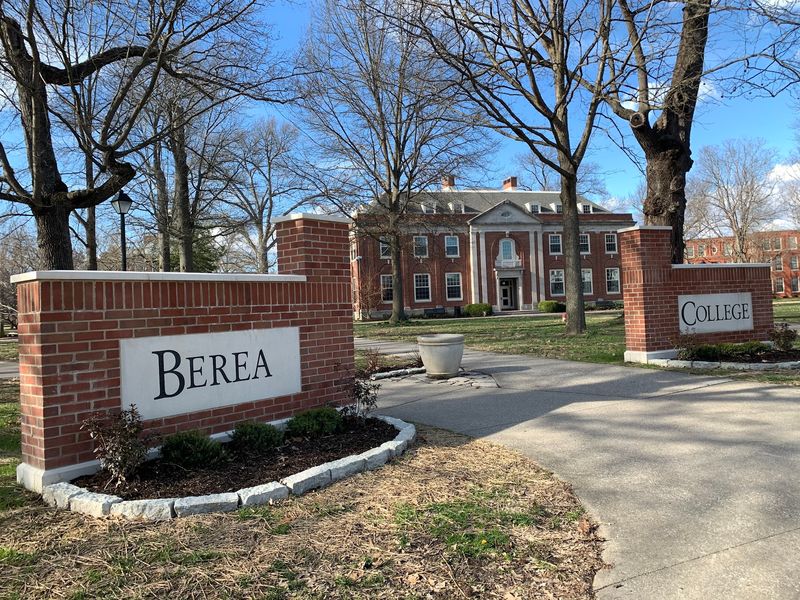
Timing matters here. Berea College keeps its main hours Monday through Friday, from 8 a.m. to 5 p.m.
Saturdays and Sundays are closed for those regular hours. So a weekday trip makes the most sense for tours and offices.
The free tours are the best way to start. Choose the Historic Tour, the Crafts Studio Tour, or the Eco Tour.
Each one is led by students. That means you hear about campus life from people living it right now.
Prospective students should definitely ask questions about the Labor Program. Families can ask about the upcoming Financial Freedom Pledge too.
Leave time to wander between stops. The galleries, library, and Boone Tavern Hotel are all worth working into your day.
I’d suggest comfy shoes and a flexible schedule. Small campuses can surprise you with how much they pack in.
Kentucky has plenty of great road trip stops. A college ranked first in the nation, twice, deserves a spot near the top of yours.