This Small Kentucky Town Helps Thousands Of Airplanes Land Safely Every Day, And Most Flyers Have No Idea
You buckle up, pretend to listen to the safety talk, and sneak one last look at your phone. The plane climbs, the snacks arrive, and life feels good.
Then comes the landing, and you grip the armrest like it owes you money. Here is a fun secret to calm your nerves next time.
Some of the hardworking parts that help big jets slow down safely come from a small Kentucky town. That’s right, the Bluegrass State has a hand in your smooth arrival.
Workers there craft carbon brake disks, wheels, and brakes for some of the most popular passenger jets in the sky. They even help keep certain military aircraft rolling to a safe stop.
So the next time your flight touches down gently, you can give a little nod to Kentucky. Your seatmate may think you are strange, but you will know the truth.
Let’s take a closer look.
The Town With A Secret Job At Every Runway
Walton, Kentucky doesn’t look like an aviation hub at first. It’s a home rule-class city that sits in both Boone and Kenton counties.
The 2020 census counted 5,460 people living there. That’s a pretty modest crowd for a town with such a giant role in air travel.
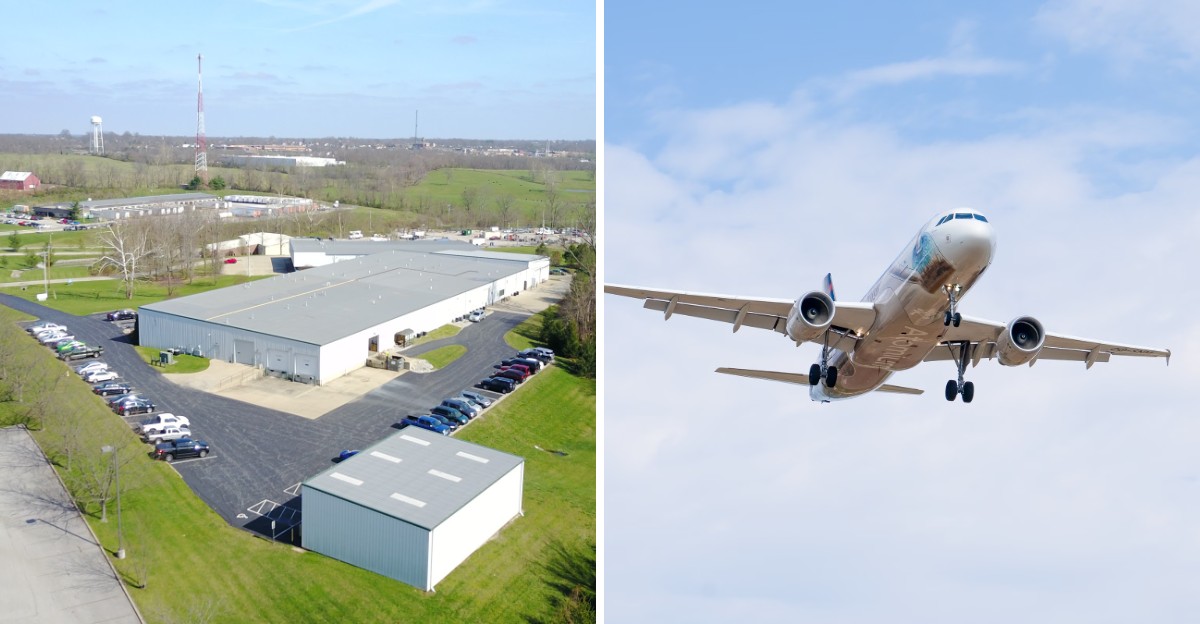
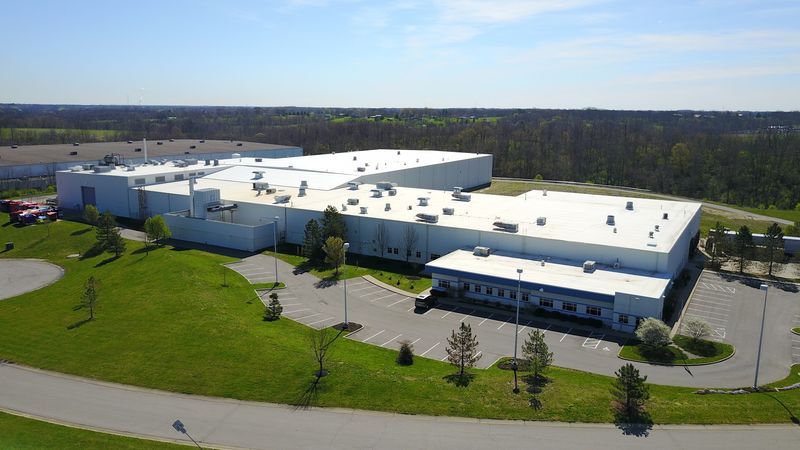
Here’s the twist. Walton is home to Safran Landing Systems, a company that makes carbon brake disks, wheels, and brakes for aircraft.
Those parts help planes slow down safely after they touch the ground.
Think about how many flights land every day around the world. A good number of them depend on hardware connected to this one Kentucky town.
Not bad for a place many drivers simply pass on the way somewhere else.
Most travelers focus on pilots, weather, and air traffic control. Those matter, of course.
Still, the last few seconds of a flight rely on something far less glamorous.
Brakes do the heavy lifting when a jet weighing many tons needs to stop. Walton quietly handles that responsibility.
So the next time your flight lands smoothly, you might owe a small thank-you to northern Kentucky.
A Plant So Rare It Has Only Two Siblings
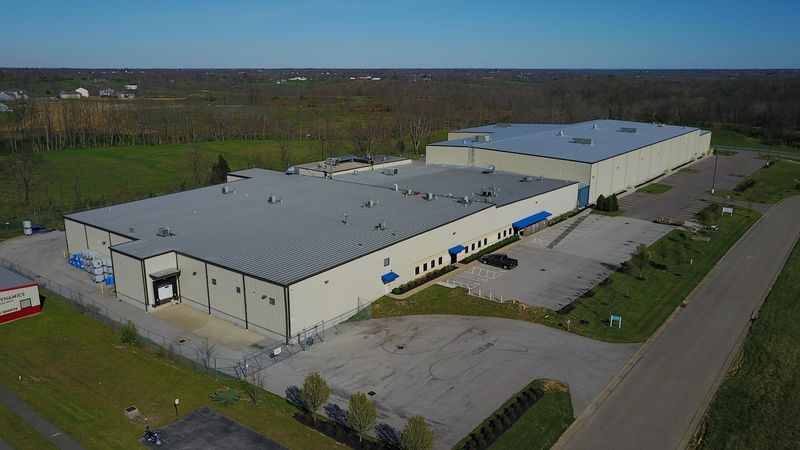
Only three Safran carbon production plants exist on the entire planet. Walton has the only one in North America.
That makes this Boone County facility a big deal. If an airline in the United States, Canada, or Mexico needs these carbon brakes, the trail often leads here.
The plant does two main jobs. It produces brand-new carbon brake disks, and it refurbishes used ones so they can fly again.
Refurbishing matters more than you might guess. Brakes wear down over time, just like the ones on your family car.
Giving them a second life keeps planes flying without constantly starting from scratch.
Picture the global map for a second. Out of every country and city in the world, this kind of plant landed in a Kentucky town of a few thousand people.
That’s a pretty impressive bragging right. Most towns brag about a famous festival or a winning football team.
Walton can say it helps keep jets safe on three continents and beyond. Honestly, that beats a trophy case any day of the week.
Carbon Brakes Pull Off A Clever Weight-Loss Trick
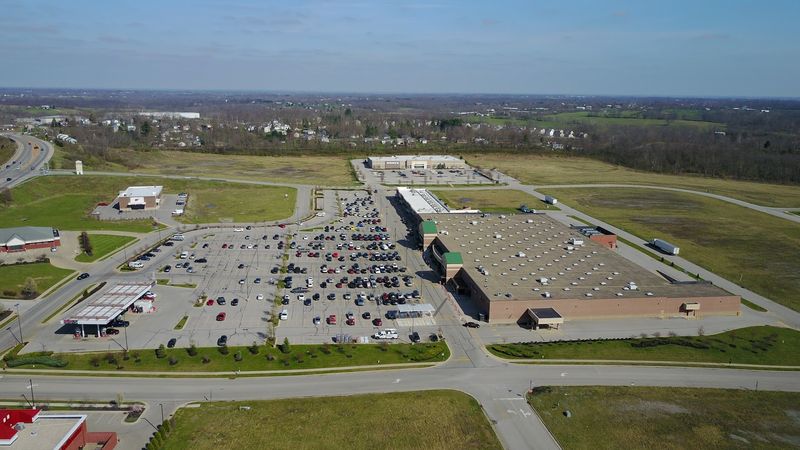
Seven hundred pounds. That’s how much weight carbon brakes can save on a single aircraft compared to traditional steel ones.
Why does that matter? A lighter plane burns less fuel.
Less fuel means lower costs for airlines and less pollution in the air.
American Airlines offers a great example. Carbon brakes help the airline cut greenhouse gas emissions by an estimated 77 tons per Boeing 737NG aircraft every year.
Multiply that by a whole fleet, and the numbers get huge fast. A small change on each plane adds up across thousands of flights.
Carbon is also tough. Planes land hard and often, so brakes need to handle extreme heat and pressure again and again.
Carbon composite materials are built for that kind of punishment.
It’s a little funny when you think about it. Airlines spend so much effort trimming weight, even from snacks and seat materials.
Meanwhile, a factory in Walton quietly helps shave off the weight of several grown adults per plane. That’s one diet plan the whole sky can appreciate.
You’ve Probably Flown On These Planes Already
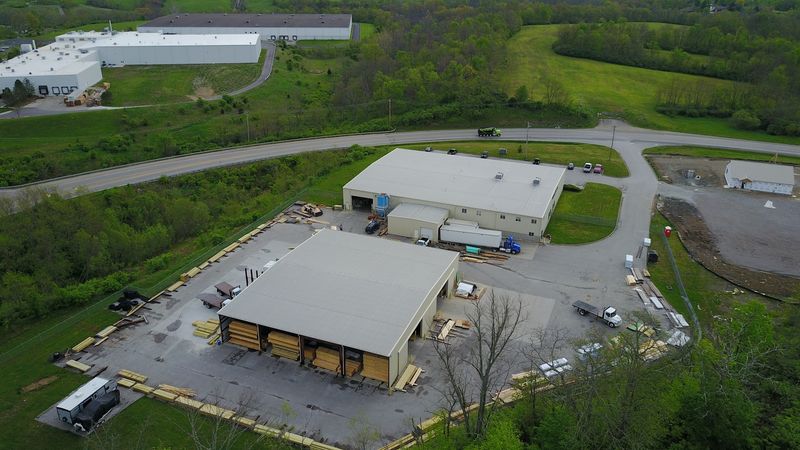
Ever boarded a Boeing 737? There’s a solid chance you have, since it’s one of the most common airliners anywhere.
Wheels and brakes from Safran Landing Systems support that aircraft family. They also show up on the Boeing 777 and the Boeing 787 Dreamliner.
Airbus fans aren’t left out either. The A320 family, which flies tons of short and medium routes, is on the list too.
That covers a big chunk of what passengers ride on for vacations, business trips, and visits to grandma. Many travelers have likely touched down on gear tied to Walton without ever knowing it.
Here’s a fun game for your next trip. Check the safety card in the seat pocket to see which aircraft you’re on.
If it says 737, 777, 787, or A320, smile a little. There’s a decent chance a Kentucky connection is riding along with you.
It won’t show up on your boarding pass, but it’s there when the plane needs it most. That’s the moment right after touchdown, when everyone suddenly leans forward in their seats.
Big-Name Airlines Keep Showing Up On The Customer List
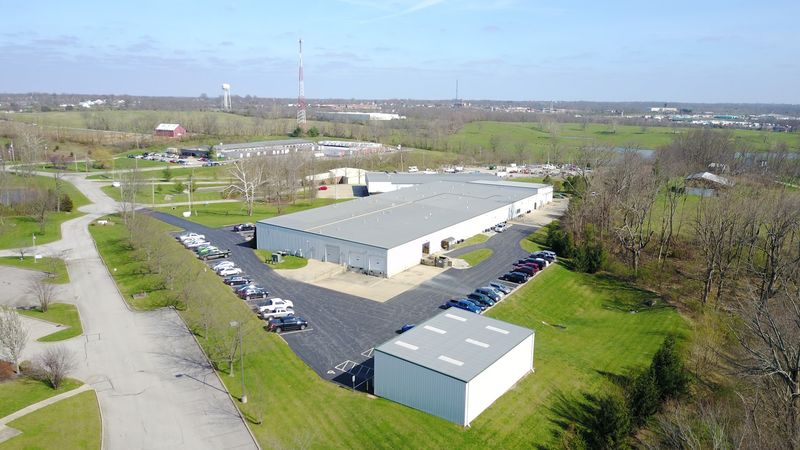
UPS and FedEx both count on the work done in Walton. So do passenger airlines like United, American, Allegiant, Spirit, Air Canada, and Aeromexico.
That’s quite a guest list. It mixes cargo carriers, budget airlines, and major international names all in one place.
The cargo connection is especially cool. Packages you order online may ride on planes stopping with help from these brakes.
So that new pair of sneakers or birthday gift? It might have a little Walton in its travel story.
Nobody prints that on the shipping label, sadly.
Passenger airlines rely on the same safety, just with people instead of boxes. Families heading to beaches, students flying home, and business travelers all benefit.
What stands out is the reach. Air Canada connects to the north, and Aeromexico connects to the south.
Walton sits in the middle, supporting travel across North America. For a town where most folks probably drive to work, that’s a pretty wide footprint in the sky.
It’s proof that small places can hold surprisingly big responsibilities.
Military Jets Need Stopping Power Too
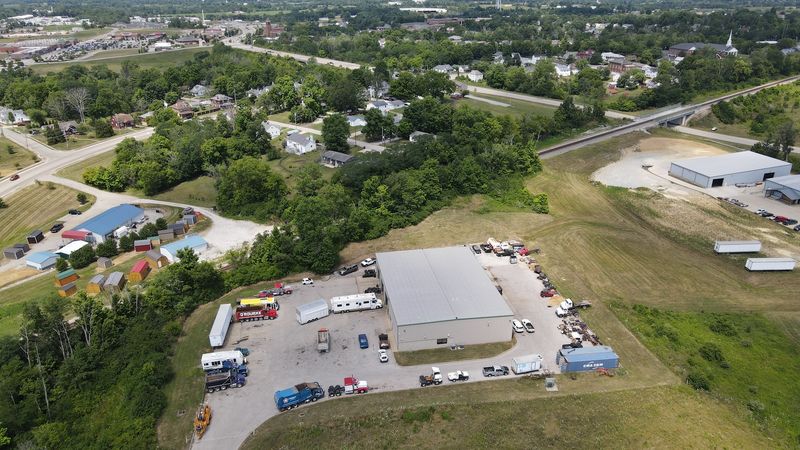
Not every customer flies vacationers. Safran Landing Systems in Walton also makes wheels and brakes for military aircraft.
The C-17 is one of them. It’s a massive cargo plane that carries troops, vehicles, and supplies to places all over the world.
The KC-135 is on the list as well. That aircraft works as a flying fuel station, refueling other planes while they’re in the air.
Both of these aircraft are heavy and hardworking. They land on all kinds of runways, so dependable brakes are a must.
It’s kind of amazing that the same Kentucky town supports both a family flight to Florida and a giant military transport. Two very different missions share one important need.
That need is simple. Every plane has to stop safely once it’s on the ground, no matter what it carries.
So Walton’s role goes beyond everyday travel. It helps support missions that keep supplies moving and aircraft ready.
For a town many folks know mostly as an interstate exit, that’s a seriously impressive resume.
Twenty-Five Years Of Growing Up Fast
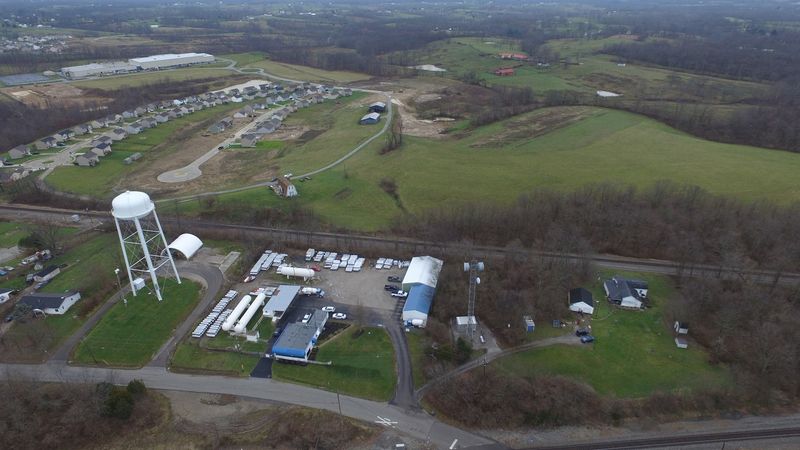
Back in 1999, construction wrapped up on the carbon site in Boone County. That’s when Walton’s aviation story really took off.
Then 2007 brought a big upgrade. The site added manufacturing for aircraft wheels and brakes, not just carbon disks.
By 2016, demand kept climbing. A major expansion project aimed to boost carbon production capacity by 50 percent.
That’s a lot of growth for one campus. It shows how much airlines came to trust carbon brakes over the years.
June 2024 marked a fun milestone. Safran Landing Systems Kentucky celebrated 25 years of operation in Boone County.
A quarter century is a long time in any industry. In aviation, where safety standards are strict, it says even more.
Here’s a quirky way to think about it. Kids born when the plant opened are now old enough to work there.
The facility grew up right alongside a whole generation of northern Kentucky families. And judging by its recent plans, it isn’t anywhere close to slowing down.
Some birthdays call for cake. This one called for bigger buildings.
Fresh Money, New Jobs, And Bigger Plans
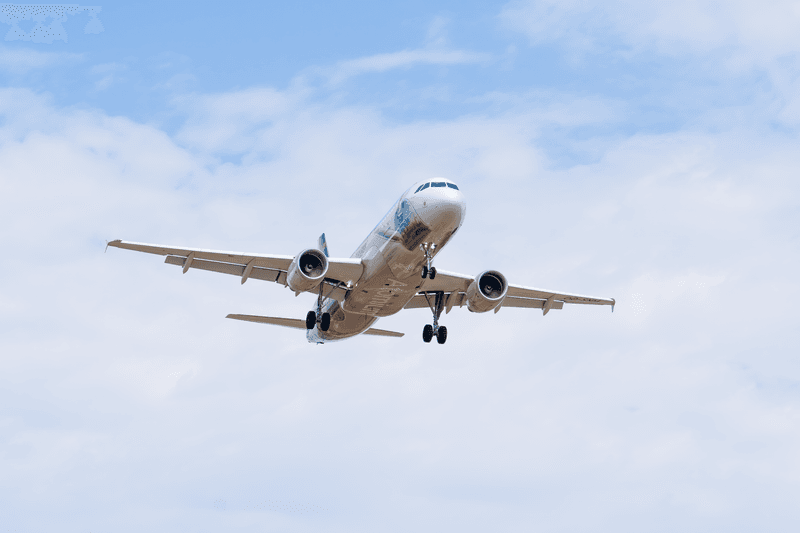
Sixty-five million dollars is a serious vote of confidence. Safran announced that investment in its Walton campus in September 2023.
The plan called for facility upgrades and about 92 new jobs. That’s great news for families looking for steady work in the area.
Why the sudden push? Mass air travel came roaring back, and global demand for carbon composite brakes rose along with it.
More flights mean more landings. More landings mean brakes wear out faster and need replacing or refurbishing.
Since opening, the company has poured over 300 million dollars into the Walton campus. That’s a huge commitment to one Kentucky town.
It also feeds a bigger picture. Aerospace manufacturing is a leading export sector for Kentucky, and Safran is a major contributor.
Many people link the Bluegrass State with horses, basketball, and fried chicken. Airplane parts rarely make that list.
Walton is quietly changing the conversation, one carbon disk at a time. If you’re a student who loves science or engineering, this is a career path worth keeping an eye on.
A Smart Spot Just South Of The Big Airport
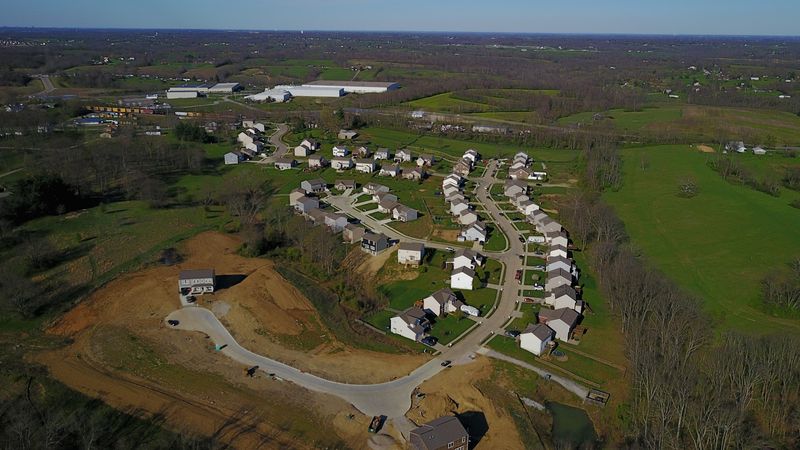
Location helps explain a lot. Walton sits in northern Kentucky, not far south of the Cincinnati area.
Boone County is also home to Cincinnati/Northern Kentucky International Airport. That airport is a major cargo hub, so aviation is already part of local life.
Walton keeps a small-town feel despite its big-league job. The city stretches across two counties, with green hills and easy highway access nearby.
That mix makes sense for a manufacturing campus. Workers get room to grow, and shipping parts out is simpler with good roads close by.
Curious travelers can’t exactly tour a carbon plant for fun. Still, driving through Walton offers a neat perspective on how everyday places power the wider world.
Next time you fly into or out of northern Kentucky, glance down at the countryside. Somewhere below, folks are making the parts that help planes stop.
Then think about every smooth landing you’ve ever enjoyed. Plenty of people helped make it happen.
A few of them probably live in a little Kentucky town called Walton, and that’s pretty cool.