This Small Kentucky Town Saved A NASA Moon Mission And Almost Nobody Knows It
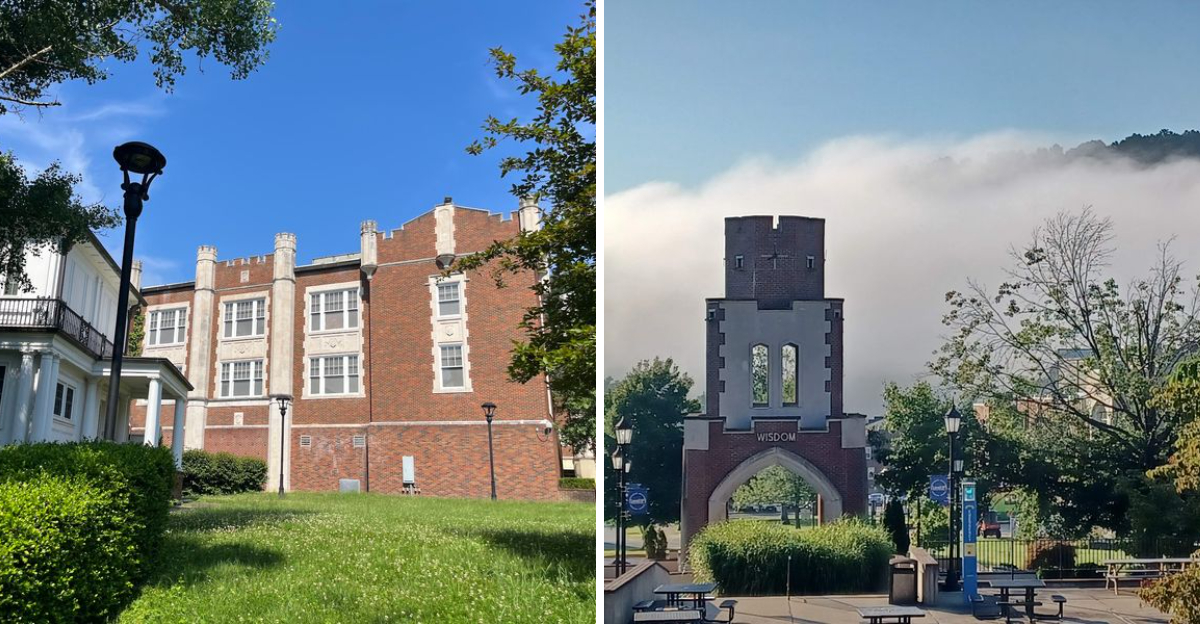
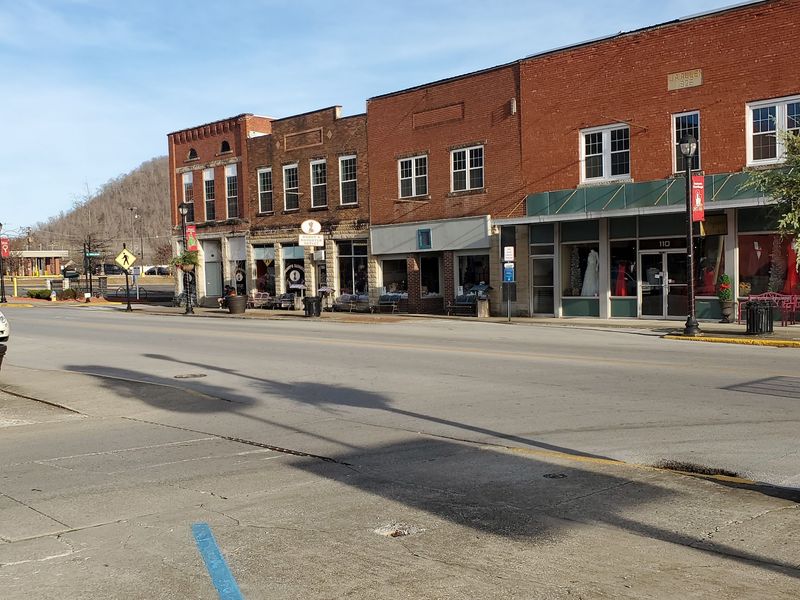
Picture the last place you would call during a space emergency. You are probably picturing somewhere that looks a lot like this town.
Fewer than eight thousand people live here. There is a very large dish on the hill, and it is not decorative.
In early twenty twenty four, something went wrong on the moon. A lander touched down and promptly fell over.
That was not the plan. The people in charge needed another way to reach it.
They did not call a coast. They called Kentucky.
What happened next involved undergraduates who had class in the morning. You are going to want to know how that went.
The moon sits about two hundred forty thousand miles away. This town is not on most maps of anything.
Somehow those two facts landed in the same story. Nobody here brags about it, which might be the most Kentucky detail of all.
The Unlikely Space Town
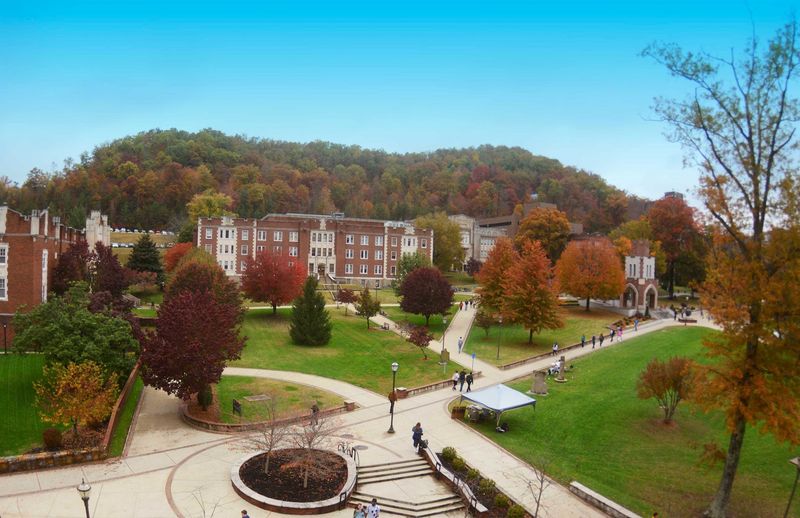
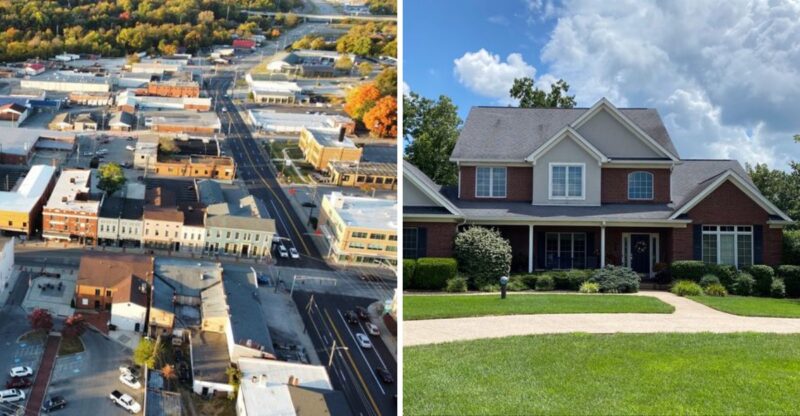
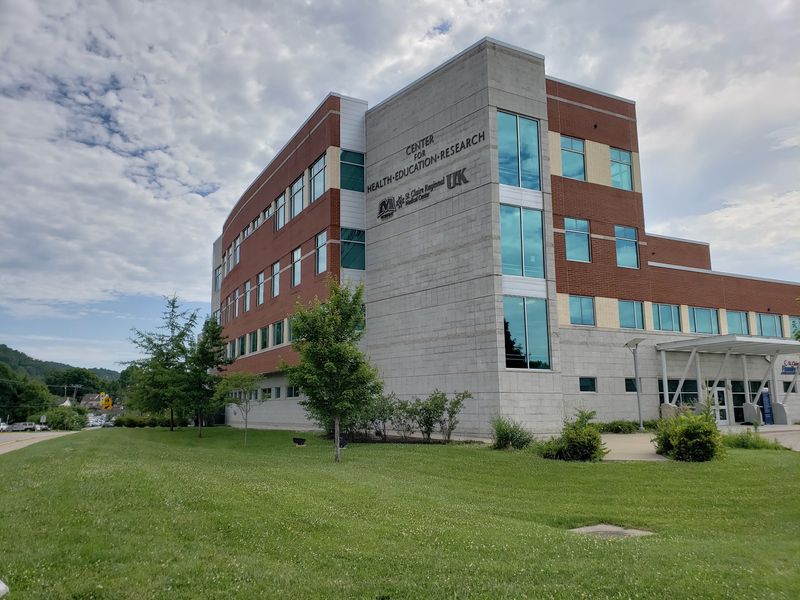
Not every space story starts at Cape Canaveral. Morehead, Kentucky sits in the foothills of the Appalachian Mountains, home to about 7,000 people and one seriously impressive antenna.
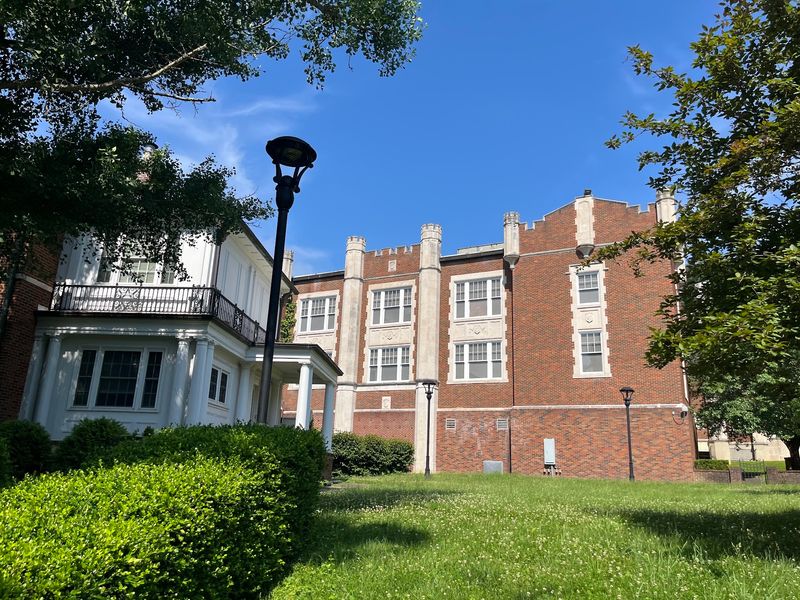
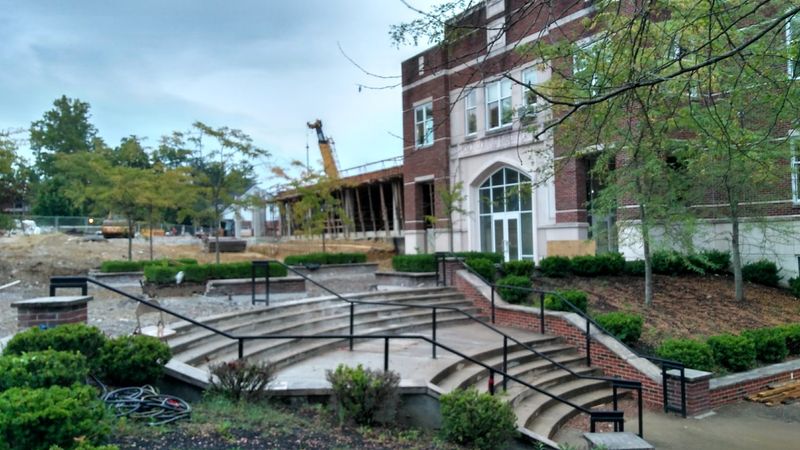
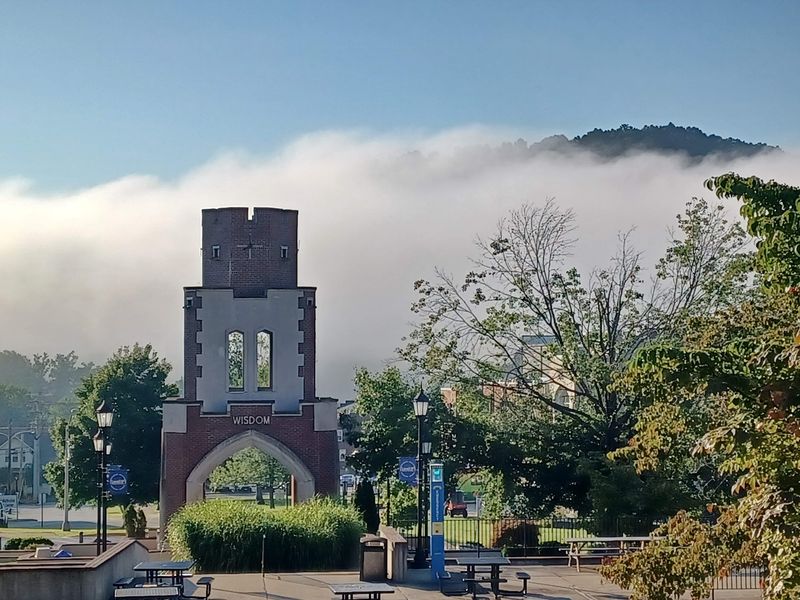
Morehead State University is located at 150 University Boulevard, Morehead, Kentucky.
Most people know Morehead for its university spirit and mountain scenery. Few know it hosts one of the most powerful university-owned deep space antennas on Earth.
The 21-meter dish at the Space Science Center is not a prop or a school project. It is a real, functioning node on NASA’s Deep Space Network.
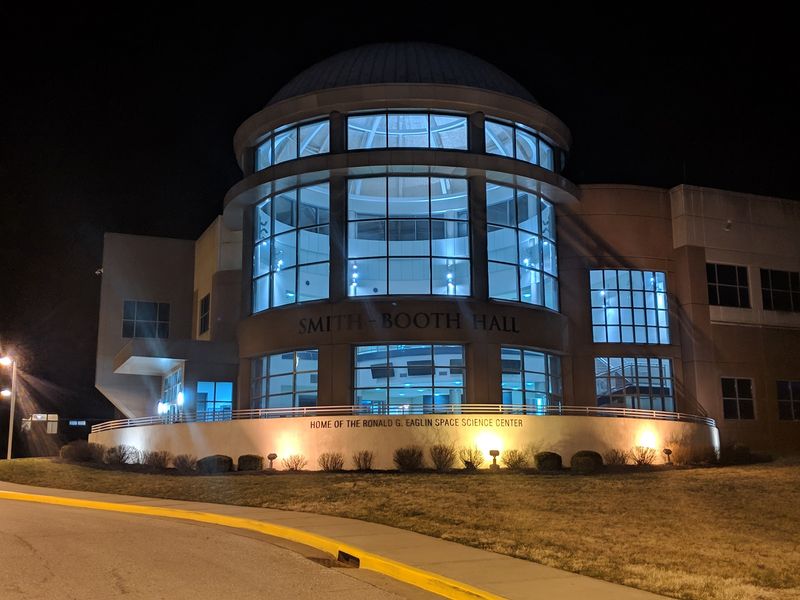
Students here track satellites, communicate with spacecraft, and work on missions that most universities only read about in textbooks. The antenna was built to do serious science, and it has delivered.
When NASA needed backup support during a critical moon mission in 2024, Morehead was ready. This town punches so far above its weight class it is almost funny.
The 21-Meter Antenna That Changed Everything
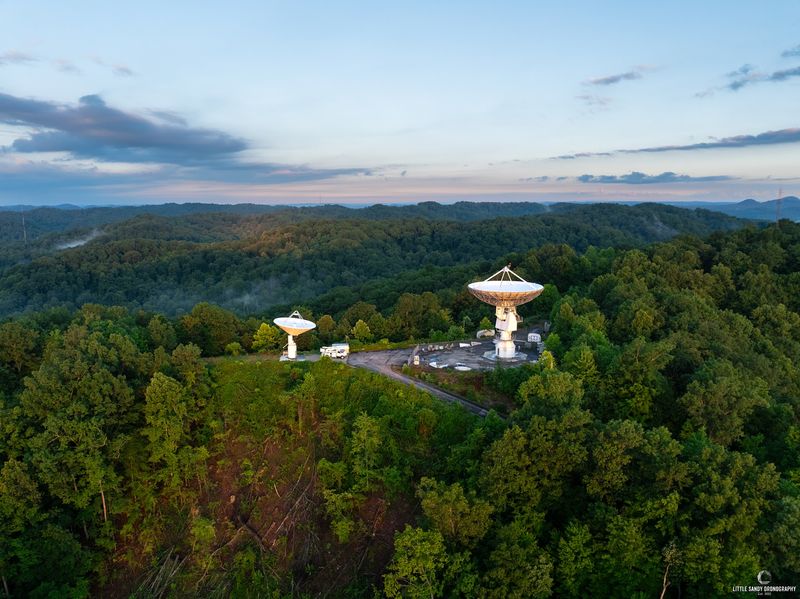
Most college campuses have a gym, a library, and maybe a nice quad. Morehead State has a 21-meter deep space antenna, and that changes the conversation entirely.
This dish is not small. It stands tall on campus and can reach spacecraft millions of miles away.
Morehead State built the antenna to give students real hands-on experience in space science. The goal was always to go beyond classroom learning.
Engineers and professors designed the system to meet professional standards, not just educational ones. That decision turned out to matter more than anyone expected.
NASA recognized the antenna’s capabilities and made Morehead State an affiliated node of its Deep Space Network. That is a very short list.
Only a handful of institutions worldwide hold that status. Being on that network means Morehead can send and receive signals to and from spacecraft in deep space.
For a regional university in Kentucky, that is genuinely extraordinary. The antenna is the reason this story exists at all.
NASA’s Deep Space Network And Why It Matters
NASA’s Deep Space Network is the communication backbone for nearly every mission beyond Earth orbit. It is a global system of giant antennas that keep contact with spacecraft traveling across the solar system.
Without it, missions go silent. Commands never arrive.
Data never returns.
The network has three main ground stations placed around the world to ensure constant coverage. Goldstone in California, Madrid in Spain, and Canberra in Australia form the core.
These stations handle an enormous volume of traffic from dozens of active missions at any given time.
Morehead State’s antenna became an affiliated node, meaning it can support the network when needed. That affiliation is not ceremonial.
It means Morehead’s dish meets the technical requirements to relay commands and receive telemetry from deep space missions. When the network gets stretched thin or a situation demands creative solutions, affiliated nodes become critical.
The Intuitive Machines mission in February 2024 proved exactly that. Morehead was not just watching from the sidelines.
It was plugged in and ready to act when the moment arrived.
Intuitive Machines And The February 2024 Moon Landing
February 2024 was a big month for space history. Intuitive Machines launched its IM-1 mission, carrying the Nova-C lander toward the moon’s south polar region.
It was the first American spacecraft to land on the moon since Apollo 17 in 1972. The pressure was enormous.
The landing itself did not go perfectly. The lander touched down near Malapert A crater but tipped over on its side.
One of its legs caught on uneven terrain, and the spacecraft came to rest at an angle. Several antennas pointed in the wrong direction as a result.
Communication with the lander became extremely difficult. The mission operations center needed every available resource to maintain contact.
Signals were weak. The geometry between Earth and the tilted spacecraft made traditional relay paths unreliable.
Engineers scrambled to find solutions. That scramble is what brought Morehead State into the most critical hours of the mission.
A small Kentucky university suddenly found itself at the center of a historic space event, and it delivered.
When The Lander Tipped And Signals Went Quiet
Imagine spending years building a spacecraft, launching it successfully, and watching it land on the moon, only to lose reliable contact because it fell over. That is essentially what happened with IM-1.
The tipping was unexpected, and it created a serious communication problem fast.
With antennas misaligned, the lander could not talk to Earth through normal channels. The mission operations center needed a different geometry, a different ground station, or a creative combination of both.
Standard options were limited. The Deep Space Network was already managing multiple missions simultaneously.
Every minute of lost communication was a minute of lost science and lost control. Engineers needed a path to send commands and receive data from a spacecraft sitting sideways on the moon.
The situation required fast thinking and flexible resources. Morehead State’s antenna offered a unique angle that other stations could not easily provide.
Its position and technical readiness made it a viable bridge at exactly the right moment. The students and faculty who had spent years preparing for something like this were suddenly needed for real.
Students Who Helped Bridge A Moon Mission
There is something remarkable about college students helping save a moon mission. These were not interns fetching coffee.
They were trained operators working real equipment during a real emergency. Morehead State students had been preparing for moments like this through years of hands-on training.
When the IM-1 mission needed support, Morehead’s team helped bridge communication between the mission operations center and the Deep Space Network.
That bridging role meant routing commands through their antenna so the lander could receive them. It required precision, coordination, and calm under pressure.
Students at the Space Science Center regularly track satellites and support active missions as part of their coursework. The line between education and real operations blurs there in the best possible way.
Faculty guided the process, but students were genuinely part of the solution. Most of them probably did not fully realize how significant the moment was while it was happening.
That is how real work often goes. You focus on the task, do it right, and only later understand what you were part of.
How A Regional University Earned NASA’s Trust
Getting onto NASA’s Deep Space Network as an affiliated node is not something that happens by accident. Morehead State spent years building credibility, technical capacity, and a track record of reliable operations.
Trust like that is earned slowly and tested quickly.
The university’s Space Science Center has supported dozens of satellite missions over the years. Faculty published research, students gained certifications, and the antenna proved its reliability across many different types of operations.
NASA does not hand out affiliated node status as a courtesy. The technical bar is high and the expectations are serious.
Morehead’s inclusion on the network reflects a deliberate investment in space science infrastructure at a school that many people outside Kentucky have never heard of. That investment paid off in February 2024 in a way nobody could have scripted.
Regional universities often struggle to compete for research prestige. Morehead found a specific lane, built real expertise, and showed up when it mattered most.
That is a model worth noticing. Sometimes the most impactful institutions are the ones quietly doing the work far from the spotlight.
Why This Story Deserves Way More Attention
Stories like this one get lost because they do not fit the usual script. Space news focuses on rocket launches, famous astronauts, and big agency announcements.
A small Kentucky university quietly helping bridge a moon mission does not generate the same headlines, but it probably should.
The Morehead story is really about what happens when institutions invest in real capability over reputation. The Space Science Center was not built to impress rankings committees.
It was built to do genuine space science, and that authenticity is exactly why it was useful when things went sideways on the moon.
There are likely other schools, small cities, and overlooked institutions doing similarly important work right now. They just have not had their February 2024 moment yet.
Morehead earned its spotlight through years of steady, serious effort. Next time a mission makes news, it is worth asking who else is in the room.
The answer might surprise you. Sometimes the most important contributors are the ones you have never heard of, working in places you might not think to look.