This Small Nebraska Town Still Has Homes Under $200,000 And A Pace That Feels Easy
Affordable housing can make people stop scrolling fast, understandably so.
Believe it or not, a home under $200,000 still feels possible in a place like this. That’s enough to make anyone tired of wild real estate prices lean closer.
Traffic does not feel like a daily battle. Errands seem manageable. A regular afternoon has room to breathe. Sounds pretty nice, right?
Small-town Nebraska can make life feel less like a calendar fight and more like something you actually get to live.
That does not mean everyone should pack tomorrow. A quieter town comes with trade-offs.
Jobs, distance, weather, services, and lifestyle all matter. Still, the appeal is easy to understand.
Lower home prices change the math. A friendly pace changes the mood.
This town makes the question of if a more affordable setup still exist feel worth asking.
McCook Still Makes Homeownership Feel Possible
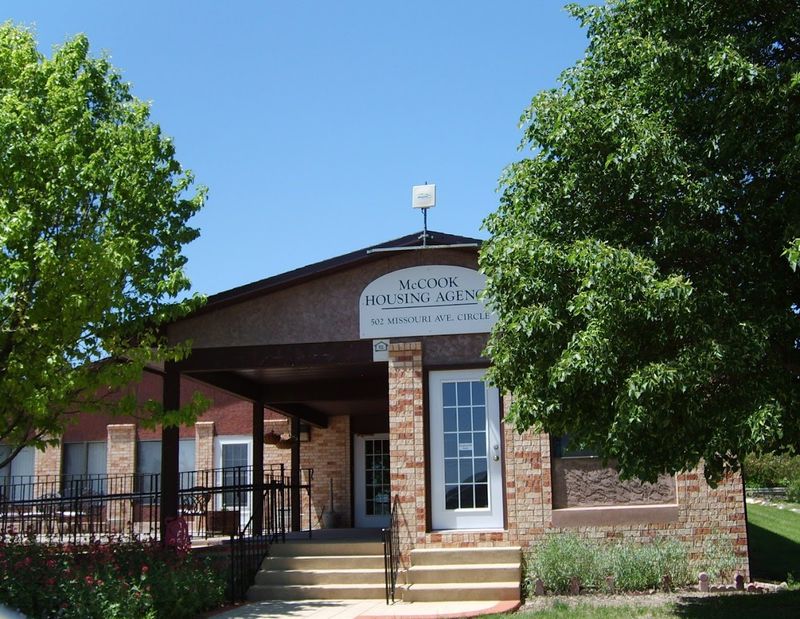
Finding a home under $200,000 in today’s market feels like searching for something that no longer exists, but McCook still delivers on that promise with room to spare.
The median listing price for homes in the area sits around $185,000, and as of April 2026 there were 76 homes actively listed for sale.
That kind of inventory gives buyers real choices rather than a rushed scramble.
The median price per square foot hovers around $96, which stretches a budget further than most comparable towns in the Midwest.
Families looking for space, yards, and quiet streets can find options that simply do not exist at this price point in larger cities.
McCook scored an A+ for housing in a recent livability assessment, and that rating reflects what buyers actually find when they start browsing.
The overall cost of living in McCook runs about 16 percent below the national average and roughly 5 percent below the Nebraska average, meaning the savings extend beyond just the mortgage.
Groceries, utilities, and everyday expenses tend to stay manageable here.
Downtown Feels Walkable Without Trying Too Hard
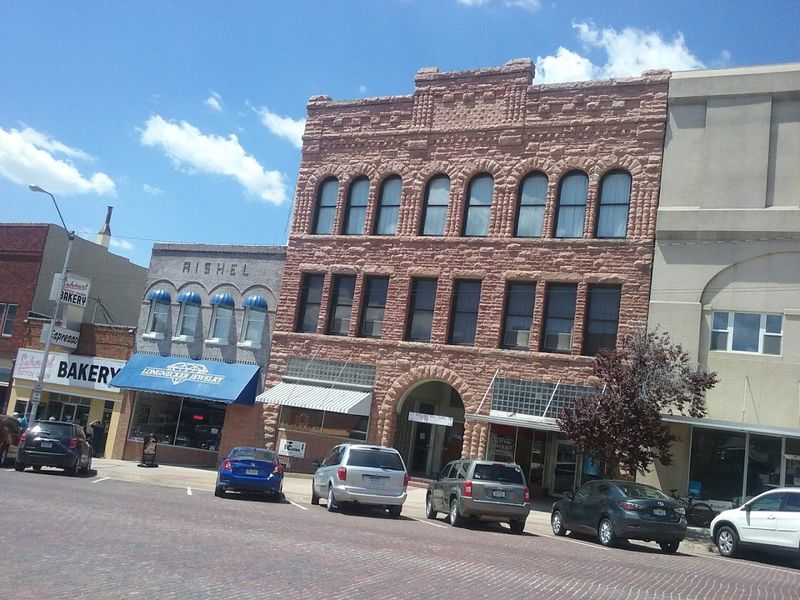
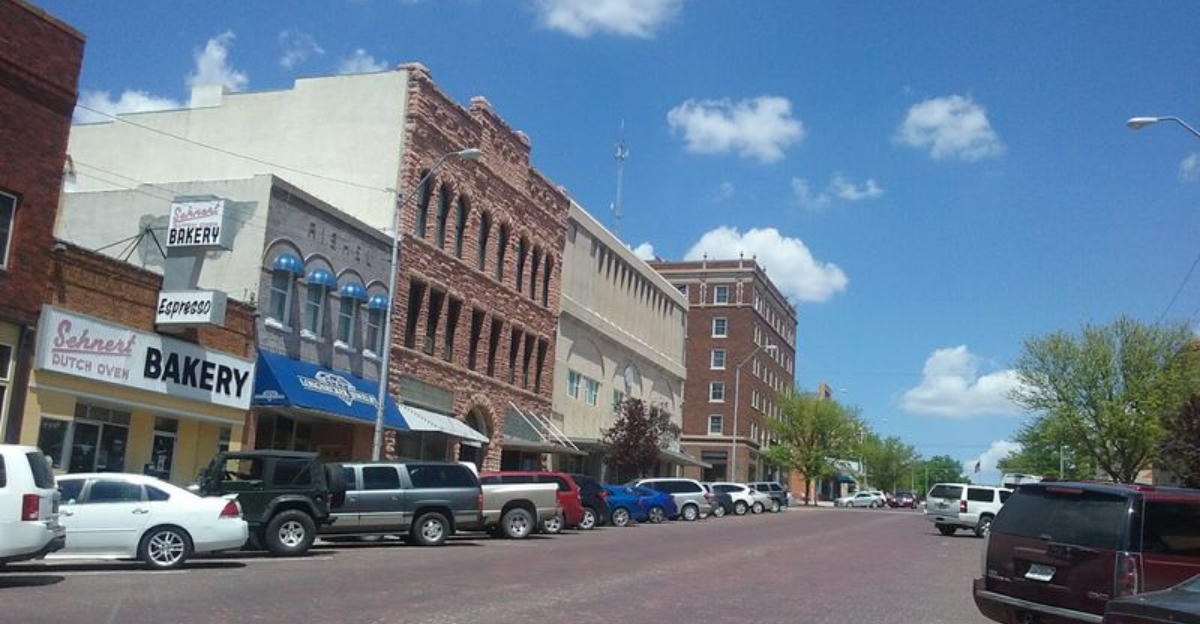
Not every small town can claim a walkable downtown worth exploring, but Heritage Square gives McCook a genuine center that rewards a slow afternoon stroll.
The area covers a 10-block historic district and offers a self-guided walking tour that connects visitors to the architecture and stories embedded in the buildings. Nothing feels rushed or staged here.
The streets have a comfortable scale, meaning a person can cross from one side of downtown to the other without needing a car or a plan.
Storefronts sit close to the sidewalk, shade trees line the paths, and the overall feel leans toward unhurried rather than tourist-heavy.
That laid-back quality is part of what makes the downtown experience feel real rather than manufactured.
Weekday mornings tend to bring a quieter version of the district, while weekend afternoons can add a bit more foot traffic and energy.
The self-guided tour works well for first-time visitors who want context without committing to a scheduled group experience.
Comfortable shoes and a loose schedule are really all that is needed to get the most out of Heritage Square, and the 10-block layout means the whole area can be covered at an easy pace without fatigue.
Nebraska’s Only Frank Lloyd Wright House Is Here
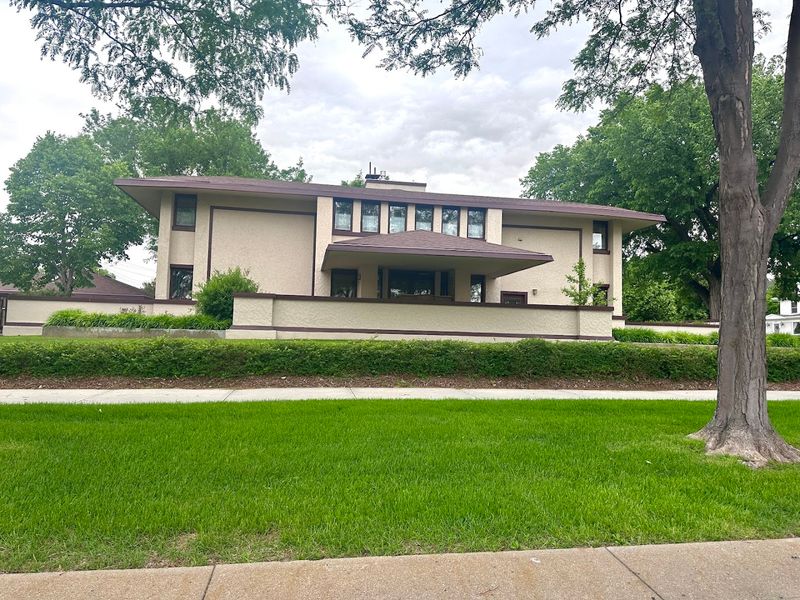
Most people associate Frank Lloyd Wright with famous landmarks in other states, so finding his only Nebraska design sitting quietly on a residential street in McCook tends to catch people off guard.
The Harvey P. and Eliza Sutton House is located at 602 Norris Avenue, McCook, NE 69001, and it represents a genuinely rare piece of American architectural history.
The Prairie-style design reflects the horizontal lines and natural integration that defined much of Wright’s residential work.
The house blends into its neighborhood in a way that makes stumbling upon it feel almost accidental, which adds to the appeal.
Visitors walking the Heritage Square tour or simply exploring the area can add this stop without much detour.
The exterior alone communicates Wright’s signature approach, with low-pitched rooflines and a sense of connection to the surrounding landscape.
Architecture enthusiasts traveling through Nebraska often include this address specifically because there is no other Wright-designed building in the entire state.
That singular status makes it worth the visit even for people who are not deeply familiar with his work.
Seeing it in the context of a modest, friendly neighborhood rather than a formal museum setting gives the experience a grounded, personal quality that larger architectural landmarks sometimes lack.
A Quiet House Holds Big Political History
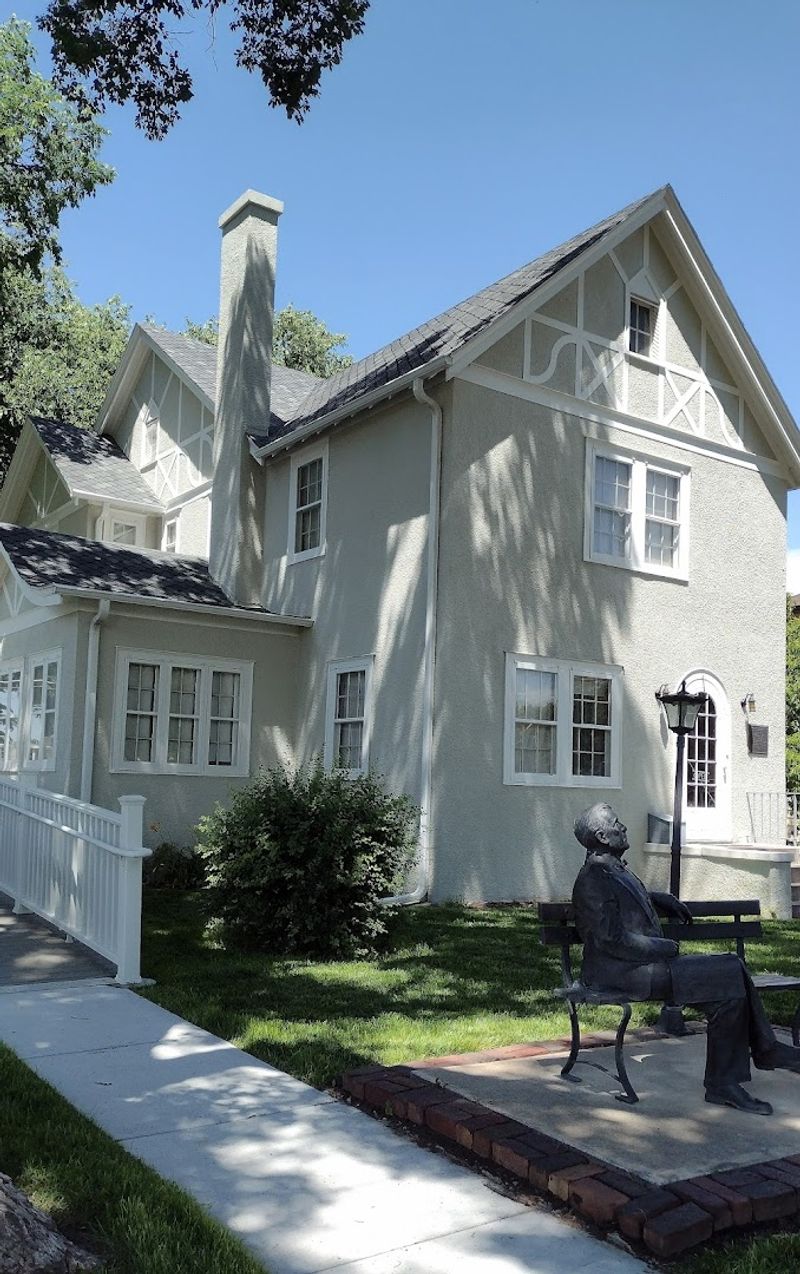
Some of the most consequential political decisions in American history were shaped inside a modest home in McCook, and the Senator George Norris State Historic Site preserves that story with care.
The site documents the life of a senator who lived in the home from 1902 to 1944 and whose legacy includes two major achievements that still affect daily life across the country.
Rural electrification and Nebraska’s unique one-house Legislature both trace back to his work.
The home itself reflects the straightforward, unpretentious character that defined the senator’s public image.
Walking through the preserved rooms gives visitors a tangible sense of the era and the practical mindset behind policies that brought electricity to farming communities across rural America.
The connection between the ordinary domestic setting and the extraordinary political reach is part of what makes the site feel meaningful rather than just historical.
Nebraska’s unicameral Legislature, which operates with a single chamber instead of the traditional two, remains one of the most distinctive features of the state’s government and can be traced directly to Norris’s advocacy.
For visitors interested in American political history or government structure, this site offers context that goes well beyond a standard historic house tour.
The Museum Of The High Plains Goes Bigger Than Expected
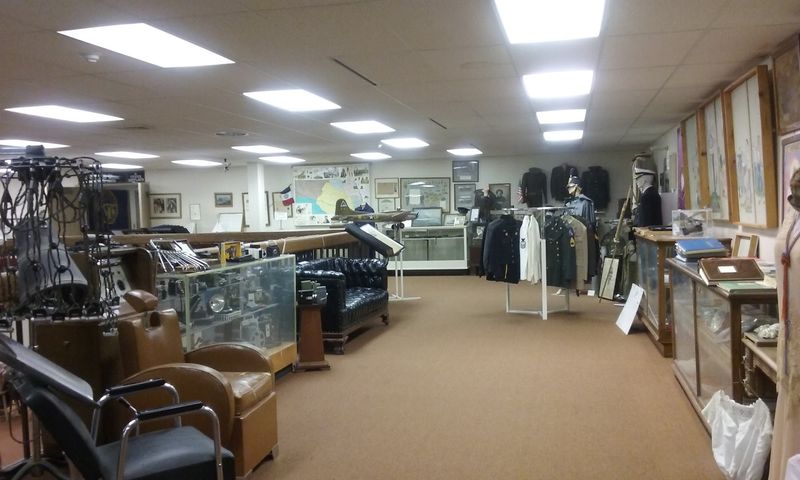
Walking into a small-town museum and finding exhibits about a World War II air base, Native American artifacts, antique collections, and the original home of the inventor of Kool-Aid is not what most visitors expect.
The High Plains Museum in McCook covers an unusually wide range of subjects and manages to hold attention across all of them. The Kool-Aid connection alone tends to stop people in their tracks.
Edwin Perkins, who invented the powdered drink mix in Hastings, Nebraska, has a preserved home display inside the museum that adds a quirky, nostalgic layer to an already varied collection.
The WWII exhibits connect the town directly to wartime history, with the local air base and POW camp representing chapters of the war that rarely appear in mainstream histories.
That specificity makes the exhibits feel personal rather than generic.
The museum does not try to be everything at once, but the range of its collection reflects the layered history of the High Plains region in a way that rewards curious visitors.
Plan for at least an hour to move through the exhibits without rushing. The High Plains Museum is located at 423 Norris Avenue, McCook, NE 69001, and it remains one of the most surprisingly engaging stops in town.
Red Willow Reservoir Adds The Easy Outdoor Escape
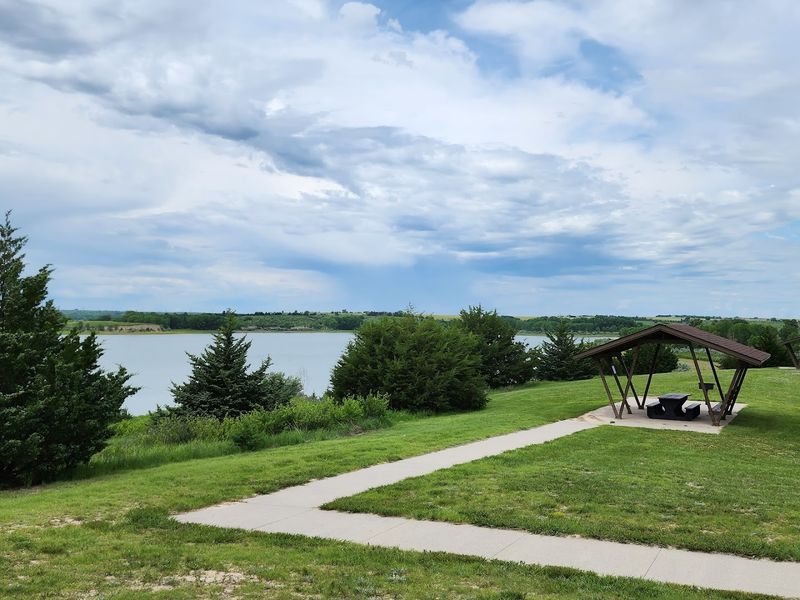
Just outside of town, Red Willow Reservoir State Recreation Area wraps around Hugh Butler Lake and offers a genuinely easygoing outdoor destination that does not require much planning or gear.
Fishing, hunting, hiking, biking, and camping are all available, which means the area serves a wide range of visitors from weekend anglers to families looking for a simple afternoon outside.
The lake itself provides a calm focal point for the whole recreation area.
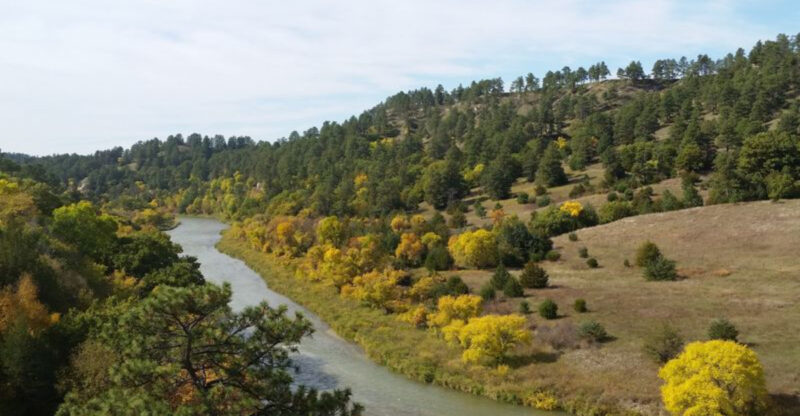
The trails around the reservoir move through open countryside that reflects the broad, unhurried landscape of southwestern Nebraska.
There is no crowding or ticketed entry process that creates friction before the experience even begins.
Visitors can arrive, find a spot, and settle into whatever pace feels right, which fits perfectly with the overall rhythm of life in McCook.
Camping options at the site allow for overnight stays, making it a realistic base for a longer outdoor trip without requiring travel to a distant destination.
Seasonal fishing tends to be a draw for locals and visitors alike, and the hunting access adds another layer of activity for those who plan ahead.
The Arts Scene Has More Muscle Than Expected
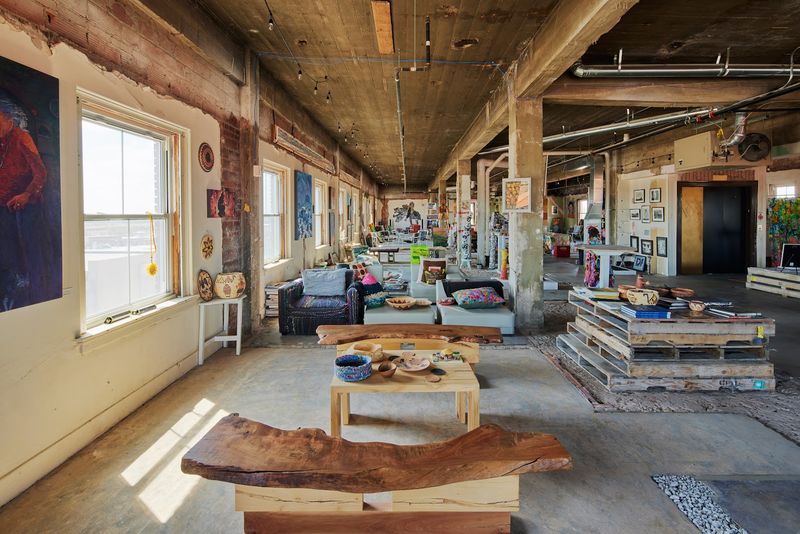
Small towns and serious contemporary art do not always go hand in hand, but McCook has built something genuinely unexpected with ArtBank and the 6th Floor Project.
Together they bring rotating exhibitions, a permanent collection, and dedicated contemporary art spaces into the heart of downtown.
The combination gives the arts scene a consistency that goes beyond a single annual event or a temporary installation.
ArtBank operates as a working gallery that connects local and regional artists to a broader audience, while the 6th Floor Project adds a more experimental dimension to the mix.
Both spaces contribute to a downtown experience that rewards more than one visit, since the rotating exhibitions mean the content shifts over time.
That kind of programming takes real organizational commitment from a community of McCook’s size.
For newcomers to the area, the arts spaces offer an easy way to meet people and understand the creative energy that exists in the town.
Gallery openings and exhibition events tend to draw a mix of ages and backgrounds, which reflects the broader social character of McCook.
Visitors who assume small-town Nebraska means limited cultural options will likely leave with a revised opinion after spending time with what ArtBank and the 6th Floor Project have put together in a genuinely compact setting.
The Fox Theatre Keeps The Small-Town Stage Alive
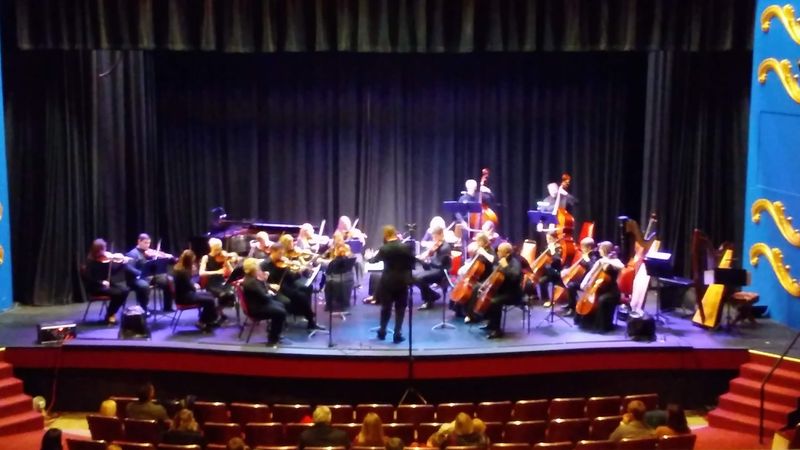
There is something deeply satisfying about a historic theatre that still functions as a real community venue rather than sitting empty or converted into retail space.
The Historic Fox Theatre in McCook presents visual and performing arts to the community on a regular basis, keeping live performance accessible to residents who might otherwise need to drive hours to catch a show.
The building itself carries the warmth of a classic small-town venue.
Programming tends to span a range of performance types, which means the theatre draws different audiences depending on what is on the calendar.
That flexibility helps it remain relevant to a broader cross-section of the community rather than serving only one niche.
For families new to McCook, the theatre represents the kind of shared cultural experience that builds community connection over time.
Seeing a live performance in a restored historic space feels different from streaming something at home, and the Fox Theatre preserves that distinction in a town where it would be easy to let it disappear.
The combination of history, function, and programming makes it one of the more quietly impressive cultural assets McCook has to offer.
A Community College Adds Youth And Local Energy
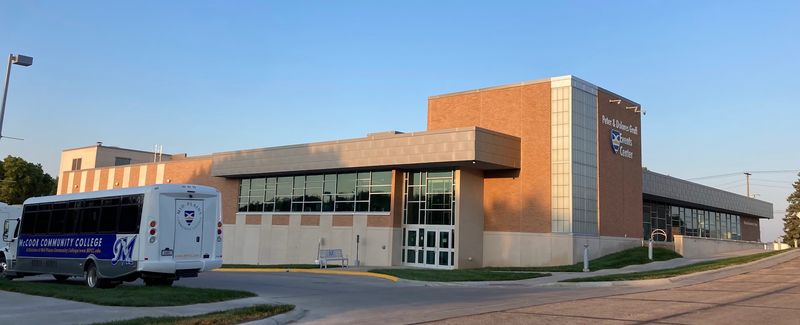
Having a community college in a small town changes the daily energy of the place in ways that are hard to quantify but easy to feel.
McCook Community College, founded in 1926 as McCook Junior College, holds the distinction of being described as Nebraska’s first two-year institution, which gives it a historical depth that extends well beyond its current enrollment.
The college operates under the Mid-Plains Community College system and continues to serve students from the surrounding region.
The presence of a college means McCook benefits from a population of younger residents who bring activity, perspective, and a different kind of pace to the community.
Local businesses, parks, and cultural venues all tend to benefit from the foot traffic and engagement that a student population generates. That cycle of activity helps keep the town feeling alive rather than static.
For families relocating to McCook, the college also represents an accessible higher education option close to home, which can factor into long-term planning for households with teenagers approaching graduation.
McCook Community College is located at 1205 East 3rd Street, McCook, NE 69001, and its programs cover a range of vocational, transfer, and workforce development tracks.
The combination of affordability, history, and ongoing community contribution makes the college one of McCook’s most quietly valuable assets.
Food And Culture Already Got National Attention
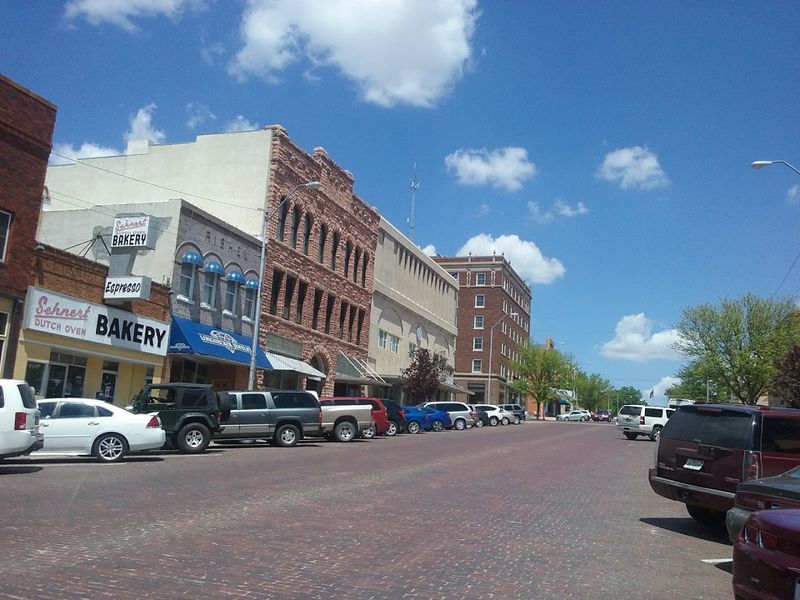
Getting recognized by a major national travel publication is not something most small Nebraska towns can claim, but McCook earned a runner-up spot for America’s Best Small Food and Culture Town from Travel + Leisure in 2023.
That kind of recognition does not come from a single restaurant or one well-attended festival. It reflects a broader ecosystem of food, arts, history, and community that holds up under outside scrutiny.
The acknowledgment matters because it validates what residents already know and gives prospective visitors or newcomers a credible reason to take the town seriously.
Travel + Leisure covers destinations across the country and internationally, so landing on that list as a small Nebraska city signals something genuine rather than a regional participation award.
McCook’s ability to hold its own in that category alongside larger and better-known towns says something about the depth of what has been built here over time.
The James Beard Award-winning bakery, the historic theatre, the contemporary art spaces, and the walkable downtown all contributed to that standing.