This Small Tennessee Museum Tells The Wildest Mountain Story
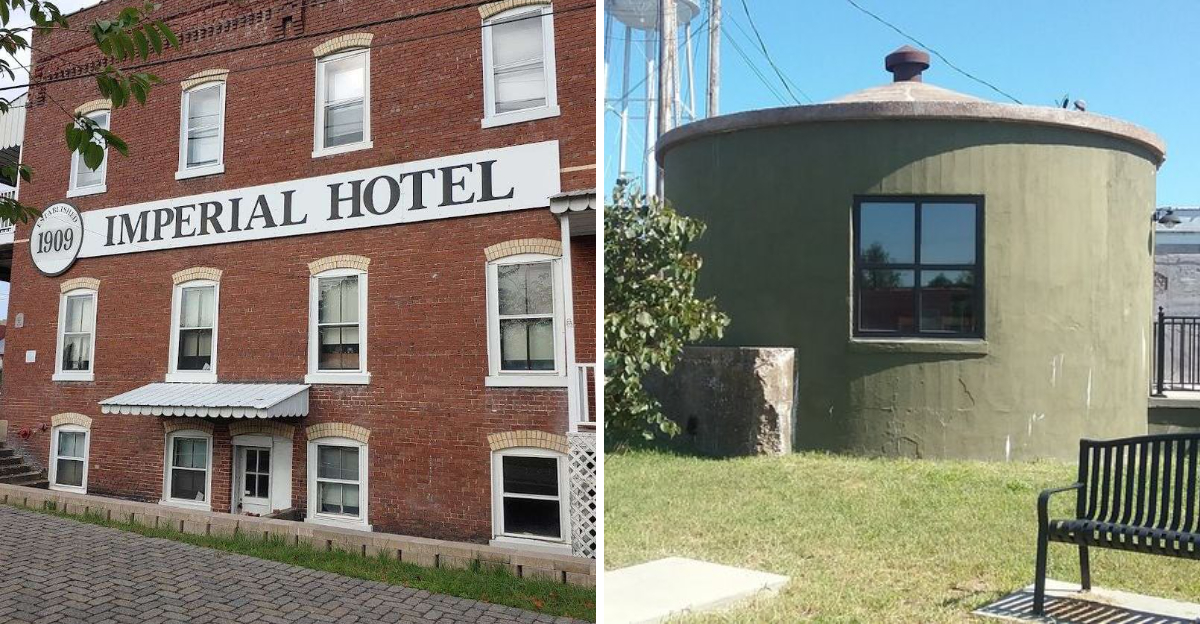
Tennessee has a talent for hiding its best stories in plain sight, usually in a building you would drive past without a second glance if nobody had told you to stop.
This museum is exactly that kind of building, and the story inside covers more ground than most people expect from a single room in a small mountain town. The timeline alone is staggering.
You are looking at a place that has been shaped by prehistoric hunters chasing animals that no longer exist on this continent.
You can learn about coal miners who spent entire lifetimes underground, and timber cutters who knew every ridge and hollow in these mountains the way most people know their own street.
Each era left something behind, and someone had the good sense to collect all of it.
I went in expecting to spend twenty minutes and stayed for nearly two hours, filling a notebook and leaving with the specific feeling that I had stumbled onto something the rest of the world had not found yet.
The Depot Building Itself Is The First Exhibit
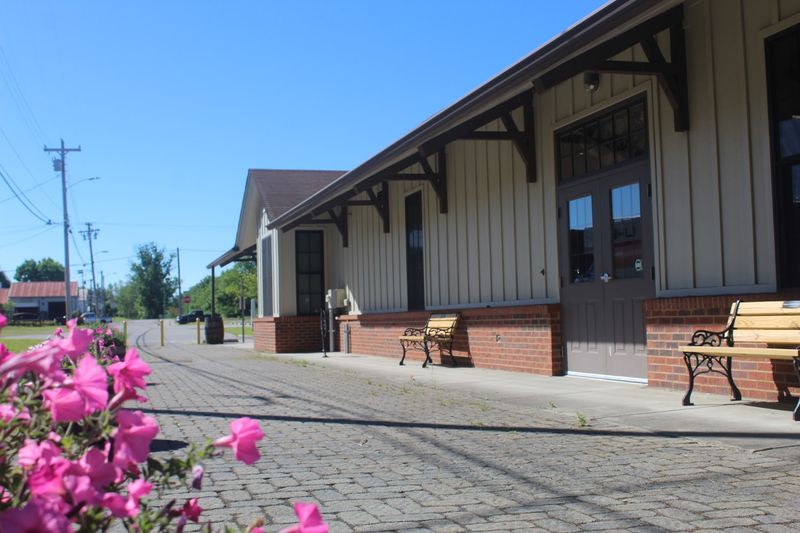
Before you even reach the front door, the building is already telling you something. The Monterey Depot Museum sits at 1 E Depot Ave, Monterey, and its structure alone is a story worth reading.
The building is a replica of railroad architecture in the Upper Cumberland region of Tennessee, built in 2011 and completed in February 2012.
Most people assume museums live in grand stone buildings with columns. This one proves that wrong with quiet confidence.
The brick walls carry the kind of texture that only decades of weather and use can create.
You can almost feel the history pressing through the surface.
Railroad depots were once the heartbeat of small American towns.
They connected isolated mountain communities to the wider world, moving goods, people, and news in ways that changed daily life completely. Monterey was no different.
The depot here served as a crucial stop along a line that helped shape the town’s early economy and identity.
Standing outside, I noticed how the building holds its ground without trying too hard. It does not shout.
It simply stands there, patient and full, waiting for someone curious enough to come closer and ask what it remembers.
Railroad History That Grips You
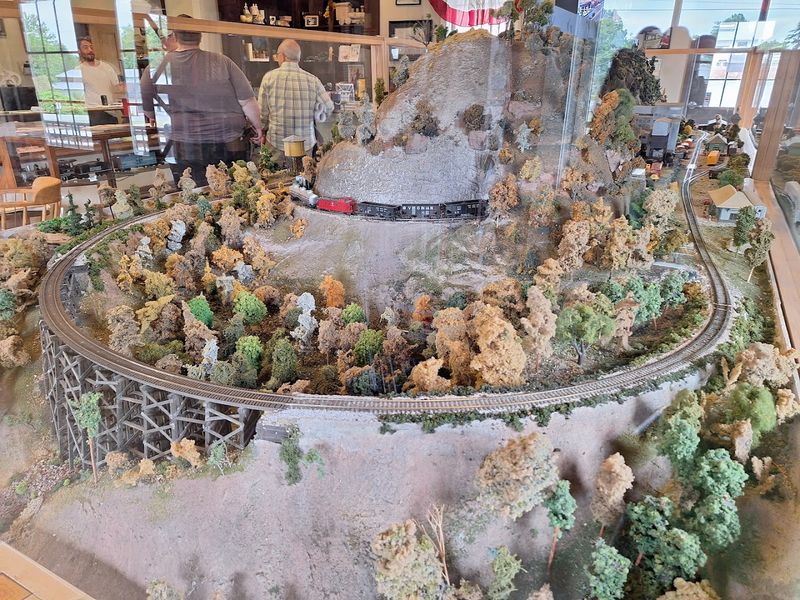
Railroad history can sound dry until someone shows you the human cost behind every mile of track.
Inside the museum, exhibits walk you through the Tennessee Central Railway and its enormous role in connecting the Cumberland Plateau to the rest of the state.
This was not just commerce. This was community survival.
The displays use photographs, maps, and artifacts to show how the railroad shaped Monterey from the ground up. Towns along the line grew because of it.
Families relocated for work near the tracks.
Entire industries rose and fell based on train schedules.
I spent longer than expected at one exhibit showing the original rail routes. Seeing how the line curved through mountain terrain made me appreciate just how difficult construction must have been.
Workers carved paths through rock and forest long before modern equipment existed.
What makes this section stand out is the personal detail. The museum does not just list dates and distances.
It names people, shares quotes, and shows real faces.
That shift from data to humanity is what separates a good exhibit from a forgettable one. By the time you move on, you feel like you actually knew some of those early railroad workers.
Mountain Life Artifacts You Cannot Find Anywhere Else
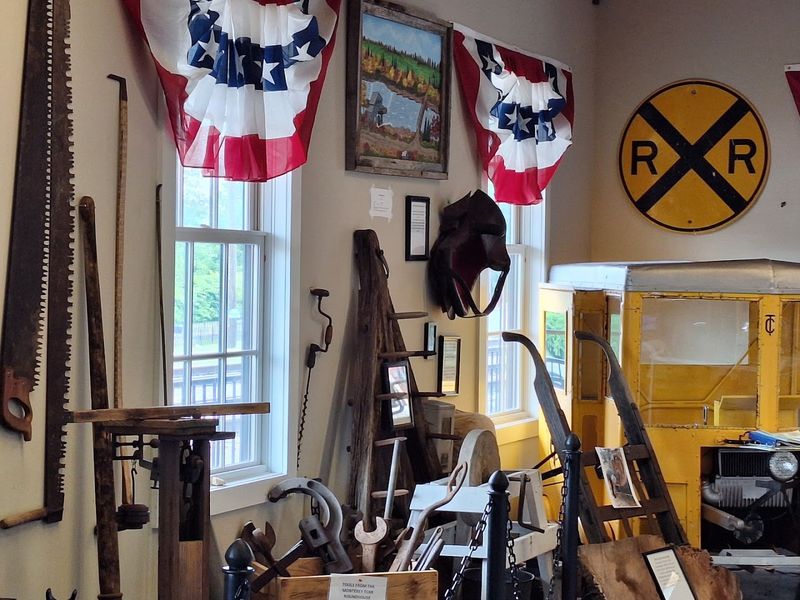
Somewhere between the railroad displays and the back wall, the museum shifts gears entirely. Suddenly you are looking at the everyday objects of mountain life, and the effect is oddly moving.
A hand-carved tool used for farming. A worn wooden bucket.
Items so ordinary they were never meant to last this long.
These artifacts come from the Upper Cumberland region and represent generations of resourceful living. Mountain families in this part of Tennessee built and repaired almost everything they owned.
The objects on display reflect that self-reliance in a way that no written description quite captures.
I picked up a brochure near one display that explained how certain tools were passed down through multiple generations of the same family before ending up here.
That kind of provenance gives an object a completely different weight. You stop seeing a bucket and start seeing a family.
The curation here is thoughtful without being academic. Labels are clear and written for everyone, not just history enthusiasts.
Each artifact is placed with enough context that even a first-time visitor can understand why it matters. Nothing feels randomly assembled.
The whole section feels like a carefully arranged conversation between past and present.
The Stories Behind The Settlers Who Built This Region
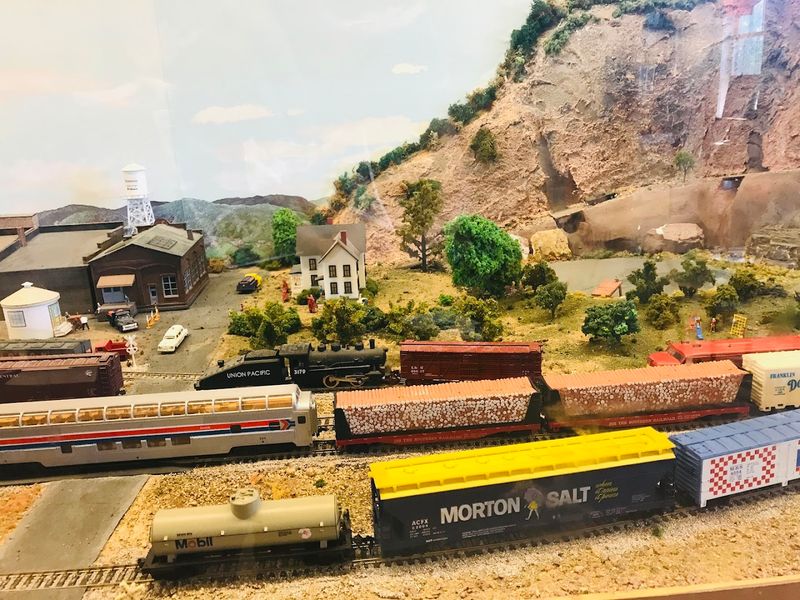
Long before the railroad arrived, people were already carving out lives in these mountains.
The museum devotes real space to the early settlers of the Monterey area and the Cumberland Plateau, and those stories are genuinely gripping.
These were people who arrived with very little and built something lasting out of sheer determination.
Exhibit panels walk visitors through the challenges of settling high-altitude terrain with poor soil, unpredictable weather, and limited outside contact.
What comes through clearly is not hardship for its own sake but ingenuity. These settlers found ways to thrive in conditions that would stop most people cold.
One panel that stayed with me described how families organized their communities around shared labor and seasonal rhythms. Harvest time was a collective event.
Building a home required neighbors.
That interconnectedness built a culture that still echoes in this part of Tennessee today.
The museum presents these settlers not as distant historical figures but as real, complicated people making practical decisions. Their choices shaped the landscape, the economy, and the social fabric of the region.
Spending time with this section gives the whole museum a stronger foundation. You understand the railroad better once you understand the people who were already there waiting for it.
Local Industry Exhibits That Reframe The Whole Town
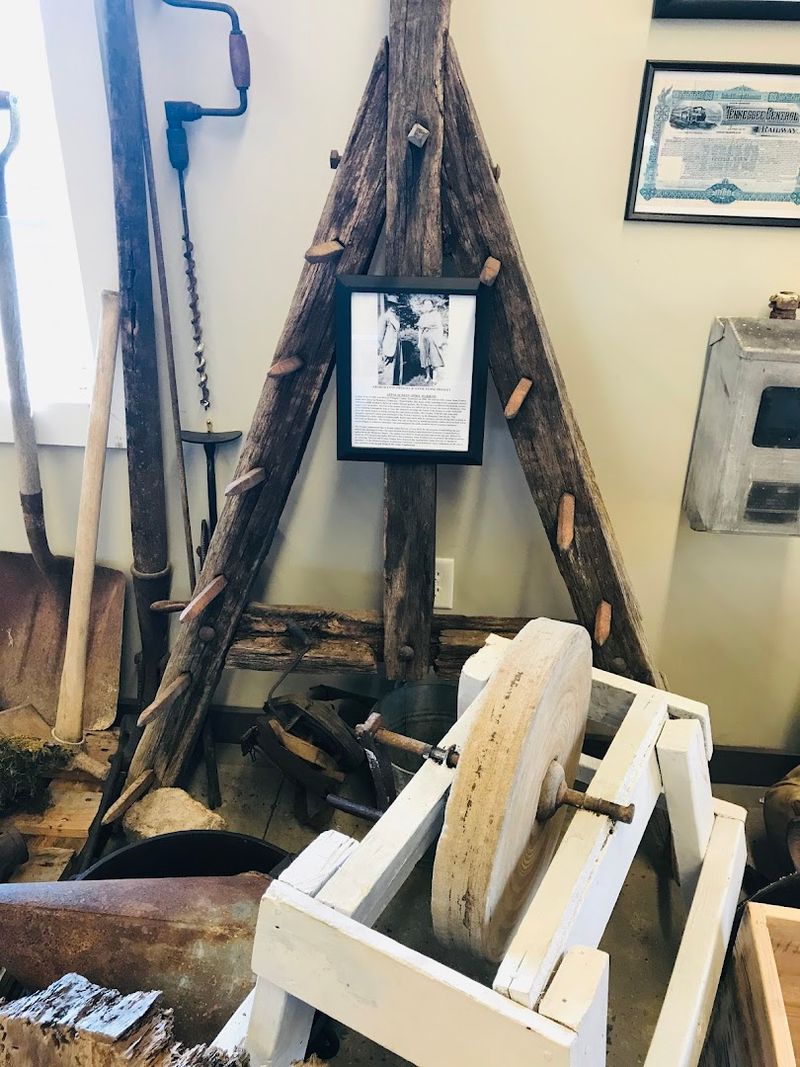
Monterey did not grow on charm alone. The museum makes clear that industry drove this town, and the exhibits on local economic history are some of the most informative in the building.
Timber, coal, and agriculture all played significant roles in shaping what Monterey became over the course of the twentieth century.
Photographs from the early industrial period show a town in motion. Lumber operations, loading docks, and workers in work-worn clothes fill the frames.
The images are not glamorous, but they are honest.
They show the real texture of a working mountain community at its peak productivity.
What I found most interesting was how the museum connects industry to identity. When certain industries declined, the town adapted.
The depot itself eventually lost its primary function as rail travel decreased.
Yet the community preserved it rather than demolishing it, which says something meaningful about how Monterey sees its own history.
This section also raises quiet questions about economic change and resilience that feel very relevant today. You leave it thinking about your own town, your own region, and how industries shape places in ways that outlast the industries themselves.
That kind of resonance is rare in a small local museum, and it is worth noting.
Photographs That Freeze A Vanished World
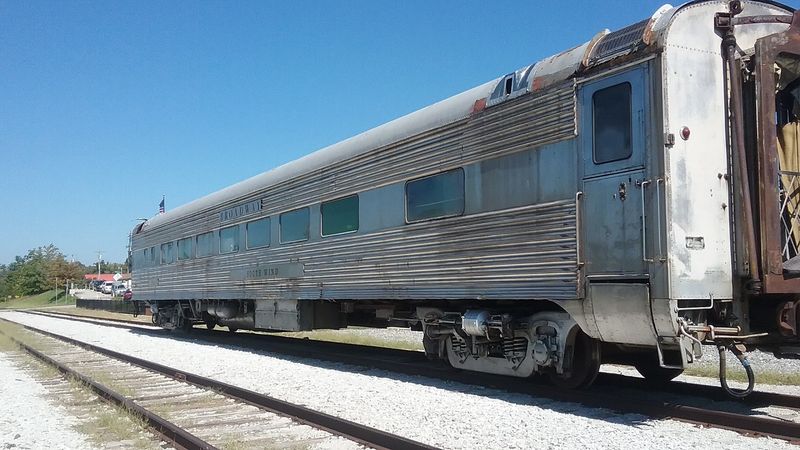
Photography has a way of making history feel personal in a way that text rarely achieves.
The Monterey Depot Museum holds a strong collection of historical photographs, and walking through that section feels like flipping through someone else’s family album, except the family is an entire town.
The images span decades and cover everything from early street scenes to portraits of local figures to documentation of community events.
Each photograph is labeled with care, identifying people and places where possible. That attention to detail makes a real difference.
A labeled face is a person. An unlabeled face is just a figure.
I spent a long time at a cluster of photographs showing the depot in active use. Seeing the building full of people, luggage, and purpose made it easier to imagine what it felt like to stand on that platform waiting for a train.
The museum collapses the distance between then and now in a way that is genuinely affecting.
These photographs also serve as a record of how much the physical landscape has changed.
Buildings that no longer exist appear clearly. Streets look different.
The photographs remind you that every present moment is already becoming history, which is either comforting or unsettling depending on your mood.
Community Connections That Make The Museum Feel Alive
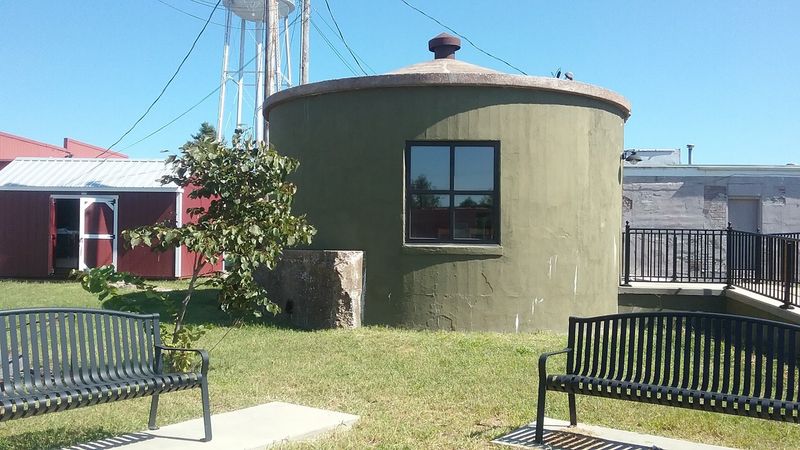
A museum is only as alive as the people who run it. What makes the Monterey Depot Museum feel different from a standard historical display is the obvious care that local volunteers and staff bring to the place.
You can feel the investment in every labeled artifact and every thoughtfully arranged panel.
The museum operates as a community project, supported by people who genuinely want Monterey’s story told accurately and with respect. That shows.
Conversations with staff here feel like conversations with neighbors, not tour guides reciting scripts. They know the details because the details matter to them personally.
On the day I visited, a volunteer walked me through a section I might have skimmed past on my own.
What seemed like a minor display about local families turned into a fifteen-minute conversation full of specific names, dates, and connections I never would have found on the labels alone. That kind of encounter is irreplaceable.
Small museums like this one depend on community support to survive and grow. If you visit, consider signing the guest book, buying something from the small gift area, or simply telling someone else about it afterward.
Places that preserve local history deserve to keep doing so, and that only happens when people show up and engage.
Why This Museum Earns A Full Afternoon Of Your Time
Most people allocate thirty minutes for a small-town museum and leave surprised they stayed two hours. That is exactly what happened to me at this place.
The Monterey Depot Museum earns extended time not because it overwhelms you with content but because each section genuinely rewards attention.
The building at 1 E Depot Ave sits in a part of Tennessee that most travelers pass through without stopping. That is a real shame.
The Cumberland Plateau has one of the more compelling regional histories in the American South, and this museum tells a meaningful piece of that story with clarity and care.
Admission is very affordable, making it an easy addition to any trip through the area.
The museum is compact enough that you never feel lost or exhausted, but rich enough that you leave with something you did not arrive with. That balance is harder to achieve than most people realize.
If you find yourself on State Route 70 heading through Putnam County, make the turn. Park near the depot.
Walk in with no agenda. Let the building and the people inside do the rest.
You will drive away from Monterey knowing something true about this part of Tennessee that most travelers never learn, and that feels like a genuine privilege.