This Small-Town Tennessee Sewing Studio Shows First-Timers How To Make Their Own Quilts
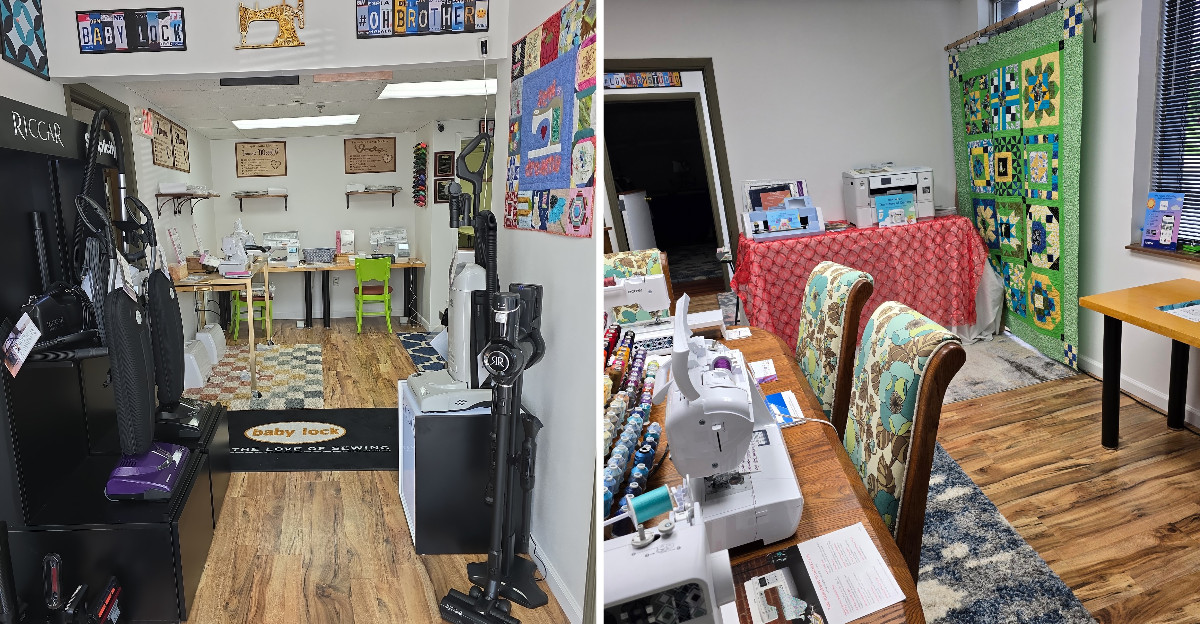
Most of the quilting cotton at this little sewing studio costs less per yard than a fancy coffee drink. That alone got my attention.
The bigger surprise is the shop’s whole reason for existing.
The owners care less about selling you a pile of fabric and more about helping you actually finish a project.
They teach sewing, quilting, embroidery, and serging through hands-on classes. Their goal is simple: get people stitching with confidence instead of just watching videos.
I like how this place treats beginners like future quilters, not lost customers. It sits in one of the oldest towns in Tennessee, surrounded by historic charm.
So what happens when a first-timer gets real help, real fabric, and zero judgment? A quilt happens, apparently.
Finishing Is The Whole Point Here, And That Changes Everything
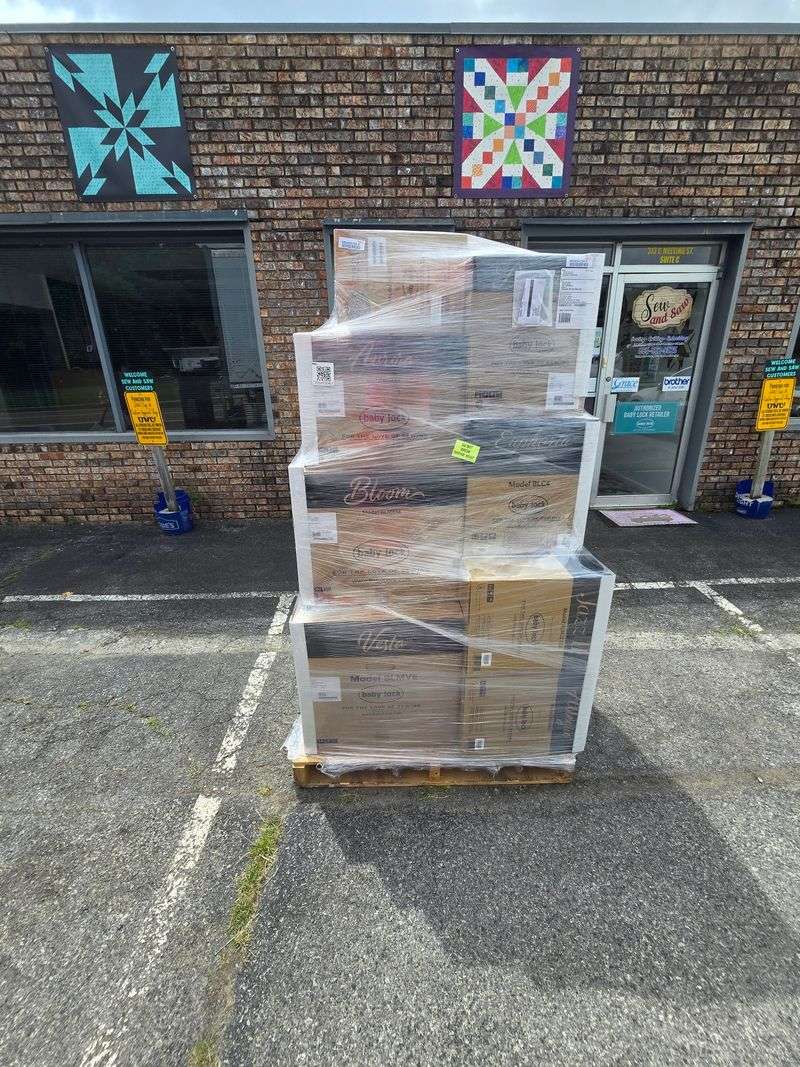
A collection of unfinished quilt tops can grow remarkably quickly.
One project needs binding, another is waiting for backing, and a third has barely made it beyond the pattern.
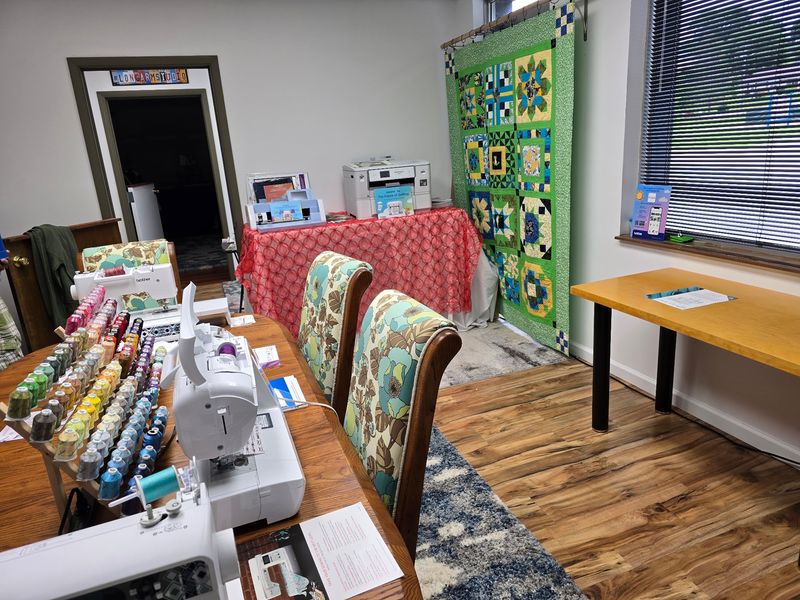
Sew and Saw puts those familiar sticking points at the center of its approach. The Dandridge studio combines supplies with lessons, machine demonstrations, and practical help meant to move projects toward completion.
That focus goes beyond quilting. Sewing, machine embroidery, and serging are also part of its educational program, giving customers opportunities to understand different techniques rather than simply purchase equipment.
Even the shop’s unusual name reflects a wider creative philosophy. Alongside textiles, its work includes wooden signs, art, puzzles, and handmade gifts. Fabric designs and woodcraft can even inspire each other.
A half-finished quilt might even lead to learning another technique.
For Tennessee makers with projects stacked beside their sewing machines, the emphasis is refreshingly practical: develop the skills, use the tools, and get something finished.
Beginners Get A Calm Start Without The Overwhelm
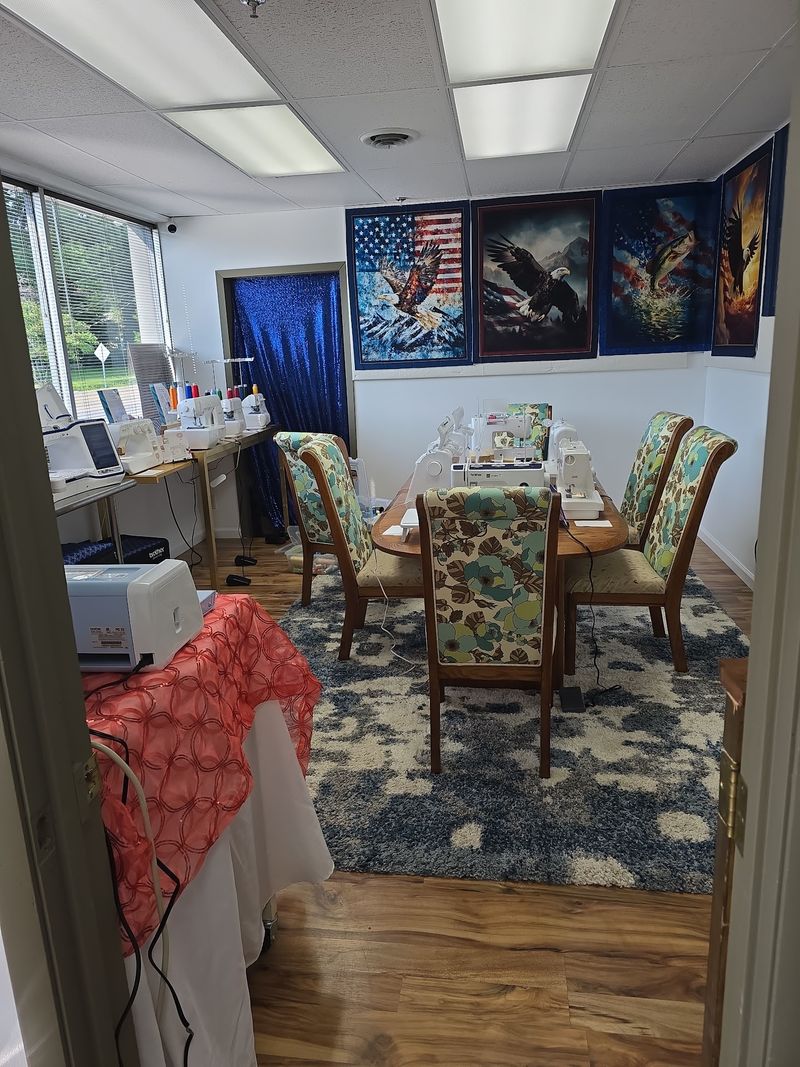
Threading a machine, maintaining a straight seam, and choosing the right presser foot are small tasks until they’re unfamiliar.
For a new quilter, understanding them can make a much bigger difference than buying more fabric.
The studio’s classes and workshops emphasize hands-on practice and machine education. Beginners are welcome, and the teaching is built around explaining what equipment does and how to use it confidently.
A quilt starts with a pattern and pieced blocks, then needs backing, batting, quilting, and binding. Each stage brings another practical skill.
A small block or table-sized project provides a manageable place to practice before attempting a larger quilt.
Some classes permit students to bring their own machines, though requirements depend on the session. It’s worth checking what equipment or materials a particular workshop calls for.
A seam ripper may still have a starring role now and then. That’s part of learning a craft where practice gradually turns unfamiliar steps into routine ones.
Fabric Choices Make The Planning More Enjoyable
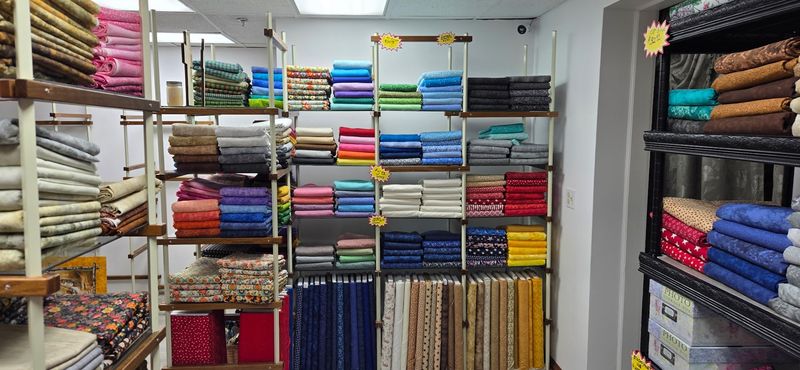
Color combinations often begin with a single piece of fabric.
A floral print suggests a coordinating solid, a geometric pattern adds contrast, and suddenly a quilt that existed only as an idea has a direction.
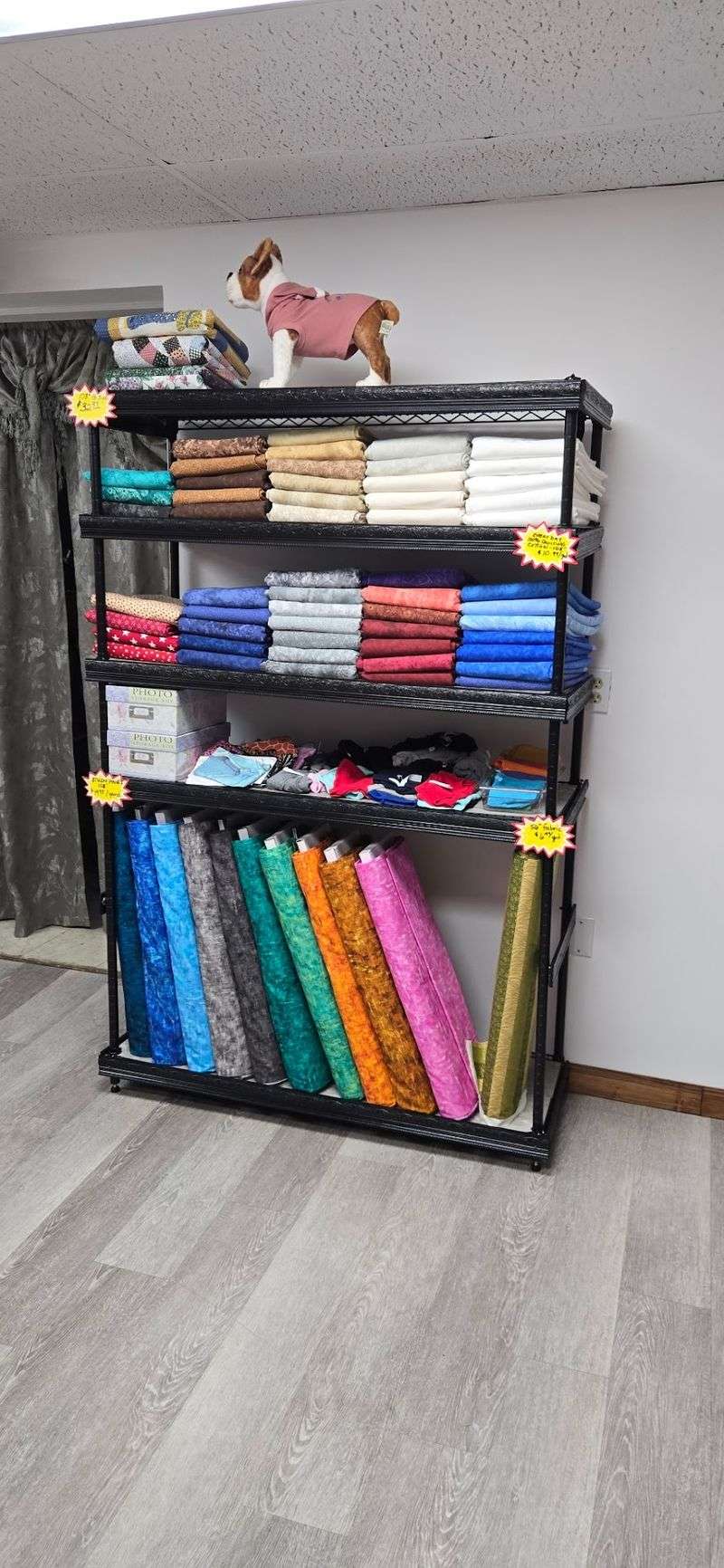
Sew and Saw stocks quilting fabric alongside threads, tools, and other supplies. Wide backing fabric is particularly useful for larger projects, since it can cover the reverse of a quilt without joining several narrow lengths.
The shop has carried backing widths of 108 inches, a size often chosen for bed quilts. Availability and patterns can vary, so matching the backing to a quilt top is something to plan before cutting begins.
Small prints can read almost like solids from a distance, while larger motifs become prominent across a pattern.
Thread deserves equal attention. The studio offers quilting, embroidery, and specialty threads, with several types intended for different stitching tasks.
The right combination of fabric and thread can make piecing or decorative stitching much smoother. Bring measurements and a pattern to make coordinating colors, backing, and stitching easier.
Longarm Machines That Save Your Shoulders
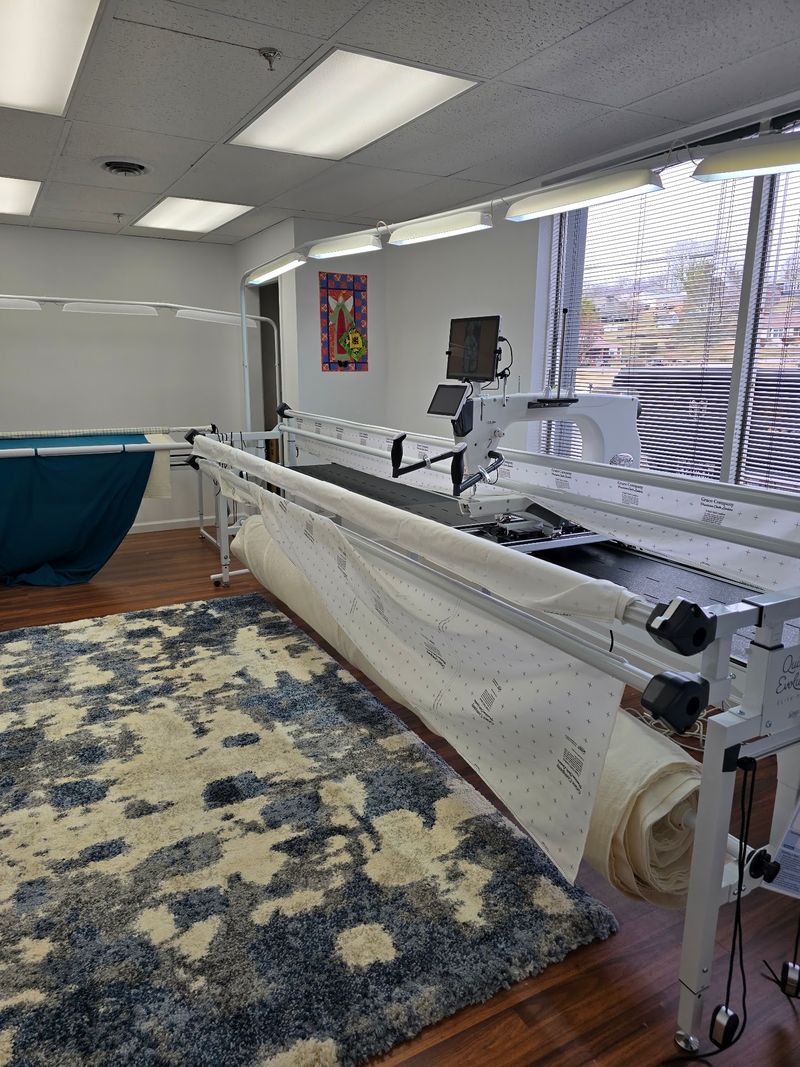
A large quilt can become a considerable bundle of fabric by the time the top, batting, and backing are assembled. Guiding that bundle through an ordinary sewing machine requires space and patience.
That’s where Sew and Saw’s Grace quilting systems become useful. The studio is a dealer for the brand and provides guidance on longarm machines, frames, and related equipment.
With a frame-based setup, the quilt is supported while the stitching machine moves across the fabric. That creates room to stitch broad areas and decorative patterns.
The range includes compact solutions designed to work with an existing sewing machine, as well as dedicated longarm models for larger projects. Computer-assisted options are also part of the Grace lineup.
Ownership is only one route. The studio offers longarm quilting services and finishing support, which can be useful when a quilt top is ready but its maker would prefer assistance with the final layers.
Demonstrations can clarify which systems fit different projects. For anyone working on a substantial Tennessee quilt project, understanding the finishing options can be as helpful as learning to piece the first block.
Test-Drive A Machine Before You Commit
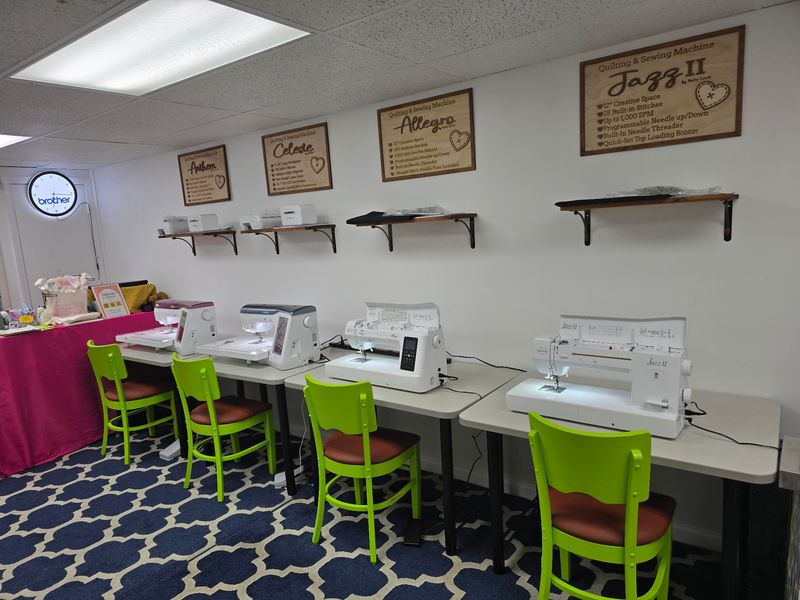
An impressive row of machine features means little until it’s clear what they actually do.
Automatic functions, stitch selections, embroidery settings, and specialty presser feet become much more useful with a proper explanation.
Sew and Saw encourages customers to ask questions, compare machines, and try equipment through demonstrations when available.
That provides a chance to see how a machine handles fabric and whether its controls feel comfortable.
The studio also provides education related to Baby Lock and Brother machines, including sewing, embroidery, and serging. Particular models and stock can change, making a conversation about current options worthwhile before a trip.
Quilters might consider the space beside the needle and how smoothly fabric feeds. Embroidery introduces hoop sizes and stabilizers.
The shop is also a Floriani preferred dealer, connecting machine embroidery with specialty threads, stabilizers, and software support.
Existing machines aren’t forgotten, either. Instruction can help owners learn functions they’ve rarely used, from decorative stitches to settings suited for different materials.
A good demonstration might reveal fresh possibilities in a machine already on the sewing table.
Cutting Straight Is Easier Than It Looks
A quilt block can be neatly stitched and still come out uneven if its pieces began with inaccurate measurements. Cutting may be less exciting than choosing colors, but it shapes everything that follows.
Straight rulers, rotary cutters, mats, and marking tools make the preparation process more manageable.
Sew and Saw carries sewing and quilting notions alongside its fabric and threads, allowing shoppers to consider which tools suit their projects. Small differences in repeated squares become noticeable when blocks join into rows.
For a beginning quilter, a reliable ruler and a comfortable cutting setup can be useful early investments. Learning to align the fabric and measure consistently also helps avoid unnecessary trimming later.
Patterns are another starting point, offering a sequence to follow from the first cut through assembly. Project kits can simplify material selection as well.
The process is methodical: measure, cut, arrange, and stitch separate pieces into a design.
The studio’s broader approach to machine and project education makes these preparation skills a natural subject for questions before the sewing begins.
A Historic Downtown Makes The Trip Even Sweeter
A quilting lesson comes with a change of scenery in Dandridge, a town established around 1783 and often identified as Tennessee’s second oldest.
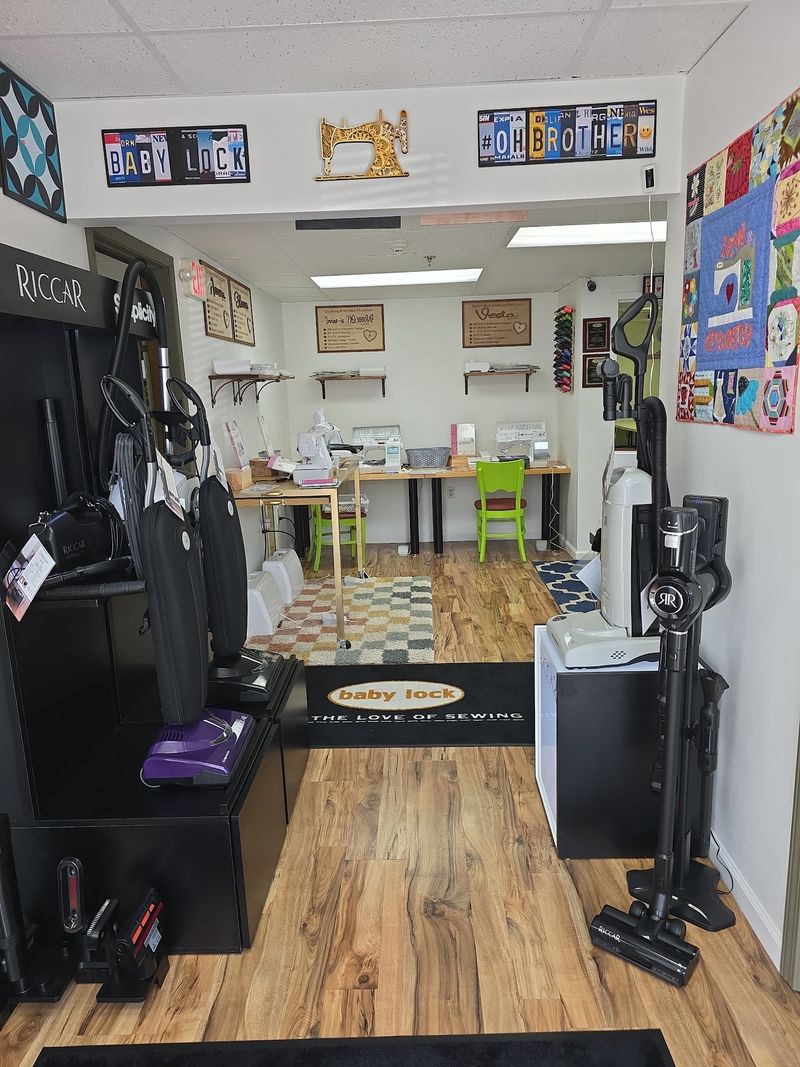
Sew and Saw occupies Suite C at 313 E Meeting St, close to the historic downtown streets. That makes the studio a practical stop during a day exploring the town rather than a destination requiring a separate outing.
The surrounding area retains older buildings and a compact town-center layout.
Dandridge developed near the French Broad River and later became Jefferson County’s seat, with much of its historic character still evident around downtown.
Quilting has its own long history, combining practical use with decoration for beds, walls, and gifts. There may be time to browse fabric, attend a class, and explore downtown.
The studio’s hours also make planning straightforward: Monday and Thursday through Saturday are regular shopping days, with shorter Sunday hours.
Tuesday and Wednesday are closed, so checking the schedule before a drive is important. A little planning leaves more time for the fabric choices.
Help Doesn’t End When You Leave The Shop
The real test of a new sewing skill often comes later, when the project is back on the table at home and the next instruction suddenly looks unfamiliar.
Sew and Saw provides ways to keep learning outside scheduled workshops.
Its newsletter shares class announcements, creative ideas, and machine tips, while the studio’s digital assistant addresses common questions about equipment and projects.
Those resources can help with embroidery stabilizers, machine features, and project planning.
Machine owners can ask follow-up questions, and longarm users have access to support related to their equipment. It’s a continuation of the same practical focus found in the classes.
There’s also a community side. Classes and events bring together makers with different experience levels.
A Stitch Nation membership program includes scheduled second-Saturday meetups, giving regular participants another reason to gather and share techniques. A lesson becomes a starting point for building skills through practice.
For someone beginning a quilt in Tennessee, the reward is ultimately simple: fabric becomes blocks, blocks become a quilt top, and a project once imagined can finally be used.