This Small Wisconsin University Ranked No. 2 In The Midwest For Teaching And No. 1 For In-State Value
A school with a campus cheese club just landed No. 2 in the entire Midwest for undergraduate teaching.
Naturally, my first thought was about snacks.
My second thought was that this ranking covers every regional university, public and private, which is seriously impressive.
Then came the other number. The same school sits at No. 1 in the Midwest for in-state value.
For families in Wisconsin watching every tuition dollar, that detail lands with real weight.
I can laugh about the cheese and still give the professors full credit. Great teaching at a fair price is rare.
Finding both on one campus between river bluffs makes me want a closer look.
Those Two Big Rankings Deserve A Second Look
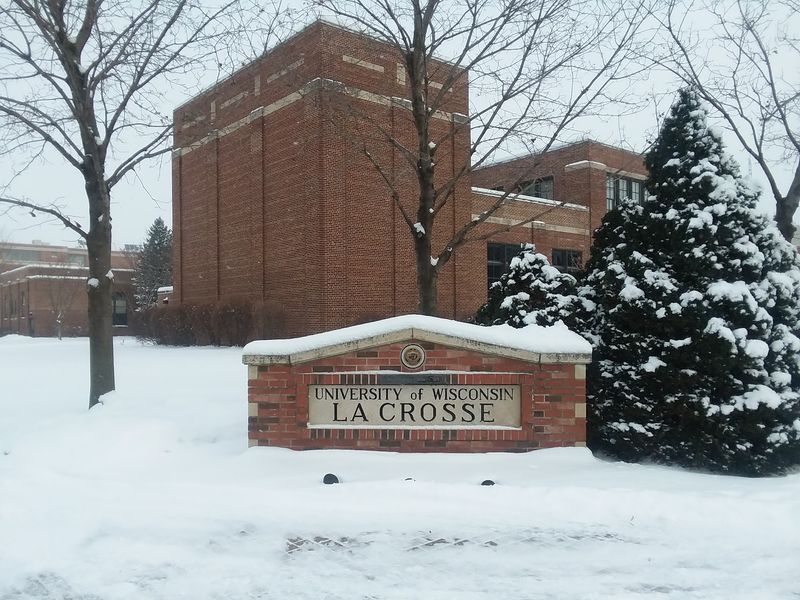
U.S. News & World Report put the University of Wisconsin-La Crosse at No. 2 in the Midwest for undergraduate teaching in its 2027 Best Colleges rankings. That list includes public and private regional universities throughout the Midwest.
The value ranking might be even sweeter. UWL claimed the No. 1 spot for in-state value among all Midwest regional universities.
Plenty of schools brag about one strong number. Holding two at the same time says something meaningful about the university’s academic priorities.
The list keeps going, too. UWL ranks as the No. 2 public regional university in the Midwest overall.
It also stands as the top public regional university across Wisconsin, Minnesota, and Illinois. That covers plenty of competition across three neighboring states.
So what does a teaching ranking actually mean for a student? It highlights schools with strong commitments to undergraduate instruction, informed partly by assessments from academic leaders.
The in-state value ranking considers academic quality alongside the costs of attendance and available financial assistance.
UWL also reports an 86% first-year retention rate and a 71% six-year graduation rate. Those figures add useful context for families comparing universities.
A Campus Squeezed Between Bluffs And The Mississippi
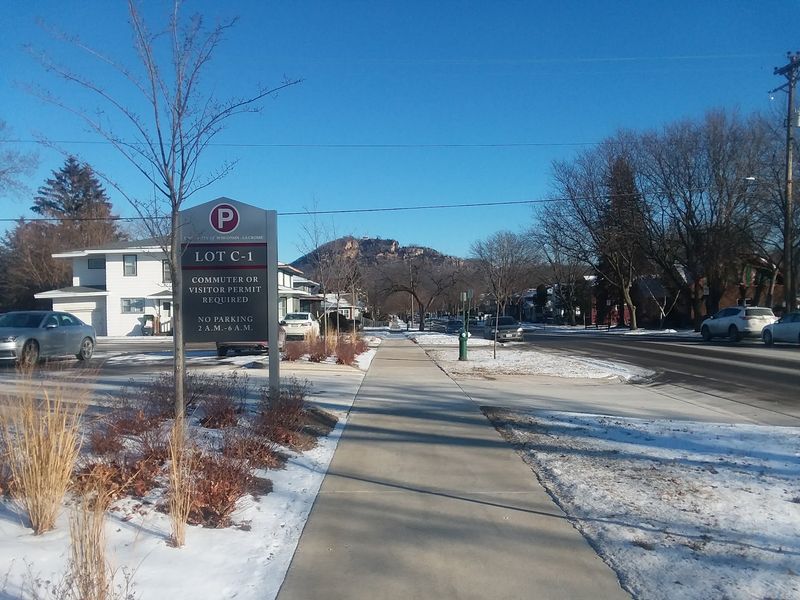
Few college campuses come with a backdrop this dramatic. UWL sits between the Mississippi River and towering bluffs in the Driftless Region of western Wisconsin.
The Driftless area escaped much of the glacial reshaping that affected other parts of the Midwest. That’s why the land around La Crosse has steep ridges, deep valleys, and spectacular views.
For students, this setting is more than pretty scenery. Hiking, biking, and kayaking are all part of life in the La Crosse area.
Grandad Bluff rises east of campus, offering panoramic views across the city and Mississippi River Valley.
Riverside Park provides another popular destination, with waterfront paths and open spaces near downtown.
A study break could mean a trail instead of another hour on a phone. That’s a pretty good trade for anyone stuck on a tough chapter. The university’s main address is 1725 State St, La Crosse, WI 54601.
Its residential neighborhood setting puts downtown businesses, parks, and recreational opportunities within a relatively short distance.
You Can Walk Almost Everywhere, And That Is The Point
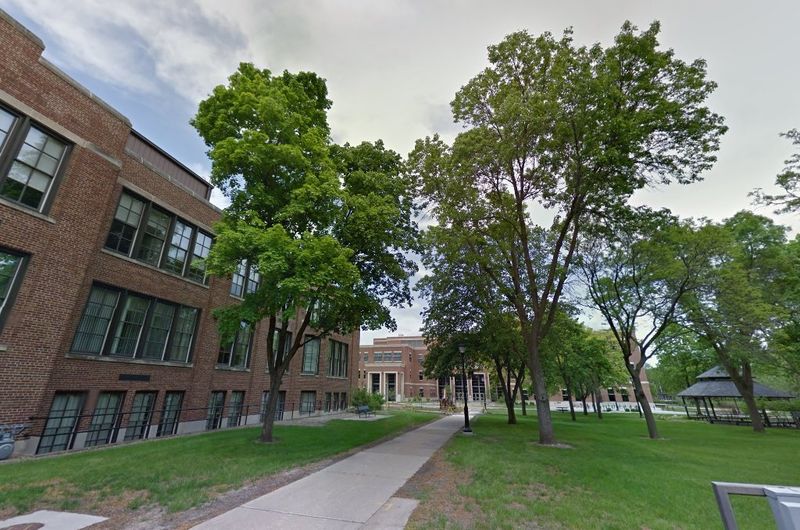
Grass, trees, and flowers fill this 128-acre campus. The whole place has a park-like feel, with limited vehicle traffic cutting through.
That calm didn’t happen by accident. In 2006, UWL earned a Grand Award for its campus landscaping through the Professional Grounds Management Society’s Green Star Awards.
Compact campuses have a quiet superpower. When buildings sit close together, students keep bumping into the same faces between classes.
That small detail can help build a close-knit community. Friendships become easier to maintain when classrooms, dining areas, and recreation facilities sit within walking distance.
Green spaces also double as outdoor study spots. On a warm day, a notebook on the lawn might beat a desk in the library.
Hoeschler Tower is another distinctive feature. The clock tower stands near the center of campus and serves as a gathering place for student events.
It’s also connected to the university’s traditional Hanging of the Lantern celebration.
Here’s a practical tip for visitors. Plan where to park before arriving, since construction and designated parking areas can affect your route.
The Old Brick Hall That Started Everything In 1909
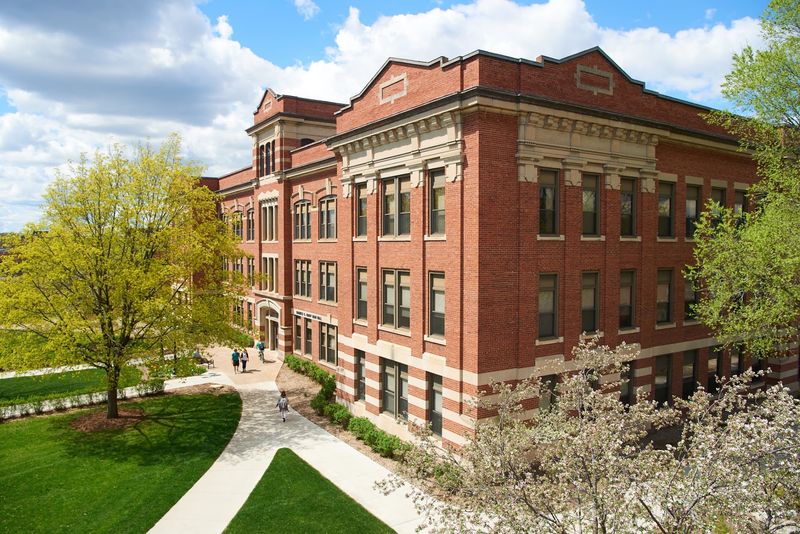
Back in 1909, the school opened as the La Crosse State Normal School. Its first building, now called Maurice O. Graff Main Hall, still stands today.
Main Hall is listed on the National Register of Historic Places. The city of La Crosse also designated it a historic site in 1984.
The building still works hard for its age. It holds the chancellor’s office, an auditorium, classrooms, and administrative offices.
Its original purpose was preparing teachers, with the school’s first students beginning classes more than a century ago.
Morris Hall is another historic campus building. Completed in 1939 as a training school, it now houses the School of Education.
That connection feels neat. A building originally designed for teacher preparation remains closely tied to future educators, which seems like the ultimate long-term career plan.
The school’s name changed several times along the way. It became La Crosse State Teachers College in 1927, Wisconsin State College, La Crosse in 1951, and Wisconsin State University-La Crosse in 1964.
In 1971, it joined the newly reorganized University of Wisconsin System and adopted its present name.
Professors Here Actually Want Freshmen In The Lab
Research usually sounds like something reserved for graduate students. At UWL, first-year students can join the Eagle Apprentice program and work directly with faculty mentors.
That’s a big head start. Most freshmen are still learning where the vending machines are.
Students can also present their projects at the annual Research and Creativity Symposium, sharing discoveries across science, humanities, and other fields.
Some participate in collaborative research through the university’s partnership with Mayo Clinic Health System.
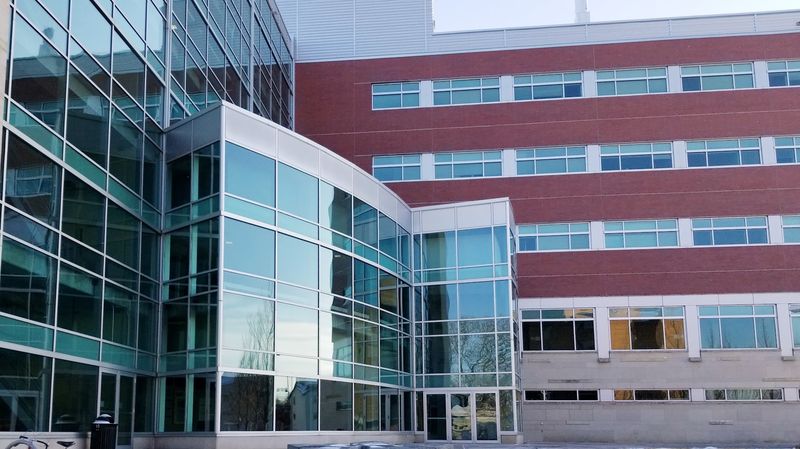
The science facilities help make that possible. Prairie Springs Science Center opened its first phase in 2018 with 36 instructional laboratories and 22 research laboratories.
Phase two broke ground in May 2026. The new facility is replacing Cowley Hall and will provide additional classrooms, laboratories, and specialized learning spaces, with completion expected in late 2028.
Business students get real-world practice, too. The Kwik Trip Integrated Core Program brings finance, marketing, and management together through collaborative projects and practical business challenges.
Picking a convenience-store company as a classroom partner might sound funny. Solving real business problems for an actual company is serious career training, though.
Health Science Majors Have Serious Bragging Rights
More than 130 academic programs span the university’s undergraduate, graduate, and doctoral offerings.
Health professions are where UWL particularly stands out. Physical Therapy, Occupational Therapy, Medical Dosimetry, and Physician Assistant Studies are among its specialized programs.
Medical Dosimetry might be a new term for many readers. It involves calculating and planning radiation treatments, combining technical knowledge with patient care.
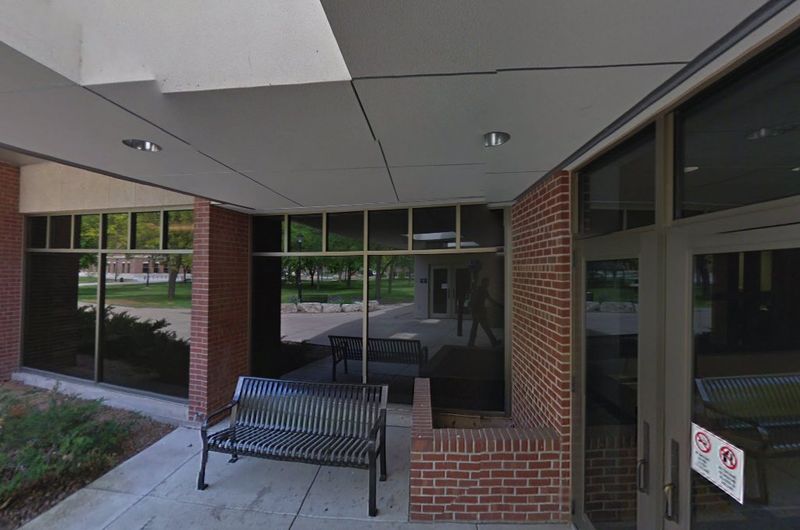
The Health Science Center opened in 2000 as a collaborative facility shared by several regional educational and healthcare organizations. Its classrooms, laboratories, and research spaces serve students preparing for careers in the health sciences.
The university also offers nuclear medicine technology and radiologic science programs, adding to its range of professional pathways.
Popular undergraduate fields include exercise and sport science, psychology, biology, finance, and marketing.
Business students have access to additional opportunities in accounting, economics, and management. There’s another number worth noticing: approximately 86% of first-year students return for their second year.
For future therapists, researchers, teachers, and business professionals in Wisconsin, the breadth of choices makes this campus worth considering.
Flags From 44 Countries Greet You In One Hallway
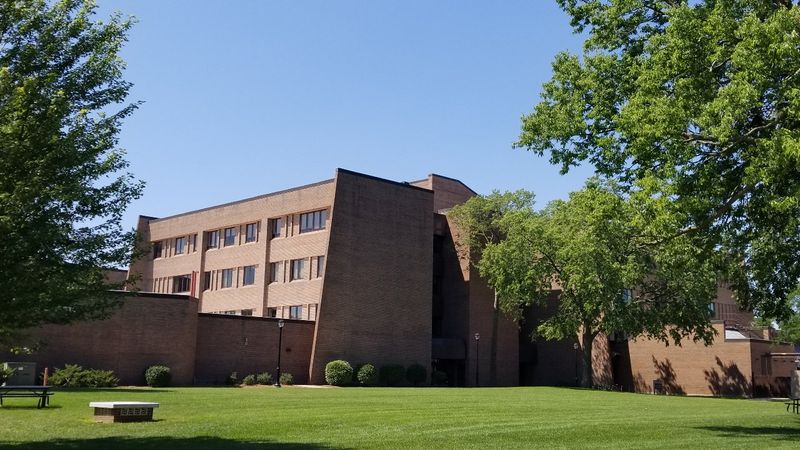
Centennial Hall opened in 2011 as a major academic center on campus. It contains 46 classrooms, two auditoriums, and offices supporting academic advising and student services.
The best feature hangs overhead. The Hall of Nations displays flags from 44 countries, representing the university’s international student community.
It’s a colorful reminder that this river town draws learners from around the world.
Centennial Hall is also LEED Gold certified, reflecting its energy-efficient design and sustainable construction. It isn’t the only environmentally conscious building here. Eagle Hall and the Student Union have earned the same certification.
Natural light plays an important role in Centennial Hall’s design, while landscaped rain gardens help manage water around the building.
Murphy Library adds another useful stop. It provides study areas, research assistance, books, special collections, and access to extensive academic resources.
The Florence Wing building connects campus life to another chapter of university history. Originally opened as a library in 1957, it later became a technology and administrative center.
Bring Sneakers, Because The Rec Options Are Ridiculous
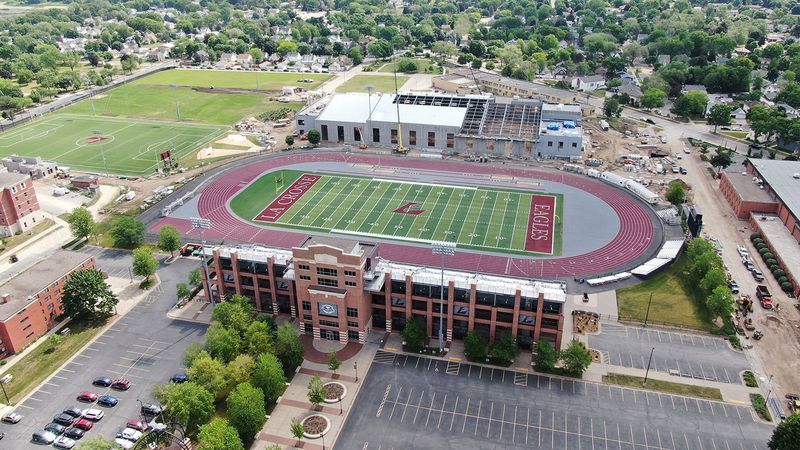
Mind and Body is the motto, and the body half gets plenty of equipment. The Recreational Eagle Center has free weights, fitness machines, indoor courts, and spaces for group activities.
It even includes an e-zone for gaming. So yes, button-mashing technically counts as a campus activity.
The center also houses a climbing gym with more than 50 routes and bouldering challenges, including climbing walls reaching 21 feet high.
Mitchell Hall offers additional facilities, including a swimming pool, basketball courts, racquetball courts, and spaces for dance and other activities.
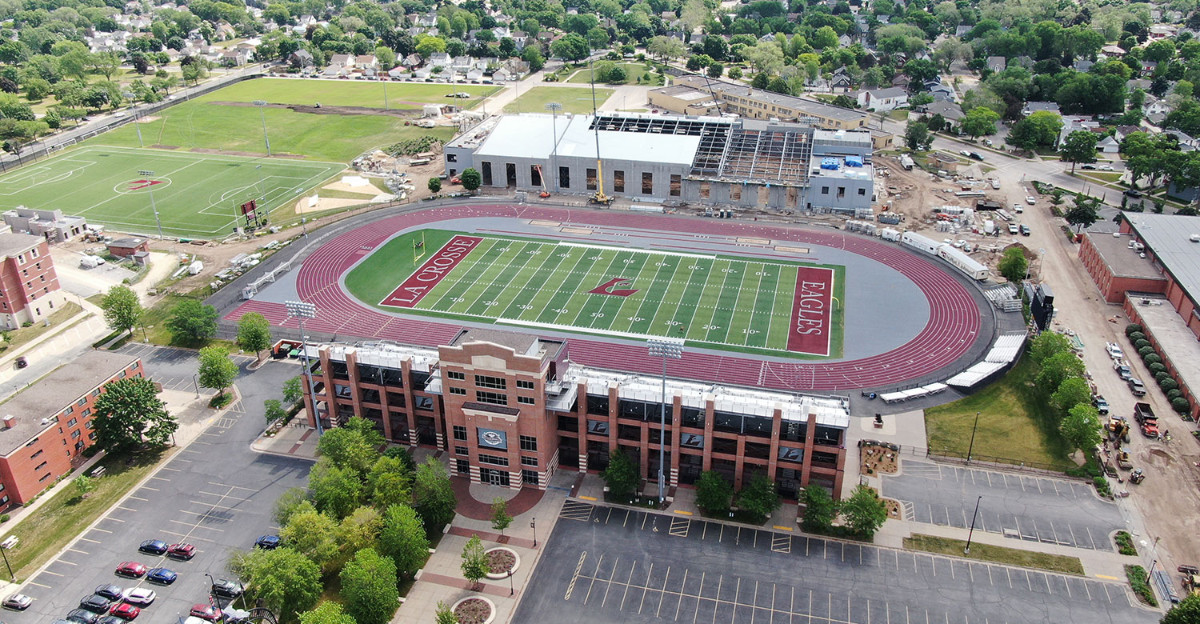
The university’s Hetzel Fieldhouse contains a 200-meter indoor competition track, which opened as part of a newer athletics complex. Gymnastics and wrestling teams also use Cartwright Center for practice and training.
The Eagles compete in NCAA Division III athletics across 21 varsity teams. Students who enjoy sports without competing at the varsity level can participate in intramural activities and recreational clubs.
Campus athletic facilities regularly host competitions and community events, bringing families from across Wisconsin to La Crosse.
The Outdoor Connection program adds another dimension, offering equipment and opportunities for exploring the surrounding landscape.