This 20-Acre Southern California Antiques Market Is Packed With 800+ Vendors
There’s a certain thrill that comes with waking up before sunrise, coffee in hand, knowing you’re about to step into a place where history is scattered across folding tables and tucked inside weathered crates.
In California, that feeling leads straight to the Long Beach Antique Market – a monthly ritual for treasure hunters who understand that the best finds rarely come from big-box stores.
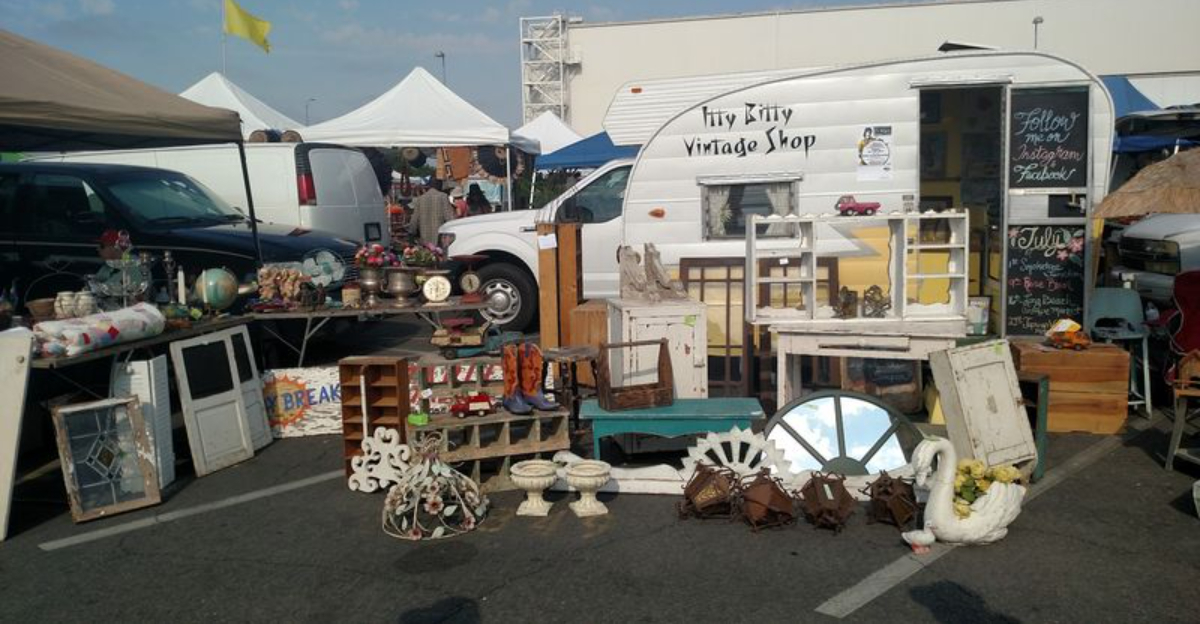
Once a month, a sprawling outdoor space transforms into a buzzing maze of vintage possibility. More than 800 vendors line the grounds, each booth offering its own slice of the past.
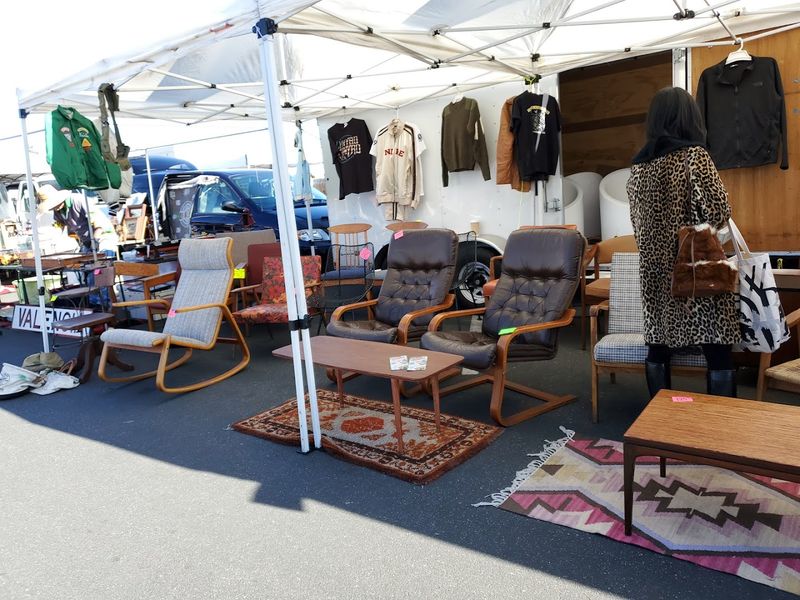
Mid-century credenzas sit beside stacks of vinyl records. Rhinestone brooches sparkle next to worn leather jackets.
Retro signage, farmhouse tables, antique cameras, and quirky collectibles compete for attention under the Southern California sun.
Early birds move with purpose, scanning for high-value pieces before the crowds thicken. Designers measure dimensions on the spot. Collectors flip tags in search of rare maker’s marks.
Meanwhile, casual shoppers wander with wide eyes, discovering items they didn’t know they needed until that very moment.
The energy is contagious. It’s not just shopping – it’s the chase, the stories, the conversations with vendors who know exactly where each piece came from.
Every visit feels different because every month brings new inventory, new sellers, and new surprises.
For anyone who loves vintage style, sustainable shopping, or the pure adrenaline of finding something truly one-of-a-kind, the Long Beach Antique Market isn’t just a stop on the calendar.
It’s an experience worth planning around.
1. The Market Spans Over 20 Acres Of Space
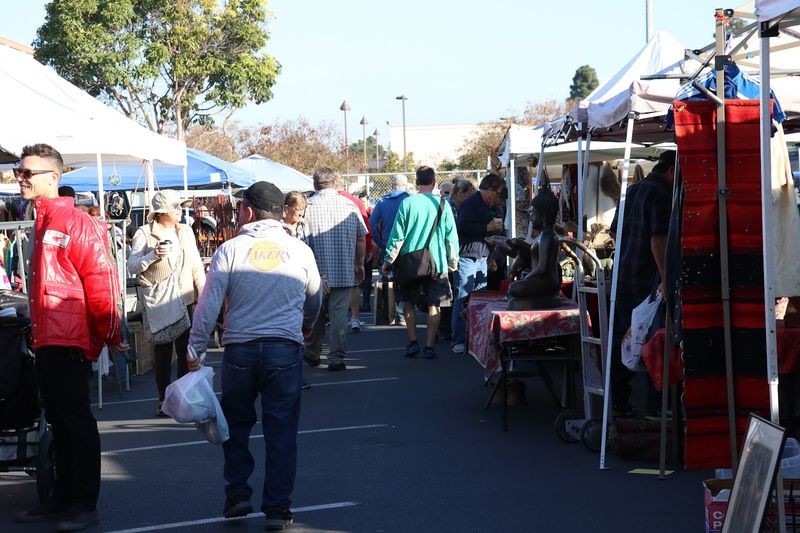
Imagine walking through a space so vast that it takes hours to explore every corner, with vendor booths stretching as far as the eye can see.
Veterans Memorial Stadium at 4901 E Conant St, Long Beach, CA 90808 hosts this sprawling marketplace that covers more than 20 acres of open-air shopping territory.
The sheer size means shoppers can spend an entire morning discovering new sections, with each turn revealing another collection of vintage wonders waiting to be claimed.
Comfortable shoes become essential gear for anyone planning to cover the full grounds.
The layout spreads across parking lots and open areas, with vendors setting up in organized rows that create natural walking paths through the merchandise.
Some sections focus on furniture and larger items, while others specialize in smaller collectibles, jewelry, and clothing that requires closer inspection.
First-time visitors often underestimate how much ground there is to cover and find themselves pleasantly surprised by the seemingly endless variety.
The expansive setup allows vendors to display their goods generously, giving shoppers room to browse without feeling cramped.
Seasoned market-goers develop strategies for navigating the space, sometimes starting at one end and working methodically through sections, while others prefer to wander freely and let serendipity guide their discoveries through this massive treasure trove.
2. More Than 800 Vendors Gather Monthly
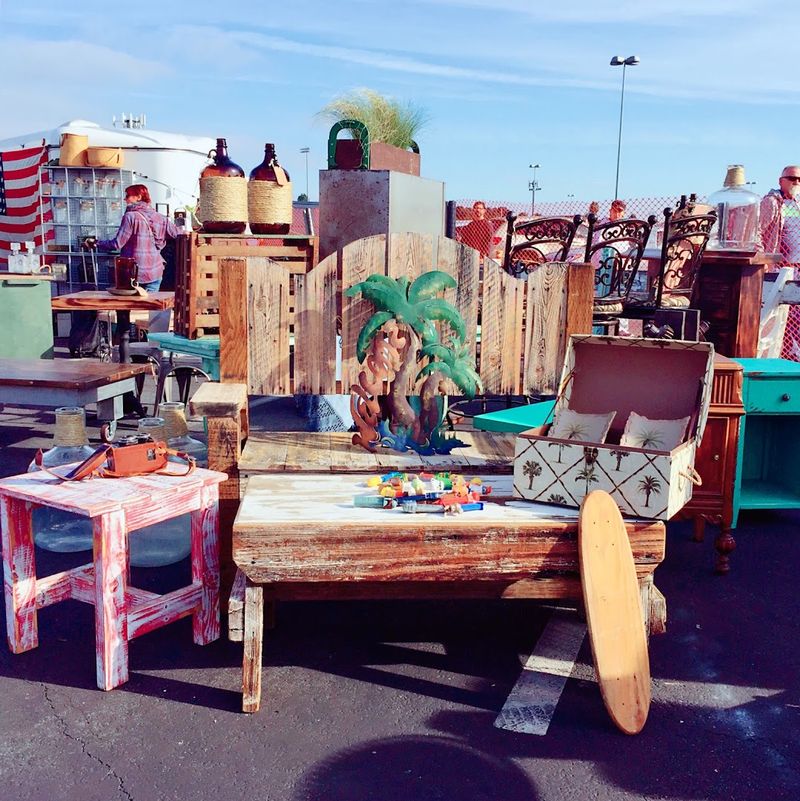
A single vendor might offer an impressive collection, but 800 vendors create an overwhelming abundance that transforms shopping into an adventure of endless possibilities.
Each seller brings a unique inventory shaped by years of collecting, hunting, and curating items that reflect their particular expertise and passion.
Some vendors specialize in specific eras like Art Deco or mid-century modern, while others offer eclectic mixes that span multiple decades and styles.
The diversity among sellers means shoppers encounter everything from professional antique dealers with museum-quality pieces to hobbyists selling cherished items from personal collections.
Vendors often develop loyal followings, with regular customers returning month after month to see what new treasures have been unearthed.
Many sellers travel from different parts of California and neighboring states, bringing regional finds that add geographic variety to the mix.
Building relationships with favorite vendors can lead to insider tips about upcoming items or first looks at newly acquired pieces.
The monthly schedule gives sellers time to refresh their inventory between markets, ensuring that repeat visitors always find something different.
Competition among so many vendors also keeps prices competitive, as sellers know that shoppers have hundreds of other booths to explore if they find better deals elsewhere in the sprawling marketplace.
3. The Market Operates On The Third Sunday Each Month
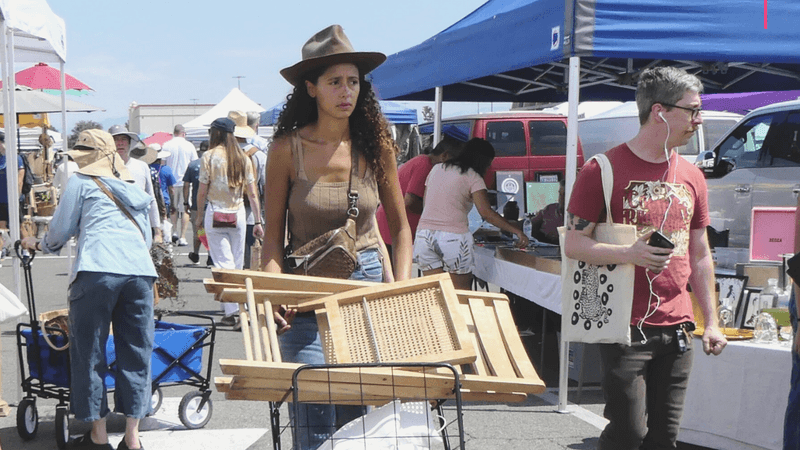
Regularity creates anticipation, and marking the third Sunday on the calendar becomes a monthly ritual for devoted market enthusiasts.
The predictable schedule allows shoppers to plan ahead, designers to coordinate projects around new finds, and collectors to budget for their next acquisition.
Unlike pop-up markets or irregular events, this consistent timing builds a sense of community among both vendors and visitors who return month after month.
The single-day format adds urgency to the shopping experience, as items that catch someone’s eye might not be available at the next market.
Seasonal changes bring different merchandise, with vendors adjusting their offerings based on weather and buyer preferences throughout the year.
Spring markets might showcase more outdoor furniture and garden décor, while fall events feature cozier items perfect for indoor spaces.
Planning around the monthly schedule becomes easier than trying to catch sporadic events, and the third Sunday timing avoids major holiday weekends that might conflict with travel plans.
The consistency also helps vendors plan their sourcing trips and inventory management, ensuring they arrive with fresh merchandise each month.
Regular attendees often compare notes about their finds and make plans to meet friends at specific times, turning the market into a social event as much as a shopping destination.
4. Early Admission Starts At 6:00 AM
Serious treasure hunters know that the best finds often go to those willing to sacrifice sleep for early access.
Early admission opens at 6:00 AM, a full hour before general admission, giving dedicated shoppers first crack at newly arrived inventory.
The $15 early entry fee feels worth it to collectors hunting specific pieces or dealers looking to resell items at their own shops.
Arriving in near-darkness adds an element of adventure, with flashlights illuminating vintage glassware and handheld lights revealing details on furniture finishes.
Vendors appreciate early shoppers who come prepared with knowledge about what they seek and often save their best pieces for these pre-dawn hours.
The atmosphere differs dramatically from later in the day, with fewer crowds allowing for unhurried conversations and careful examination of potential purchases.
Early birds often complete their shopping before the general admission rush begins, loading their finds into vehicles while others are just arriving.
The cooler morning temperatures also make the experience more comfortable, especially during warmer months when afternoon heat can make extensive browsing exhausting.
For anyone seeking rare items or hoping to furnish an entire room with vintage pieces, the early admission investment pays dividends in selection and the thrill of being first through the gates.
5. General Admission Runs From 7:00 AM To 2:30 PM
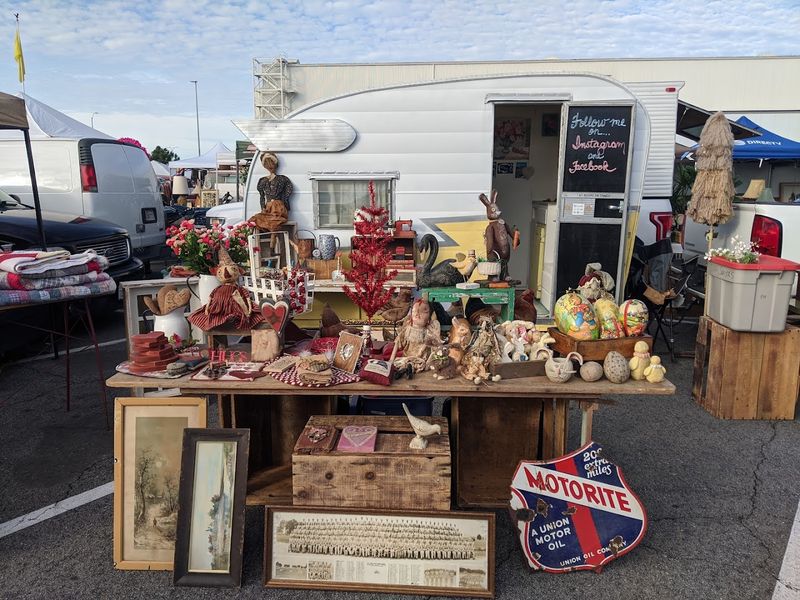
Most visitors arrive during general admission hours when the market hits its stride and the full energy of the event becomes apparent.
The $10 admission fee grants access to all 800+ vendors, with children under 12 entering free, making it an affordable family outing.
Arriving around opening time at 7:00 AM still offers excellent selection before the midday crowds, while later arrivals around 10 or 11 AM find a more relaxed pace as early shoppers depart.
The market maintains its vibrancy throughout the morning, with vendors actively engaged and willing to negotiate as they gauge interest in their merchandise.
Peak crowds typically occur between 8 AM and noon, creating a lively atmosphere filled with the sounds of conversation, discovery, and friendly haggling.
The energy shifts as afternoon approaches, with vendors sometimes offering better deals as they prepare to pack up.
Planning to arrive earlier in the general admission window provides the best balance of selection and crowd comfort for most shoppers. The 2:30 PM closing time gives vendors time to pack up and shoppers a clear endpoint for their visit.
Some strategic shoppers return near closing time hoping for last-minute deals, though selection becomes limited as vendors pack away unsold items for the next market.
6. Free Parking Makes Visiting Convenient
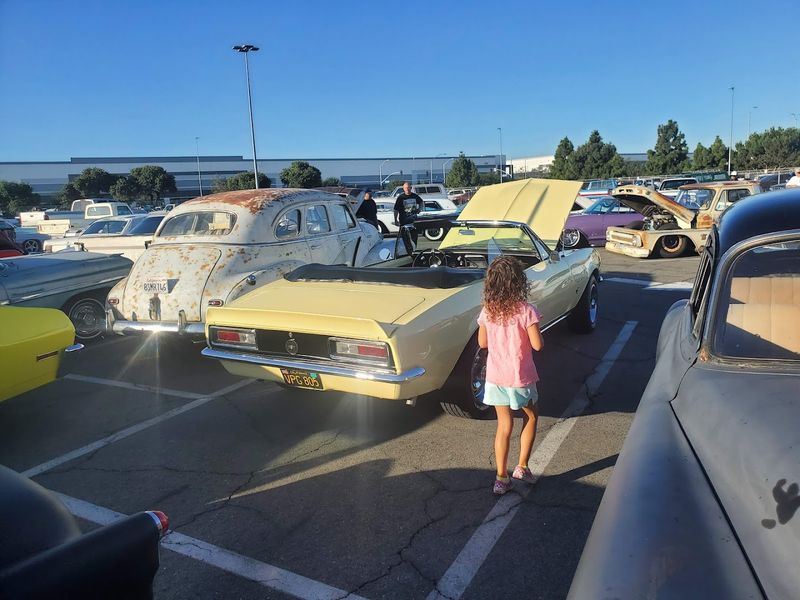
Finding parking at popular events can turn into an expensive hassle, but this market removes that concern entirely with ample free on-site parking.
The stadium location provides extensive parking areas that accommodate the hundreds of visitors who arrive throughout the day.
Arriving early naturally secures spots closer to the entrance, while later arrivals might park farther away but still within reasonable walking distance.
Bringing a wagon or cart becomes a smart strategy for anyone planning to purchase larger items or multiple pieces.
Many shoppers load their vehicles with finds throughout the day, making multiple trips between the market and their cars as they accumulate treasures.
The free parking policy means families can budget purely for admission and purchases without worrying about additional fees eating into their shopping funds.
The parking setup also makes it easy to load bulky furniture or fragile items safely without rushing or worrying about meter time.
Vendors appreciate the parking convenience too, as it allows them to load and unload their inventory without complicated logistics.
The spacious lots rarely reach capacity, even during peak attendance hours, ensuring that parking concerns never become a reason to skip a visit to this monthly treasure hunt.
7. The Market Has Operated Since 1982
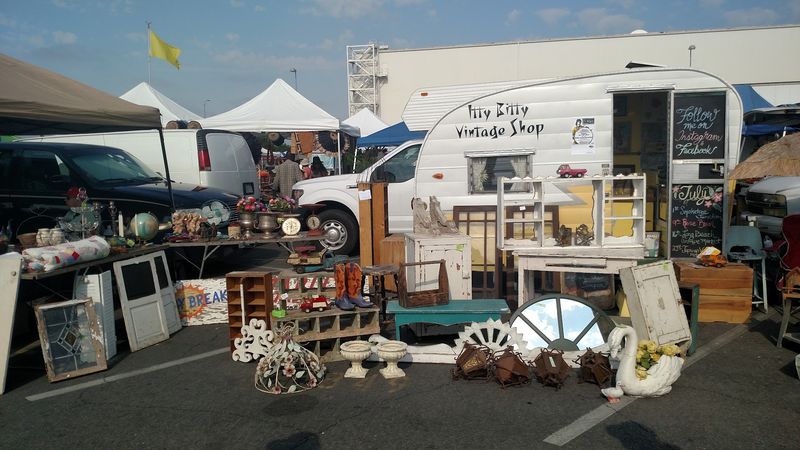
Four decades of continuous operation have cemented this market’s reputation as a California institution and one of the premier antique markets in the United States.
Launching in 1982 means the market itself has become a piece of local history, with some vendors participating for decades and generations of families making it a tradition.
The longevity speaks to consistent quality and the organizers’ commitment to maintaining high standards for both vendors and visitors.
Over the years, the market has adapted to changing tastes while maintaining its core mission of connecting buyers with authentic vintage and antique items.
Items that were simply used furniture in the early years have now become sought-after mid-century collectibles, and the market has evolved to reflect these shifting values.
Long-time attendees share stories of incredible finds from years past, creating a sense of shared history among the market community.
The established reputation attracts both new vendors looking to break into the antique business and experienced dealers who view the market as essential to their operations.
Buyers trust that the decades of operation indicate reliability and quality, knowing that markets without staying power rarely last more than a few seasons.
The historical continuity also means that some items sold at the market today might have first appeared at earlier editions, cycling through different owners and returning as vintage treasures.
8. Vendors Offer Mid-Century Furniture And Home Décor
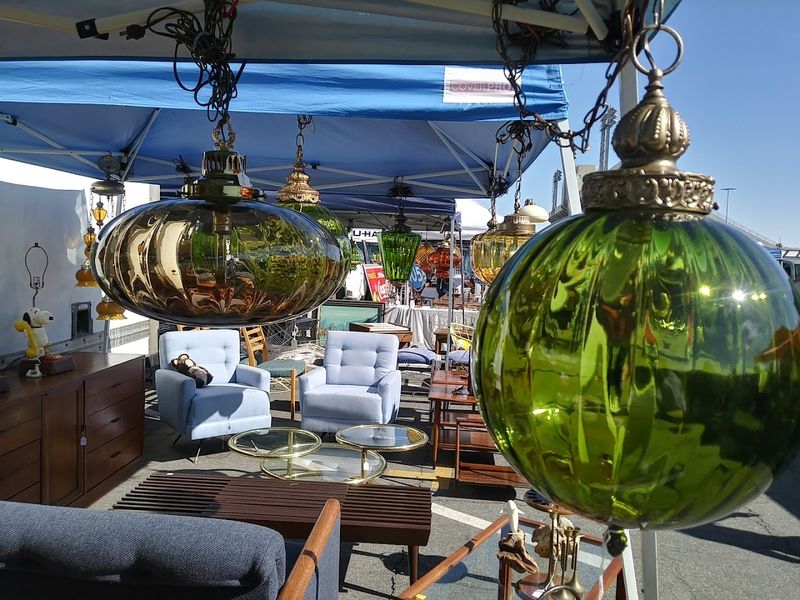
Design enthusiasts searching for that perfect Eames-era chair or teak credenza find fertile hunting grounds among vendors specializing in mid-century pieces.
The postwar design movement remains incredibly popular, and the market delivers an ever-changing selection of furniture that captures the clean lines and innovative materials of that era.
Pieces range from affordable starter items to investment-quality designs that command serious prices based on maker, condition, and rarity.
Home décor extends beyond furniture to include lighting fixtures, textiles, ceramics, and wall art that help complete a vintage aesthetic.
Vendors often display items in room-like vignettes that help shoppers envision how pieces might work in their own spaces.
The outdoor setting allows for examining furniture in natural light, revealing details about wood grain, upholstery condition, and structural integrity that might be missed in dimmer indoor shops.
Mixing vintage furniture with contemporary pieces has become a popular design approach, and the market provides endless options for adding character to modern homes.
Shoppers can find everything from complete dining sets to single statement pieces that become conversation starters.
Knowledge about makers, materials, and authenticity helps when evaluating purchases, and many vendors gladly share information about the provenance and history of their furniture offerings.
9. Vintage Clothing And Jewelry Draw Fashion Enthusiasts
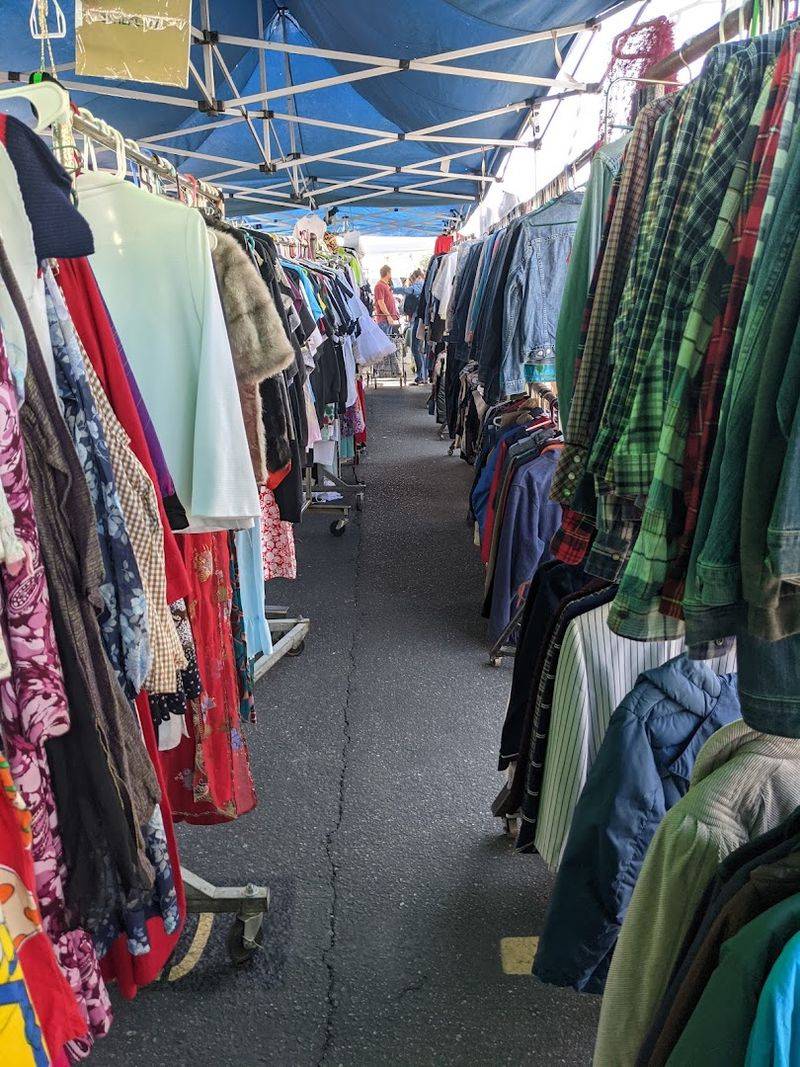
Fashion lovers discover wearable history among racks of vintage clothing that span decades of style evolution and craftsmanship.
Unlike mass-produced modern garments, vintage pieces often feature superior construction, natural fabrics, and distinctive details that make each item unique.
Sizes and fits differ from contemporary standards, requiring try-ons and measurements, but the reward is clothing that stands out from current retail offerings.
Jewelry vendors display cases filled with estate pieces, costume jewelry, and precious metal items that range from delicate Victorian brooches to bold 1980s statement pieces.
Prices vary dramatically based on materials, condition, and desirability, with opportunities for both budget-conscious shoppers and serious collectors.
Examining jewelry in outdoor light helps assess stones, metal quality, and any damage or repairs that affect value.
Building a vintage wardrobe through market finds creates a distinctive personal style impossible to replicate with new clothing.
Vendors often organize items by era, making it easier to find specific decades, or by type, grouping dresses, accessories, and outerwear separately.
Haggling becomes part of the experience, especially when purchasing multiple items from a single vendor.
The thrill of finding a designer label at a fraction of retail price or discovering a perfect-condition piece from a favorite era keeps fashion enthusiasts returning month after month.
10. Rare Collectibles And Vinyl Records Appeal To Enthusiasts
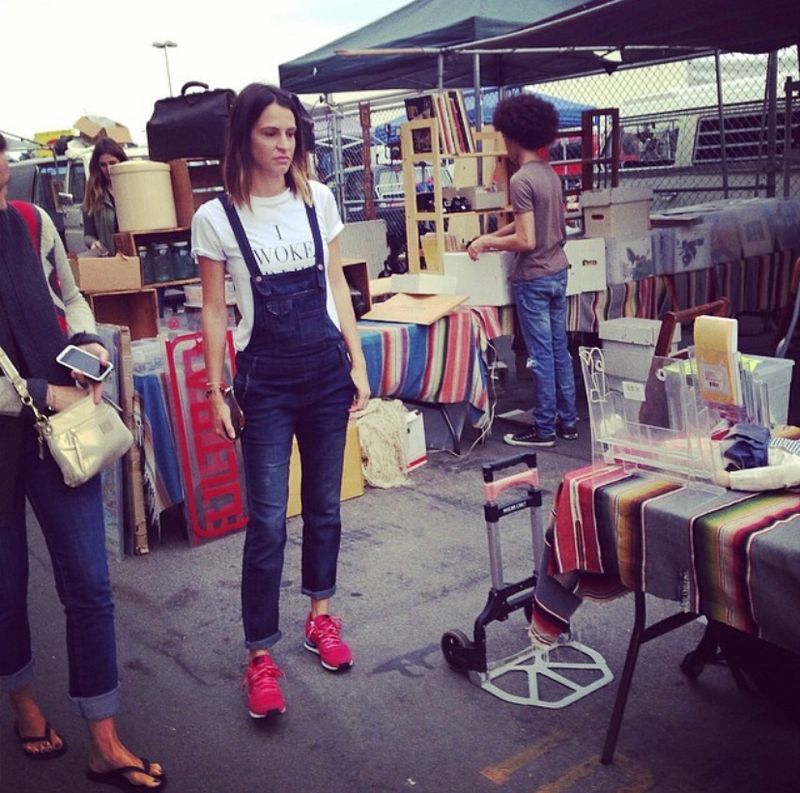
Collectors pursuing specific items find that the market’s size and vendor diversity increase their odds of locating elusive pieces.
Vinyl record enthusiasts flip through crates organized by genre, era, or sometimes seemingly random order, searching for rare pressings or completing their collections.
Condition matters tremendously with records, and experienced buyers examine sleeves and discs carefully for scratches, warping, or water damage before purchasing.
Collectibles span an enormous range, from vintage toys and sports memorabilia to advertising signs, bottles, and ephemera that document everyday life from past eras.
Some vendors specialize in narrow categories like vintage cameras or antique tools, while others offer eclectic assortments that require patient browsing to uncover hidden gems.
Knowledge about what makes items valuable helps collectors spot underpriced treasures that less-informed shoppers might overlook.
The hunt itself becomes as enjoyable as the find for many collectors, with each market visit offering new possibilities and unexpected discoveries.
Building relationships with vendors who share collecting interests can lead to tips about items coming to future markets or connections with other collectors.
Prices reflect market demand, rarity, and condition, with room for negotiation depending on vendor pricing strategies and buyer knowledge.
The communal aspect of collecting thrives at the market, where enthusiasts swap stories, share expertise, and celebrate each other’s finds.