This Spring Is The Perfect Time To See Some Of The Most Beautiful California State Parks
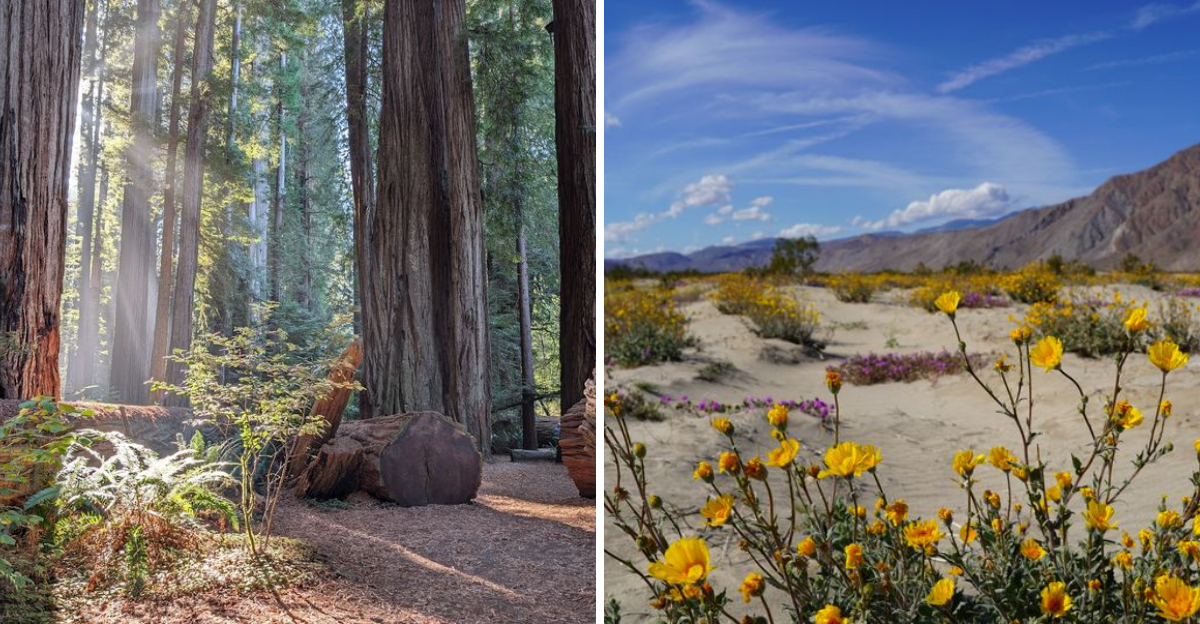
You head outside expecting a quick change of scenery. Then something shifts.
Color shows up where it wasn’t before. Trails feel quieter. The air carries that in-between-season energy that makes everything feel new again. Spring in California doesn’t ease in – it flips the switch.
Wildflowers take over entire hillsides. Coastal paths sit under soft layers of sea mist.
Waterfalls run stronger, fuller, louder than they will later in the year. It doesn’t take long to notice how different everything feels once winter fades out.
California hits its stride in spring.
Crowds haven’t fully arrived, temperatures stay comfortable, and daylight stretches just enough to turn a short outing into something that lingers.
A simple walk turns into stopping more often, looking longer, staying later than planned.
Whether it’s a last-minute afternoon escape or a full weekend reset, these state parks show up at exactly the right time – and they don’t hold back.
1. Crystal Cove State Park
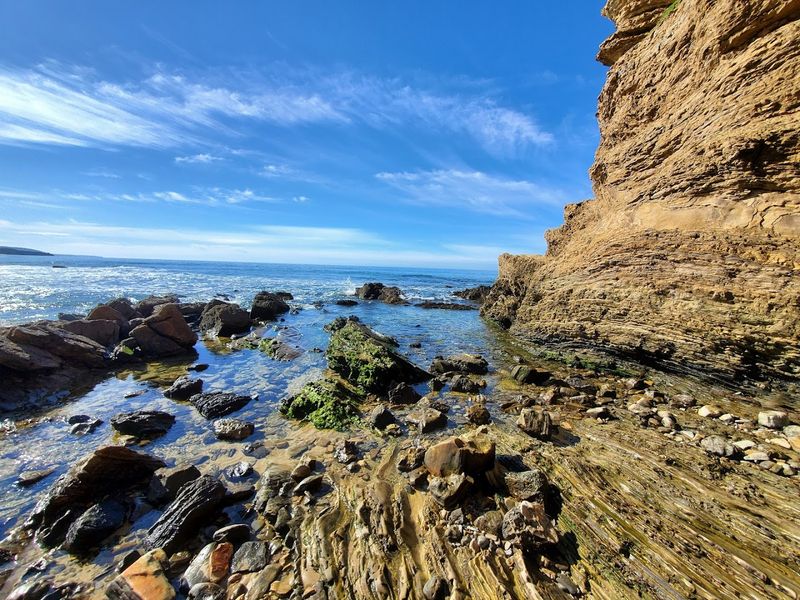
Tucked along the Orange County coastline between Newport Beach and Laguna Beach, Crystal Cove State Park offers a rare mix of beach access, rugged backcountry trails, and a preserved historic district all in one place.
The offshore underwater park is a popular spot for snorkeling and diving, while the inland trails wind through coastal sage scrub and open grasslands that turn green and lush during spring.
Tide pools along the rocky shoreline are teeming with sea stars, anemones, and hermit crabs, making low-tide mornings especially rewarding.
Spring weekdays tend to be quieter than weekends, and arriving early helps secure parking at the beach lots before they fill up.
The Crystal Cove Historic District features a collection of vintage beach cottages that date back to the 1930s and 1940s, some of which are available for overnight stays through reservation.
The Beachcomber Cafe sits right on the sand inside the historic district and offers a casual spot to rest after a walk along the shore.
Trails like the El Moro Canyon Loop cover several miles of rolling terrain with ocean views that stretch on clear spring days.
The combination of beach and backcountry makes this park unusually versatile for a single visit.
2. Torrey Pines State Natural Reserve
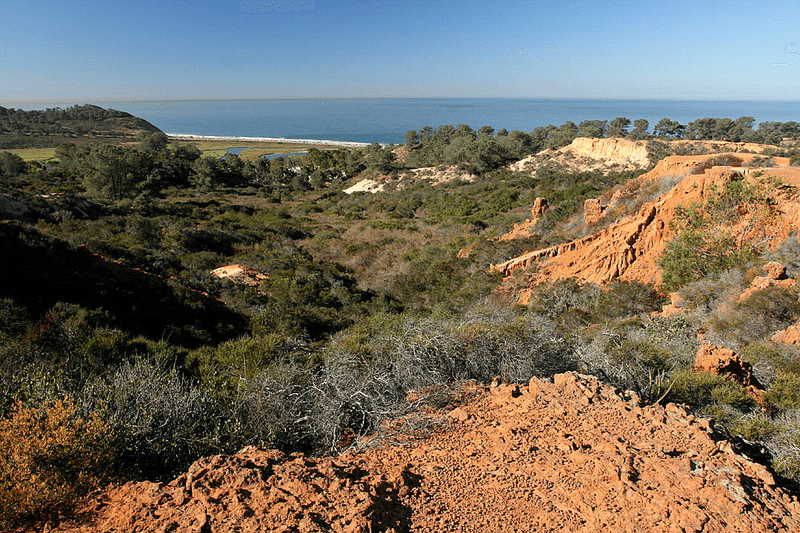
Perched on the cliffs above the Pacific Ocean in La Jolla, Torrey Pines State Natural Reserve protects one of the rarest pine trees in North America.
The Torrey pine grows naturally in only two places on earth, and this reserve along with a small population on Santa Rosa Island off the coast are the only spots where it can be seen in the wild.
Spring brings a softening of the landscape as coastal wildflowers dot the trails and the air carries a mix of salt and pine resin that feels unlike anywhere else.
The reserve covers about 2,000 acres and offers several trail options ranging from short loops to longer routes that descend to the beach below the bluffs.
Parking fills quickly on spring weekends, so arriving before 9 a.m. is genuinely helpful.
Dogs are not permitted on the trails, and staying on marked paths is important for protecting the fragile sandstone terrain.
The views from the ridge trails look out over the lagoon to the north and the open ocean to the west, and on clear mornings the visibility can extend for miles.
A small visitor center near the entrance provides trail maps and background on the reserve’s ecology and conservation history.
3. Leo Carrillo State Park
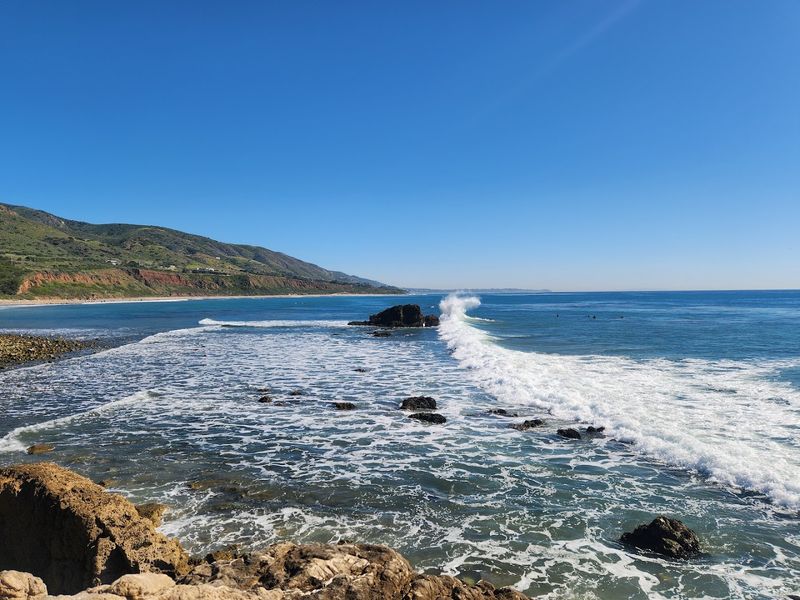
Located at the northern end of Malibu along the Pacific Coast Highway, Leo Carrillo State Park is one of those places that manages to feel wild even though the city is not far away.
The beach here is known for its sea caves, rock formations, and tide pools that become accessible during low tide, offering a hands-on look at coastal marine life.
Spring brings calmer surf conditions than winter and comfortable temperatures that make exploring the shoreline genuinely pleasant.
Beyond the beach, the park extends into the Santa Monica Mountains and includes several miles of hiking trails that pass through chaparral and canyon terrain.
The campground sits close to the beach and is a popular base for multi-day visits, though reservations are recommended well in advance for spring weekends.
Tidepool etiquette matters here, and visitors are encouraged to look without touching to protect the fragile ecosystems living in those rocky pools.
The park spans about 1.5 miles of shoreline and also includes a small creek that flows through a sycamore grove near the campground, adding a shaded and quiet contrast to the open beach.
Spring wildflowers sometimes appear along the canyon trails, making the inland sections worth exploring beyond just the coast.
4. McArthur-Burney Falls Memorial State Park
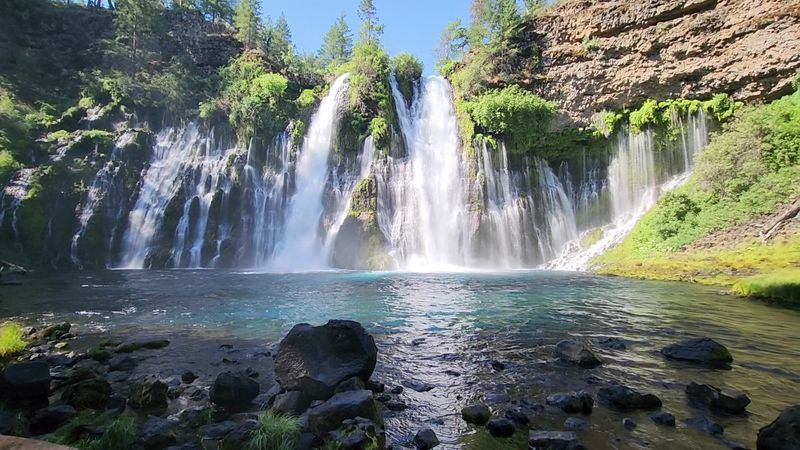
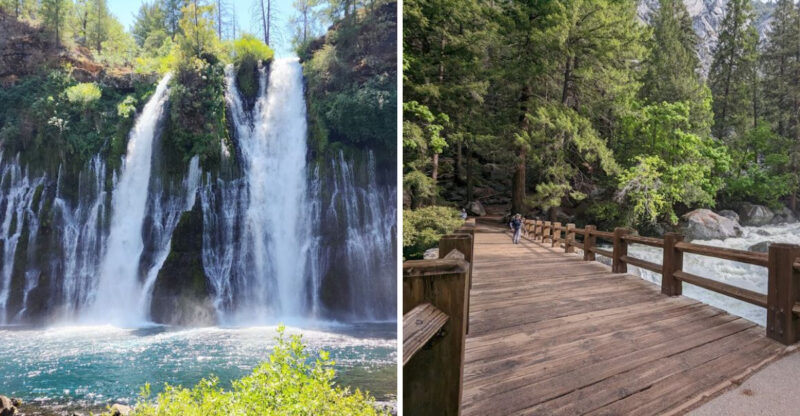
Few waterfalls in California make as immediate an impression as Burney Falls, which drops 129 feet in a wide curtain of water fed partly by underground springs.
Located in Shasta County in the northeastern part of the state, McArthur-Burney Falls Memorial State Park is a bit off the main tourist circuit, which helps it maintain a quieter and more relaxed atmosphere than many other parks.
The falls flow consistently year-round because of the spring-fed water source, but spring visits bring surrounding wildflowers and fresh green growth that frame the waterfall beautifully.
A short trail leads from the parking area directly to the base of the falls, and a longer loop continues along Burney Creek through the forest.
The park also sits along the Pacific Crest Trail, and through-hikers occasionally pass through during spring.
Lake Britton, which borders the park, is available for swimming, boating, and fishing when conditions allow.
The campground at the park is popular and tends to book up on spring weekends, so planning ahead is worthwhile.
The sound of the falls carries through the forest on quiet mornings and creates a backdrop that makes even a short visit feel genuinely restorative.
Temperatures in spring are mild and comfortable for most of the day.
5. Point Lobos State Natural Reserve
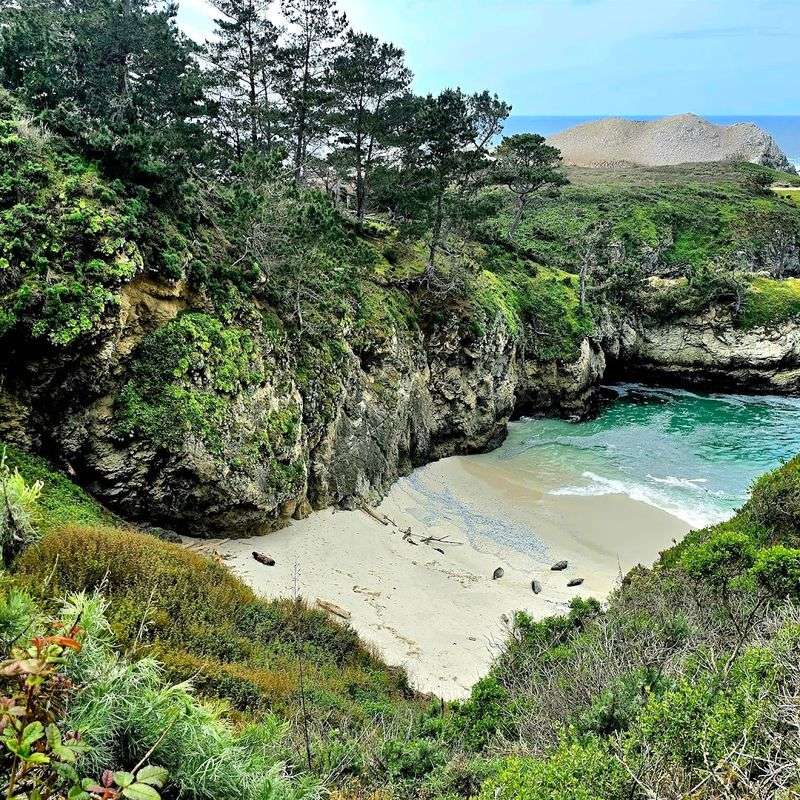
Called by some naturalists the greatest meeting of land and sea on earth, Point Lobos State Natural Reserve near Carmel on the Monterey Peninsula delivers coastal scenery that is genuinely hard to overstate.
Rocky coves, hidden beaches, cypress groves, and underwater kelp forests all exist within a compact area that takes a few hours to explore on foot.
Spring brings harbor seals hauled out on sunny rocks, sea otters floating in the kelp, and migrating gray whales sometimes visible just offshore.
The reserve has a vehicle entry limit to protect the environment, and the parking lot fills early on spring weekends, sometimes by mid-morning.
Arriving on a weekday or reaching the gate before 9 a.m. significantly improves the chance of getting in without a wait.
The trail system connects several named coves and headlands, and the Bird Island Trail offers one of the most scenic short walks in the entire state park network.
Snorkeling and scuba diving are permitted in designated areas of the reserve, and the underwater visibility in spring can be exceptional on calm days.
The cypress trees near the entrance have been shaped by decades of coastal wind into dramatic angular forms that create a striking silhouette against the sky.
Each visit tends to feel a little different depending on tide, light, and season.
6. Castle Crags State Park
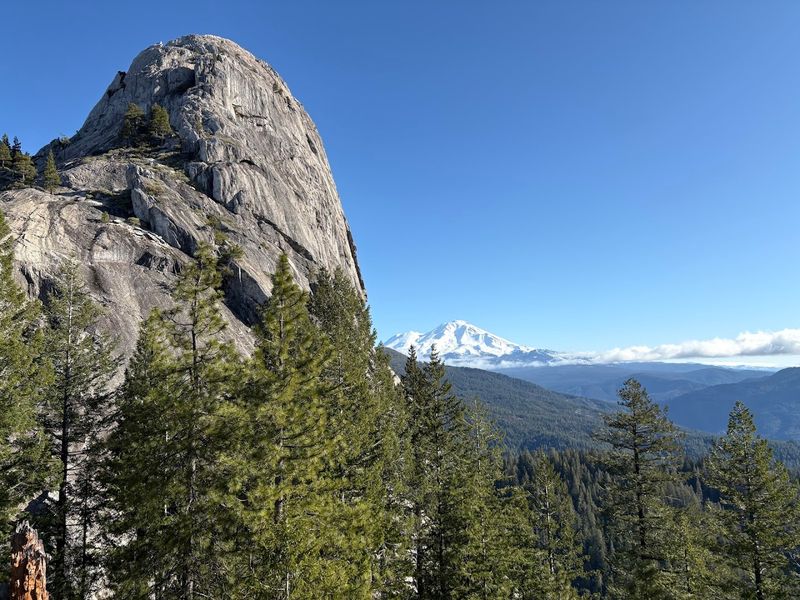
Rising sharply above the Sacramento River canyon near Dunsmuir, the granite spires of Castle Crags are among the most visually striking geological formations in Northern California.
The crags themselves are ancient, estimated to be around 170 million years old, and their pale gray surfaces contrast dramatically against the green pine forest below and the snowcapped profile of Mount Shasta visible to the north.
Spring brings clear skies and warming temperatures that make the steep climb toward the crags far more manageable than summer heat would allow.
The Castle Dome Trail is the most popular route in the park and gains significant elevation over roughly 2.7 miles, rewarding hikers with up-close views of the rock formations and sweeping panoramas of the surrounding mountains.
The lower portions of the park along the Sacramento River are more accessible and offer shaded walks through riparian forest where wildflowers bloom in spring.
Fishing in the river is another draw for visitors who prefer a slower pace.
The campground at Castle Crags is well-positioned for both day hiking and relaxing evenings under a remarkably clear sky.
The park also sits along the Pacific Crest Trail corridor, and the crags serve as a dramatic landmark for long-distance hikers passing through the region in spring and early summer.
7. Julia Pfeiffer Burns State Park
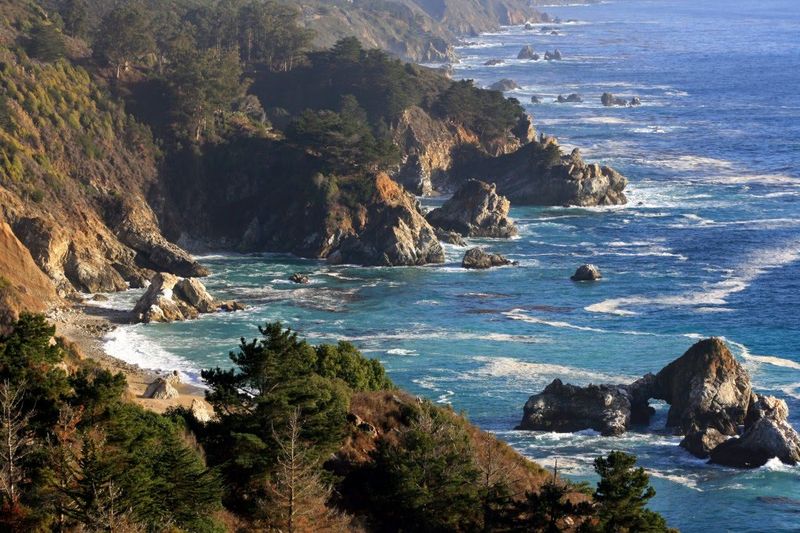
Highway 1 curves through one of the most dramatic stretches of the Big Sur coast, and Julia Pfeiffer Burns State Park sits right in the middle of it.
McWay Falls drops roughly 80 feet onto a small sandy cove below, and the aquamarine water on clear days creates a scene that feels almost unreal.
Spring along this part of California brings mild temperatures, shifting light, and coastal fog that rolls in and out, giving the landscape a constantly changing mood.
Even without trail access to the falls, the views remain unforgettable.
From above, the full sweep of the cove comes into view, where rugged cliffs meet bright water and the coastline feels completely untouched.
Elsewhere in the park, trails move through redwood groves and climb into open ridgelines where the Pacific stretches endlessly toward the horizon.
The park spans both sides of Highway 1, with tunnels connecting the coastal section to inland forested areas.
Parking at the main lot is limited and fills quickly on spring weekends, so arriving early or visiting midweek can make a noticeable difference.
The combination of waterfall, cove, redwoods, and ocean views makes this one of the most rewarding stops along the Big Sur coast.
8. Montaña De Oro State Park
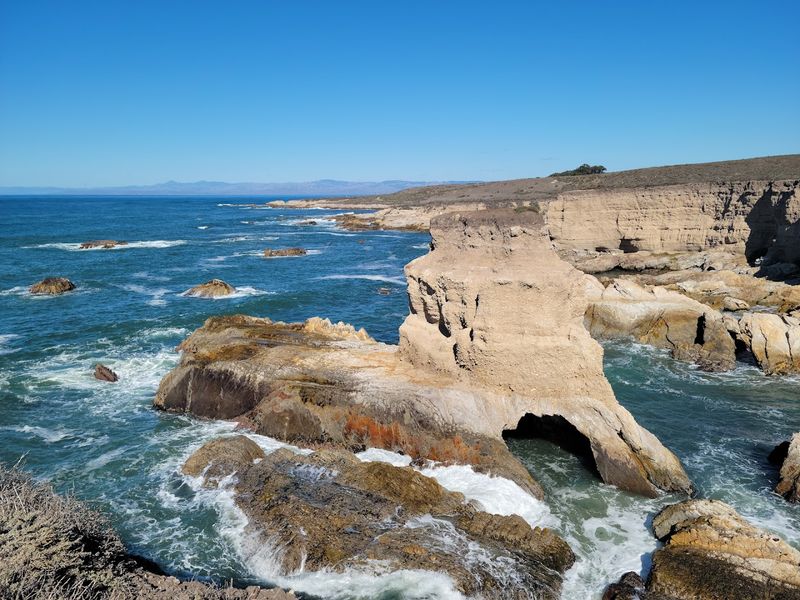
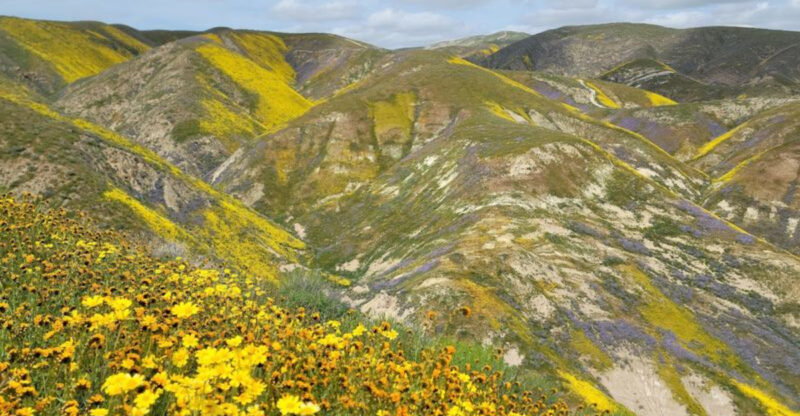
The name translates to Mountain of Gold, a reference to the golden wildflowers that blanket the hillsides and bluffs in spring, and the park absolutely earns that description during peak bloom season.
Located near Los Osos and Morro Bay on the Central Coast, Montaña de Oro State Park covers more than 8,000 acres of rugged coastline, chaparral, and eucalyptus groves.
The park remains relatively uncrowded compared to more famous coastal destinations, which gives it a refreshingly unhurried atmosphere.
Bluff Trail runs along the edge of the cliffs above the ocean and offers views of sea caves, blowholes, and crashing surf that change character with every tide.
Spring wildflowers including lupine, poppies, and sticky monkeyflower line the trail edges and create a vivid contrast against the blue water below.
Inland trails climb into the hills and provide a broader perspective of the coastline from higher elevation.
The campground at the park is primitive and peaceful, with sites close enough to the ocean to hear the waves at night.
Tide pools along Spooner’s Cove are accessible at low tide and contain a rich variety of marine life.
The combination of wildflowers, dramatic coastline, and minimal development makes spring visits here feel genuinely special without requiring much planning or expense.
9. Pismo State Beach
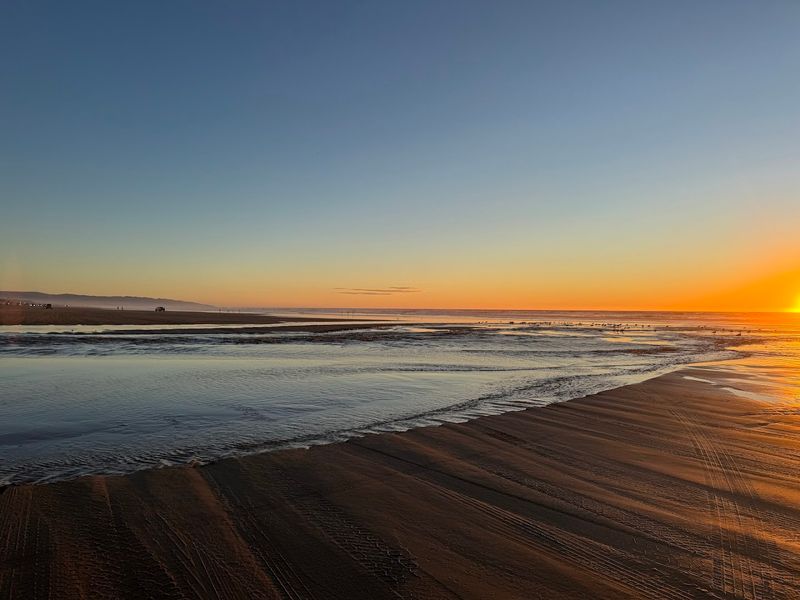
The shoreline seems to go on forever here.
Then you realize just how much space there is to spread out.
Pismo State Beach stretches for miles along California’s Central Coast, with wide sandy shores backed by low dunes and plenty of room to wander without feeling crowded.
The town of Pismo Beach sits at the northern end, making it easy to move between the sand and nearby restaurants or shops.
Spring brings comfortable temperatures, steady ocean air, and a quieter pace that feels noticeably different from the peak summer rush.
To the south, the Oceano Dunes section stands out as one of the few places in California where vehicles are permitted on the beach, though access comes with specific rules and permits.
Closer to the main state beach area, the atmosphere shifts – more open, more relaxed, and free from the hum of off-road traffic.
Surf conditions in spring can be surprisingly good depending on the swell, and the wide shoreline leaves space for everything from long walks to low-key beach days.
As the sun drops, the light lingers just a little longer, turning the entire stretch of coast into something calm, quiet, and easy to stay for.
10. Anza-Borrego Desert State Park
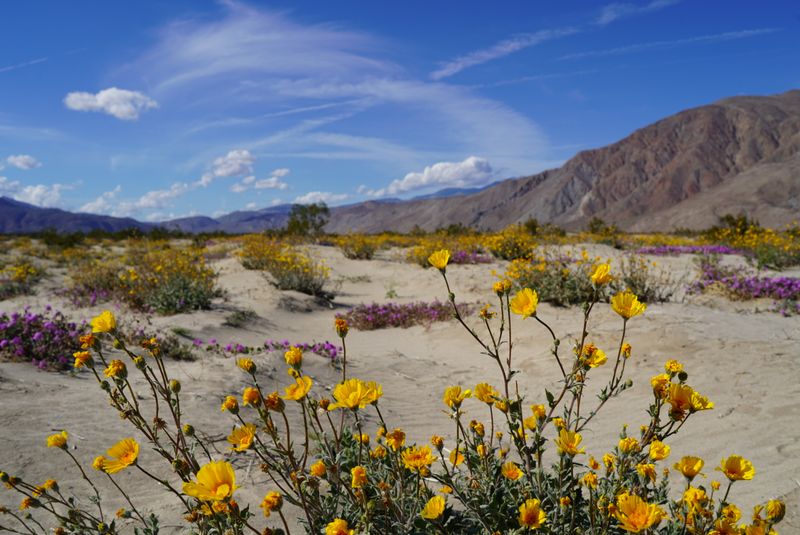
Stretching across more than 600,000 acres in San Diego County, Anza-Borrego is the largest state park in California and one of the most dramatic landscapes in the entire country.
Spring transforms the desert floor with waves of wildflowers including sand verbena, desert sunflowers, and brittlebush, creating a scene that surprises first-time visitors who expect only sand and rock.
The bloom intensity varies year to year depending on winter rainfall, so checking local wildflower reports before visiting is a smart move.
Hiking trails range from easy flat walks to more challenging canyon routes, and the park also offers some of the darkest night skies in Southern California for stargazing after sunset.
The town of Borrego Springs sits right inside the park boundary and has basic amenities including food and lodging.
Temperatures in spring are far more comfortable than the scorching summer heat, making March through April the sweet spot for a visit.
Slot canyons and dramatic badland formations add a rugged texture to the experience that goes well beyond the flowers.
Parking is available at multiple trailheads throughout the park, and most areas are free to access without a day-use fee.
11. Hearst San Simeon State Park
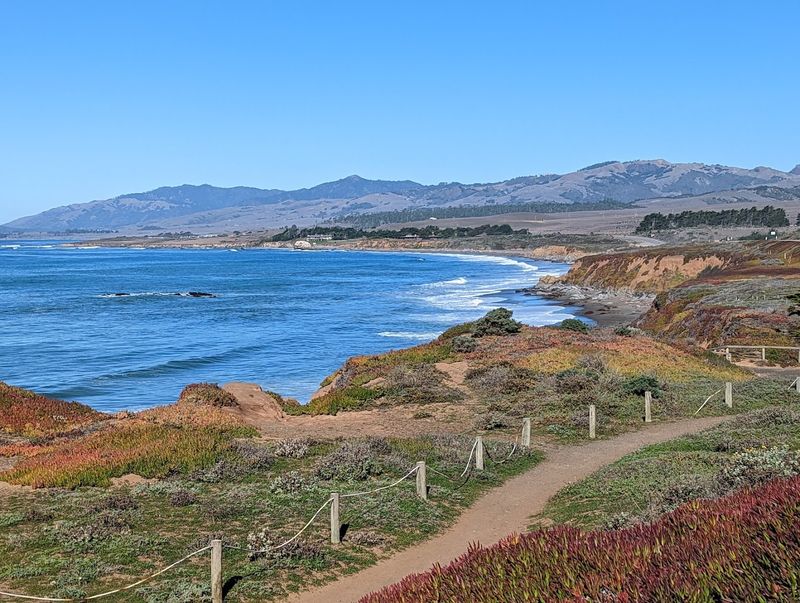
Running along the coast just south of the famous Hearst Castle, Hearst San Simeon State Park offers a quieter and more natural experience than its famous neighbor while still sitting in one of the most scenic stretches of the California coast.
The park includes several miles of coastal bluffs, sandy beaches, and creek habitats where a remarkable concentration of elephant seals hauls out on the beach throughout much of the year.
Spring is an active time at the elephant seal rookery, with young seals learning to swim and older animals molting in large groups along the shoreline.
Moonstone Beach Drive runs parallel to the bluffs and provides easy access to the coastal trail that stretches for about 1.5 miles along the clifftops with sweeping ocean views.
The trail surface is mostly flat and well-maintained, making it accessible for a wide range of visitors.
Moonstone Beach itself is known for the small agates and jasper stones that wash up with the tide, and beachcombing along the tideline can be a rewarding slow-paced activity.
San Simeon Creek Campground is located within the park and offers a convenient base for exploring both the coast and the nearby inland areas.
The combination of wildlife viewing, beachcombing, and easy coastal walking makes this park an underrated spring destination on the Central Coast.
12. Emerald Bay State Park
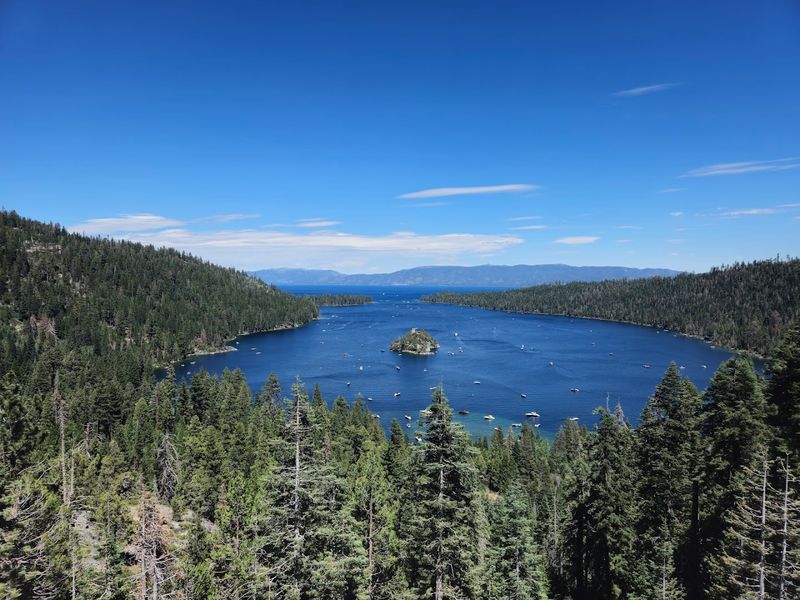
Carved by glaciers thousands of years ago, Emerald Bay on the southwest shore of Lake Tahoe is widely considered one of the most beautiful spots in the entire Sierra Nevada.
The bay’s water shifts between shades of deep blue and vivid emerald green depending on depth and light angle, and the small granite Fannette Island sits at the center of the bay as the only island in Lake Tahoe.
Spring visits offer a chance to see the bay before summer crowds arrive, and the snowmelt adds extra volume and drama to the surrounding waterfalls.
The trail from the highway down to the bay floor is steep and takes about 20 to 30 minutes to descend, with the return climb requiring more effort.
Vikingsholm, a historic Scandinavian-style mansion built in 1929, sits at the water’s edge and opens for tours during the warmer months, though early spring access depends on conditions.
The surrounding Eagle Falls Trail leads to a series of cascades that run especially strong with snowmelt in spring.
Parking along Highway 89 fills quickly on spring weekends, and the viewpoint above the bay is accessible even when the trail down to the water is not.
The view from the highway overlook alone is worth the stop and remains one of the most photographed scenes in all of California.
13. Calaveras Big Trees State Park
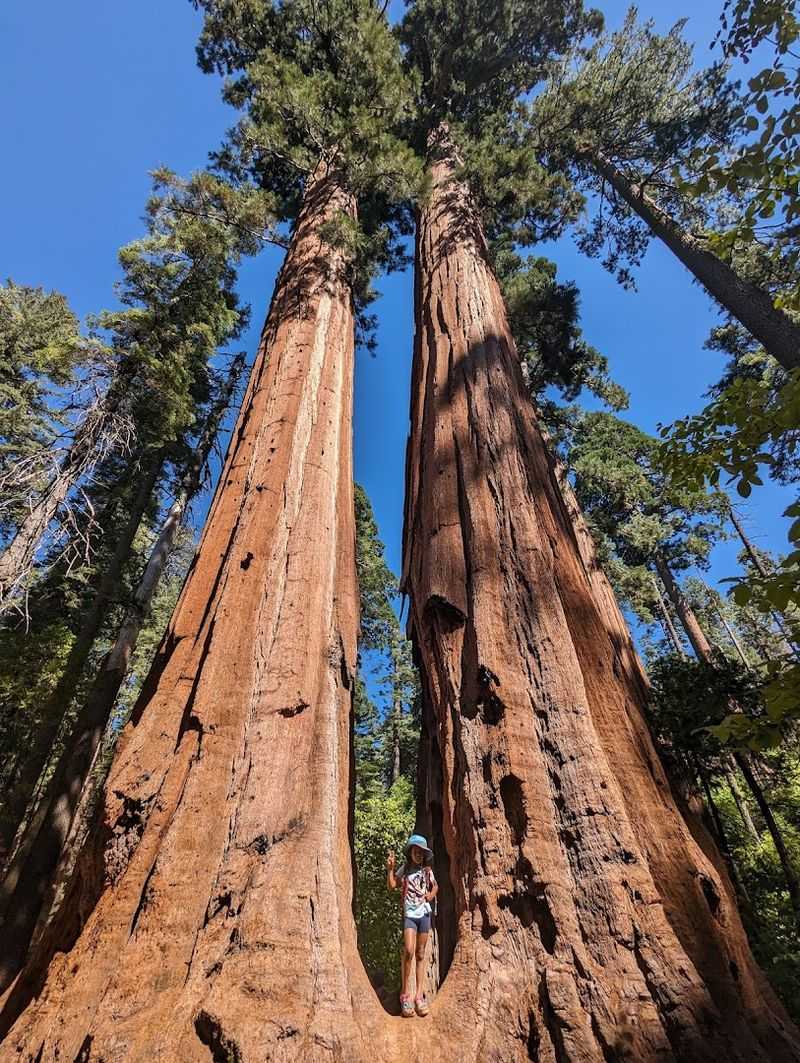
There is something genuinely humbling about standing at the base of a giant sequoia and trying to comprehend its scale.
Calaveras Big Trees State Park in the Sierra Nevada foothills of Calaveras County protects two groves of giant sequoias, the North Grove and the more remote South Grove, and both are accessible via well-maintained trails.
Spring is a lovely time to visit because the snow at lower elevations has typically melted by April and the forest floor comes alive with trillium, azaleas, and other woodland wildflowers beneath the towering trees.
The North Grove Trail is a gentle 1.5-mile loop that passes through a dense stand of sequoias including the famous Discovery Tree stump, which tells the story of the park’s early history.
The South Grove Trail is longer and less traveled, covering about 5 miles round trip through a quieter and more immersive old-growth forest setting.
Interpretive signs along both trails explain the ecology and natural history of the sequoias in accessible and engaging language.
The park also includes meadows, the Stanislaus River corridor, and a campground that makes multi-day visits possible.
Temperatures in spring are comfortable for hiking without the summer heat, though higher elevation areas may still have snow patches into May depending on the season.
14. Jedediah Smith Redwoods State Park
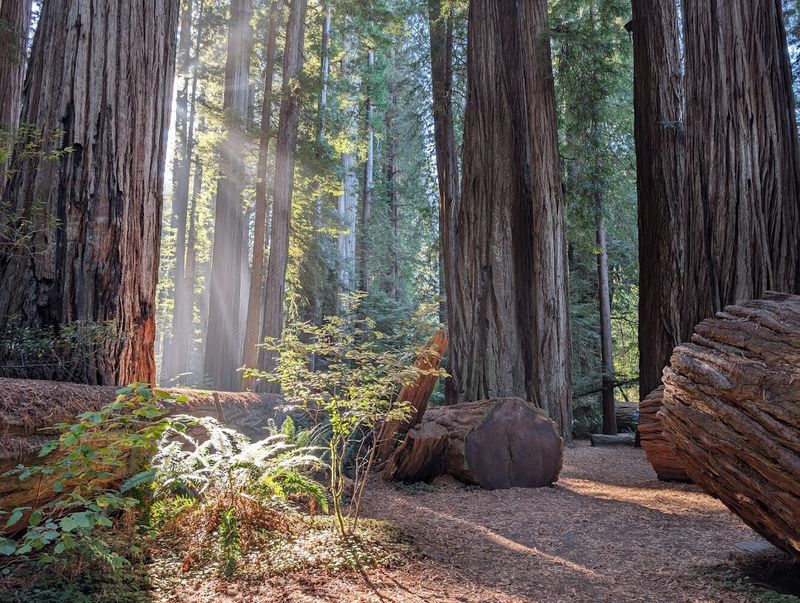
Standing among the old-growth redwoods at Jedediah Smith feels like stepping into a world that operates on a completely different time scale.
Located in Del Norte County near the Oregon border, the park protects some of the tallest and most ancient trees on the planet, with individual redwoods reaching heights of over 300 feet.
Spring is a wonderful season here because the rains that keep the forest green tend to taper off, and the light filtering through the canopy takes on a warm and golden quality.
Stout Memorial Grove is one of the most celebrated spots in the park, featuring a flat and accessible trail through a cathedral-like stand of old-growth trees.
The Smith River, which runs through the park, is one of the last undammed wild rivers in California and offers excellent opportunities for fishing and swimming in its clear emerald pools.
The water runs cold even in spring, but the color and clarity are remarkable.
Trails range from easy riverside walks to more rugged routes through the backcountry, and the campground along the river is one of the most scenic in the state park system.
Ferns carpet the forest floor throughout the park, adding a lush texture that photographs beautifully in the soft spring light.
15. D. L. Bliss State Park
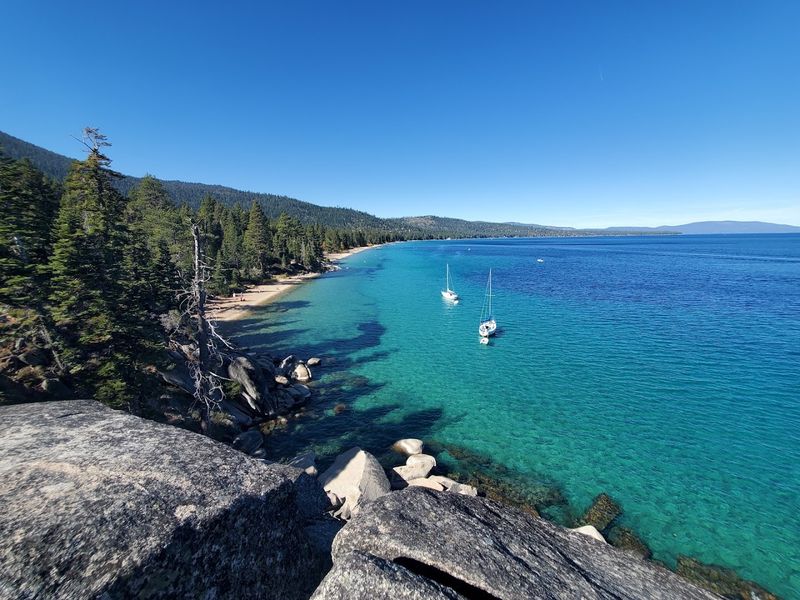
The western shore of Lake Tahoe holds one of the most striking landscapes in the Sierra Nevada, and D.
L.
Bliss State Park captures it at its best.
Clear, glassy water meets massive granite boulders, while pine forest frames a shoreline that feels almost impossibly clean.
Spring brings a quieter version of this setting, with cool air, fewer visitors, and lake clarity that stands out even more before summer activity begins.
The park opens on May 21 for its 2026 season, making late spring the first opportunity to experience it.
The Rubicon Trail begins here and follows the shoreline south toward Emerald Bay, passing through some of the most scenic terrain in the Tahoe basin.
The full route to Vikingsholm stretches about 4.5 miles one way and can be done as an out-and-back or paired with a shuttle for a longer day.
Lester Beach and Calawee Cove Beach serve as the main access points to the water, with gradual entry that becomes more inviting as temperatures rise.
The campground is in high demand during summer and often books months ahead, but late spring tends to offer better availability for those planning early.
The way the light shifts across the lake in the late afternoon creates a calm, unhurried moment that feels effortless to enjoy.
16. South Yuba River State Park
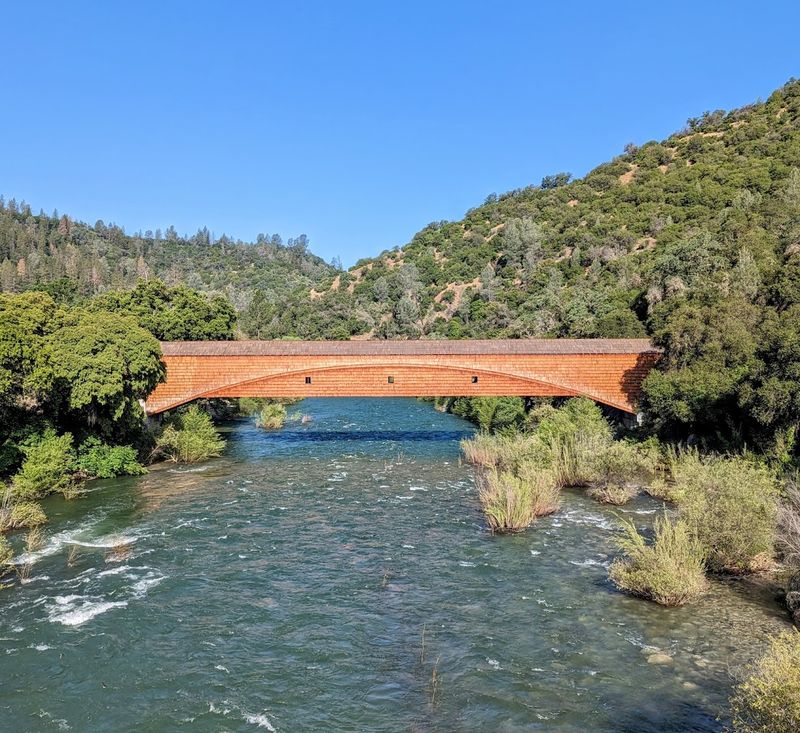
Running through the Sierra Nevada foothills of Nevada County, the South Yuba River is one of the most accessible wild rivers in the state, and the state park that protects it offers an experience that feels far more remote than the drive suggests.
Spring is the best time to see the river in full force, as snowmelt from the higher Sierra pushes the water volume up and turns the normally clear river into a powerful rushing current with a distinctive milky turquoise color.
Swimming is generally not safe during high spring flows, but the visual drama of the river at full volume is extraordinary.
The Independence Trail, which begins near the Highway 49 bridge, is one of the first wheelchair-accessible wilderness trails built in the western United States and follows the contour of the canyon above the river through ferns and wildflowers.
The longer Buttermilk Bend Trail offers a more rugged option with river views and spring wildflower displays along the canyon walls.
Bridgeport Covered Bridge near the park entrance is one of the longest single-span covered bridges in the United States and serves as a distinctive landmark and popular photo stop.
The park is spread across a long corridor rather than a single concentrated area, so downloading a trail map before visiting helps with navigation.
Spring weekdays here are genuinely peaceful and uncrowded.
17. Chino Hills State Park
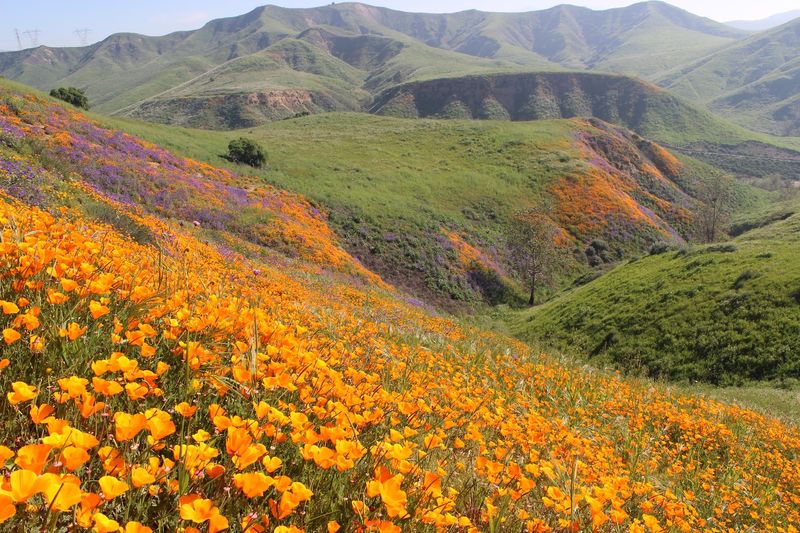
Tucked between the urban sprawl of the Inland Empire and Orange County, Chino Hills State Park offers a surprisingly wild escape that feels completely disconnected from the surrounding development.
In spring, the hills turn a vivid shade of green and patches of wildflowers including mustard, lupine, and poppies spread across the open slopes in colors that make the landscape look almost painted.
The park covers nearly 15,000 acres and protects one of the last significant blocks of natural open space in the region.
The trail network is extensive and ranges from easy fire roads suitable for families to more technical single-track routes preferred by mountain bikers and trail runners.
Spring is the peak season for wildflower viewing here, and the Telegraph Canyon Trail that runs through the heart of the park passes through shaded oak woodland and open grassland in a pleasant combination.
Wildlife including coyotes, deer, and a wide variety of birds is commonly spotted in the early morning hours.
The park has multiple entrance points from surrounding cities including Brea, Chino Hills, and Corona, making it accessible from a wide geographic area.
Parking fees apply at the main staging areas, and arriving before 10 a.m. on spring weekends helps avoid the busiest periods.
The views from the ridgelines on clear days extend to the ocean and surrounding mountain ranges.
18. Mount San Jacinto State Park
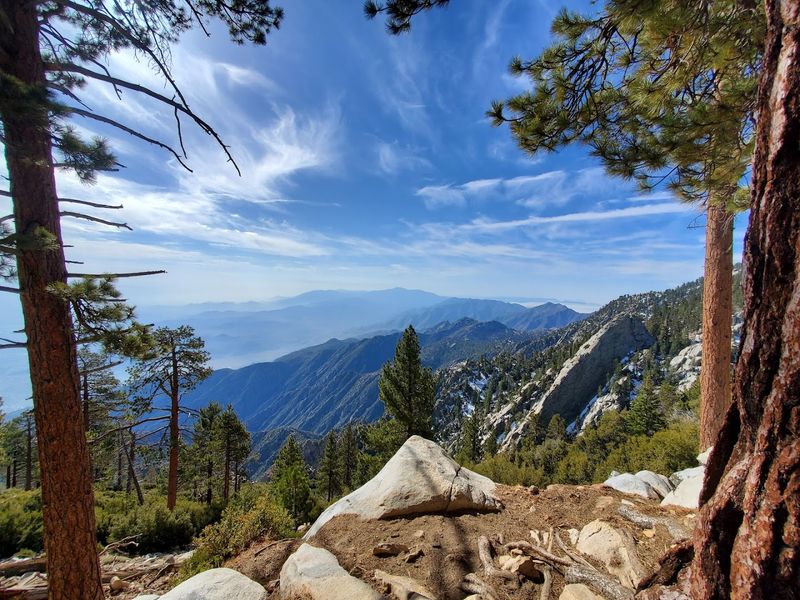
Reaching the summit of Mount San Jacinto at 10,834 feet via the Palm Springs Aerial Tramway is one of the most dramatic elevation changes accessible to the general public anywhere in North America.
The tram rises from the Sonoran Desert floor near Palm Springs to the subalpine forest of the San Jacinto Mountains in about 10 minutes, and the temperature drop can be as much as 40 degrees Fahrenheit between the bottom and top stations.
Spring is a particularly interesting time because the desert below is often warm and blooming while the mountain still carries patches of snow.
The state park begins at the top tram station at Mountain Station and extends across the wilderness area above, with trails leading through pine and fir forest to the Long Valley meadow and beyond toward the summit.
The summit itself requires a full-day hike of about 11 miles round trip with significant elevation gain, and proper preparation including layers, water, and navigation tools is essential.
Shorter trails from Mountain Station are accessible for casual visitors who want to experience the high-elevation environment without a strenuous commitment.
The tram operates year-round and spring weekends can get busy, so booking tickets in advance online is recommended.
The view from the tram windows during the ascent is itself worth the trip, with the desert stretching out below in striking detail.
19. Red Rock Canyon State Park
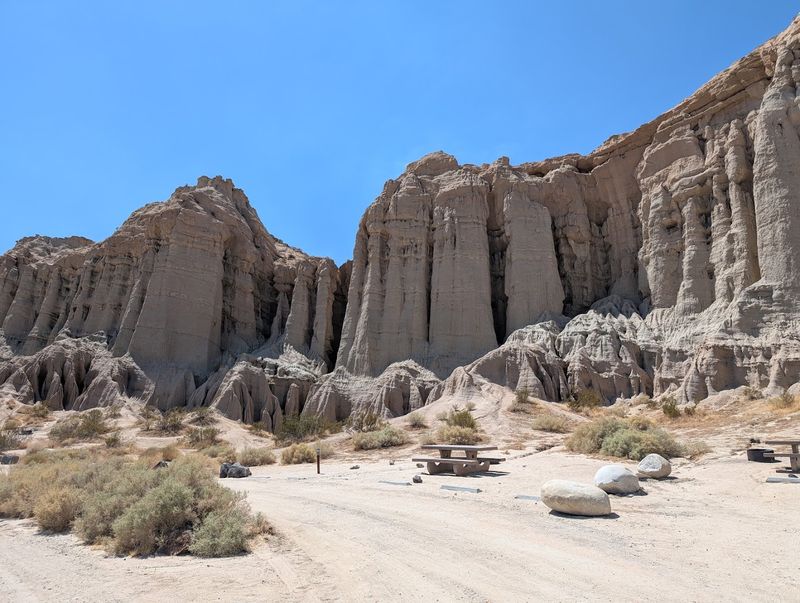
Located in the Mojave Desert along Highway 14 near Mojave, Red Rock Canyon State Park is one of those places that rewards travelers willing to pull off the highway and spend a few hours exploring.
The park’s signature feature is its layered cliffs of red, white, and pink volcanic rock that have been sculpted by wind and water into dramatic formations including alcoves, pinnacles, and wide canyon walls.
Spring light hits these formations at low angles in the morning and late afternoon, intensifying the colors and creating shadows that shift the mood of the landscape throughout the day.
Temperatures in spring are ideal for hiking the park’s trails, which range from short walks near the campground to longer routes through the backcountry.
The park sits along an ancient migration route and has yielded significant paleontological finds over the years, with fossils of prehistoric horses, camels, and other animals discovered in the rock layers.
A small interpretive area near the entrance provides context for the geological and biological history of the site.
The campground at Red Rock Canyon is uncrowded on most spring weeknights and offers some of the best stargazing in the Mojave thanks to the park’s distance from major city light pollution.
The combination of vivid geology, accessible trails, and dark skies makes it a compelling stop for anyone driving between Los Angeles and the eastern Sierra.
20. Lake Perris State Recreation Area
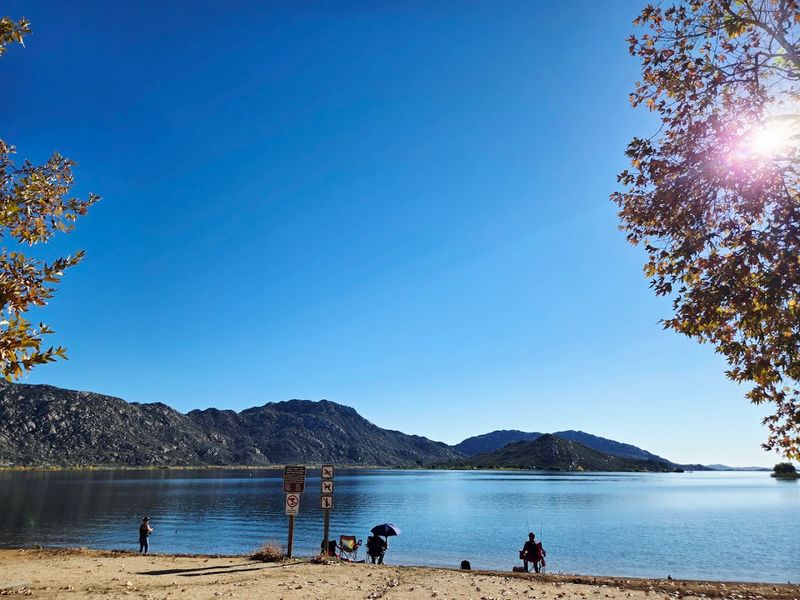
Sitting in the Perris Valley about 11 miles southeast of the city of Riverside, Lake Perris State Recreation Area offers a wide range of outdoor activities centered around a 2,200-acre reservoir backed by the rugged Bernasconi Hills.
Spring brings green hillsides, mild temperatures, and active wildlife to the area, making it one of the most pleasant seasons to visit this often-overlooked Southern California park.
The lake itself supports fishing for bass, catfish, and trout, and the calm spring conditions make it a good time for kayaking and paddleboarding as well.
The paved trail that circles the lake covers about 8 miles and is popular with cyclists, joggers, and walkers who appreciate the relatively flat terrain and consistent lake views.
The Bernasconi Hills on the eastern side of the park offer more challenging hiking with panoramic views of the valley and surrounding mountain ranges on clear spring days.
Rock climbing is permitted on certain designated boulders and cliff faces within the park, attracting climbers from across the Inland Empire region.
A swim beach on the south shore opens for the season in spring and is a family-friendly option for those who want a more relaxed water experience.
The park also includes a campground with full hookup sites and basic amenities, and spring weekday visits tend to be noticeably quieter than the busy summer weekends.
Entry requires a day-use vehicle fee.