This Stunning State Park In California Is So Little-Known, You’ll Practically Have It To Yourself
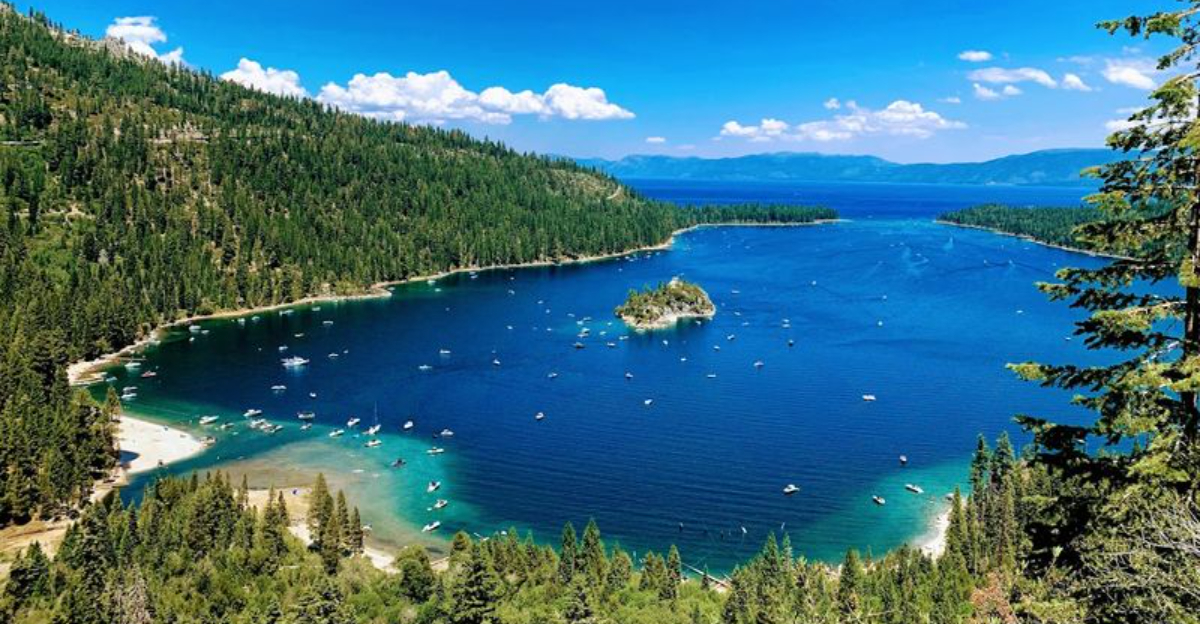
You know that feeling when you come across a place so striking it almost feels unreal, like it belongs in a photo instead of real life?
That is exactly what happens in California, where one stretch of landscape seems to shift colors right in front of you.
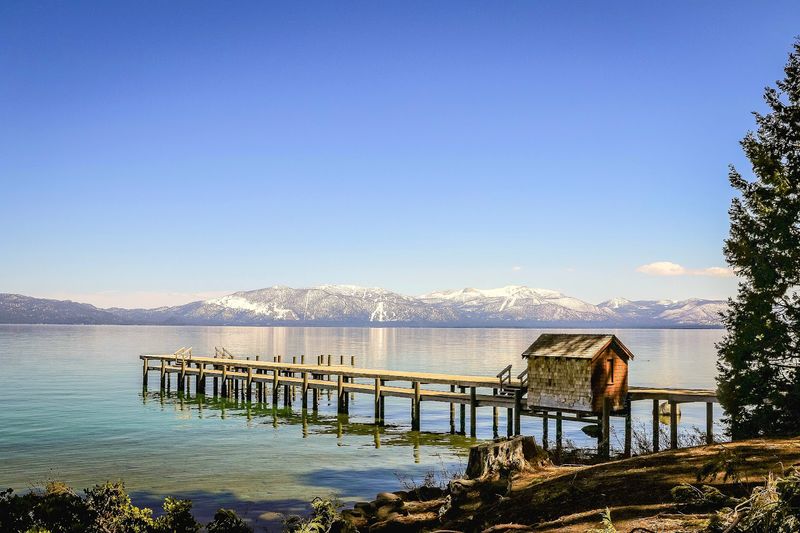
The water moves between deep blue and vivid green in a way that feels almost edited, like the scene has been turned up just slightly.
The first glimpse through the trees tends to stop people in their tracks. One second it is forest and rock, the next it opens into a wide, glassy bay framed by cliffs and pines. It feels immediate and a little unexpected every time.
California is full of well-known destinations, but not all of them feel this calm once you arrive. This one still leaves space to slow down, look around, and take it in without feeling rushed.
The longer you stay, the more the details begin to stand out. Light shifts across the water, colors deepen, and the entire scene feels like it is quietly changing just enough to hold your attention.
A National Natural Landmark Since 1969
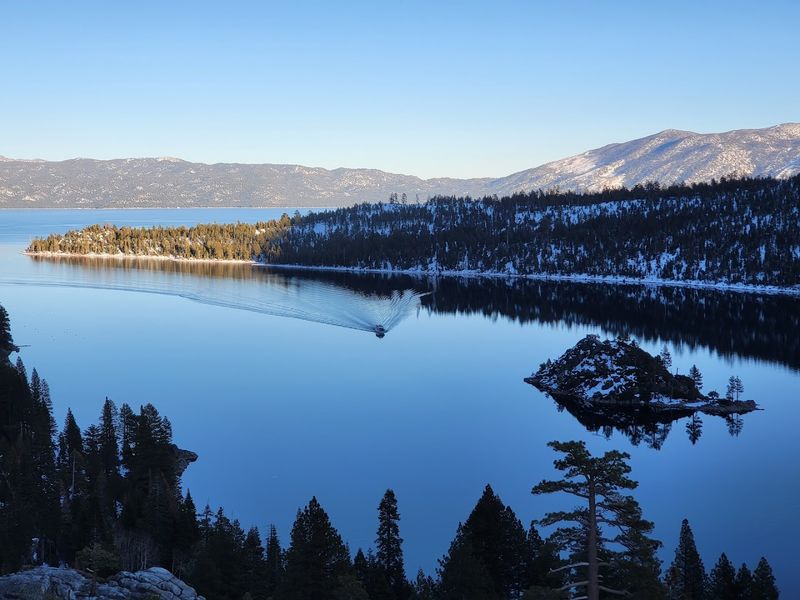
Back in 1969, the federal government officially recognized Emerald Bay as a National Natural Landmark, and it is easy to understand why that designation happened.
The bay was carved by glaciers thousands of years ago, leaving behind a dramatic landscape of polished granite walls, deep blue-green water, and rugged shoreline that still looks largely untouched today.
The geological story behind the bay adds real depth to any visit.
Those smooth rock faces along the water’s edge and the steep ridgelines above the bay are direct evidence of massive ice movement that shaped this entire region during the last Ice Age.
Standing at the overlook and knowing the forces that created the view below makes the experience feel more grounded and meaningful.
Visitors who take a moment to read the interpretive signs near the parking area tend to leave with a much richer appreciation for the landscape they just explored.
The landmark status also means the area receives ongoing protections that help preserve its natural character for future generations.
Vikingsholm Mansion At The Water’s Edge
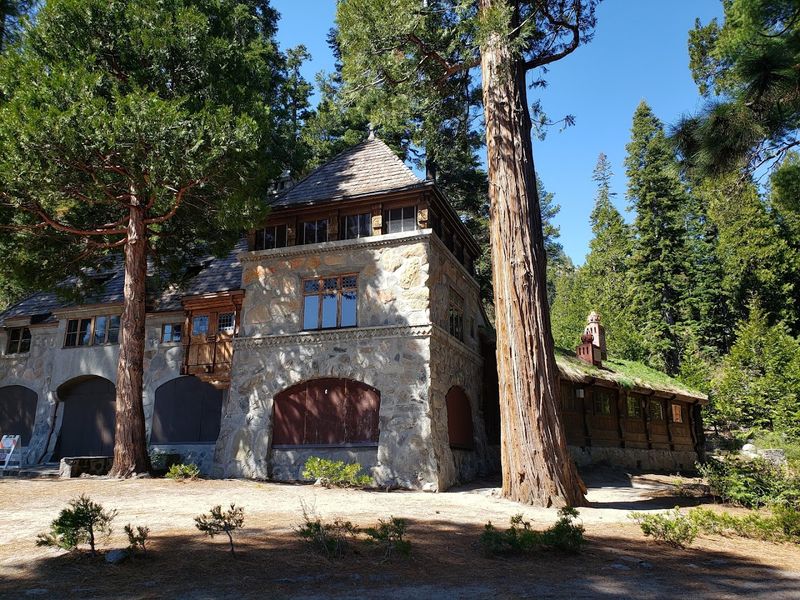
Few people expect to find a 38-room Scandinavian-style mansion at the bottom of a trail in a California state park, but that is exactly what waits at the head of Emerald Bay.
Vikingsholm was completed in 1929 and is widely considered one of the finest examples of Scandinavian architecture anywhere in the United States.
The building was designed by architect Leonard Palme for Lora Josephine Knight, who wanted a summer home that reflected traditional Norse design.
Sod roofs, hand-carved dragon heads, and thick granite walls give the structure a genuinely distinctive character that stands apart from anything else in the region.
Guided tours of the mansion are typically available from late May through September, and the tour itself takes visitors through rooms filled with period furnishings and architectural details that reflect both craftsmanship and cultural curiosity.
The walk down to Vikingsholm covers about one mile on a steep trail, so comfortable shoes and a bottle of water make a real difference.
The mansion sits right at the water’s edge, which means the views from its grounds are just as impressive as the building itself.
Fannette Island: The Only Island In Lake Tahoe
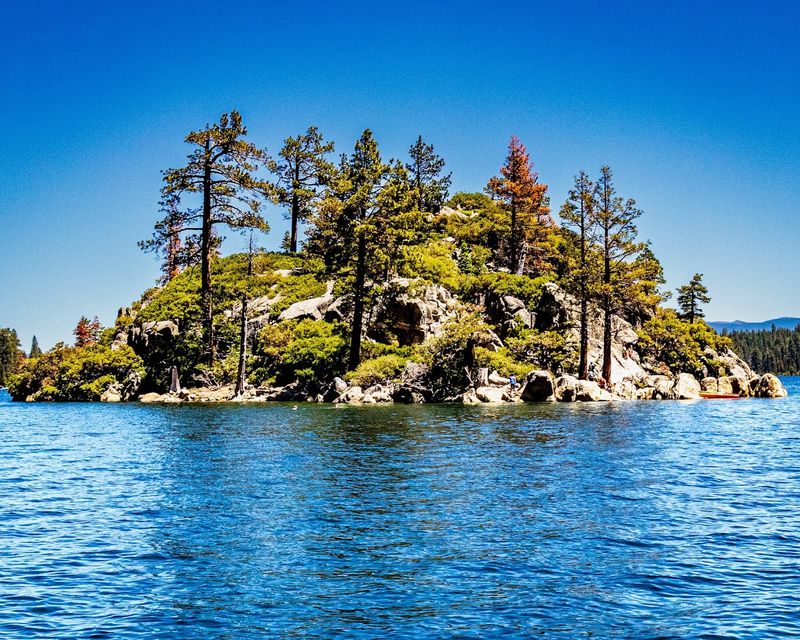
Sitting in the middle of Emerald Bay like a small rocky crown, Fannette Island holds a quiet but fascinating distinction as the only island in all of Lake Tahoe.
From the overlook above, the island looks almost miniature against the vast expanse of the lake, but up close it has a real presence that draws kayakers and boaters toward it every summer.
At the top of the island sits the ruins of a small stone structure known as the Tea House, which was built by the Knight family in the early twentieth century.
The structure was used as a place to serve tea to guests after they made the short boat trip across from Vikingsholm.
Reaching the island requires a boat or kayak, and landing is only permitted between April and mid-June or after Labor Day to protect nesting Canada geese during the summer months.
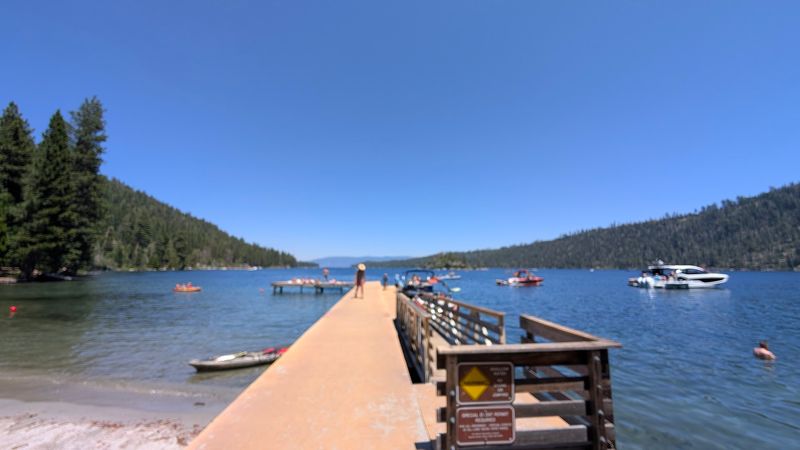
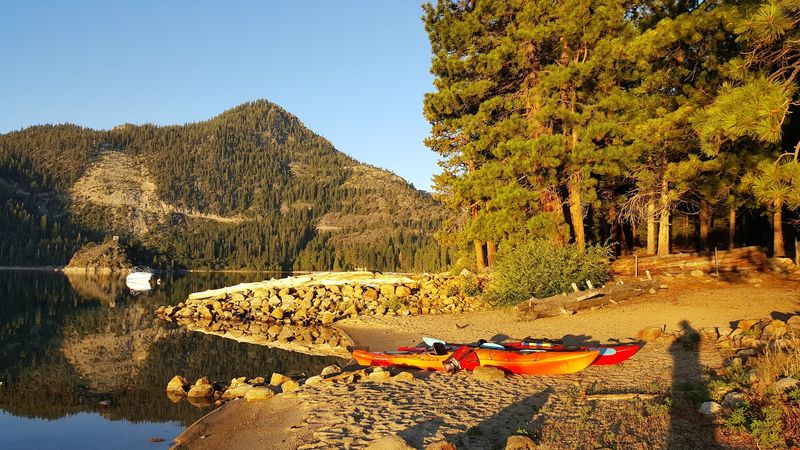
Kayak rentals are available near the beach at the base of the trail during the summer season, making it accessible even for visitors who did not bring their own equipment.
The island rewards those who make the effort with sweeping views in every direction.
An Underwater State Park Below The Surface
Most visitors arrive at Emerald Bay for the views above the waterline, but there is an entirely different world worth knowing about just beneath the surface.
In 1994, the waters surrounding the bay were officially designated as an underwater state park, creating protections for a remarkable collection of submerged historical artifacts.
Sunken barges, old boats, and other remnants from the early twentieth century rest on the lake floor in conditions that are unusually well preserved due to the cold, clear water.
Scuba divers with proper certification can explore these sites during designated seasons, and the experience of seeing historical objects in such pristine underwater visibility tends to be genuinely memorable.
The underwater park designation means that removing or disturbing any artifacts is strictly prohibited, which has helped keep the site in excellent condition over the decades.
For visitors who are not divers, knowing that this layer of history exists below the surface adds an interesting dimension to simply standing on the shore and looking out across the bay.
The combination of above-water beauty and below-water history makes Emerald Bay a more layered destination than it might first appear.
The Rubicon Trail And Other Hiking Options
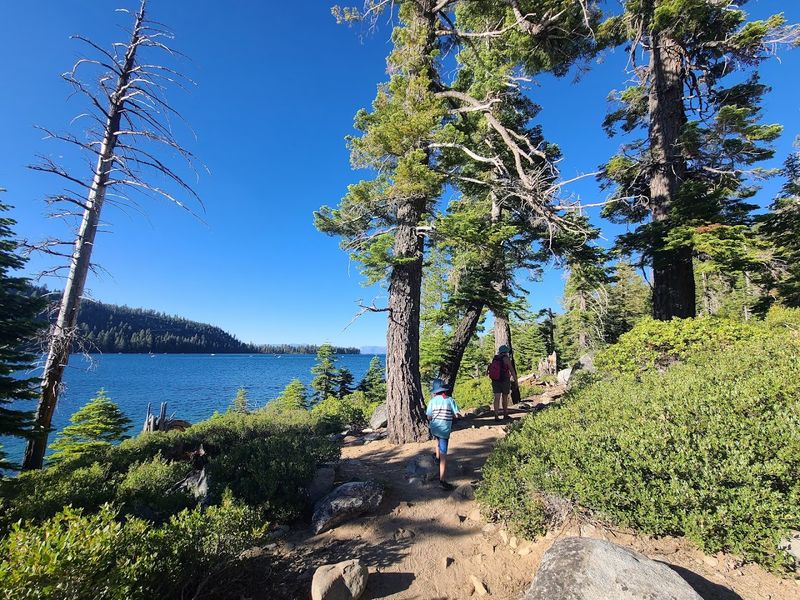
Hiking at Emerald Bay tends to reward effort with scenery that feels genuinely worth the climb.
The most well-known route is the trail from the Vikingsholm parking area down to the bay, covering roughly one mile each way with a 400-foot elevation drop that feels manageable on the way down but noticeably steep on the return.
The Rubicon Trail extends the experience considerably, running along the shoreline of Lake Tahoe and connecting Emerald Bay to other points along the west shore.
Hikers who follow the full Rubicon Trail encounter close-up water views, granite outcroppings, and forested stretches that feel far removed from the noise of the highway above.
Trail conditions can vary by season, and snow may affect access during winter and early spring.
Sturdy footwear is genuinely helpful on the rocky sections, and carrying water is essential since there are no services along the trail itself.
Mornings tend to offer cooler temperatures and lighter foot traffic, which makes the hiking experience feel more relaxed and personal.
Visitors who push past the initial descent often find that the quieter stretches of trail offer some of the most rewarding views of the entire park.
Two Campgrounds For Different Kinds Of Stays
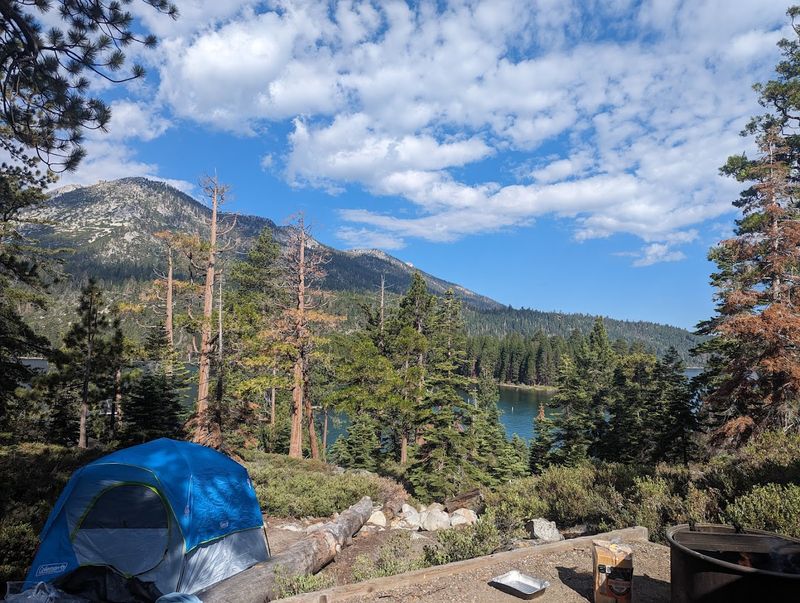
Spending a night at Emerald Bay turns the experience from a day trip into something much more immersive.
The park offers two distinct campgrounds that cater to different preferences and levels of adventure, giving visitors real options depending on how they want to experience the area.
Eagle Point Campground sits on a forested bluff above the bay and offers vehicle-accessible sites with views that make waking up here feel like a genuine reward.
Amenities include restrooms and showers during the summer season, and the campground is close enough to the trailhead to allow easy morning hikes before the day-use crowds arrive.
The Boat-In Camp offers a more secluded alternative, accessible only by boat or on foot via the Rubicon Trail.
Sites here sit closer to the water and tend to feel quieter and more removed from the typical park experience.
Reservations for both campgrounds are strongly recommended during summer weekends, as availability fills up quickly.
Campers are also advised to use bear boxes for all food storage, since black bears are active throughout the park and encounters are not uncommon during the warmer months.
Wildlife That Calls The Bay Home
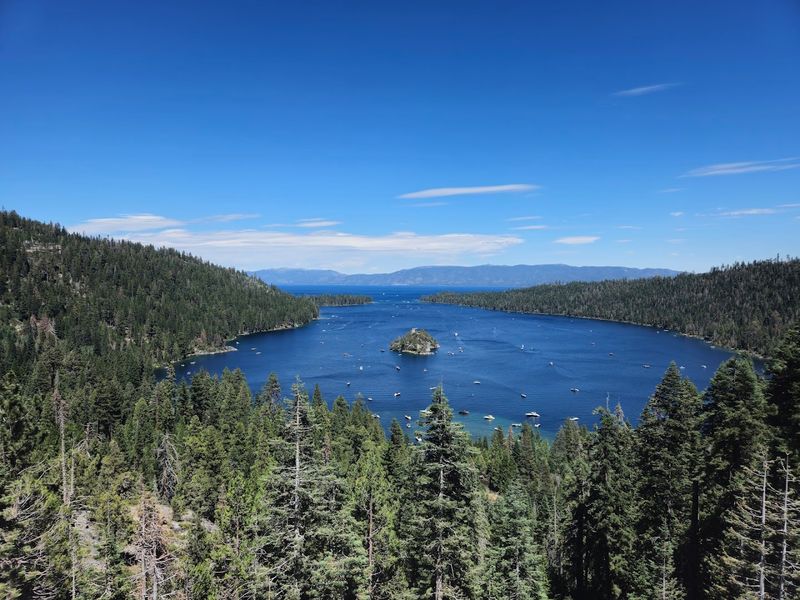
The landscape around Emerald Bay supports a surprisingly diverse range of wildlife, and paying attention to the natural surroundings during a visit tends to reveal more than most people expect.
Ospreys and bald eagles nest in the area and can often be spotted circling above the bay or perched on tall pines near the water’s edge.
Bobcats move through the forested sections of the park, though sightings are less predictable and depend largely on time of day and season.
Black bears are a more consistent presence, particularly during summer and fall when food sources are abundant, and rangers consistently remind visitors to store all food securely in designated bear boxes.
The park’s wildlife population reflects the broader health of the Lake Tahoe ecosystem, which has benefited from decades of conservation efforts in the region.
Staying on designated trails helps minimize disturbance to nesting birds and other animals that rely on undisturbed habitat to raise young.
Early morning visits offer the best chance of spotting wildlife before human activity increases throughout the day.
Simply slowing down and watching the shoreline or treetops for a few quiet minutes can turn an ordinary visit into something genuinely memorable.
Seasonal Access And What To Expect Year-Round
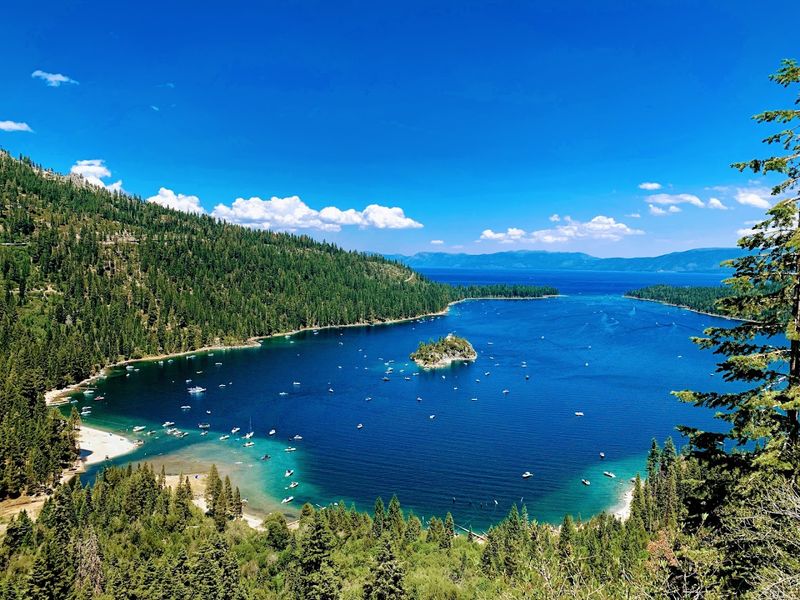
Emerald Bay State Park is open year-round, but the experience changes significantly depending on the season, and knowing what to expect helps visitors plan more realistically.
Summer brings the fullest range of activities, including Vikingsholm tours, kayak rentals, and ranger-led programs, making it the most popular time to visit by a wide margin.
Spring and fall offer a noticeably quieter atmosphere, with smaller crowds and softer light that many photographers and hikers find appealing.
The trail to Vikingsholm may still be accessible during these shoulder seasons, though services at the bottom are limited and the mansion tours typically wrap up by late September.
Winter access depends on road conditions along Highway 89, which can close temporarily due to snow or ice.
When the road is open, the park takes on a completely different character with snow-dusted pines and a stillness that feels far removed from the summer crowds.
No services or drinking water are available between October and May, so visitors during those months need to come fully prepared with their own supplies.
Checking current road and park conditions before heading out is always a practical step regardless of the season.
Parking Fees And What Drivers Should Know
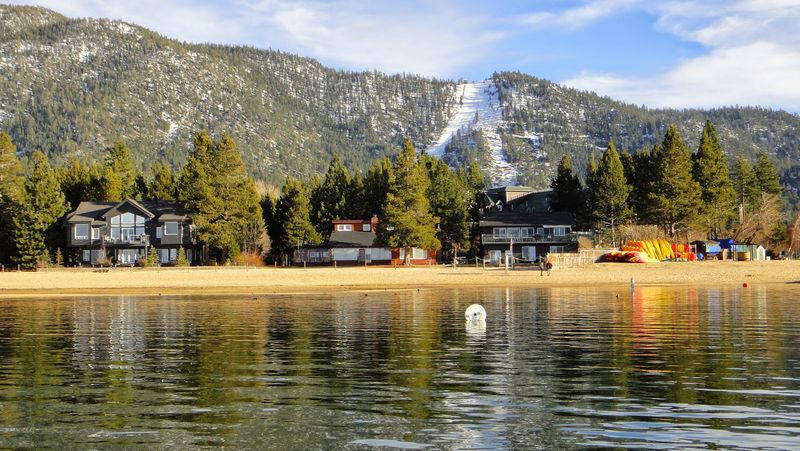
Parking at Emerald Bay is one of the most talked-about logistics among first-time visitors, and understanding how it works before arriving saves a lot of frustration.
The Vikingsholm parking lot charges a fee of ten dollars per vehicle for the full day or three dollars for one hour, paid through a self-payment system at the lot.
The parking area is small and fills up fast, especially on summer weekends.
Arriving before 9 a.m. gives visitors the best chance of securing a spot in the main lot, and many people who arrive later find themselves parking along Highway 89 and walking to the trailhead instead.
Roadside parking along the highway is a common and accepted practice at this location, though it does add some distance to the overall walk.
Visitors should pay attention to posted signs along the road to avoid parking in restricted zones.
Carpooling is a practical option that reduces the stress of finding a spot and also lightens the environmental impact on the park.
Planning to arrive early on weekdays rather than weekends tends to make the whole experience feel more relaxed from the moment of arrival.
The Steep But Rewarding Trail To Vikingsholm
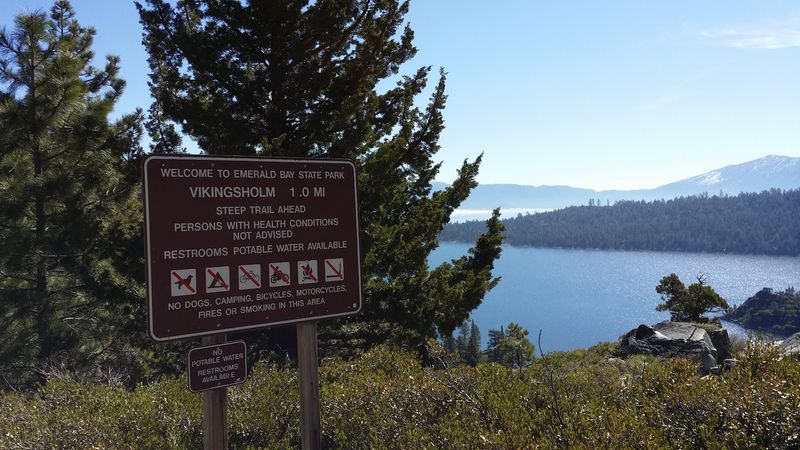
The hike down to Vikingsholm is the kind of trail that surprises people in both directions.
Going down feels manageable and even enjoyable, with the turquoise water appearing through the trees as a steady visual reward for every step forward.
The trail covers roughly one mile from the parking area to the bay floor with a 400-foot elevation drop along the way.
The path is wide enough to feel comfortable even with moderate foot traffic, and families with younger children generally find the descent doable at a relaxed pace.
Sturdy footwear makes a real difference on the rockier sections, particularly near the lower portion of the trail where the surface can be uneven.
The return climb is where most visitors feel the physical challenge, and it is genuinely steep in places.
Taking breaks on the way back up is completely normal and there is no need to rush.
Carrying water is essential since there are no services along the trail itself.
The views that open up on the way back to the top offer a different and equally impressive perspective of the bay, making the uphill effort feel like a natural conclusion to the experience rather than just a chore.
Dog Regulations And Why They Matter Here
Traveling with a dog to Emerald Bay requires knowing the rules before arriving, since the restrictions here are more extensive than at many other state parks.
Dogs are not permitted on the trails, beaches, or grounds surrounding Vikingsholm, which covers most of the areas that draw visitors in the first place.
These regulations exist primarily to protect the wildlife that depends on undisturbed habitat throughout the park.
Nesting ospreys and bald eagles are particularly sensitive to disturbance during breeding season, and the presence of dogs near the shoreline can disrupt the natural behaviors of many species that live and feed in the area.
For dog owners planning a trip to the Lake Tahoe region, knowing this policy in advance allows for better planning rather than arriving and discovering the restriction unexpectedly.
Some areas along Highway 89 near the park offer roadside pullouts where leashed dogs may be permitted, but those areas are separate from the main park grounds.
Checking the California State Parks website before visiting is the most reliable way to confirm current pet policies.
The regulation reflects a broader commitment to keeping the park’s ecosystem healthy and functional for both wildlife and future visitors.
Visitor Amenities And Planning Ahead For Comfort
Knowing what amenities are actually available at Emerald Bay helps visitors plan a trip that feels comfortable rather than caught off guard.
During the summer months, restrooms and water fountains are available near Vikingsholm at the base of the trail, which makes the hike more manageable for families and those spending several hours in the park.
An information center near Vikingsholm offers historical context through video presentations and books that add meaningful background to the visit.
Kayak rentals are also available near the beach during summer, with options for one or two-hour rentals and the possibility of renting a waterproof dry bag for an additional fee.
From October through May, no services or drinking water are available anywhere in the park, which means visitors during those months need to arrive completely self-sufficient.
Bringing a refillable water bottle, sunscreen, and a light jacket is practical advice regardless of the season since temperatures near the lake can shift quickly.
The park phone number is listed as 530-541-3030 for those who want to check on current conditions before making the drive.
A little preparation goes a long way toward making a visit to Emerald Bay feel genuinely enjoyable from start to finish.