This Texas Orchard Is Worth The Drive For Its Delicious Homemade Apple Turnovers
Some cravings hit at the strangest times. Mine showed up while I was driving through rolling hills, half lost, radio static filling the silence.
I was thinking about pie, or maybe cobbler, something warm and sweet to break up the drive. Then I saw a hand-painted sign pointing down a gravel road, and curiosity won.
I followed it past rows of fruit trees until a small building came into view, screen door propped open, the smell of cinnamon spilling out before I even parked. What I found inside changed how I think about road trip stops in this state.
One bite of a golden, flaky turnover, still warm from the oven, and I understood why locals treat this place like a well-guarded secret. It might be the best kept food secret in the state, and I almost drove right past it.
The Turnover That Started The Whole Trip
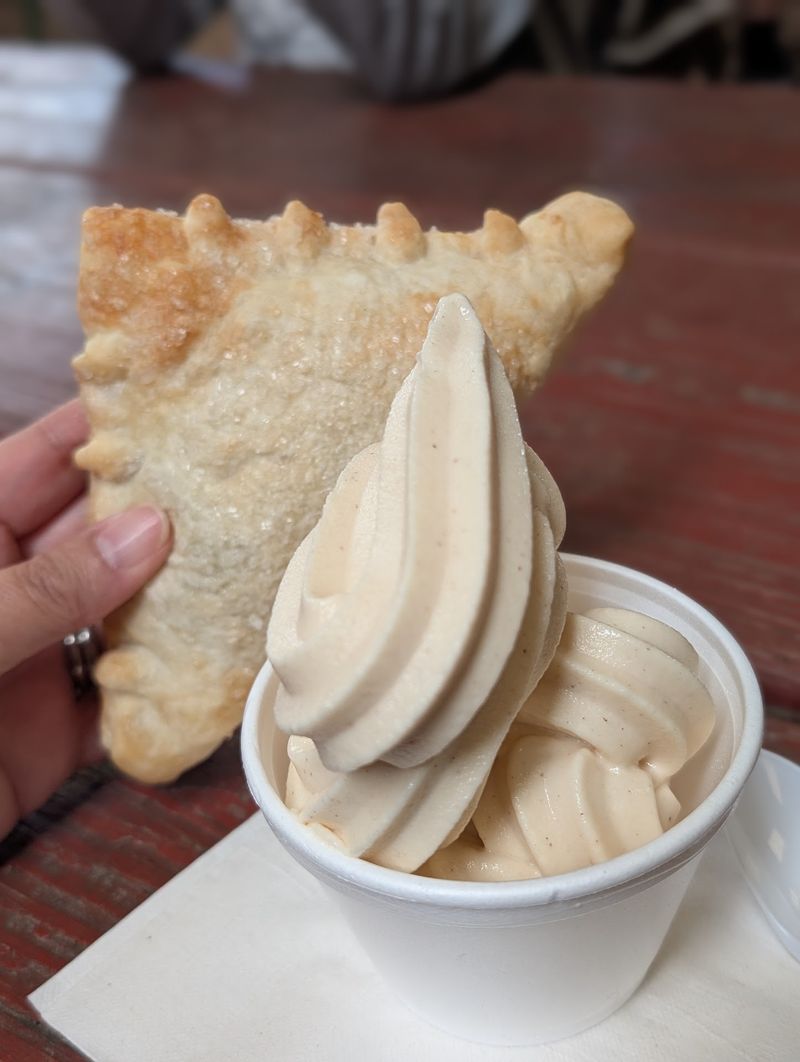
Flaky pastry has a sound when you bite it. That crackle is the first thing I noticed about the apple turnover here.
The filling is generous, not shy. Real apple pieces, soft but still holding shape, with a warm hint of spice running through.
Sweetness stays balanced, which matters more than people think. Too much sugar and you lose the apple entirely.
These are made in house, not shipped in frozen. That difference shows up in the crust, which flakes into buttery layers instead of crumbling apart.
Turnovers travel well, too. Mine survived an hour in the car and still tasted excellent later that evening.
Prices sit in friendly territory for a baked good this size. Two people can easily split one and feel satisfied.
The bakery counter stays busy, especially around midday. Getting there earlier gives you a better shot at the full selection.
Twenty-nine separate mentions of turnovers in customer feedback tell you something. Word travels fast about pastry this good.
The address is 14024 TX-16 N, Medina, TX 78055.
Apples Really Do Grow In The Texas Hill Country
Most folks picture Washington or Michigan when they think apples. Texas rarely makes that mental list.
The Hill Country has a quiet advantage, though. Its microclimate delivers enough winter chill for apple trees to thrive.
That surprise is half the fun of visiting. You are standing in cattle country, eating fruit grown right up the road.
The orchard grows dwarf apple trees, which stay short and easy to reach. Kids can pick fruit without anyone lifting them onto shoulders.
Apples are not the only crop here. Blackberries and peaches take their turns through the warmer months.
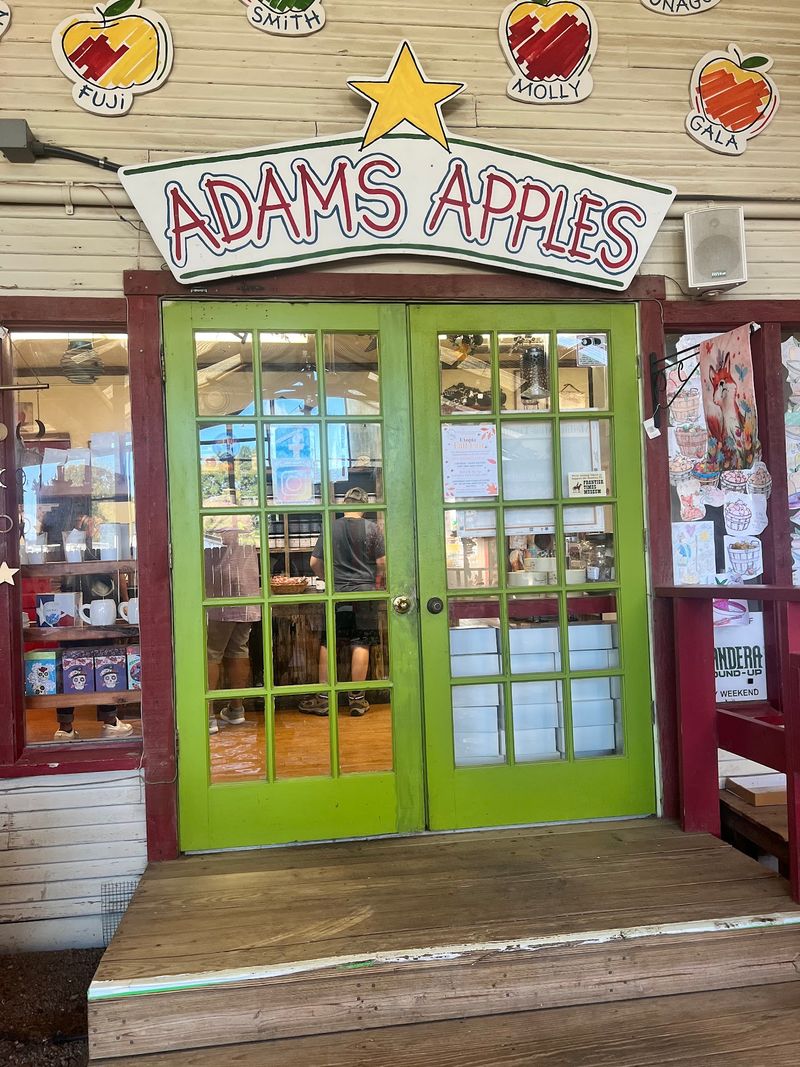
Varieties like Gala and Fuji show up in the baked goods. Both lean crisp and sweet, which is exactly what a turnover needs.
Orchard tours are available for anyone curious about how it all works. Seeing the trees adds context to whatever you eat afterward.
Harvest timing shifts year to year with the weather. Calling ahead saves disappointment if picking is your main goal.
Honestly, the trees smell almost as good as the bakery does.
A 1981 Experiment That Actually Worked
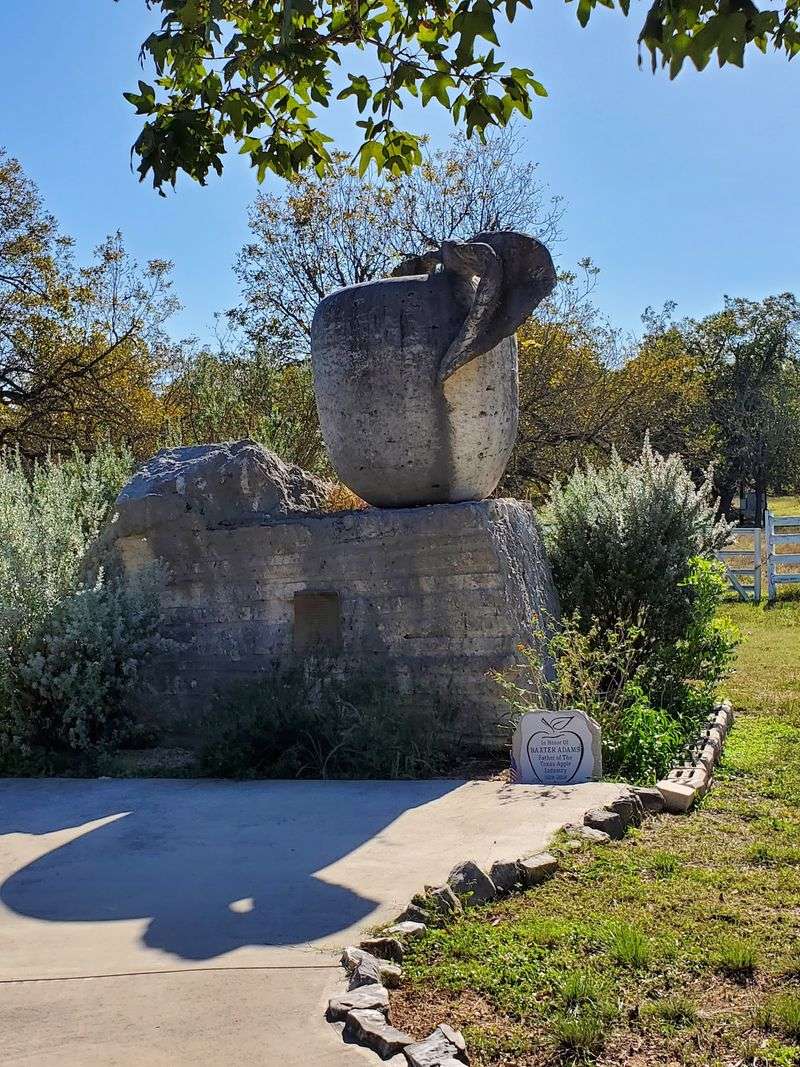
Every good food story starts with someone stubborn. In 1981, Baxter and Carol Adams planted experimental apple orchards in this part of Texas.
Plenty of people probably thought it would not work. Apples in Texas sounded like a long shot back then.
The trees proved otherwise. What began as an experiment grew into a full operation with a bakery, store, and cafe attached.
That history matters when you taste the food. The recipes come from decades of working with these specific apples.
Fun detail: the Texas Department of Agriculture eventually named this small town the Apple Capital of Texas. That is a serious title for a region better known for ranching.
Local pride runs deep because of it. The whole operation feels rooted rather than manufactured.
Forty-plus years is a long run for any family food business. Consistency like that does not happen by accident.
You can sense the care in small things. The crust, the filling, the way the store smells.
Good ideas sometimes just need someone willing to plant them.
That Stone Building And The Smell Inside
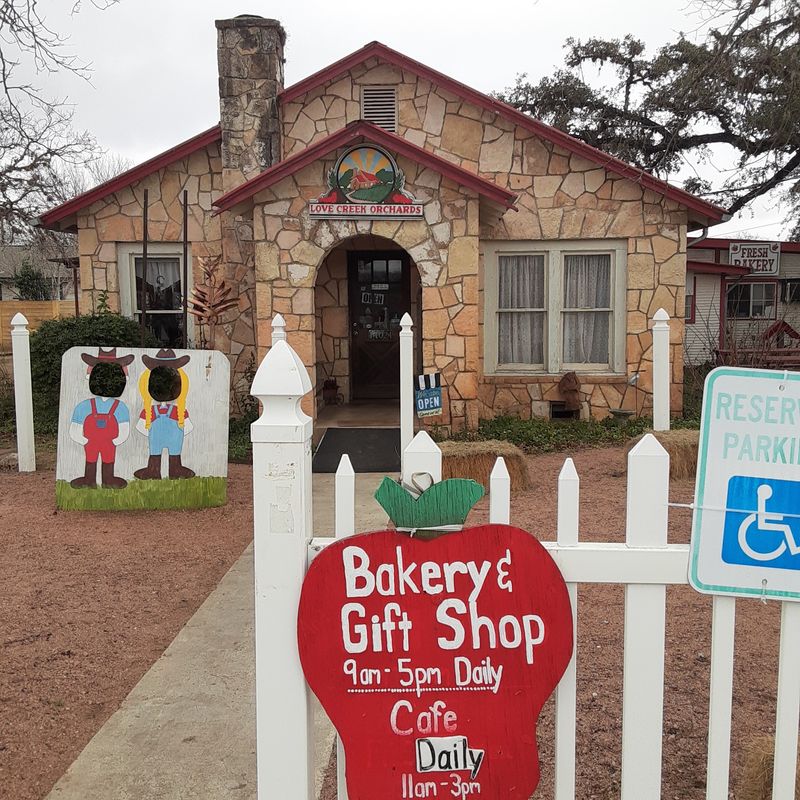
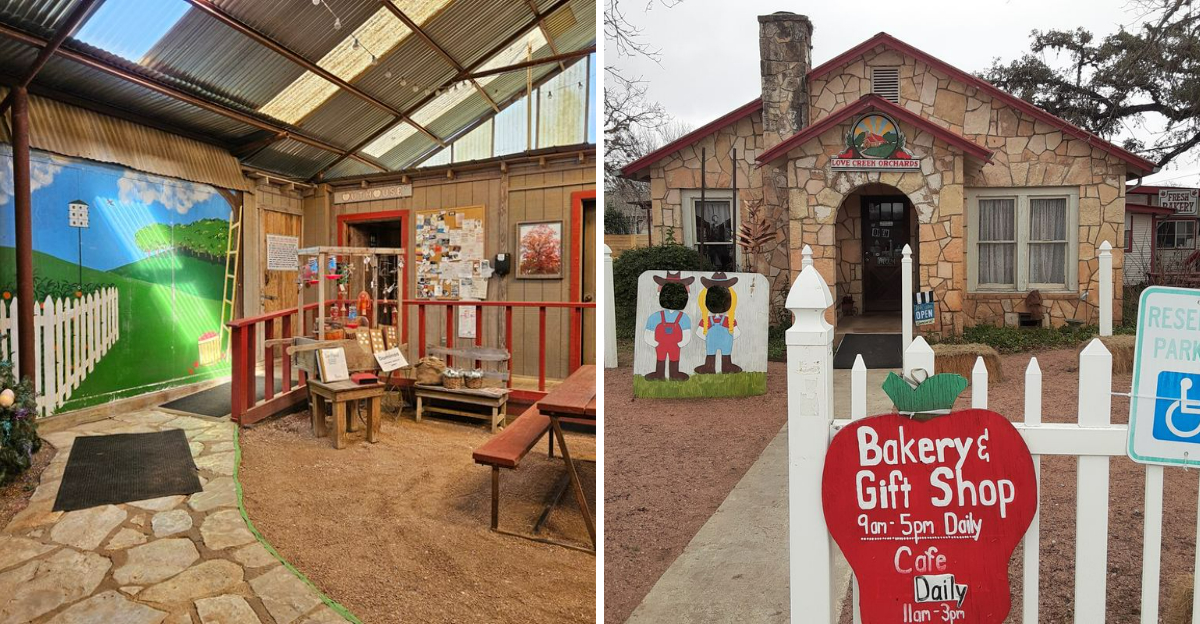
Smell hits you before sight does. Cinnamon, baked pastry, and sugar meet you at the door of the stone shop.
The building itself is small and charming, built from local stone. It looks like a farmhouse that decided to become a bakery.
Inside, shelves run thick with jams, jellies, candied pecans, and apple butter. Sampling the jelly is practically expected.
Gift items fill the remaining space. T-shirts, kitchen odds and ends, and apple-themed everything crowd the corners.
Shopping here takes longer than you plan. There is simply a lot to look at in a compact room.
The bakery case sits up front, which is a smart and slightly cruel design choice. You see the pies immediately.
Over fifty different items get made from the orchard apples. Cookies, breads, strudel, and coffee all make appearances.
Staff move quickly during busy stretches. Weekday mornings feel calmer if crowds bother you.
Restrooms are clean and accessible, which road trippers genuinely appreciate. Small detail, big relief.
Bring a cooler bag if you plan to buy more than one thing.
The Grand Champion Apple Pie Deserves Its Reputation
Some pies are polite. This one is not.
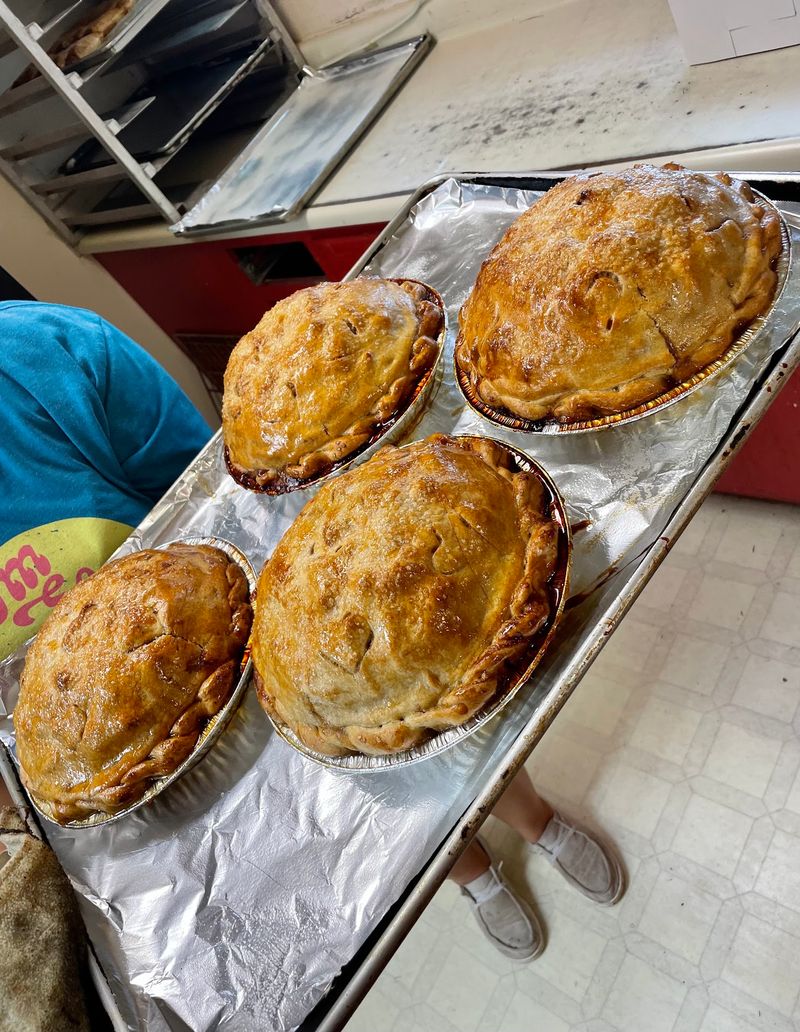
The Grand Champion Apple Pie stands roughly four inches thick, packed wall to wall with apples. It looks less like dessert and more like architecture.
Pie earns 125 separate mentions in customer feedback here. That is the single most talked about item on the property.
They do sell out, especially on busy weekends. Arriving later in the day is a gamble.
If pie is gone, turnovers and strudel step in nicely. Nobody leaves empty-handed.
Warm slices are excellent, but cold pie the next morning holds up surprisingly well. I tested this personally and have no regrets.
Add apple cinnamon ice cream on top for the full experience. Cider sauce takes it further still.
Whole pies come boxed in white cartons that locals recognize instantly. Carrying one feels a little like a badge.
Reheating advice usually comes free with purchase. Low oven, short time, no microwave.
Pecan pie also exists for anyone in the family who resists apples.
Burgers Hiding Behind The Bakery Counter
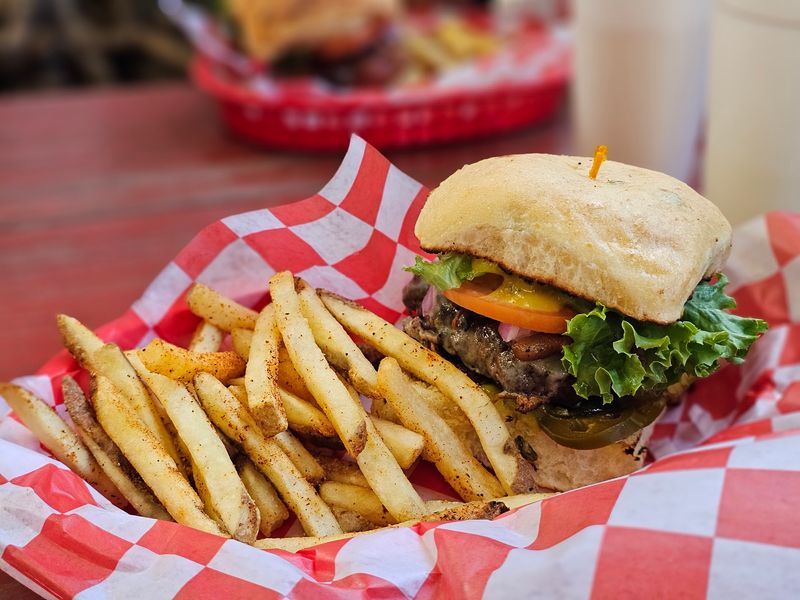
Nobody drives out here expecting a great hamburger. That is exactly why the Patio Cafe out back catches people off guard.
Burgers get mentioned 162 times in customer feedback. That beats almost everything except the pie.
The applewood smoked bacon cheeseburger is the popular pick. Fries arrive seasoned with something close to steak seasoning.
A club sandwich with sweet jalapeno mustard has its own following. Sweet and spicy together works better than it sounds.
Catfish baskets show up on the menu too, served with hush puppies and fries. Portions run large enough to split.
Items are priced a la carte, so budget accordingly. Most people land somewhere between ten and twenty dollars.
Cafe hours are shorter than store hours, typically midday only. Planning lunch around that window prevents disappointment.
Seating is outdoors at picnic tables, both covered and open. Breezy afternoons out there are genuinely pleasant.
Service can run slow during rushes because food is made fresh. The wait pays off.
Order dessert first if the pie situation looks competitive.
Apple Cinnamon Ice Cream Is Not Optional
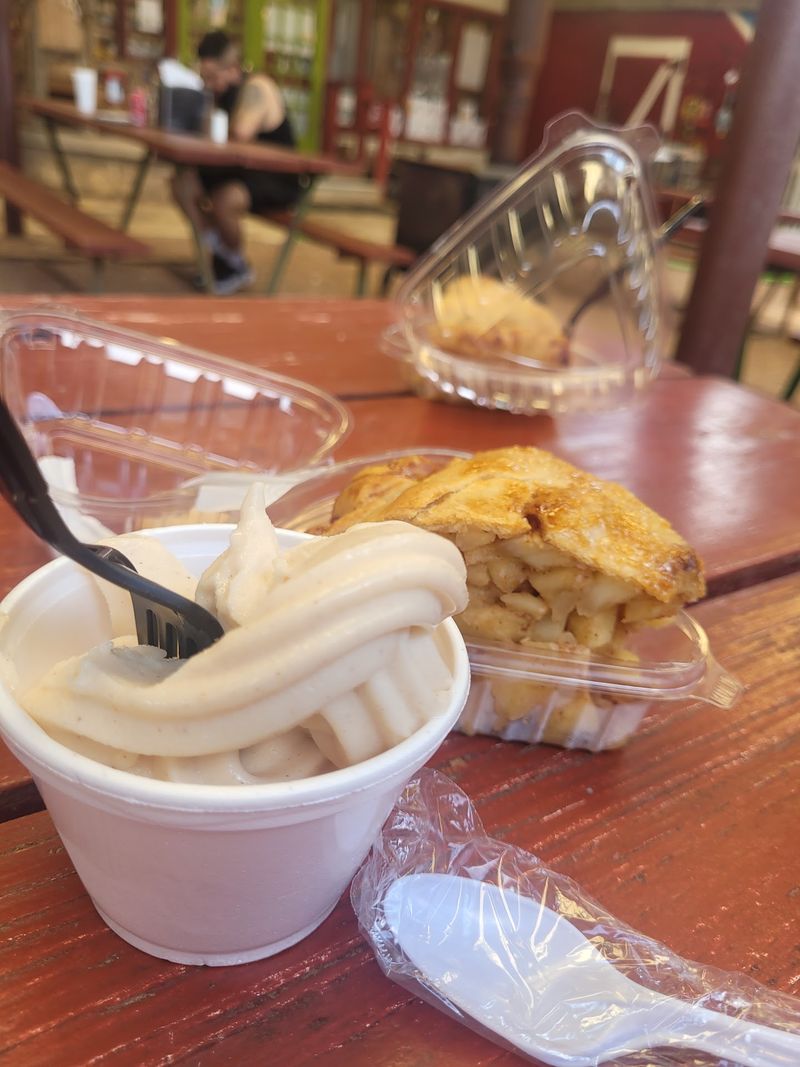
Ice cream flavored like apple pie filling sounds like a gimmick. One spoonful ends that argument.
The apple cinnamon soft serve tastes like something churned by hand generations ago. Warm spice, cool cream, no artificial edge.
Apple ice cream gets 41 mentions from visitors, with the cinnamon version close behind. People clearly come back for it.
Mango soft serve appears as an alternate option. Swirling the two is allowed and encouraged.
Best move: order a slice of pie and put the ice cream directly on top. Cider sauce drizzled over finishes the job.
Summer afternoons in the Hill Country get hot fast. A cup of this outside under shade fixes a lot.
Coffee also deserves a mention here. They make an apple-flavored version that pairs well with a turnover.
Fresh apple cider gets pressed during the fall season. Cold, sweet, and worth the seasonal timing.
Kids tend to demand seconds. Adults quietly do the same.
Bring cash or card, either works, but bring an appetite regardless.
October Brings Pumpkins, Hayrides, And Goats
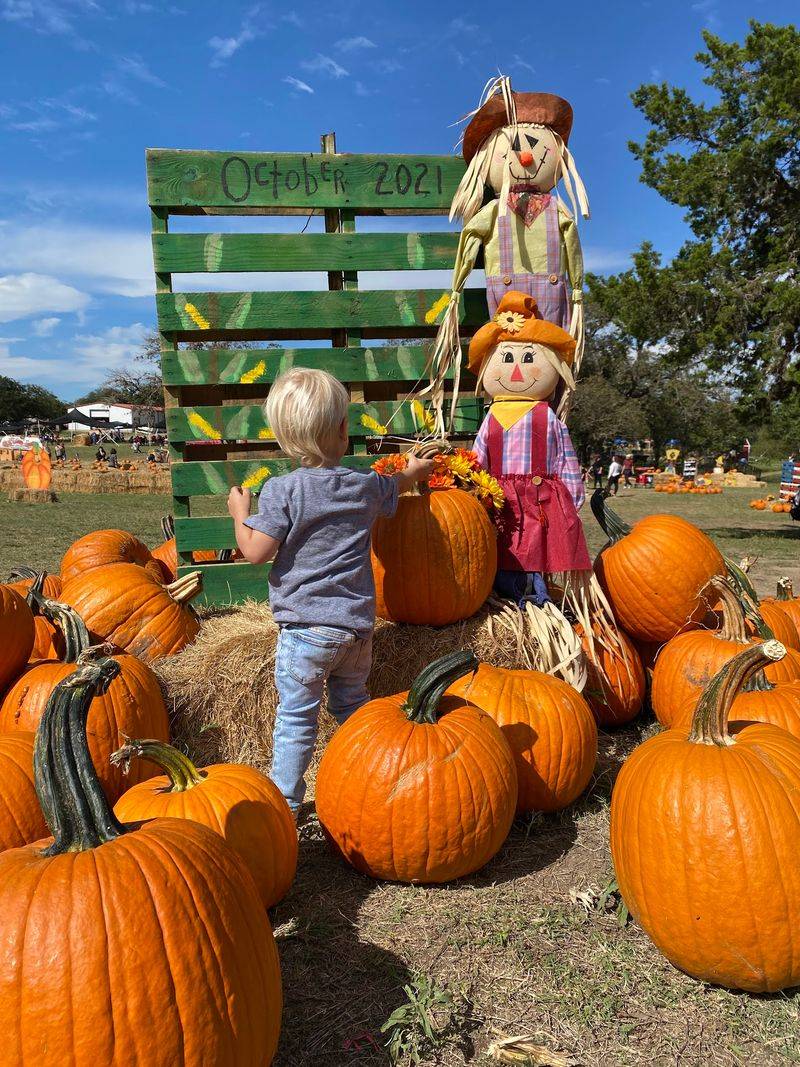
Fall changes the whole personality of the property. The Great Hill Country Pumpkin Patch opens its gates in October.
Hayrides run through the grounds for families. Simple, old-fashioned fun that still holds up.
A petting zoo gives younger kids something to do besides eat pastry. Pumpkin painting keeps hands busy afterward.
Fresh cider gets pressed during this stretch too. Drinking it outside on a cool afternoon is a real seasonal highlight.
Crowds grow noticeably in October, especially on weekends. Early arrival makes parking and ordering much easier.
Photo opportunities are everywhere among the pumpkins and hay bales. Families come specifically for those shots.
The bakery keeps running through it all. Turnovers and pies stay available while the patch operates.
Weather in the Hill Country during fall tends toward mild and pleasant. Layers work better than heavy coats.
Weekday visits during October feel calmer if you dislike crowds. The atmosphere stays festive either way.
Combining a patch visit with dessert makes the whole drive feel like an actual event, not just a stop.
Planning The Drive Out There
Getting here is part of the appeal. The roads through this stretch of the Hill Country curve past ranches, oaks, and open sky.
Plug it in before you lose cell service.
Doors open at 9 AM and close at 5 PM, seven days a week. The cafe out back keeps a shorter midday window.
Lost Maples State Natural Area sits nearby, making an easy pairing. Many people hike first and eat second.
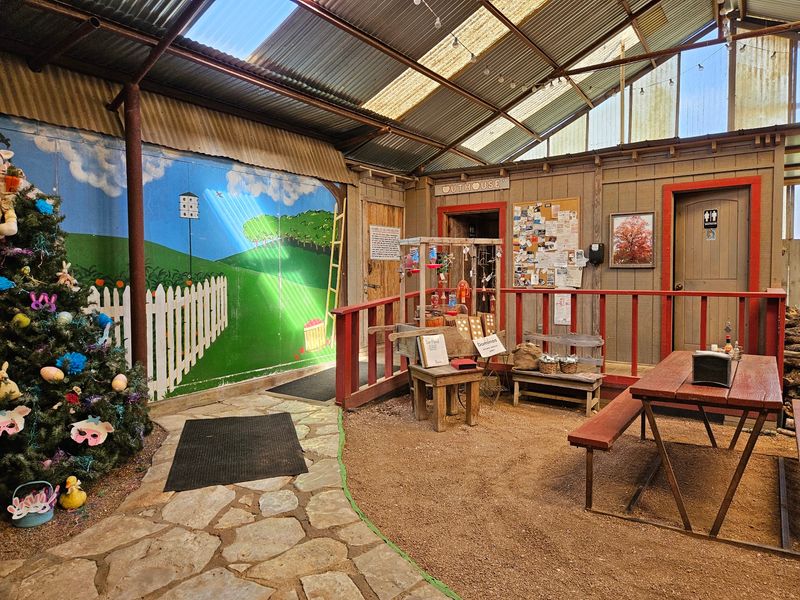
Kids get chess sets, dominoes, and coloring pages inside. Small touches that make long drives easier on parents.
The crowd skews local, with ranchers and families filling the tables. Nothing about the place feels staged.
Was the drive worth it? The turnover answered that question before I reached the parking lot again.