This Theater Is A Classic Small-Town Movie House In Seward, Nebraska
The popcorn popper at one small-town movie house was installed back in the 1950s, and it still fills bags today. Most kitchen gadgets don’t make it ten years, so that machine deserves its own fan club.
The building around that popper is even older. It opened in 1920, when silent films played with a live orchestra and vaudeville acts shared the bill with traveling Broadway shows.
I love that a Nebraska Main Street still has a theater like this. One family has run it since 1979, and murals from a 1934 remodel still decorate the main auditorium walls.
First-run movies still light up the screen, and prices stay kind to family budgets.
So how does a century-old movie house keep the reels turning and the butter flowing? The story starts with a stubborn popper and a town that keeps buying tickets.
A Century-Old Movie House Still Running On Main Street
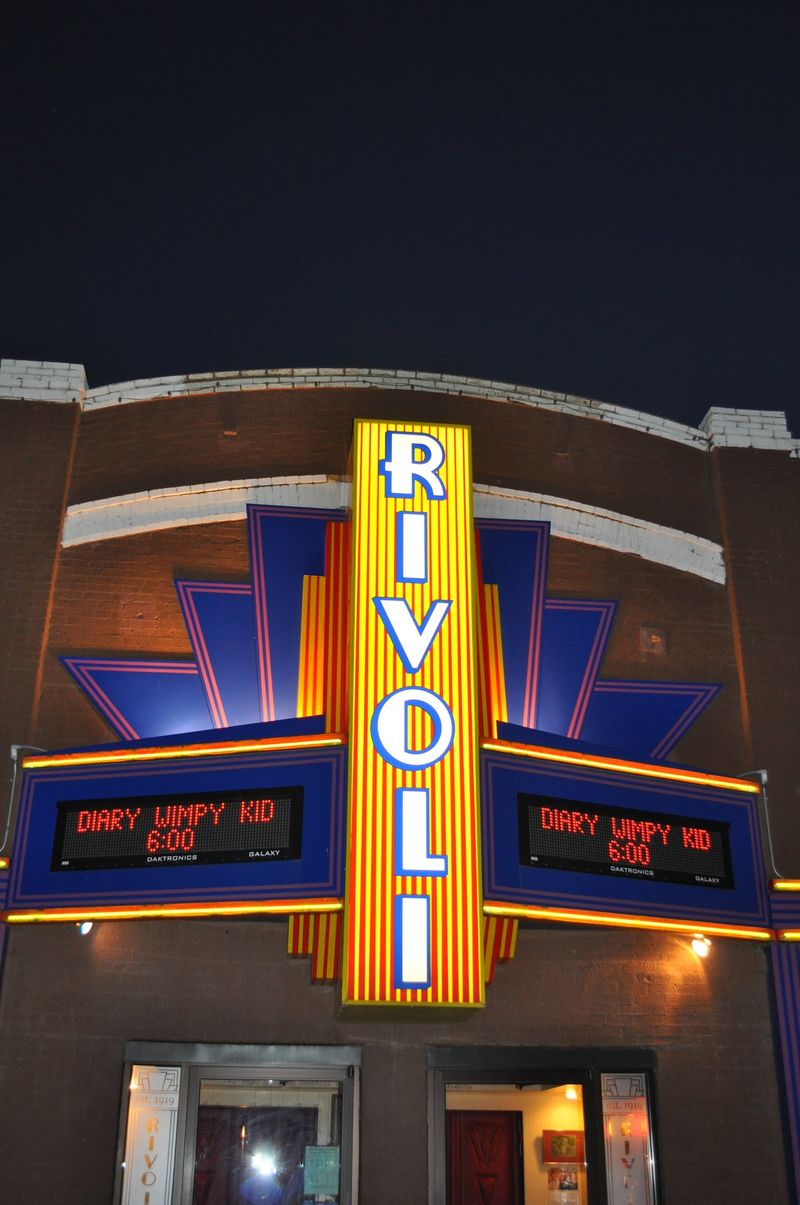
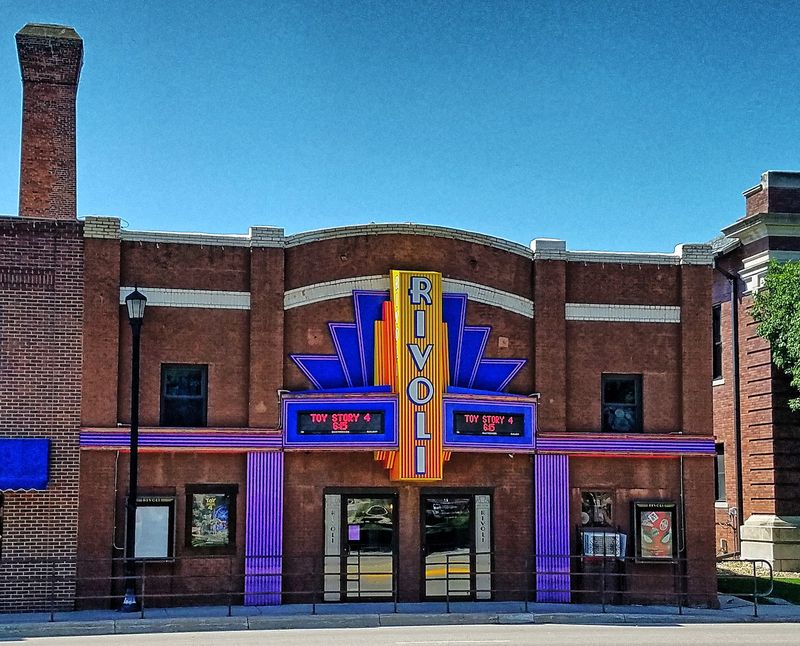
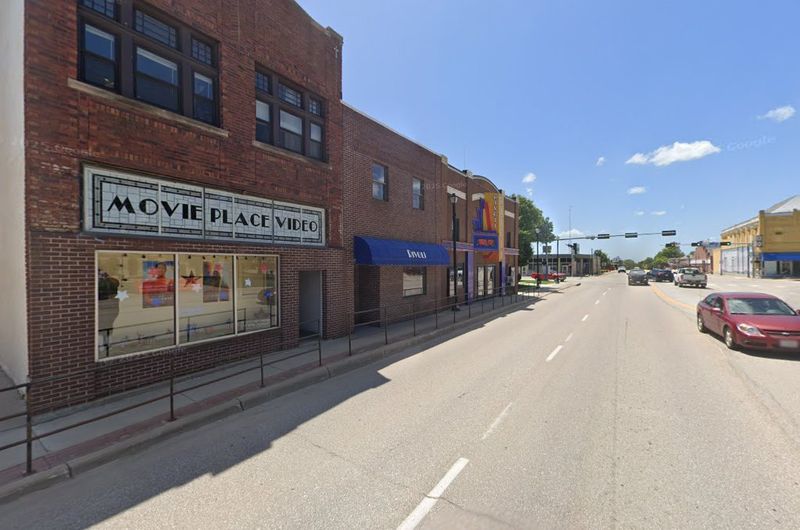
Main Street in Seward has a movie house that opened its doors on May 3, 1920. The Rivoli Theater has kept showing films ever since, which makes it one of the longest-running theaters in Nebraska.
That kind of streak is rare for any business. For a small-town cinema, it borders on heroic.
Seward sits west of Lincoln, and the Rivoli anchors its historic downtown. You’ll find it right where a classic movie house belongs, between shops and storefronts on the main drag.
Today it runs two screens and shows first-run movies. So you can catch the newest release without driving to a big city multiplex.
I like how the place balances old and new without making a fuss about it. The building carries more than a hundred years of stories, yet the projectors are fully digital.
Families have passed the habit down for generations. Parents who grew up here now bring their own kids, and that kind of loyalty doesn’t happen by accident.
Think of it as a hometown landmark that also happens to sell popcorn. Not a bad combination for a Friday night out.
Silent Films, A Live Orchestra And 425 Seats
Back in 1920, a night at the Rivoli came with live music. Silent films played while a full orchestra provided the soundtrack, right there in the room.
The original auditorium held about 425 seats. That’s a big crowd for a small Nebraska town, and it shows how much the community loved its entertainment.
Movies weren’t the only draw on the schedule. Traveling Broadway shows and vaudeville acts also took the stage in those early years.
Picture getting a comedy act, a song and a feature film all in one evening. Streaming services have nothing on that variety pack.
Everything changed on June 7, 1929. That’s the day the Rivoli started showing talkies, and audiences finally heard actors speak from the screen.
Sound movies were still pretty new across the country at the time. Seward didn’t have to wait long to join the party.
I can’t imagine the buzz in town that first sound night. Folks who had watched silent stars for years suddenly heard real voices filling the room.
Those early chapters set the tone for everything that followed. The Rivoli has kept adapting ever since.
Murals From 1934 Still Line The Auditorium Walls
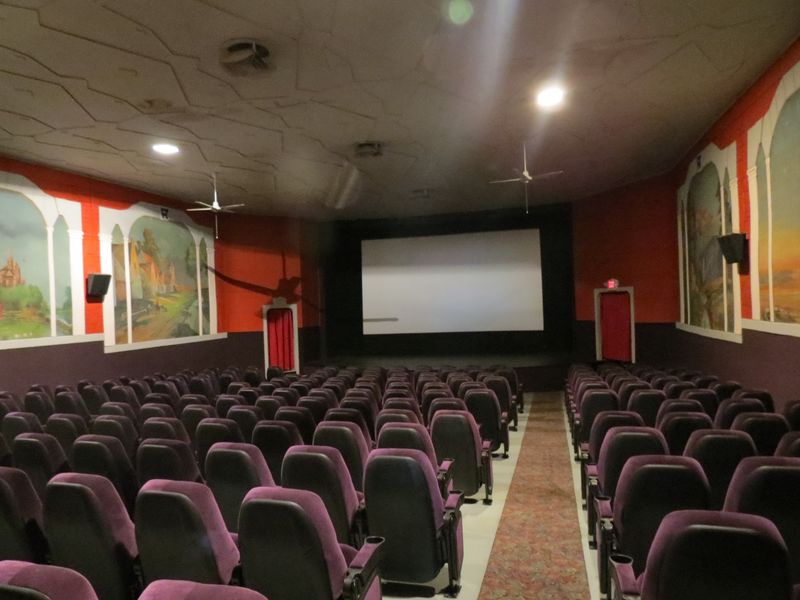
Some theaters lose their character to remodels. The Rivoli kept the good stuff, including murals painted during a 1934 renovation.
Those murals still decorate the auditorium today. They give every screening a little artistic backdrop before the lights go down.
The 1934 project wasn’t only about looks, either. It also brought air conditioning and improved acoustics to the building.
Air conditioning in the 1930s was a serious selling point. A cool, dark theater on a hot Nebraska summer day must have felt like pure luxury.
Better acoustics mattered too, since talkies were still fairly new. Clear sound turned a good movie into a great night out.
I like that the walls carry almost a century of history. Before the trailers start, you can look around and spot work that has outlasted generations of moviegoers.
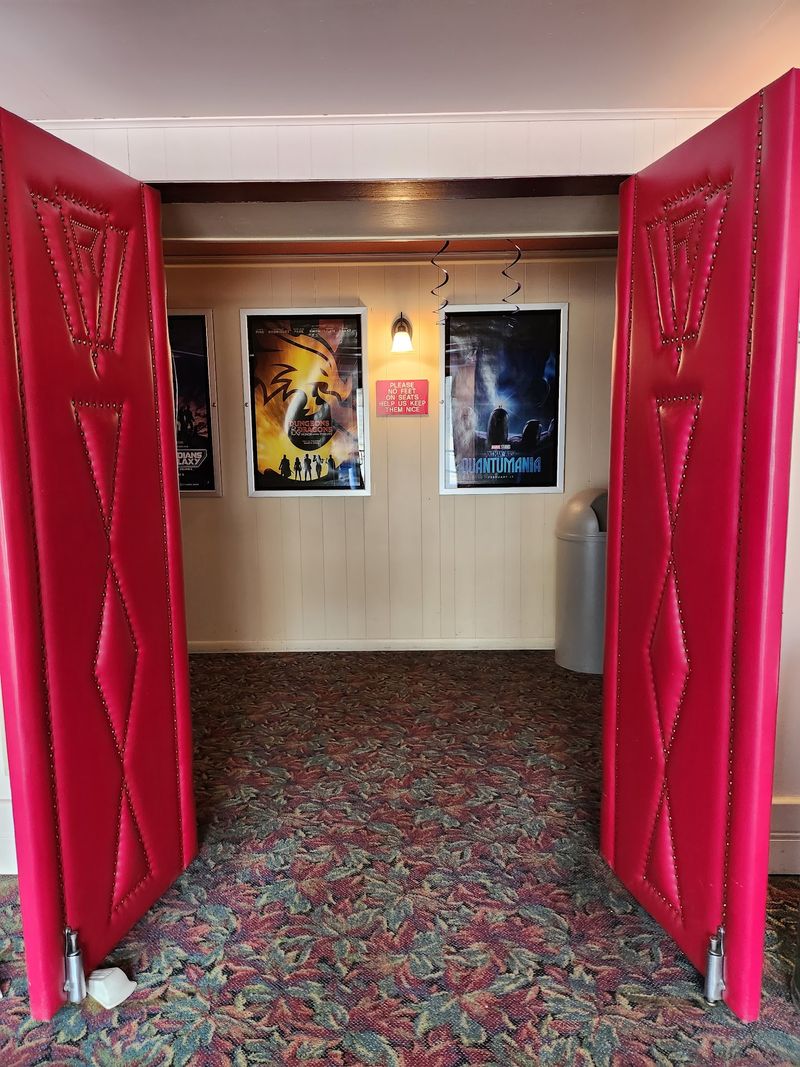
Lobby decorations also change with the seasons and the films. The owners clearly enjoy dressing up the place, which adds a fun layer of personality.
Not many first-run theaters can offer original artwork with the previews. Here, it comes standard with your ticket.
The 1950s Popcorn Popper That Refuses To Quit
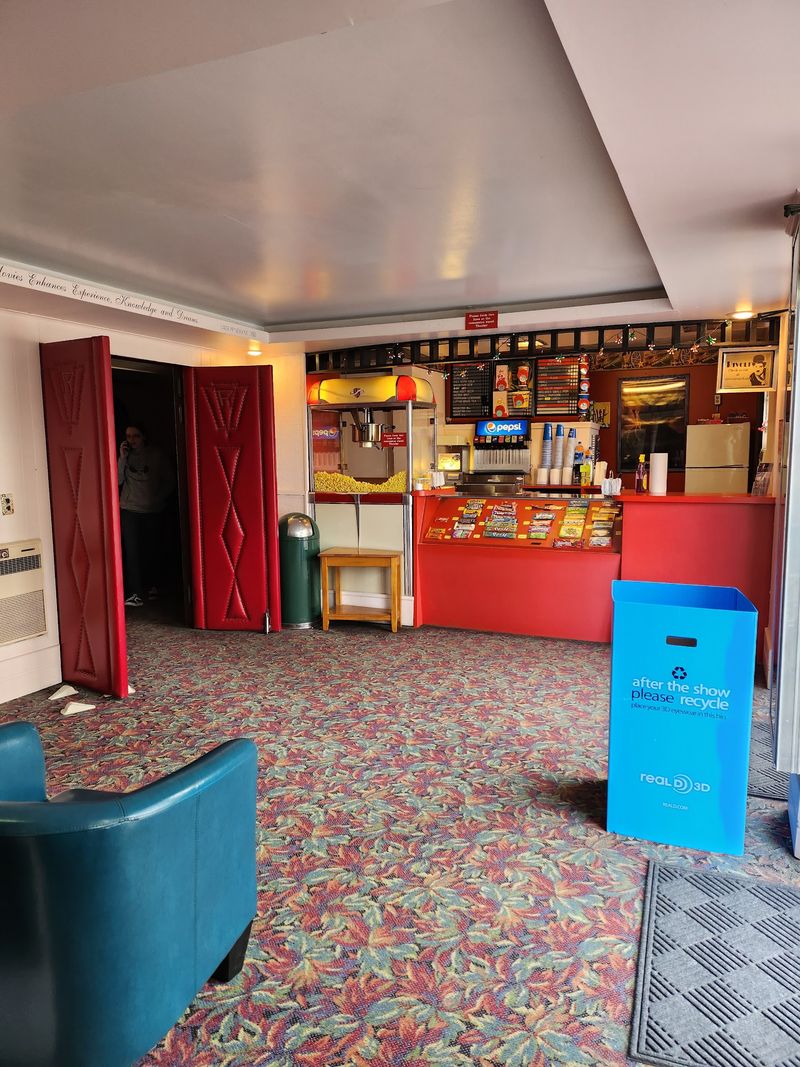
Ernie Kassebaum owned the Rivoli in the 1950s, and he installed a popcorn popper during his time. That same machine still pops kernels at the theater today.
Let that sink in for a second. The popper has outlasted record players, VCRs and probably a few dozen phone models.
Movie theater popcorn is a big deal, and here it comes with a side of history. Every bucket links today’s audience to folks who sat in the same building decades ago.
I believe that’s what makes small-town theaters so special. They hold onto useful things instead of swapping them out for the newest model.
The popper isn’t sitting in a display case, either. It’s a working part of the concession stand, doing its job every showtime.
That’s the kind of detail Nebraskans love. A machine still running the same way for decades says plenty about the people who take care of it.
So when the smell of fresh popcorn drifts through the lobby, you know where it started. A 1950s workhorse is still pulling its shift.
Movie Money Once Turned Shopping Into Showtime
Here’s a clever idea from the 1950s. The Rivoli created a program called movie money that tied the theater to Seward’s local businesses.
Merchants bought printed movie money in small amounts. Then they handed it to customers who shopped in their stores.
Customers could bring that movie money to the Rivoli. It covered part or all of the admission, depending on how much someone had saved up.
Shopping downtown suddenly came with a bonus prize. Buy groceries or hardware, then catch a movie on Main Street for less.
The idea caught on fast. It spread to other theaters across Nebraska and neighboring states, which is quite a ripple for a small-town promotion.
I like how the program shows the theater’s role in the community. The Rivoli wasn’t just a place to watch films; it helped keep the whole downtown humming.
That same spirit still shows up today. The theater has hosted free community movies on the Fourth of July, keeping the hometown connection alive.
Movie money may belong to another era. The neighborly thinking behind it never left.
One Family Has Kept The Projectors Rolling Since 1979
March 1979 marked a big turning point for the Rivoli. That’s when the Wisehart family took over ownership and operation of the theater.
More than four decades later, the family still runs it. That kind of commitment is uncommon in the movie business, where chains often swallow small operators.
Owner Julie Wisehart is often a familiar face at the theater. She greets guests, makes popcorn and has been known to share tours and stories about the building.
That personal touch matters in a town like Seward. Moviegoers know who is behind the counter, and the owners know their community.
The family has also been active online. Through Facebook, they’ve run polls asking which movies to play, which gives the audience a real voice in the lineup.
Ask any big multiplex to do that. Good luck getting a reply.
The Wiseharts have kept prices low on purpose too. Affordable tickets and snacks remain part of the plan, so a family night out doesn’t drain the wallet.
It all adds up to a theater that feels personal. You’re not just a ticket number here.
Two Screens, One Giant And One Cozy
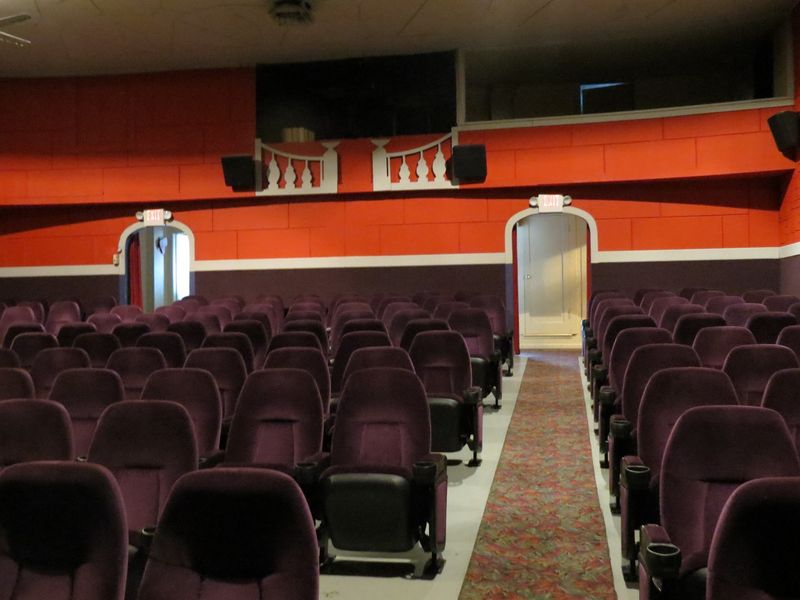
Today the Rivoli runs two screens instead of one. The main auditorium seats about 220 people, while the smaller room holds around 70.
The big room is the original showpiece. It carries the history, the murals and the grand feel of an old-fashioned movie palace.
The second screen came later, built in space once used for the theater’s video rental business. Plenty of locals remember picking out tapes there before it became an auditorium.
A little video nook has stuck around too. It’s a fun nod to the days when renting a movie was a weekend ritual.
Two screens mean more choices on any given night. Families can split up for different films or pick whichever showtime fits their schedule.
The smaller room has its own appeal. It feels intimate, almost like a private screening with a handful of neighbors.
I think the setup is smart. It keeps the classic charm intact while giving the theater room to show more first-run releases.
Big room or small room, the screen still glows the same. Pick your favorite and grab a seat.
Digital Projection Inside A Building From 1920
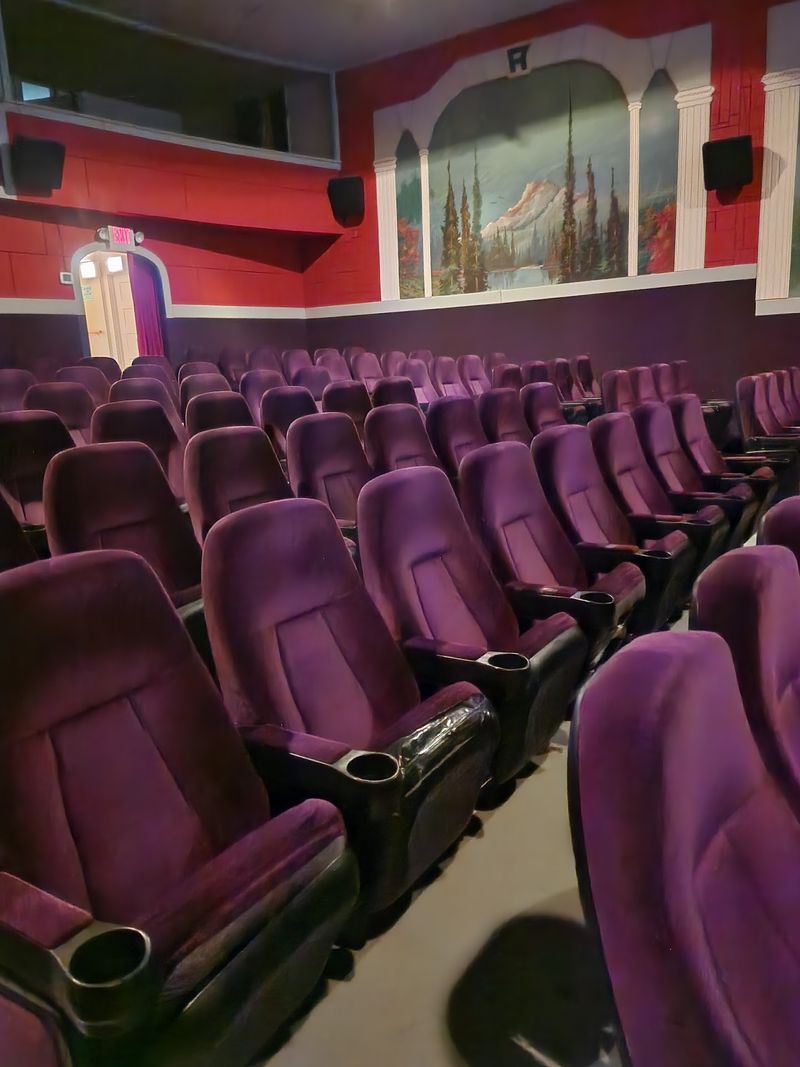
Old walls don’t mean old technology. The Rivoli has added digital projection and high-definition surround sound to keep up with today’s films.
That upgrade matters more than you might guess. Many small-town theaters closed when the industry shifted away from film prints.
The Wiseharts made the leap and kept the doors open. Thanks to that move, Seward still gets first-run movies close to home.
Plush, comfortable seating rounds out the modern side. Comfy chairs come up often when people talk about this theater, and that’s a good sign for long blockbusters.
The theater has also hosted midnight releases for some big movies. Late-night premieres in a century-old building feel like a special kind of event.
I like how the mix works in practice. You get sharp picture and booming sound, then walk out past history on the way to the car.
Bigger theaters may have extra gimmicks and fancy add-ons. The Rivoli focuses on the basics that matter: a good screen, good sound and a good seat.
Sometimes that’s all a movie night really needs.
Snacks That Won’t Wreck The Family Budget
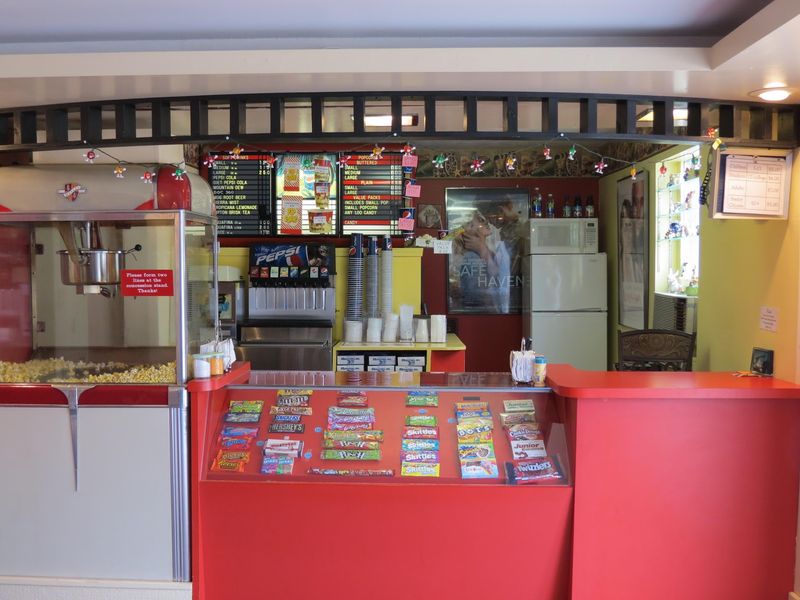
Low prices are a big part of the Rivoli story. The owners make a real effort to keep both tickets and concessions affordable.
That choice is easy to feel at the snack counter. You’ll find the classics, including popcorn, fountain drinks, bottled water and candy.
Nothing fancy, nothing overcomplicated. Just the movie snacks that have always worked.
For families, the savings add up quickly. Taking several kids to a first-run movie and still hitting the concession stand is a realistic plan here.
Some folks from the Lincoln area even make the drive to Seward for this reason. The trip from north Lincoln takes roughly 20 minutes, which is shorter than some city traffic jams.
Of course, the popcorn comes from that 1950s popper. So your snack carries a bit of Nebraska history along with the butter.
I can’t think of a better deal than a modern movie with old-school pricing. It reminds you of how movie nights used to feel.
Bring the whole crew. The budget may survive the evening after all.
Birthday Parties And Private Screenings Fit Right In
Need a party spot that kids will actually remember? The Rivoli rents out both of its theaters for private events.
Birthday parties are a popular choice. Families have booked the theater for celebrations more than once, which says plenty about how they’re handled.
Groups can choose the main theater with about 220 seats. Smaller crowds can go with the 70-seat room for a cozier gathering.
Corporate gatherings and other special events also fit the space. A historic movie house makes a memorable backdrop for almost any occasion.
I like that the building serves the town in so many ways. It’s a theater, a party room and a community gathering place all at once.
Little moments count here too. Some kids have seen their very first movie at the Rivoli, complete with a photo to mark the occasion.
That’s the kind of thing a family remembers for years. It ties a child’s milestone to a place their grandparents might have visited.
Planning ahead is smart if you want a specific date. Reach out to the theater directly to sort out the details.
Nebraska Filmmakers Get Their Moment On This Screen
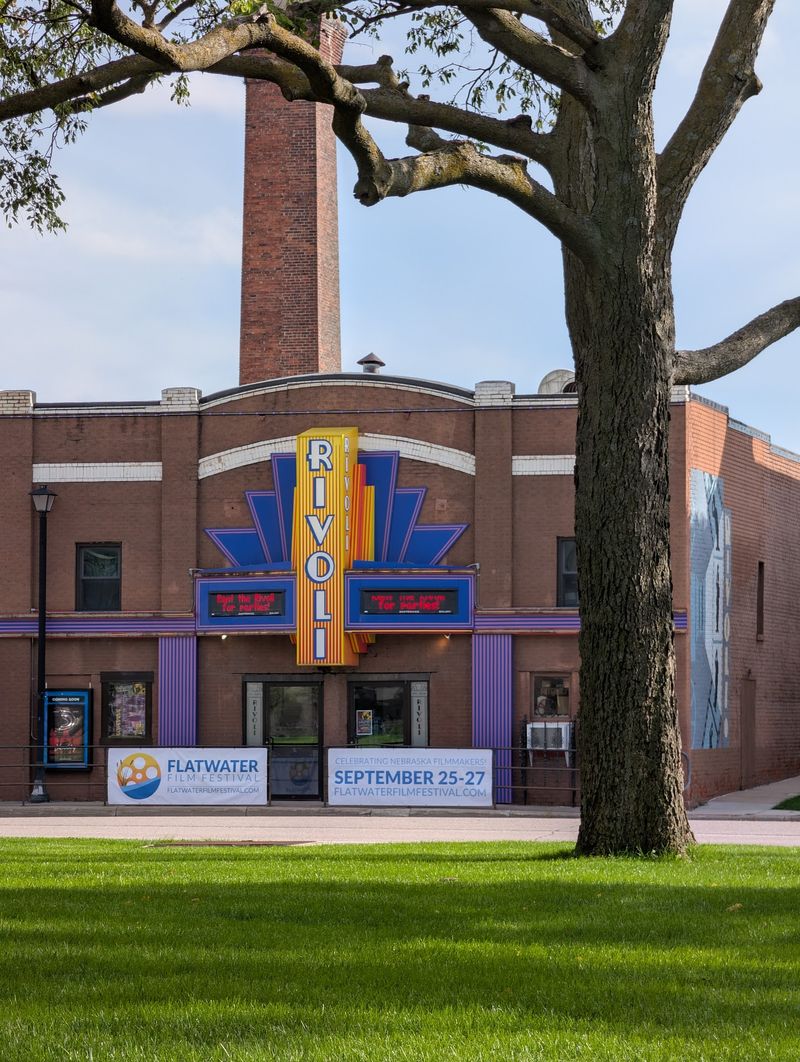
Every so often, the Rivoli trades blockbusters for homegrown films. The theater has hosted the Flatwater Film Festival, which celebrates Nebraska filmmakers.
That’s a fitting match. A theater with a century of history is a natural home for a festival focused on local creativity.
Festival screenings bring a different energy to the building. Audiences get to see stories made by people from their own state, often with a strong Nebraska flavor.
I believe events like this keep historic theaters relevant. They show the space can do more than run the latest studio releases.
Festival fans have called the event one of the state’s best-kept secrets. If you enjoy discovering new films, it’s worth watching for future dates.
Schedules change from year to year, so check before planning a trip. The festival’s own announcements will have the latest details.
Hosting the festival also connects the Rivoli to the wider Nebraska arts scene. It’s not just a hometown theater; it’s a stage for the state’s storytellers.
That’s a pretty great role for a building that started with silent films.
A Hundred Years Called For A Parade
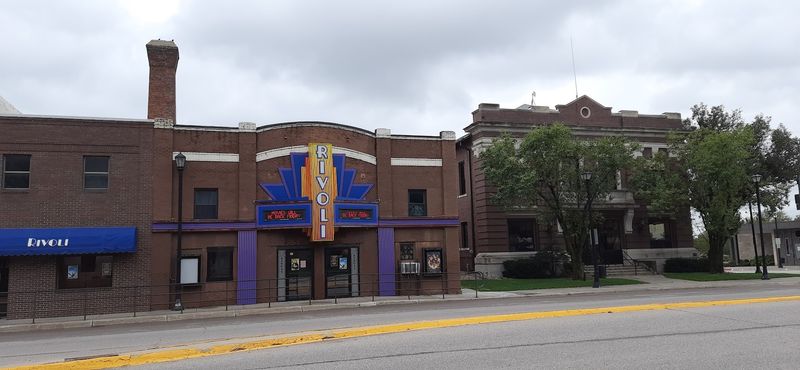
Turning 100 is a big deal for anyone. When the Rivoli hit its centennial, Seward celebrated with a community parade.
Few businesses reach that milestone at all. A small-town movie theater doing it while still showing first-run movies is even rarer.
The parade showed how much the theater means to the town. It’s not every day a Main Street business gets that kind of party.
Think about everything the Rivoli has seen in a century. Silent films, the arrival of talkies, a 1934 remodel, the video rental era and the move to digital.
Through all of it, the doors stayed open. That staying power comes from both dedicated owners and a community that keeps buying tickets.
I like that the celebration happened in the street, right outside the theater. It felt like the whole town was saying thank you.
Generations of Seward families have memories tied to this building. First dates, first movies and summer matinees all live in its history.
A parade seems like the right way to honor that. Here’s hoping the next big birthday gets one too.
Getting There Is The Easy Part
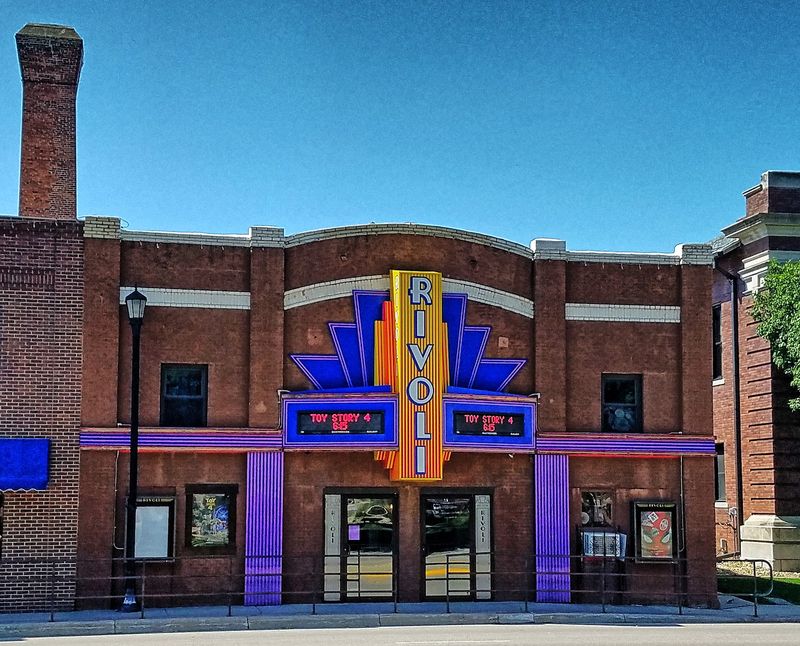
Finding the theater is simple. The Rivoli Theater sits at 533 Main St, Seward, NE 68434, right in the heart of downtown.
Parking works like most small-town downtowns. You’ll use street parking nearby, so expect a short walk depending on where you land a spot.
Accessibility is a strong point here. There are no stairs to get into the theater, which makes entry easier for everyone.
The restrooms near screen two are handicapped accessible as well. That’s helpful for guests who need extra room or support.
Showtimes change with each new release, so check the theater’s schedule before heading out. The Facebook page is a good place to stay updated on what’s playing.
Coming from Lincoln makes for an easy drive. Folks on the north side of the city can reach Seward in roughly 20 minutes.
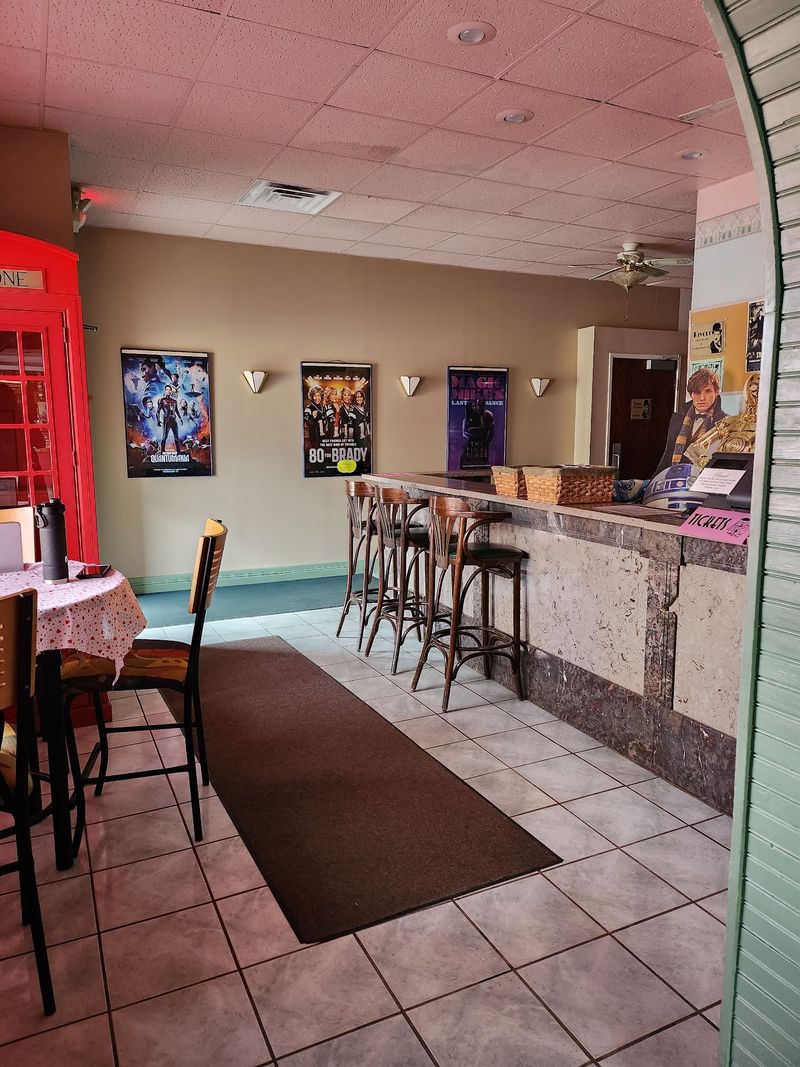
I’d suggest arriving a little early. That gives you time to grab snacks and take a look at the lobby decorations before the previews start.
Then settle into one of those comfortable seats. The hard part is choosing which movie to see.
Why This Main Street Marquee Deserves Your Next Movie Night
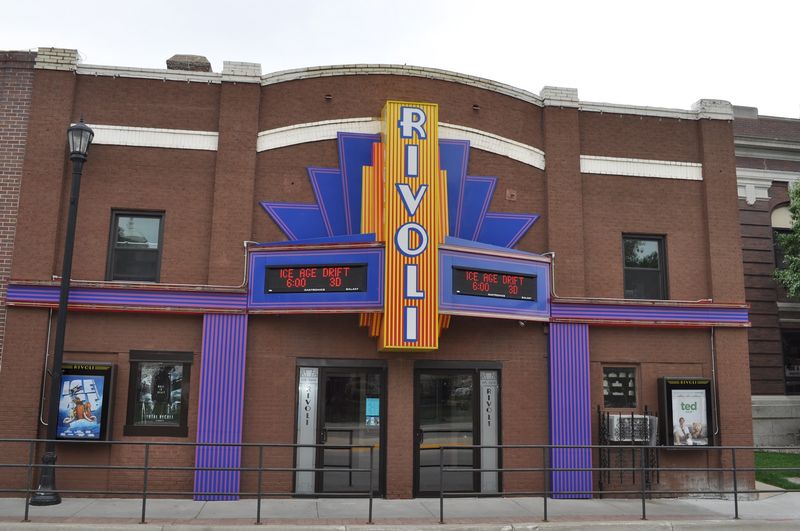
Plenty of theaters show the same new releases. Only one pairs them with a 1950s popcorn popper, 1934 murals and a building that opened in 1920.
That mix makes the Rivoli Theater worth the trip. It’s a working piece of Nebraska history that still delivers a modern night at the movies.
Families will appreciate the friendly prices. Couples will enjoy the date-night charm, and history fans can soak up the details between showtimes.
The family-run feel ties it all together. When the owners know their audience, the whole experience feels warmer.
I believe small-town theaters like this are worth supporting. Once they close, they rarely come back, and towns lose a gathering place that can’t be replaced.
The Rivoli has beaten those odds for more than a century. It adapted through every big change in the movie business and kept its personality intact.
So next time a new film comes out, consider skipping the mall multiplex. Head to Seward instead and buy a ticket on Main Street.
The popcorn will be ready. It’s been ready since the 1950s.