This 22,000-Square-Foot Thrift Store In Michigan Is A Treasure Hunt Of Vintage Finds And Surprises
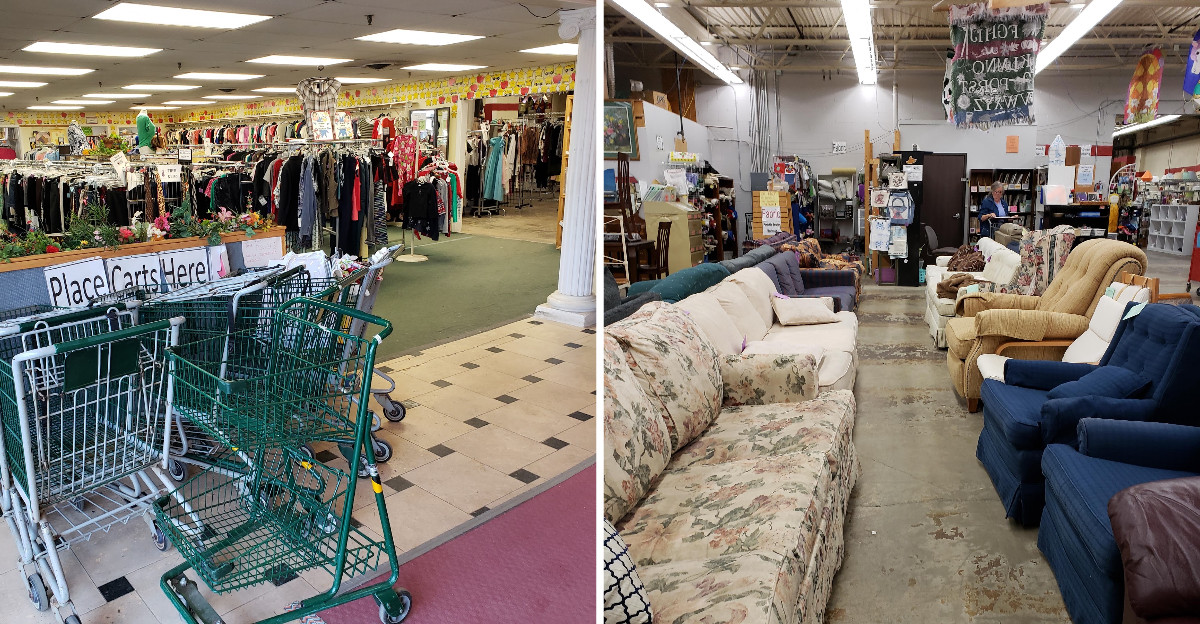
Five minutes inside, your “quick thrift stop” has officially disappeared.
This enormous Michigan shop gives bargain hunters more than 22,000 square feet to roam, and every aisle seems ready to derail the original plan.
Vintage furniture catches your eye first, then books, clothes, records, toys, antiques, and wonderfully random finds pull you deeper into the hunt.
Who knows what the next shelf will turn up? That unpredictability makes browsing dangerously fun!
The money spent here helps support local public schools, isn’t that great?
You can leave with a quirky treasure, a great story, and a very good excuse for losing an entire afternoon.
A Shop Born From Parents
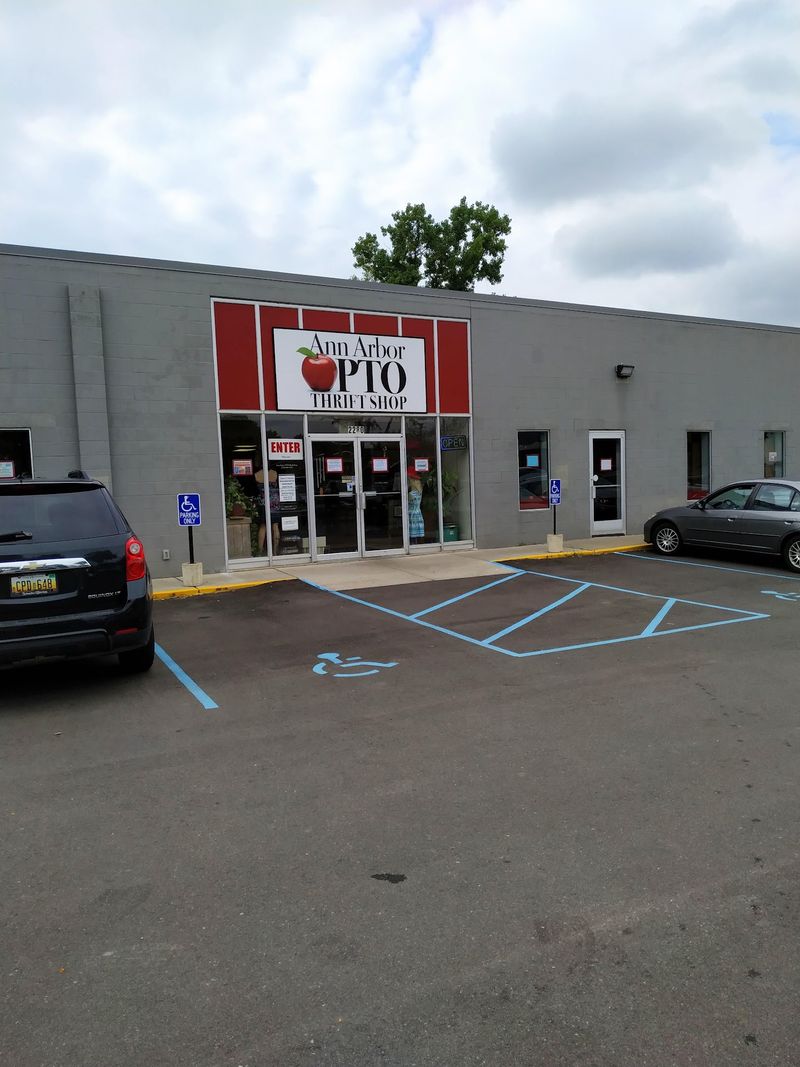
Some big stories start in a school cafeteria. That is exactly how this thrift shop began, with a group of parents and a practical fundraising idea.
Back in December 1993, the shop became an official Michigan nonprofit. The founders wanted an alternative to traditional school fundraisers, and they borrowed the idea from a school-supporting thrift shop in Chapel Hill, North Carolina.
The first community sale followed in 1994 at Tappan Middle School. Parents used the cafeteria for the event, and the proceeds provided seed money for the new organization as well as early support for participating school PTOs.
From there, the shop grew and moved through several Ann Arbor locations. In 2006, the operation moved into its current South Industrial Highway building after leaving a previous State Street site.
The current facility now covers more than 22,000 square feet. An adjacent specialty space called The Showcase opened in 2016 for unique and higher-end donations.
The shop celebrated its 30th anniversary in November 2023. You can visit it at 2280 S. Industrial Hwy in Ann Arbor.
Room After Room Of Finds
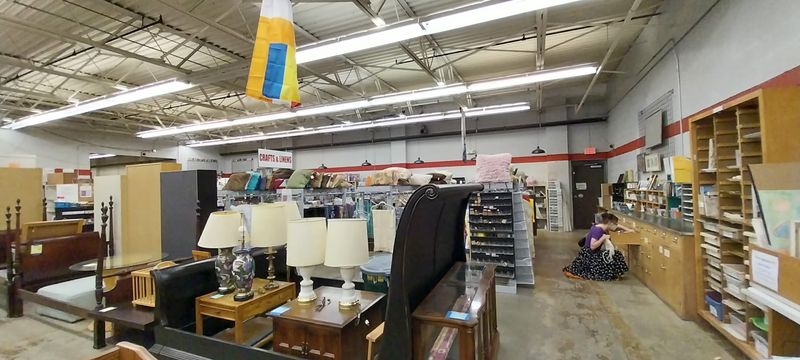
Bring comfortable shoes, because this place is large enough to reward a little planning.
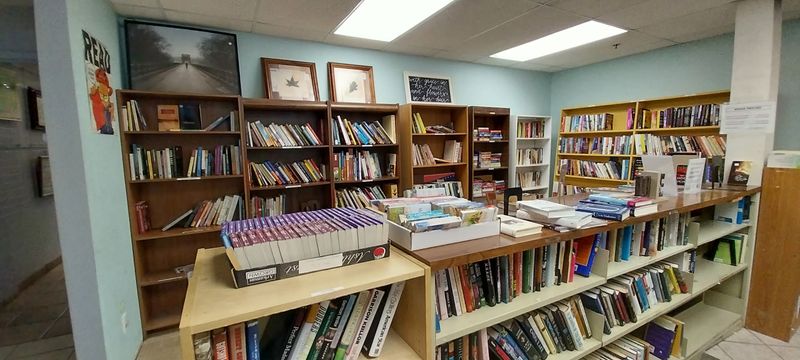
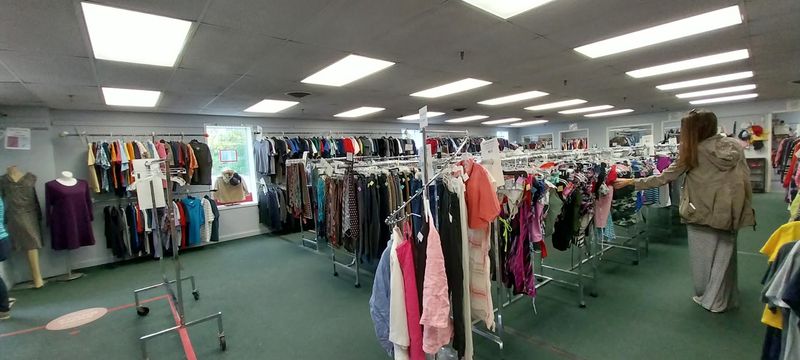
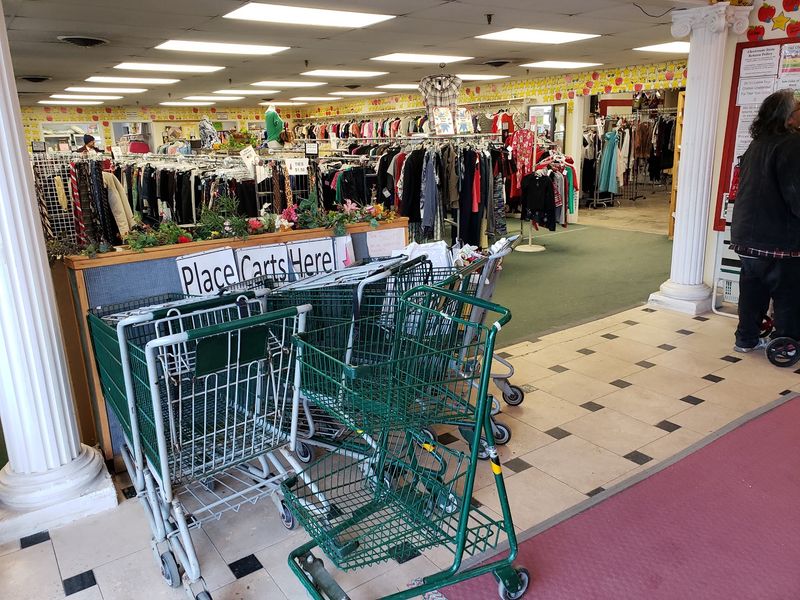
The store is divided into clear departments. Clothing, books, toys, jewelry, kitchenware, furniture, home decor, electronics, records, craft supplies, and other categories all have their own areas.
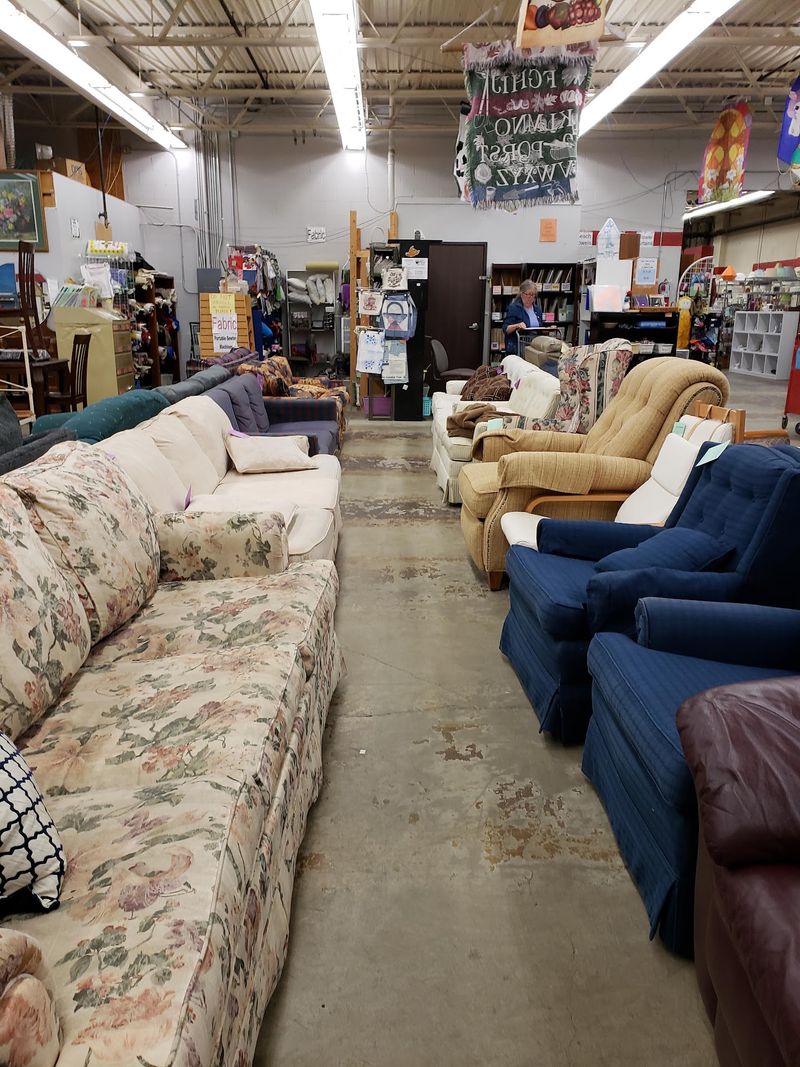
Furniture takes up a good chunk of floor space too. Sofas, desks, tables, rugs, lamps, and office pieces can appear depending on the latest donations.
Housewares range from dishes and cookware to small appliances and decorative pieces. Books and media add another section for shoppers who prefer shelves to clothing racks.
The organized layout makes it easier to focus on one category at a time. Signs and separate departments reduce the need to circle the same aisles repeatedly.
Starting with the section that matters most can be useful, especially when inventory changes quickly. The shop does not hold merchandise, so an item on the floor may not remain there for long.
New donations arrive throughout the week, which keeps the selection moving. A missing table, jacket, or book can be replaced by something completely different on the next visit.
That constant turnover is one reason the store rarely looks exactly the same twice.
The Showcase Room Sparkles
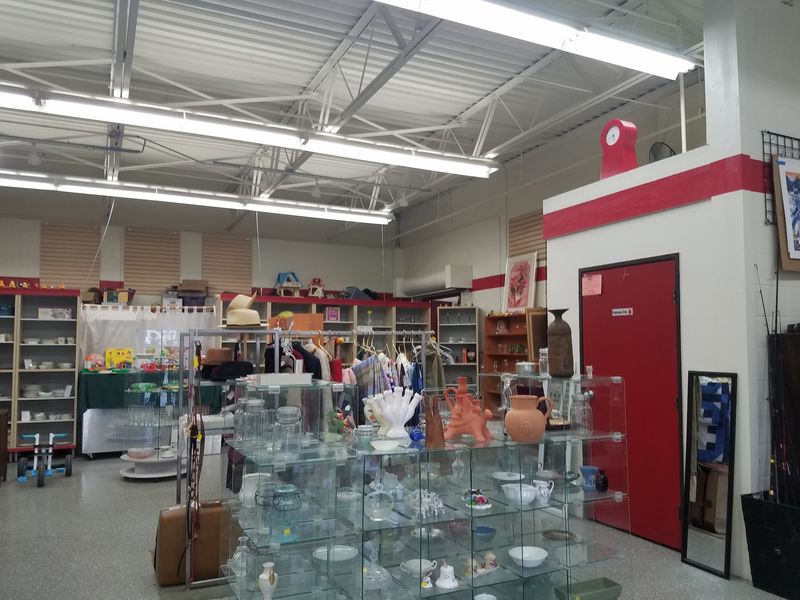
Beside the main store is a separate retail space with a more curated feel.
The Showcase opened in 2016 and focuses on distinctive donations that benefit from a smaller setting. Vintage decor, collectible pieces, jewelry, higher-end clothing, and unusual household items can all appear there.
The space operates differently from the main floor in one useful way. Merchandise follows monthly markdowns based on how long it has been available.
Collectors may want to begin here before moving into the larger building. The smaller footprint makes it easier to examine specialty pieces without working through every department first.
The main store still holds plenty of jewelry, vintage clothing, accessories, art, and collectibles of its own. Those categories are part of the regular donation mix rather than being limited to The Showcase.
Inventory depends entirely on what the community brings in. The shop does not buy merchandise from outside bundlers or other charities to stock the sales floor.
A Crafter’s Happy Place
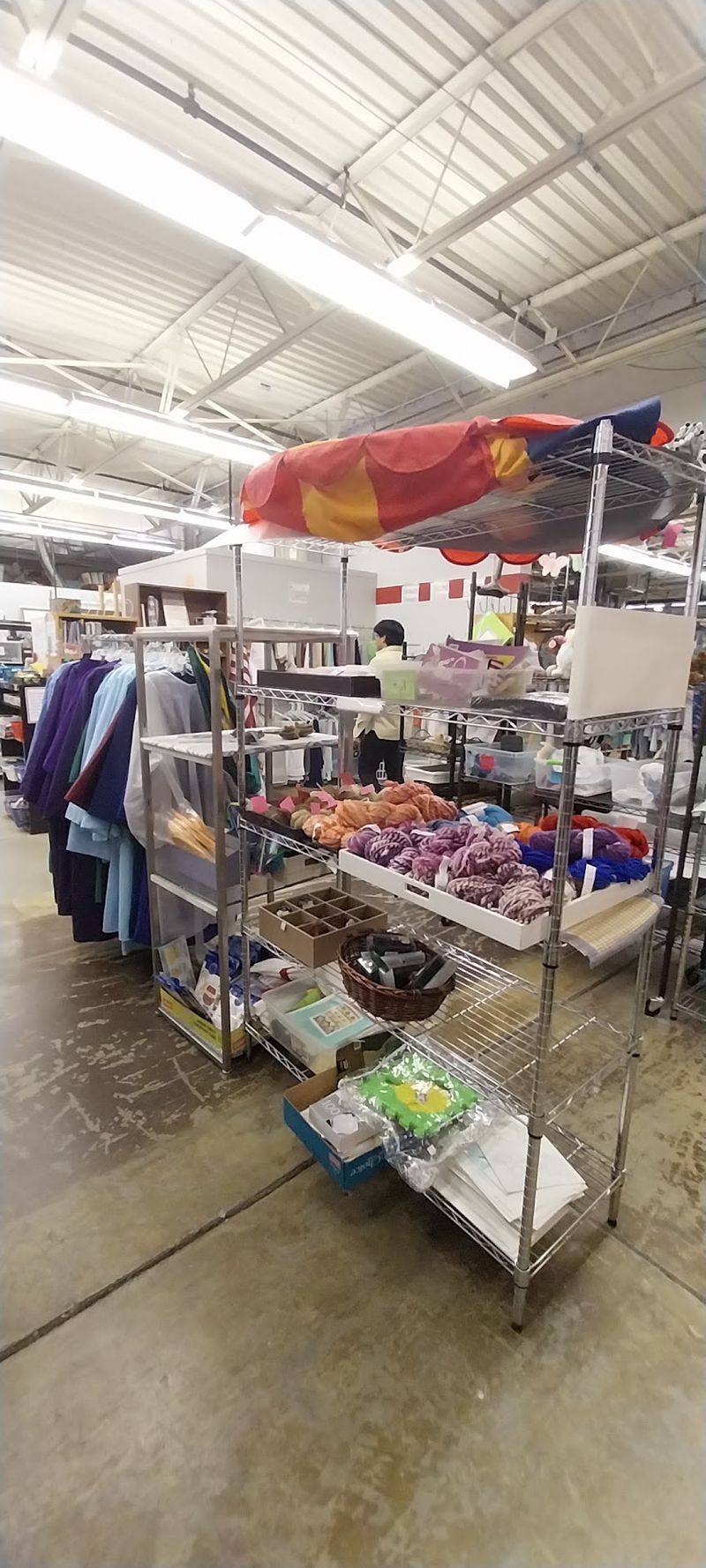
Crafters have one of the broadest categories to explore.
The current donation list includes fabric, sewing patterns, sewing accessories, yarn, scrapbooking supplies, craft kits, craft books, and general arts-and-crafts materials. Working sewing machines can also be accepted when they include the required parts.
That range makes the department useful for quilting, sewing, paper crafts, classroom projects, and small weekend hobbies.
Teachers and families may also find school supplies, greeting cards, wrapping materials, party supplies, and other project basics in the store’s broader inventory.
The exact mix changes with donations. A shelf full of yarn one week may give way to fabric, patterns, or unopened kits later.
It helps to know the size or quantity needed before shopping for a specific project. Thrifted craft materials can vary widely in length, color, condition, and completeness.
This section also fits naturally with the shop’s reuse mission. Supplies that might otherwise sit unused can move directly into another project.
For creative shoppers, the best part is not knowing which material will spark the next idea.
Shopping That Helps Students
Here is the most important part about buying something in this Michigan shop. Net proceeds support students in Ann Arbor Public Schools.
Profits are distributed through participating school PTOs and PTSOs, helping fund enrichment connected to clubs, teams, classes, organizations, and other student activities.
The shop has now generated more than $3.8 million for school communities across the district. Earlier distributions have supported projects such as middle-school after-school transportation and other school-based enrichment efforts.
How much a participating school earns is tied partly to its involvement with the thrift shop. School communities help promote the store and encourage the donations that keep inventory moving.
The larger goal is consistent across those programs: expand educational opportunities and give students access to activities beyond the standard school day.
That structure makes each purchase part of a broader cycle. Community donations become resale inventory, sales generate support, and that support moves back into local schools.
The model has lasted since 1993 because shopping and fundraising happen in the same place.
Green Shopping Made Easy
Secondhand shopping already keeps usable goods in circulation, and this store adds a broader recycling effort behind the scenes.
Donated items that meet resale standards go to the sales floor. Items that cannot be sold are recycled when possible rather than automatically entering the waste stream.
The change has been measurable. By 2026, the shop had reduced regular dumpster service from three times a week to once a week as more unsellable material found recycling outlets.
Textiles receive special attention because a large share of donated clothing cannot be sold. Small quantities of unsellable textiles can still be accepted for recycling when they are separated and clearly labeled.
The shop also asks donors to focus on clean, complete, functional items. Better-quality donations require less sorting and give the organization a stronger chance of turning each item into school support.
Furniture, clothing, books, household goods, and craft materials can all continue serving another household.
For Michigan shoppers interested in both reuse and local impact, the environmental and school-support missions work side by side.
Donating Your Gently Used Stuff
The store accepts a wide range of clean, resellable donations, but condition matters.
Current accepted categories include clothing, shoes, books, toys, furniture, housewares, jewelry, collectibles, sporting goods, musical instruments, craft supplies, small appliances, linens, office supplies, and many other household items.
Everything should arrive clean, dry, complete, and ready for resale. Donations can be declined because of condition, missing parts, inventory levels, or current demand.
Donation hours are separate from shopping hours. The drop-off area currently operates Wednesday and Friday through Sunday, and incoming donations can close early if capacity is reached.
Weather matters too. Donations are not accepted during rain or snow because moisture can damage incoming goods.
Furniture pickup is temporarily unavailable while the shop fills a driver vacancy. When that service resumes, it is intended for qualifying furniture in the Ann Arbor-Ypsilanti area rather than general bags or boxes of smaller goods.
Checking current donation information before loading the car is worthwhile. The accepted-items list is detailed and can save an unnecessary trip.
A useful item leaving one home can become fresh inventory, and that cycle keeps the nonprofit moving.
Smart Tips Before You Go
Timing matters when you plan a visit. The shop is open Thursday through Sunday from 10 a.m. to 6 p.m.
It stays closed to shoppers Monday through Wednesday. Donation hours follow a different schedule, so dropping items off and shopping do not always happen at the same time.
Color of the Week discounts rotate every Sunday. Different tagged categories may be included, making the weekly sales page worth checking before a visit.
Birthday shoppers also have a current in-store discount available with valid identification.
Credit cards are accepted in the shop, while phone payments are not. All sales are final except for electronics, so checking condition and measurements before paying is important.
The store does not hold items. If something works for your space, waiting until another day can mean finding that it has already moved on.
The Ann Arbor PTO Thrift Shop rewards shoppers who arrive with a little time and an open mind. A practical household item may be the goal, but the vintage pieces, books, records, craft materials, furniture, and collectibles are what can turn the visit into a treasure hunt.
Your next Michigan find may already be waiting on a shelf.