This Tiny California Delta Town Sits At The Crossroads Of Multiple Waterways And Has The Best Crawfish Boils West Of Louisiana
Some towns reveal their charm all at once. Others take a minute, then suddenly feel impossible to forget.
A California Delta town sits where multiple waterways meet.
River life shapes the mood here, and one famously satisfying crawfish boil gives people an especially good reason to show up hungry.
Water seems to soften everything, slowing the day just enough for the place to work its charm.
Boats drift by, conversation settles in, and the whole setting starts to feel like a small secret hiding in plain sight.
Then the food arrives and whatever quiet curiosity brought you here turns into full attention.
Isleton’s Place In The Sacramento-San Joaquin Delta
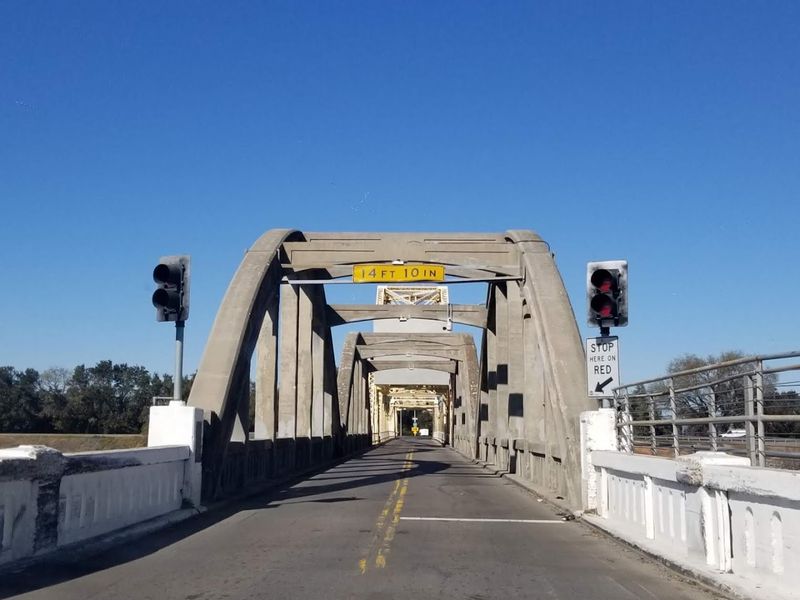
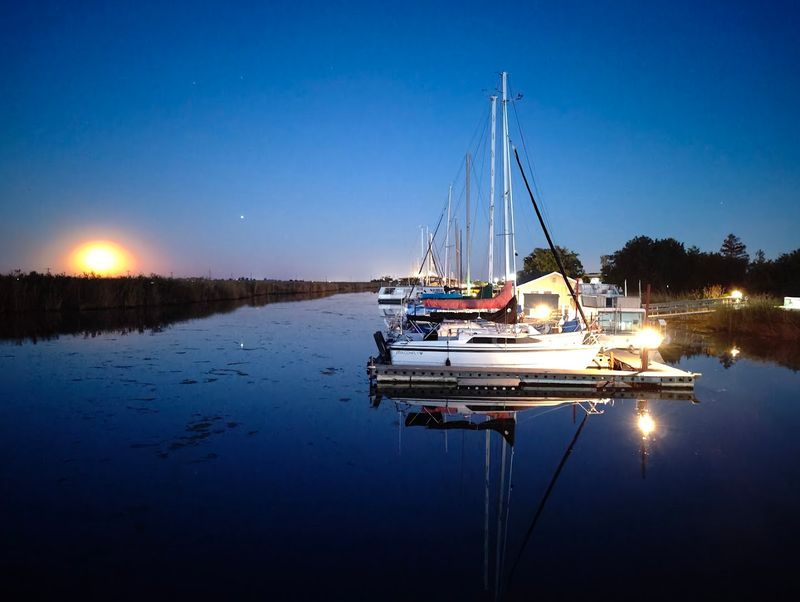
Sitting on Andrus Island in the heart of the Sacramento-San Joaquin River Delta, Isleton occupies one of the most water-defined locations in all of California.
Sloughs, canals, and river channels wrap around the island from multiple directions, creating a natural crossroads that shapes everything about daily life in the town.
The Delta itself is described by the National Heritage Area as an inland estuary where California’s two largest rivers converge, and Isleton sits right in the middle of that vast, interconnected landscape.
Getting to Isleton means crossing water, and that experience alone sets the tone for a visit. Bridges and levee roads lead into town from different directions, and the surrounding wetlands are visible almost everywhere you look.
Reclaimed marshland made agricultural settlement possible in this area during the 19th century, and the waterways that once served as working corridors for boats and barges now attract boaters and birders from across Northern California.
Isleton tends to feel rooted in its landscape rather than built around tourism, which gives it a more lived-in and authentic quality than many scenic detour towns along the Delta.
Water Recreation And The Delta Landscape Around Town
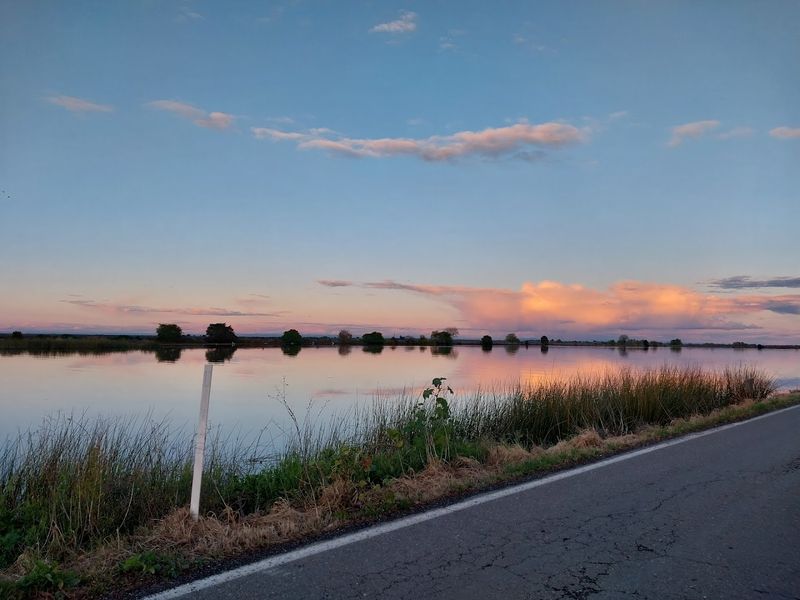
Few towns in California are as physically embedded in their natural surroundings as Isleton is in the Delta.
The waterways that define the region are not just visible from town; they are accessible from it, and that access shapes much of what brings people to the area outside of festival season.
Boating, fishing, birding, and general water recreation are all central to Delta tourism, and Isleton sits close enough to multiple marinas and launch points to serve as a practical base for any of those activities.
The flat, open character of the Delta landscape gives the area a distinctive visual quality that feels unlike most of California.
Wide water views, low horizons, and the sound of birds moving through the tule marshes create a sensory environment that is calm and spacious in a way that coastal or mountain destinations rarely are.
Early mornings on the water near Isleton tend to be especially quiet, with fog sitting low over the channels and the light coming in soft and diffuse across the wetlands.
Fishing in the Delta draws anglers targeting striped bass, catfish, and crawdads depending on the season, and the waterways around Andrus Island are well-regarded within the local fishing community.
Birding is also popular in the area, with the Delta’s wetland habitat supporting a wide range of migratory and resident species that attract wildlife enthusiasts throughout the year.
A Town Tiny Enough To Feel Like A Secret
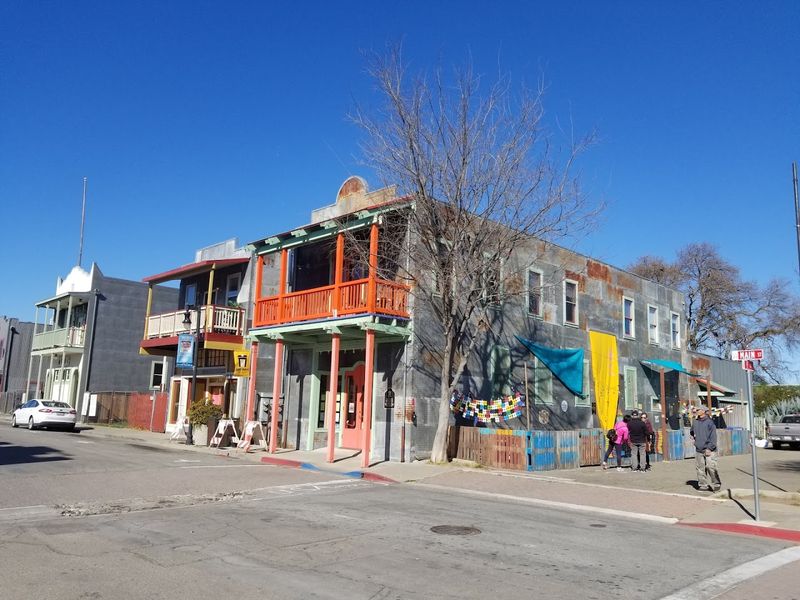
With a population hovering around 781 people according to recent U.S. Census estimates, Isleton qualifies as one of California’s genuinely small towns rather than just one that markets itself that way.
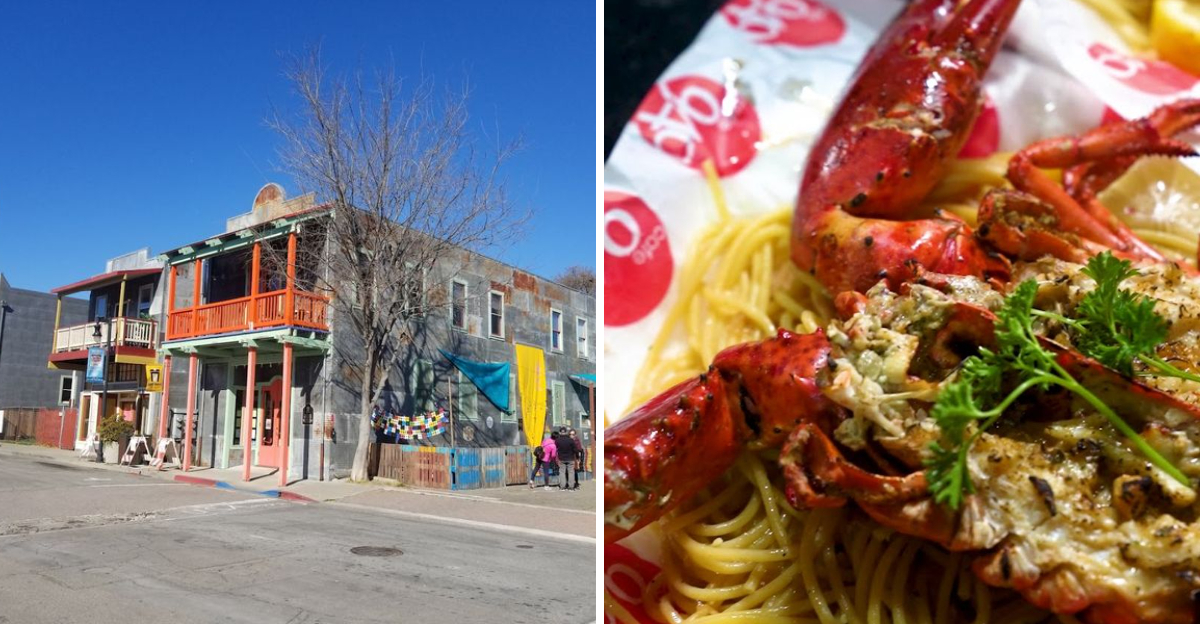
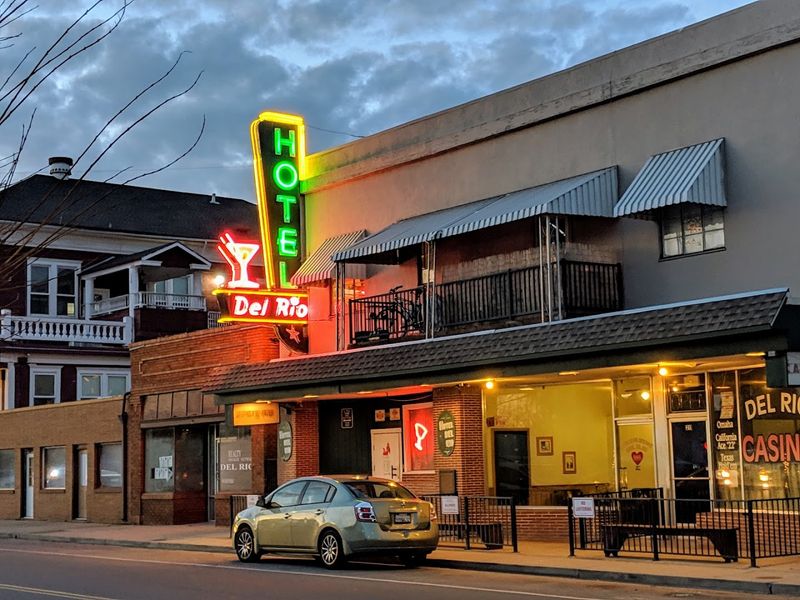
The scale of the place is immediately apparent when arriving on its main street, where the buildings are close together, the sidewalks are quiet on most days, and the pace feels noticeably slower than anywhere nearby.
That smallness is not a drawback here; it is actually part of what makes the town feel worth exploring. There is something refreshing about a place that has not been polished into a tourist destination.
The storefronts along the main drag carry real age, and the town has the kind of worn-in texture that comes from actual decades of use rather than deliberate design.
Preserved 19th-century buildings line sections of the street, and some of them still reflect the Chinese architectural influences brought by immigrants who helped build the Delta’s agricultural economy.
Weekday visits tend to be especially calm, with fewer cars and more space to simply walk around and take in the surroundings.
Weekend foot traffic picks up slightly, particularly during festival season, but the town never quite loses its unhurried, low-key character even when visitors are present in larger numbers.
Main Street Still Carries The Texture Of Old Delta Life
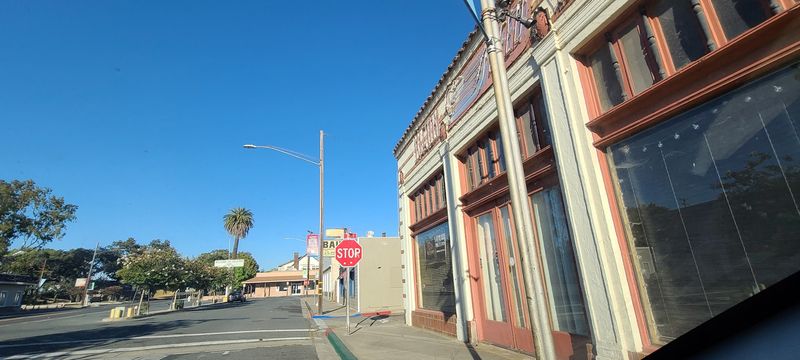
One of the more memorable things about Isleton is how much of its character still comes through in the built environment rather than being explained on a sign.
The historic main street remains lined with older commercial buildings that reflect the town’s long life as a Delta community shaped by trade, agriculture, and immigrant settlement.
Some façades still carry details that hint at the Chinese-influenced streetscape that once made Isleton stand out even more distinctly within the region.
That older texture gives a simple walk through town more weight than it might seem to deserve at first glance.
Instead of feeling staged for visitors, the downtown reads as a place that has simply stayed in use while many other small California communities were renovated into something cleaner and less specific.
For people drawn to places that still look tied to their own history, the main street experience here adds another layer to the town’s Delta identity beyond crawdads, marinas, and water views.
The Cultural Layers That Make Isleton More Than A Marina Stop
Long before the Crawdad Festival put Isleton on the radar of Northern California day-trippers, the town was already carrying a layered cultural history that most passersby never slow down long enough to notice.
Chinese immigrants began establishing themselves in the Delta region as early as the 1860s, and Isleton became a center of Chinese customs and community life as the agricultural economy of the reclaimed marshlands grew.
That history is still visible today in the preserved storefronts along the main street, some of which show distinct Chinese architectural details that stand out against the otherwise frontier-style commercial buildings.
Japanese communities also contributed to Isleton’s development over the decades, adding another thread to the town’s multicultural identity.
Delta heritage materials describe Isleton as a legacy town with a layered agricultural and immigrant history, which is a fair summary of what the physical streetscape still communicates.
Walking through downtown feels less like visiting a museum and more like reading a real place that has simply stayed put while time moved around it.
That depth of history gives Isleton a kind of quiet significance that goes well beyond its size.
Visitors who take a moment to look closely at the buildings and ask about the town’s background tend to leave with a more interesting story than they arrived with, which is one of the better things a small town can offer.
The Isleton Crawdad Festival And Its Deep Delta Roots

Established in 1986, the Isleton Crawdad Festival has grown into one of the most distinctive annual food and music events in Northern California.
Held every year on Father’s Day weekend, the festival draws thousands of visitors from across the region.
They celebrate Delta’s longstanding crawdad culture with Cajun-style cooking, live entertainment, and a genuinely festive atmosphere that fills the small town well beyond its usual quiet capacity.
The food operation alone is impressive in scale.
Over 15,000 pounds of crawdads are served across six dedicated windows during the event, giving attendees a real taste of Louisiana Cajun-style preparation applied to Delta-caught crustaceans.
The crawfish are the clear centerpiece, but the surrounding experience of outdoor seating, warm weather, and the smell of spiced boil water drifting through the air is what tends to stay with people long after the weekend ends.
Live music runs throughout both festival days, featuring Zydeco, Cajun, Blues, and Louisiana-based Rock and Roll acts that match the Southern-inspired food theme.
A dedicated children’s zone with games, rides, carnival activities, and face painting makes the event genuinely family-friendly, and the overall energy of the festival reflects how seriously the community takes this annual celebration.
Why The Crawfish Culture Here Feels Earned Rather Than Invented

Not every small town can claim a food identity that actually fits its geography, but Isleton’s connection to crawdads is genuinely grounded in the Delta ecosystem it sits within.
River crawdads are native to the waterways that surround Andrus Island, and Delta tourism materials have long encouraged visitors to catch Delta river crawdads or enjoy summer events tied to that local harvest tradition.
The crawfish culture here did not arrive as a marketing concept; it grew out of what the water already provided.
That grounded connection is part of what makes the Crawdad Festival feel more authentic than similar themed events at other destinations.
The Cajun and Creole influences woven into the festival’s food and music programming reflect a real cultural exchange rather than a borrowed aesthetic.
The Delta region has historically attracted communities from diverse backgrounds, and the Southern-style preparation of locally harvested crawdads is one of the more interesting culinary crossovers to emerge from that mix.
Outside of festival season, the crawdad identity of Isleton persists in quieter ways.
Bob’s Bait Shop at 302 2nd Street in Isleton has long been known as a local hub for fishing enthusiasts and is associated with live crawdad availability in the area.
The presence of that kind of working, year-round crawdad culture makes the town’s festival identity feel like a natural extension rather than an annual performance.
Planning A Visit To Isleton And What To Realistically Expect
A visit to Isleton works best when approached with the right expectations.
The town is small, the commercial options are limited compared to larger Delta communities, and most of what makes it worth visiting is about atmosphere and setting rather than a long list of attractions.
Coming during the Crawdad Festival weekend in June guarantees a lively and crowded experience, while visiting on a quiet weekday offers something closer to the town’s everyday character, which has its own understated appeal.
Driving is the most practical way to reach Isleton, as public transit options to the Delta are limited.
Parking in town is generally manageable outside of festival weekends, when the influx of visitors can make space harder to find.
Levee roads connect Isleton to nearby Delta communities and offer scenic drives through the agricultural landscape that surrounds the island, which can extend a day trip into something more exploratory.
The historic downtown area is compact enough to walk in under an hour, and combining a stroll through the old storefronts with a stop for food and a look at the waterfront gives a reasonable sense of what the town is about.
Visitors who come expecting a polished destination may feel underwhelmed, but those who come curious about Delta history and water culture tend to find Isleton genuinely rewarding and surprisingly easy to remember.