This Tiny California Gold Rush Town Is 20 Miles From The Nearest Highway And Almost Nobody Knows It Exists
Some towns announce themselves with freeway exits and rows of businesses waiting for passing traffic. Others make you work a little harder just to reach them.
Twenty miles from the nearest highway, one tiny Gold Rush town sits well beyond the routes most travelers follow.
The distance helps explain why it can feel surprisingly removed from the busier world outside, even before its mining history enters the story.
California has places so far off the usual road that stumbling upon one can feel like discovering a forgotten chapter.
That isolation is a big part of the intrigue. Getting there requires intention rather than a convenient turnoff, and the journey itself slowly strips away the familiar signs of a typical road trip.
Then a town appears where you might least expect one.
Gold Rush history is scattered throughout the state, but finding a community this removed gives the past a different weight.
Getting There Is Part Of The Adventure
Some destinations reward a quick detour, but reaching Alleghany takes real commitment.
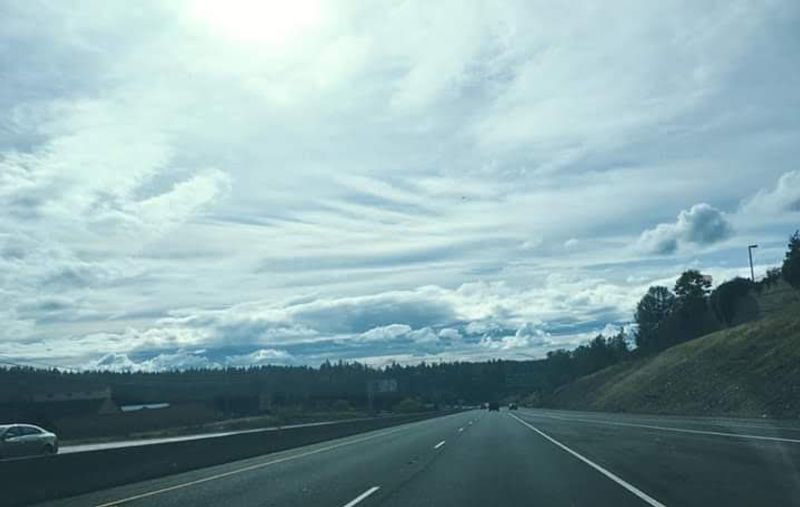
The town sits roughly 20 miles from State Route 49, the nearest highway, and the drive follows narrow roads that twist through thick forest.
Cell service can fade along the way, so downloading maps before leaving home is a smart move.
Expect curves that come one after another, with steep drop-offs in places and very few spots to pull over.
Much of the route climbs along ridges where tall pines crowd close to the pavement and sunlight flickers through the branches.
Speeds stay low for good reason, and the trip often takes longer than the mileage suggests.
Road conditions can change with the seasons. Winter snow sometimes makes chains necessary, and spring storms may leave debris or rough patches behind.
Checking current conditions with Caltrans and Sierra County before heading out can save a lot of trouble.
A vehicle in good shape with a full tank is essential, since fuel stops are scarce once the highway fades in the mirror.
Drivers who feel uneasy on mountain roads may want to travel in daylight and give themselves extra time. Packing water and snacks also makes sense in case of an unexpected delay.
The slow pace has an upside, though. Quiet stretches of forest set the mood long before the first building comes into view.
Alleghany Has Only Around 50 Full-Time Residents
Fewer people live here year-round than ride a typical school bus.
The 2010 census counted 58 residents, and the 2020 count came in even lower, so most estimates land somewhere around a few dozen full-time neighbors.
Numbers like that shape nearly everything about daily life in Alleghany.
A town this size cannot support the shops and services found in bigger mountain communities such as Truckee or Nevada City.
There is no strip of restaurants, no supermarket, and no row of motels waiting for travelers. The few operations that exist mostly serve locals and the small stream of curious visitors who find their way up the ridge.
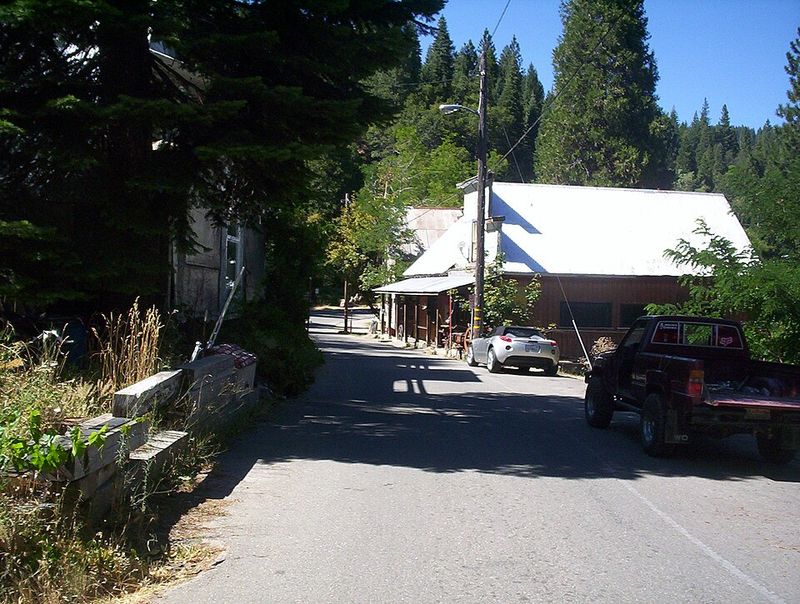
For visitors, the small population changes the feel of a trip in noticeable ways. Streets stay quiet, and a passing truck might be the loudest sound for a while.
Residents live in a real working community rather than a tourist stop, so respecting private property and keeping noise down goes a long way.
Many homes and structures sit close to the road, and some lots hold old equipment or buildings that belong to someone.
Taking photos from public spaces rather than wandering onto land is the polite approach. A friendly wave tends to feel more natural than a crowd of cameras in a place where most faces are familiar.
Its Story Goes Back To The Gold Rush
Picks and shovels built the foundation long before any street signs went up.
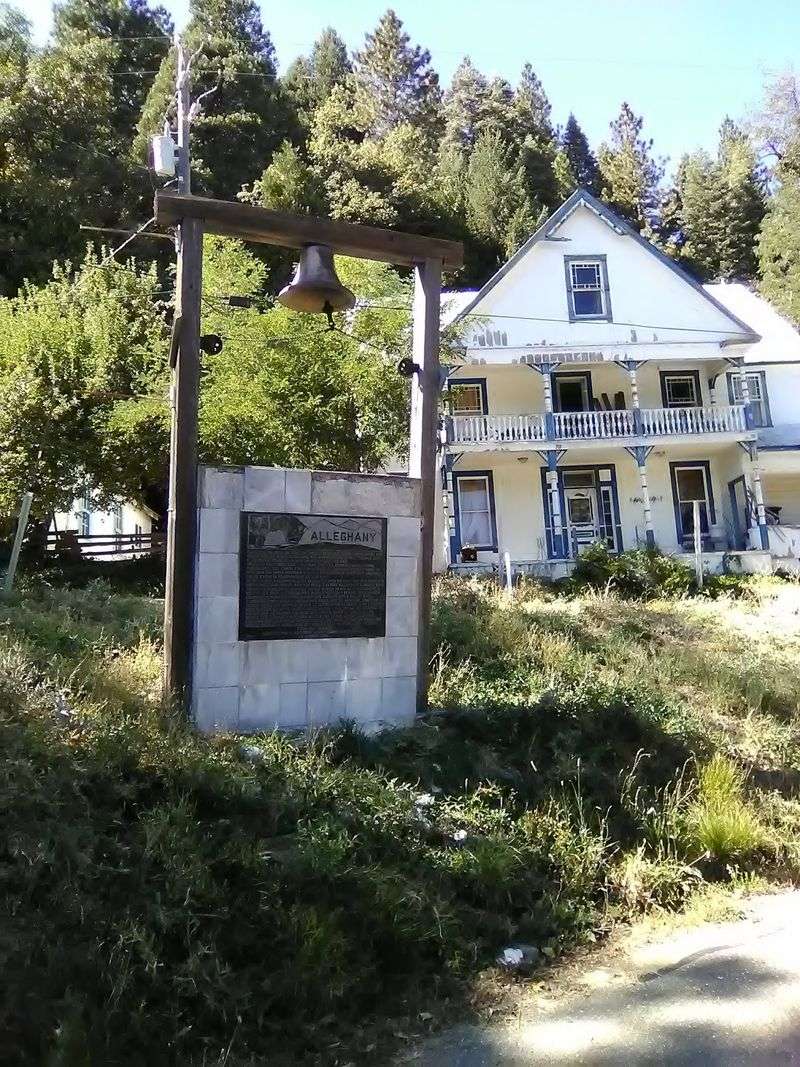
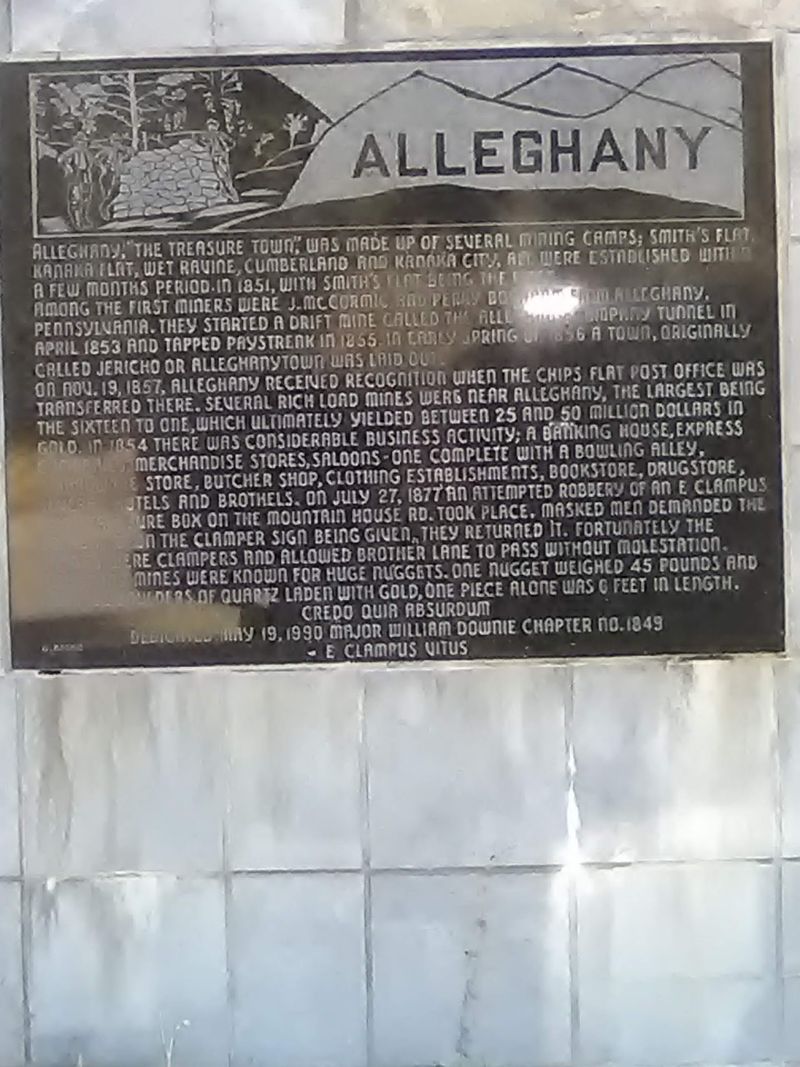
Miners began working the area in the early 1850s, and several small camps grew up along the canyon slopes. Names like Smith’s Flat, Kanaka Flat, and Wet Ravine marked some of those earliest spots.
A turning point came in 1853, when a group called the Alleghany Company began digging a tunnel into the mountainside.
The company name traced back to a river in Pennsylvania, and its tunnel eventually struck a rich paystreak. Success like that drew more workers, and the scattered camps slowly pulled together into one community.
Early prospectors worked streams first, washing gravel in pans and sluices to catch loose flakes.
Once the easy gold ran thin, attention shifted to tunnels and hard-rock veins buried deep in the ridge. That shift from surface digging to underground work shaped the town’s layout, its buildings, and even the rhythm of its days.
Understanding that timeline helps the landscape make more sense on arrival. Old tailings and trails leading into the hills all connect back to those first busy decades.
Even the steep hillside setting reflects choices made by miners who needed to live close to their work.
The Underground Mining Museum Keeps That History Alive
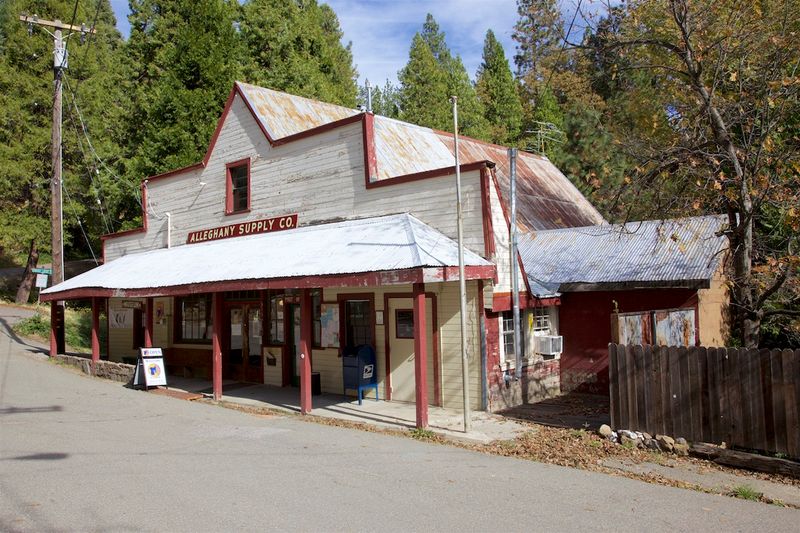
Stepping into an old supply building offers one of the best ways to understand the people who worked below ground.
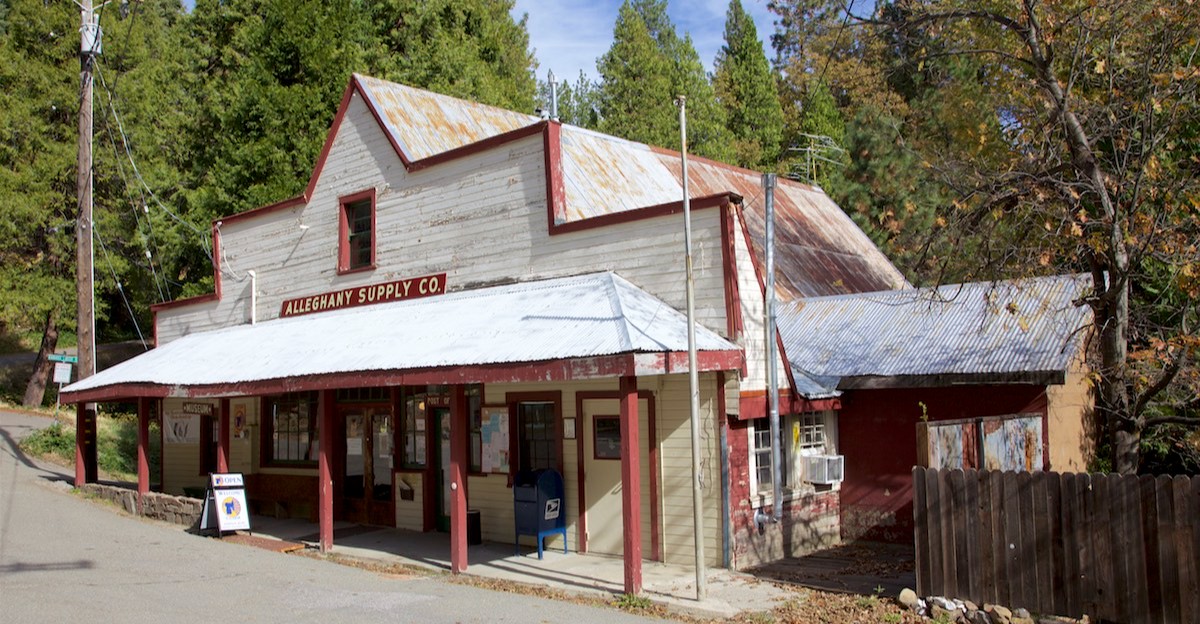
The Underground Gold Miners Museum occupies the former Alleghany Supply Company building at 356 Main Street, Alleghany, CA 95910.
Its collection focuses on the hard-rock mining that defined the district for generations.
Exhibits include artifacts, historical photographs, and documents connected with miners and their families.
Tools, equipment, and geology displays help explain how gold hid inside quartz veins and how crews reached it. The space feels personal rather than flashy, with stories that center on real working lives.
Hours are limited, and the museum has often opened by appointment or during special events rather than on a daily schedule.
Contacting the museum ahead of time is the only reliable way to avoid arriving at a locked door. Admission details can change, so confirming them in advance also makes sense.
Plan on moving slowly once inside, since many displays reward careful reading.
Photos of miners in dim tunnels and shelves of worn gear give a sense of how cramped and demanding the work could be. Families with older kids may find the equipment especially interesting.
History fans tend to leave with a much clearer picture of what the quiet streets once meant to the people who walked them.
Alleghany Was Once Much Busier Than It Looks Today
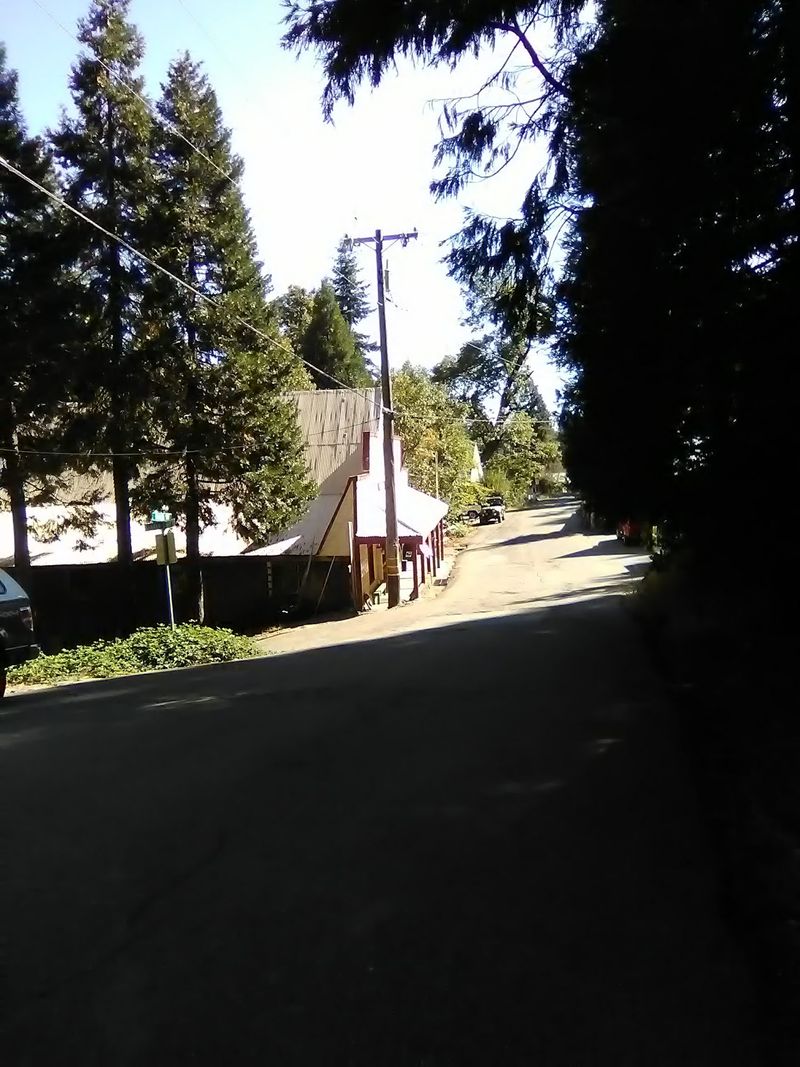
Quiet streets today hide a surprisingly lively past. During the boom years of the 1850s, the town supported a business district that would seem hard to believe now.
Records describe a banking house, express offices, general stores, and several saloons.
The list keeps going from there. Hotels, a butcher shop, a hardware store, clothing sellers, a drugstore, and even a bookstore served the mining crowd.
One saloon reportedly had its own bowling alley, which says a lot about how much money and energy flowed through town.
Fires struck the business district more than once over the years, destroying buildings that were never replaced.
As mining slowed and jobs disappeared, many families moved elsewhere in search of steady work. The town gradually shrank to the small cluster of homes and structures seen today.
Walking through now, it helps to look for clues from the busier era. Stone foundations, older wooden buildings, and flat spots cut into the hillside may hint at where shops once stood.
Comparing historic photographs with the current street can be a fun exercise for anyone who enjoys spotting how places change.
Standing in a hushed spot where crowds once bargained for supplies has its own quiet pull. That contrast gives the visit a reflective quality without needing big attractions.
The Sierra Nevada Setting Makes The Isolation Feel Even Greater
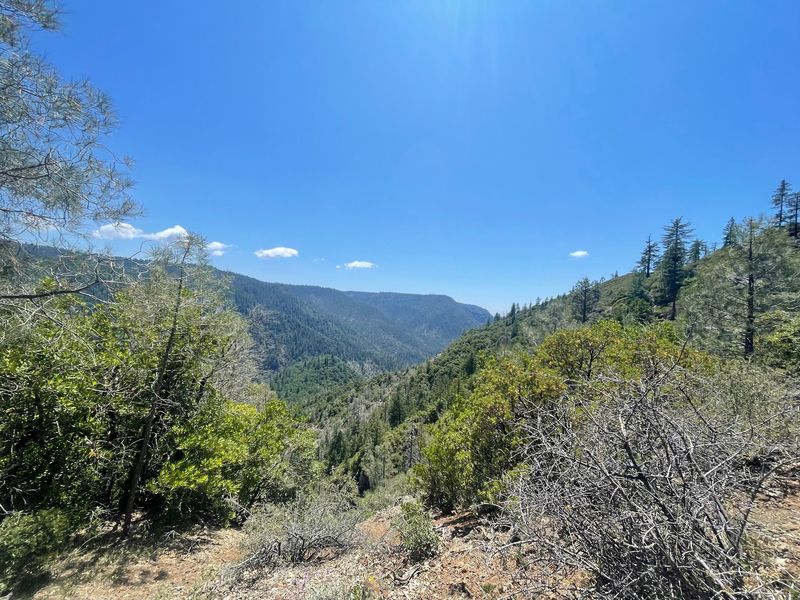
Tall pines, deep canyons, and sharp slopes surround the town on almost every side.
Alleghany sits on a narrow bench along a steep canyon wall at roughly 4,200 feet above sea level. Much of the land around it lies within California’s Tahoe National Forest.
Light behaves differently in this terrain. Morning sun can take a while to climb over the ridges, while late afternoon shadows stretch long across the canyon.
On cloudy days, mist may settle among the trees and soften the view.
Sound travels in interesting ways too. Wind moving through the forest often creates a steady hush, and birdsong can carry far in the stillness.
Without highway traffic nearby, small noises like a creek or crunching gravel stand out clearly.
Seasons change the experience in major ways. Summer brings warm, dry days and dusty roads, while autumn adds cooler air and golden color from oaks and other trees mixed among the conifers.
Winter can bring heavy snow that makes the drive far more serious, sometimes requiring chains.
Layers of clothing are useful year-round because temperatures can shift quickly with elevation and shade. Spots along the way may offer glimpses of distant ridges fading into blue haze.
Pulling over only at safe, wide shoulders allows time to take in those views without putting anyone at risk.
Modern Alleghany Still Has Deep Connections To Its Mining Past
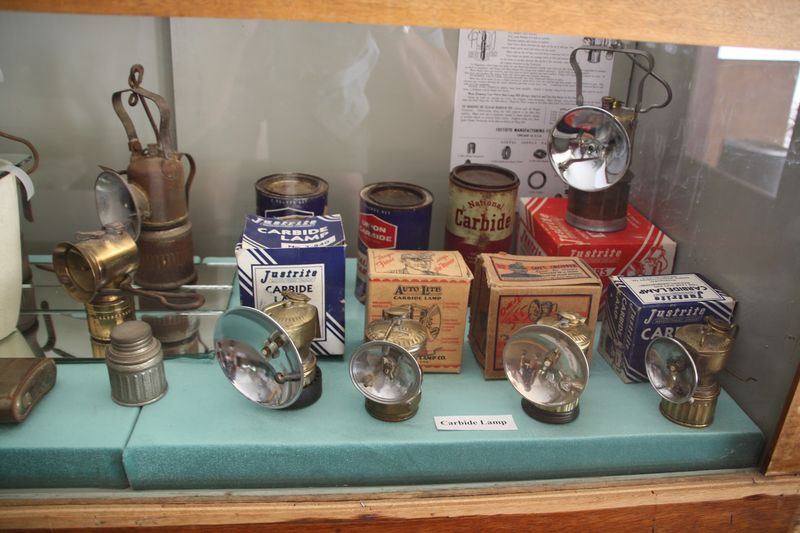
History here does not stay locked behind glass. Residents live among old buildings, mine structures, and reminders of more than 150 years of digging.
The Gold Rush feels like part of the neighborhood rather than a chapter from a distant textbook.
Mining organizations and local groups have worked to keep that heritage visible.
The Underground Gold Miners Museum preserves stories and objects from generations of miners, and the Original Sixteen to One Mine remains a well-known name tied to the town.
Events such as gold shows have brought collectors and history fans together in past years.
Community identity leans heavily on that past. Old photographs, family stories, and familiar mine names come up naturally in local life.
Newcomers and longtime residents alike often share an appreciation for the hard work that built the place.
Visitors can honor that connection in simple ways. Asking thoughtful questions at the museum, supporting local efforts when possible, and treating historic structures with care all make a difference.
Leaving rocks, tools, and old metal pieces in place protects the physical record of the town’s history.
Seeing how a tiny community holds onto its roots can be inspiring. Instead of rebuilding itself around tourism, the town has kept its identity grounded in what actually happened on these slopes.
Visitors Should Come Prepared For A Very Small Town
A little planning makes all the difference on a trip to such a remote spot.
Travelers should not expect gas stations, grocery stores, or a long list of places to eat in California’s Alleghany. Services in town are very limited, and hours for the few that exist can change.
Filling the tank before leaving the highway corridor is one of the most important steps.
Packing water, snacks, and any needed medications helps cover long stretches without stores. A basic emergency kit with a flashlight, blanket, and first aid supplies is also smart for mountain driving.
Checking road conditions through Caltrans and Sierra County sources before departure helps avoid surprises, especially in winter or after storms. Snow can make chains necessary during colder months.
Anyone hoping to visit the museum or ask about mine tours should reach out well ahead of time. Arriving without confirming hours could mean seeing only locked doors.
Lodging options in and around town are scarce, so many visitors plan the outing as a day trip from larger towns along Highway 49.