This Tiny California Town Is Packed With Outdoor Adventures In Every Direction
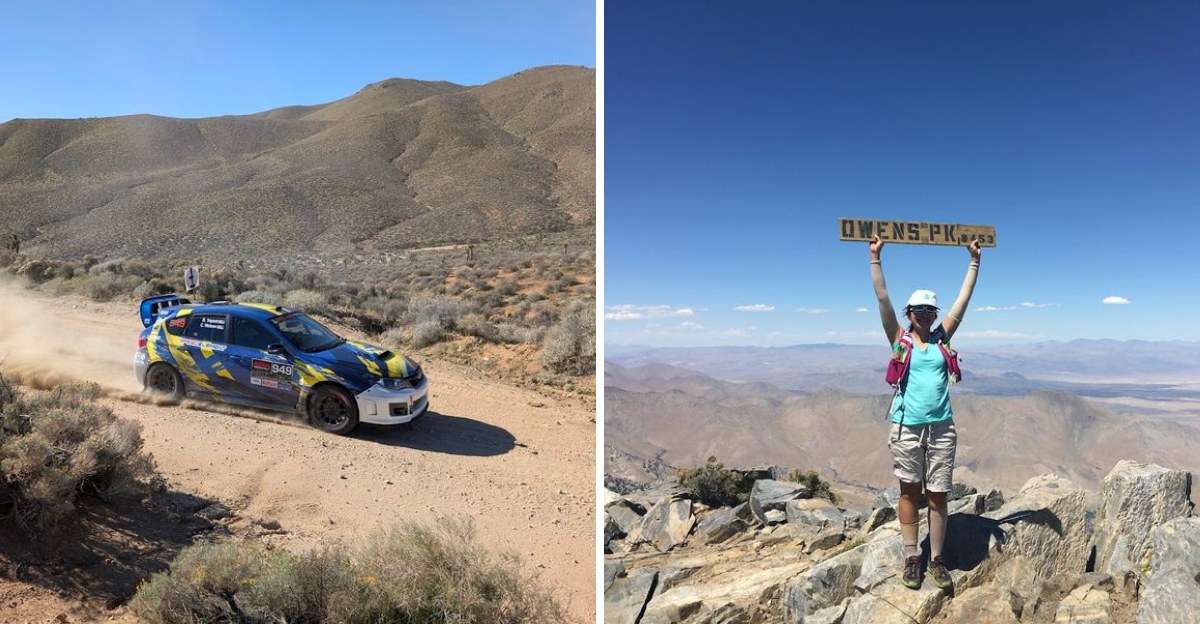
Small towns can carry a different kind of pull when open space stretches out in every direction.
One tiny town in California sits in the middle of an outdoor playground, where trails, water, and wide scenic beauty make adventure feel close at every turn.
Mornings start with that crisp sense of possibility, the kind that makes it easy to head out early and stay out longer than planned.
Fresh air seems to do its job faster here. So does silence.
A place like this does not need bright lights or big-city energy to leave an impression. All it takes is one good view, one winding path, or one afternoon that slips by too easily.
Red Rock Canyon State Park
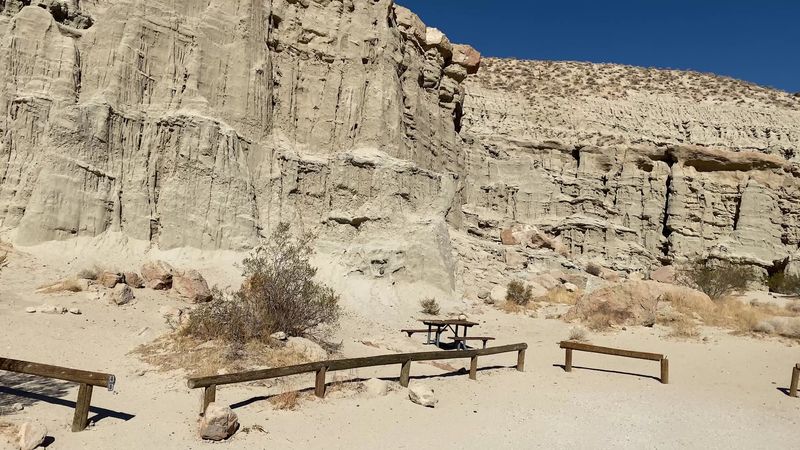
Striped cliffs in shades of red, orange, and cream rise dramatically from the desert floor at Red Rock Canyon State Park, creating one of the most visually striking landscapes in the California desert.
The park sits along Highway 14 near the point where the southern Sierra Nevada meets the El Paso Range, and that collision of geological forces is exactly what shaped the colorful buttes and layered formations visible from the road.
California State Parks describes the area as a place of scenic desert cliffs, buttes, and dramatic rock formations, and the description holds up the moment the canyon comes into view.
Hiking trails wind through the formations and give a closer look at the eroded walls and dry washes that cut through the park.
The light shifts noticeably throughout the day, and early morning or late afternoon tends to produce the richest colors against the rock faces.
Camping is available inside the park, so an overnight stay makes it easier to catch both the sunset and the exceptionally dark night sky that follows.
The park is located about 25 miles southwest of Ridgecrest along Highway 14, making it one of the closest major natural attractions to town and a natural first stop for anyone arriving from the south.
Trona Pinnacles
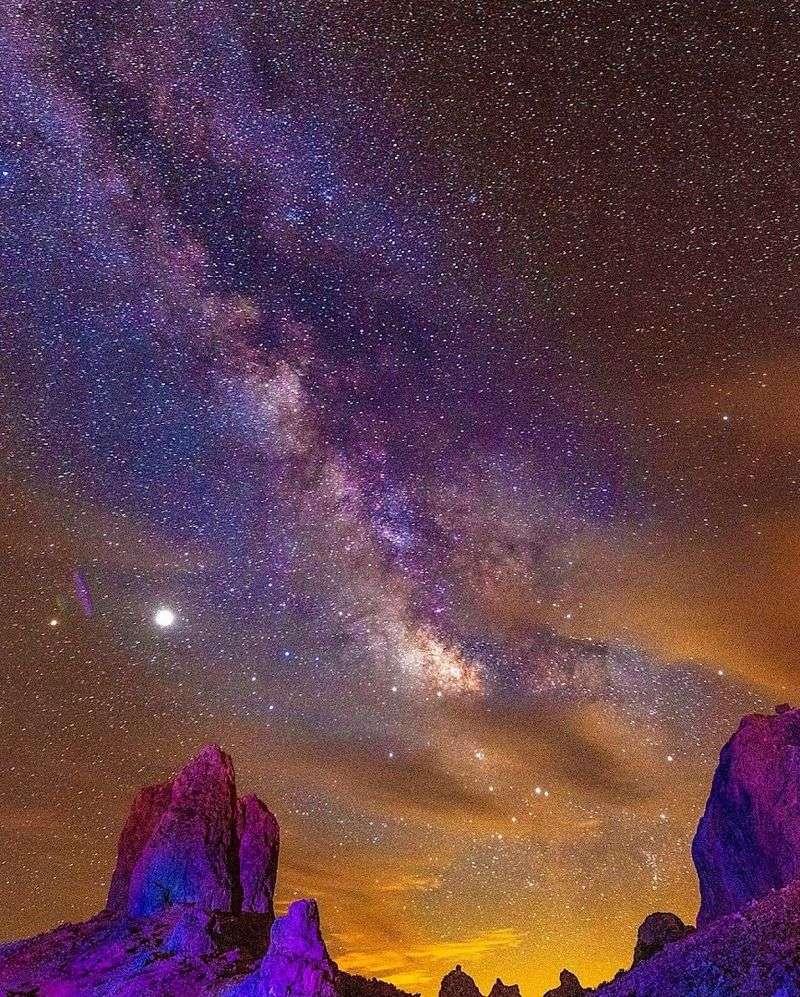
Few places in California look quite as otherworldly as Trona Pinnacles, where more than 500 tufa spires rise from the cracked surface of Searles Dry Lake in the Mojave Desert.
The Bureau of Land Management notes that some of these spires reach as high as 140 feet, formed over thousands of years as calcium carbonate built up in the ancient lake water.
The result is a landscape so unusual that it has been used as a filming location for science fiction productions, and standing among the spires makes the reason obvious.
The site sits roughly 20 miles east of Ridgecrest on a short unpaved road that is generally passable for regular vehicles in dry conditions, though a high-clearance vehicle adds peace of mind.
There are no entry fees and no formal visitor center, which keeps the experience low-key and uncrowded compared to more developed attractions nearby.
Early morning visits tend to offer softer light and cooler temperatures, both of which make the walk among the spires considerably more comfortable.
Stargazing after dark at Trona Pinnacles is a genuinely memorable experience, as the combination of minimal light pollution and the dramatic silhouettes of the spires creates a setting that is hard to replicate anywhere else in the region.
Fossil Falls
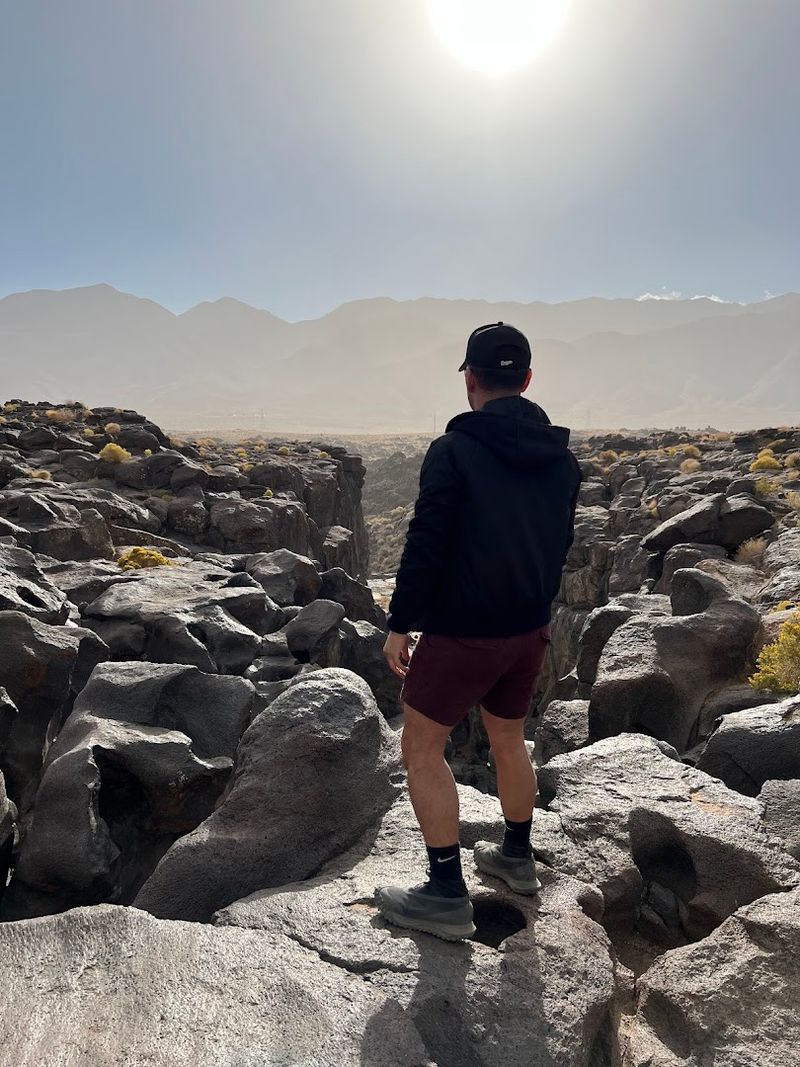
A short trail across a 20,000-year-old lava flow leads to one of the more unexpected sights in the California desert at Fossil Falls.
The Bureau of Land Management describes the site as a place where the Owens River once carved through hardened volcanic rock, leaving behind smooth, polished channels and curved formations that look almost sculpted by hand.
The trail itself is less than a mile round trip, but the terrain underfoot is rough and uneven, so sturdy footwear makes a real difference.
Beyond the geological formations, the site is also used for rock climbing and rappelling, which adds a more active dimension to what might otherwise be a brief roadside stop.
The BLM manages the area as a day-use site with a small parking area and basic facilities, and there is no entry fee.
Located about 20 miles south of Ridgecrest just off US-395, it is easy to combine with a stop at Red Rock Canyon State Park for a full day of desert exploration in the southern corridor.
The polished lava surfaces take on a warm, almost glassy appearance in direct sunlight, and the contrast between the dark rock and the pale desert floor gives the area a distinctive visual character that photographs well at almost any time of day.
Coso Rock Art National Historic Landmark
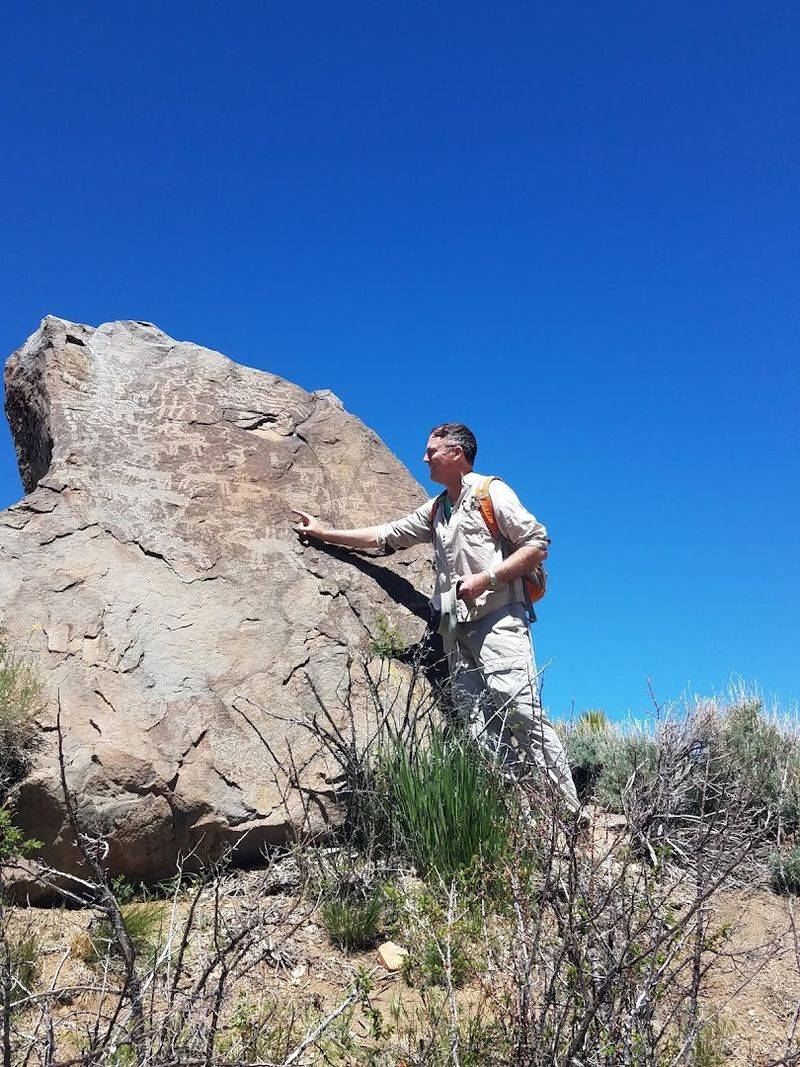
Covering approximately 36,000 acres in the volcanic tablelands north of Ridgecrest, the Coso Rock Art National Historic Landmark holds one of the largest concentrations of ancient rock art in North America.
The Maturango Museum in Ridgecrest serves as the primary resource for information about the site, and it notes that Little Petroglyph Canyon contains around 20,000 images carved into the dark volcanic rock by Indigenous peoples over thousands of years.
Access to the landmark is restricted because much of the land falls within the boundaries of Naval Air Weapons Station China Lake.
The Maturango Museum has historically organized guided tours into the canyon, but public petroglyph tours are not currently being offered, so checking directly with the museum before planning a visit is essential.
The museum itself, located at 100 E Las Flores Ave in Ridgecrest, provides exhibits on the rock art, regional geology, and local natural history that give meaningful context even when canyon access is unavailable.
The sheer scale of the imagery at the site reflects centuries of cultural activity and makes the Coso area one of the most significant archaeological landscapes in the entire western United States.
Jawbone Canyon OHV Area
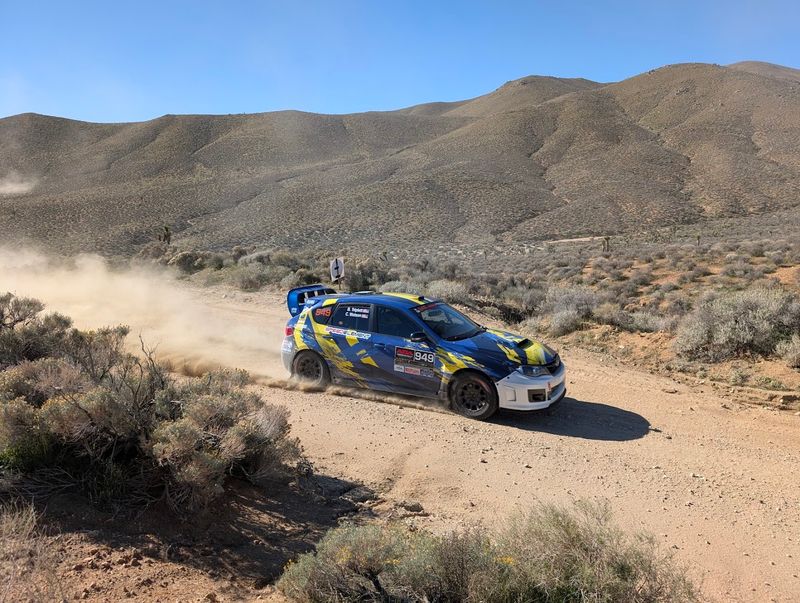
For riders who prefer engine noise and dust clouds over quiet trails, Jawbone Canyon OHV Area delivers a completely different kind of outdoor experience just west of Ridgecrest.
The Bureau of Land Management describes the area as offering cross-country play, trail riding, and advanced technical hill climbs, along with access to hundreds of miles of additional riding opportunities that extend well beyond the designated open area.
The terrain ranges from relatively flat desert washes to steep, rocky climbs that require real skill and experience to navigate safely.
The area is open to motorcycles, ATVs, and four-wheel-drive vehicles, and the mix of rider types keeps the atmosphere lively on weekends.
A staging area near the canyon entrance provides space for unloading and regrouping, and the BLM maintains basic facilities at the site.
Weekday visits tend to be noticeably quieter, which can make the experience more enjoyable for riders who prefer having the terrain to themselves.
Jawbone Canyon sits along Highway 14 roughly 50 miles southwest of Ridgecrest, making it a reasonable day trip from town and a natural add-on to a visit to Red Rock Canyon State Park.
Kern River Valley and Lake Isabella
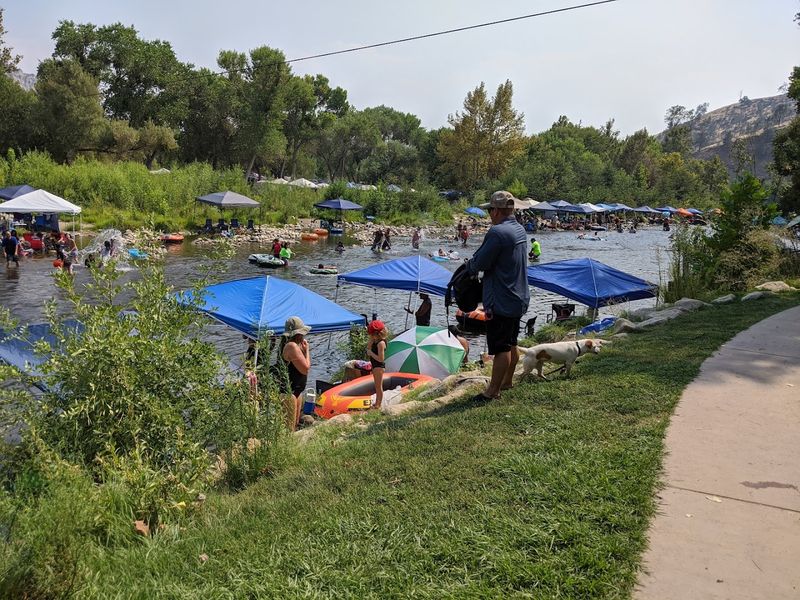
A drive west from Ridgecrest through Walker Pass brings the landscape into a noticeably different character, where the dry desert gives way to the Kern River Valley and the broad, mountain-rimmed expanse of Lake Isabella.
It’s a valley specifically destined for water sports, fishing, and whitewater rafting, and the contrast with the desert terrain to the east is striking enough to feel like a genuine change of scenery rather than just a longer stretch of the same road.
Lake Isabella is a reservoir formed by the Isabella Dam on the Kern River, and it supports a range of recreational activity including boating, kayaking, and shoreline fishing.
The surrounding area has campgrounds, small communities with basic services, and access to sections of the Kern River that are known for whitewater rafting during higher water periods.
Conditions on the river vary considerably by season and year, so checking current water levels before planning a rafting trip is a practical step.
The drive itself through the southern Sierra foothills is worth the trip even without a specific activity planned, as the shift from open desert to oak-covered slopes and river canyon walls covers a remarkable amount of visual variety.
Death Valley National Park
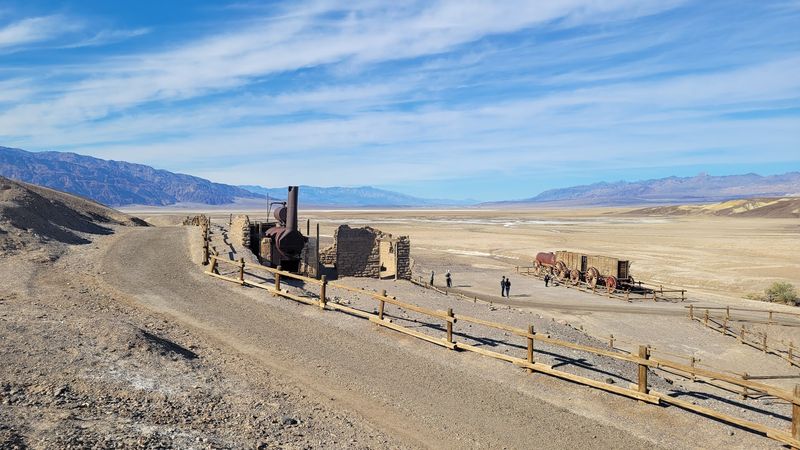
About two hours east of Ridgecrest, Death Valley National Park stretches across a landscape of extremes that has few rivals anywhere in the world.
It is the largest national park in the contiguous United States and holds the record for the highest reliably recorded air temperature on Earth, but the sheer variety of terrain inside the park extends well beyond its reputation for heat.
Sand dunes, salt flats, volcanic craters, and multicolored badlands all sit within a single park boundary, and the distances between them require real planning to cover effectively.
Ridgecrest works well as a staging point for Death Valley because the drive in from the west avoids the longer approach routes from Las Vegas or Los Angeles and keeps the trip manageable as a multi-day base rather than a rushed day trip.
Popular areas within the park include Badwater Basin, Zabriskie Point, Mesquite Flat Sand Dunes, and Dante’s View, each offering a distinct type of scenery and a different sense of scale.
Entrance fees apply and are collected at staffed stations or self-pay envelopes depending on the entry point used.
Timing matters considerably in Death Valley, as summer temperatures regularly exceed 115 degrees Fahrenheit and make most outdoor activity genuinely dangerous.
Owens Peak Wilderness
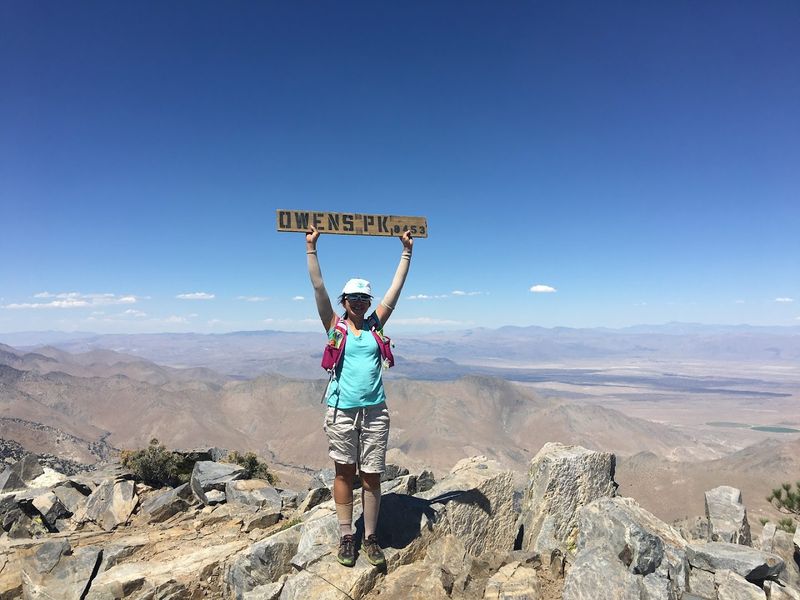
Northwest of Ridgecrest, the Owens Peak Wilderness adds another layer to the area’s outdoor appeal with rugged canyons and a quieter kind of backcountry experience.
The Bureau of Land Management describes the wilderness as a transition zone where the Sierra Nevada, the Mojave Desert, and the Great Basin come together, and that overlap gives the landscape a striking mix of ecological character.
Lower elevations feature creosote scrub and open desert terrain, while the higher reaches support pinyon, juniper, and broader mountain views.
Hiking routes in the area range from shorter exploratory outings to more demanding climbs toward Owens Peak itself, which rises to over 8,400 feet.
Spring can bring wildflowers to some sections, while cooler months generally offer the most comfortable hiking conditions.
The remoteness is part of the attraction here, as the area feels less developed and less visited than many of the better-known stops around Ridgecrest.
For travelers who want something beyond roadside scenery, Owens Peak Wilderness offers a more rugged and rewarding side of the region’s outdoor identity.