This Tiny California Town Of Just 200 People Is Packed With Antique Shops
Tiny towns are usually places where you expect to run out of things to browse pretty quickly. This one turns that assumption into a surprisingly fun mistake.
With only around 200 residents, the community barely registers on a population chart.
Yet its historic streets give antique hunters plenty of reasons to park the car and start wandering, especially if old furniture, collectibles, and objects with mysterious past lives are difficult to resist.
A California town this tiny has no business creating such a serious antique-shopping problem.
The small scale actually works in its favor.
You can wander around without the experience feeling like a giant shopping expedition, then discover another storefront tempting you to squeeze one more stop into the afternoon.
California’s Smallest Incorporated City By Area
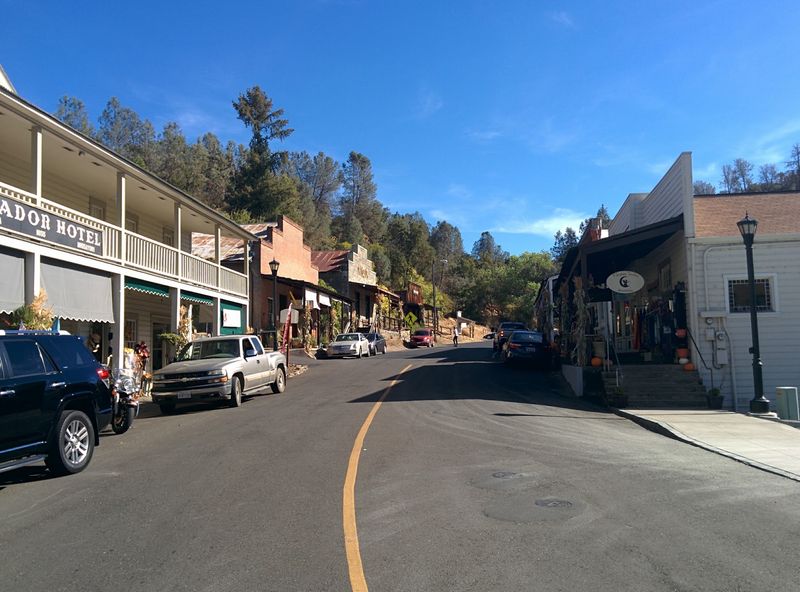
Blink at the wrong moment on the highway and the whole town might slip past the window.
Only about 0.3 square miles of land sits inside the city limits, which makes it the smallest incorporated city in California by area.
The 2020 census counted around 200 residents, a modest rise from about 185 a decade earlier. That headcount also places it among the least populous cities anywhere in the state.
Numbers like these can be hard to picture until a visit begins. Most of the business district can be seen from a single spot on the sidewalk, and the quiet between passing cars often feels noticeable.
Birds, footsteps, and a shop bell or two may be the main background sounds on a calm weekday.
Small size shapes the whole experience in useful ways. A visitor can park once, take in the old facades, and reach several shops within a few minutes.
There is no need for a detailed map or a packed schedule to see the heart of town.
Food and restrooms can be limited in a place this tiny, so a bit of planning helps. Nearby towns along the same highway, such as Sutter Creek and Jackson, offer more services if extra options are needed.
Expectations matter here too. The appeal comes from scale and history rather than big attractions, so an unhurried mindset tends to fit best.
Slow footsteps and curious eyes will likely get more out of the visit than a rushed checklist.
Antique Hunting Ranks Among The Main Draws
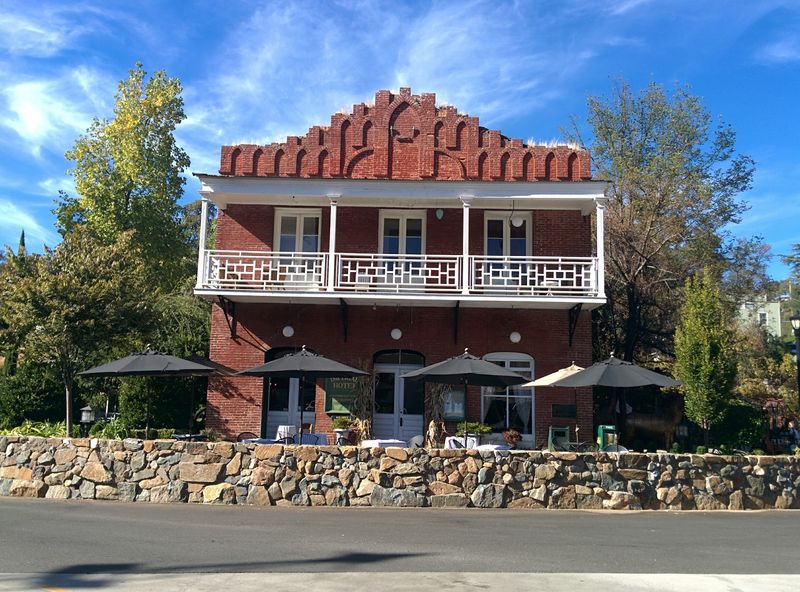
Treasure hunting is not an angle added after the fact.
Local visitor information for the town specifically promotes browsing for antique treasures along Main Street, so shoppers arrive for a reason that residents already celebrate.
Shops here lean toward specialties rather than one giant warehouse of everything.
One store focuses on old textiles and clothing, another on French pieces, and another on coin-operated machines and vintage advertising.
That variety means a short walk can feel like moving between small themed collections.
A relaxed browsing style usually works best. Shelves can be packed closely, and fragile items like glass, porcelain, or lace call for careful hands.
Carrying a small bag instead of a bulky backpack may help avoid bumping into displays in narrow aisles.
Hours at small independent shops can change with the season or the owner’s schedule.
Checking each store’s website or social media before driving out can prevent disappointment, especially on weekdays. Weekends often see more open doors and a bit more foot traffic.
Prices vary widely depending on age, condition, and rarity.
Asking polite questions about an item’s history is usually welcome, and shop owners often know interesting details about where a piece came from.
The wider Highway 49 corridor also has antique shops in neighboring towns. Pairing a stop here with visits nearby can turn a single afternoon into a full day of hunting without long drives.
The Victorian Closet Has Stayed Put For Decades
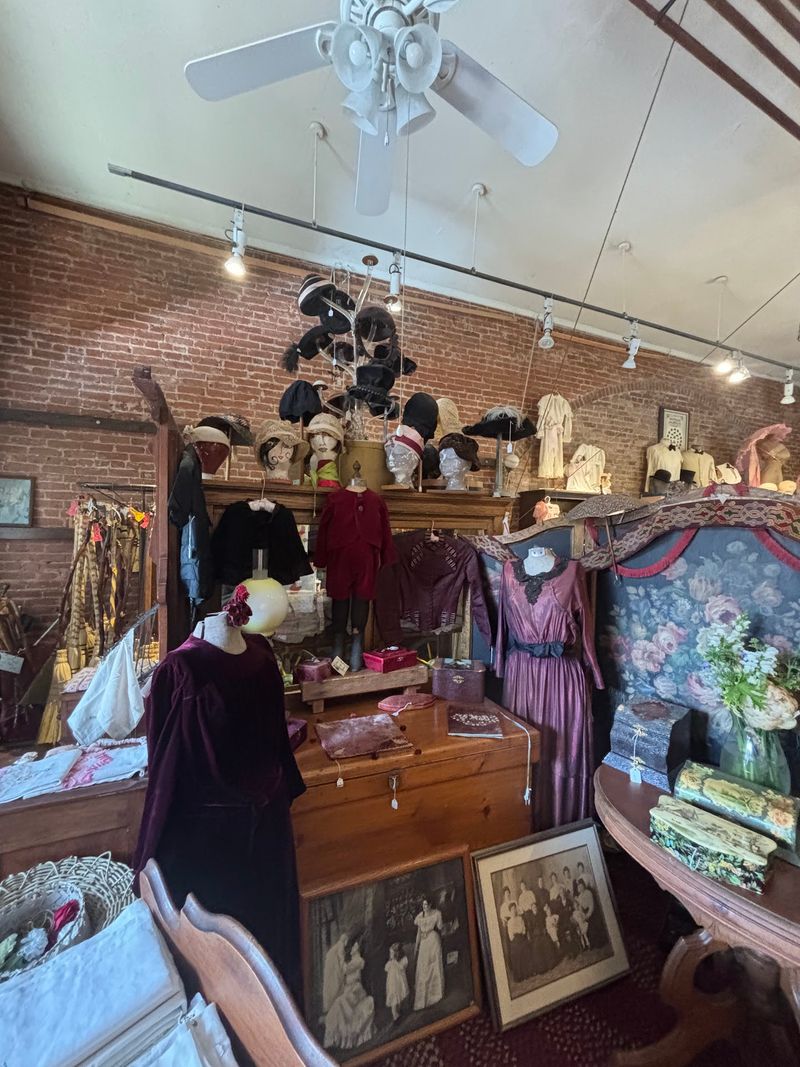
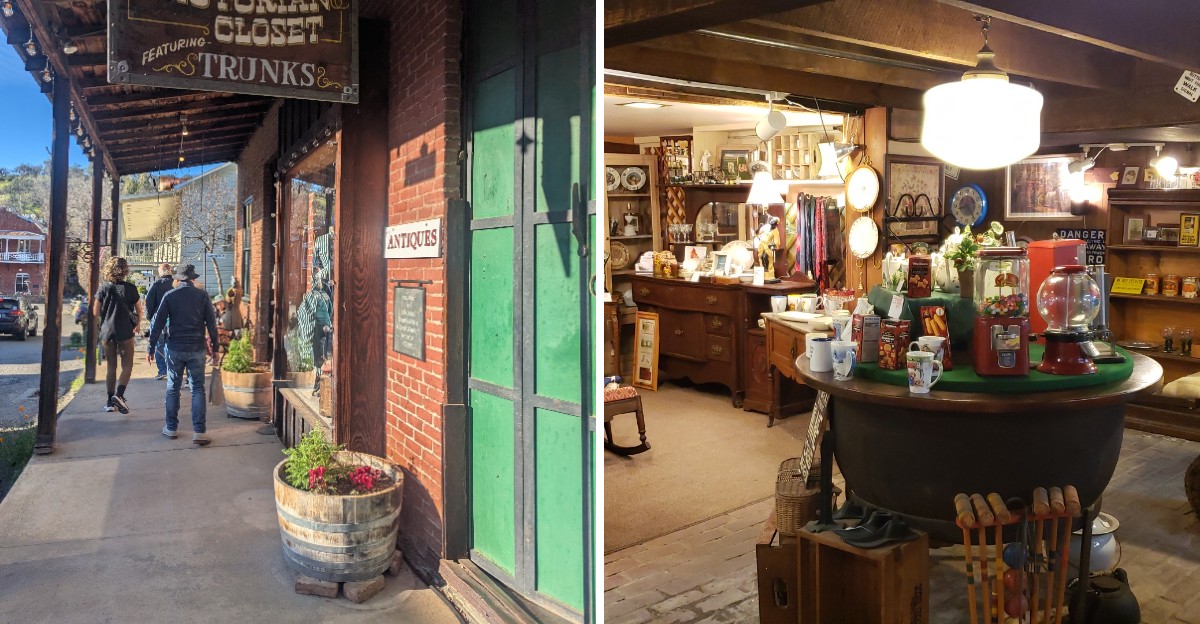
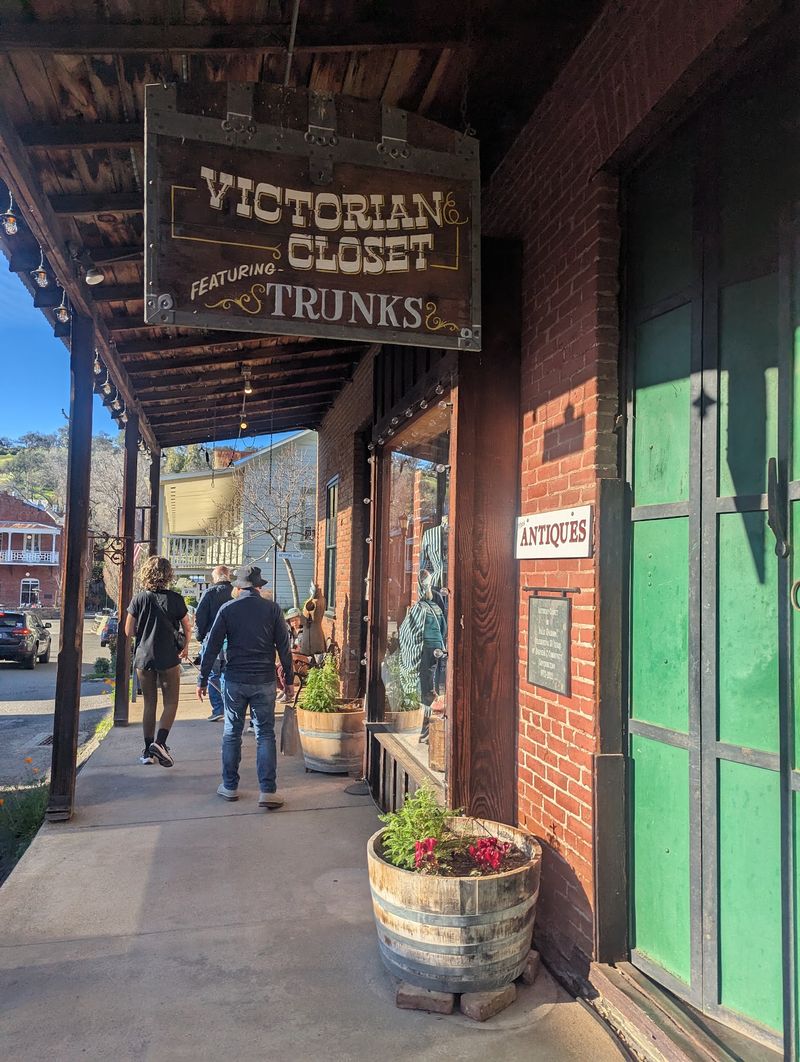
Some shops come and go within a few seasons, but a few stay rooted for generations. The Victorian Closet is one of those long-running fixtures on the town’s short main street.
The shop sits at 14176 Main Street, Amador City, CA 95601, in a historic building right in the center of the business district.
The store has occupied the same location for about 47 years, according to its own description.
That kind of staying power is rare for an independent business anywhere, let alone in a town of around 200 people.
Owners describe the space as part museum and part store. That blend helps explain why visitors might linger longer than planned, looking at displays the way they would study an exhibit case.
Inside, the feel is close and layered, with items arranged to show off details rather than simply fill shelves.
Soft daylight from the front windows can make old fabrics easier to examine up close. The pace inside tends to be quiet and unhurried.
Hours are set by the shop and can shift, so checking ahead is a smart step before making a special trip.
Bringing patience is helpful too, since the best finds may be tucked into corners rather than placed front and center.
A visit here offers a sense of continuity that newer stores cannot copy. The same address, the same purpose, and decades of collecting give the shop a steady, familiar character.
Meyer’s Antiques Brings Slot Machines And Old Signs
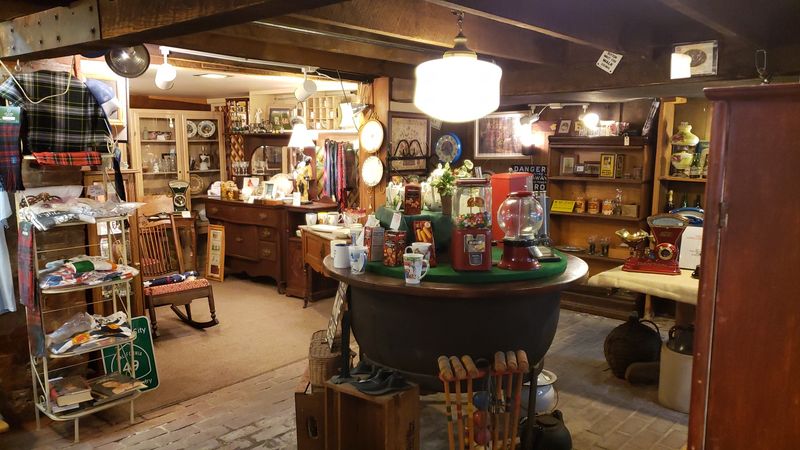
Bright colors, chrome trim, and old company logos give this stop a playful energy.
Meyer’s Antiques, at Pig Turd Alley, Amador City, CA 95601, leans into the fun side of collecting, with an inventory that includes vintage slot machines, advertising collectibles, and gumball machines.
Pieces like these can spark instant memories. A glass gumball globe might remind a visitor of a childhood corner store, while an old metal sign could show a brand logo from many decades ago.
Advertising art also works as a small history lesson. Fonts, slogans, and illustrations reveal how companies once tried to catch shoppers’ attention.
Mechanical items deserve a few practical questions before purchase. Asking whether a machine works, whether it has been restored, and whether parts are original can help set fair expectations.
Rules about owning slot machines vary by state, so out-of-state buyers may want to check their local laws first.
California has its own rules about antique gaming devices as well, and the shop may be able to share general guidance. Even for browsers with no plan to buy, the collection offers plenty to look at.
Families and friends often enjoy pointing out favorite pieces to each other. Hours can vary, so a quick check before visiting is a good idea.
Dreamy Whites Adds A French Touch
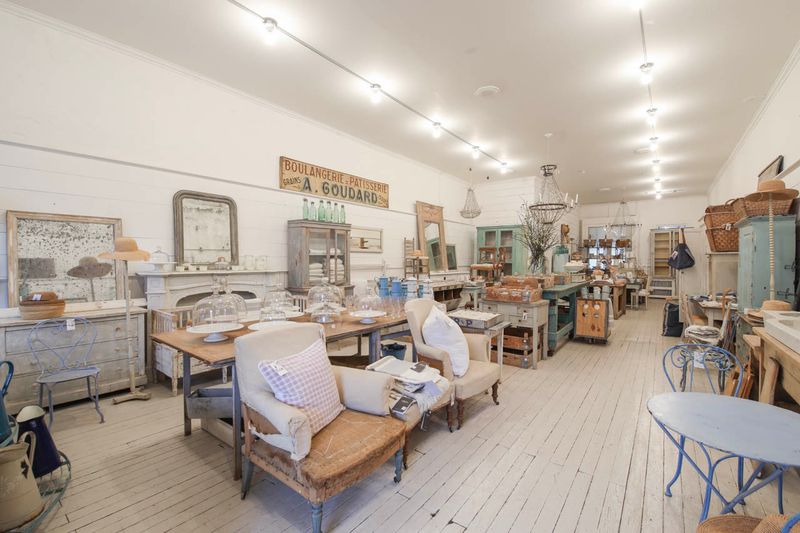
Soft whites, worn wood, and linen textures set a calm mood at this stop. Dreamy Whites specializes in French antiques and décor, giving the street a style quite different from its Gold Rush roots.
The shop is located at 14171 Main Street, Amador City, CA 95601, just a short walk from the other antique stores.
Along with older French pieces, the shop offers handmade textile items. Hand-sewn pillows, totes, table runners, and aprons have been part of its selection, adding a homemade feel next to the antiques.
The overall look tends to favor light colors and natural materials. Shoppers who enjoy farmhouse or cottage styles may find ideas for their own rooms, even if they only take home a small item.
Dreamy Whites is currently open Thursday through Saturday from 11 AM to 4 PM and Sunday from noon to 4 PM.
Measuring tape can be a handy tool to bring along. Larger furniture pieces need to fit both the car and the space at home, so knowing measurements ahead of time can save frustration.
Handmade textiles also make thoughtful gifts. A table runner or apron can be easier to pack than heavy antiques and still carries a sense of the place.
Browsing here offers a gentle change of pace between the town’s more rugged historic sites.
Alchemy Joins The Short Main Street Lineup
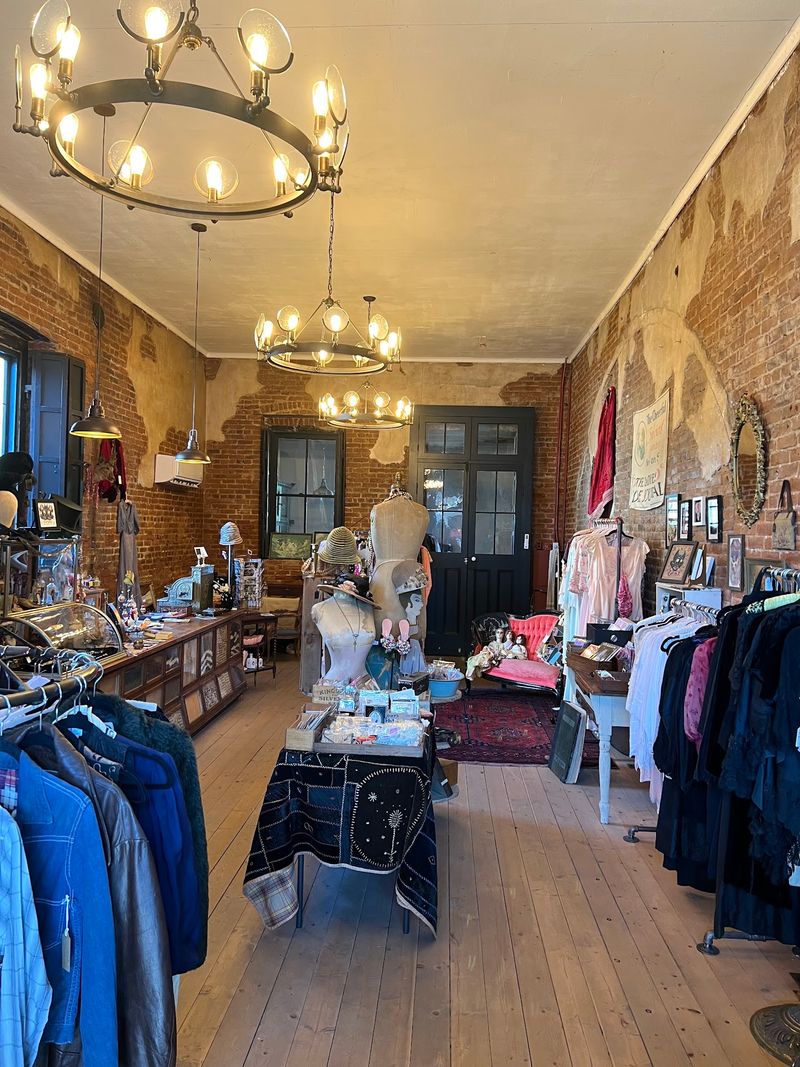
Count the antique doorways on this tiny street and the total starts to feel surprising.
Current local business listings identify Alchemy as another antique store in town, adding to an already concentrated shopping area.
Listings place the shop at 14180 Main Street, Amador City, CA 95601, right among the other stores in the historic core.
Its location shows just how tightly packed the shopping is. Several antique stops sit within a few steps of each other, so moving from one to the next takes only moments.
Detailed information about the exact inventory can change over time, as it does with many antique shops. Stock rotates as items sell and new pieces arrive, which is part of the fun for repeat visitors.
A good approach is to treat each shop as its own small adventure. Looking high and low, including on top shelves and under tables, can reveal items that are easy to miss at first glance.
Small independent shops may keep changing hours, so confirming that the store is open before visiting is wise.
Having several shops this close together also makes comparison easy. A shopper can note a favorite item, walk to the next store, and return later if it still feels right.
Gold Rush Roots Shaped The Whole Town
Long before antique shoppers arrived, prospectors came looking for gold in the creek.
José Marie Amador mined along the creek in 1848 and 1849, and his name eventually stuck to the creek, the settlement, and the county.
Gold discoveries in the area helped draw miners and set the stage for a permanent community.
Quartz gold deposits became especially important, since that type of mining needed larger operations and more workers.
The Keystone Mine became a major part of local history. Large mines like this one helped the town grow during the boom years and kept people working long after the first rush faded.
Knowing this background can change how the town looks during a visit. Buildings that might seem simply old become clues about miners, merchants, and families who once relied on gold for a living.
Kids and teens may enjoy linking what they learned in school about the California Gold Rush to a real place. A quick read about the area before the trip can make the street feel more alive.
Many of the antiques sold today also connect to that past in a loose way. Items from the late 1800s and early 1900s reflect the same eras when mining shaped daily life in the foothills.
The town’s history and its shopping scene end up telling a shared story about the region’s past.
Mining-Era Buildings Now Hold Shops
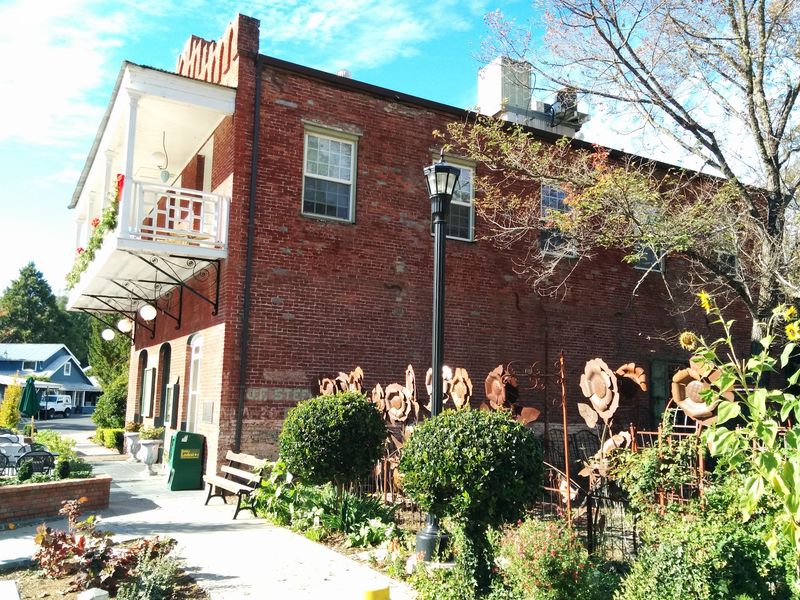
Browsing here feels nothing like walking through a modern mall. Historic buildings from the mining era now house shops and other businesses, so the setting itself becomes part of the attraction.
Thick walls of brick or stone often keep interiors cooler on hot foothill days. Heavy doors and old iron shutters on some buildings hint at a time when fireproofing and security were serious concerns.
Inside, floors may creak or slope slightly, and ceilings can feel taller than in newer stores. Those details give each space a lived-in character that many visitors find comforting.
Older buildings can also come with practical limits. Some entrances may have steps or narrow doorways, which can make access tricky for wheelchairs or strollers.
Photography fans may enjoy the textures of weathered brick, painted signs, and old window frames.
Morning or late afternoon light often brings out these details best, though conditions vary with weather and season.
Respecting the buildings is part of being a good visitor. Leaning on fragile railings or touching aging trim can cause wear over time.
Simple care helps keep these structures standing for future shoppers and history fans.
Seeing antiques sold inside antique buildings creates a fitting match. The old goods and the old walls seem to belong together in a way that new construction could never quite copy.