This Tiny Idaho Café Is Suddenly Getting National Attention For Its House-Made Basque Chorizo
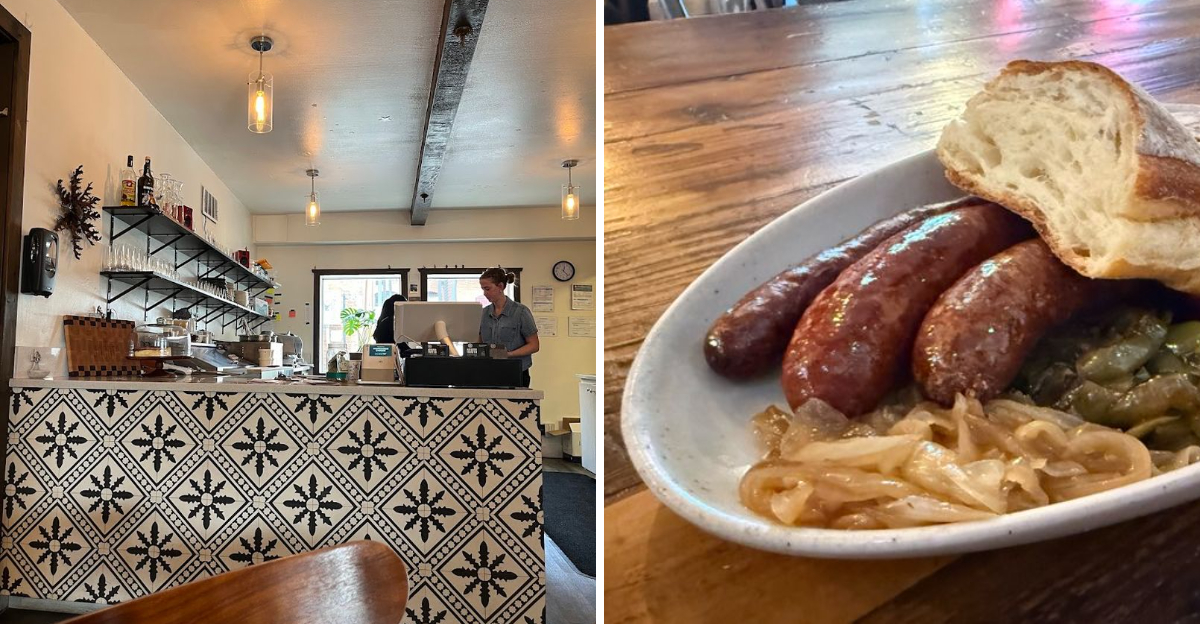
Big reputations do not always need big dining rooms.
Behind a modest Boise storefront, a family-run café has turned Basque cooking into a national conversation.
House-made chorizo draws plenty of attention, but the warm welcome helped earn the restaurant a finalist spot for Outstanding Hospitality at the 2026 James Beard Awards.
Recipes here carry generations of family history. Nothing feels manufactured for a trend.
Each plate reflects Boise’s deep Basque roots and the people working to preserve them.
Idaho diners have known about this place for years. The rest of the country is finally catching up.
Calling it a tiny café almost feels misleading. Its footprint may be small, but its influence now stretches far beyond West Main Street.
Come expecting a satisfying meal. Leave understanding how genuine hospitality can put a humble neighborhood restaurant on one of America’s biggest culinary stages.
Make The Chorizo Plate Your First Move
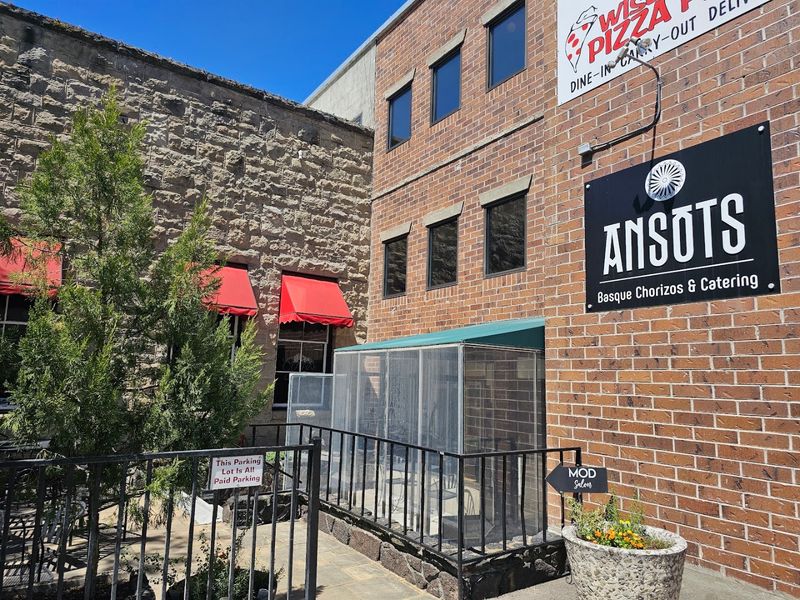
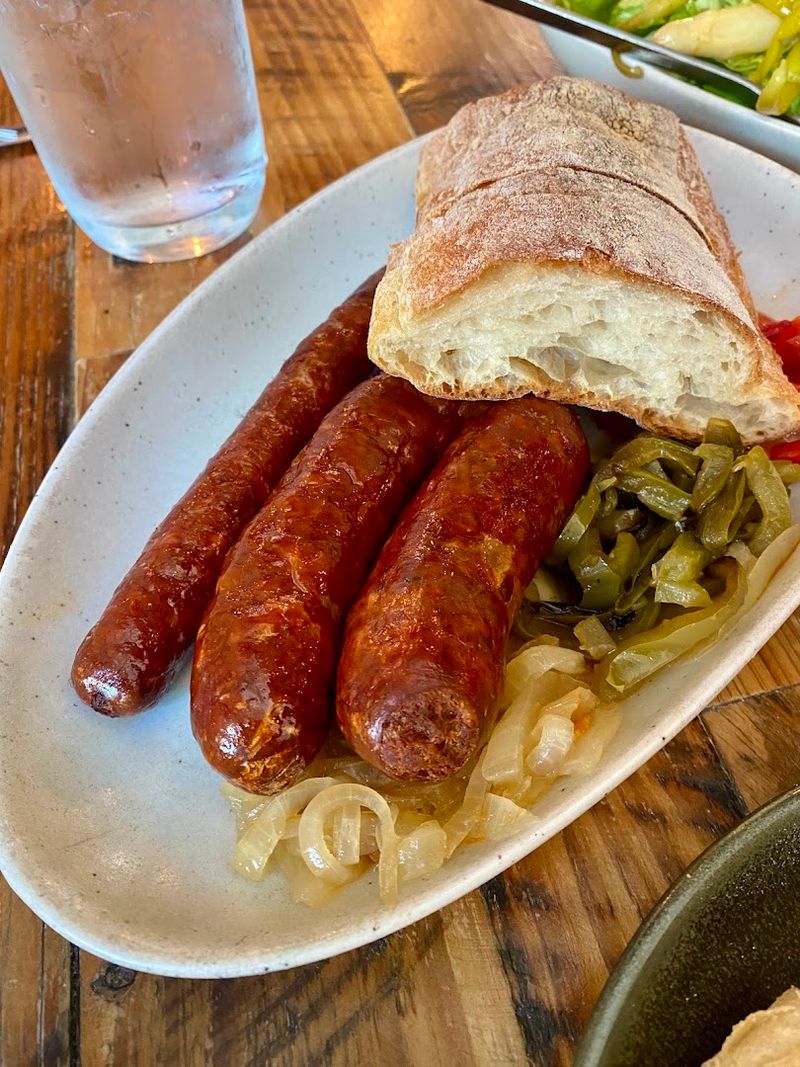
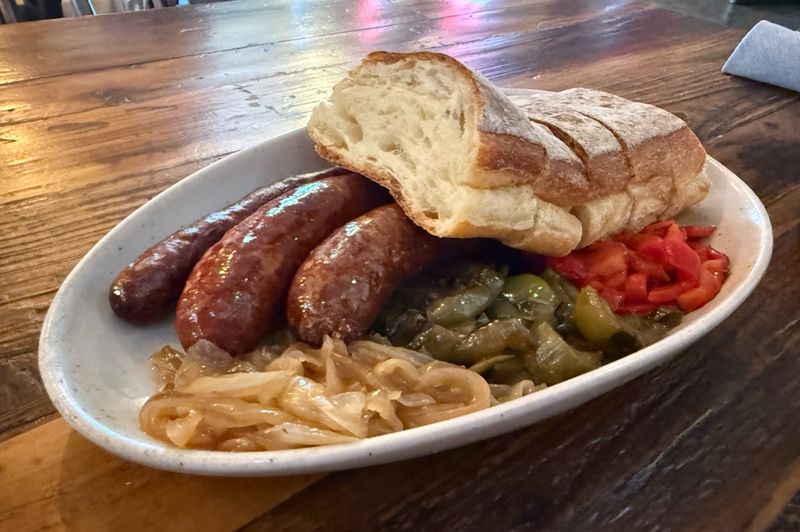
Choosing the chorizo plate gives first-time visitors a clear introduction to the food that built Ansots’ reputation.
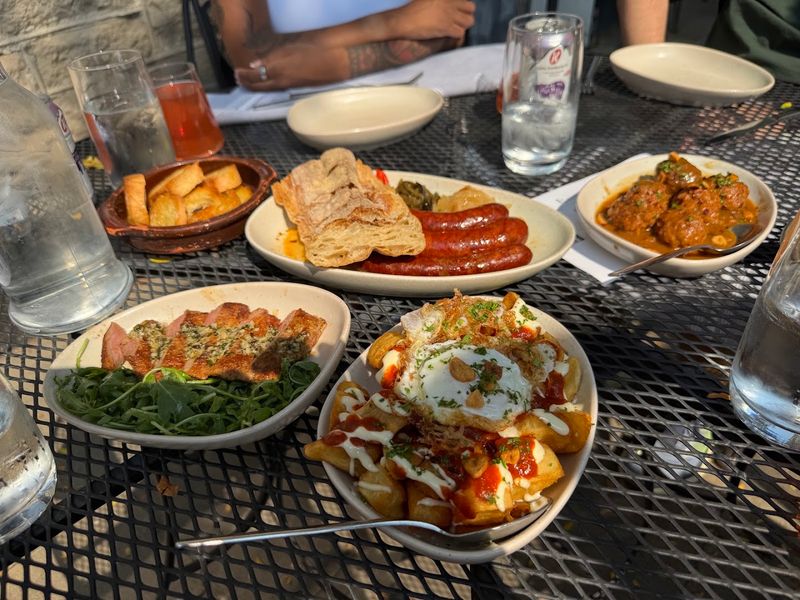
Three house-made sausages arrive together, making it easy to compare the traditional version with Motzak and Txistorra without ordering several separate meals.
Traditional chorizo offers the most direct expression of the family’s familiar seasoning, while Motzak adds roasted garlic. The slimmer Txistorra brings a smokier and slightly spicier profile that stands apart in both shape and flavor.
Grilled onions, peppers, pimientos, and bread round out the plate and allow each bite to be adjusted without overwhelming the sausage itself.
Trying every variety separately before combining the accompaniments makes the differences easier to notice.
Ansots prepares its meat products in-house using regional pork, and the café also sells several varieties for customers to take home. What begins as one lunch plate therefore offers a useful look at the broader work happening behind the counter.
Smoke, garlic, texture, and seasoning each take a different turn, so personal favorites tend to emerge quickly once the tasting begins.
See Why Boise’s Basque Block Still Feels Special
Cultural history gives this part of downtown Boise meaning far beyond one restaurant. Boardinghouses, community groups, restaurants, social clubs, and family traditions helped create one of the country’s most visible Basque-American communities.
Ansots sits at 560 West Main Street in the Pioneer Building, only a short walk from the central Basque Block and its museums, gathering spaces, and long-established food businesses. Dan Ansotegui’s connection to that neighborhood stretches back decades.
He opened Bar Gernika in 1991 and later helped establish The Basque Market, two businesses that became lasting parts of Boise’s Basque dining scene.
Ansots continues that work through chorizo making, catering, family recipes, and a menu shaped by meals Dan remembers from childhood.
Spending time in the surrounding district helps visitors understand why those dishes matter. Chorizo is not presented as a novelty added for tourists.
It belongs to a community that has carried its language, music, celebrations, and food traditions through generations of Idaho life.
History remains visible nearby, but current restaurants like Ansots show that Boise’s Basque identity is still active rather than preserved only behind museum glass.
Follow The Smoke, Spice, And Family Recipes
Family history reaches into nearly every part of the menu at Ansots. Dan Ansotegui grew up around Basque gatherings where food, music, and community life were closely connected.
His maternal grandmother, Epifania “Epi” Inchausti, cooked for Basque boarders and other guests after the family settled in Hailey, earning a reputation for meals that drew people to her table.
Those early influences later shaped Dan’s approach to chorizo, cured meats, sauces, catering, and small plates.
Ansots works with regional pork and handles much of its meat preparation directly, giving the family control over texture, seasoning, and consistency.
Traditional chorizo, roasted-garlic Motzak, and slender Txistorra each follow a distinct direction instead of repeating one recipe in different forms.
Marinated solomo and Basque-style bacon extend the same work beyond sausage. Smoke and spice may be the first qualities diners notice, but continuity gives the food its deeper character.
These preparations connect Dan’s childhood memories, his decades in Boise restaurants, and the café he now runs with Tamara and Ellie.
The result feels personal without requiring diners to know the entire family history before appreciating the plate.
Try The Croquetas Before You Call It A Meal
Croquetas may look modest beside a full chorizo plate, but their crisp coating and creamy center make them one of the café’s most satisfying additions.
Ansots has served versions made with jamón, bacalao, and vegetables, allowing diners to choose among meat, seafood, and meat-free fillings when available.
Smooth béchamel holds each filling together before the croquetas are breaded and cooked until golden outside. Breaking one open reveals a softer interior that feels much richer than the small size suggests.
Ordering several for the table works well when different fillings are offered, especially because they disappear quickly once everyone starts comparing them.
Ansots has also sold uncooked croquetas by the dozen for home preparation, though current options can depend on production and should be confirmed before visiting.
Their importance goes beyond being an easy side dish. Croquetas connect the café’s lunch menu with the same careful, hands-on preparation found in its chorizos and other specialty products.
House-made sausage may earn most of the attention, but these compact bites keep a first visit from becoming a one-item meal and show another side of the family’s cooking.
Bring Home Chorizo Like A Local Regular
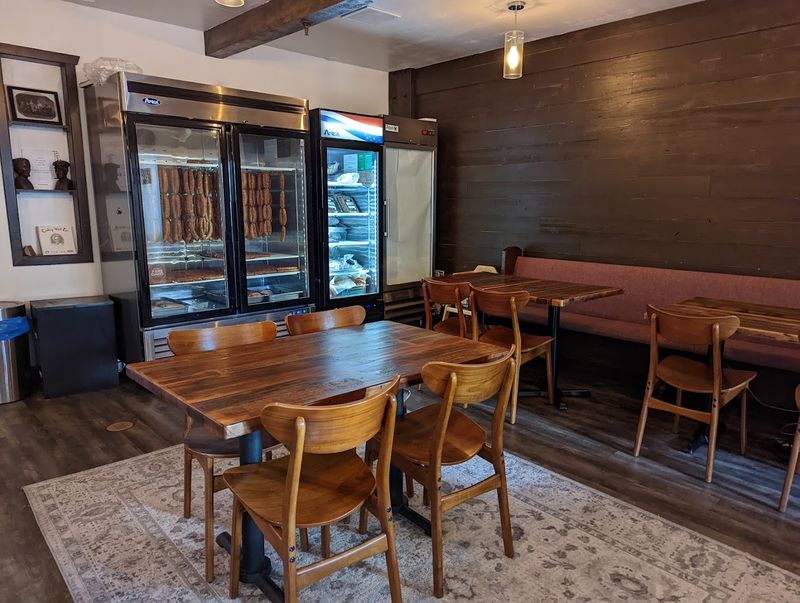
Retail cases allow the visit to continue long after lunch ends. Ansots sells house-made chorizos for customers to prepare at home, including traditional, roasted-garlic Motzak, and Txistorra varieties.
Basque-style bacon, marinated solomo, and other specialty products may also be available depending on current production.
Taking home more than one chorizo makes it possible to repeat the tasting comparison later, especially when each variety is cooked separately before being served together.
The family’s products have also moved beyond the café through catering and local restaurant use, giving Ansots a wider place in Boise’s dining community. Home preparation does not need to become complicated.
Bread, peppers, onions, or eggs can give the sausage enough support without covering the seasoning that made it memorable in the first place.
Staff members can provide current storage and cooking guidance when customers are unsure how to handle a particular product.
Ansots operates at 560 West Main Street in Boise, with official hours currently listed from 10 a.m. to 3 p.m. Tuesday through Saturday.
Calling ahead remains useful when a specific retail item is the main reason for visiting because small-batch availability can change.
Taste The Difference In House-Made Basque Bacon
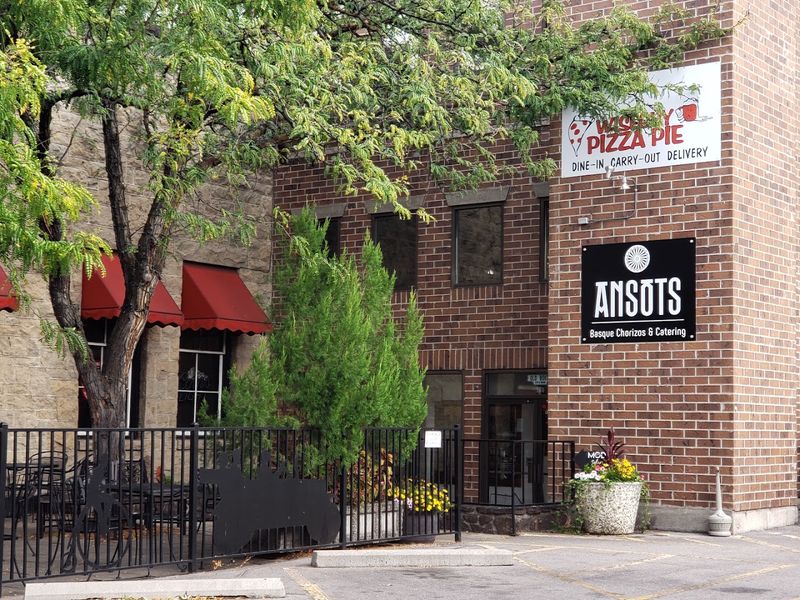
Urdaixa, the café’s Basque-style bacon, brings another part of Ansots’ meat-making work into focus. Its role extends beyond the thin, highly crisp strips commonly associated with a standard breakfast plate.
Cut, seasoning, preparation, and intended use give it a character that fits more closely with the family’s broader Basque cooking traditions.
Ansots prepares the bacon alongside its chorizos and marinated solomo, keeping each product tied to the same small-batch approach.
Solomo begins with pork loin and offers a leaner texture, giving customers another way to compare how seasoning and preparation can reshape the same basic ingredient.
Trying chorizo, bacon, and solomo together makes the café’s purpose clearer.
Ansots is not relying on one successful sausage while treating everything else as an afterthought. The family is maintaining several connected preparations that reflect different uses for pork within its cooking traditions.
Retail availability lets diners continue that comparison at home, while menu appearances can vary with production.
Time and close attention go into these products before they ever reach a plate, and tasting them separately makes that work easier to recognize.
Let A Tiny Café Outshine Bigger Boise Dining Rooms
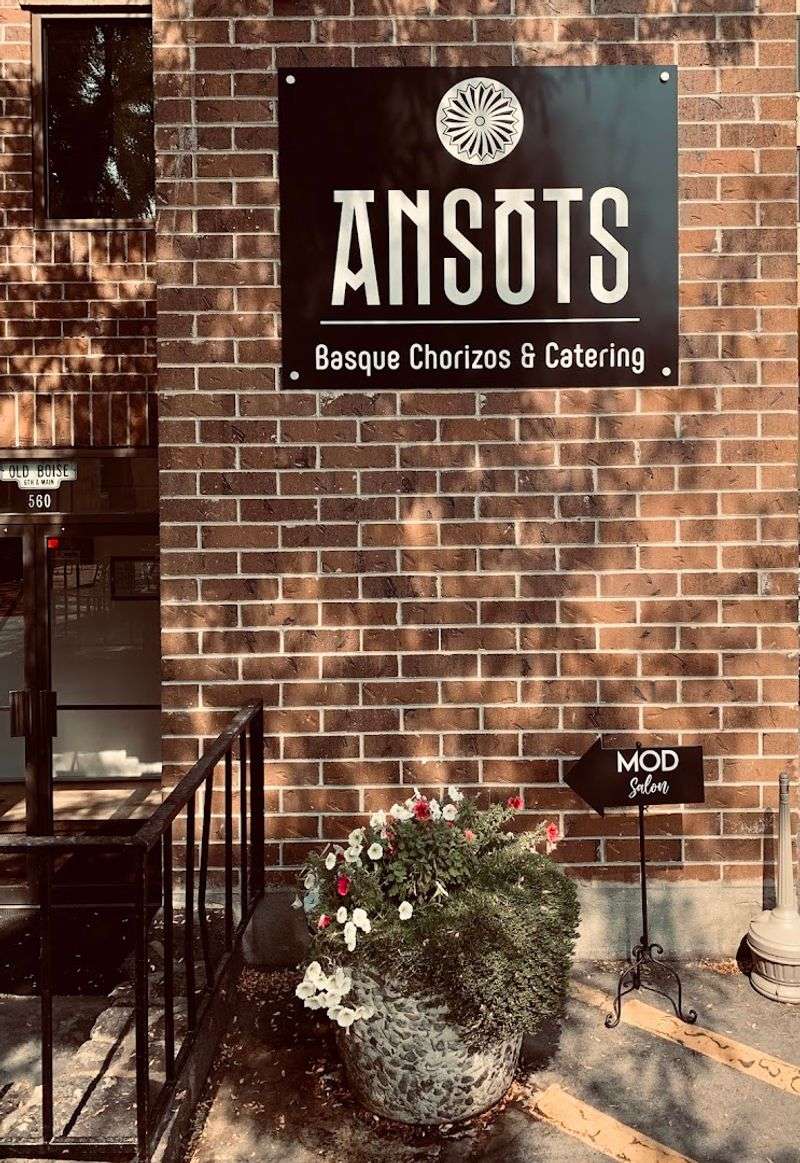
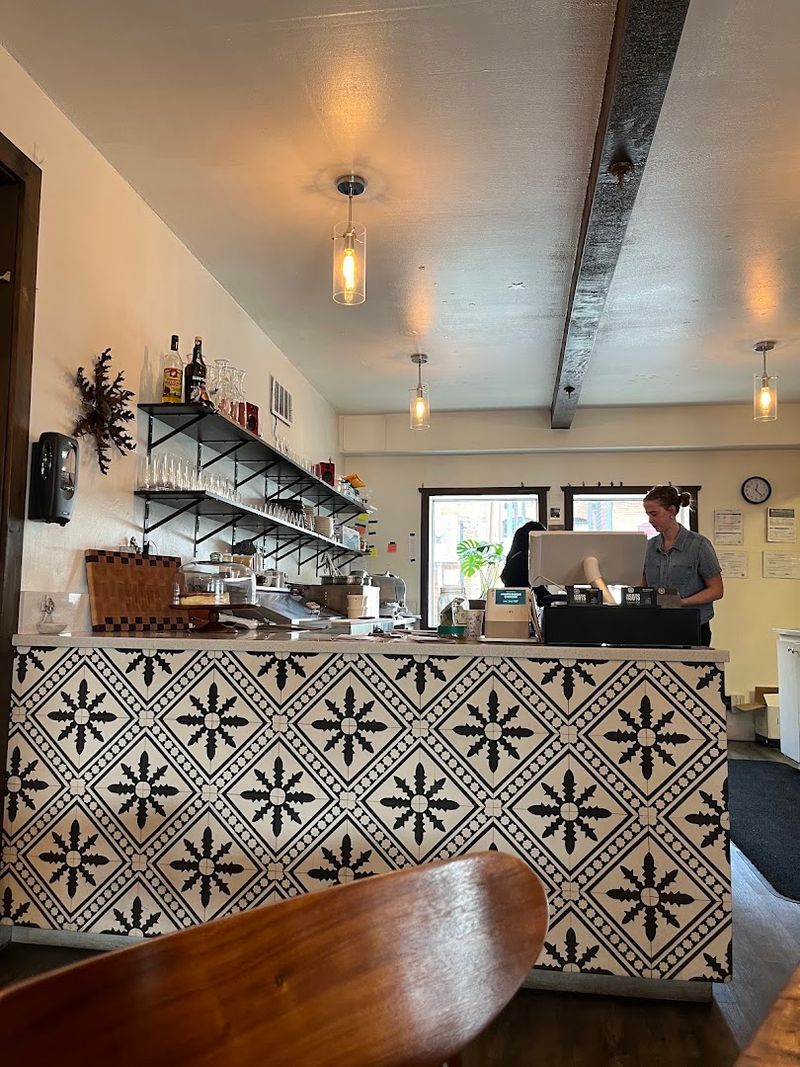
Size matters less when every part of a restaurant has a clear purpose. Ansots keeps lunch focused through a concise menu, a bright dining room, family photographs, retail products, and service that encourages guests to ask about unfamiliar dishes.
Small plates and sandwiches allow diners to build a meal around their appetite instead of committing to a formal progression of courses.
Catering carries the family’s cooking into private events, while an evening banquet area can accommodate gatherings of up to 50 people when reserved in advance.
Those additional operations give the business a larger reach than its daytime café setting initially suggests. National recognition for hospitality feels especially fitting because the award concerns how diners are treated rather than the scale or expense of the room.
Ansots became one of only five 2026 James Beard nominees in the Outstanding Hospitality category, joining restaurants from Atlanta, Birmingham, Missouri, and Los Angeles. Guests still encounter a relaxed Boise lunch spot rather than a dining room redesigned around awards attention.
Warmth, consistency, and a strong sense of identity do the heavy lifting, proving that a modest café can leave a deeper impression than a much larger operation.
Understand Why National Food Writers Finally Noticed
National attention arrived because several strengths had already been working together for years. Ansots first appeared among the 2026 James Beard Award semifinalists for Outstanding Hospitality before advancing to the final group of five nominees.
Food & Wine followed with a May 2026 feature centered on Dan Ansotegui, the café’s house-made chorizo, and his work preserving Basque food traditions in Idaho. The recognition reflects more than technical sausage making.
Dan, Tamara, and Ellie have created a place where inherited recipes, regional ingredients, baking, catering, retail production, and personal service support one another.
Dan’s earlier work at Bar Gernika, The Basque Market, and other Boise food businesses had already made him an important figure in the city’s Basque dining community.
Ansots gave those decades of experience a family-run home of their own.
National coverage may introduce the café to travelers who had never heard its name, but the foundation was built through long community involvement rather than a sudden viral moment.
Hospitality here feels natural because feeding people has remained central to the family’s story across several generations, kitchens, and Boise restaurants.