This Tiny Mountain Town Ranks Among The Poorest Places In Georgia
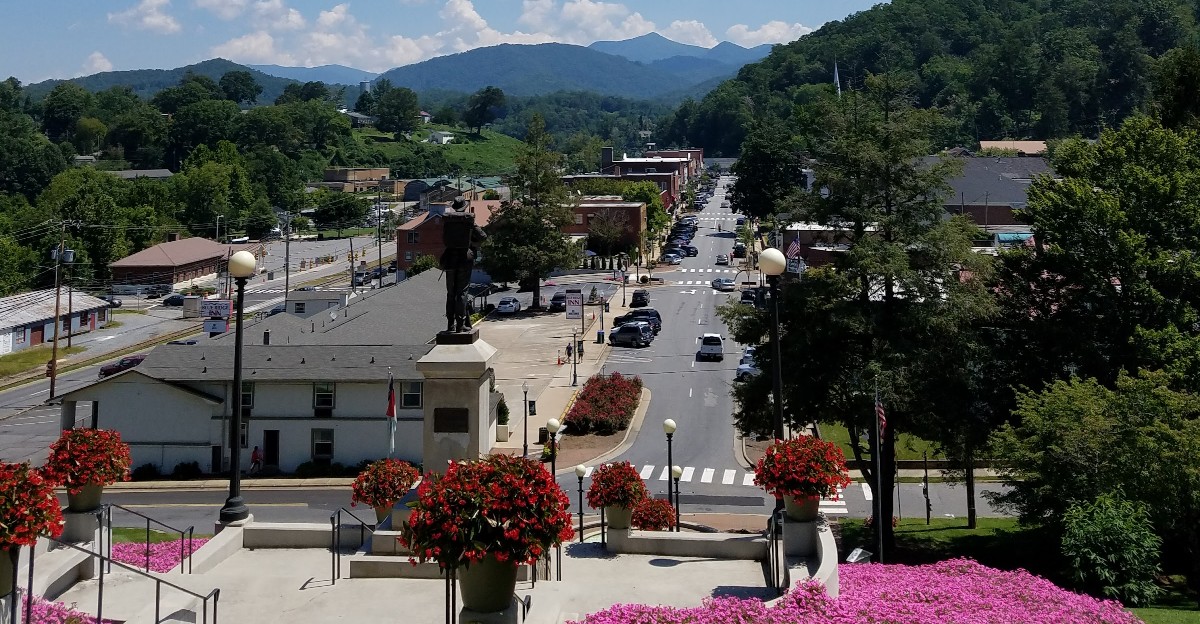
Rankings love a simple answer. By income alone, this tiny mountain town lands near the bottom of the list in Georgia.
Spend a little time here, though, and the math starts to feel incomplete. Cool air rolls off the ridges.
Creeks cut through thick green forest. Old homes and weathered storefronts carry stories that stretch back generations.
Life moves slowly, and neighbors still wave from their porches. Money may be tight for many families, yet the land offers a kind of wealth no report can measure.
I am fascinated by places where the statistics and the scenery seem to disagree. This town is one of them.
It calls for curiosity, respect, and a slower look. Behind the headlines stands a community with deep roots and quiet pride.
Few corners of Georgia tell a more layered story.
A Poverty Number That Raises Eyebrows
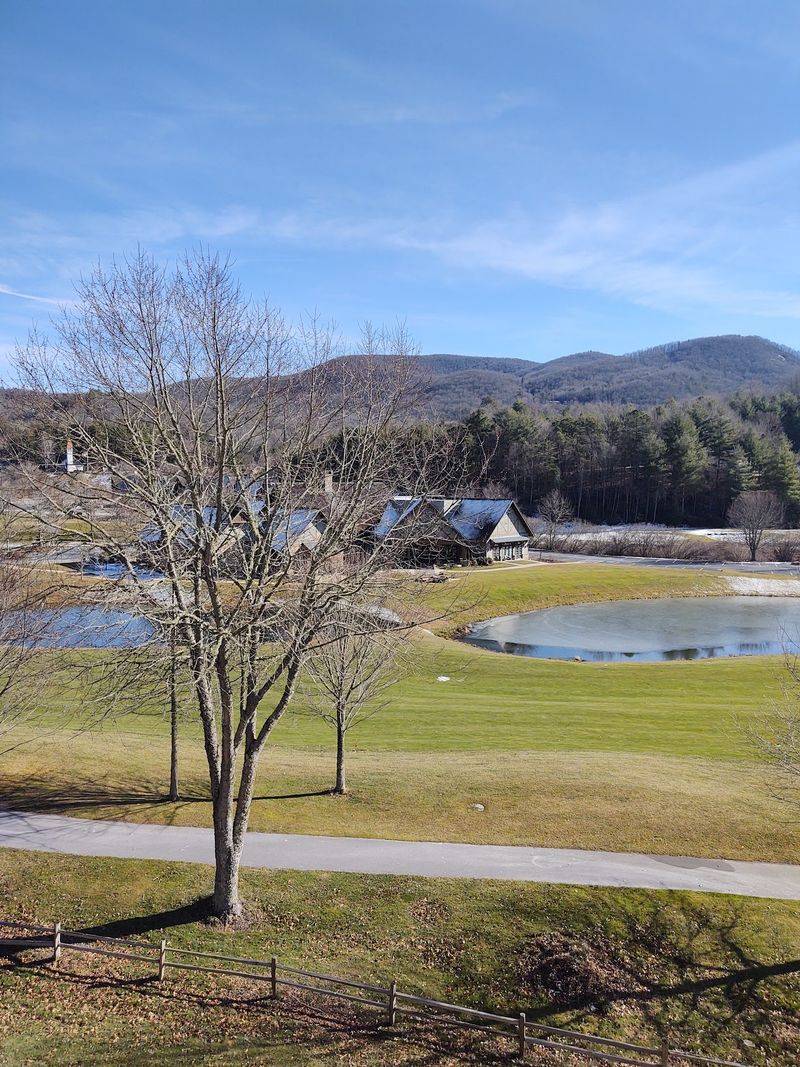
Statistics can be sneaky little things. A poverty rate of 30.3 percent in 2024 sounds shocking for a scenic mountain community.
That figure is more than double the rates for Rabun County, Georgia, and the whole country. When I first read it, I did a double take and reread the page.
Here is the twist that makes it confusing. The average household income sat near $75,995 in 2024, which sounds pretty comfortable.
So how can both facts be true at once? Averages can hide big gaps between neighbors living on the same road.
Only 8.7 percent of families live in poverty, which is much lower. The gap shows that poverty rates can vary significantly between families and other types of households.
Renters tell another part of the story. Their median household income was just $13,842 in 2022, a tiny amount for mountain living.
Small towns also have small sample sizes. With only a few hundred people, a handful of households can swing the percentage a lot.
My advice is simple. Read local data with curiosity, not judgment, because real people live behind every number in Sky Valley, Georgia.
Retirees Rule The Ridge
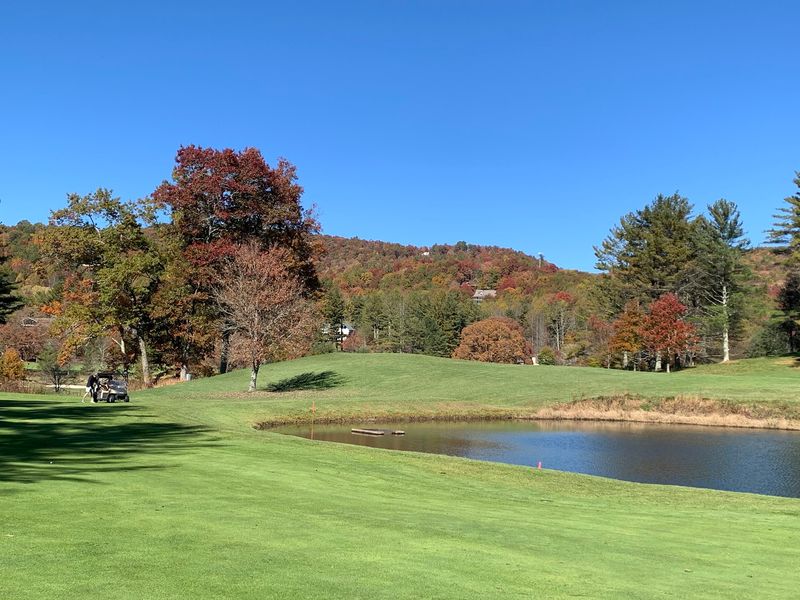
Forget the stereotype of a crowded college town. Here the median age is 65.3 years, one of the oldest you will find anywhere.
That single number explains a lot about local money matters. Retirees often live on fixed incomes, and official income figures may not count savings or home value.
I noticed right away how calm the pace felt. Nobody seemed in a rush, and even the cars appeared to move politely.
Many residents own their homes. Owning a house outright can make life more stable, even when yearly income looks modest on paper.
The population is small but growing. It was 250 in 2000, 482 in 2020, and about 647 by 2024.
That growth suggests people keep discovering the area for their later years. Cool summers and peaceful streets are strong selling points after decades of work.
If you are planning retirement, think about what matters most. Low noise, fresh air, and nature nearby can be worth more than a big paycheck.
Just remember to plan for healthcare trips. Larger medical centers sit a drive away, so good planning keeps mountain life smooth and stress free.
Highest City In The Peach State
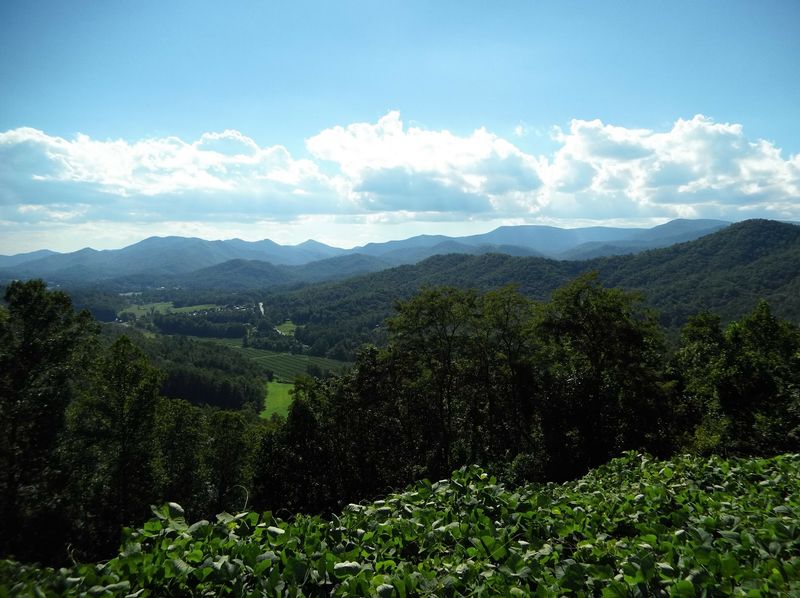
My ears popped on the drive up, and now I know why. Elevations here range from about 3,100 to over 4,200 feet above sea level.
That makes it Georgia’s highest incorporated city. It is also the northernmost city in the state, sitting close to the North Carolina line.
The valley rests on the northwest slopes of Rabun Bald. Picture a green bowl cradled by rolling mountain ridges on every side.
Being this high changes daily life in small ways. Water boils a bit faster, and the sun can feel stronger on clear days.
Roads twist and climb, so take them slowly. I learned to keep a light foot on the brake during steep curves.
Height also brings those famous long views. On clear mornings, the ridges fade into soft layers of blue that look painted.
Bring a light jacket, even in summer. Evenings cool off quickly once the sun drops behind the peaks.
The city was officially incorporated in March 1978. For a place with so few people, it certainly stands tall in the record books.
From Cattle Ranch To Resort Dream
Cows once had the best views in town. The area’s development began with the Square D Cattle Ranch, which investors started acquiring in the late 1960s.
In the late 1960s, investors bought the ranch with big plans. They wanted to turn quiet pastures into a mountain getaway.
Their dream became Sky Valley Resort in 1970. It quickly drew visitors who wanted something different from typical Southern vacations.
I love stories like this one. It shows how a simple piece of farmland can completely change its purpose over a few decades.
The resort shaped the community that grew around it. Roads, homes, and amenities followed as more people came and stayed.
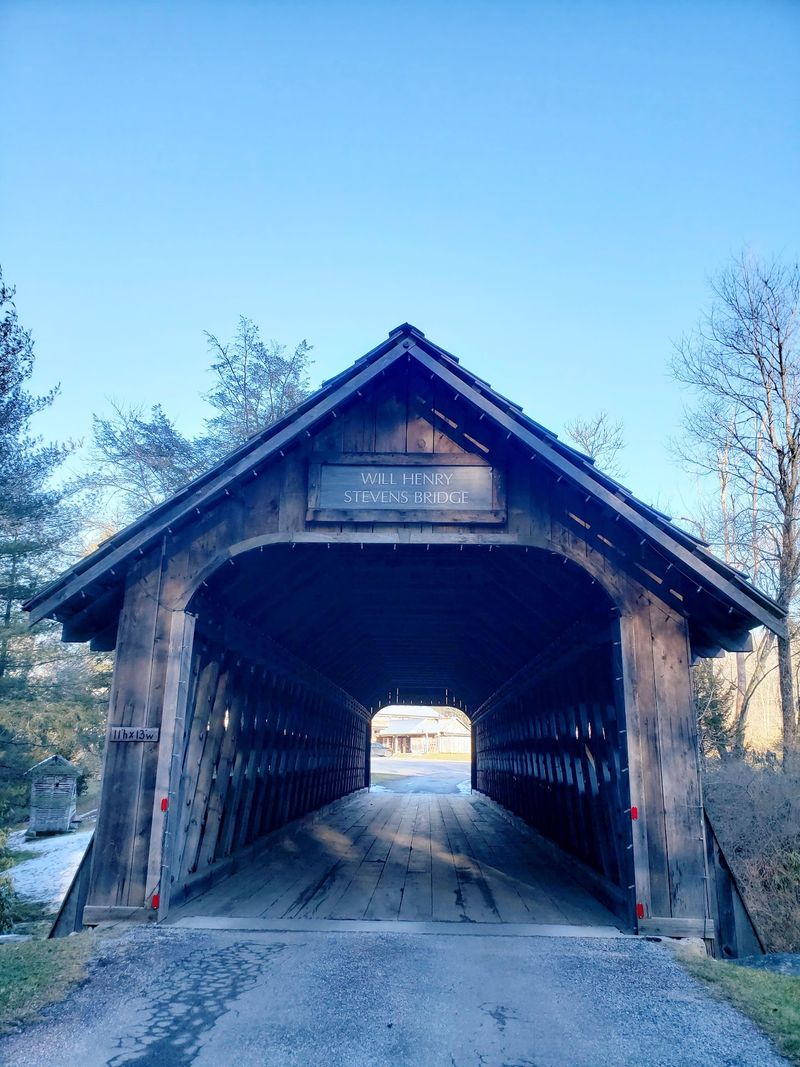
Later, a covered bridge was built around 1980 for an entrance that was never used. It still stands today like a charming little mystery.
History buffs should keep an eye out for it. It makes a fun photo stop and a great conversation starter on any drive.
Knowing this past helps explain the present. Resort towns often mix wealthy part-time owners with workers earning much less, which affects the statistics.
Georgia Once Had Its Own Ski Slopes
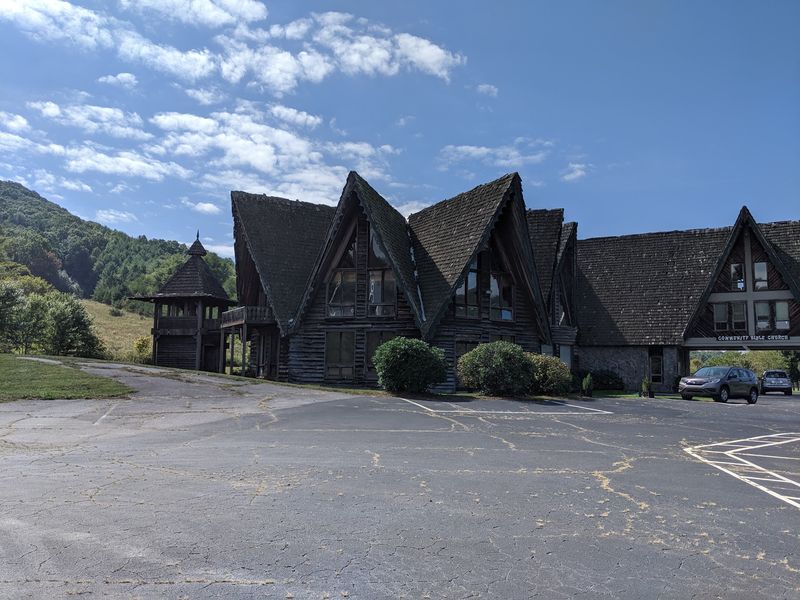
Skiing in Georgia sounds like a joke, but it really happened. The resort included the state’s only commercial ski area.
For 35 years, locals and visitors carved turns down these slopes. Imagine telling friends back then you were heading to Georgia for a ski trip.
Sadly for snow fans, the slopes permanently closed after 2004. Changing ownership and warmer winters made keeping them open too difficult.
When I heard this, I felt a pang of nostalgia for something I never saw. The idea still sparks smiles from anyone who hears it.
Losing a ski area can shake a small economy. Winter jobs and tourist spending often shrink when a main attraction disappears.
Snow lovers still have options nearby. Scaly Mountain offers snow tubing, which is honestly easier on the knees than skiing.
Tubing works great for families with young kids. There is no lesson needed, just a good grip and a loud laugh.
Check conditions before you go. Southern snow can be unpredictable, so calling ahead saves time and disappointment.
Golf Took Over The Spotlight
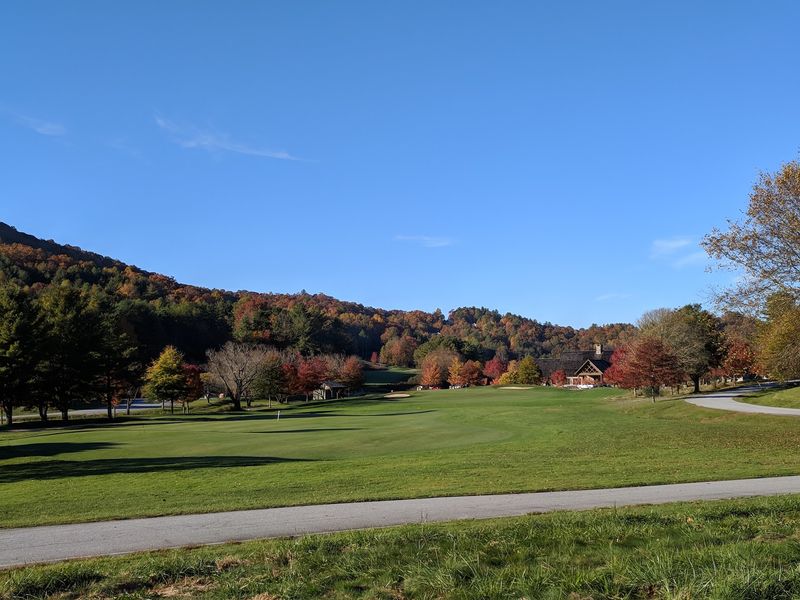
When one door closes, a fairway opens. After the ski slopes shut down, the community pivoted to golf and mountain leisure.
The heart of that shift is the country club. It features an 18-hole championship course redesigned in 2007 by Bill Bergin.
Best of all, the course is open to the public year-round. You do not need a fancy membership to tee off here.
I am not a great golfer, but mountain views made my bad shots feel less painful. At least my lost balls landed somewhere beautiful.
The club offers more than golf. Championship croquet, tennis, and swimming add variety for guests who prefer other games.
You will find the area’s timeshares linked to 501 Sky Valley Way #71, Sky Valley, GA 30537. That address is handy for planning a stay.
Tip for golfers: bring extra balls. Hilly lies and sloped greens can surprise players used to flat courses.
Morning tee times are especially pleasant. Cool air and quiet surroundings make the round feel relaxed and refreshing.
Summer Weather That Feels Like Magic
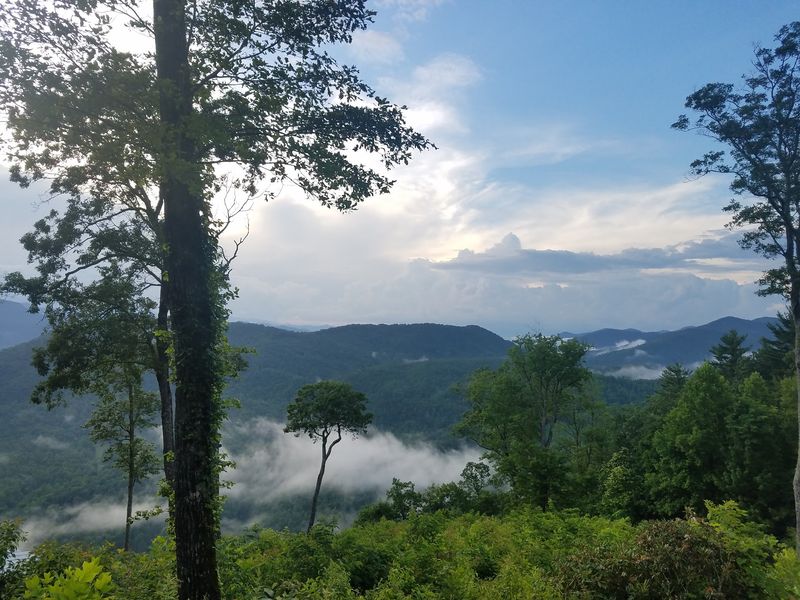
Georgia in July usually feels like a warm, damp towel. Up here, summer averages hover around 69 degrees Fahrenheit.
No wonder the area calls itself Georgia’s Highest and Coolest City. The nickname is not just clever marketing, it is backed by the thermometer.
Experts describe the climate as subtropical highland. That type of weather is rare in the southeastern United States.
I left the lowlands sweating and arrived needing a sweatshirt. It felt like driving into a different season within a couple of hours.
This cool weather draws seasonal visitors every year. Many part-time residents escape the heat, which also affects how local income gets counted.
Pack layers no matter the month. Mornings can be crisp, afternoons pleasant, and nights surprisingly chilly.
Fog sometimes drifts through the valley at sunrise. It creates a dreamy scene, so keep your camera ready.
Drivers should use headlights in foggy spots. Safe travel makes enjoying the cool mountain mood even easier.
Waterfalls And Peaks Next Door
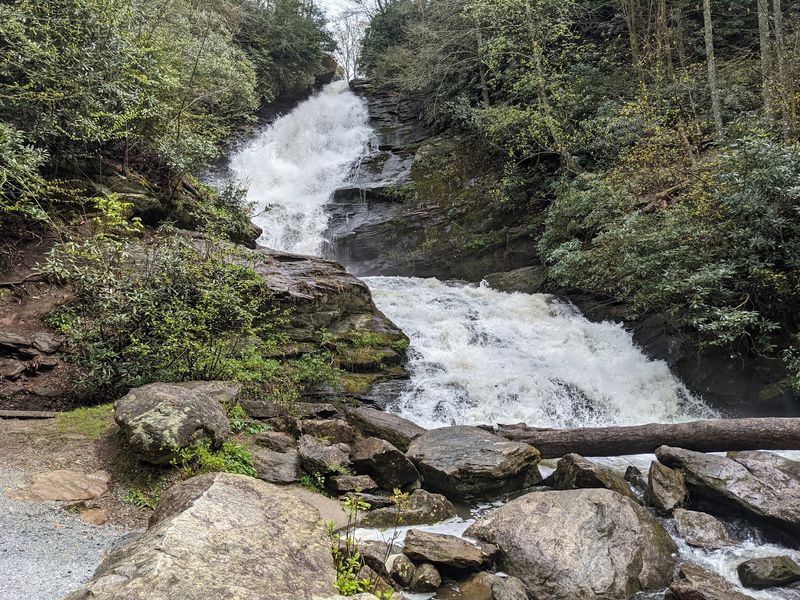
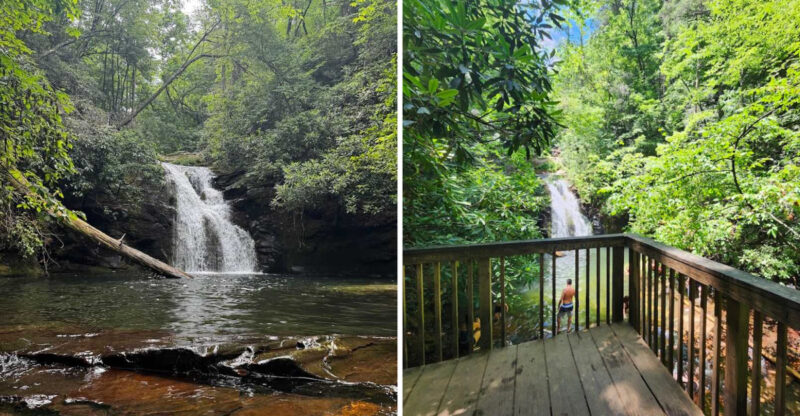
Nature does not charge admission here. Rabun County proudly holds the title of the Waterfall Capital of Georgia.
Mud Creek Falls is a favorite and easy to reach. It features a 100-foot drop that sounds as lovely as it looks.
I stood there longer than planned, just listening. Falling water is better background music than any playlist.
For bigger views, head toward Rabun Bald. At 4,696 feet, it is Georgia’s second-highest peak.
An observation tower sits on top. From there, you get sweeping 360-degree views across the mountains.
The hike takes effort, so bring water and good shoes. Steady steps matter more than speed on rocky trails.
Nearby, Tallulah Gorge State Park is often called the Niagara of the South. Black Rock Mountain State Park is also within a short drive.
These free and low-cost outings matter for residents too. Beautiful scenery does not require a large budget to enjoy.
Jobs, Growth, And A Hopeful Future
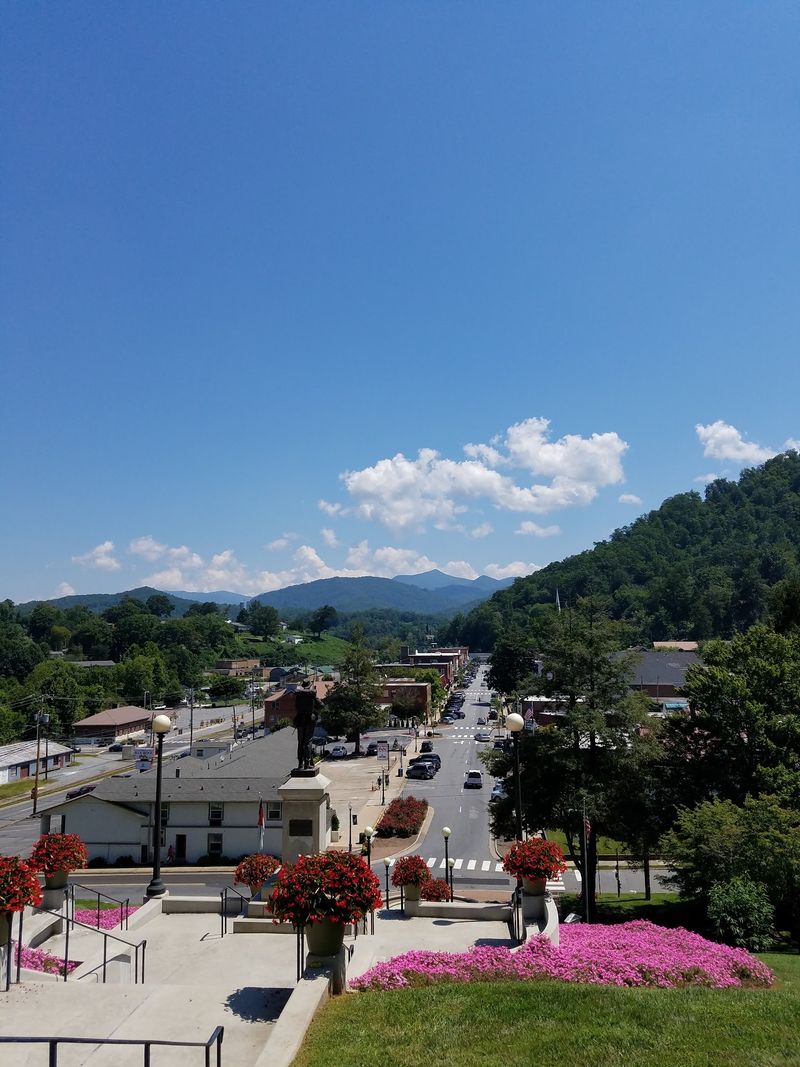
Good news loves to hide behind scary headlines. Employment here grew by 15.3 percent from 2023 to 2024.
The most common jobs include food preparation and serving, sales, and management. Those roles fit naturally in a place built around visitors.
Major sectors include accommodation and food services, retail trade, and professional services. Tourism clearly keeps the local engine running.
Service jobs can pay less than office careers. That helps explain why some workers and renters show up in poverty numbers.
Visitors can support the area in simple ways. Eating at local restaurants and shopping in small stores keeps money close to home.
I always try to buy one local item on a trip. A jar of honey or a small craft makes a sweet souvenir.
Gem mining and ziplining nearby also bring in guests. Kids love sifting for shiny stones, and adults secretly enjoy it too.
Historic Downtown Clayton and the Dillard House are close by as well. Together, these attractions give the region real reasons for hope.