This Tiny Nebraska Town Is Becoming The Kind Of Vacation Escape Travelers Dream About
A small town gets interesting when one quick stop somehow turns into an entire weekend plan.
In Nebraska, this crossroads community packs museums, parks, local shops, festivals, and an unexpected amount of personality into a manageable place.
The marble museum alone can spark curiosity. Then a living-history farm, downtown browsing, fishing spots, and seasonal events begin filling the rest of the day.
Quite a leap for a fuel stop!
The pace stays easy while giving visitors plenty to do, which is a surprisingly useful combination.
Give it more than the time between highway exits. There is enough here to turn “we might stop” into a very reasonable case for staying until tomorrow.
Crossroads Of The Midwest
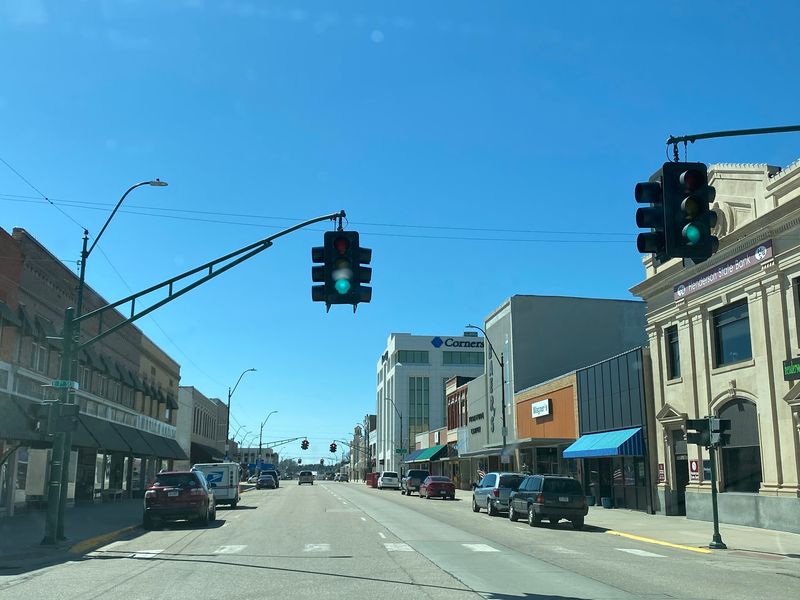
The nickname came first, and the geography backed it up. York proudly calls itself the Crossroads of the Midwest.
Interstate 80 runs east and west right past it. U.S. Highway 81 cuts north and south through the same spot.
That intersection made this city a natural meeting point long before travelers had GPS.
York has roughly 8,300 residents based on the latest Census estimate, giving it a small-city scale while still supporting restaurants, shops, museums, parks, and other visitor amenities.
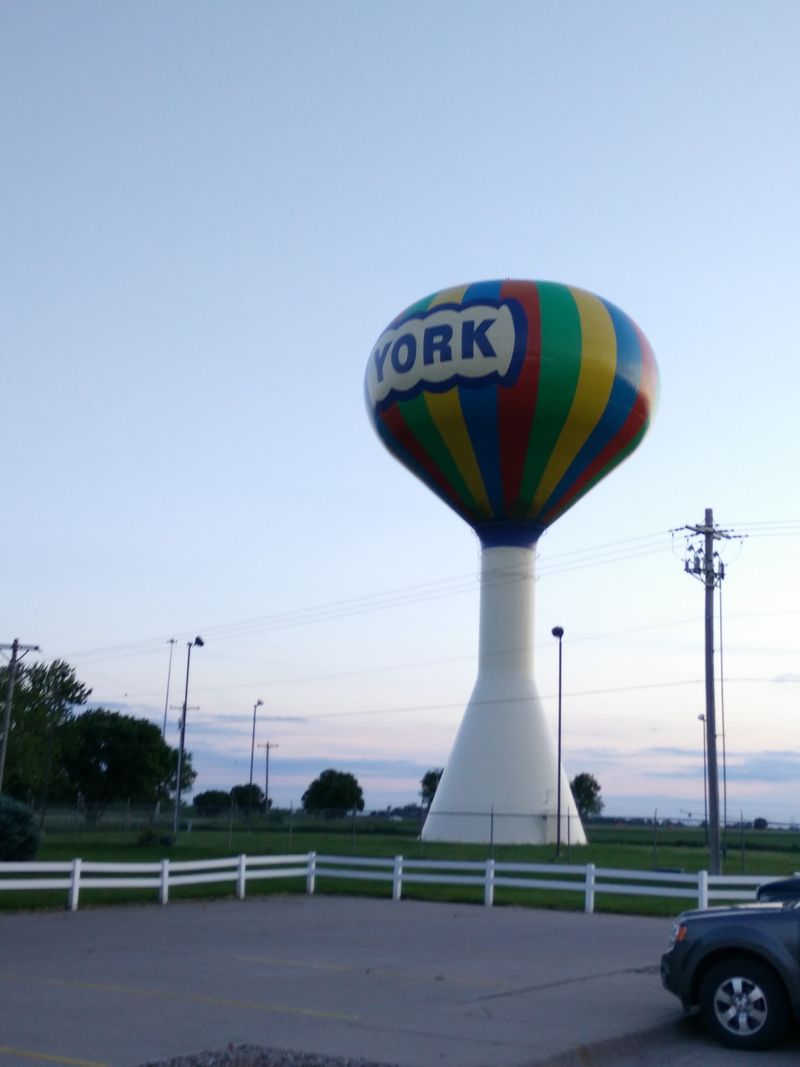
The water tower stole my attention immediately. Painted to look like a hot air balloon, it floats above the rooftops. Locals treat it as a symbol of rising above the ordinary, and honestly, it works.
Nebraska has plenty of highway towns. Few of them invite you to slow down like this one does.
I found the visitor information helpful for planning my route through town. Maps, event calendars, and friendly advice were all waiting.
Start your trip at the York County Visitors Bureau, 601 N Lincoln Ave.
Frontier Beginnings And Odd History
One of York’s stranger historical chapters involved a neighboring community actually called New York for four years.
In 1880, a disagreement over liquor policy led an area north of York to incorporate separately as New York. It became part of greater York in 1884.
The present York townsite was platted in 1869, with the community’s name tied historically to York in England and Pennsylvania.
Growth arrived quickly. The community incorporated in 1875 and organized formally as a city two years later.
Then the railroad changed everything. The Burlington and Missouri River line rolled through in 1877, opening markets and pulling in new residents.
Early industry followed the tracks. Foundries fired up, flour mills ground grain, and cigar makers set up shop.
Walking the older blocks, I could still read the story in the brickwork. Tall storefronts and carved details survive from those decades.
Old plat maps help visitors picture the original layout. Comparing them to today’s streets is oddly addictive.
Fields, Aquifer, And Livelihood
Farming is not background scenery here. It is the engine.
Corn, milo, and soybeans dominate the fields surrounding town. Hogs and cattle add another layer to the local economy.
Underneath all of it sits something remarkable. The Ogallala aquifer stores an enormous supply of groundwater beneath this region.
Groundwater irrigation helps farmers manage periods of limited rainfall, though harvests still depend on weather, soil conditions, crop choices, and other factors.
That reliability built a stable agribusiness base for York County. Grain handling, equipment dealers, and processing all grew from it.
I drove a few county roads at sunset just to watch the pivots spin. Water arced over green rows while the sky turned orange.
The culture reflects the work. Conversations drift toward weather, planting dates, and market conditions.
Visitors interested in local agriculture can explore Wessels Living History Farm, which combines a working-farm setting with hands-on interpretation of Nebraska agricultural history.
Respect for this heritage runs deep, yet nobody is stuck in the past. New technology shows up in these fields constantly. Agriculture gives this corner of Nebraska its rhythm and its horizon.
A Million Marbles And More
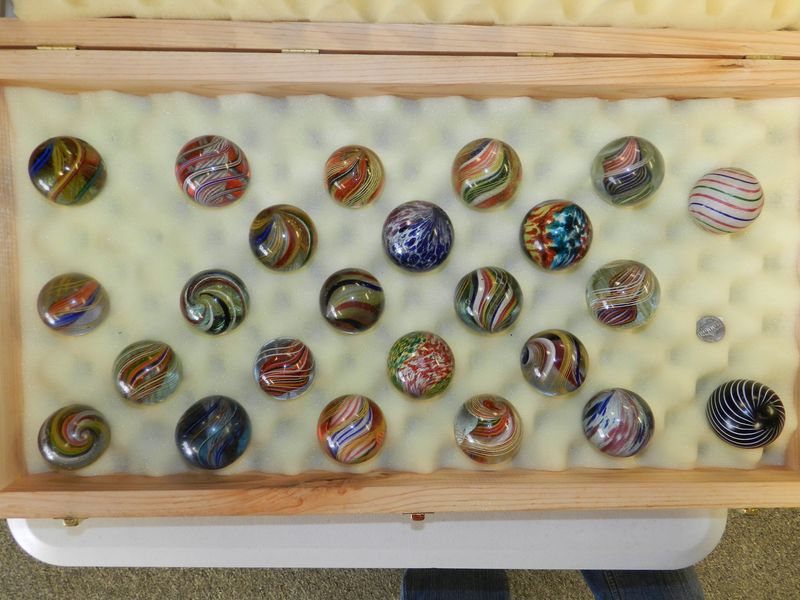
Over one million glass marbles live in one building in this town. That number is not a typo.
Lee’s Legendary Marble Museum is the kind of place you tell friends about for years. Cases glow with swirls, cat’s eyes, and rare handmade spheres.
Nostalgia hits hard in there. I had not thought about marbles since childhood recess.
The museum lineup does not stop with glass. Wessels Living History Farm focuses especially on Nebraska farm life of the early 20th century, including a period farmhouse, barn, school, church, machinery, animals, and working-farm activities.
Hands-on activities and demonstrations let visitors explore older farming methods, with special events adding activities such as blacksmithing, planting, harvesting, and other historic farm work.
The Anna Bemis Palmer Museum preserves and interprets York and York County history through changing exhibitions and objects from its historical collections.
Families with young kids should head to the York Area Children’s Museum. Hands-on exhibits keep small visitors busy and happy.
York University hosts the Clayton Museum of Ancient History. Artifacts there reach far beyond the prairie.
Five museums in a town this size feels almost unfair. I budgeted one afternoon and needed two.
Curiosity gets rewarded generously in this small Nebraska city.
Trails, Water, And Wings
Spring migration can bring large numbers of ducks and geese to Kirkpatrick Basin North Wildlife Management Area southwest of York.
Birdwatchers set up early and stay late. The noise and motion are genuinely thrilling.
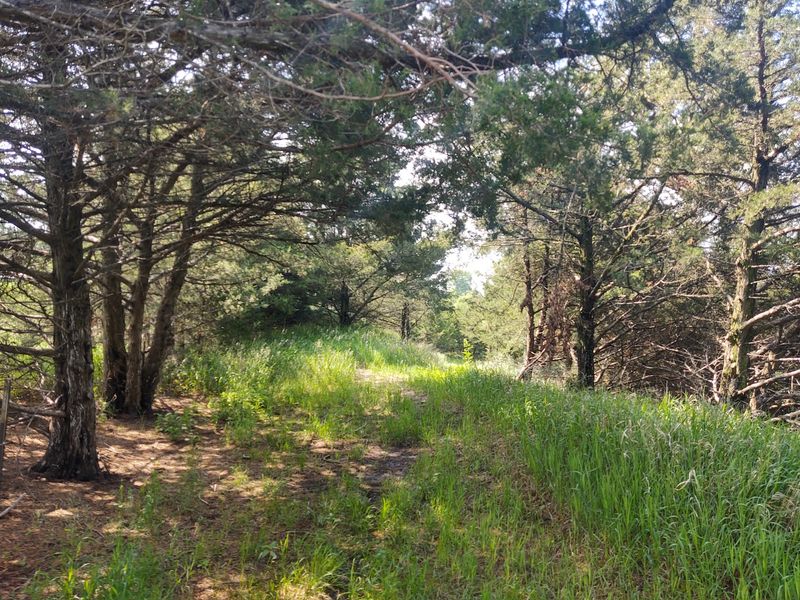
Green space is not in short supply around here. Beaver Creek Park serves up hiking and biking trails through quiet terrain.
Recharge Lake handles the water crowd. Fishing and non-motorized boating make for slow, satisfying afternoons.
Foster Park Arboretum, Miller Park, and Harrison Park round out the in-town options. Each one suits a stroll or a picnic blanket.
Overland Trail Recreation Area offers fishing, boating, walking and equestrian trails, wildlife viewing, and picnic opportunities, but it is day-use only and camping is prohibited.
Mincks Park adds another in-town option with a one-mile walking and biking trail, the Peyton Parker Lane Playground, and convenient access to the Family Aquatic Center.
Additional outdoor time can be spent along York’s Beaver Creek trail system or around Bruce L. Anderson Recreation Area, where trails, fishing, boating, camping, and wildlife viewing are available.
Splash Pads To Fairways
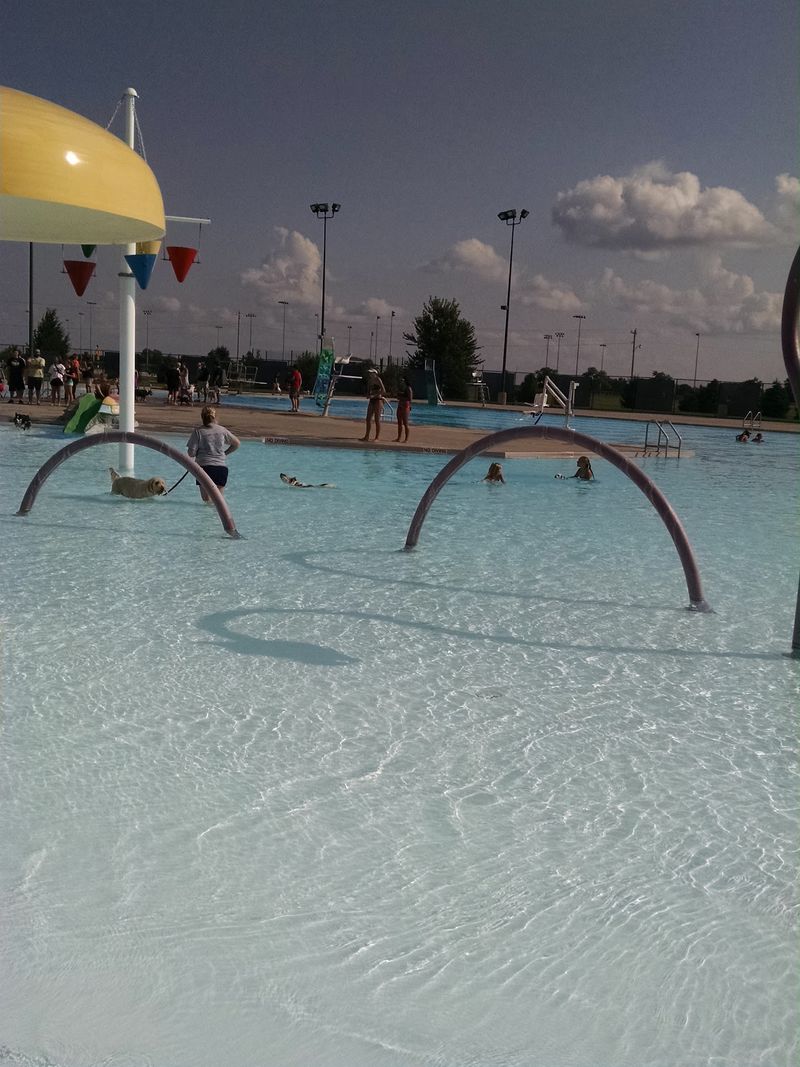
Nothing tests a town’s family credentials faster than a hot July afternoon. This one passes easily.
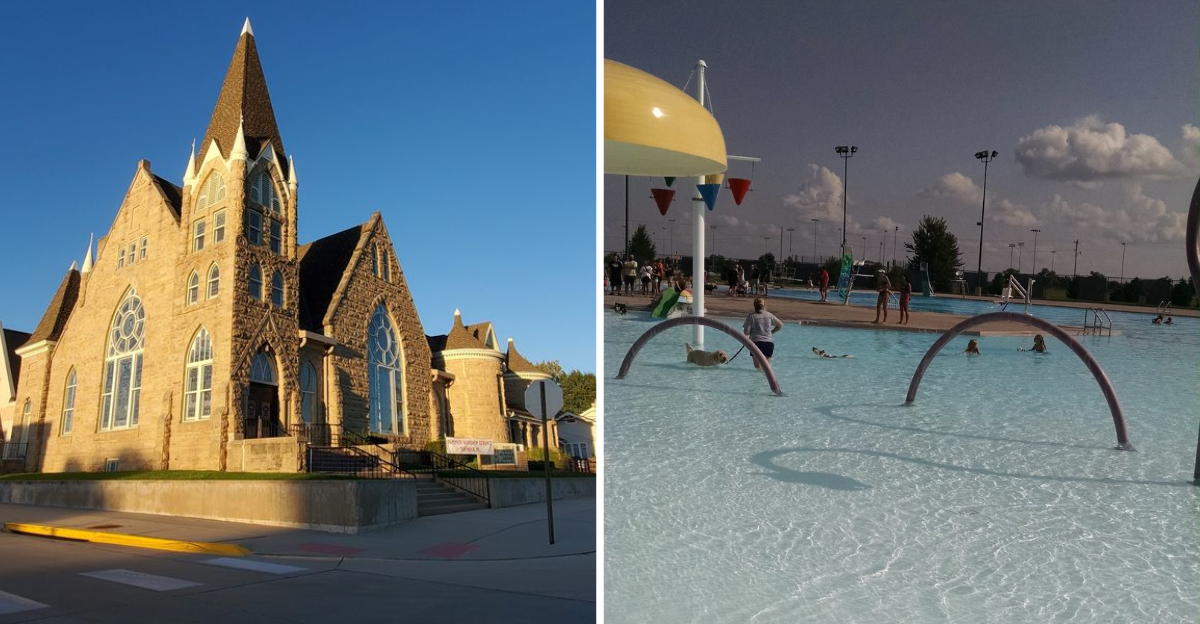
The Family Aquatic Center brings waterslides plus a lap pool for serious swimmers. The facility combines active swimming areas with features designed for a wide range of ages.
Cold weather has an answer too. The community center offers an indoor pool and a workout room.
Golfers get spoiled here. Three county courses are available, including the York Country Club’s 18-hole championship layout.
Levitt Stadium hosts events through the year. A dedicated ballpark complex keeps local teams playing all season.
Roller skating still thrives at the York skating rink. Retro fun, zero irony required.
York’s city recreation system includes tennis courts, athletic fields, trails, pools, playgrounds, and other public facilities spread across several parks.
The Peyton Parker Lane Playground deserves special mention. Designed as a universally accessible space, it was created to welcome children with a wide range of abilities.
Seeing that playground told me plenty about local priorities. Communities build what they value.
Mincks Park and the Family Aquatic Center sit together, while York’s broader recreation system puts parks, athletic facilities, and trails within a relatively compact city.
Stages, Galleries, Local Talent
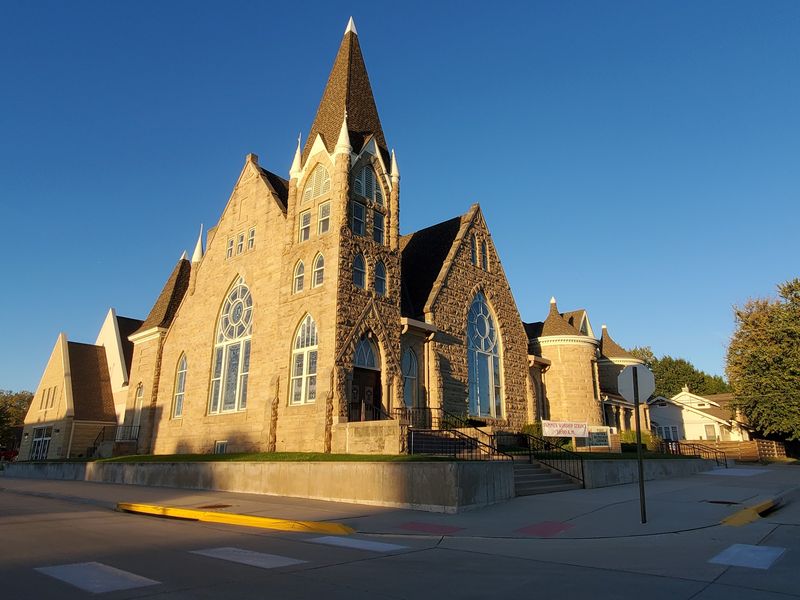
York’s performing-arts scene includes the longtime Yorkshire Playhouse and the historic Sun Theatre, whose current building opened in 1929.
The Yorkshire Playhouse remains an active community theater with a full schedule of live productions throughout 2026.
Live performance stays busy across town. Yorkshire Playhouse gives local actors a stage for plays and musicals.
The Playhouse continues to stage comedies, mysteries, family productions, and other live shows with community performers.
Downtown adds another venue with the Sun Theater. Evening entertainment is genuinely easy to find.
Visual art gets attention too. Genie Fae Creative Connections operates as a downtown art gallery and creative workshop for artists, craftspeople, and makers.
The space combines displayed artwork with hands-on creative projects and workshops, adding another arts stop to downtown York.
What makes this scene work is participation. Residents volunteer, audition, build sets, and buy tickets.
That support keeps a steady stream of creative projects moving forward. Nothing feels forced or imported.
Culture in Nebraska does not require a big city address. It just needs people willing to show up, and they clearly do here.
Festivals, Pastries, Downtown Finds
Yorkfest returns September 10 through 13 in 2026, spreading activities across downtown and other community locations.
The 2026 schedule includes a downtown vendor market, parade, live entertainment, family activities, contests, and other community events.
August belongs to the York County Fair. Livestock, crafts, and homegrown talent all get their moment.
Smaller gatherings pop up throughout the year. Checking the local calendar before booking is smart planning.
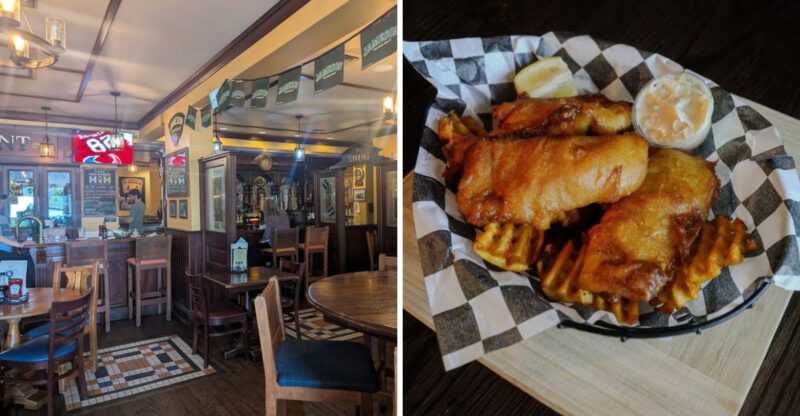
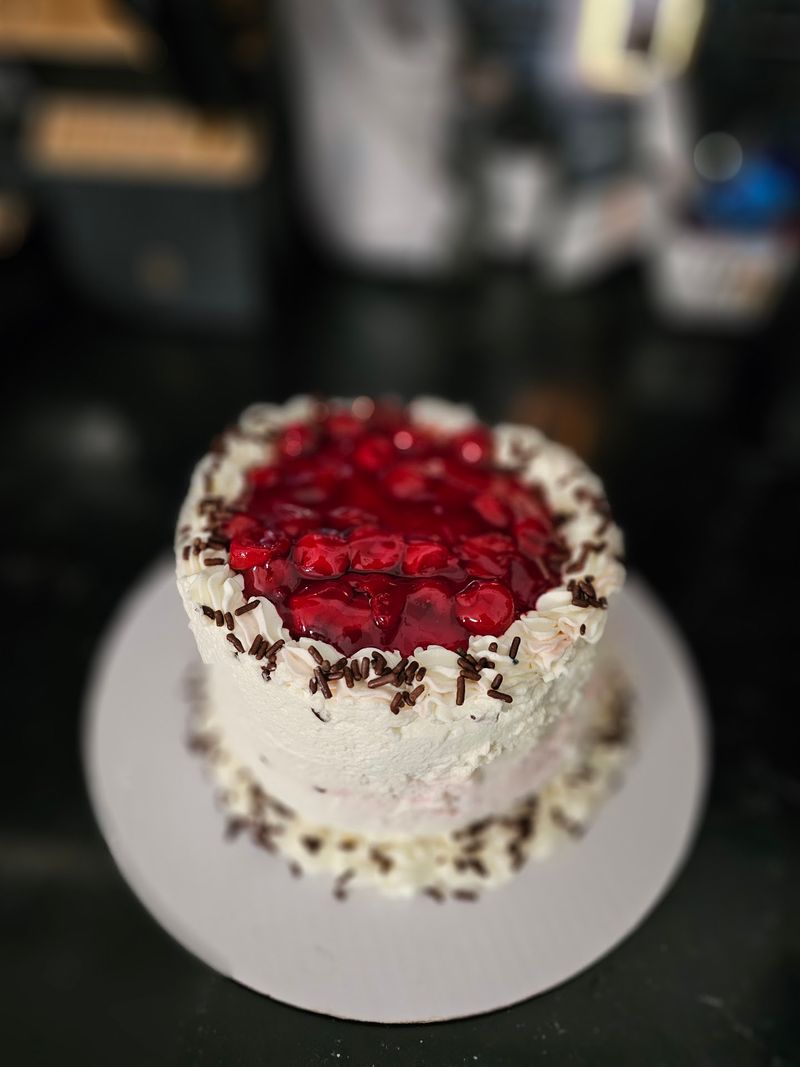
Hunger is handled well here. Chances R Restaurant is a nationally recognized longtime York restaurant whose current menu still highlights homemade pastries and desserts.
Their menu goes deeper than dessert. Pan-fried chicken, char-grilled steaks, and tender prime rib all show up.
McLean Beef operates a retail store and café tied directly to its family farm, with home-raised beef used throughout its current café and retail operation.
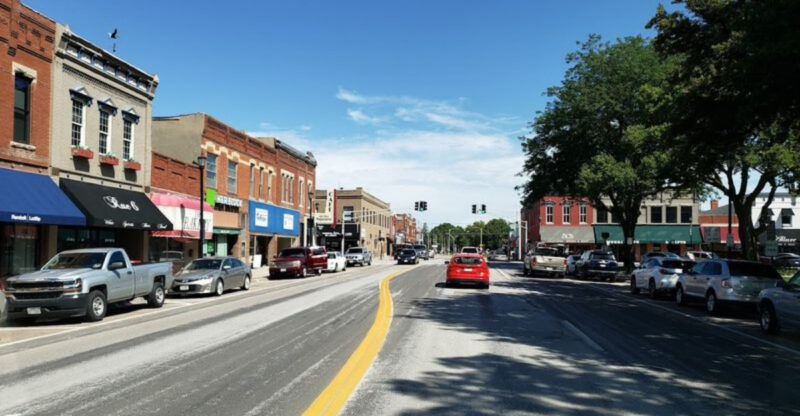
Shopping deserves an hour or three. Kirtsey’s Clothing and Gift Boutique stocks stylish pieces you will not see everywhere.
Ginny’s Hallmark covers cards and keepsakes. Peterson’s Petal Company handles flowers and specialty gifts.
Additional downtown retailers and specialty shops give visitors more browsing options between York’s museums, restaurants, and cultural stops.