This Tiny North Carolina Village Has Survived For Decades, But Its Future Remains Uncertain
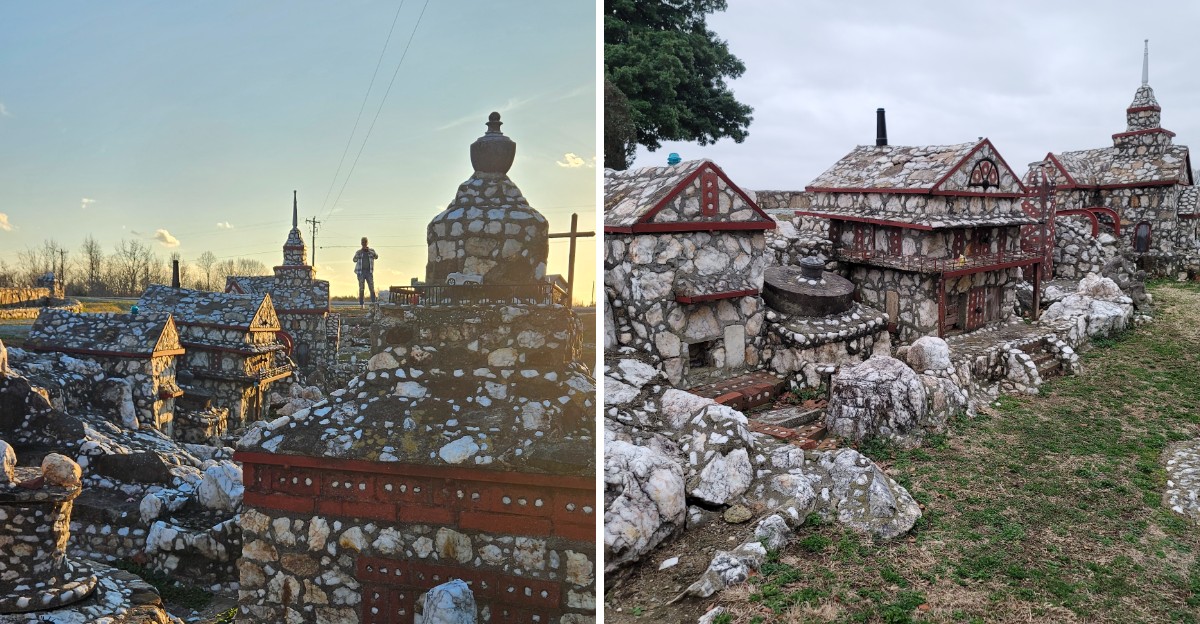
A miniature stone town built by one retired farmer is exactly the kind of roadside oddity that makes me pull over.
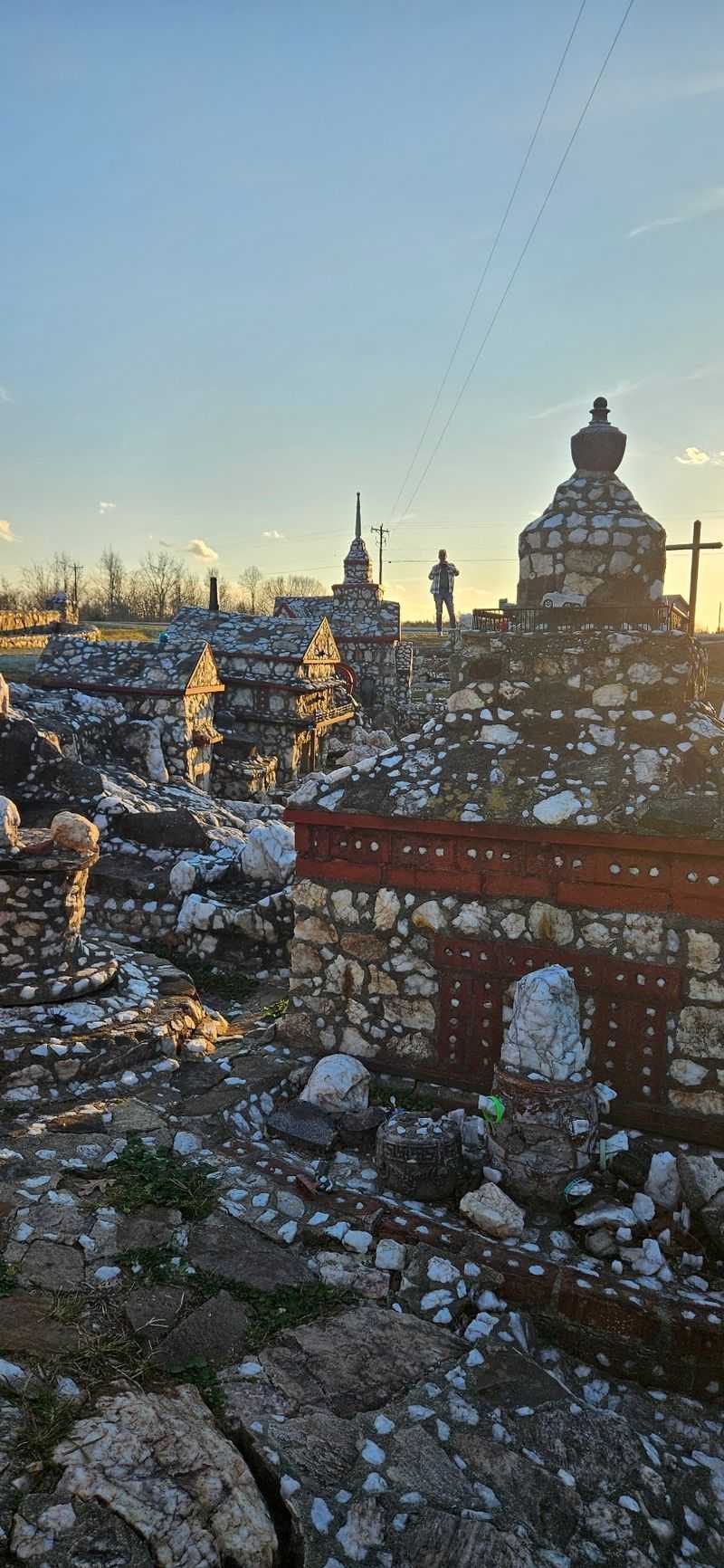
He spent years shaping rock from his own North Carolina land into tiny buildings that barely rise above eye level.
The scale is what gets me.
Everything feels like a real town that somehow shrank overnight, right down to the little streets and public buildings.
Thousands of arrowheads even became part of the walkway beneath visitors’ feet.
I’m charmed by what happened after the construction stopped.
Families kept coming, and children began leaving tiny toys behind as if the village needed new residents.
Admission is still free, although the site remains on private family property.
Knowing the stonework cannot last forever makes me want to see this peculiar little town while it is still standing.
A Retired Farmer Started Building A Whole Town In His Seventies
Most folks slow down after retirement. Henry L. Warren picked up stones instead.
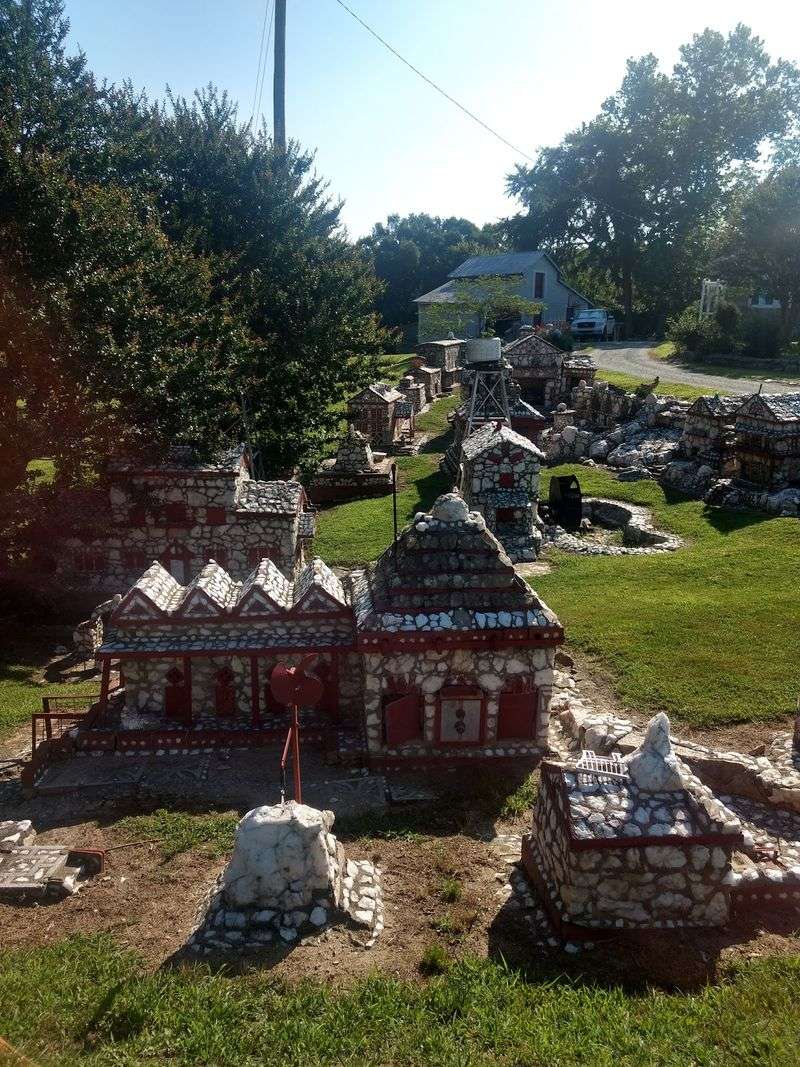
Warren started Shangri-La Stone Village in 1968, when he was already in his seventies. The retired farmer spent the next nine years turning his roadside property into a miniature stone town.
He’d spent years as a farmer in Prospect Hill, North Carolina. Then he decided his yard needed a whole town.
He didn’t buy fancy supplies. Warren blasted and gathered rock from his own land, then mixed it with quartz, concrete, and brick.
Every piece came from close to home, which makes the village feel rooted to the spot.
He kept at it for about nine years. Warren was battling cancer during much of that time, yet he kept working.
He passed in 1977 at age 84. That timeline is what grabs me most. He began a huge creative project at an age when many people stop starting things.
The result still stands by the road decades later.
So the next time someone says it’s too late to try something new, point them here. A retired farmer built a stone town in his seventies.
That’s a pretty strong argument for picking up a hobby.
Twenty-Seven Buildings, And Every One Has A Job
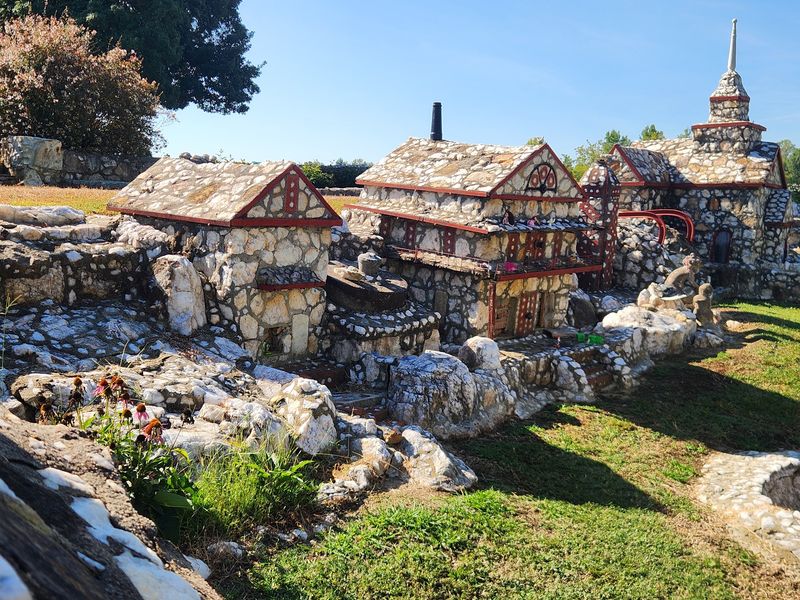
Count them up and you’ll find 27 little buildings. Warren didn’t just stack cute cottages, either.
He built a working community in miniature.
The lineup includes a school, a church, a theater, and a hospital. There’s also a mill, a gym, a bank, and a library.
A gas station, a hotel, and a water tower round things out nicely.
Oh, and there’s a prison. Even a tiny stone town needs law and order, apparently.
I like how complete it feels. Warren clearly thought about what a real town needs to function.
Walking the rows feels like scanning a map of small-town life from another era.
Try playing a quick game while you look around. See how many buildings you can name before reading any labels.
Kids usually love this, and grown-ups get surprisingly competitive.
Each structure has its own shape and stonework pattern. Some lean toward tall and narrow, while others sit low and wide.
Take your time moving from one to the next. The variety only shows up when you stop and actually study each little building.
Shangri-La Stone Village sits at 11535 NC-86, Prospect Hill, NC 27314. Look for the intersection of NC-86 and Henry Warren Road.
Yes, the road carries the builder’s name.
Look Down, Because The Walkway Hides Thousands Of Arrowheads
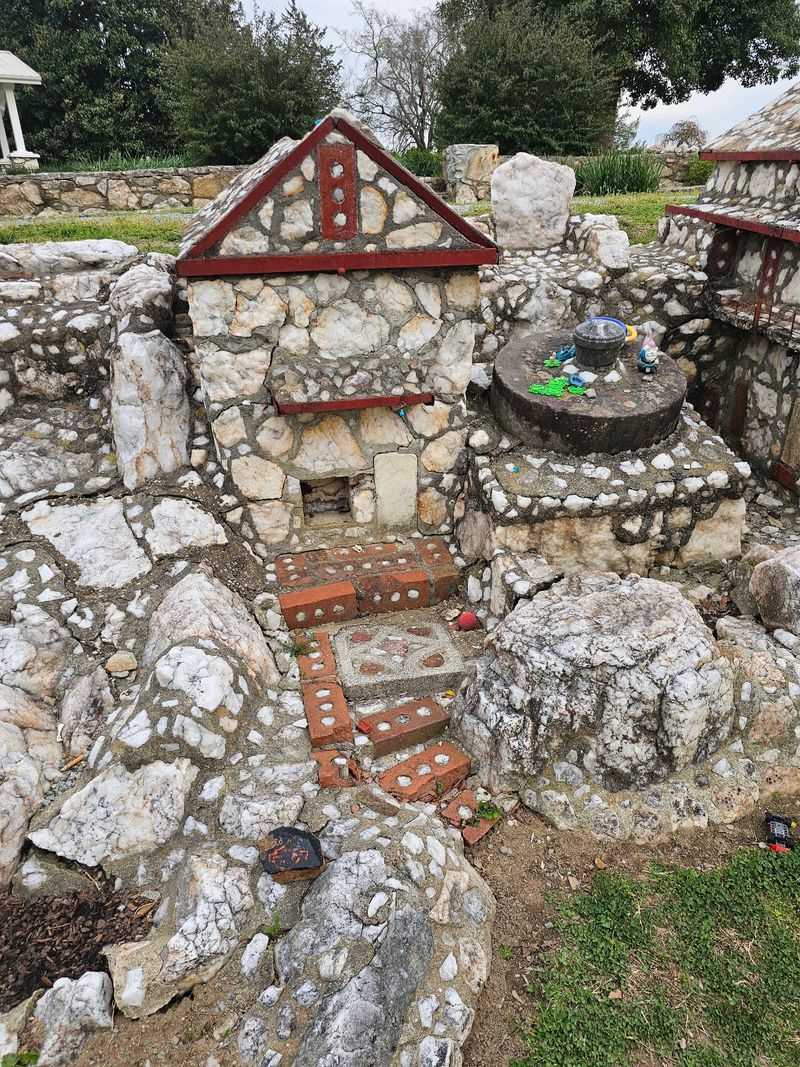
Thousands of arrowheads sit right under your feet. Warren collected them over his lifetime and pressed them into a stone walkway.
That detail alone makes this path different from any sidewalk you’ve crossed. Most people would keep a collection like that in a drawer or a glass case.
Warren decided it belonged in the village, where everyone could see it.
It’s easy to miss if you’re focused on the buildings. The little towers and rooftops naturally pull your eyes upward.
So slow down and glance at the ground now and then.
Here’s a friendly tip for families. Ask kids to spot as many arrowheads as they can along the path.
It turns a short stroll into a treasure hunt without anyone needing a phone.
Please admire them with your eyes only, though. These pieces are part of the artwork, and the village sits on private property.
Leaving everything exactly where it is helps the place last.
I think the walkway says a lot about Warren. He built with what he had and what he loved.
Both ended up in the same path.
A Little Plaque Shares The Builder’s Big Philosophy
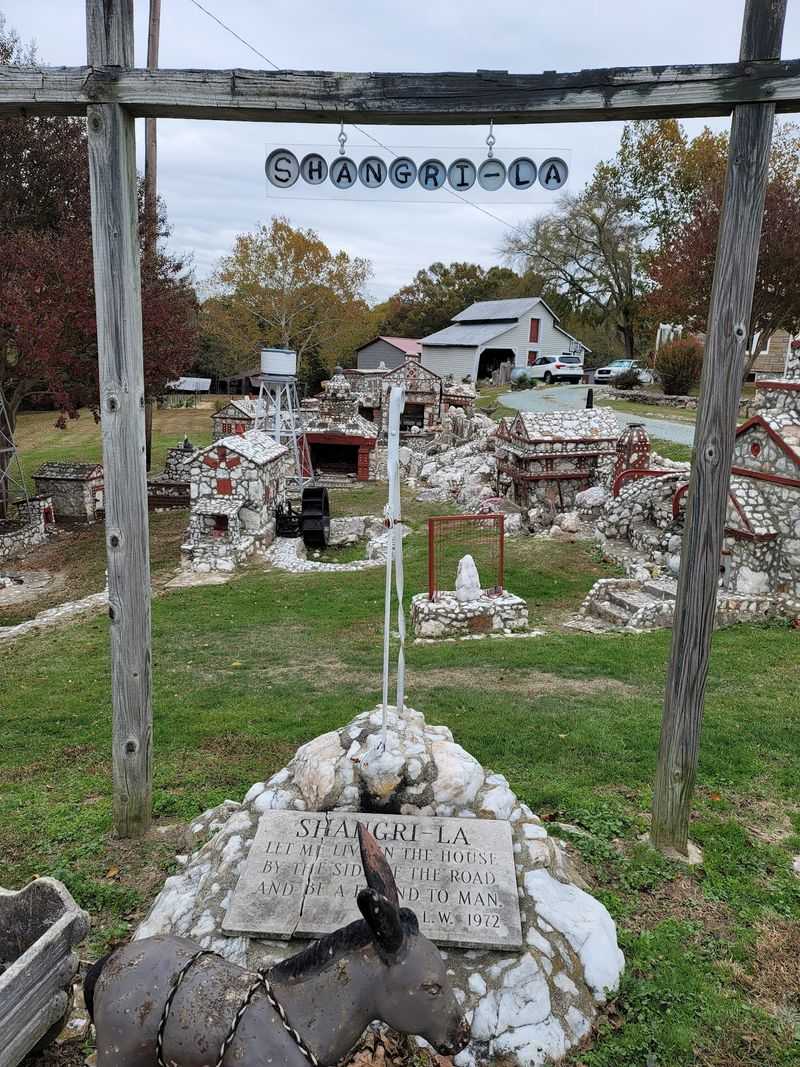
“Let me live in the house by the side of the road and be a friend to man.” Warren put those words on a plaque in 1972.
The line explains a lot about Shangri-La Stone Village. He didn’t build it behind a gate or charge admission.
He built it beside the road, where passing drivers could pull over and enjoy it.
Fifty-plus years later, that spirit still holds. The village remains free to visit, and there’s no ticket booth anywhere.
Friendly signs simply welcome you to look around.
I believe that’s the real heart of the place. The stonework is impressive, sure.
But the generosity behind it might be the most lasting thing Warren built.
Take a moment to find the plaque and read it slowly. It’s a nice pause before or after you wander the rows.
It also reminds you to act like a good guest.
Being a friend to man works both ways. Warren shared his village with strangers.
Visitors can return the favor by treating his family’s land with care.
Quirky Flea Market Finds Add A Dash Of Silliness
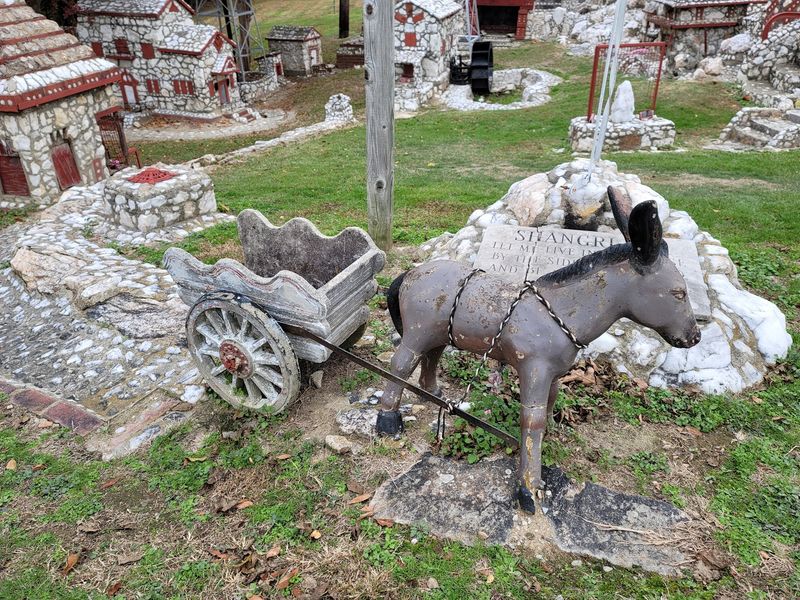
A headless duck. A metal donkey.
A black French bulldog figure. Warren clearly had a sense of humor.
He picked up odd items at local flea markets and worked them into the village. An old-timey kettle joined the mix too.
These surprises keep the stone town from feeling too serious.
Recycled pieces show up in clever spots across the buildings as well. Keep an eye out for blue glass insulators perched on some rooftops.
Sparkly quartz pieces also catch the light in different corners.
I like how these bits turn a walk into a scavenger hunt. You think you’ve seen everything, then a little donkey stares back at you.
It’s hard not to grin.
Photographers will find plenty here too. The mix of rough stone, shiny quartz, and rusty metal gives every shot texture.
Try getting low to the ground for an eye-level view of the tiny streets.
Small details reward patient visitors most. You can glance at the whole village in minutes.
Spending extra time, though, shows off the playful mind behind it.
Tiny Toys Have Become The Town’s Newest Residents
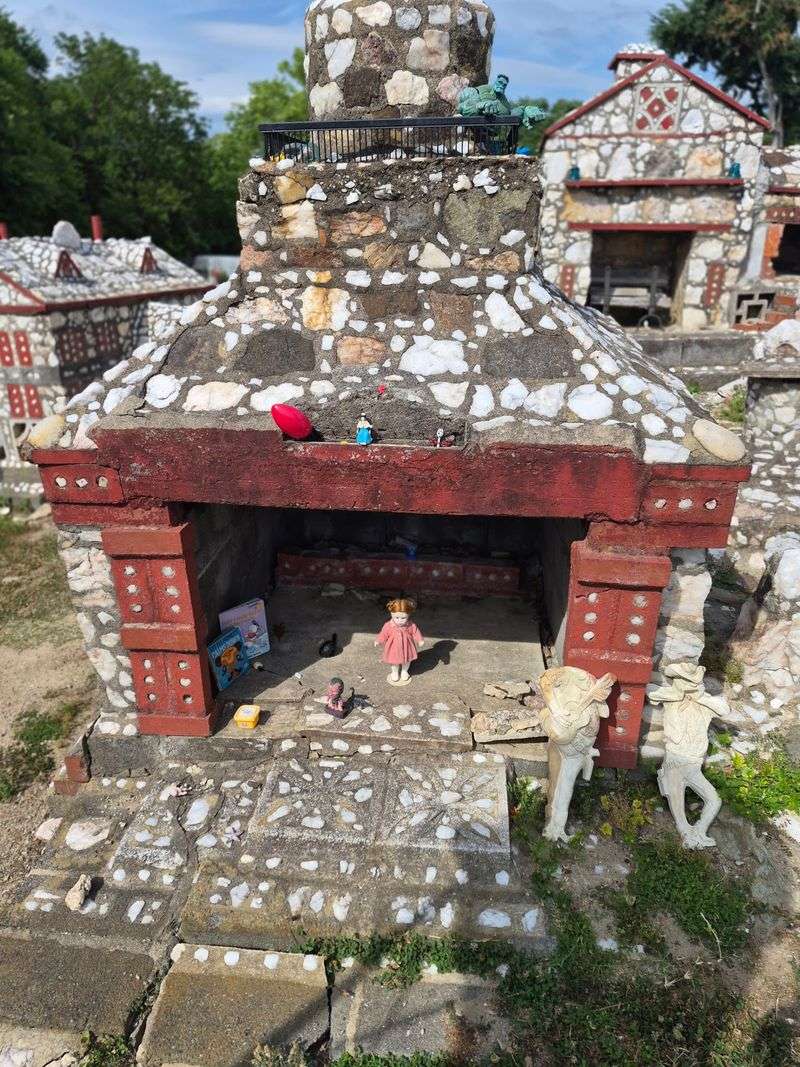
Every town needs people, and visitors have filled that gap. Small toys now sit in doorways, on ledges, and around the buildings.
Nobody planned this tradition. It grew as guests began leaving tiny trinkets behind.
Now little figures act like the village’s residents, adding color to the gray stone.
Some visitors bring painted rocks or other small keepsakes. Kids especially love choosing where their toy will “live.” It turns a quick stop into a memory they helped create.
There’s a guest book too. You can sign your name, add the date, and note where you traveled from.
Flipping through it shows how far people come to see this spot.
A quick word of care, though. Sun and weather bleach and warp plastic over time.
Keep any offering small and tidy, so the stonework stays the star. I think this tradition fits Warren’s plaque perfectly. He wanted to be a friend to passersby.
Now passersby leave little gifts in return, and the village keeps growing in its own sweet way.
The Hospital Became A Family Finish Line
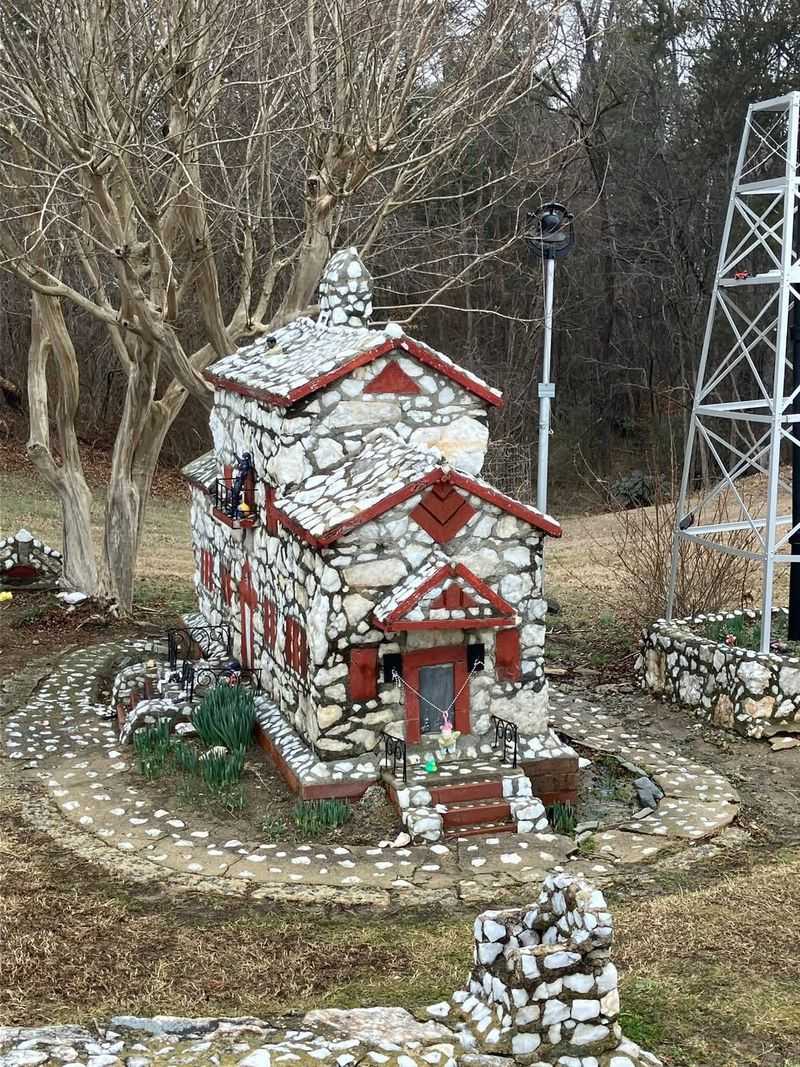
The miniature hospital was among Warren’s final projects in 1977. ABC11 later reported that his family helped finish the structure, continuing the work he had devoted nearly nine years to creating.
That makes the hospital the village’s final building. It’s also one of its most touching.
The structure carries Warren’s vision and his family’s love in the same walls.
Knowing this story changes how you see it. It isn’t just another tiny stone building in the row.
It’s the moment one builder’s work became a family effort.
The family still lives on the property today. Sometimes they even chat with visitors who stop by.
That’s a big reason respect matters so much here.
Remember, you’re on someone’s private land. Stay on paths, keep voices friendly, and watch little ones closely around the stonework.
The buildings are solid, so nobody can go inside them anyway.
I find it sweet that a family has kept the doors metaphorically open for decades. They didn’t have to.
Their choice is why travelers in North Carolina can still enjoy this village at all.
Plan Your Stop Before The Cell Signal Disappears
Finding the village is easy once you know where to look. Getting there with a weak phone signal can be another story.
The Prospect Hill volunteer fire department sits right next door. It makes a handy landmark when you’re scanning the roadside.
Just avoid blocking their garage doors if you park nearby.
Cell service can get spotty out in the country. Save your directions before leaving town.
Paper maps still work great, and they never need charging.
The village welcomes visitors year-round during daylight hours, and admission is free. Since the attraction stands on private family property, visitors should respect the grounds and avoid exploring after dark.
It’s a smart stop on a North Carolina road trip. Stretch your legs, snap a few photos, and enjoy a little calm.
Then hit the road feeling like you found something special.
Cracks In The Stone Raise A Big Question
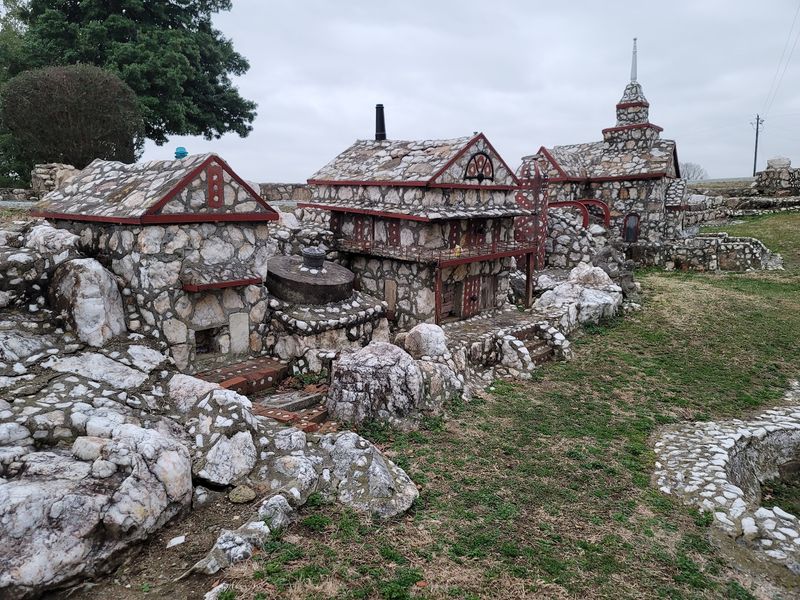
Stone feels permanent, but time has other ideas. The village now shows real signs of age.
Decades of exposure have left parts of the miniature village showing their age. Its delicate stonework and decorations face the challenges that come with maintaining an outdoor folk-art attraction.
Then there’s the bigger question. Shangri-La Stone Village sits on private family land, not in a public park.
Nobody can say for sure what would happen if the property ever changed hands.
That uncertainty is exactly why visiting now matters. Folk art like this rarely gets a second chance.
Once it’s gone, it’s gone.
The good news is that people still care deeply. The village appears on the NC Hidden Gems GeoTour, which keeps fresh eyes coming.
Some sources even call it one of North Carolina’s Seven Wonders.
You can help in simple ways. Treat the buildings gently, keep the area clean, and share the story with friends.
Attention and respect help places like this stay loved.
Warren built a town for strangers by the side of the road. Now those strangers get a turn to look after it.