This Tiny 26-Seat Virginia Restaurant Has Earned National Praise For Its Handmade Pasta
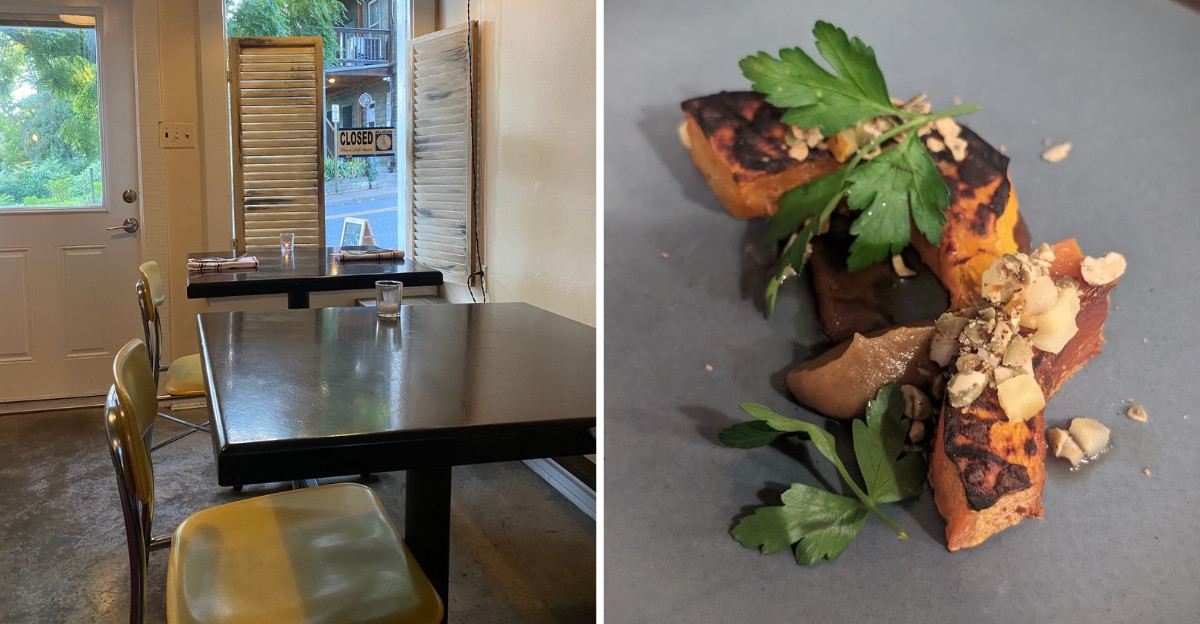
Twenty-six seats make this dining room unusually intimate, especially for a restaurant that has attracted national attention for more than a decade.
This tiny Virginia restaurant builds its changing menu around regional ingredients, handmade pasta, wood-fired pizza, and culinary ideas shaped by both its Appalachian roots and the restaurant’s evolving identity.
The dining room stays relaxed, which makes the ambition coming from the kitchen even more fun. Small room, big reputation!
Because the menu changes, returning diners rarely know exactly what will be waiting. That unpredictability keeps the experience fresh without making it feel fussy.
Tables may be limited, but the ideas are not.
Every plate has to earn attention, especially when a weekly changing menu gives the kitchen only a small number of dishes to work with at a time.
A Corner Spot Worth Finding
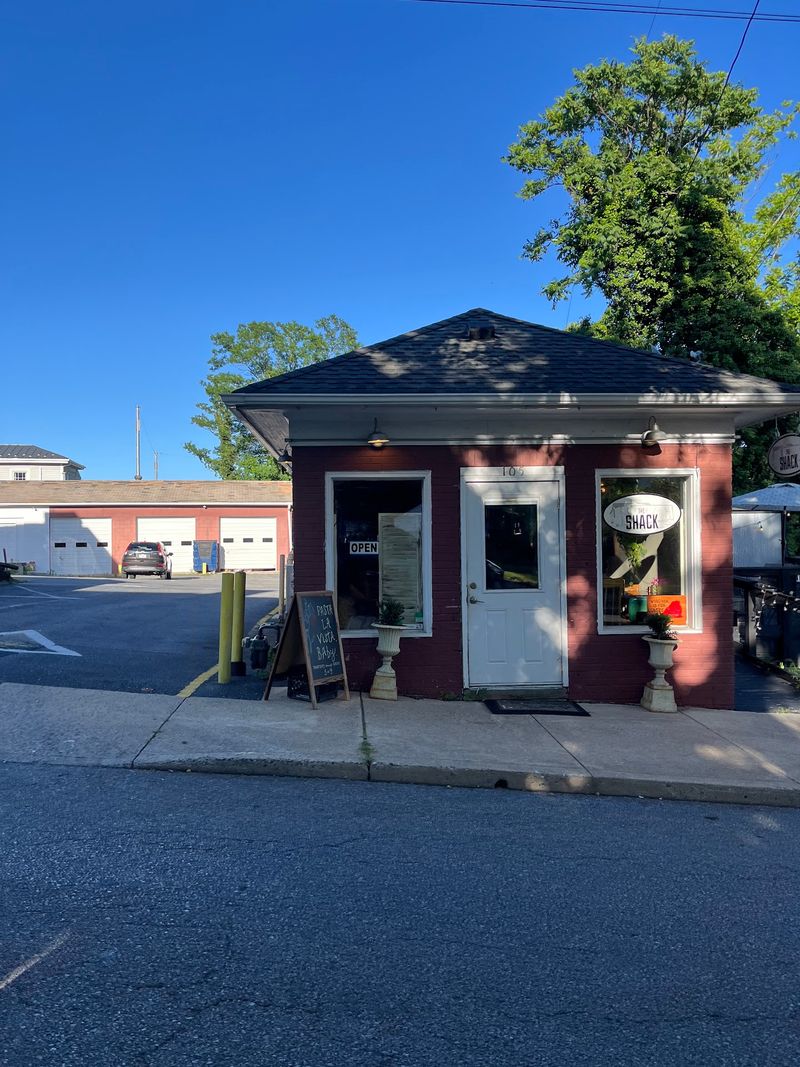
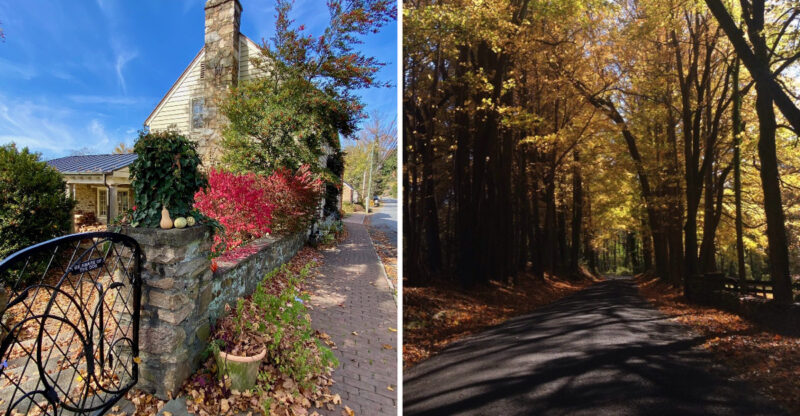
First impressions here are almost comically modest. The building looks like something you would rent to store a lawn mower.
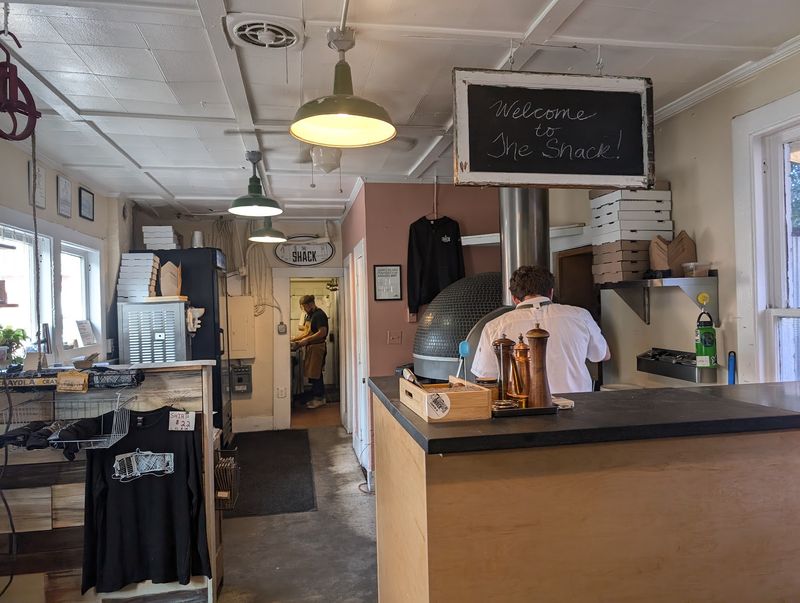
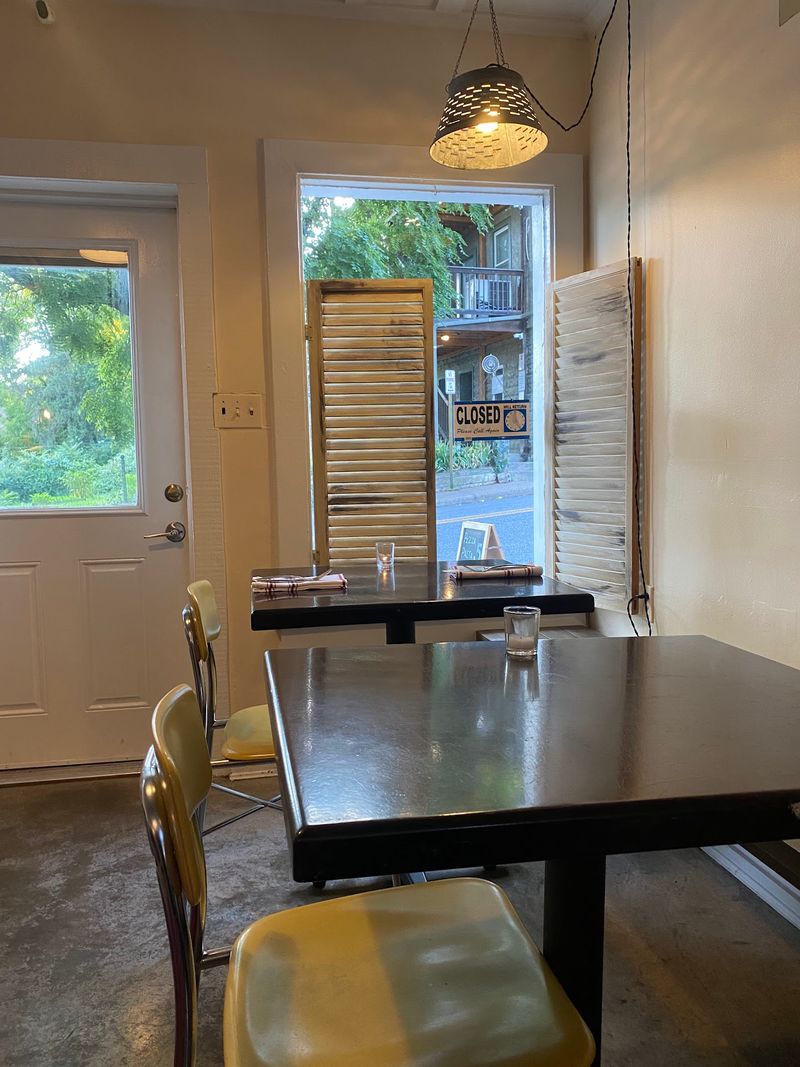
Inside, polished concrete floors, mismatched chairs, family photographs, and a compact dining room create a striking contrast with the ambitious food.
Staunton sits in the Shenandoah Valley, an easy detour off Interstate 81, which makes the drive simple for travelers crossing Virginia.
The restaurant occupies a quiet residential corner rather than a busy downtown strip, so you really do have to seek it out.
The modest exterior gives away very little about the ambitious cooking happening inside its roughly 400-square-foot space.
Dinner currently runs from 5 PM to 9 PM Thursday through Sunday. With only 26 seats, booking ahead is a sensible choice.
Street parking and nearby parking options serve the restaurant at 105 S Coalter St, Staunton, VA 24401, just outside the heart of downtown.
Twenty-Six Seats In A 400-Square-Foot Room
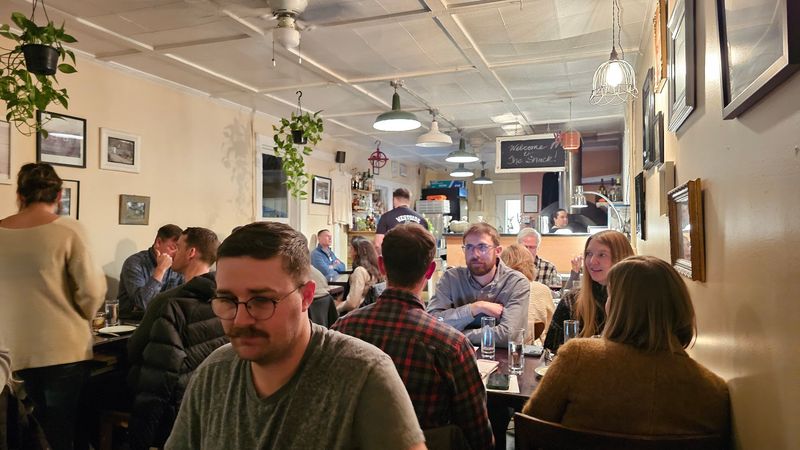
The entire dining room holds just 26 guests inside a space of roughly 400 square feet.
Such a snug layout means neighbors sit close, conversations overlap, and the room hums with energy the moment service starts.
Polished concrete floors and a collection of chairs that clearly never shopped together give the space a lived in personality. Nothing matches, and that is entirely the point.
Because seating is so limited, reservations are worth making in advance, particularly when planning around a specific evening.
One thing worth knowing: small rooms carry sound. When the place is full, it gets lively, so this is not the spot for whispered secrets.
The compact layout places tables close together, giving the room a noticeably intimate character when service is underway.
The small dining room allows the restaurant to pair its compact menu with table service and optional multi-course formats.
Appalachian Roots, Bold Ideas
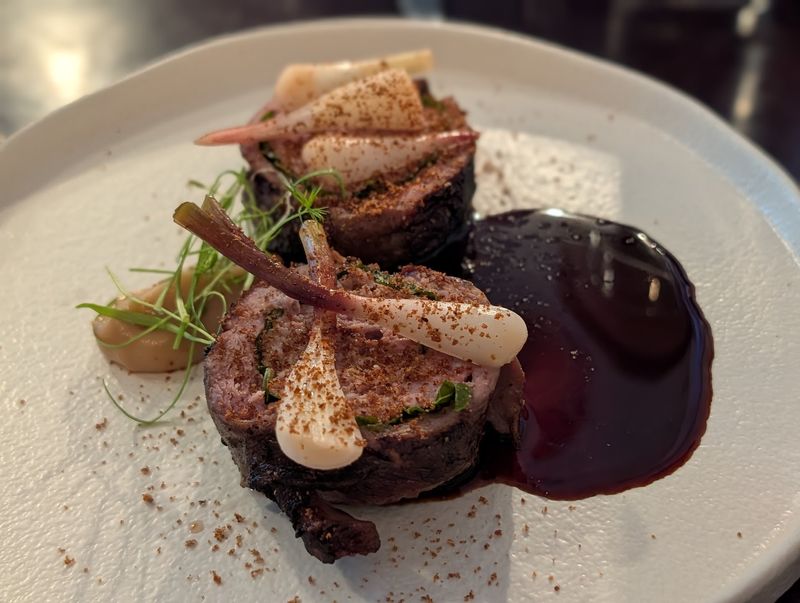
Here is where the cooking gets genuinely interesting. The kitchen blends Appalachian heartiness with the deep, savory traditions of Eastern European Jewish cooking.
Schmaltz, a traditional rendered fat, shows up as a flavor backbone in certain dishes. It adds a richness you notice immediately without being able to name it.
Produce comes from the surrounding valley, which in Virginia means serious farm country. Seasonal, artisan, and sustainable sourcing is not a slogan here, it shapes what appears on the plate each week.
Earlier Shack menus paired ingredients in unexpected ways, including braised carrots and heirloom squash with Korean miso and lamb sweetbreads with Sichuan peppercorn, ground cherries, and cucumber kimchi.
Those combinations sound wild on paper. On the fork, they make complete sense, which is the real magic trick.
Because the menu shifts constantly, repeat visits rarely look alike. The menu changes frequently enough that repeat visitors may encounter a substantially different selection from one visit to the next.
Vegetables get treated with the same seriousness as protein, which I always appreciate. Vegetables remain part of the rotating menu, with recent examples including roasted Brussels sprouts, ember-roasted beets, and braised collard greens.
Pasta Made By Hand
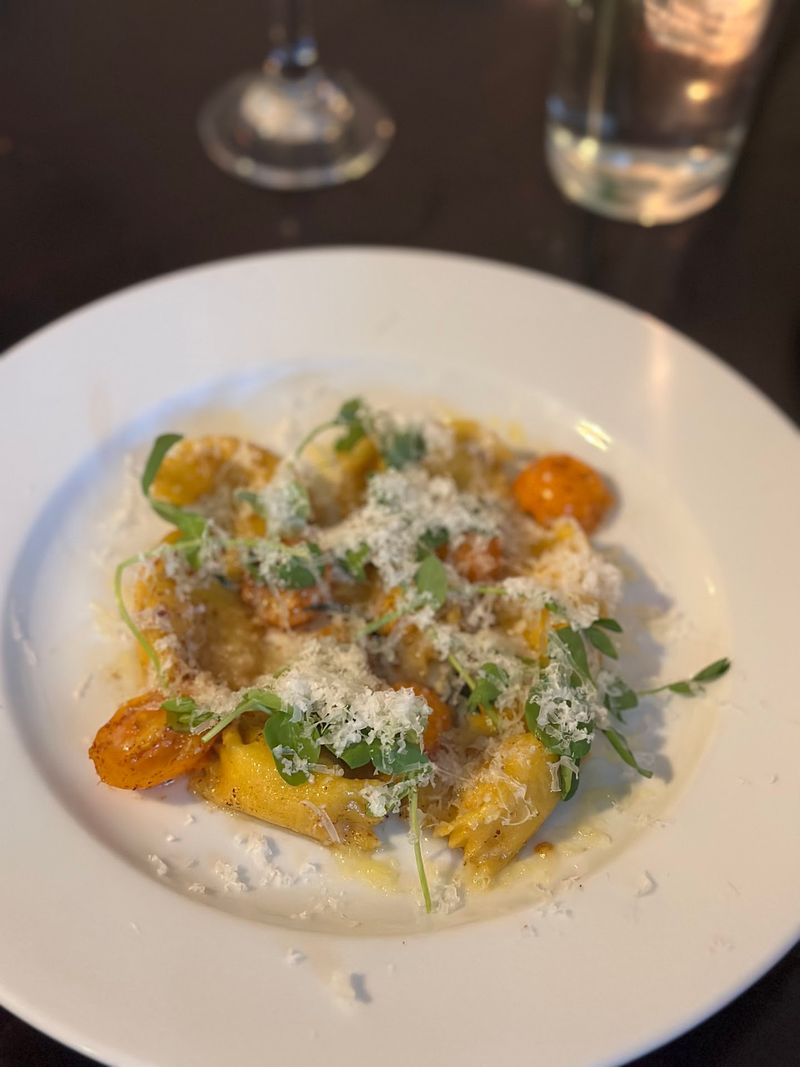
Ask a regular what to order and pasta enters the conversation within seconds. The kitchen rolls, cuts, and shapes it in house.
Handmade pasta is now one of chef Mike Skipper’s defining strengths, with recent menus featuring shapes such as cavatelli, rotolo verdi, mafaldine, pappardelle, and spaghetti.
Pasta combinations change with the weekly menu, with recent 2026 dishes pairing cavatelli with fermented black bean and clam ragù or rotolo verdi with beef ragù and duck-fat onion.
Gnocchi has appeared in the restaurant’s rotating pasta program, including a potato version with smoked onion butter, black garlic, sage, and Parmigiano.
Fresh pasta is made by hand under Skipper’s current kitchen program, with the chef photographed rolling and cutting pasta onsite.
Alongside handmade pasta, wood-fired pizza remains part of the current concept. The Shack Burger has also appeared with grilled onions, black garlic mayo, and a cheese sauce, though handhelds have increasingly shifted to Thursday specials.
Focaccia and bread components have appeared on recent menus, but their availability changes along with the rest of the rotating selection.
The Story Behind The Name
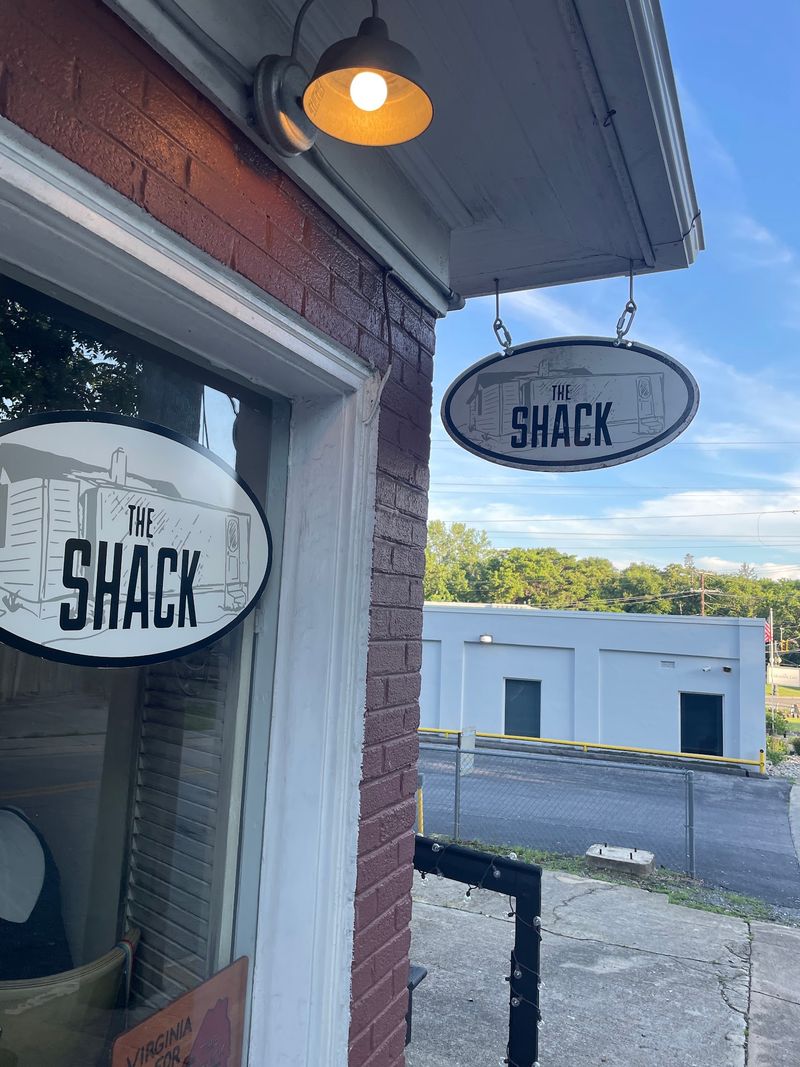
Names usually mean something, and this one carries real affection. The restaurant honors the founding chef’s wife’s grandmother, remembered as Tissy.
She lived in a modest shack in Swoope, a small community in Virginia not far from Staunton. Anyone who showed up at her door left fed.
That idea of mountain hospitality became the guiding spirit of the whole operation. Feed people generously, welcome everyone, skip the pretense.
Old framed photographs hang on the walls, including glimpses of Tissy herself. They are easy to miss if you are focused on your plate, so take a moment to look up.
Personally, I love restaurants that carry a family thread. It changes the way a meal lands.
The decor stays deliberately simple, and the artwork reads as funky rather than curated. Nothing feels designed by committee, which suits the story perfectly.
Staff talk about the food with genuine warmth instead of rehearsed scripts. That relaxed confidence traces straight back to the founding idea.
Fine dining often builds walls between guest and kitchen. The Shack knocked those down before it ever opened.
A Kitchen That Keeps Growing
Ten plus years in, the place has changed shape more than once. Concepts shifted, menus evolved, yet the standard never slipped.
Leadership in the kitchen now belongs to someone who trained for years under the founder. Starting as a mentee and rising to run the line says plenty about the culture here.
The 2024 reboot put greater emphasis on handmade pasta and wood-fired pizza while keeping seasonal small plates and familiar Shack ideas in rotation.
The new concept has continued operating under Skipper, with current 2026 coverage showing the restaurant still serving a frequently changing menu under his leadership.
Fun bit of context: the current chef came up through the ranks rather than arriving from some famous city kitchen. Homegrown talent running a nationally praised room is a satisfying thing.
Keeping an ambitious restaurant operating in roughly 400 square feet for more than a decade is notable in its own right.
Seasonal shifts mean the team is constantly rebuilding dishes from scratch. Nothing coasts on autopilot.
Innovation and tradition usually pull in opposite directions. Here they seem to have reached a friendly agreement.
Plates That Tell Stories
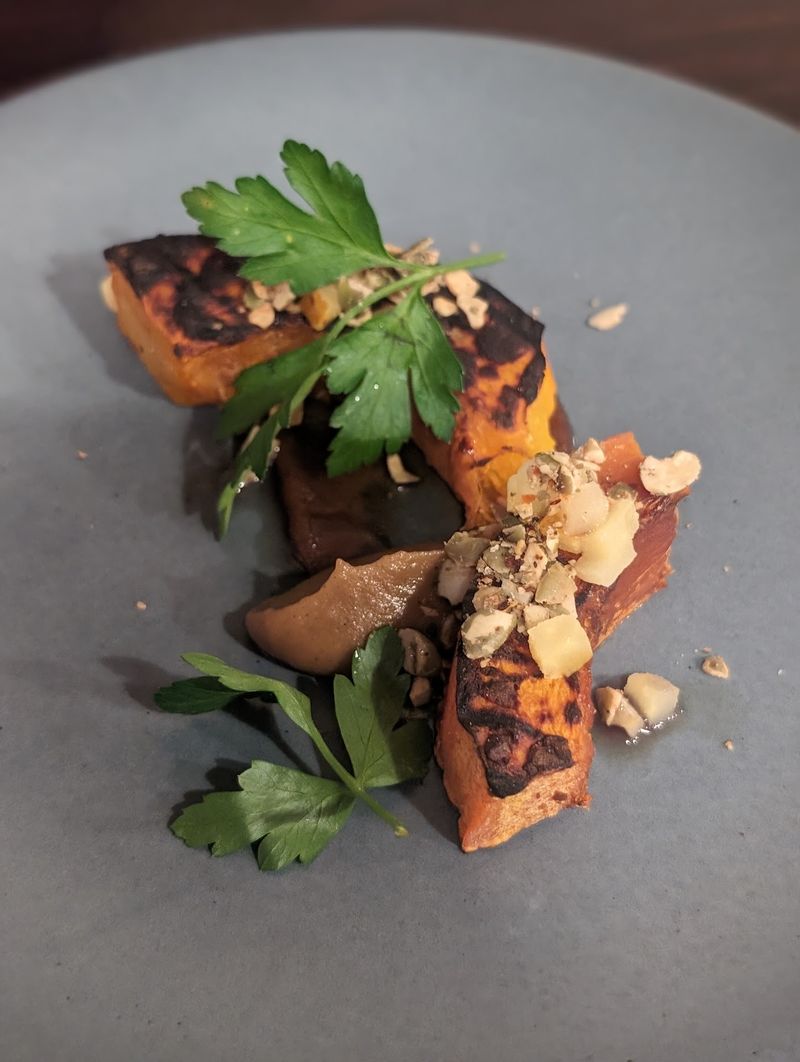
Presentation here walks a fine line and nails it. Plates look composed without tipping into fussy.
Monkfish stew with purple hull peas has appeared, buttery and delicate in a way that lingers. Salmon crudo shows up silky and bright, almost too pretty to disturb.
Seafood changes with the menu, with recent diner reports noting dishes such as soft-shell crab, salmon crudo, sea bass, and monkfish.
Desserts hold their own rather than serving as an afterthought. Chocolate cake, olive oil cake, pavlova, and a French toast creation have all made rounds.
Diners can choose à la carte dishes or build three- and four-course tasting experiences, while dedicated multi-course pasta options have also been offered.
My advice: do not skip dessert even when you feel finished. Portions are moderate enough that there is always room.
The changing multi-course formats allow diners to experience several parts of the menu during one meal.
Why Regulars Keep Returning
National coverage helped put The Shack on serious food maps, while Ian Boden earned a James Beard Best Chef: Mid-Atlantic semifinalist recognition during his tenure there in 2017.
Staunton has gained increasing recognition as a Southern food destination, and The Shack has been one of the restaurants contributing to that reputation.
The Shack has long been described as destination dining, drawing attention well beyond Staunton.
Hours run Thursday through Sunday from 5 PM to 9 PM, with Monday through Wednesday closed. Plan accordingly, because showing up on a Tuesday will only break your heart.
With only 26 seats and current reservation booking available, reserving ahead is a practical choice for a planned visit.
There is a small patio too, which is lovely on a mild evening with the valley breeze moving through. Sunshine and slow courses pair nicely.
Trust the kitchen, order something unfamiliar, and let the evening unfold. Virginia has plenty of restaurants, but few tiny rooms deliver this kind of joy.