This Truly Massive Hidden Indiana Sanctuary Gives More Than 200 Big Cats A Forever Home
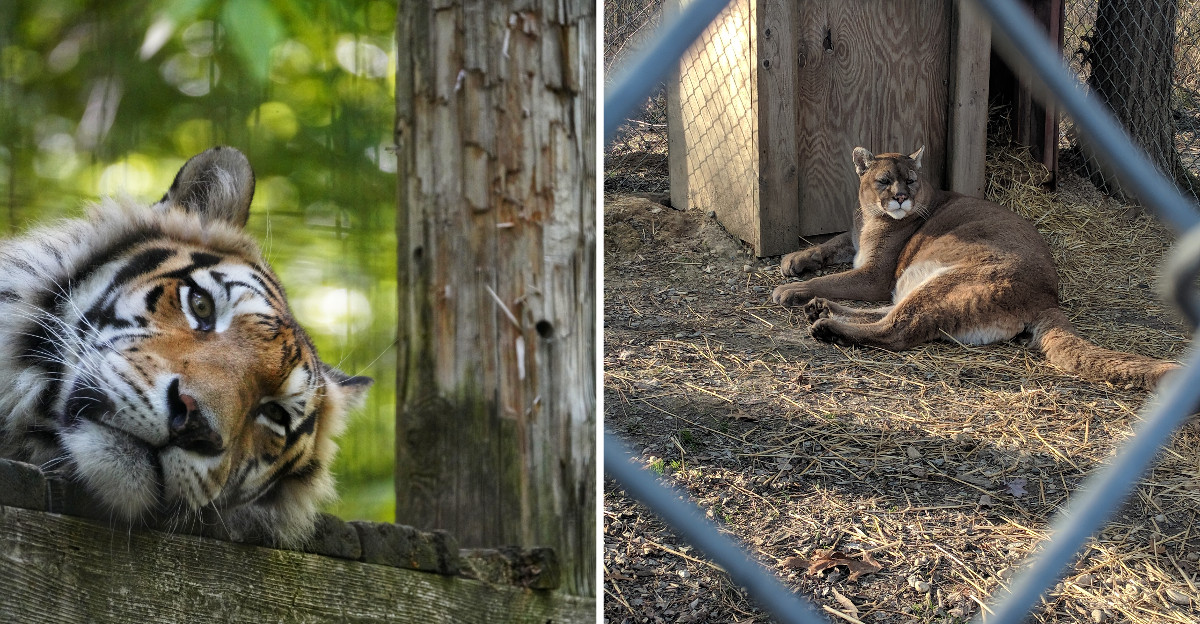
Somewhere in the countryside, a crew feeds big cats between 3,000 and 4,000 pounds of meat every single day.
That grocery list belongs to a rescue in rural Indiana, not a giant city zoo.
Yes, that’s a lot of dinner. More than 200 animals live here, mostly lions, tigers, leopards, cougars, and smaller wild cats.
Many came from private owners, circuses, or roadside zoos that couldn’t keep them.
And there’s another detail worth mentioning: the place started in 1991 with just three cats on 15 acres.
Today it covers more than 200 acres, and none of its residents will ever be sold or bred.
How does a small start turn into a lifelong home this big?
Three Cats Grew Into A Sanctuary Bigger Than Most Farms
Back in 1991, the Exotic Feline Rescue Center began with three cats and 15 acres. That’s a modest beginning for a place now spread across more than 300 acres.
The organization grew as more animals needed somewhere permanent to live. Its work expanded beyond finding space for big cats to providing specialized care, suitable habitats, and educational tours.
The Center Point property is run by a nonprofit with staff, interns, and volunteers helping maintain the grounds and care for the residents.
The center doesn’t buy, sell, or breed. Residents receive food, veterinary care, and suitable social groups.
What started with a handful of felines now supports more than 200 animals representing over a dozen species.
For a rural corner of Indiana, that’s a remarkable transformation. Those hundreds of acres aren’t simply an attraction. They’re the space required to care for animals with very different histories, sizes, and needs.
The Guest List Includes Way More Than Tigers
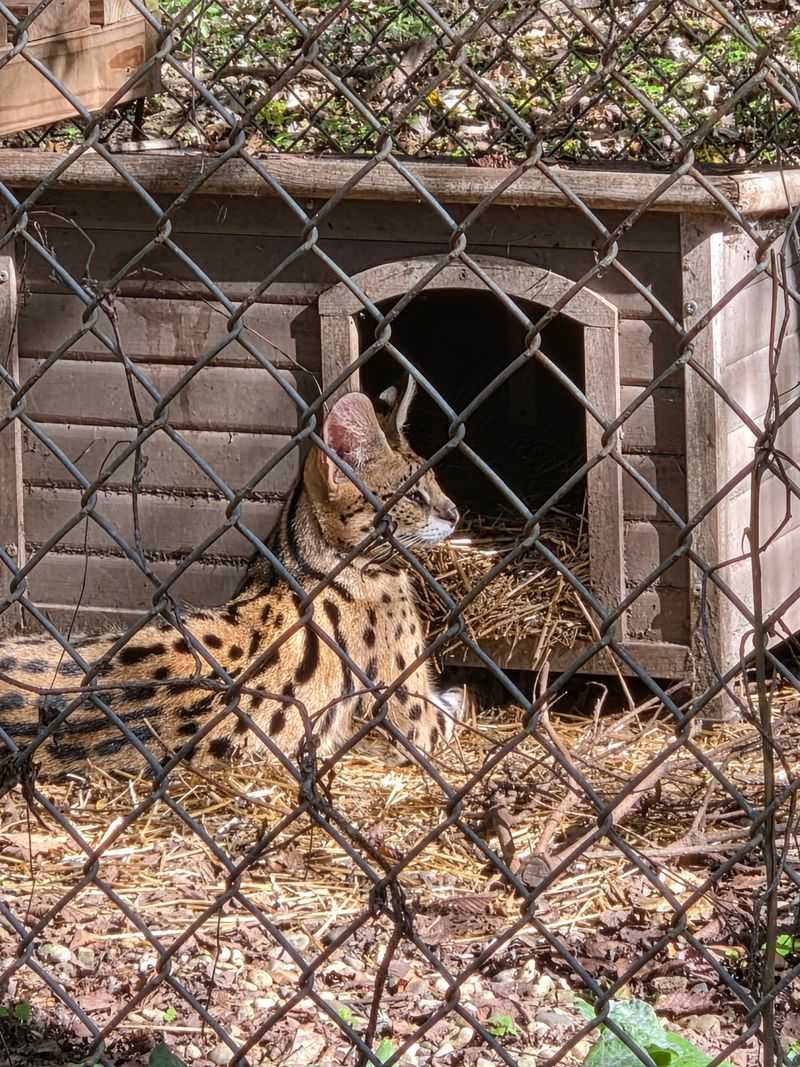
Lions and tigers grab the headlines, but the roster here runs much deeper. Leopards, cougars, servals, and bobcats are among the felines that have found a permanent home.
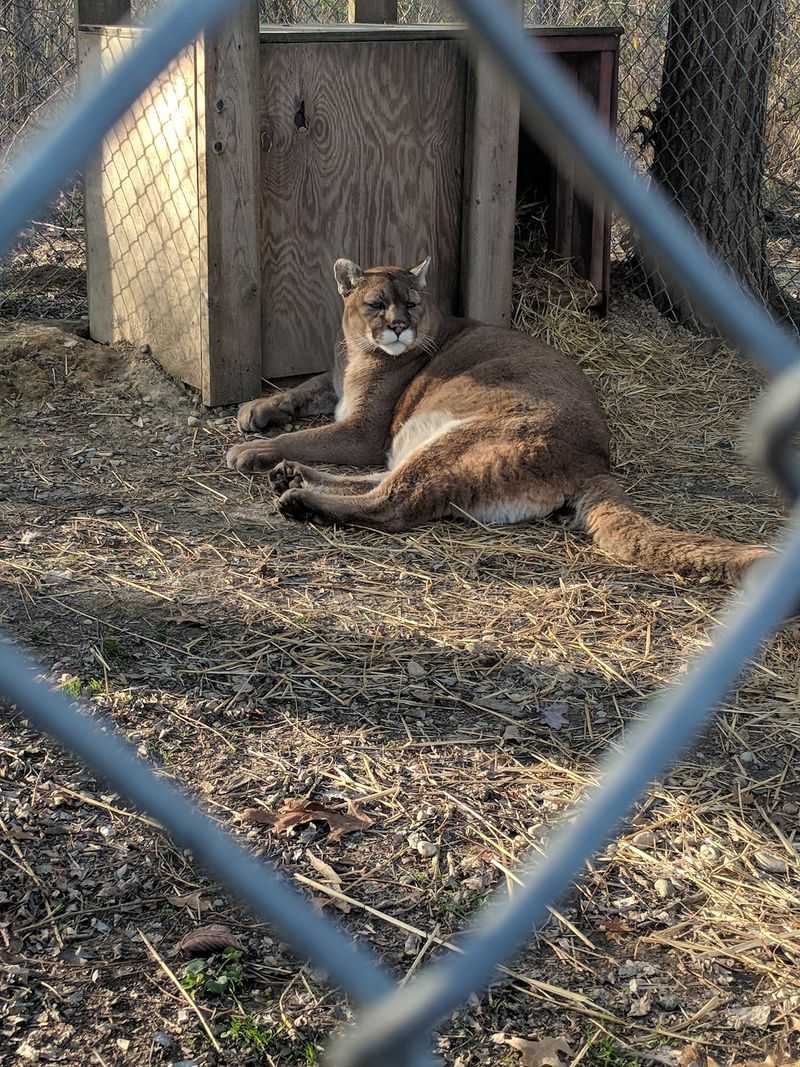
The center has also cared for lynxes, ocelots, and other smaller wild cats. Pumas, cougars, and mountain lions are three names for the same species.
The sanctuary also houses rescued animals beyond the cat family. A major intake from Ohio in 2025 brought foxes, coyotes, and other animals requiring their own living areas and care routines.
That means the name Exotic Feline Rescue Center only tells part of the story today. Each species has distinct needs. A serval’s long legs and ears contrast with a tiger’s powerful build.
Guides explain which animals live near the tour route. You won’t see every resident, but there is plenty to discover beyond the striped cats.
Your Guide Holds The Map, And That’s A Good Thing
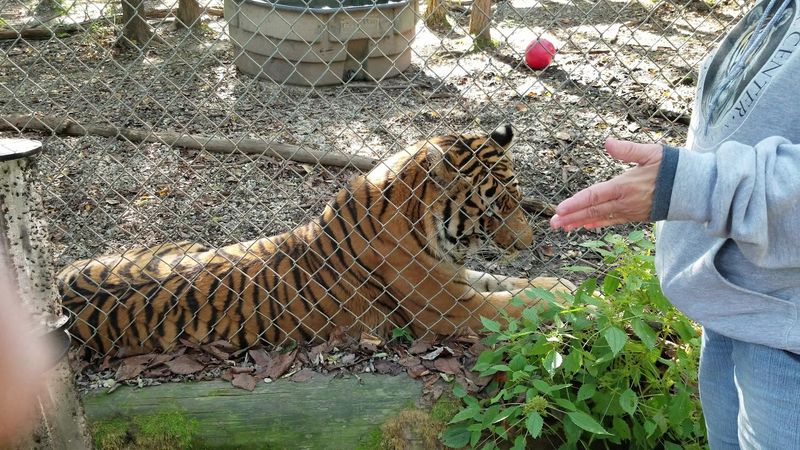
Nobody wanders this place solo. Every public visit takes place on a guided tour lasting about an hour.
Tours normally begin at 10 AM, 11:30 AM, 1 PM, 2:30 PM, and 3:30 PM, with admission arranged at the entrance.
Groups of fewer than ten generally can arrive without reservations, while larger groups, schools, and organizations need to arrange a visit ahead.
The route covers roughly 20 acres of the sanctuary, following gravel paths past selected habitats. Guides explain how the animals came into care and what their daily routines involve.
Visitors stay with the guide and observe from designated areas without touching or feeding animals. This sanctuary is a place to watch and learn, not a hands-on animal encounter.
These remain powerful wild animals, even when relaxed in the grass.
Bring questions and comfortable shoes. The experience is closer to an educational walk through a working rescue than a self-guided visit to a conventional zoo.
Bigger Yards Mean Happier Cats
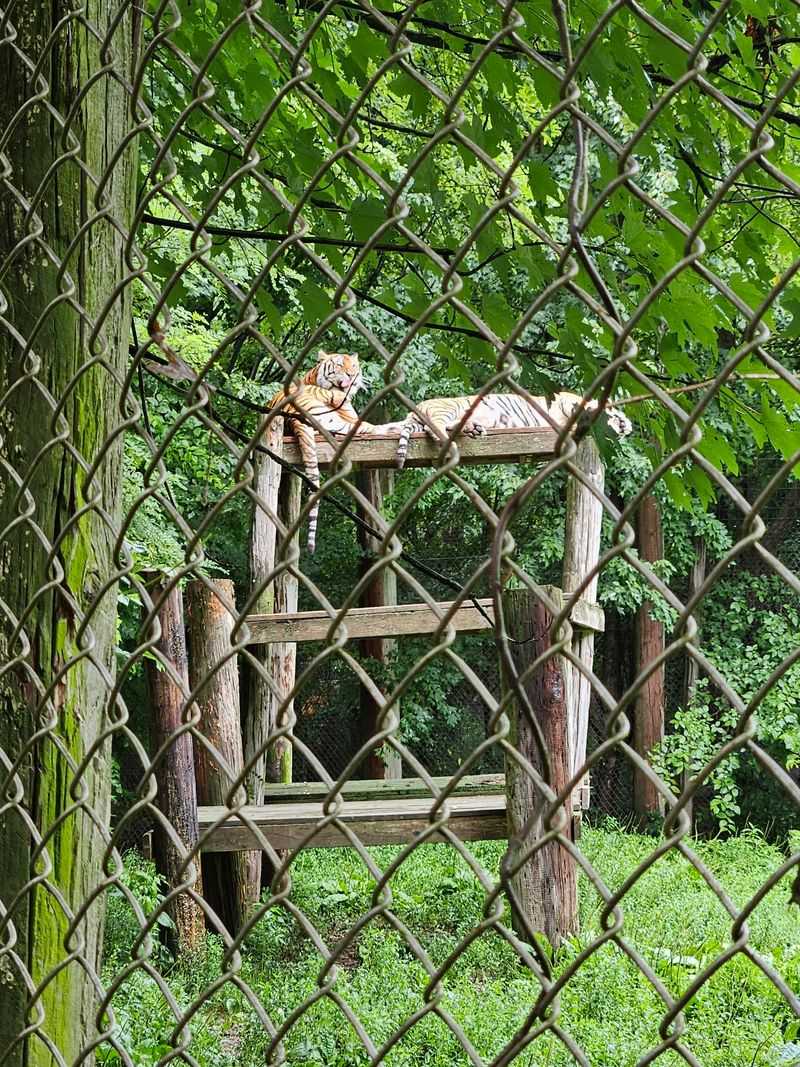
Some enclosures at the rescue center extend across substantial areas, giving the cats room to roam, rest, and explore.
Climbing towers, platforms, shelters, and sturdy toys give residents options.
Here’s a clever twist. Retired fire hoses are transformed into hammocks, beds, climbing structures, and play equipment. The tough material is useful for larger animals.
For cats accustomed to investigating their surroundings, variety is important. A raised perch offers a view, while a shady corner provides a comfortable spot to relax.
You may spot a cat sleeping above the ground, taking full advantage of that elevated vantage point.
The center also works to maintain stable social groups when individual animals can live together comfortably. Habitats reflect individual needs.
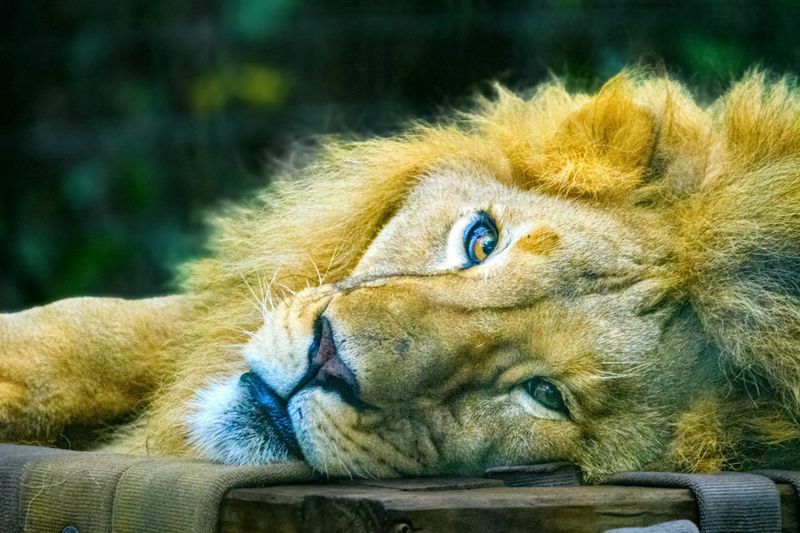
On an Indiana afternoon, a lion resting on a platform can be just as interesting to watch as a tiger roaming through the grass. It’s the combination of room and thoughtful details that makes these enclosures stand out.
Tigers Here Get Their Own Swimming Pools
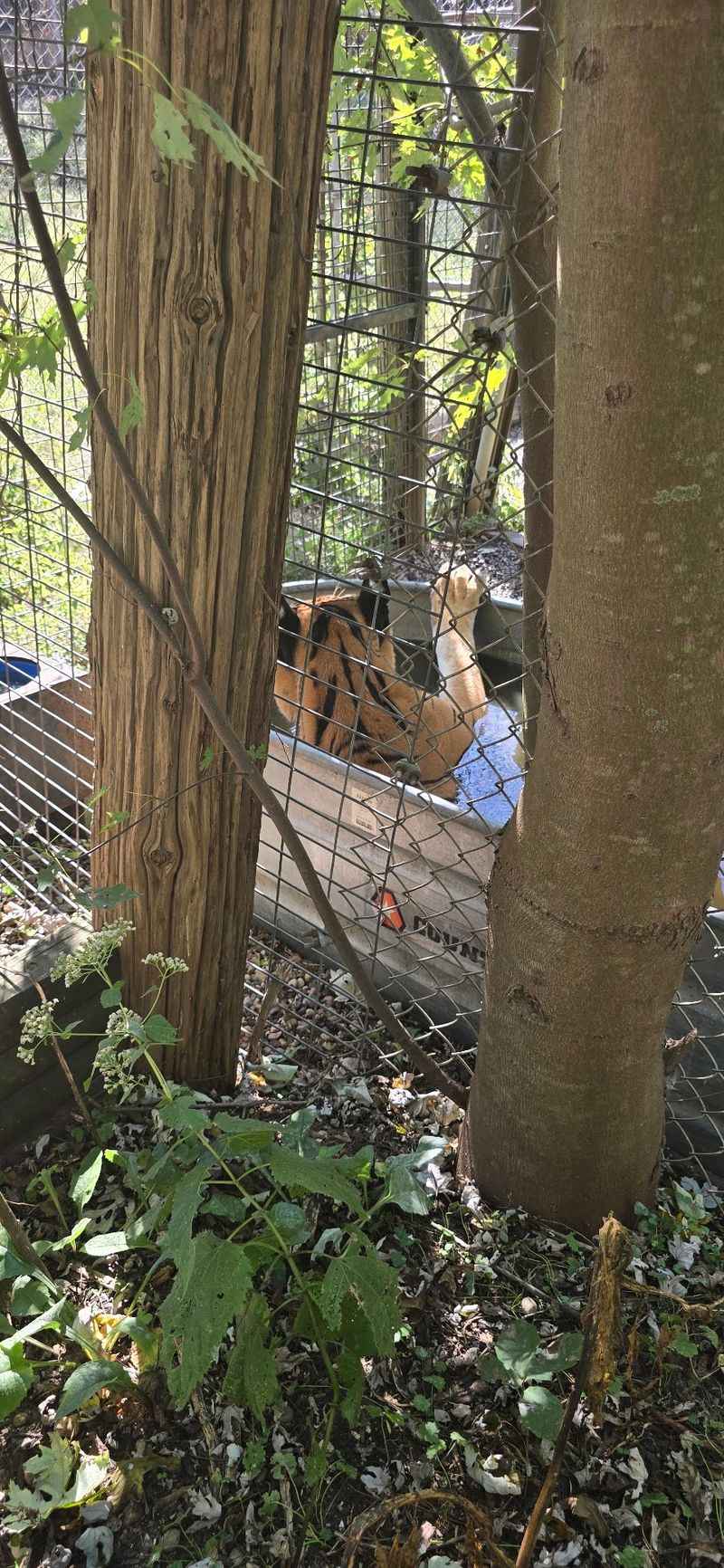
Most house cats would rather sulk than swim. Tigers feel very differently about water.
The sanctuary’s tiger habitats include water features where some residents can splash, lounge, and cool off. One tiger living with two sisters enjoys her swimming tank.
Tigers are strong swimmers, and water offers an opportunity to explore a familiar part of their natural behavior.
In warmer weather, a pool can also provide relief from the afternoon heat. Water adds another option alongside shade, platforms, and toys.
There is no guarantee that a tiger will take a dip during your tour. The guided route also passes resting places where a tiger might be stretched out on a raised platform, watching everything from a comfortable vantage point.
Grass might be more appealing. But keep your eyes on the water as the group passes the habitats. Watching a large striped cat settle into its pool is quite different from watching a domestic cat inspect a bathtub.
Dinner For Hundreds Is A Serious Operation
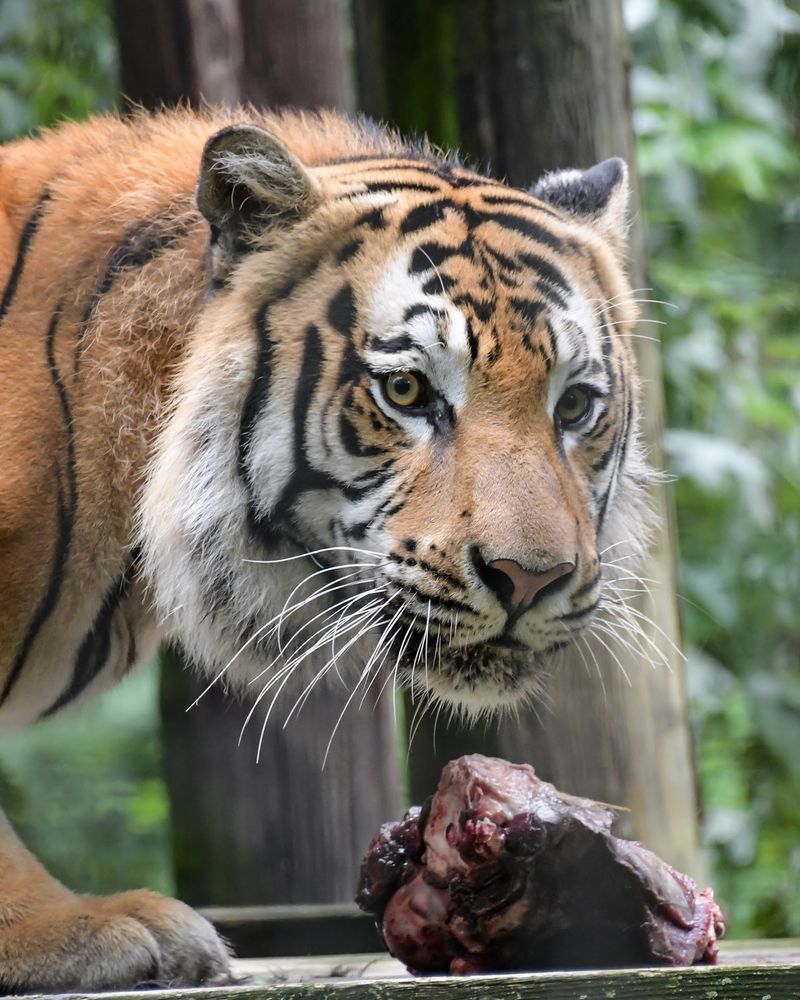
Feeding time here runs on a scale that would stun any grocery shopper. When the center housed roughly 200 exotic cats, it reported preparing about 3,000 pounds of meat each day.
Today’s mix of animals is different, but daily meal preparation remains a substantial operation. Portions and ingredients depend on each resident’s species, size, age, and health needs.
Keepers also inspect enclosures, prepare enrichment, and monitor residents.
A dedicated veterinary clinic now provides space for examinations, dental procedures, treatment, and recovery. The facility includes separate care rooms and equipment designed for handling large animals.
Specialist veterinary teams have also provided dental care, an important part of keeping captive big cats comfortable as they age. Much of the team’s work happens out of view.
A tiger may spend the afternoon lounging in a pool, but making that peaceful moment possible takes a considerable team effort.
An Overnight Room With Some Unusual Neighbors
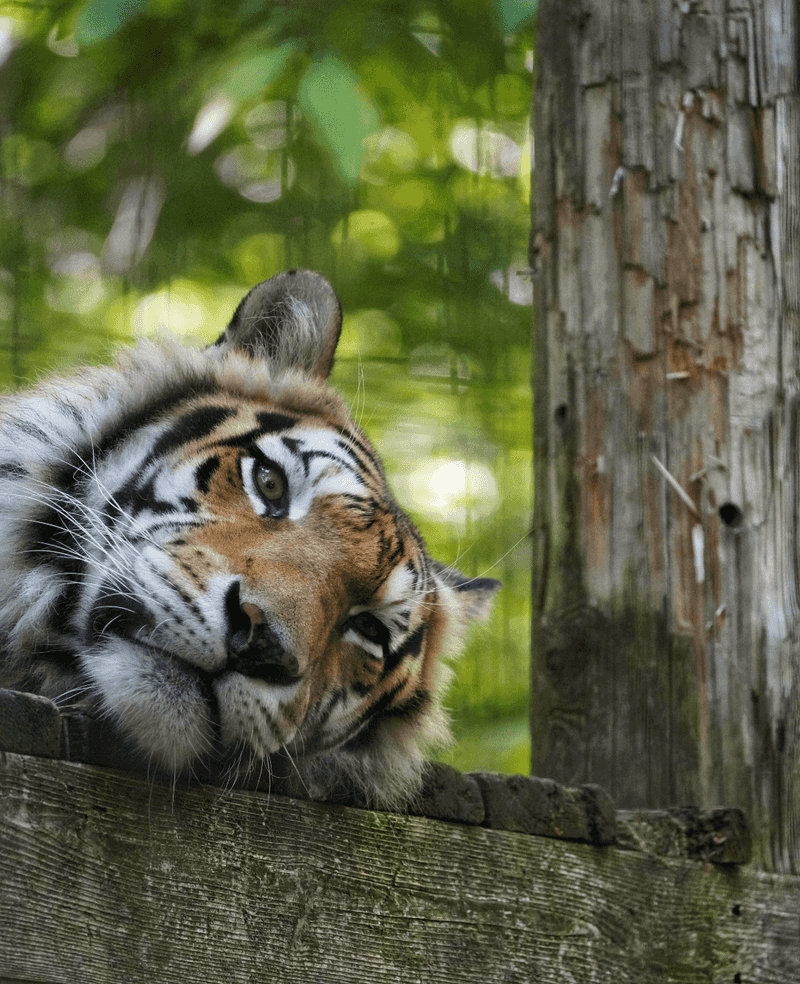
Most places to stay advertise a garden view. This sanctuary has even offered an overnight room surrounded by exotic cat habitats.
The adult-only room has included a queen bed, bathroom, microwave, and refrigerator. Overnight visits have also featured additional guided access, beyond the standard daytime route.
The attraction is easy to understand. A bobcat might be resting near the guest area, while larger cats occupy enclosures farther along the grounds. Guests remain separated from the animals.
The center’s resident profiles still refer to cats living near the overnight room, but this experience is not included in the regular public tour schedule.
Anyone interested in staying should arrange availability and the conditions of a visit directly before making travel plans.
A daytime tour remains the simplest way to hear the cats’ stories. And an hour spent hearing a lion’s deep calls can be memorable enough on its own.
A Little Planning Makes The Visit Way Smoother
Finding it is the first adventure. The center sits at 2221 E Ashboro Rd, Center Point, along a quiet stretch of country road.
The entrance has green gates on the north side of the road. Follow those rather than turning down the long gravel driveway near the mailbox.
Parking is available farther along the road in a gravel lot or in permitted areas on its north side.
Regular hours are 10 AM to 4 PM, except Thanksgiving, Christmas Eve and Day, and New Year’s Eve and Day.
All regular tours are outdoors. Rain may be manageable, although severe weather can delay departures, so dress for the season and choose sturdy footwear.
Children under five must be held or in strollers; an assistance cart may be available. Refreshments are limited, so bring what you’ll need for a comfortable outing.
The beauty of a guided visit is that someone else handles the route. Your job is to watch, listen, and appreciate these unusual Indiana neighbors.
Your Souvenir Can Feed A Lion
Shopping rarely feels this meaningful. The sanctuary operates a gift shop and a separate specialty merchandise collection, with proceeds helping support animal care.
Clothing, magnets, small gifts, and animal-themed souvenirs offer simple reminders of the visit. Some items give retired enrichment materials a new purpose, allowing the center to replace worn toys with fresh equipment.
In 2026, Spring Fling, Summer Safari, and Foxes and Felines Fall Fest combined tours, vendors, games, and fundraising.
The autumn event also drew attention to the foxes who arrived during the major Ohio rescue. Their ongoing care is another reminder that this is no longer exclusively a big-cat sanctuary.
Because the property is operated by a nonprofit, merchandise purchases, admission, donations, and volunteer support help fund the work. On another visit, a different resident might catch your attention.
For anyone exploring western Indiana, this rural sanctuary offers a chance to see what a permanent home looks like for creatures that need one.