This Underrated California State Park Has Lakeside Cabins, Woodland Trails And One Of America’s Best Bass-Fishing Lakes
Cabins near the water can make even the most organized traveler forget every plan except finding the porch and putting down the bags.
Days here can move between shaded woodland trails and long stretches beside a lake famous for its largemouth bass fishing.
Several routes explore the surrounding hills and forests, while campsites and simple cabins give visitors an easy way to stay close to the action.
A California state park feels especially generous when hiking boots, fishing rods, and cabin keys can all belong to the same weekend.
Anglers have access to waters recognized by major fishing organizations as a leading bass destination, though catfish, bluegill, and other species also keep the lake interesting.
Everyone else can follow the trails, launch a boat, or claim a quiet patch of shore before lunch.
Bring something good for the picnic table, and accept that the cabin may quickly become the headquarters for a much longer stay.
It Sits Beside California’s Largest Natural Freshwater Lake
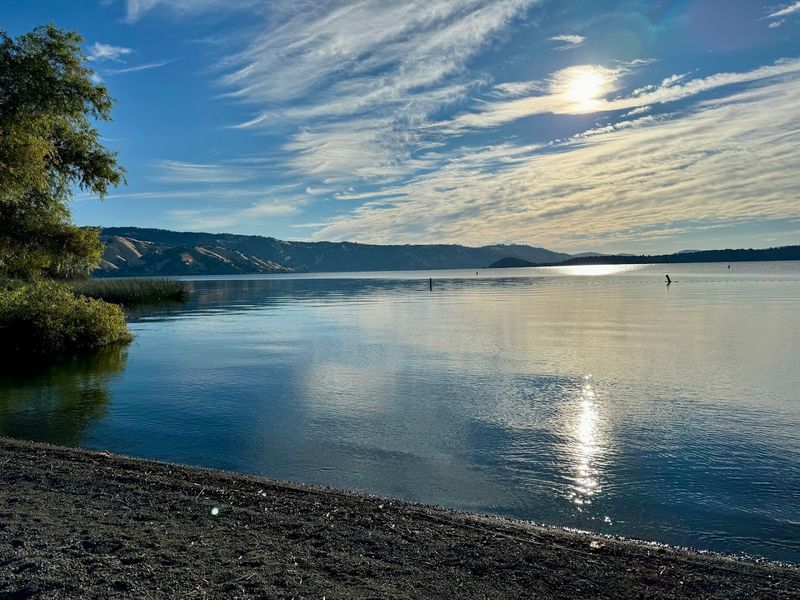
Not many lakes in the western United States carry as much natural history as Clear Lake, which holds the distinction of being California’s oldest and largest natural freshwater lake.
That title alone sets the stage for a park experience that goes well beyond the typical campground beside a man-made reservoir.
The lake’s age means it has supported plant and animal life for thousands of years, creating an ecosystem that feels rich and layered in a way that newer lakes simply cannot replicate.
Geologists estimate that Clear Lake has existed for more than 2.5 million years, making it one of the oldest lakes in North America.
Visitors who arrive expecting a modest recreational pond tend to leave genuinely surprised by the scale and character of the water.
The shoreline stretches for miles, and the surrounding hills give the lake a sheltered, almost tucked-away quality that feels calm rather than remote.
Spring and fall tend to offer the most comfortable conditions for exploring the area, though summer visits are popular among anglers and swimmers.
The sheer size of the lake means there is always a quiet corner to find, even during busier weekends.
The Park Covers Roughly 590 Acres
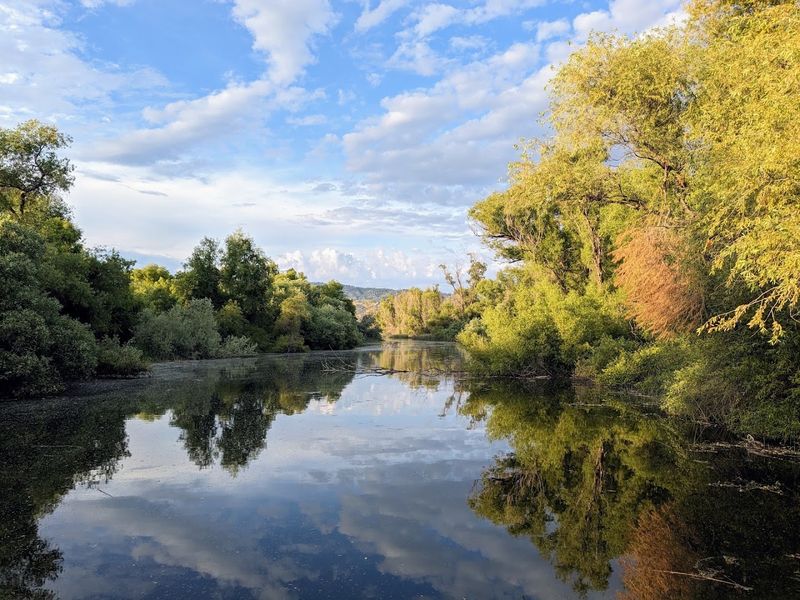
Spread across approximately 590 acres along Clear Lake’s southeastern shore, the park packs a surprising range of environments into a relatively compact footprint.
Oak woodland, riparian corridors, open lakefront, and chaparral-covered hillsides all coexist within the park boundaries, giving visitors access to genuinely varied terrain without needing to drive between multiple destinations.
The park sits near Kelseyville, a small agricultural town known for its pear orchards, roughly 3.5 miles to the southwest.
That proximity makes it easy to pick up supplies before heading in, and the surrounding Lake County countryside adds to the sense that this area operates at a slower pace than the Bay Area or Sacramento.
The drive in from Highway 29 passes vineyards and orchards that give the region a distinctly rural character.
For a state park of its size, the variety of activities available here is genuinely impressive. Fishing, swimming, hiking, birdwatching, boating, and camping are all possible within the same 590 acres.
Visitors who plan ahead can spend several days here without running out of things to explore, especially if they take time to walk the trails and linger near the water at different times of day.
Four Campgrounds Offer Completely Different Settings
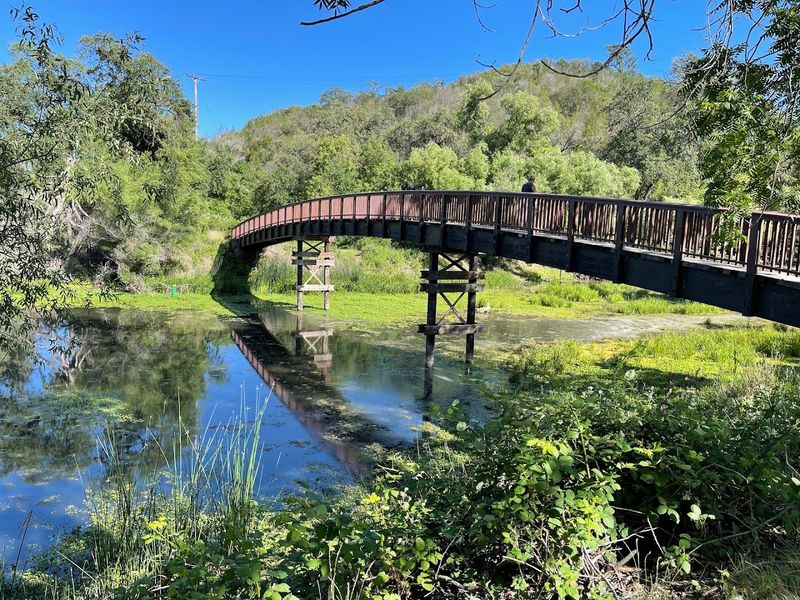
Having four distinct campgrounds inside a single park is a genuine advantage, because each one delivers a noticeably different experience.
Cole Creek Campground offers 26 heavily shaded sites tucked beside the creek, creating a cool and sheltered atmosphere that feels almost like camping inside a forest.
Two hike-and-bike sites are also available there for visitors arriving without a vehicle.
Kelsey Creek Campground is the only area in the park with actual lakeside sites, offering 65 partially shaded spots positioned between Clear Lake and Kelsey Slough.
It operates year-round and provides easy access to both trails and fishing. Lower Bayview’s 22 sites overlook Clear Lake and Dorn Cove, putting campers within a short walk of the swim beach.
Upper Bayview rounds out the options with 33 partially shaded sites and convenient access to the Dorn Nature Trail, making it a practical choice for hikers.
Every campsite throughout the park includes a fire ring, picnic table, and bear-proof food storage box.
The park accommodates RVs and trailers up to 35 feet, though no electrical or water hookups are available at individual sites. An RV dump station is on-site, and group campgrounds can host up to 40 people each.
The Dorn Nature Trail Climbs Through Oak Woodland
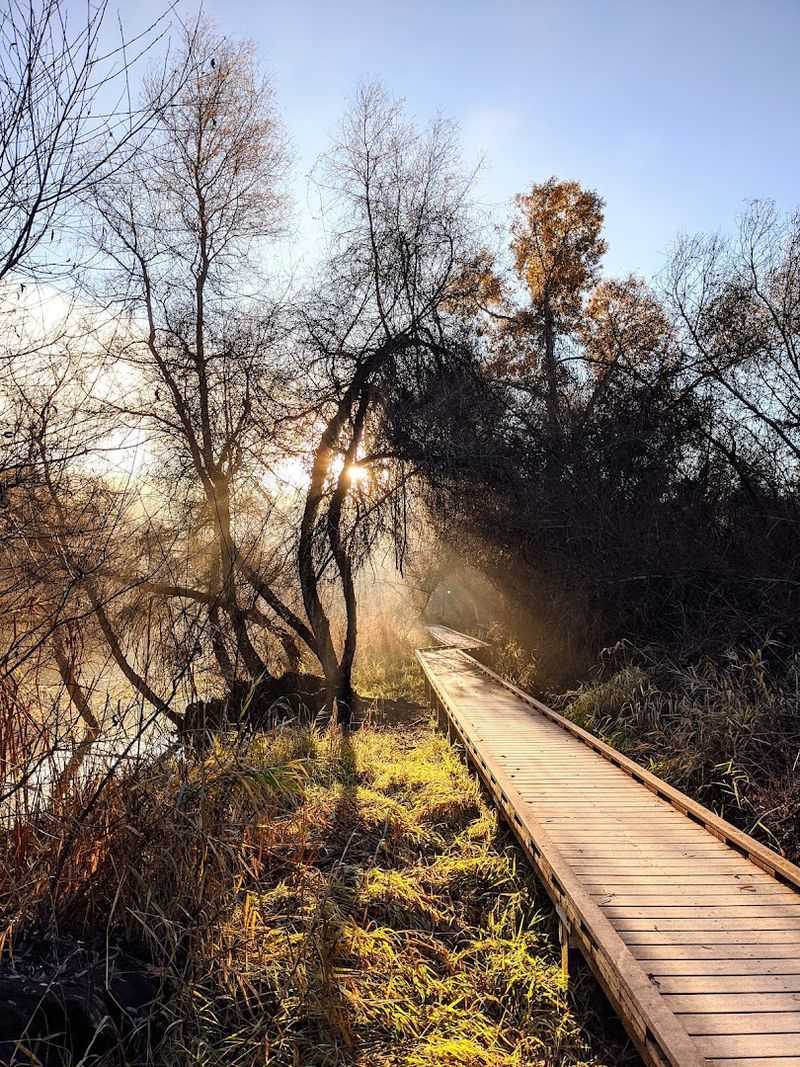
Stretching approximately 2.5 miles through some of the park’s most varied terrain, the Dorn Nature Trail gives hikers a proper taste of the inland California landscape that surrounds Clear Lake.
The route passes through oak woodland, chaparral, manzanita thickets, and open hillsides where native wildflowers appear in spring.
Interpretive elements along the trail help connect the scenery to the broader ecological story of the region.
The trail is accessible from Upper Bayview Campground, making it a natural morning activity for campers who want to stretch their legs before the midday heat sets in.
Summer temperatures in the Clear Lake area can climb past 100 degrees Fahrenheit, so starting early is a practical habit rather than an optional suggestion.
Carrying water and wearing sun protection are especially important on the more exposed chaparral sections.
The oak woodland portions of the trail tend to feel noticeably cooler and quieter than the open hillside stretches, and those shaded segments are worth pausing in to listen for birds moving through the canopy.
Manzanita blooms in late winter and early spring, adding a subtle fragrance to the trail at that time of year.
The trail’s length and varied terrain make it satisfying without being overly demanding for most hikers.
A Short Trail Explores The Area’s Pomo Heritage
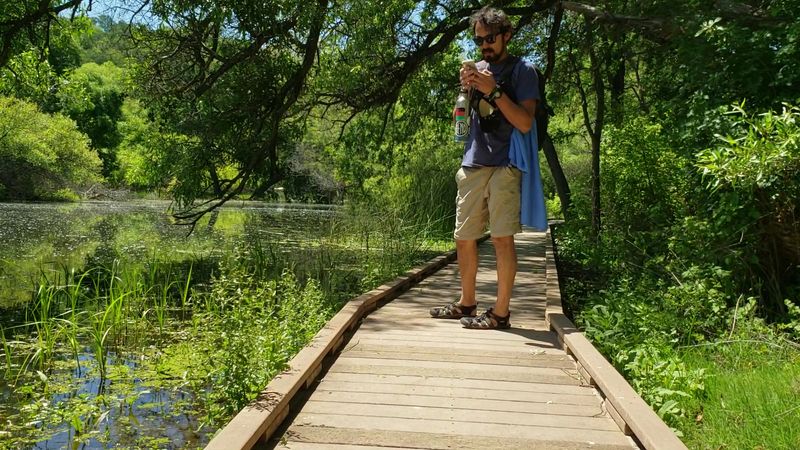
Long before the park existed, the shores of Clear Lake were home to Pomo communities who depended on the lake and surrounding landscape for food, medicine, and materials.
The Indian Nature Trail, a moderate half-mile loop, traces some of that history by explaining how local Pomo people used native plants and other natural resources found throughout the area.
Walking it feels genuinely educational rather than superficial, especially for visitors who take time to read the interpretive markers along the route.
The trail also crosses the former site of a Pomo village, which adds a layer of historical weight to what might otherwise seem like a short woodland walk.
That connection to Indigenous land use gives the trail a different kind of significance compared to the park’s other routes.
Approaching it thoughtfully, rather than rushing through, makes a real difference in how much a visitor takes away from the experience.
The trail’s moderate rating makes it accessible to most visitors, including older children and adults who may not be up for a longer hike.
Native plants along the path include species that the Pomo historically used for basketry, food, and healing, and the interpretive signage identifies many of them by name and purpose.
The Accessible Kelsey Creek Trail Is Excellent For Birdwatching
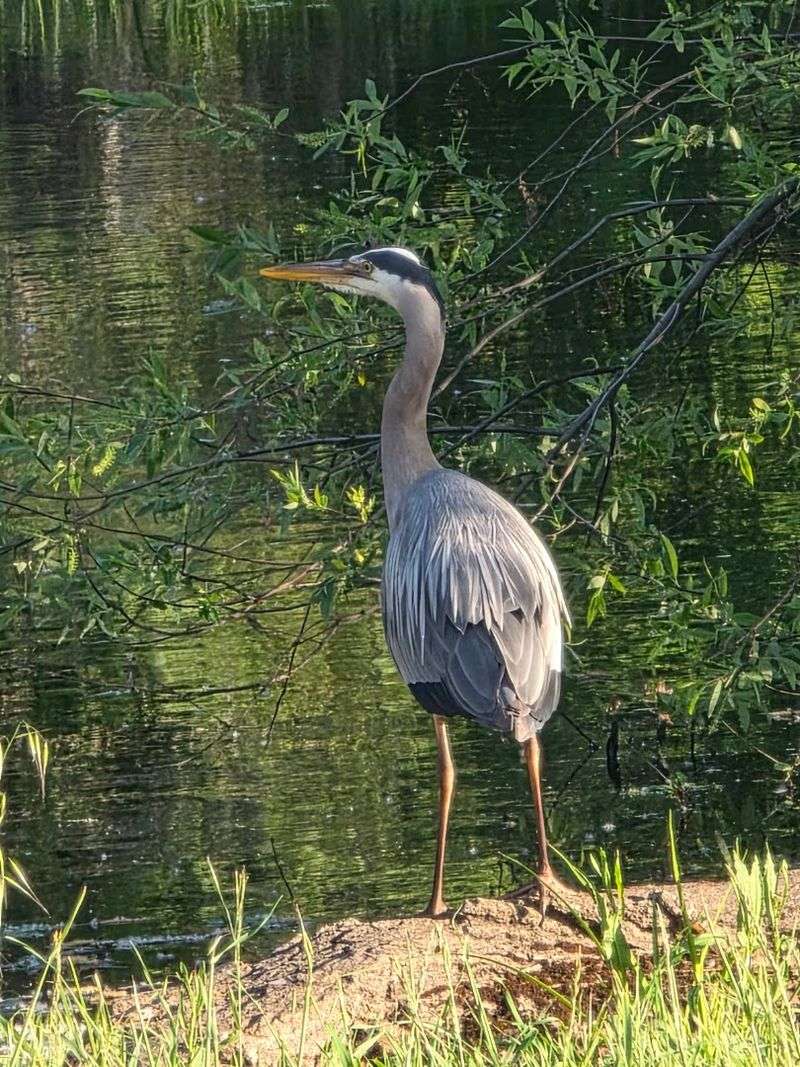
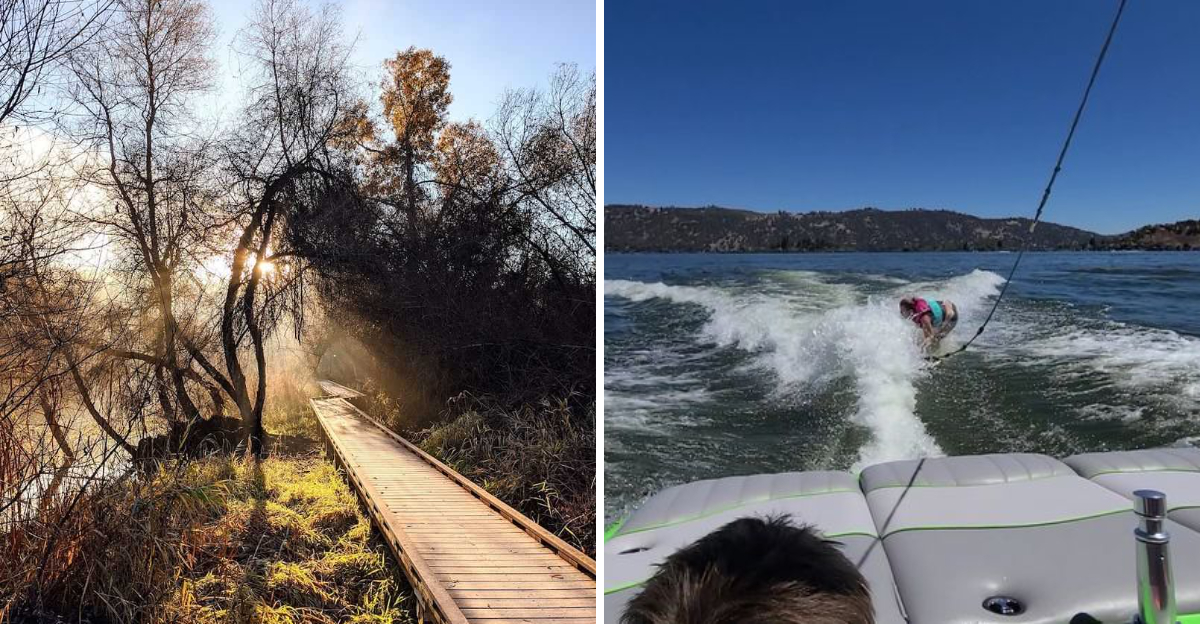
Birdwatching at Clear Lake State Park reaches its best potential along the Kelsey Creek Trail, an accessible route that follows Kelsey Slough through the heart of the park’s wetland habitat.
The trail features 1,500 feet of boardwalk sections, which make it navigable for visitors using wheelchairs or strollers and for anyone who prefers a flat, even surface underfoot.
The slough environment attracts an impressive variety of waterfowl throughout the year.
Herons and egrets are frequent sights along the water’s edge, often standing motionless in the shallows before striking at fish below the surface.
Wood ducks, coots, and white pelicans also use the slough regularly, and osprey can sometimes be seen hunting overhead.
The boardwalk sections place visitors close enough to the water to observe bird behavior without disturbing nesting areas.
Early morning visits tend to produce the most active birdwatching, particularly during spring migration when the slough sees increased traffic from birds moving through the region.
The flat terrain and manageable length make this trail a comfortable choice for visitors of varying fitness levels.
Bringing binoculars significantly improves the experience, especially for spotting birds perched in the tule reeds or resting on the far side of the slough.
Clear Lake Has a National Reputation for Bass Fishing
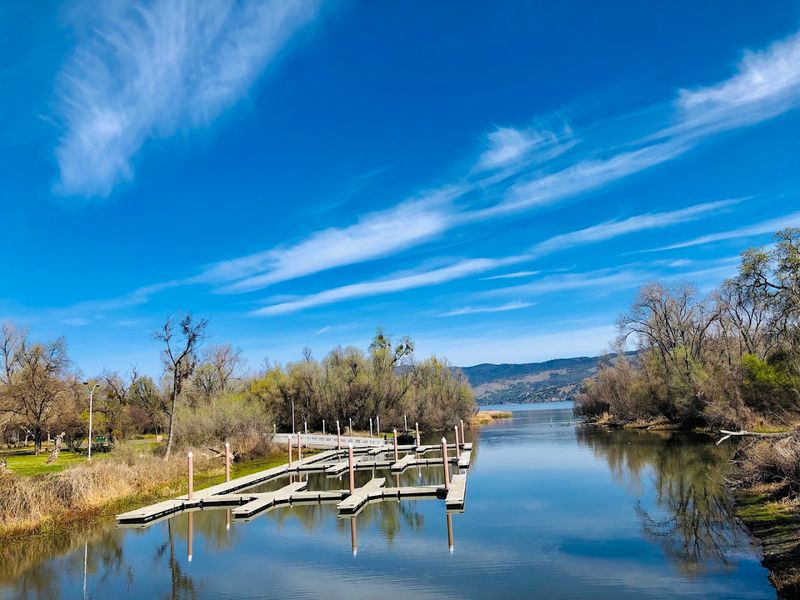
Professional fishing organizations including U.S. Bass, Cal Bass, and Western Bass have all designated Clear Lake as the number one bass fishing lake in the country at various points.
The lake’s warm, nutrient-rich water creates ideal conditions for largemouth bass, which grow large here and are present in significant numbers throughout much of the year.
Early morning hours on the water tend to produce the most consistent action.
Beyond bass, the lake also holds crappie, bluegill, channel catfish, Sacramento perch, hitch, and blackfish, giving anglers a range of species to target depending on the season and technique.
Fishing from the shoreline is possible in several areas within the park, though most serious anglers prefer to launch a boat and work the lake’s varied structure.
The park’s boat launch is paved, lighted, and accessible year-round, making early morning departures straightforward.
Visitors who have never fished before may find that a calm morning on Clear Lake is a genuinely pleasant introduction to the activity, even if the catch is modest.
The scenery alone, with Mount Konocti rising in the distance and the water still in the early light, makes time on the lake worthwhile regardless of how the fishing goes.
Campers Can Launch Boats and Reserve Marina Slips
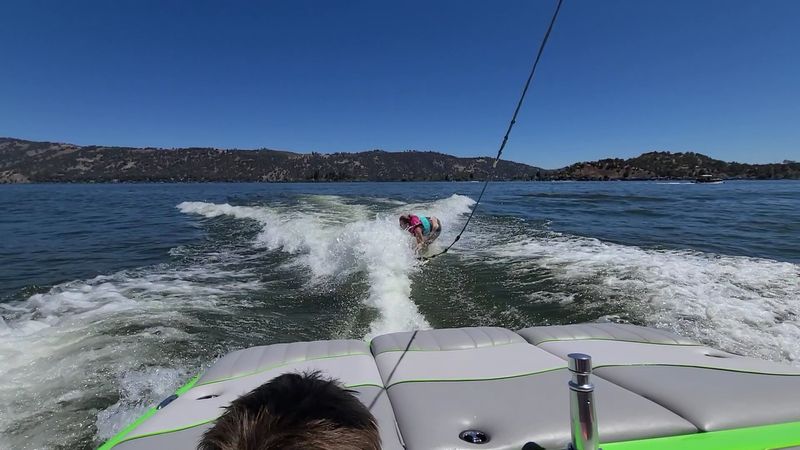
Having a dedicated boat launch inside the park removes one of the most common logistical headaches of a lake camping trip, which is finding a public ramp that is not overcrowded or inconveniently located.
The launch at Clear Lake State Park is paved, lighted, and open year-round, making it usable even on early morning departures when light is limited.
Day visitors and overnight guests alike can use the ramp, so access is not restricted to campers only.
Registered campers have an additional option: reserving a slip inside the park’s locked marina.
Boat mooring slips are available on a first-come, first-served basis, which means arriving with a plan and some flexibility tends to work better than assuming a slip will always be open.
Having the boat secured at the marina overnight simplifies early morning fishing departures considerably.
Watercraft screening requirements are in place to prevent the spread of invasive Quagga mussels, which have caused significant ecological damage in other California waterways.
Smaller non-motorized watercraft eight feet or under, including canoes, kayaks, float tubes, and paddleboards, are generally exempt from screening.
Larger or motorized boats should be inspected and cleaned before launching, and checking current park guidelines before arrival is always a practical step for boaters visiting for the first time.
Planning A Visit To Clear Lake State Park
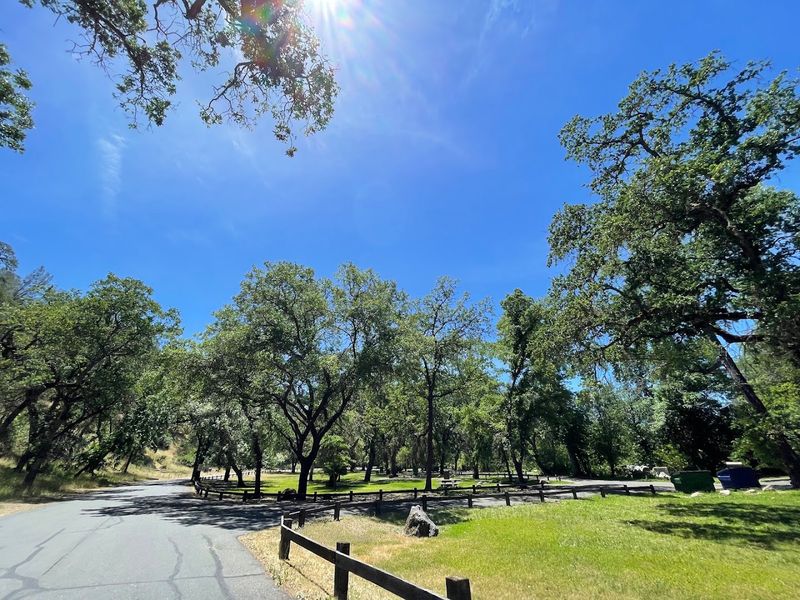
Pulling together a trip to Clear Lake State Park works best with a bit of advance planning, especially if a cabin stay or a specific campground is on the wish list.
Reservations for the lakeside cabins and most campgrounds can be made through the ReserveCalifornia platform, and the more popular spots fill up quickly during summer and holiday weekends.
Booking several weeks ahead during peak season is a practical approach rather than an overly cautious one.
Day visitors pay a standard $8 vehicle fee, though rates may adjust for peak season or holidays, so checking the current fee schedule before arrival avoids surprises at the entrance.
The park is open from sunrise to sunset, and the visitor center operates on Saturdays from 10 a.m. to 2 p.m. as of the most recent available information.
Bringing cash as a backup is worth considering, since rural parks do not always have reliable card processing at every entry point.
Packing for a range of conditions makes sense given the park’s seasonal extremes. Summer calls for sunscreen, hats, plenty of water, and a willingness to slow down during the hottest part of the day.
Spring and fall visitors benefit from layers, since mornings near the lake can be cool even when afternoons warm up considerably.
A pair of binoculars, a trail map, and a basic fishing license round out the essentials for a well-prepared visit.