This Underrated Florida Town Feels Wonderfully Different From The Rest
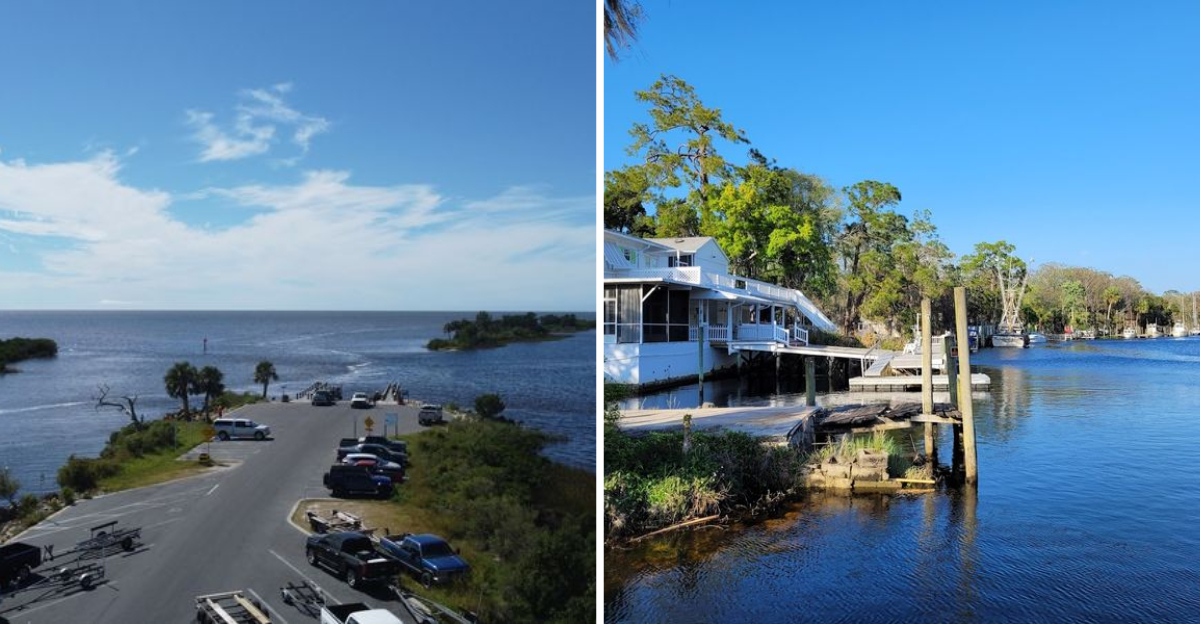
Some Florida destinations that seem different are harder to find than most people expect. This one earns that description from the very first moment you arrive and look around.
The character here runs deeper than any single attraction or well-photographed street corner.
Something about this place resists easy categorization and that is exactly what makes it worth visiting.
Discovering a destination this distinctly itself still surprises me every single time. Right around every corner, something unexpected appears that makes the whole trip feel like a discovery.
I did not know what to expect and left with more questions than answers. That was a very good thing and it will happen to you too.
Come without a plan, keep your eyes open, and let this place reveal itself!
A Town With Real Roots
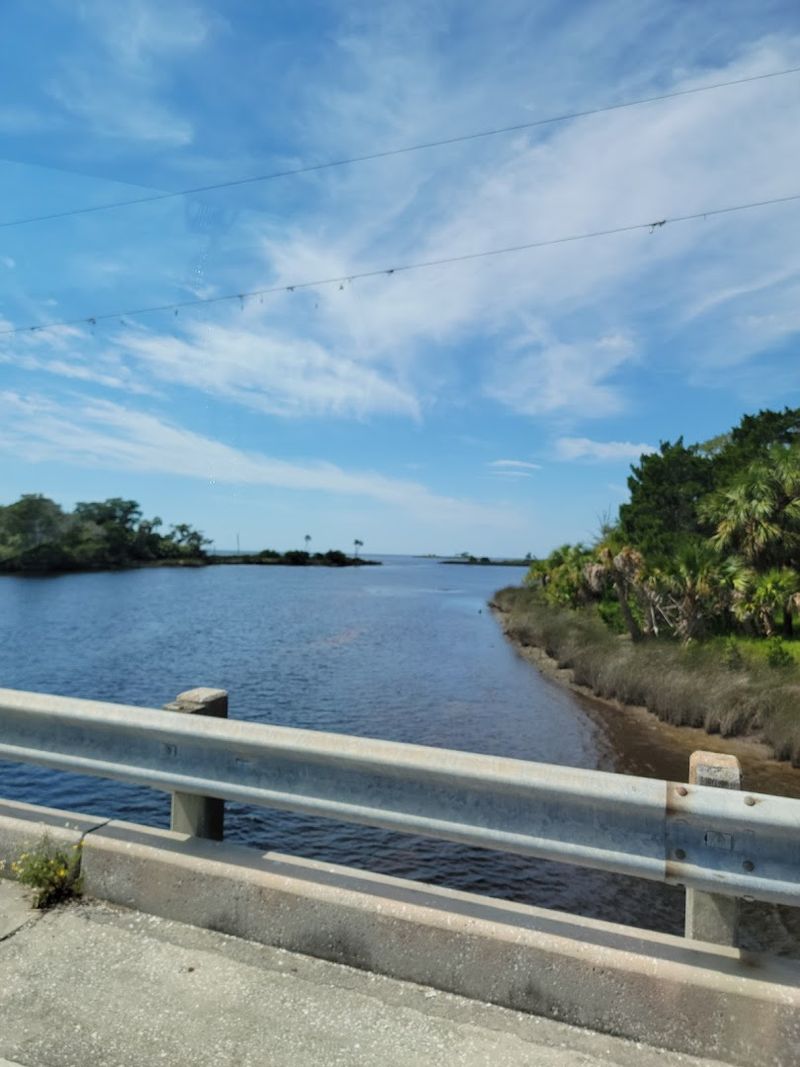
Yankeetown did not get its name by accident.
The story goes that A.F. Knotts, a lawyer from Indiana, settled here in the early 1900s and brought a handful of Northern friends along. Locals started calling the settlement “Yankee Town,” and the nickname stuck permanently.
The town was officially incorporated in 1925, making it one of Florida’s older small municipalities. It sits in Levy County, along the Gulf of Mexico, in a region known as the Nature Coast.
History here is not locked behind museum glass. It lives in the old fishing cottages, the weathered docks, and the families who have called this place home for generations.
When you walk the streets, you get a real sense of continuity. This is a town that never tried to reinvent itself for tourists, and that stubborn authenticity is exactly what makes it so worth visiting today.
Where The River Meets The Gulf
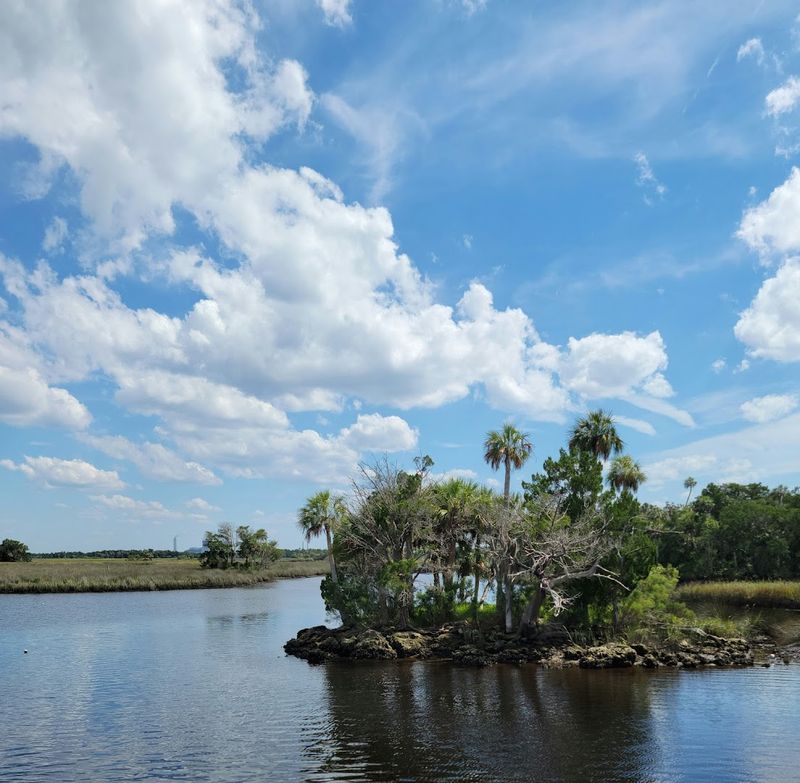
Few places in Florida offer a landscape quite like this one.
The Withlacoochee River flows quietly through cypress swamps and hardwood hammocks before emptying into the Gulf of Mexico right at Yankeetown’s doorstep.
The result is a meeting of freshwater and saltwater that creates a highly productive ecosystems on the Nature Coast.
Standing at the river’s edge on a calm morning, you can watch mullet jump and pelicans dive. Ospreys circle overhead with an almost lazy confidence.
The water shifts color depending on the light, going from deep green to silver to gold as the sun moves across the sky.
This convergence zone is not just beautiful to look at. It supports an enormous variety of fish, birds, and marine life that keeps naturalists coming back season after season.
The Big Bend Coast, of which Yankeetown is a part, is one of the state’s least developed stretches of shoreline.
You can stand here and see a version of the coast that has barely changed in decades, and that is something truly rare in this state.
Fishing Capital Of The Nature Coast
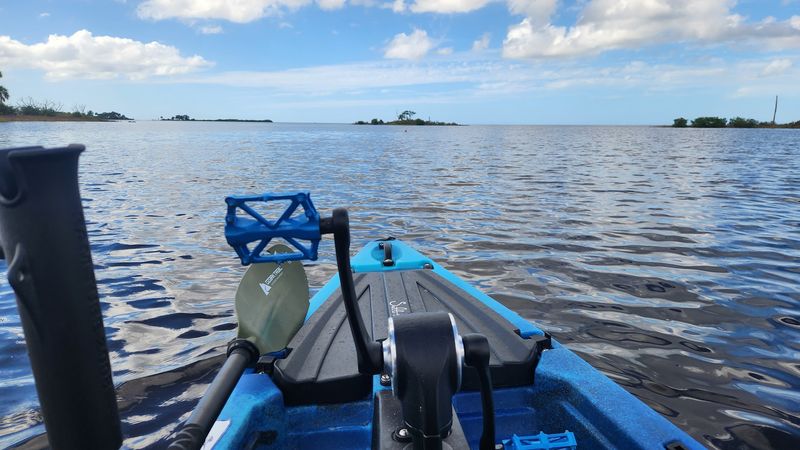
If fishing is your thing, Yankeetown operates on a different level entirely.
The waters here are legendary among serious anglers who know that the confluence of river and gulf produces some of the best catches in all of Florida. Redfish, speckled trout, snook, and tarpon are regular visitors to these flats.
The town has long identified itself as a fishing destination. Local guides know every grass flat, oyster bar, and tidal creek in the area.
Booking a guided trip is one of the smartest moves you can make, especially if you are new to the area and want to maximize your time on the water.
Offshore, the Gulf opens up to grouper and amberjack territory. Inshore, the shallow flats reward patience and a quiet approach.
Even from the shore or from one of the local docks, casting a line here feels productive in a way that busier fishing spots rarely do.
The relative lack of boat traffic means fish are less pressured and more cooperative. Anglers who have fished crowded spots elsewhere tend to describe their first time here as a revelation.
Paddling Through Pristine Wilderness
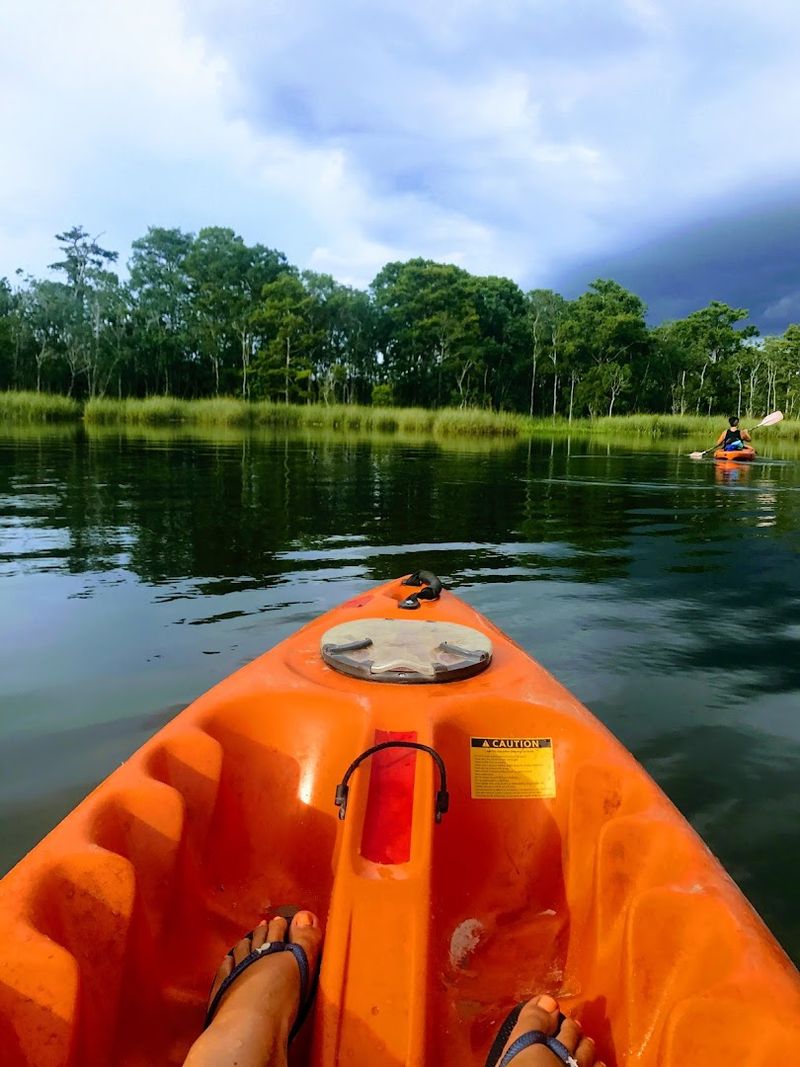
Not everyone visits Yankeetown with a fishing rod in hand.
Kayakers and canoeists have quietly discovered that this corner of North Florida offers some of the most rewarding paddling routes in the entire state. The Withlacoochee River provides miles of navigable water through landscapes that feel genuinely untouched.
Mangrove tunnels, tidal creeks, and open marsh channels give paddlers a constantly changing environment.
One moment you are gliding under a canopy of red mangroves, their roots arching into the water like natural sculptures. The next, the river opens wide and a great blue heron stands motionless on a mudbank just feet away.
Manatees are a regular presence in these waters, particularly during warmer months. Spotting one of these gentle giants surfacing beside your kayak is the kind of moment that stays with you for years.
The paddling here requires no special skills for most routes, making it accessible to beginners while still rewarding experienced paddlers who want to explore deeper into the backcountry.
Wildlife That Commands Attention
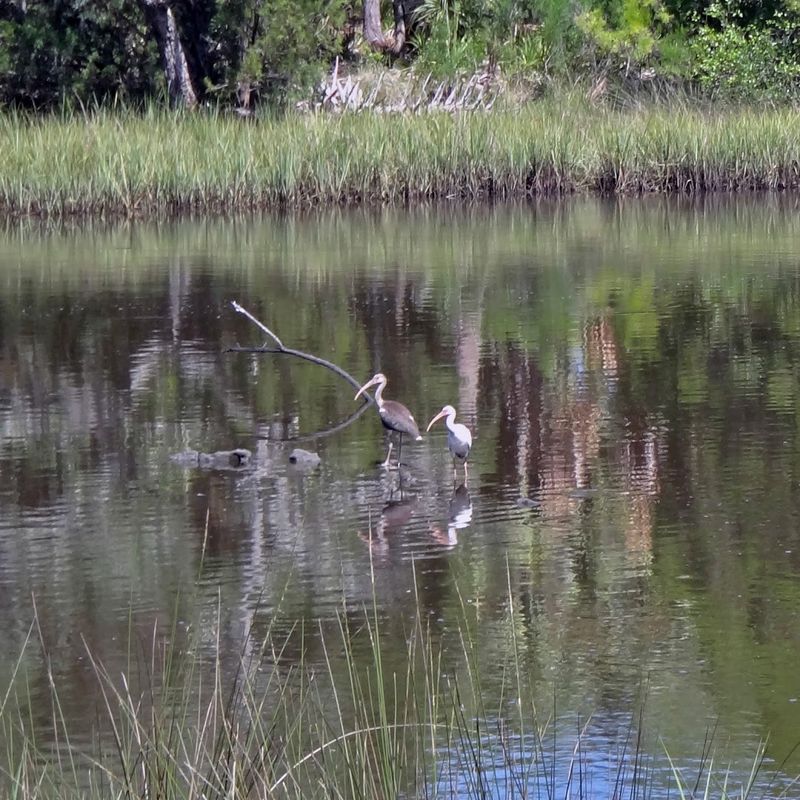
The Nature Coast title is not just clever marketing.
Yankeetown sits within one of the most biodiverse coastal corridors remaining in Florida, and the wildlife here has a way of stopping you mid-sentence.
Bald eagles nest in the tall pines along the river. Roseate spoonbills flash their pink wings over the tidal flats in a display that looks almost too vivid to be real.
The combination of saltmarsh, freshwater river, hardwood hammock, and open Gulf provides habitat for an extraordinary range of species. Wading birds, shorebirds, raptors, and migratory songbirds all pass through or reside here depending on the season.
Beyond birds, the area supports river otters, bobcats, gopher tortoises, and a healthy population of American alligators. Manatees frequent the warmer river waters throughout the year.
The biodiversity here reflects decades of relatively low human pressure on the landscape. This state has lost enormous amounts of natural habitat to development over the past century.
That makes places like this one feel all the more precious and worth protecting for future generations.
The Laid-Back Local Atmosphere
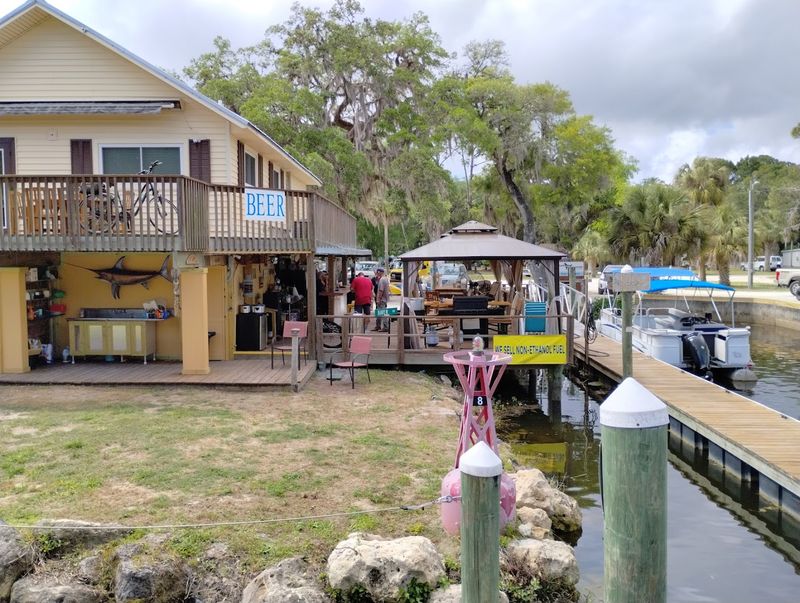
There is a particular kind of quiet that settles over Yankeetown on a weekday afternoon.
It is not the silence of a place that has been abandoned. It is the comfortable stillness of a community that simply does not feel the need to perform for outsiders.
People wave from their porches. Trucks slow down for you to cross the road.
The town has just a few hundred residents, and that small population creates a social fabric that feels genuinely tight-knit. Locals know each other by name and by boat.
Conversations at the boat ramp tend to last longer than expected and almost always include useful information about where the fish are running or which tidal creek had a manatee in it yesterday.
For visitors who are accustomed to over-curated travel experiences, that simplicity can feel almost disorienting at first. But give it a few hours, and the pace starts to feel like an abundance of exactly what most of us are actually looking for.
Best Times To Make The Trip
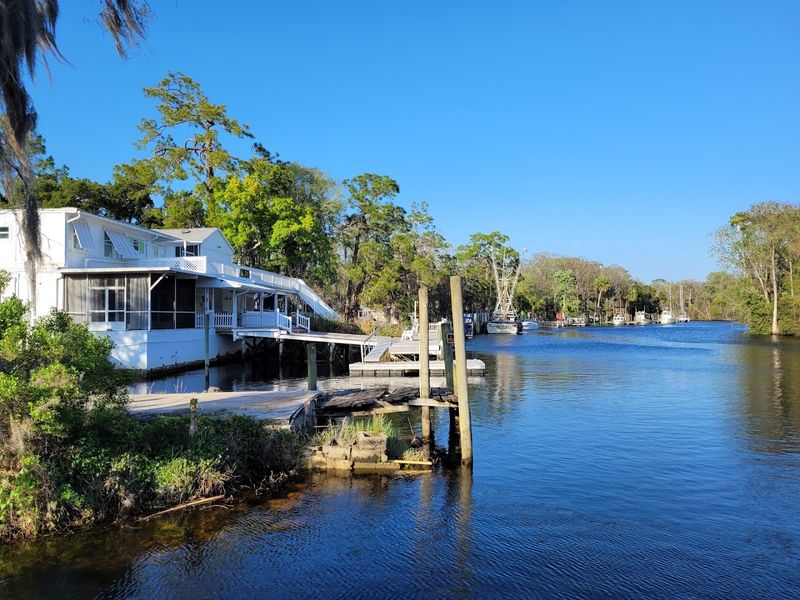
Timing a visit to this part of town makes a real difference to the experience.
The cooler months from October through April bring the most comfortable weather for outdoor activities.
Temperatures stay mild, humidity drops to manageable levels, and the skies tend to be clear and bright. This is peak season for birding and fishing alike.
Winter in North Florida is genuinely pleasant rather than harsh. Daytime highs often reach the mid-60s to low 70s Fahrenheit, which is ideal for kayaking or hiking without overheating.
Manatees tend to gather in warmer river springs during cooler months, making winter a particularly good time to spot them up close.
Summer brings heat, humidity, and afternoon thunderstorms that roll in fast off the Gulf. Fishing remains productive in the early morning hours before the heat builds.
Spring is a lovely shoulder season when wildflowers bloom along the riverbanks and migratory birds pass through in large numbers.
Whatever time of year you choose, arriving with flexible plans and a willingness to follow the rhythms of the natural environment will always serve you better than a rigid itinerary.
Nearby Natural Areas Worth Exploring
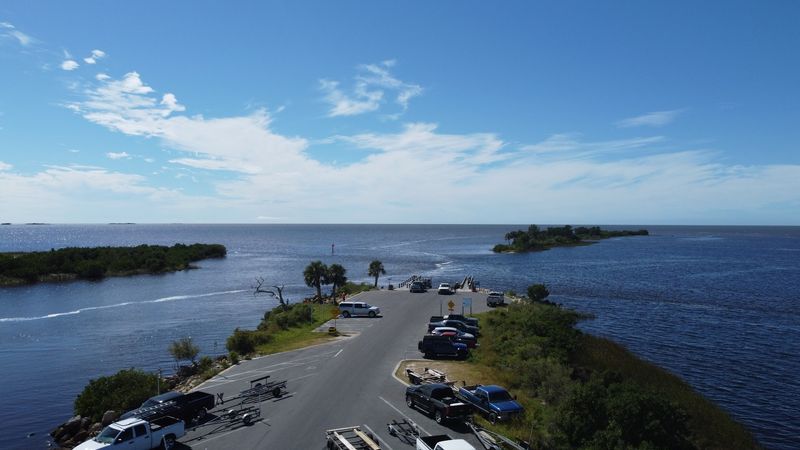
Yankeetown works beautifully as a base for exploring a broader stretch of wild North Florida. The surrounding Levy County contains some of the most undervisited natural areas in the entire state.
Goethe State Forest lies just inland and covers over 53,000 acres of longleaf pine flatwoods, scrub, and wet prairie that feel nothing like what most visitors know.
Hiking and equestrian trails wind through Goethe’s diverse habitats. Gopher tortoises are common sights along the sandy paths.
The forest supports rare species like the scrub-jay and Sherman’s fox squirrel. The quietness of the trails is a sharp contrast to the busier state parks further south.
Cedar Key, another small Gulf Coast community, sits about 20 miles to the south and makes for an easy day trip. Its historic downtown, artist community, and excellent seafood restaurants add a cultural dimension to a nature-focused visit.
The Lower Suwannee National Wildlife Refuge also lies within easy driving distance, offering additional paddling and birding opportunities along one of the state’s most storied rivers.