This Underrated Nebraska Park Packs Forest Trails, Wildlife And An Impressive Aquarium Into One Easy Escape
Nobody expects a quiet park outing to include wooded trails, fossil hunting, river views, and an aquarium filled with more than 60 freshwater species.
Yet this underrated escape manages to fit all of that into one surprisingly easy day.
Miles of paths wind through the rolling bluffs above the Platte River valley, giving hikers plenty of shade and several chances to spot birds or other wildlife.
Families can explore a geological display and wander around the ponds before heading indoors for a completely different experience.
A Nebraska park becomes much more than a picnic stop when native fish, interactive exhibits, and forest walks all share the same itinerary.
Inside the education center, aquariums recreate habitats ranging from cool streams to reservoirs and farm ponds.
Pack walking shoes and enough time to follow whichever trail looks interesting.
This is the rare outing where “let’s look around for an hour” can quietly consume most of the afternoon.
Explore Miles Of Wooded Hiking Trails
Few things reset a busy week faster than stepping onto a tree-lined trail with nothing but birdsong ahead.
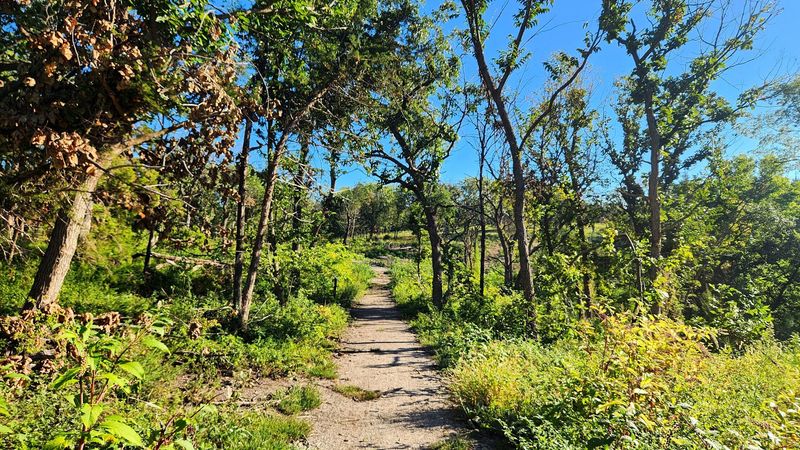
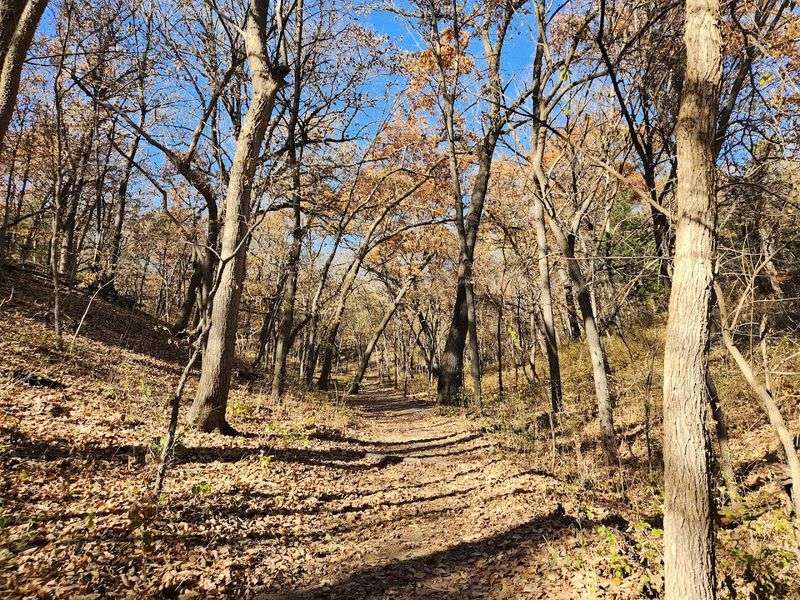
Schramm Park State Recreation Area offers over three miles of well-maintained nature trails that wind through eastern deciduous forests, riverine woodlands, gentle hills, and open natural areas.
Options include the 2.4-mile Schramm Park Nature Loop, the 2.5-mile Meditation Shelter and Red Cedar Trail loop, and the 1.4-mile Geological Trail.
Each route has its own character, so hikers who return multiple times rarely feel like they are walking the same path twice.
Some sections include short but noticeable inclines and declines, which adds a bit of variety without making things feel overly demanding. Most paths are wide enough to walk comfortably side by side.
Trail surfaces range from packed dirt to gravel, and benches are placed at intervals along the way for anyone who wants to pause and take in the surroundings.
The tree canopy provides generous shade during warmer months, making midday hikes more comfortable than expected.
A vehicle entry permit is required to access the main park area and can be purchased online or at the entrance.
Walk Across The Suspension Bridge
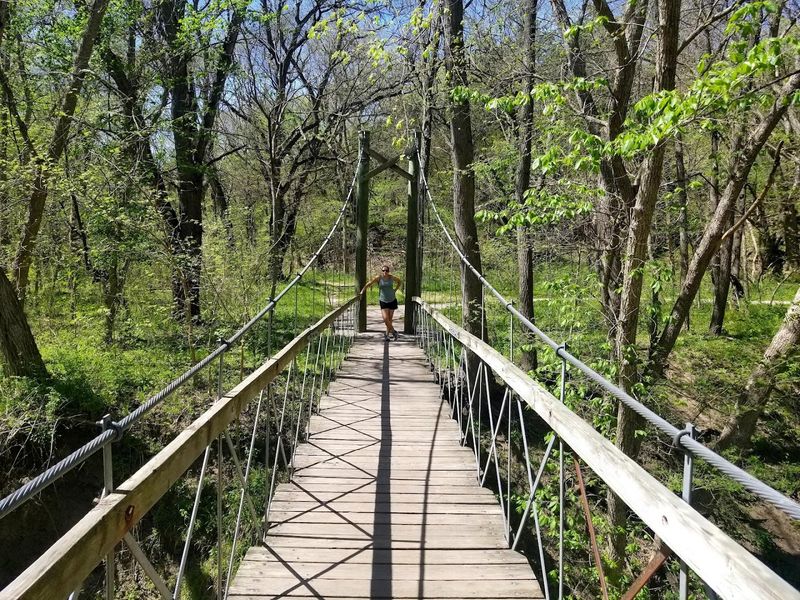
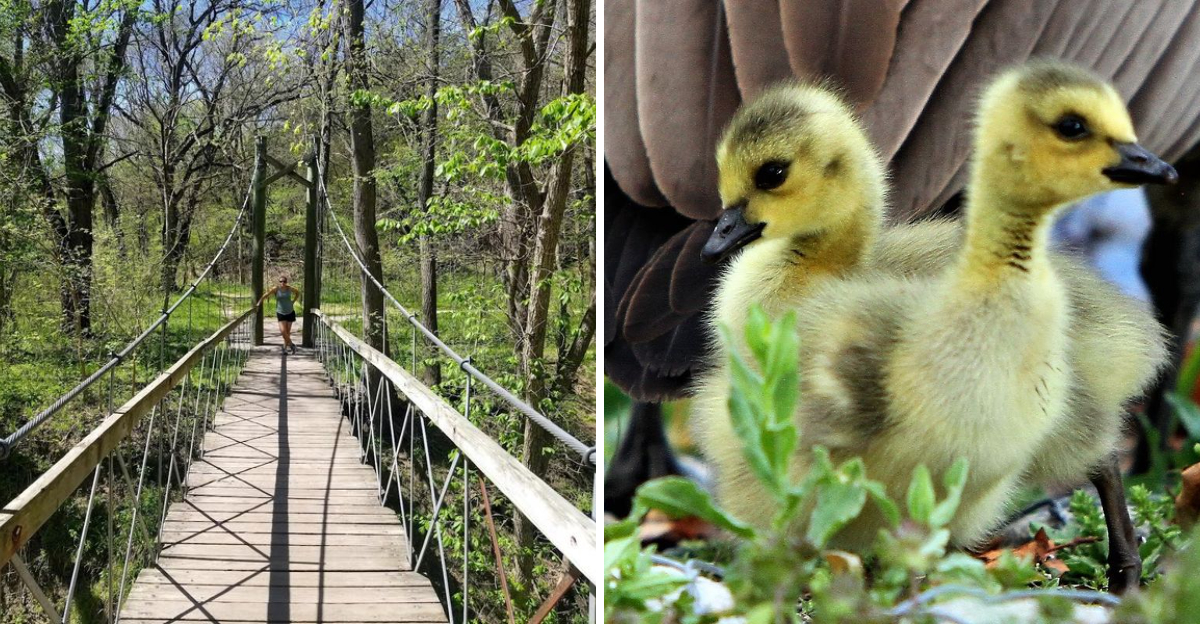
Hidden along the Red Cedar Trail, the suspension bridge at Schramm Park State Recreation Area is one of those small discoveries that tends to stick in a visitor’s memory long after the hike ends.
Reaching it involves a roughly 1.5-mile loop that moves through shaded woodland and along a path that feels genuinely removed from the surrounding suburban landscape.
The bridge itself sways gently underfoot, which adds a bit of playful excitement for kids and a surprisingly fun moment for adults who were not expecting it.
Standing at the midpoint offers a view down into the forested ravine below, where the quiet sounds of the park feel amplified by the open air around the bridge.
Families with younger children tend to enjoy this section of the trail particularly well, since it breaks up the walk with something tactile and memorable.
The surrounding trail conditions are generally good, though some tree roots and uneven ground appear near the bridge approach.
Wearing sturdy shoes rather than sandals makes the crossing more comfortable. The bridge is part of the Schramm Park Nature Loop, so it can be incorporated into a longer outing without backtracking.
See Native Fish Inside Immersive Aquariums
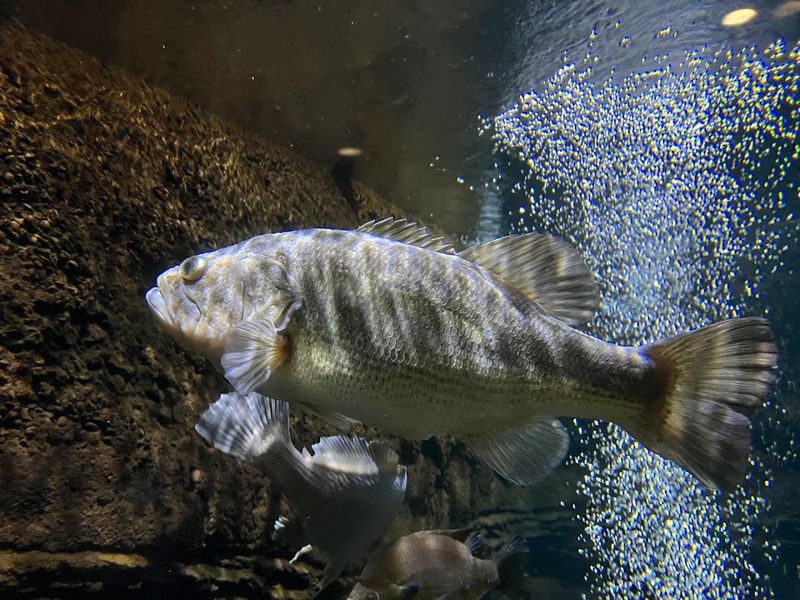
The Schramm Education Center, once known as the Ak-Sar-Ben Aquarium, underwent a full renovation and expansion in 2019, and the result is a facility that feels genuinely impressive for a state park setting.
Four large aquarium tanks hold a combined total of 21,200 gallons of water, each designed to replicate a different Nebraska aquatic habitat including cool water streams, rivers, reservoirs, and farm ponds.
Native fish species swim through each tank in conditions that closely mirror their natural environments.
Visitors can observe species that rarely get attention elsewhere, including some of the smaller and lesser-known varieties that live in Nebraska’s waterways.
The tanks are large enough that watching them feels more like peering into a real ecosystem than looking at a traditional display case.
Lighting inside the center is designed to complement the aquatic exhibits, creating a calm and focused atmosphere that works well for all ages.
Children tend to press close to the glass with genuine curiosity, while adults often find themselves lingering longer than planned.
Admission to the Schramm Education Center is $10 for adults and $7 for seniors and children ages 4 through 12, with free entry for children aged 3 and under.
Pass Beneath The Education Center’s 2,200-Gallon Tank
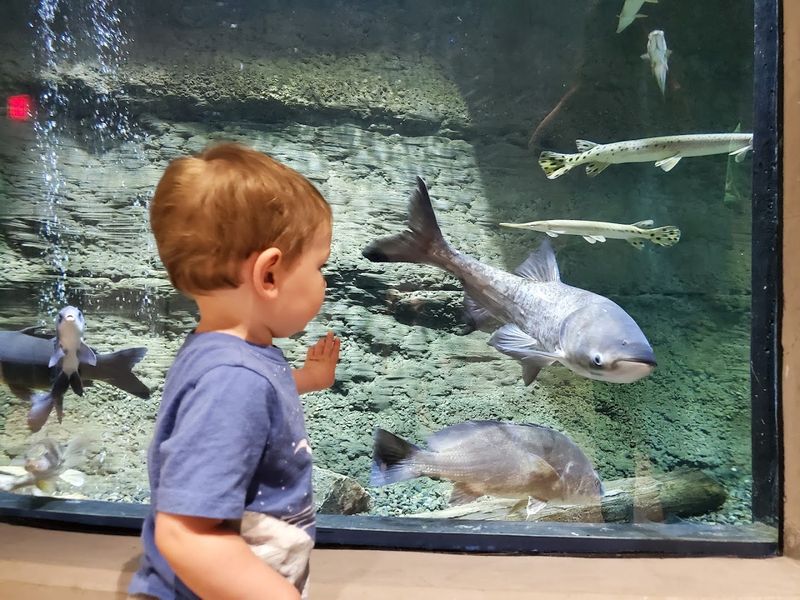
One of the most talked-about features inside the Schramm Education Center is a 2,200-gallon touch tank that gives visitors a hands-on encounter with Nebraska’s aquatic life.
The highlight of the tank is the opportunity to feel a Pallid Sturgeon, a fish that has existed in North American rivers for millions of years and is now a protected species.
Running a hand along its prehistoric-feeling exterior is a surprisingly memorable experience for visitors of any age.
Beyond the touch tank, the Education Center houses 17 live animal tanks containing various Nebraska reptile and amphibian species. Turtles, frogs, and other native animals are displayed in habitat-appropriate setups that make the exhibits feel educational without feeling clinical.
Each tank includes informational panels written in accessible language.
The combination of interactive and observational exhibits means visitors can move through the center at their own pace, spending more time where curiosity naturally pulls them.
Groups with younger children often circle back to the touch tank more than once.
Staff members are typically available to answer questions and share context about the animals on display. The center is open daily from 10 a.m. to 5 p.m., making it easy to plan around.
Learn How Nebraska’s Rivers And Lakes Support Wildlife
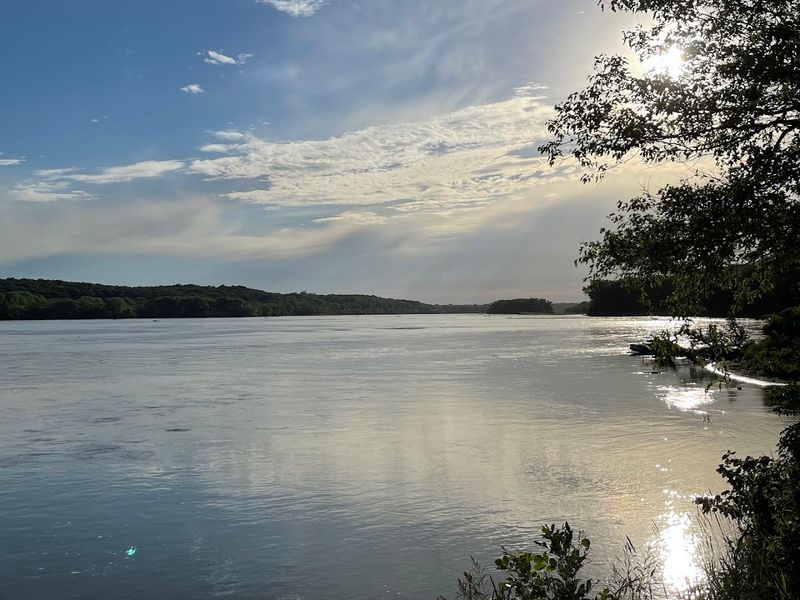
The Schramm Education Center was built around a clear mission: helping the public understand how Nebraska’s natural ecosystems function and why they matter.
The exhibits inside go well beyond fish tanks, covering aquatic and terrestrial environments with displays that are engaging rather than overwhelming.
Learning stations focus on insects, birds, and broader nature topics in formats that work for school-age visitors and curious adults alike.
A bird wingspan display allows visitors to physically compare their arm span to those of native bird species, which tends to produce genuine surprise at how large some of Nebraska’s birds actually are.
A mammal exhibit takes a similar approach, letting visitors compare their own size to that of animals that live in the region. Both exhibits make abstract ecological facts feel tangible and personal.
The center also includes educational areas dedicated to the connections between healthy waterways and the wildlife that depends on them.
Rivers, lakes, and wetlands are presented not as separate systems but as interconnected environments that support a shared community of species.
Exhibits are updated periodically, so returning visitors may find new content.
The Education Center’s approach leans toward curiosity and discovery rather than lecture-style information, which keeps the pace of a visit feeling light and engaging throughout.
Visit The Historic Fish Hatchery Museum
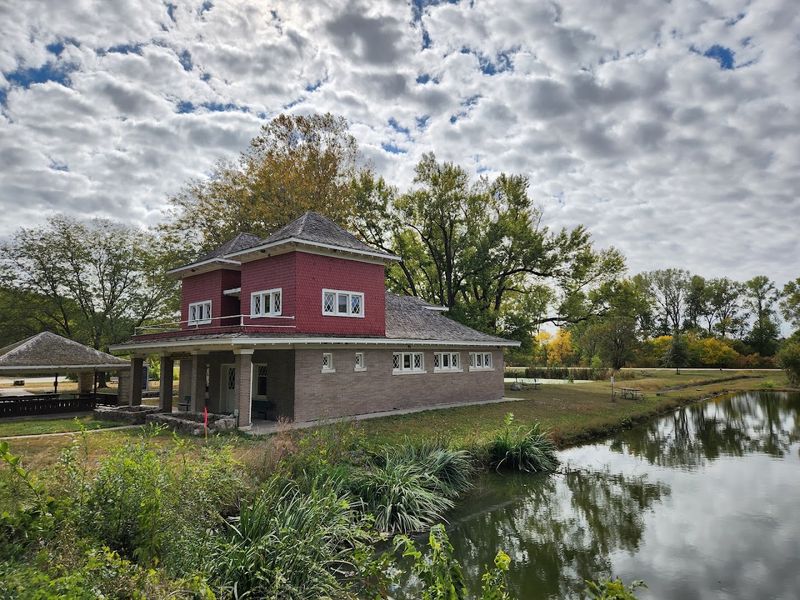
Nebraska’s first fish hatchery was established right here at Schramm Park in 1882, making this one of the oldest conservation sites in the state.
The original hatch house still stands and has been converted into a fish management museum where visitors can explore the full history of fish culture in Nebraska.
It is a quiet, genuinely interesting stop that tends to get overlooked in favor of the trails and aquariums.
Inside the museum, exhibits trace the beginnings of the Nebraska Game and Parks Commission and explain how early fish propagation shaped the state’s waterways over generations.
Species like trout, carp, and channel catfish were hatched at this site for nearly a century before hatchery operations officially ended in 1973.
The longevity of that history gives the building and its surroundings a sense of weight that is hard to replicate elsewhere in the park.
The area around the museum is also scenic and worth a slow walk even when the building itself is not open.
Outdoor features and the surrounding landscape offer a clear sense of how the site functioned during its working years.
Checking the Nebraska Game and Parks website before visiting is recommended to confirm current museum hours, as they may vary by season.
Watch For Deer, Birds And Small Wildlife Along The Trails
Schramm Park State Recreation Area has earned a quiet reputation among birdwatchers, particularly during spring migration season when the park’s varied habitats attract a wide range of songbirds and waterfowl.
The mix of eastern deciduous forest, riverine woodland, and open natural areas creates conditions that support a genuinely diverse community of wildlife throughout the year.
Deer are spotted regularly along the trails, often in the early morning or late afternoon when foot traffic is lighter.
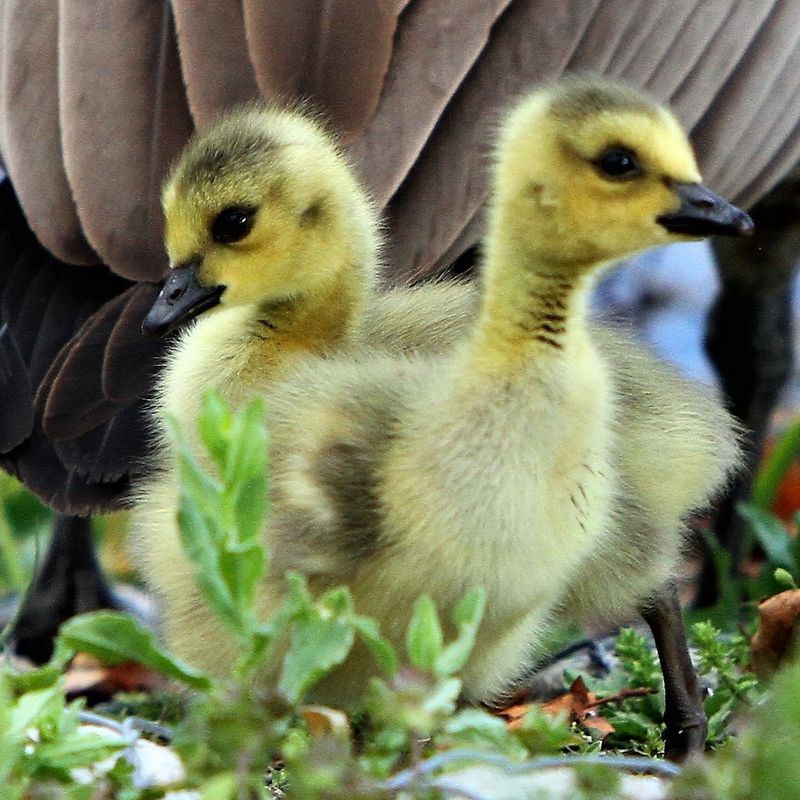
Geese are a near-constant presence near the water areas, and evidence of raccoons and beavers can be found along portions of the trail that run closer to the river.
Watching for animal signs like tracks and chewed branches adds another layer of interest to any hike.
Guided Sunrise Bird Hikes are offered periodically through the Schramm Education Center, providing a structured opportunity to look for migrating species with knowledgeable guidance.
These programs tend to fill up, so advance registration is usually recommended. For visitors who prefer to explore independently, moving quietly and pausing often tends to yield more sightings than a fast-paced walk.
Early morning visits during spring and fall offer the best overall conditions for spotting wildlife across multiple species in a single outing.
Join A Guided Hike Or Seasonal Nature Program
The Schramm Education Center runs a rotating calendar of nature programs that gives the park a different kind of energy depending on when a visit happens to fall.
Monthly Homeschool Hikes offer families an organized way to explore the trails with educational context built into the experience.
Little Saplings programs are designed specifically for children aged 2 through 5 and their caregivers, focusing on early nature connection through simple, hands-on activities.
Sunrise Bird Hikes are among the more popular seasonal offerings, drawing participants who want guided help identifying migrating songbirds and waterfowl during peak movement periods.
These early morning programs tend to feel relaxed and unhurried, with knowledgeable leaders who keep things accessible for beginners without losing the interest of more experienced birders.
Group sizes are typically kept small, which helps everyone get a clear view and a chance to ask questions.
Most programs encourage or require advance registration, and some carry a small additional fee beyond general admission.
Checking the Nebraska Game and Parks website or calling the Education Center directly is the most reliable way to get current program schedules.
Seasonal offerings shift throughout the year, so there is usually something new to look forward to on a return visit regardless of the season.
Bring Lunch For A Picnic Beneath The Trees
Arriving at Schramm Park with a packed lunch turns a simple hike into a full afternoon out.
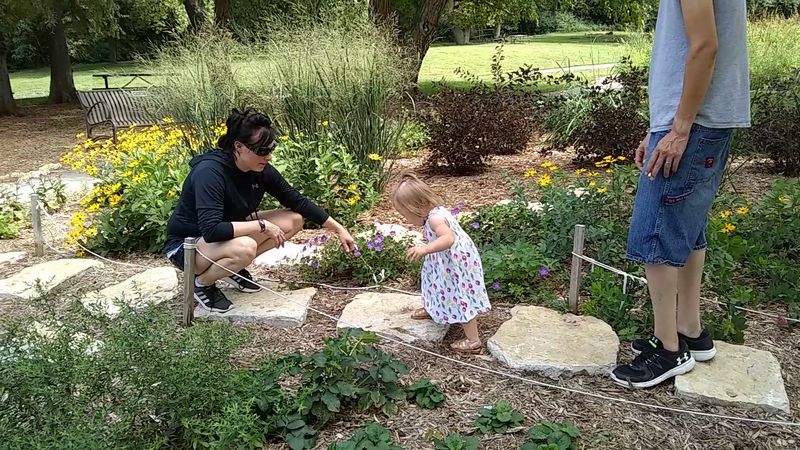
The park features numerous picnic areas scattered throughout the grounds, with plenty of tables and natural shade from the surrounding tree canopy.
Some spots sit in open clearings while others are tucked closer to the treeline, giving visitors a range of settings to choose from depending on preference.
Certain picnic areas offer views of the surrounding countryside that make eating outside feel genuinely relaxing rather than like an afterthought.
Restroom facilities are available within the park and are noted for being clean and well-maintained.
A water bottle filling station is located at the Education Center, which is a practical detail worth knowing before heading out on a longer trail loop.
Weekends during spring and fall tend to bring more visitors to the picnic areas, so arriving earlier in the day helps secure a preferred spot.
Weekday visits offer a noticeably quieter atmosphere overall, with tables often available without any wait.
Geese and other birds frequently wander through the picnic areas, which adds an unexpected layer of entertainment to the meal.
The combination of shade, scenery, and clean facilities makes picnicking at Schramm Park a genuinely comfortable experience rather than just a convenient one.