This Untouched State Park In Connecticut Is The Peaceful Escape You Need
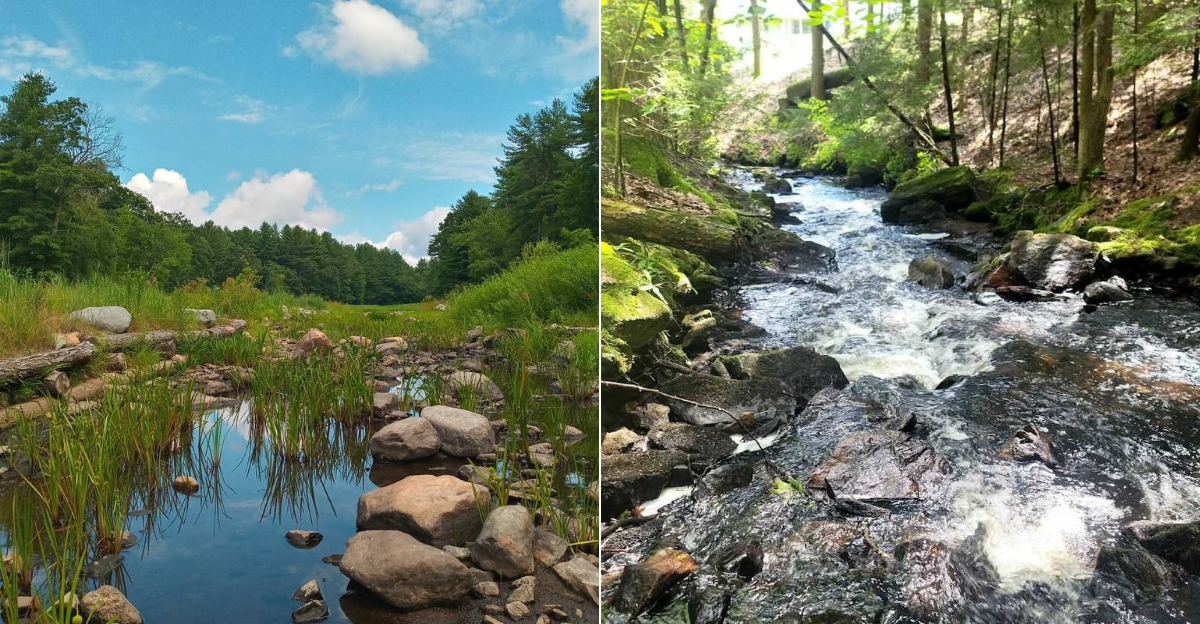
Some places just have a way of making the noise in your head stop and this is one of them. This untouched state park in Connecticut is the kind of peaceful escape that feels like the rest of the world genuinely cannot reach you here.
No crowds, no distractions, just trails that wind through scenery so quiet and raw it almost feels personal. The kind of spot where you show up stressed and leave feeling like a completely different person.
Wildlife doing its thing, water moving at its own pace, trees that have been standing longer than any of us have been around – it all adds up to something that’s really hard to put into words.
Experienced hikers will find plenty to love here, but honestly you don’t need a trail map or a fitness plan – just show up and let the place do its thing. Nature really said let me take care of you on this one.
1. Where To Find Bigelow Hollow State Park
Finding a park that genuinely feels off the beaten path is rare, and Bigelow Hollow State Park delivers exactly that feeling the moment you turn off the main road. The park sits in the northeastern corner of Connecticut near the Massachusetts border, making it feel removed from the busier parts of the state.
Getting there typically involves driving through quiet rural roads lined with dense woodland, which sets the mood long before the parking area comes into view. The park is accessible by car, with parking areas near the main entrance and boat launch area, though space can fill up on warm weekends.
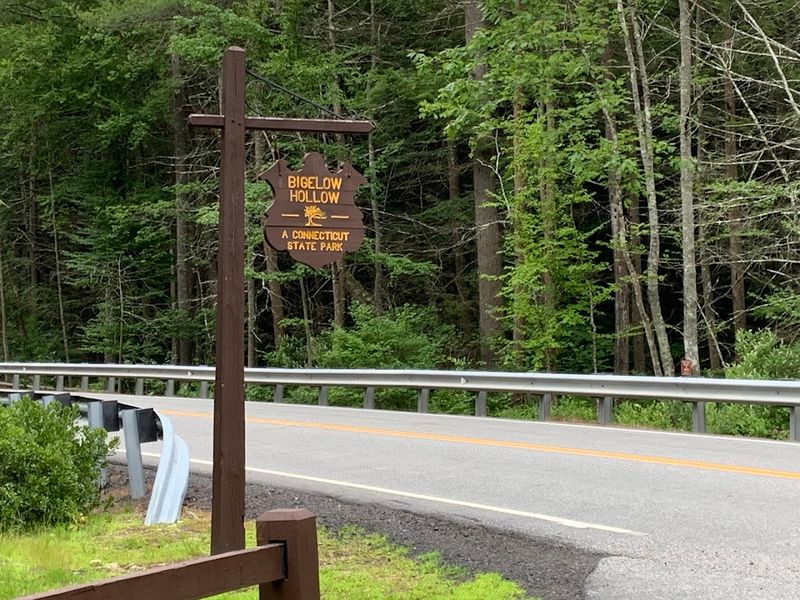
You’ll find it at 298 Bigelow Hollow Road in Union, CT 06076.
Bigelow Hollow State Park is open daily from 8 AM to sunset, and parking fees may apply for out-of-state visitors during the regular fee season.
2. Why Bigelow Hollow Feels So Peaceful
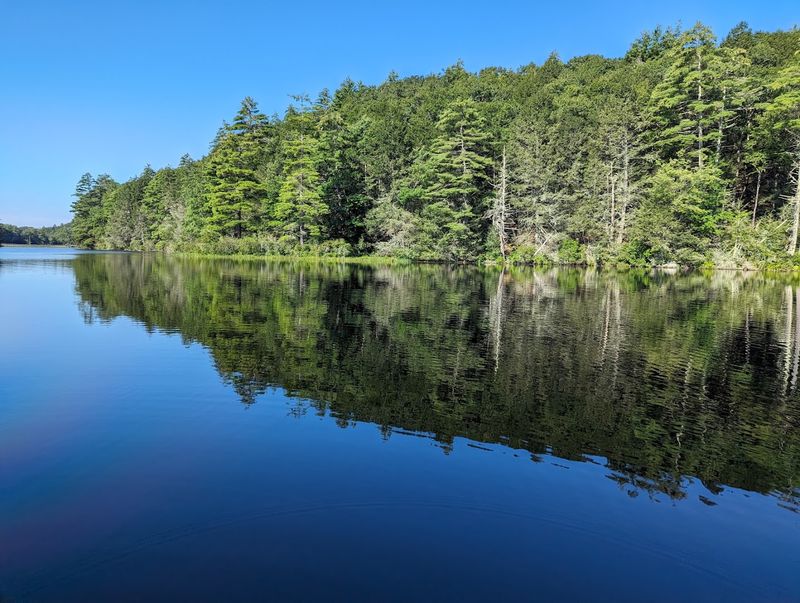
Some parks feel peaceful because they are empty, but Bigelow Hollow feels peaceful because of the way the land itself is arranged. Dense tree cover filters light into soft patches on the ground, and the ponds sit so quietly that the water often looks like glass in the early morning hours.
Sound plays a big role in how the park feels to visitors. Away from the parking area, the trails move through woodland thick enough to muffle outside noise, leaving mostly birdsong, rustling leaves, and the occasional sound of water.
That kind of quiet is harder to find than most people expect, even in rural areas.
The park also avoids the over-developed feel that can make some recreation areas seem more like outdoor malls than natural spaces. Facilities are present but understated, and the trails wind through terrain that still feels largely untouched.
Visitors who take their time and wander a bit tend to discover small clearings, rocky outcroppings, and lakeside views that reward patience and a slower pace of movement through the woods.
3. The Best Time To Visit The Park
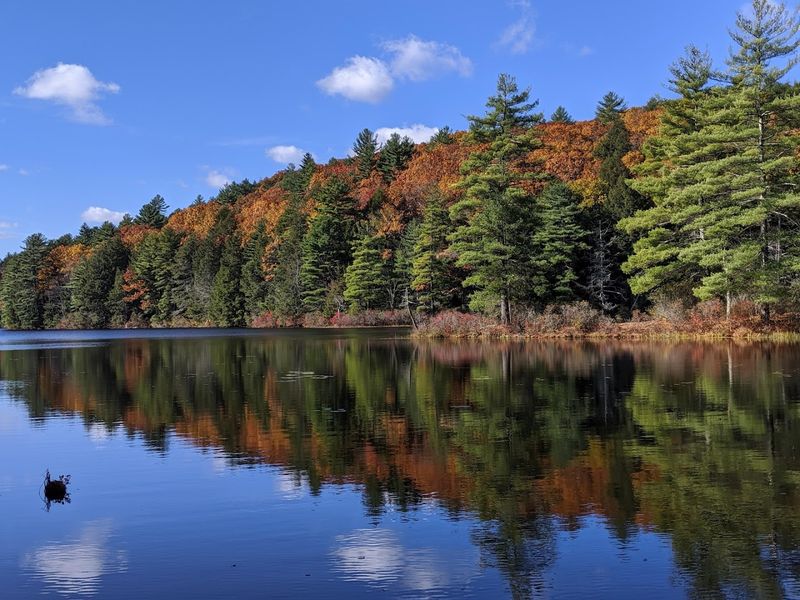
Timing a visit can make a noticeable difference in the overall experience. Fall tends to bring some of the most visually striking conditions, with foliage turning shades of orange, red, and gold across the hillsides that frame the ponds.
The cooler temperatures also make longer hikes more comfortable and the air feels noticeably crisp and clean.
Summer visits tend to draw more people, especially on weekends when families arrive for swimming, picnicking, and paddling. Arriving early in the morning on a weekday during summer months can help visitors enjoy the trails and water access with significantly fewer crowds.
The light during early morning hours also tends to be especially flattering on the water.
Spring brings fresh green growth and the sound of running water from seasonal streams, though some trails can be muddy after rain. Winter visits are quieter and the park remains open, offering a stark and beautiful landscape for those who enjoy cold-weather walks.
4. Scenic Trails Through Quiet Woodlands
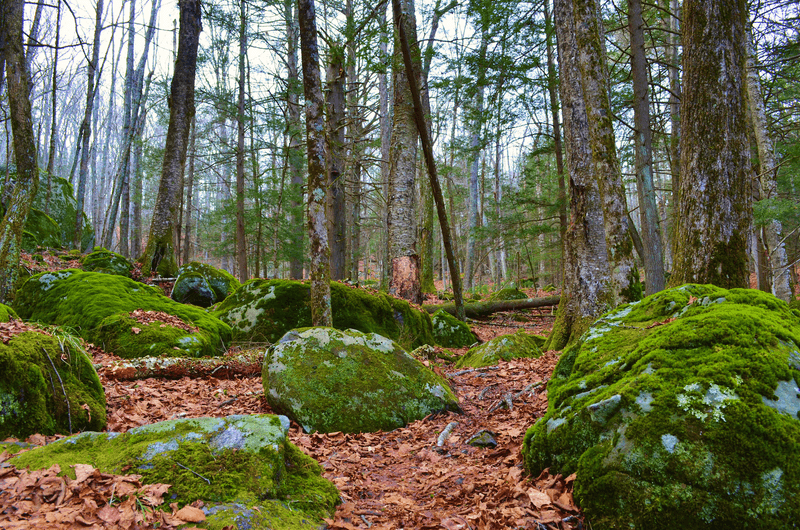
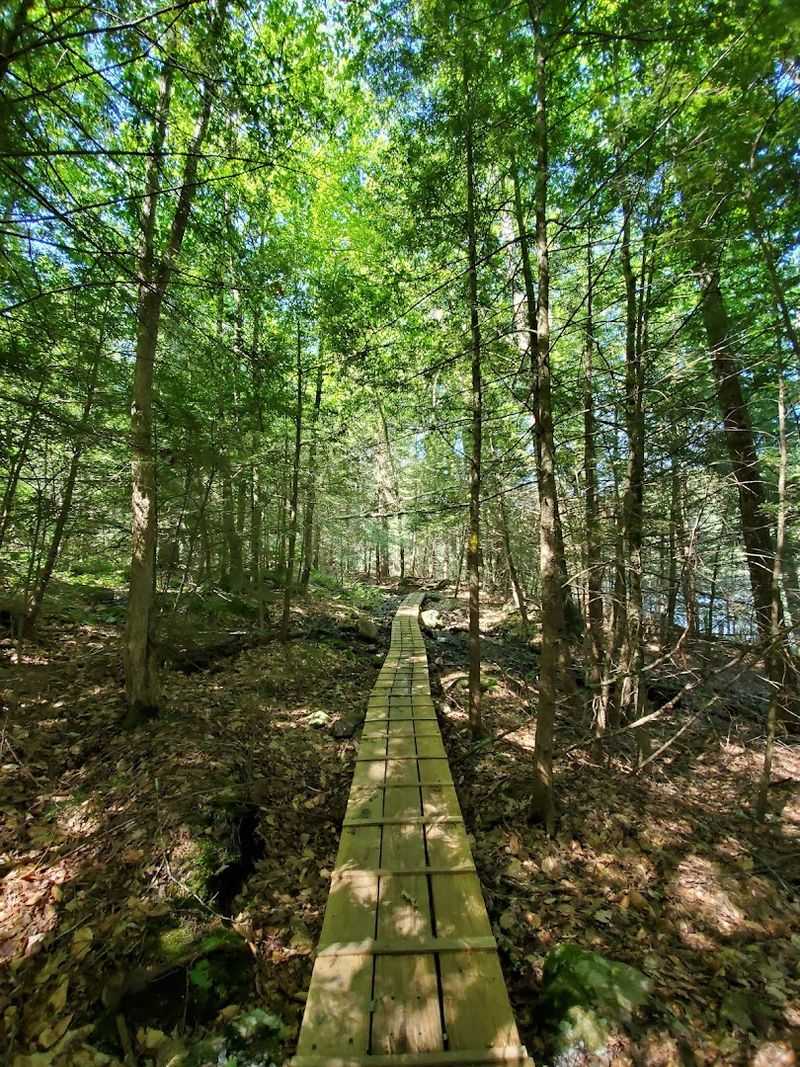
Trails vary enough in length and difficulty to suit a wide range of hikers, from casual walkers to those looking for something more physically engaging. The Bigelow Pond Loop is one of the more popular routes, following a yellow trail around the pond through shaded woodland with modest elevation changes that keep the walk interesting without becoming too strenuous.
The blue trail offers a more demanding experience, with narrow paths, steep sections, and plenty of rocks and roots underfoot. Sturdy footwear is genuinely recommended here, not just as a precaution but because the terrain shifts quickly and can be slippery after rain or when leaves accumulate in autumn.
Taking time to pause and look around on these trails tends to reveal details that are easy to miss when moving quickly.
Trail markings throughout the park are generally clear, and maps at the entrance help visitors plan their route before heading out. Some loops cover around five miles and take the better part of a half day to complete comfortably.
Hikers who prefer a shorter outing can stick to the flatter sections near the pond and still enjoy a genuinely satisfying walk through beautiful forest.
5. Boating And Paddling On The Water
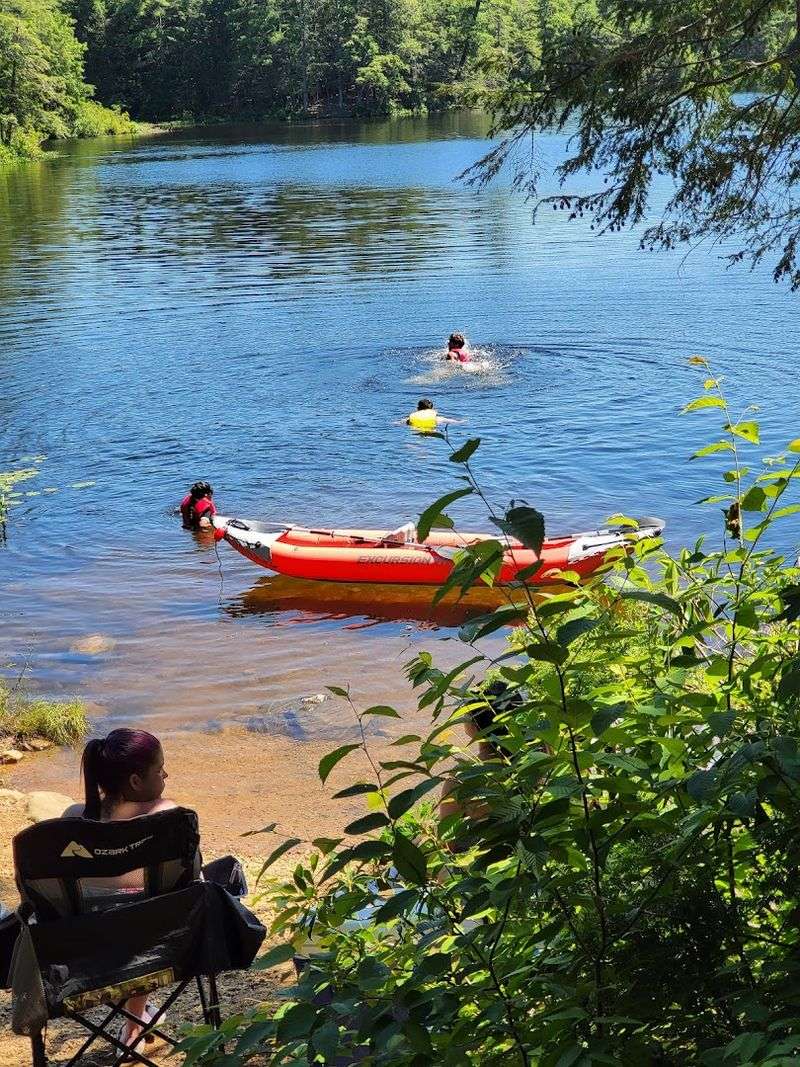
Getting out on the water adds a completely different perspective to the park experience. Mashapaug Lake and Bigelow Pond both offer scenic water access that is well-suited for kayaking, canoeing, and paddleboarding, and the forested shoreline visible from the water makes the setting feel especially secluded.
A boat launch is available near the parking area, making it reasonably straightforward to unload and carry watercraft down to the water. Parking near the launch can be limited on busy days, so arriving early gives visitors the best chance of getting a good spot without too much hassle.
The water is often calm enough for a relaxed paddle, though conditions can vary depending on weather, season, and boat activity.
The quiet coves, wooded edges, and reflective water views make paddling here feel especially peaceful without needing to overstate the rules around boating. The clarity of the water is one of the features visitors tend to notice and appreciate most, especially near the shoreline.
Spending a slow afternoon paddling along the edges of the lake and watching the treeline reflect on the surface is one of the more memorable ways to enjoy the park.
6. Fishing Spots Around Bigelow Pond
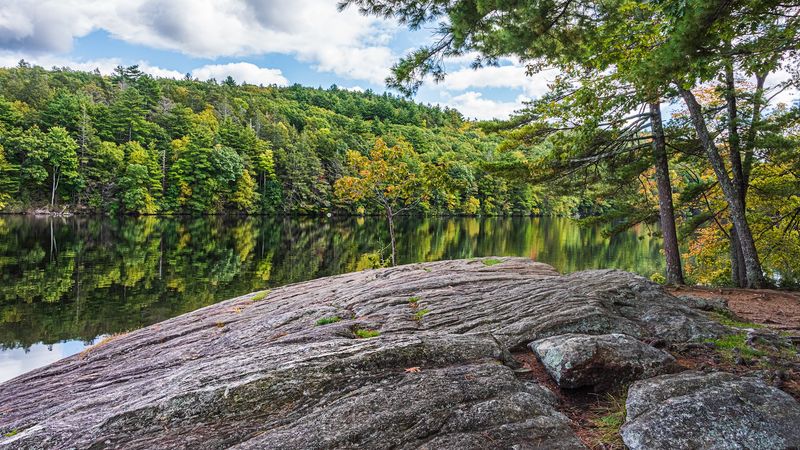
The pond is stocked with rainbow trout on a seasonal schedule, and timing a visit around those stocking periods tends to improve the chances of a successful catch significantly. The water quality is consistently noted as clean and clear, which contributes to healthy fish populations.
Several spots along the shoreline offer comfortable access for casting, and the rocky edges of the pond provide natural seating for those who prefer a relaxed, unhurried approach to fishing. The setting itself adds to the appeal, with quiet woodland surrounding the water and minimal foot traffic near the best fishing areas during weekday visits.
A valid Connecticut fishing license is required for anyone 16 years and older, so checking current state regulations before heading out is a practical step worth taking. Catch-and-release fishing is a popular approach here among visitors who appreciate the park’s natural character and want to help maintain it.
Whether the goal is landing a personal best or simply enjoying a quiet hour by the water, the pond offers a genuinely rewarding spot for anglers of varying experience levels.
7. Wildlife And Nature Worth Watching
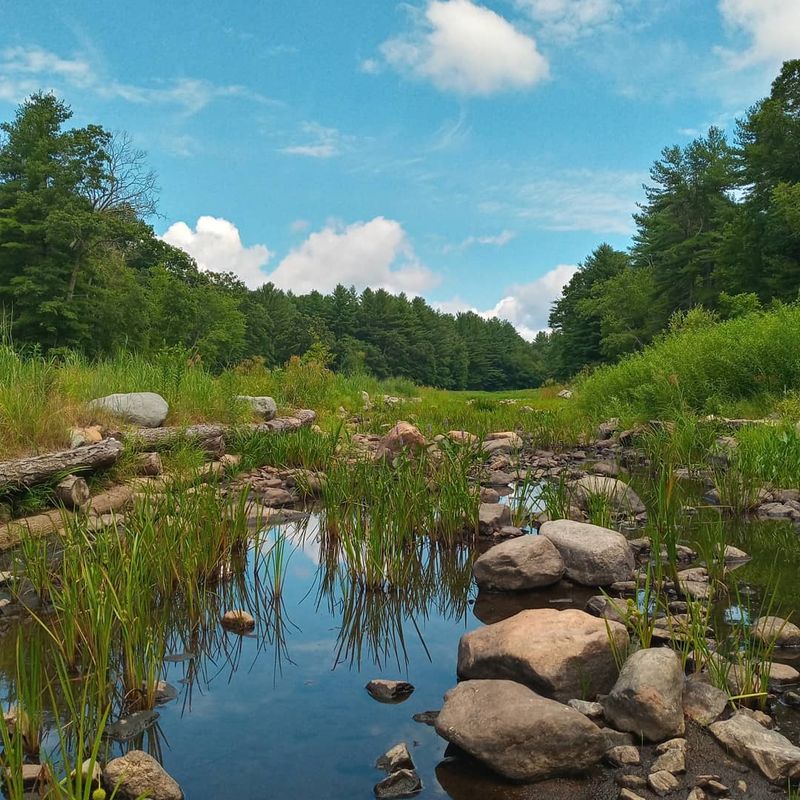
The forested landscape supports a surprisingly rich variety of wildlife that rewards patient and observant visitors. White-tailed deer are commonly spotted near the edges of trails, particularly in the early morning or late afternoon when they tend to be most active.
Birds are abundant throughout the park, and the mix of pond habitat and dense woodland attracts both waterbirds and forest species in the same visit.
The park’s tree cover includes a notable variety of plant life, with different types of mushrooms, ferns, and mosses visible along the trails depending on the season. Visitors who slow down and pay attention to the smaller details of the forest floor often find the experience more rewarding than those who move through quickly focused only on the larger views.
Bringing binoculars adds a lot to a wildlife-focused visit, especially near the water where herons and other birds tend to linger in the shallower areas. The relatively low foot traffic on weekdays makes wildlife sightings more likely, as animals tend to move more freely when the trails are quiet.
8. How The Park Connects To Nipmuck State Forest
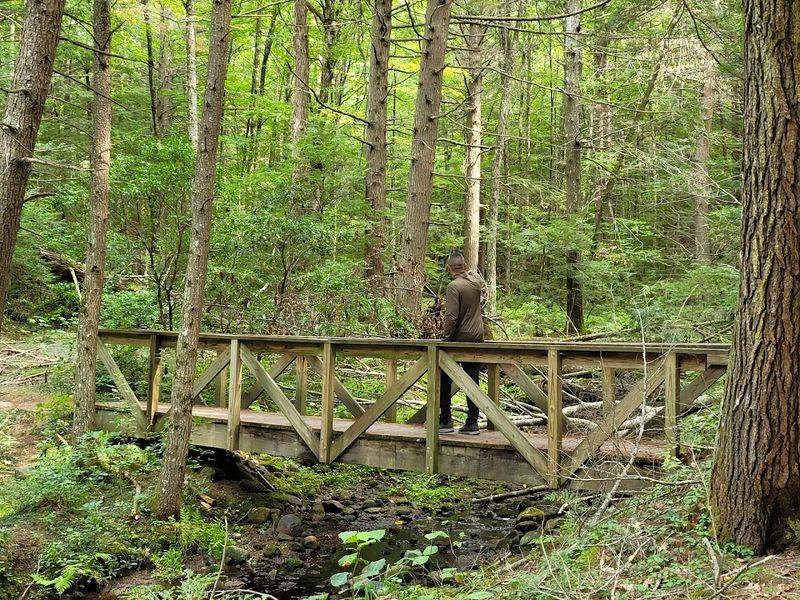
Bigelow Hollow State Park sits within and directly connects to Nipmuck State Forest, which significantly expands the amount of land available for exploration beyond the park’s core area. Together, the two areas form a large block of protected woodland that stretches across a substantial portion of northeastern Connecticut, offering hikers and nature lovers a much bigger network of trails than the park alone would suggest.
The blue trail in particular extends into the deeper sections of Nipmuck State Forest, leading to more remote terrain and longer hike options for those willing to cover more ground. Breakneck Pond, located within the forest section, is accessible by trail and offers another quiet body of water surrounded by undisturbed woodland that feels genuinely far from everyday life.
Having access to both areas in a single visit is one of the features that sets this location apart from smaller, more contained parks. Visitors who plan to explore beyond the main pond area should carry a trail map and enough water for a longer outing, since the combined trail network covers enough distance to make an afternoon hike feel like a full backcountry experience without requiring any technical skills or special equipment.
9. A Look At The Park’s Local History
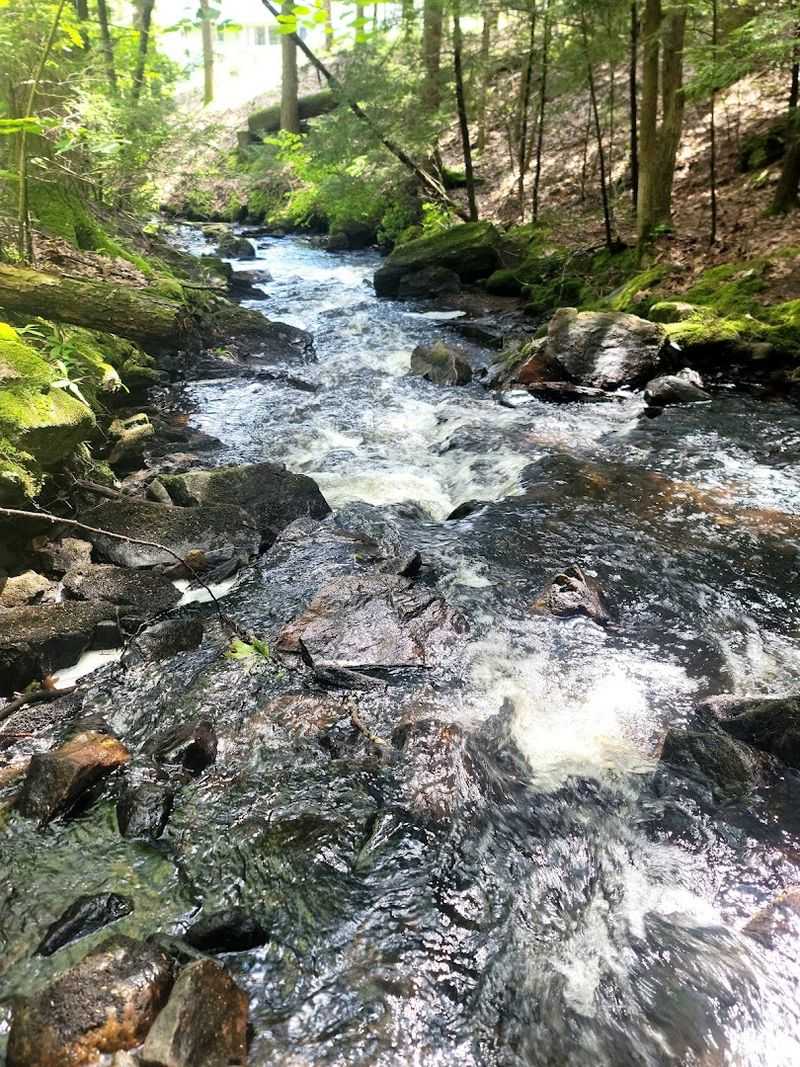
The land that now makes up Bigelow Hollow State Park carries traces of a much older human presence that adds quiet depth to a walk through the woods. Stone walls appear unexpectedly along several trails, remnants of the agricultural past when this land was cleared and farmed by early settlers in the region.
Spotting these walls half-hidden by moss and tree roots gives a sense of how dramatically the landscape has changed over the past few centuries.
The town of Union itself is one of the smallest and least populated municipalities in Connecticut, and the park sits at the heart of land that has remained relatively undeveloped compared to much of the state. That history of low development is part of why the forest here feels as mature and undisturbed as it does today.
The park became part of Connecticut’s state park system over time as land was acquired and protected from further development, preserving both the natural habitat and the quiet character of the area. Understanding that history adds context to the experience of walking through the woods, making it easier to appreciate just how much care went into keeping this particular corner of the state intact and accessible to the public.
10. Tips For Planning A Relaxing Visit
A little preparation goes a long way toward making a visit to Bigelow Hollow feel effortless rather than rushed. Packing enough water and snacks is especially important on warmer days when longer hikes can take more energy than expected.
The park has picnic tables and grills available near the pond area, so bringing food for a cookout is a genuinely enjoyable option that many visitors take advantage of.
Wearing layers is a practical choice in spring and fall when temperatures can shift noticeably under the tree canopy, and sturdy closed-toe shoes are worth choosing over sandals given the rocky and root-covered trail surfaces throughout the park. Bug repellent can be useful during warmer months, particularly near the water and in denser sections of the trail network.
Arriving on a weekday or early on weekend mornings tends to result in a much quieter experience with easier parking and less competition for the best spots along the water. Restrooms are available at the park, and maps are offered at the entrance for those who prefer a physical reference while walking the trails.