This Vintage Museum In Connecticut Is A Must-Visit For History Lovers
Ever walked into a place and instantly felt like you had opened a door to another century? That is the fun here, because this stop is not just shelves of old gadgets sitting quietly behind glass.
It hums with stories, voices, inventions, and the kind of quirky details that make history feel surprisingly alive.
This vintage museum, must-visit attraction, history lovers’ stop, communications collection, nostalgic experience, and Connecticut hidden gem turns old dials, speakers, and transmitters into a full-on time-travel moment.
You do not have to be a tech expert to enjoy it either. Half the charm is realizing how much personality these machines have, from chunky radios to equipment that once carried voices across huge distances.
Bring curious kids, a friend who loves oddball museums, or your own inner nerd. This is the kind of place that makes you say, “Wait, that is actually really cool.”
1. A Museum That Turns Static Into Storytelling
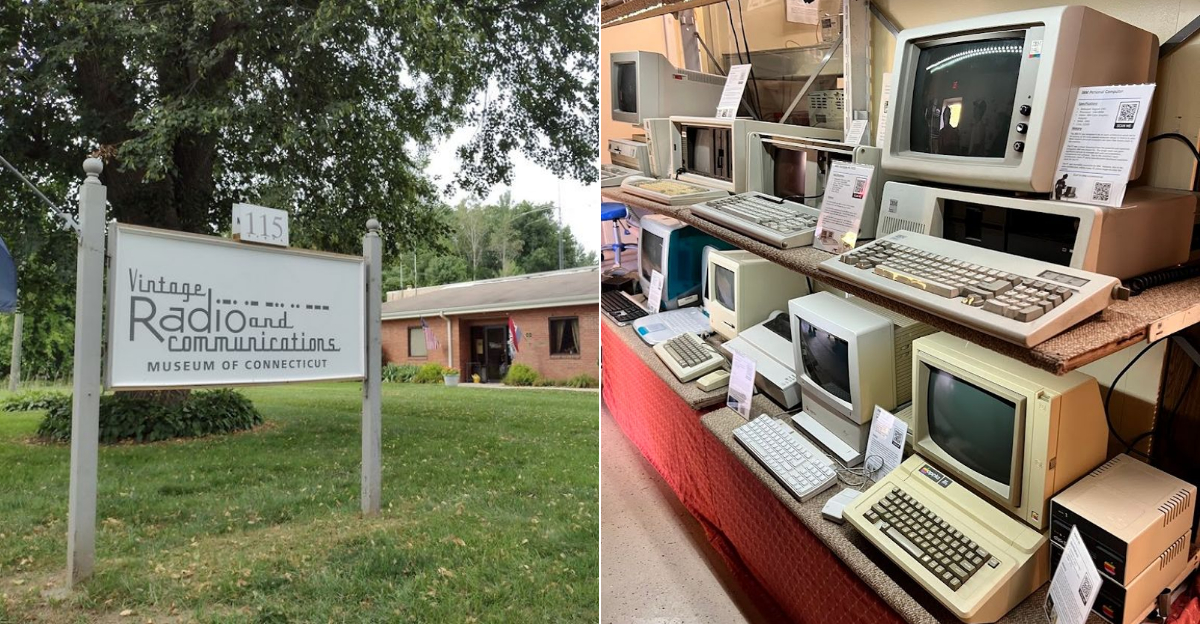
Most museums keep history at arm’s length, tucked behind glass and velvet ropes. At the Vintage Radio & Communications Museum of CT, located at 115 Pierson Ln in Windsor, CT 06095, the approach is refreshingly different.
The collection is meant to be experienced up close, and that changes everything about how a visit feels.
Walking through the front door, visitors are immediately surrounded by thousands of electronic artifacts arranged from ceiling to floor and tucked into every corner. The density of the collection is striking, but it never feels cluttered or chaotic.
Each piece seems to have a story attached to it, and the volunteer guides are more than ready to tell those stories with genuine enthusiasm.
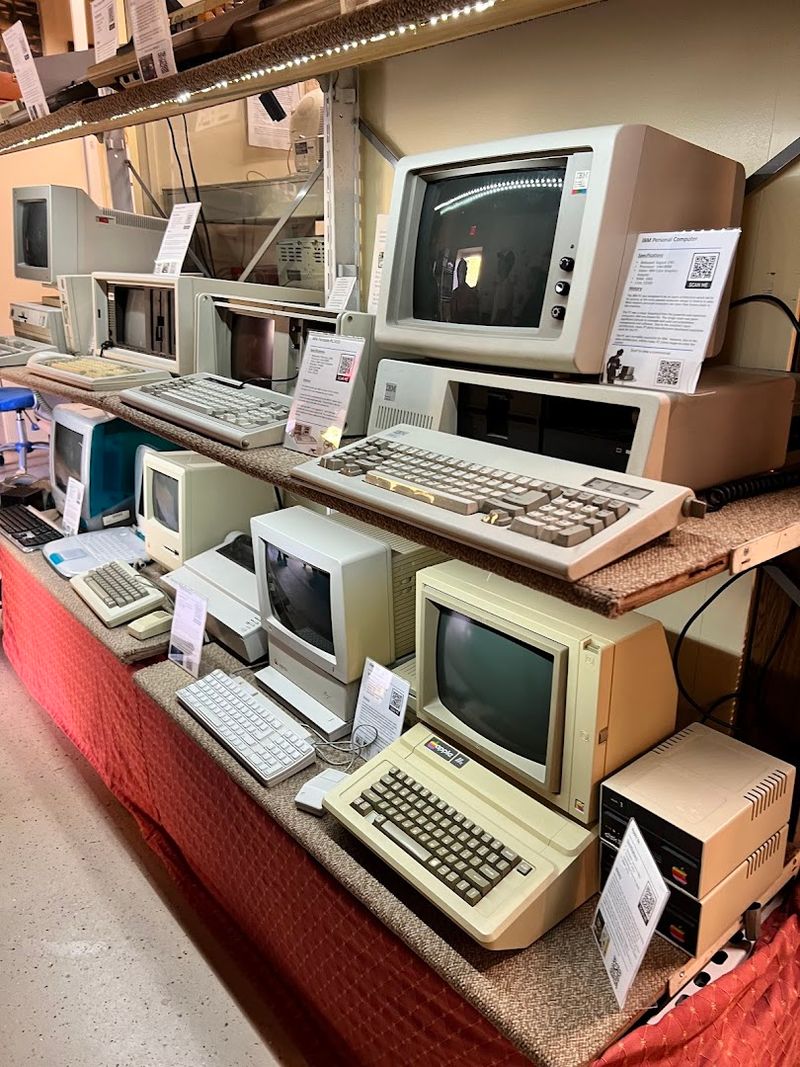
The museum covers over two centuries of communications history, spanning early telegraph equipment, hand-cranked phonographs, vintage broadcast studios, and even early home computers. The range is wide enough to surprise even the most seasoned history buff.
Guided tours run during open hours and tend to last longer than expected, simply because there is so much to absorb. Admission is kept affordable, generally ranging from around five to ten dollars depending on age and affiliations, making it accessible for families and solo visitors alike.
2. Why Old Radios Are More Fascinating Than You Think
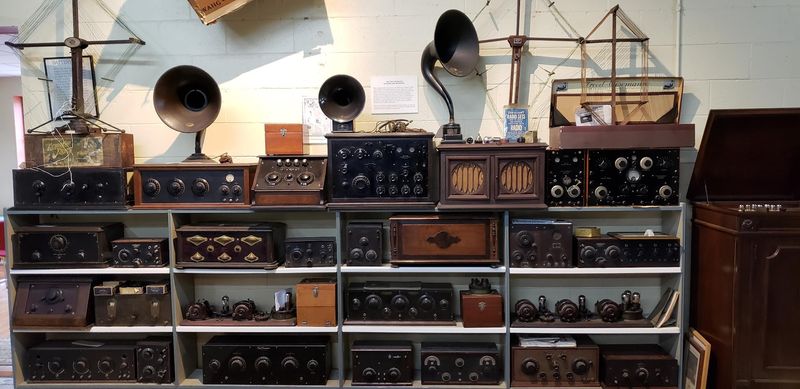
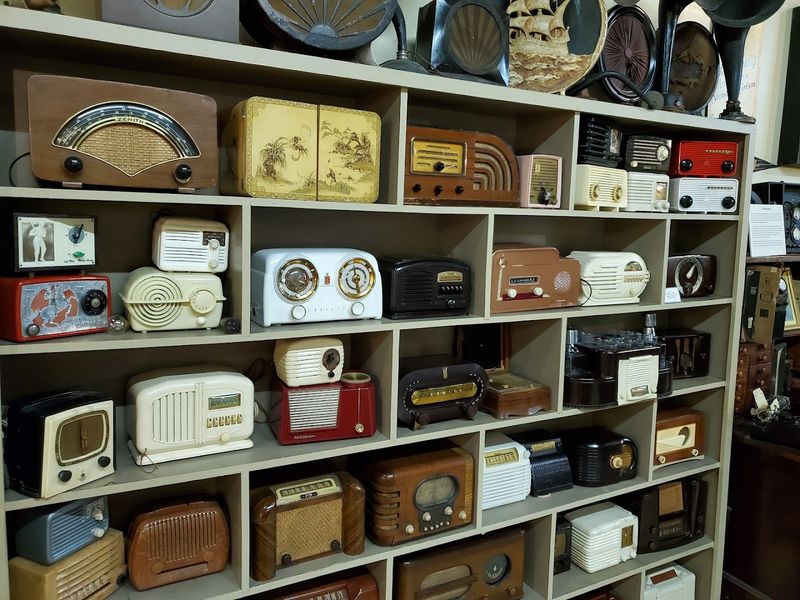
There is something unexpectedly captivating about a room packed wall to wall with vintage radio receivers. The shapes alone tell a story, from ornate wooden cathedral-style cabinets of the 1920s to sleek Bakelite designs of the 1940s and compact transistor sets of the 1960s.
Each design reflects the era it came from in ways that textbooks rarely capture.
At the Vintage Radio & Communications Museum of CT, the back room dedicated to radio receivers is especially impressive. Visitors often describe it as jaw-dropping, largely because of how many different models are represented and how many of them still work.
Hearing actual sound come through a decades-old speaker is a sensory experience that photographs simply cannot replicate.
Beyond the aesthetics, old radios represent a pivotal chapter in how people connected with the world around them. Before television and the internet, the radio was how families gathered to hear news, music, and stories together.
Understanding that context adds a layer of meaning to every knob and dial on display. The museum does a thoughtful job of framing each piece within its historical moment, so visitors leave with a richer sense of why these objects mattered so deeply to the people who owned them.
3. Step Inside A World Of Wires, Dials, And Voices
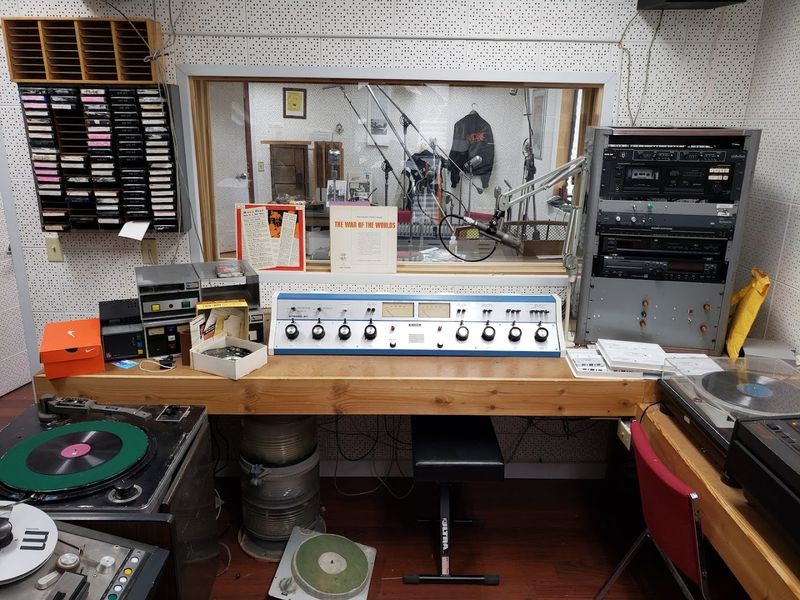
Few things set the Vintage Radio & Communications Museum of CT apart quite like its fully outfitted broadcast studio.
Complete with vintage microphones, transmitters, and control equipment, the studio gives visitors a tangible sense of what it felt like to produce and broadcast live radio in an earlier era.
Two of the transmitters on display have even been converted for active use by an on-site ham radio station.
The hands-on nature of the museum extends well beyond the studio. Visitors can interact with telegraph equipment, listen to audio through vintage receivers, and pick up old-style telephone handsets.
Sound quality from some of the restored equipment tends to be remarkably clear, which often surprises people who expect only faint or distorted audio from antiques.
The collection also includes a variety of audio media formats that have largely disappeared from everyday life, including Edison wax cylinders, piano scroll recordings, and early magnetic tape formats.
Hearing music played back on these original formats creates a connection to the past that feels almost personal.
The museum staff take care to demonstrate these pieces whenever possible, turning what could be a passive viewing experience into something genuinely participatory and memorable for visitors of all ages.
4. A Fun Stop For Curious Kids And Grown-Ups
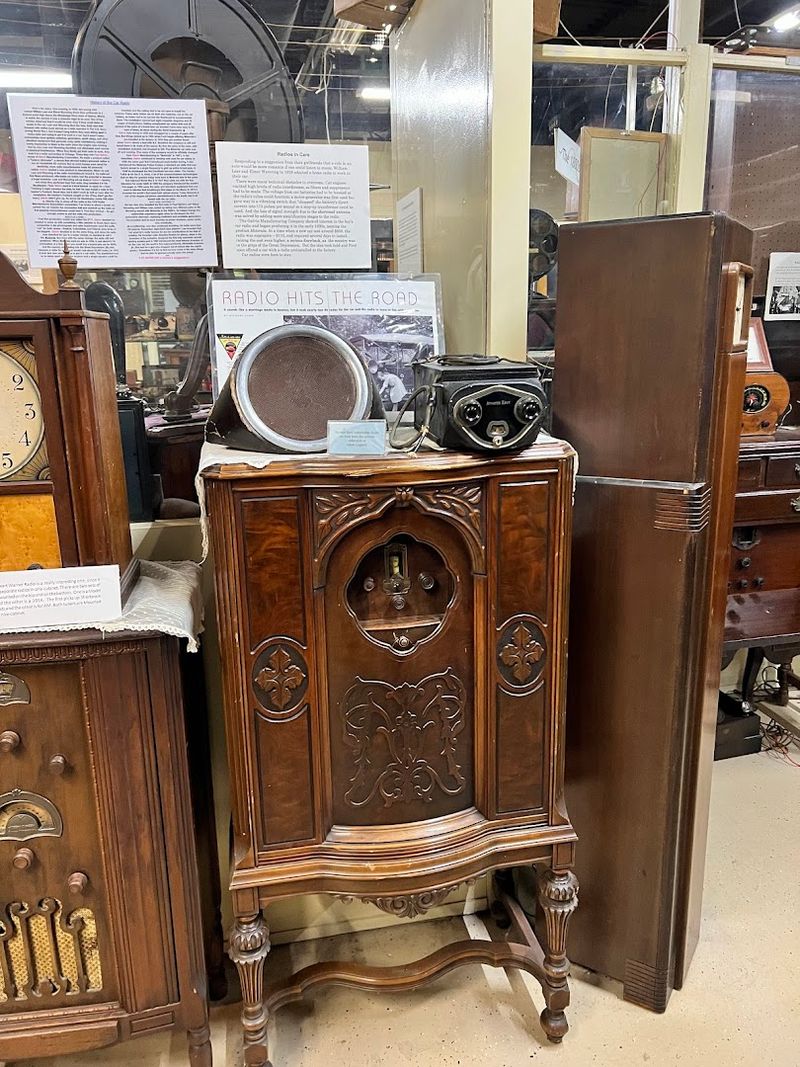
Keeping kids engaged at a museum can be a challenge, but the Vintage Radio & Communications Museum of CT seems to handle that naturally. Much of the collection is interactive, meaning children can actually touch, listen to, and in some cases operate the equipment on display.
That level of engagement makes a noticeable difference in how young visitors respond to the experience.
Among the crowd favorites for younger guests are the Tesla coil demonstrations, which produce dramatic visual and auditory effects that tend to draw wide eyes from visitors of all ages.
The self-playing pianos are another highlight, with piano scroll recordings producing music in a way that feels almost magical when heard for the first time.
There is also a Volkswagen Microbus converted to play records, which is exactly as quirky and delightful as it sounds.
Parents often find themselves equally absorbed, particularly when guides begin explaining the history behind each piece in detail. The museum manages to work on multiple levels simultaneously, offering surface-level wonder for younger visitors and deeper historical context for adults.
Planning to spend at least two to three hours here is a smart move, since most visitors find that a single hour is simply not enough time to take everything in properly.
5. How Communication History Comes To Life Here
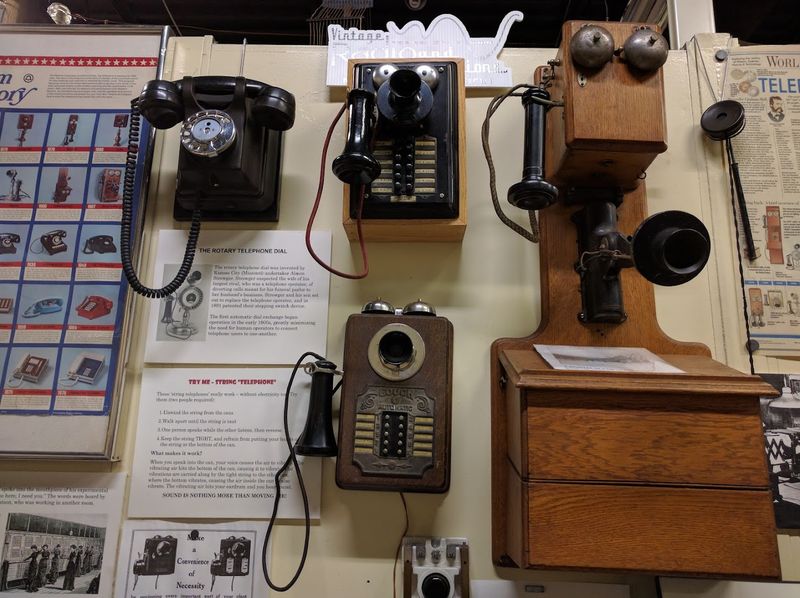
Tracing the arc of human communication from the 1800s to the early 2000s is no small task, but the Vintage Radio & Communications Museum of CT does it with impressive range and coherence.
The collection moves through early telegraph systems, hand-cranked phonographs, and crystal radio sets before arriving at mid-century broadcast equipment and eventually early personal computers like the Commodore 64 and Atari 2600.
Each section of the museum tends to flow naturally into the next, creating a loose but satisfying timeline of technological progress. Guides help connect the dots between eras, explaining how each invention built on or replaced what came before it.
That context transforms individual objects from curiosities into pieces of a much larger story about how people have always found ways to reach each other across distance.
Particularly striking is the collection of early telephones and the display of phonograph technology, which spans multiple generations of design and engineering. Seeing a 300-baud modem displayed alongside an Edison wax cylinder player makes the pace of technological change feel almost dizzying.
The museum does not rush visitors through any of this, and the pacing of a guided tour allows for genuine reflection on just how much the tools of communication have shifted within a single human lifetime.
6. The Unexpected Charm Of Vintage Technology

Part of what makes a visit to the Vintage Radio & Communications Museum of CT so enjoyable is the sheer variety of objects that fall under the broad umbrella of communications technology.
Alongside the expected radio receivers and phonographs, visitors encounter Wurlitzer jukeboxes, vintage movie projectors, early color televisions, and even a dorm-room television with a three-inch screen and a magnifying lens attached to the front.
The first color television on display tends to stop people in their tracks. Knowing that this technology once represented the cutting edge of home entertainment gives it a different kind of weight than a modern flat screen could ever carry.
Similarly, seeing a radio built inside a refrigerator cabinet or a self-contained broadcast unit assembled from salvaged parts reveals the creativity and ingenuity of engineers working with limited resources.
Vintage technology has a tactile quality that modern electronics often lack. The weight of a Bakelite handset, the satisfying click of an old dial, and the warm hum of a tube amplifier all contribute to an atmosphere that feels genuinely immersive rather than staged.
Visitors who grew up in an analog era often find the experience deeply nostalgic, while younger visitors tend to approach it with wide-eyed curiosity about a world that existed before touchscreens and wireless everything.
7. Why Windsor Is Worth A History-Filled Detour
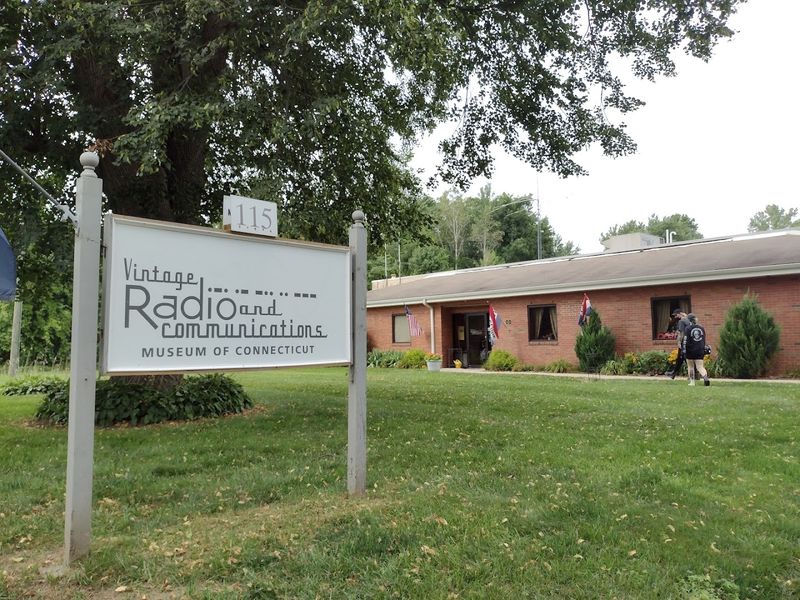
Windsor, Connecticut, is often bypassed by travelers heading to larger destinations in the state, but the presence of the Vintage Radio & Communications Museum of CT gives the town a genuinely compelling reason to stop.
The museum sits at 115 Pierson Ln, a location that is easy to reach and comes with ample parking, which makes planning a visit straightforward for families arriving by car.
The town itself has a quiet, unhurried quality that pairs well with the kind of slow, absorbing visit the museum encourages.
There is no pressure to rush through exhibits, and the relaxed atmosphere of the surrounding area makes it easy to treat the trip as a half-day or full-day outing rather than a quick stop.
Visitors who arrive with time to spare often find themselves staying longer than planned.
For history enthusiasts already exploring Hartford County or the broader Connecticut River Valley region, adding Windsor to the itinerary makes practical sense.
The museum is not widely advertised in mainstream travel guides, which means crowds tend to stay manageable and the experience feels personal rather than hectic.
Weekday visits during open hours, which run Thursday through Friday from 10 AM to 3 PM, tend to offer a quieter atmosphere for those who prefer a more relaxed pace.
8. Before You Visit The Vintage Radio & Communications Museum
A few practical details can make a visit to the Vintage Radio & Communications Museum of CT run more smoothly. The museum is open Thursday and Friday from 10 AM to 3 PM, Saturday from 10 AM to 5 PM, and Sunday from 1 to 4 PM, with Monday through Wednesday remaining closed.
Arriving earlier in the day on a Saturday tends to allow more time to absorb the collection without feeling rushed toward closing time.
Payment at the museum is accepted in cash, check, or PayPal, so carrying some cash is a practical idea before heading over.
Admission pricing has historically been kept low, generally in the range of five to ten dollars depending on age and group type, making it one of the more affordable museum experiences available in the region.
Veterans and students have typically been offered reduced rates, though confirming current pricing directly with the museum before visiting is always a good idea.
The space is handicap accessible and includes a clean restroom with a water fountain available for visitors. Chairs are available for those who need to rest during the tour.