This 18th-Century Virginia Church Survived A War And Still Won’t Let Its Ghosts Go
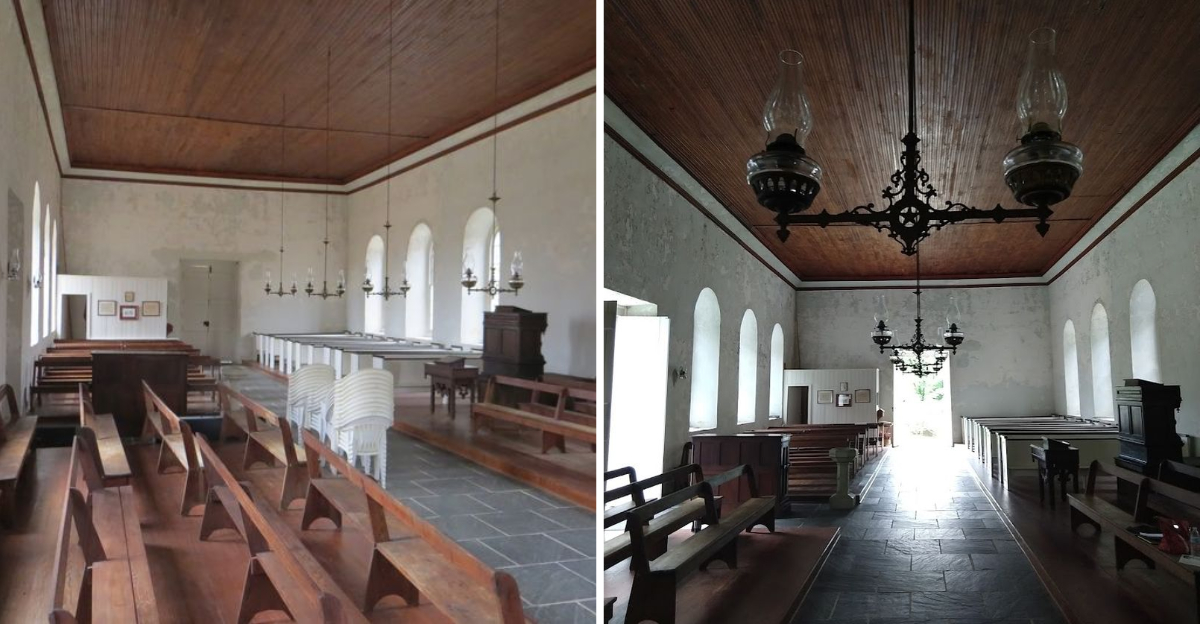
Certain old buildings prickle your skin before you understand why.
This weathered 18th-century church in Virginia is one of them. Standing since the 1700s, it has soaked up war, weather, and low rumor.
Locals still whisper that even Civil War soldiers kept their distance. True or not, the hush inside settles the argument fast.
I drove out alone, half expecting a plain country chapel. The silence that met me felt strangely, thrillingly alive.
Lay a palm on the cold brick and the decades answer back. Faith and folklore have fused here into one quiet thing.
Few small rooms hold this much history so gracefully.
A Church Born From Colonial Virginia
Few places in Virginia carry the weight of history quite like this one.
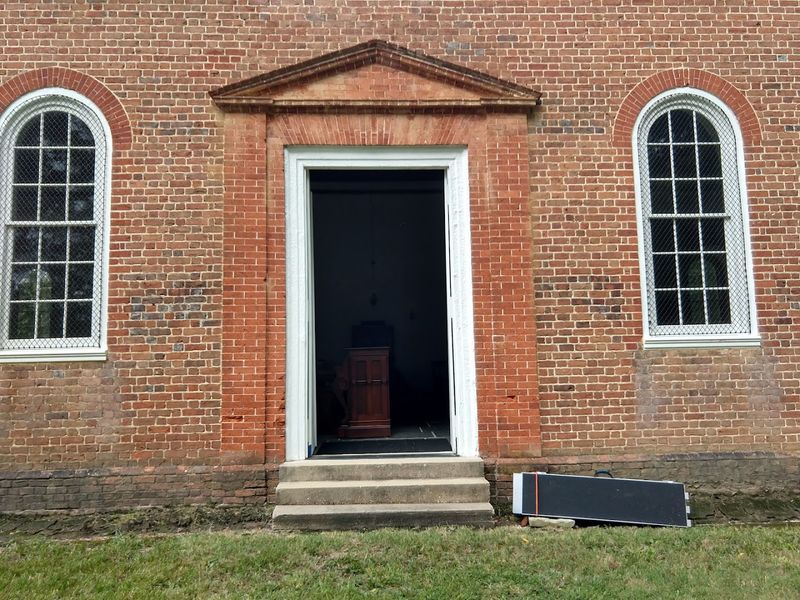
Lambs Creek Church was built around 1769, making it one of the oldest surviving colonial-era churches in the state. It served as a parish church for the Church of England before the American Revolution changed everything around it.
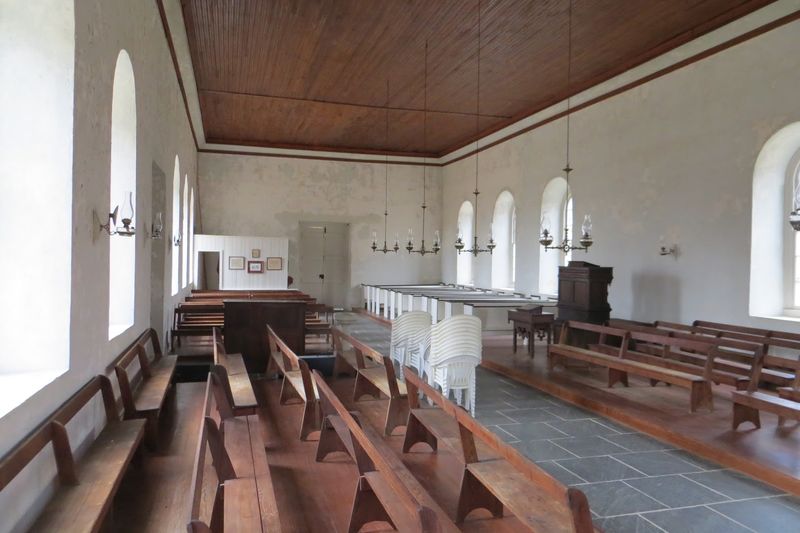
Its simple brick construction reflects the no-frills practicality of colonial builders who prioritized durability over decoration. The thick walls and arched windows are classic features of Anglican architecture from that era.
What makes this founding period so compelling is the community it served. Planters, farmers, and early Settlers gathered here for worship, community events, and even local governance matters.
Walking the grounds, you get a sense of how much has changed around it while the church itself has remained largely intact. The church sits quietly at 4368 Blakley Dr in King George.
The Eerie Legend That Stuck
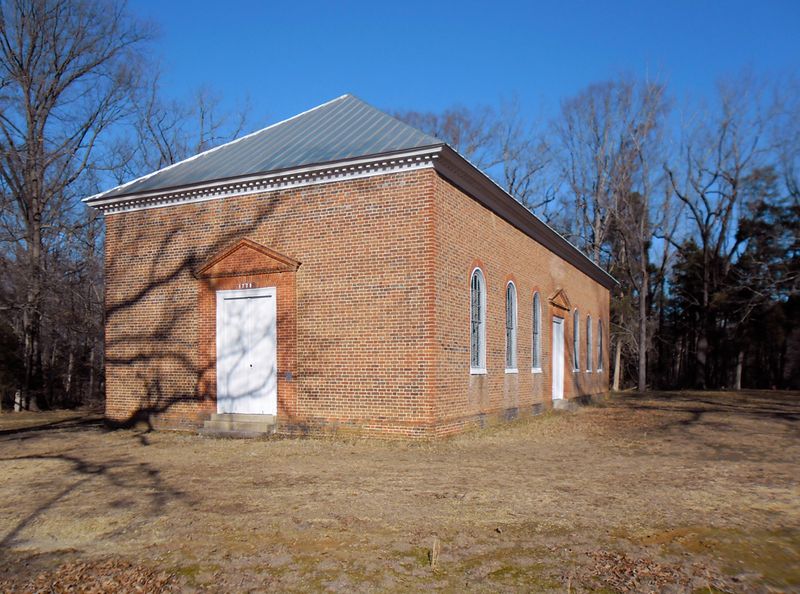
During the Civil War, Union cavalry occupied the church and used it as a stable, an act that left lasting scars on a building meant for worship.
Most of the original woodwork and furnishings were destroyed in the process, and bullet holes from that occupation still mark the exterior brick today.
Records tie the area to Kilpatrick’s Union Cavalry, which passed through nearby on a raid toward Port Conway in September 1863, part of the broader military activity that swept through this stretch of Virginia during the war.
The damage was severe enough that the church sat in rough shape for decades afterward, only formally restored to regular use by the Episcopal Church in 1908.
A place built for quiet worship, stripped and repurposed by soldiers, tends to leave an impression that outlasts the war itself.
The haunted reputation of the site did not begin with the Civil War, though. Locals in King George County had whispered about the church long before soldiers arrived.
Strange lights, unexplained noises, and an overwhelming sense of being watched were all part of the oral tradition surrounding the property.
What The Architecture Tells You
Old buildings speak their own language if you know how to listen.
The brick construction of Lambs Creek Church follows a style common to 18th-century Anglican churches in the Chesapeake region.
Local craftsmen used Flemish bond brickwork, a pattern that alternates the long and short faces of each brick for both strength and visual appeal.
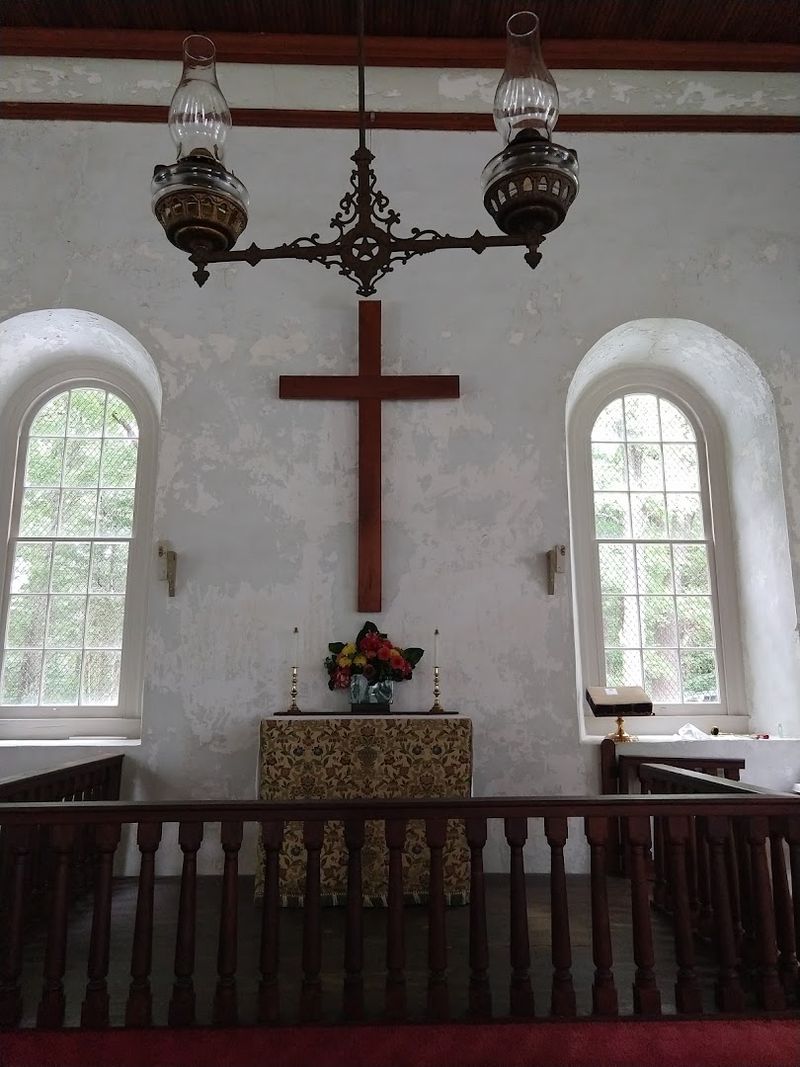
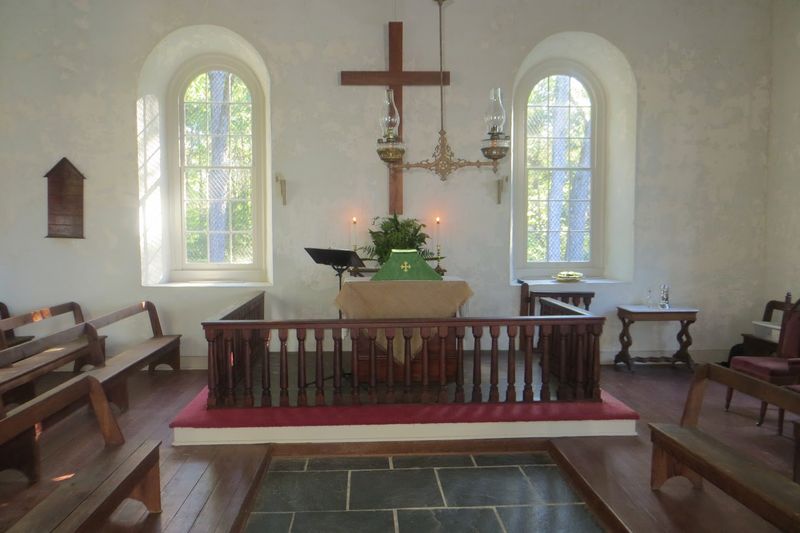
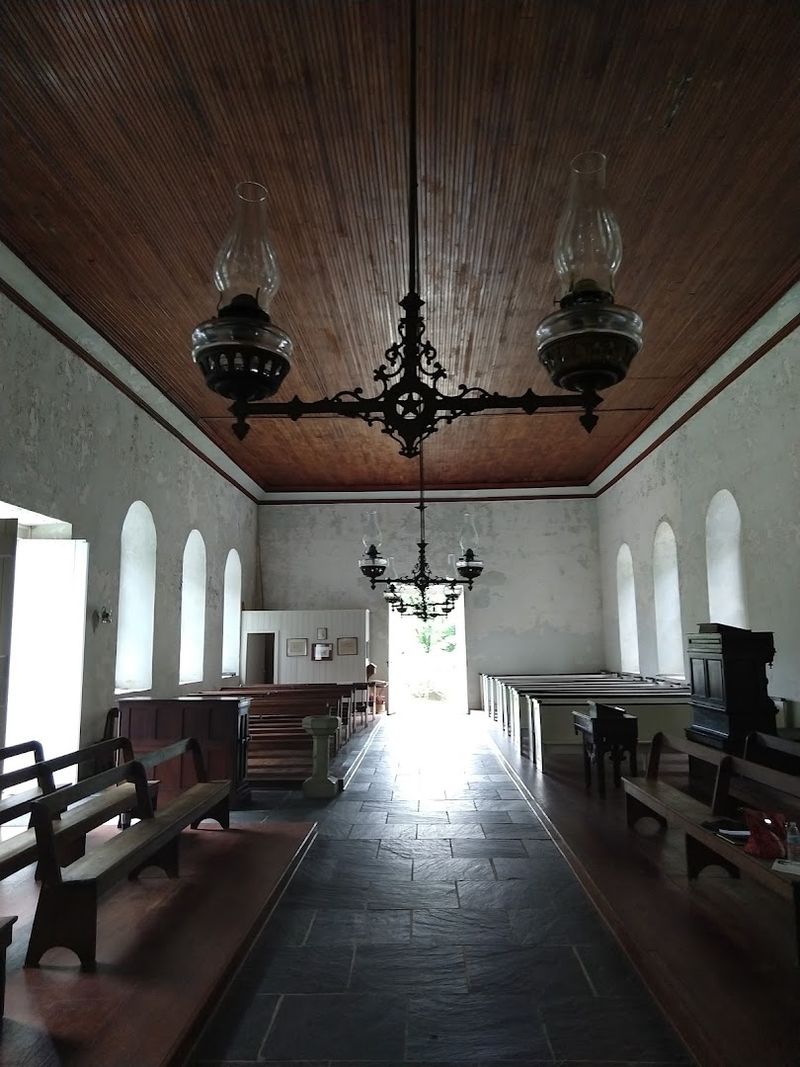
The windows are another giveaway of the era. Tall, narrow arched openings let in natural light while maintaining the structural integrity of the thick walls.
Inside, the layout follows a traditional hall-church plan, with a central nave and no side aisles, keeping the congregation close to the altar.
Details like these matter because they connect the building to a specific moment in American history.
Virginia was the wealthiest and most populous of the original colonies, and its churches reflected that status through careful craftsmanship even in rural areas. King George County was no exception to that standard.
Preservationists have worked to maintain the original character of the structure over the years. Seeing a building this old still standing in recognizable form is genuinely impressive.
The Graveyard That Holds Secrets
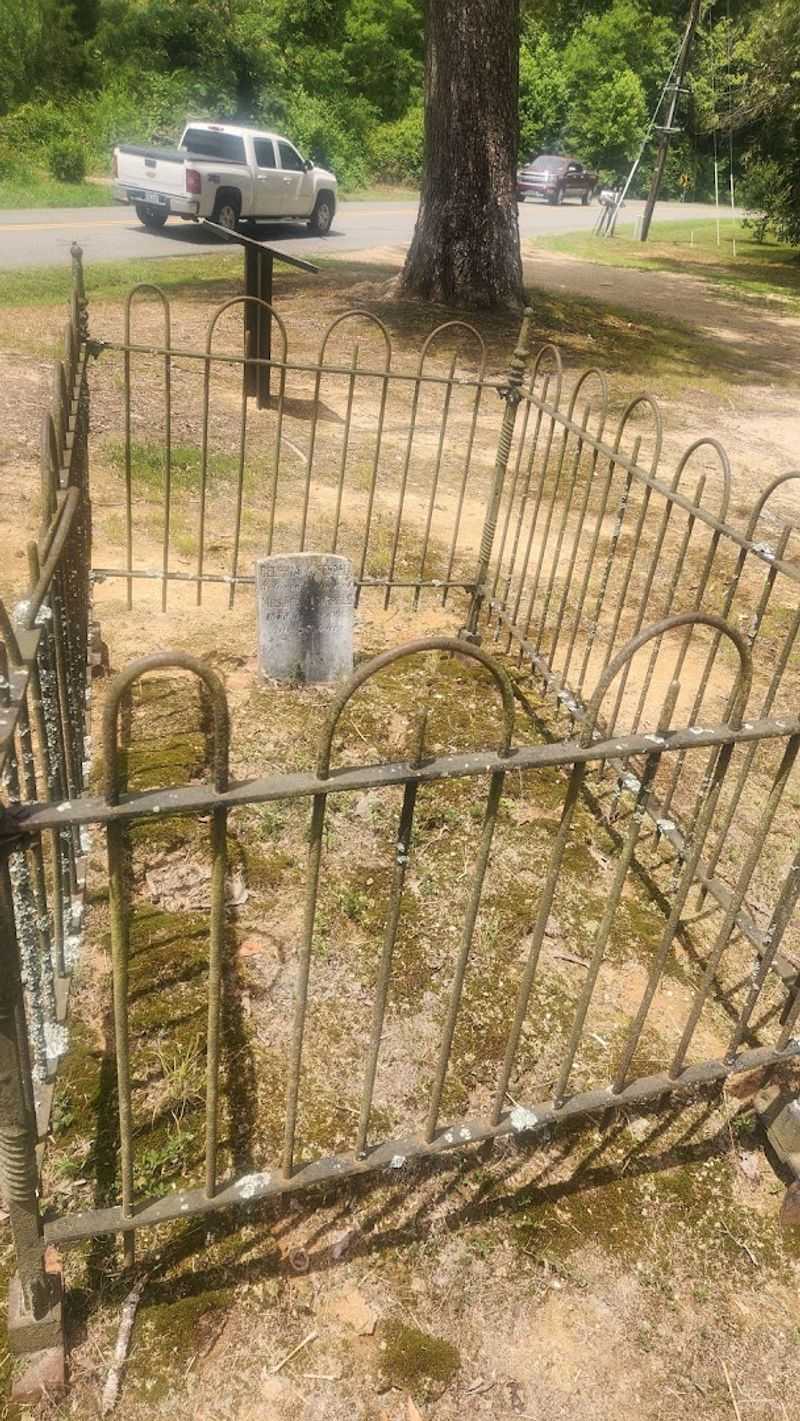
No visit to an 18th-century church is complete without time spent in the churchyard.
The graveyard at Lambs Creek Church contains some of the oldest marked burials in King George County. Many of the headstones are so weathered that the inscriptions have faded to near-illegibility, which only adds to the atmosphere.
Reading old grave markers is a surprisingly moving experience. You piece together fragments of lives lived centuries ago, noting the dates, the family names, and occasionally a carved symbol or phrase that hints at who these people were.
The layout of the graveyard itself follows conventions of the period. Burials are oriented east to west, a traditional Christian practice rooted in the belief that the faithful would rise to face the east at the resurrection.
For history enthusiasts and genealogy researchers, this churchyard is a quiet treasure. Standing among these stones on a still afternoon, with the old church at your back, the past feels remarkably close.
King George County’s Hidden Landscape
The drive to Lambs Creek Church is part of the experience.
King George County sits in the Northern Neck region of the state, a peninsula formed by the Potomac and Rappahannock rivers.
The landscape is deeply rural, marked by farmland, dense woods, and roads that wind through a countryside that feels largely untouched by modern development.
Getting there means leaving the main highways behind and following smaller roads through a patchwork of fields and forests. Blakley Drive itself is a quiet country lane, and the church appears almost unexpectedly as you round a bend.
The surrounding area offers context for understanding why the church was built where it was.
Colonial Virginia parishes were often established to serve scattered farming communities, and the location of a church reflected the geography of its congregation.
Today, the county retains a peaceful, unhurried quality that makes it a rewarding destination for travelers who prefer their history without crowds.
Episcopal Roots And Community Ties
Religion shaped the rhythms of colonial life in ways that are hard to fully appreciate today.
Lambs Creek Church operated as a Church of England parish before the Revolution, which meant it was not just a house of worship but a social and administrative center for the surrounding community.
Attendance was expected, and the church calendar organized the year. After American independence, the Church of England reorganized as the Episcopal Church.
Many colonial-era parishes struggled during this transition, as the disestablishment of the state church removed the financial and legal support they had previously enjoyed. Some churches fell into disuse or ruin during this period.
The fact that Lambs Creek Church survived this difficult transition period speaks to the loyalty of its congregation and the resilience of its community.
Virginia’s Episcopal heritage runs deep, and parishes like this one formed the backbone of that tradition in the rural counties along the Potomac.
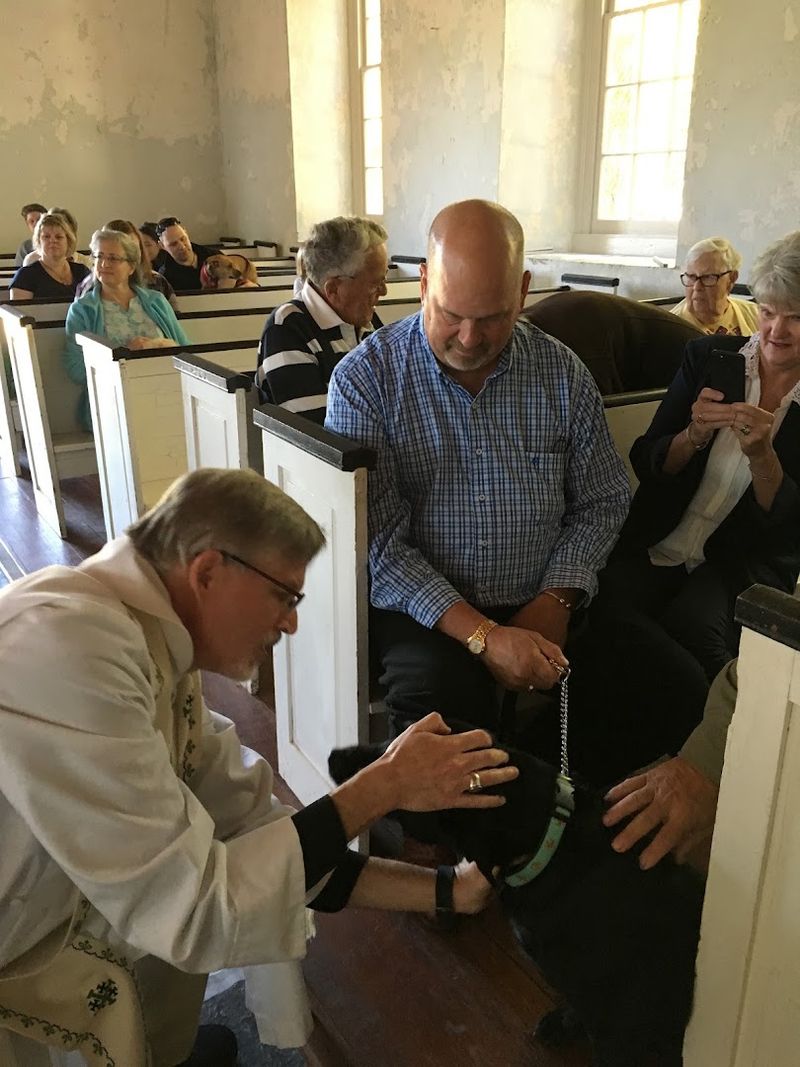
Today, the church remains connected to its Episcopal roots. The congregation that has gathered here across the centuries represents an unbroken thread of community life stretching back to the colonial era.
Paranormal Atmosphere Worth Noting
Paranormal tourism is a growing niche, and this state has no shortage of historic sites that attract ghost hunters and curious travelers.
Lambs Creek Church sits firmly in that category, though it does not advertise itself as a haunted attraction. The reputation comes entirely from history and local storytelling, which gives it a credibility that staged haunted venues lack.
Visitors who come specifically to feel the atmosphere report that the site delivers. The combination of age, isolation, and layered history creates a setting that is naturally atmospheric.
On an overcast day, with the old trees creaking and the graveyard stretching out beside the church, the mood is unmistakably heavy.
The Civil War connection adds another layer. This state was a major theater of that conflict, and the emotional weight of that period seems to linger in certain places more than others.
The church’s rough treatment during the Civil War, paired with the older ghost stories that predate it, has become a central part of the site’s identity in local memory.
There is something about standing in a place this old, with this much history attached to it, that shifts your perception just slightly.
Tips For Planning Your Visit
Planning a trip to Lambs Creek Church requires a bit of preparation since this is not a major tourist attraction with a visitor center and posted hours.
The best time to visit is during daylight hours when the architecture and graveyard are easiest to explore. Spring and fall offer the most comfortable temperatures, and the foliage in autumn adds a striking backdrop to the already photogenic setting.
Summer can be hot and humid, which is worth factoring in if you plan to spend time outdoors.
Respect for the site is essential. This is an active Episcopal church, not a public park or tourist venue.
Treat the graveyard with appropriate care and avoid disturbing any services or private events that may be taking place on the grounds.
Combining the visit with other historic sites in King George County makes for a full and rewarding day trip.
The broader Northern Neck region of Virginia is rich with colonial history, scenic waterways, and quiet roads perfect for exploring at a relaxed pace.