This Virginia Oyster Village Still Relies On Oyster Beds That Go Back Generations
My GPS said I had arrived. All I could see was a gravel road, a few weathered boats, and a man in rubber boots who looked at me like I had no business being there.
Turns out, I didn’t. But I stayed anyway.
This small Virginia community has been pulling oysters from the same beds for generations, and almost nobody outside the state knows it exists. The families here do not chase trends.
They do not reinvent themselves for tourists. They just work, the same way their grandparents worked, on the same water, with the same quiet confidence.
Virginia has a well-known seafood reputation, but this village sits behind it, doing most of the real work. I spent two days here and left understanding something I could not have read in any travel guide.
A Town Built On Tidal Waters
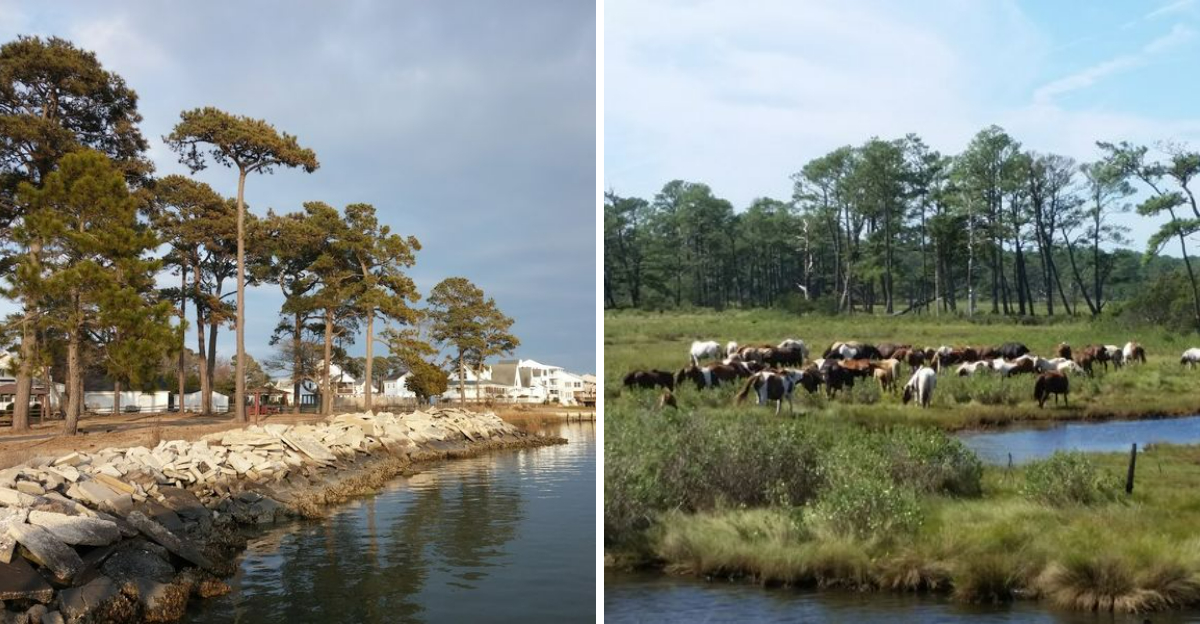
Few places wear their identity as proudly as this island does. Chincoteague sits on a narrow barrier island off Virginia’s Eastern Shore, surrounded by tidal marshes and shallow bays.
The water is everywhere here, and that is exactly the point.
The town has roughly 3,000 year-round residents, but its heartbeat has always been the sea. Generations of families have built their homes, their livelihoods, and their entire way of life around what the water provides.
That connection runs deep and feels completely unbroken.
You can feel it the moment you cross the bridge onto the island. The smell of salt and low tide greets you like an old handshake.
Fishing boats line the docks, nets hang out to dry, and the pace of life slows to something almost meditative.
The town sits at the edge of Chincoteague National Wildlife Refuge, making it an ecologically rich part of the Eastern Shore. Nature and tradition coexist here without any awkward tension.
The island simply keeps doing what it has always done, and that consistency is part of what makes it so special.
Oyster Beds Passed Down Through Generations
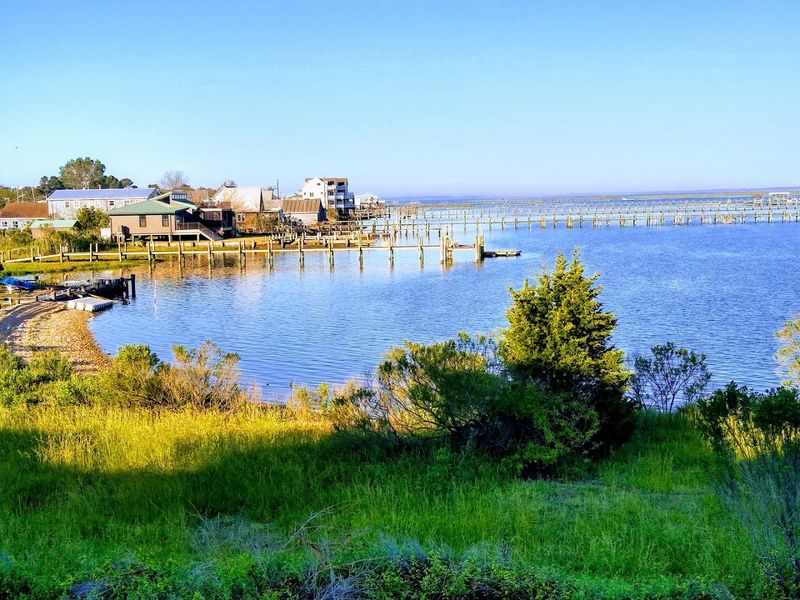
Some of the oyster beds around Chincoteague have been worked by local families for generations. It is a long-standing tradition that locals speak about with quiet confidence, rooted in the history of the Eastern Shore.
Oyster farming here follows the natural rhythms of the Chincoteague Bay. Farmers place juvenile oysters, called spat, onto beds where they filter the water and grow over time.
The process demands patience, knowledge, and a deep understanding of tidal patterns.
What makes these beds special is the combination of water salinity, temperature, and nutrient flow unique to this bay. Oysters grown here develop a distinct briny, slightly sweet flavor that reflects these local conditions.
Families pass down not just the physical beds, but the knowledge of how to work them. Which tides to watch, which seasons to plant, and how to adapt to changing conditions.
This oral and practical tradition is as valuable as any written manual. Chincoteague oyster farmers are custodians of something deeply rooted in place, and that connection continues to shape the way oysters are grown here.
Eastern Shore Oyster Traditions That Still Hold Strong
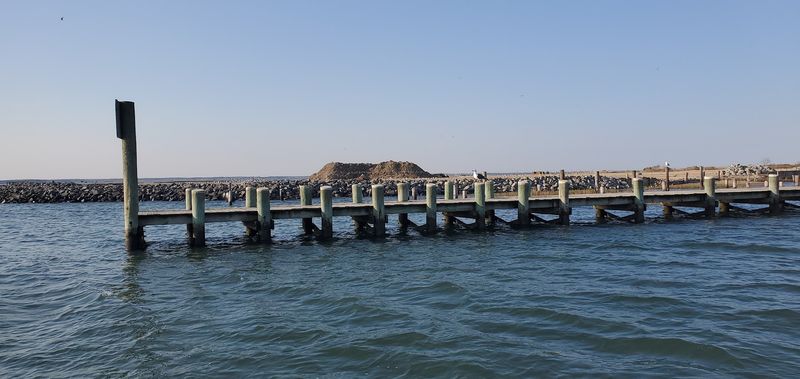
The Seaside Oyster Company carries one of the most honest taglines in the seafood world. Their own words say it plainly: the story of oysters on Virginia’s Eastern Shore is as old as the tide itself.
That is not poetry. That is biography.
The company has deep roots in the Eastern Shore tradition of harvesting wild and farmed oysters from the same coastal waters that shaped the region’s entire economy. Their methods honor that history while meeting modern demand.
It is a careful balance that few companies manage well.
Seaside oysters carry the flavor of their specific growing environment, a quality chefs and food writers call merroir. Just like wine reflects its soil, oysters reflect their water.
The Eastern Shore’s cold, clean Atlantic-fed bays produce a product that stands completely on its own.
What keeps companies like this one going is not just business sense. It is a genuine belief that the old ways still work.
The tides still move the same way. The oysters still grow the same way.
Respecting that rhythm, rather than fighting it, is the whole philosophy. It works remarkably well here in the area.
A Museum That Preserves The Island’s Working History

Before you eat your first oyster on the island, consider spending an hour at the Museum of Chincoteague Island. It tells the full story of what this community built, and what it almost lost, with remarkable honesty and care.
The museum displays oyster-industry artifacts that date back generations. Antique tongs, dredging equipment, and packing tools line the walls alongside faded photographs of watermen doing the same work their descendants do today.
The continuity is striking when you see it laid out like that.
Model boats and maritime equipment fill other sections of the museum, giving visitors a tangible sense of how this island economy operated before refrigeration and highways changed everything. The craftsmanship in those old models alone is worth the visit.
The museum also covers the famous Chincoteague ponies and the island’s broader natural history, but the oyster exhibits are the soul of the place. You leave with a much clearer appreciation for why these beds matter so much to the community.
Understanding the history makes every oyster taste a little richer. The museum is located right in town, easy to find, and genuinely worth your time.
Clean Water And The Balance That Keeps It All Going
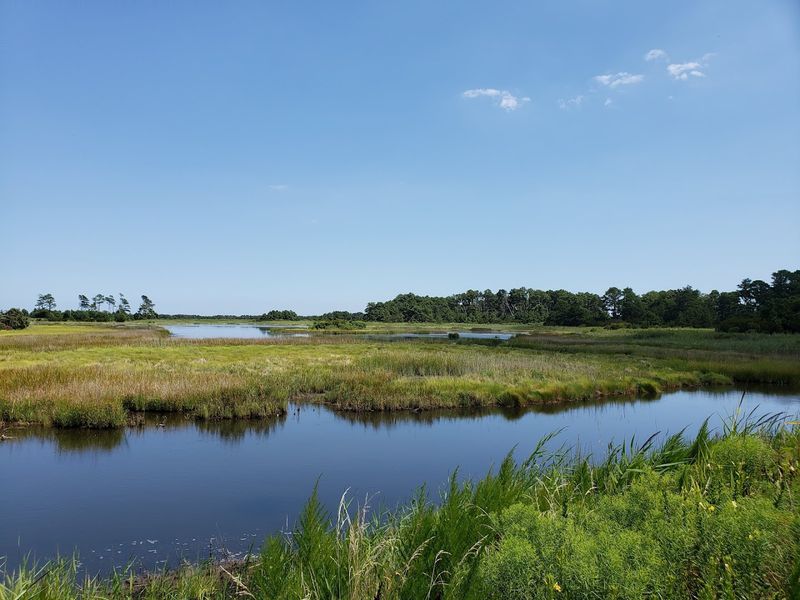
Clean water is not just an environmental talking point in Chincoteague. It plays a central role in the local oyster economy.
Without healthy bay conditions, oyster growth and quality can suffer. That connection makes conservation especially important here.
Chincoteague National Wildlife Refuge covers much of nearby Assateague Island and helps protect the surrounding tidal ecosystem. These protected landscapes support the overall health of the coastal environment that oyster farmers depend on.
In this part of Virginia, conservation and aquaculture often go hand in hand.
The refuge also supports a wide range of wildlife, including migratory birds, sea turtles, and the famous ponies. More than 300 bird species have been recorded in the area, making it a destination for birders from across the country.
The ecological diversity goes far beyond what most visitors expect.
For oyster farmers, healthy marshes and coastal habitats play an important role in maintaining water quality. Natural systems like these can help filter runoff before it reaches the bay.
Strong environmental conditions tend to support stronger oyster harvests over time. Many of Chincoteague’s watermen recognize this connection and support conservation efforts as part of protecting their livelihood.
Where Wild Ponies And Watermen Share The Same Space
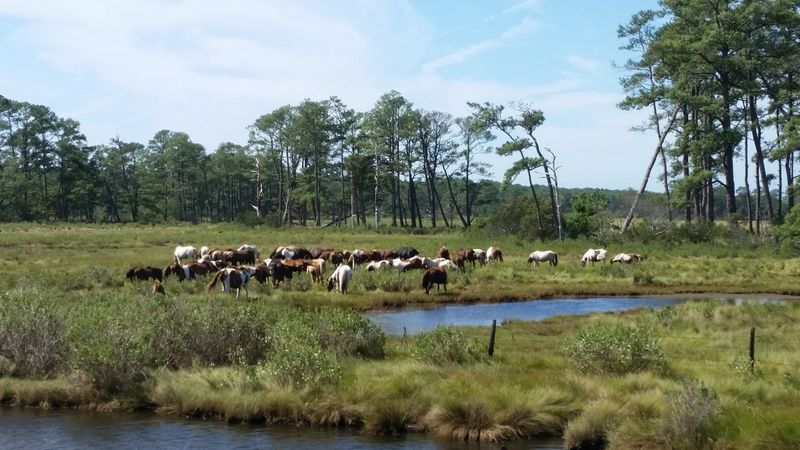
Most visitors come to Chincoteague for the ponies. The wild Chincoteague ponies on Assateague Island are genuinely spectacular, roaming free across the dunes and marshes with total disregard for tourist schedules.
They are worth every bit of the hype.
But the watermen were here long before the ponies became famous. Oyster harvesters, crabbers, and clammers have worked these waters for generations, building a seafood economy that has supported the island over time.
These two identities, wildlife refuge and working waterfront, exist side by side without conflict. The island is big enough and old enough to hold both stories at once.
That balance gives Chincoteague a character you rarely find in coastal towns that have gone fully tourist.
I watched a waterman unload his morning catch at the dock while a family photographed ponies on the opposite shore. Neither group paid much attention to the other.
Both were completely absorbed in their own version of the island. That scene felt like the most honest summary of what Chincoteague actually is.
It is not performing for anyone.
A Waterfront View Into Everyday Island Life
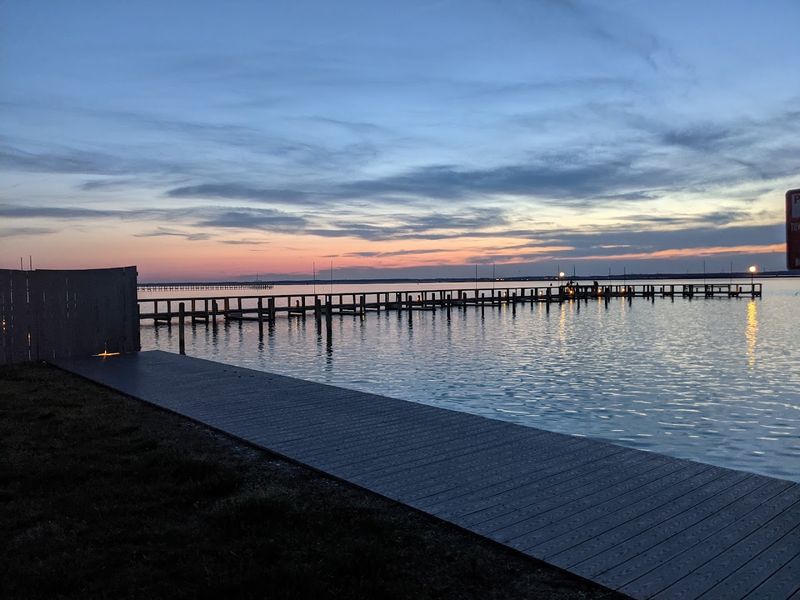
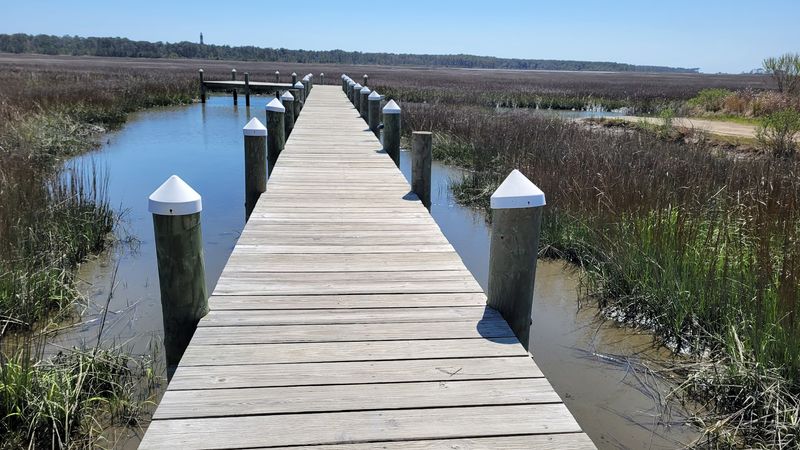
Not every meaningful spot on this island involves oysters directly, but Veteran’s Memorial Park still tells part of the story. The park sits right on the water with a pier that stretches out over the bay, giving you an unobstructed view of the working waterfront that defines this community.
Standing on that pier at low tide, you can see the exposed mudflats where oysters grow. The water is shallow, clear, and constantly moving.
It is easy to understand why generations of families chose this exact bay to build their livelihoods around.
The park is simple, unhurried, and completely free of the kind of commercial polish that ruins waterfront areas in more developed towns. There are benches, open sky, and the smell of the bay.
That is honestly enough.
The town of Chincoteague is located on the island of the same name, reachable via a short causeway drive from the mainland. The website chincoteague-va.gov has current information on local events, tides, and community news.
A visit here is best experienced slowly, on foot, with no particular schedule to keep. The park is a good place to start that slower pace.
Why Generational Knowledge Still Shapes The Future
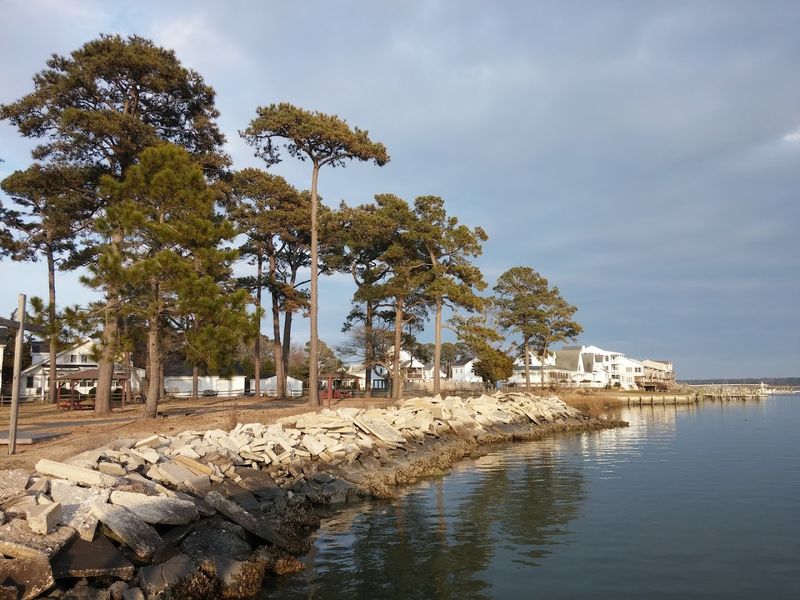
No app tells you which tidal flat produces the best oysters in a given season. No algorithm predicts how a late frost will affect spat survival in the upper bay.
That kind of knowledge lives in people, passed from parent to child over decades of actual work.
Chincoteague’s oyster families carry this knowledge the way other families carry recipes or trade skills. It is specific, practical, and completely tied to this particular place.
Moving it somewhere else would not work. It belongs here.
The younger generation of watermen faces real challenges. Climate shifts are changing water temperatures and salinity levels.
Regulations evolve. Market pressures are constant.
Adapting to all of that while preserving what works requires both flexibility and deep respect for what came before.
What keeps the tradition alive is not nostalgia. It is economics, identity, and a genuine love for this kind of work.
The oyster beds around Chincoteague are productive because someone has always paid close attention to them. That attention, sustained over generations, is the real inheritance.
The oysters are just the delicious evidence that the system works. Every one you eat carries that whole story inside its shell.