This Washington Puerto Rican Kitchen Piles On Pernil, Mofongo, And Seriously Generous Portions
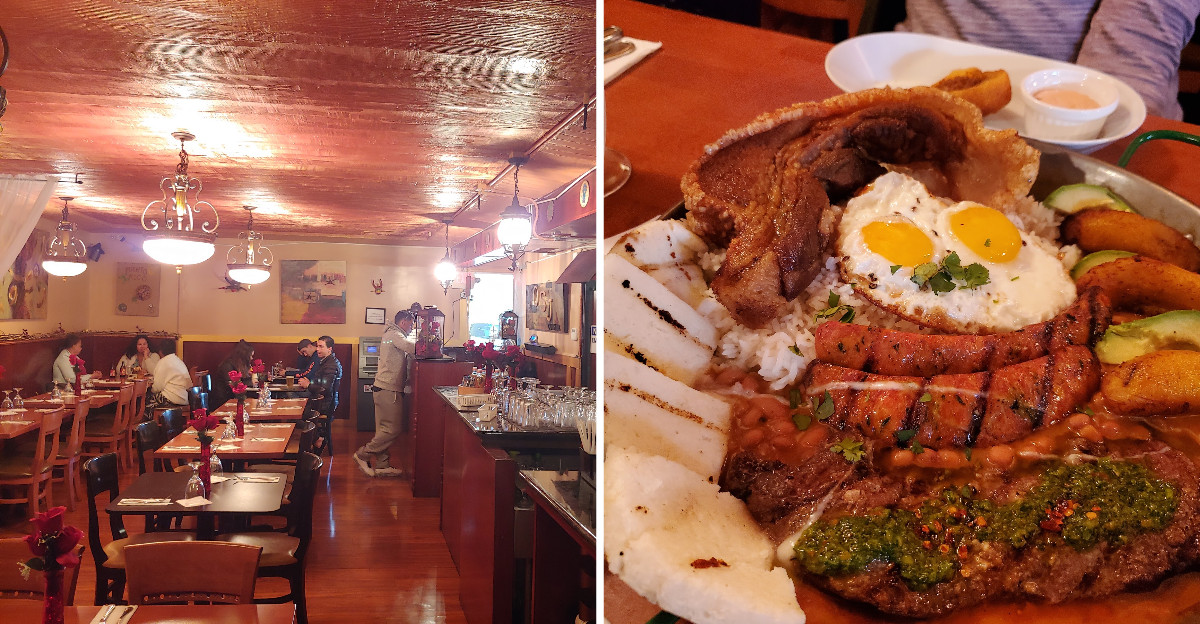
Washington just found a delicious shortcut to the Caribbean.
This Lakewood restaurant serves Puerto Rican comfort food with the kind of portions that make showing up hungry feel like a smart decision.
The mofongo alone gives diners plenty to talk about!
Pernil brings the slow-cooked comfort, while crispy alcapurrias and golden tostones keep the table busy.
The menu also reaches beyond Puerto Rico, so every visit can lead somewhere different. Nothing feels fussy or overcomplicated here.
The food arrives hearty, colorful, and ready to share.
Once those first plates hit the table, that quiet stretch of highway starts feeling a lot more interesting.
Puerto Rican Flavor On Pacific Highway
Puerto Rican cooking leads the menu, but the kitchen also makes room for specialties from other parts of Latin America and Spain.
That broader range explains the “International” part of the name without pushing the island dishes into the background.
That mix helps explain why the menu can move from mofongo and arroz con gandules to ropa vieja, churrasco, paella, and other regional dishes without feeling limited to one style.
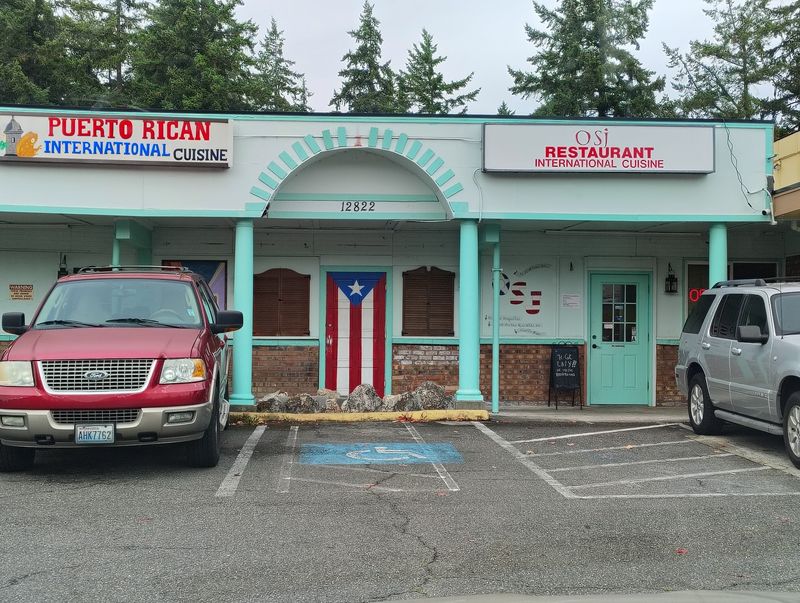
The storefront is modest and the parking lot sits directly outside, making pickup straightforward. Current listings also show wheelchair access and plenty of space for customers arriving by car.
For Washington diners searching for Puerto Rican food in the South Sound, the location puts a substantial menu close to Tacoma, Joint Base Lewis-McChord, and the larger Lakewood area.
The simplest plan is to order ahead, pick up the meal, and decide where to eat once everything is packed.
OSJ International Restaurant sits at 12822 Pacific Hwy SW in Lakewood, where the current setup remains focused on takeout while interior work continues.
Mofongo Takes Center Stage
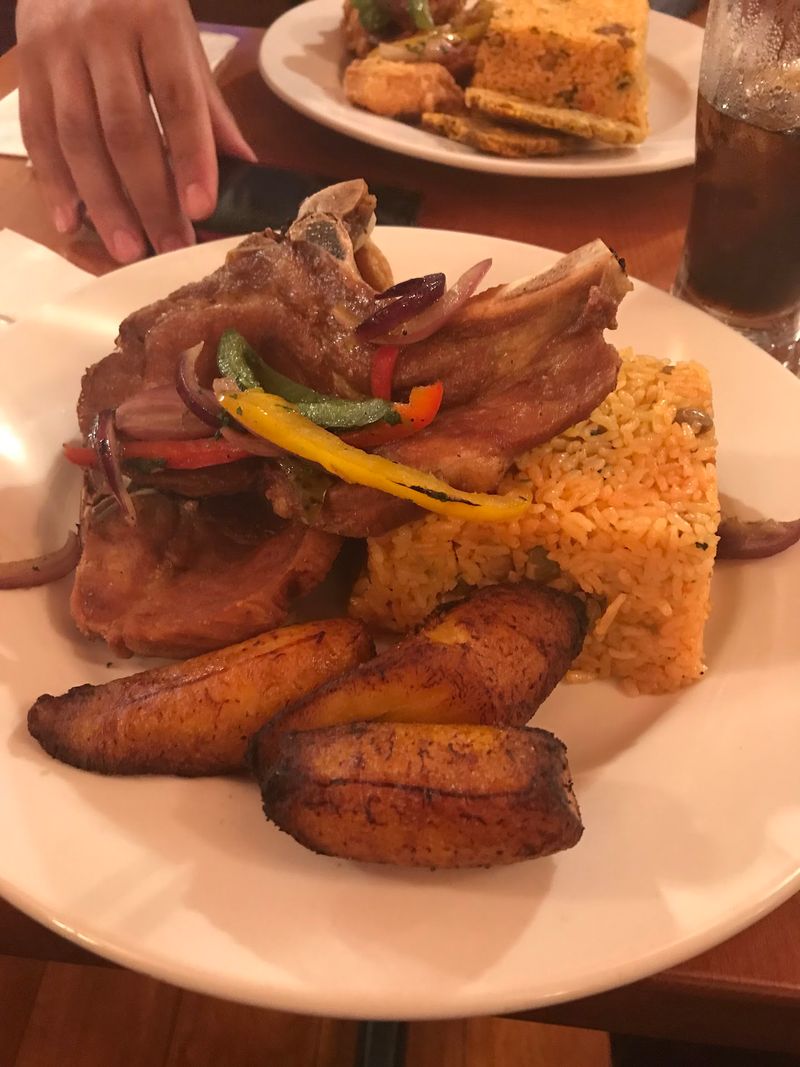
Mofongo is one of the clearest reasons to study the menu before ordering.
The Puerto Rican dish usually begins with fried green plantains mashed in a pilón with garlic and other savory ingredients.
Its history reflects African, Taíno, and Spanish culinary influences that developed together on the island over centuries.
The menu currently includes several versions. Carne frita mofongo pairs the plantain base with fried pork chunks, while chuleta mofongo adds pork chops. A surf-and-turf version combines grilled skirt steak, mofongo, and shrimp, and the lobster mofongo comes with a house red sauce.
That range lets the same plantain base move in several directions without changing its essential character.
Mofongo is traditionally pounded in a pilón, and the menu keeps that dense plantain foundation recognizable even when the toppings and sauces change.
For anyone new to the dish, starting with a straightforward pork version makes the garlic, plantain, and crisp texture easier to appreciate before moving toward the larger specialty combinations.
It is a broad mofongo selection for a Lakewood restaurant, and one that gives the menu a strong identity.
Crispy Starters Add Another Layer
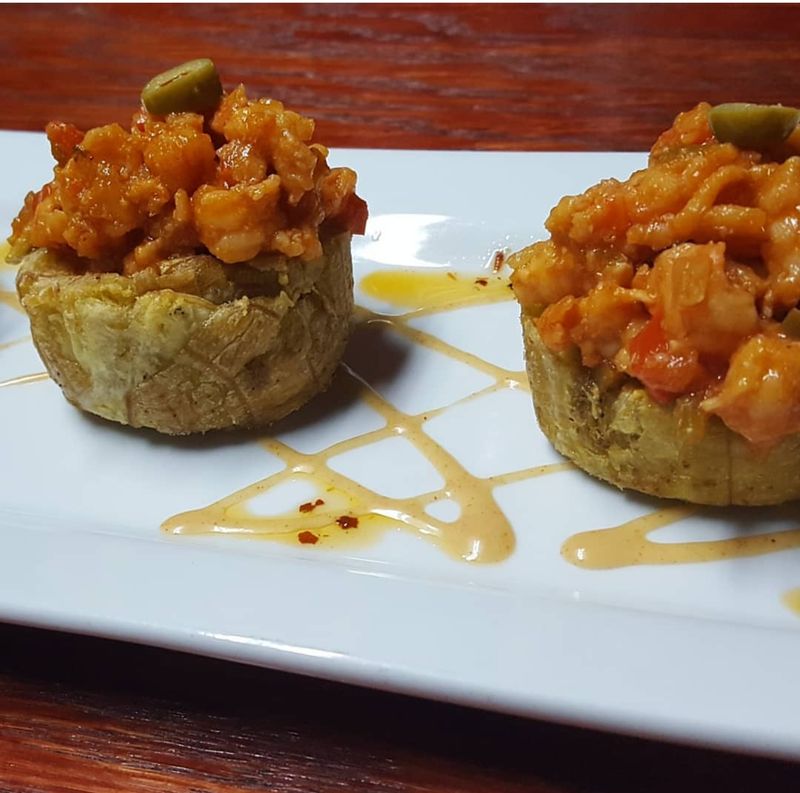
The appetizer section gives plantains, cassava, potatoes, and cod their own place before the larger entrées arrive.
Alcapurrias are among the most recognizable Puerto Rican choices. The current menu lists them as cassava-based fritters filled with seasoned ground beef, creating a crisp exterior around a soft, savory center.
Bacalaitos take a different approach. The trio comes as three thin cod fritters with the flat shape associated with this Puerto Rican snack.
Empanadas and tostones add more handheld options. Tostones begin with green plantains that are fried, flattened, and fried again, giving them a firm exterior that works well beside richer dishes.
Yuca al ajillo also appears among current favorites, bringing cassava into the meal in another form.
These smaller dishes are useful when a group wants to sample several flavors instead of committing immediately to one large plate. They also make it easier to build a meal around different textures, from soft plantain to crisp fritters and tender yuca.
The menu is especially useful for a shared takeout spread because many of its strongest items are built differently.
Mofongo brings dense mashed plantain, bacalaitos add a thin crisp fritter, yuca offers a softer root-vegetable side, and rice dishes provide a familiar base.
Choosing across those categories creates contrast without needing to order every specialty at once.
The Menu Travels Beyond Puerto Rico
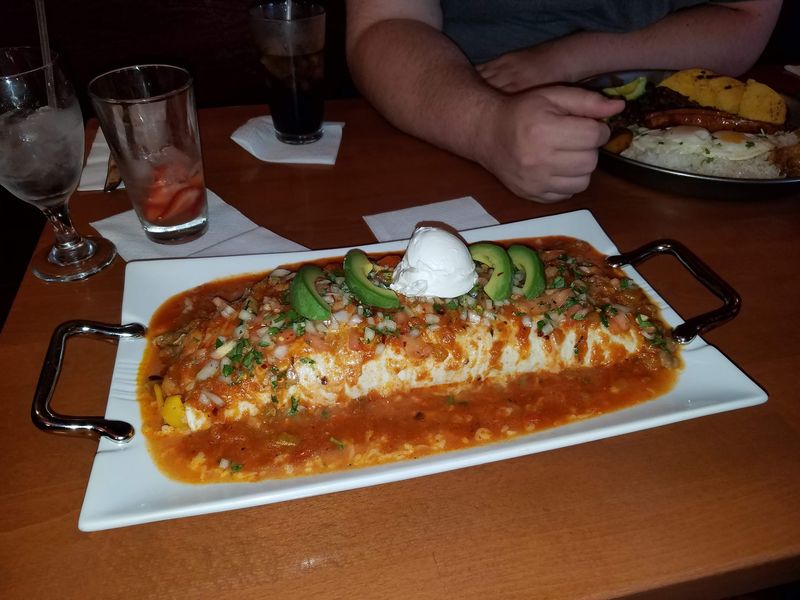
Puerto Rican cooking remains the foundation, but the international part of the name is easy to understand once the rest of the menu comes into view.
Ropa vieja brings a Cuban-style shredded beef dish cooked in a tomato-based sauce and served with rice.
Churrasco Argentino adds grilled beef with the bright, herb-forward character associated with Argentine preparations.
Paella Gallega moves the menu toward Spain with rice, chicken, shrimp, shellfish, and chorizo combined in one large dish. Yuca al ajillo and yellow rice add side options that can accompany the larger entrées without repeating the same plantain preparation.
The jibarito offers another option built around plantain and marinated steak, with rice and beans or yellow rice available alongside it.
Vegetarian options are also flagged in current menu listings, although the exact selections can change with the available menu.
That breadth makes this Washington stop useful for groups that want different kinds of Latin American comfort food in the same order.
Generous Portions Make Sharing Easy
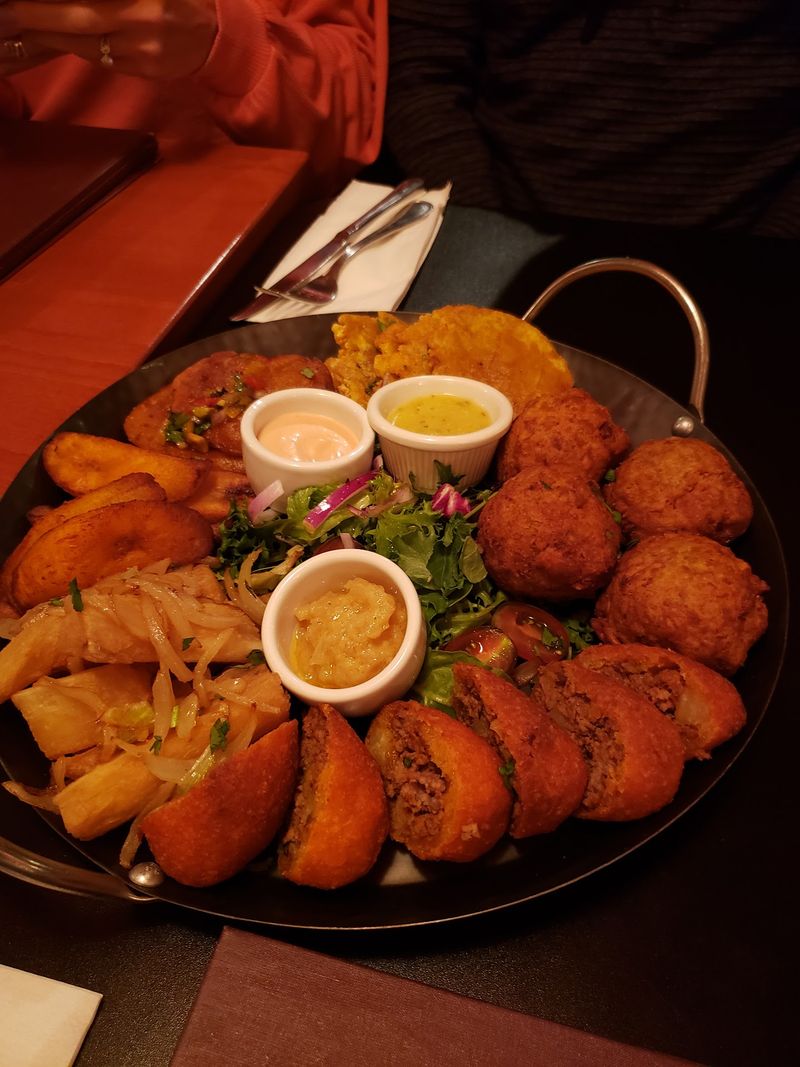
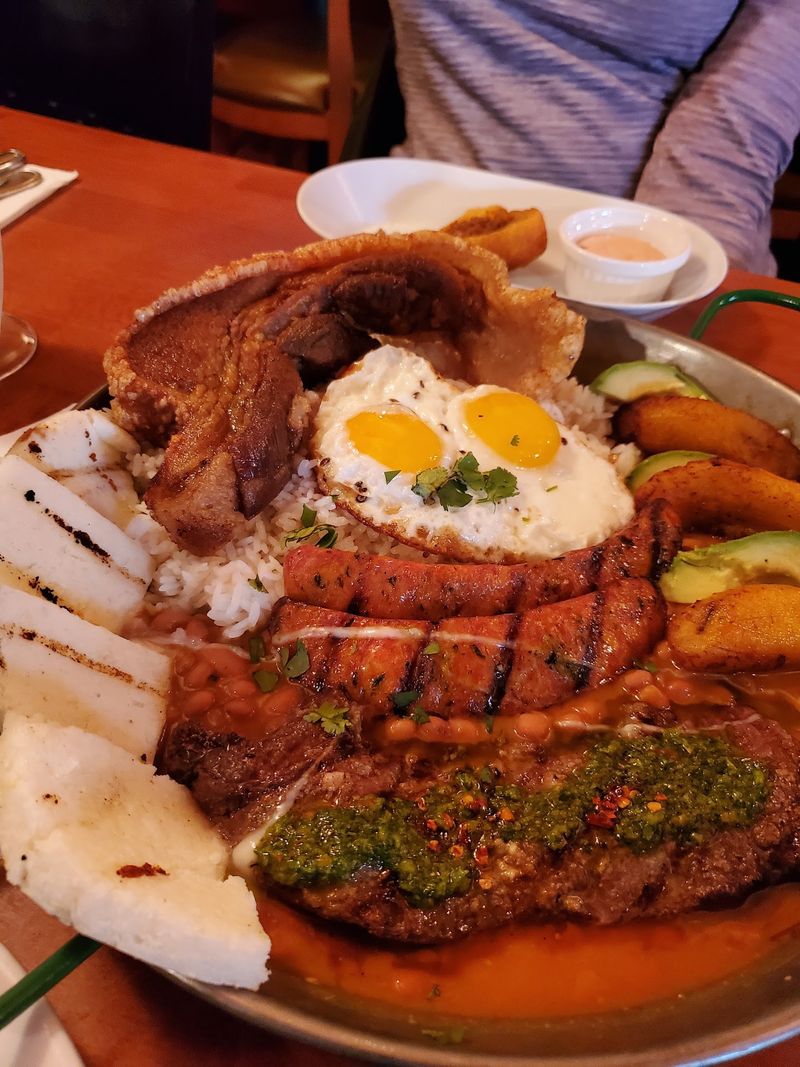
Large portions are a recurring part of the current takeout setup, especially with mofongo, rice plates, paella, and combination dishes.
That does not mean every entrée will feed the same number of people, but several are substantial enough to divide at the table or save for another meal.
Rice and beans add weight to many combinations, while plantains and yuca make the sides filling in their own right. Specialty dishes such as the surf-and-turf mofongo and paella bring several components together before any appetizers are added.
The takeout format also makes leftovers easy to manage. Meals are packed for transport, so portions that are not finished immediately can stay contained instead of requiring another stop for packaging.
For a mixed order, one practical approach is to choose one large specialty entrée, add a few fritters or tostones, and include rice or yuca on the side.
That creates more variety without turning every item into a separate full meal. That balance also works well for a mixed group because everyone can take a little from the shared sides before choosing a preferred main dish.
Sweets And Drinks Round Things Out
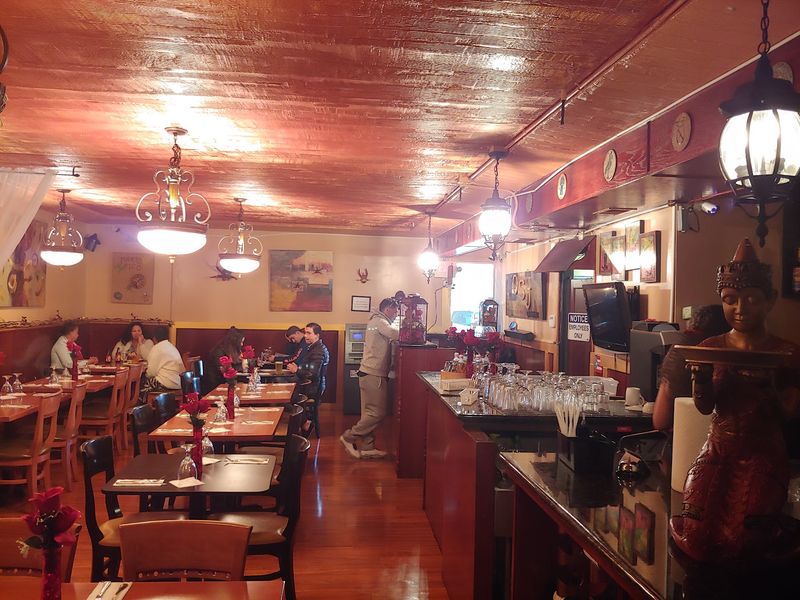
The savory menu gets most of the attention, but dessert and drinks give the order a simple finish.
Flan appears in current 2026 menu listings, bringing a smooth custard option after heavier plantain, rice, and meat dishes.
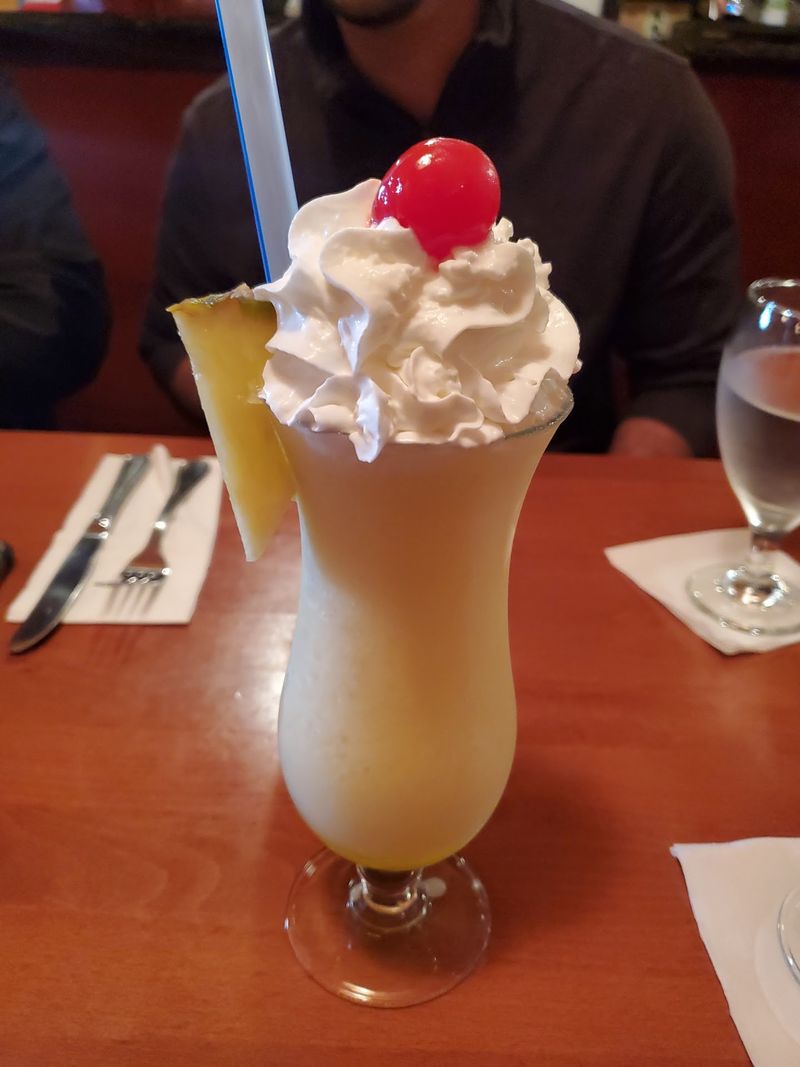
Fruit juice, fresh juice, and coffee also appear in current listings, giving diners a few straightforward choices to pair with the food.
The selection may change, so the available drinks are best treated as part of the day’s order rather than a fixed list.
Pasteles also appear in current dish indexes connected with the restaurant. In Puerto Rican cooking, these wrapped bundles are closely associated with the holiday season and are built from a seasoned starchy mixture with a savory filling.
That makes seasonal availability especially important. Asking what desserts, drinks, and special items are available at pickup keeps the order focused on what the kitchen has ready that day.
Takeout Is The Current Setup
As of October 2026, takeout remains the primary service format while interior work continues.
That matters because older listings still contain dine-in information from earlier periods. Planning around pickup avoids arriving with the expectation of a full seated meal.
Calling ahead is especially useful for larger orders or dishes that need more preparation time.
The menu is extensive, and specialty items such as mofongo, paella, and combination plates are more involved than a quick counter snack.
The current schedule is consistent across several recent listings: Wednesday through Friday from 11:30 a.m. to 7 p.m., Saturday from noon to 7 p.m., and Sunday from 1 to 6 p.m. Monday and Tuesday are closed.
The Lakewood location is easy to reach from major South Sound routes, and Washington visitors can build the pickup into a Tacoma-area outing without much extra driving.
A Smart First Order
First-time customers do not need to tackle the entire menu at once.
A mofongo with carne frita gives the meal a strong Puerto Rican starting point, while arroz con gandules adds one of the island’s best-known rice preparations.
A trio of bacalaitos or an order of alcapurrias brings in the fritter side of the cuisine, and tostones add another plantain preparation without repeating the mofongo texture.
For a second entrée, ropa vieja or churrasco shifts the meal in a different direction. Paella works better when the goal is a larger mixed dish with several proteins and rice together.
Dessert can stay simple with flan or another available Puerto Rican sweet.
The broad menu is part of what makes the kitchen useful for repeat visits. One order can stay firmly Puerto Rican, while the next can explore Spanish, Cuban, Argentine, or vegetarian choices.
For anyone exploring Washington food stops beyond the usual downtown restaurant districts, this Lakewood kitchen offers plenty to unpack from a single takeout bag.