This Western North Carolina Sculpture Park Has 100 Works Hidden Along A Free Mountain Trail
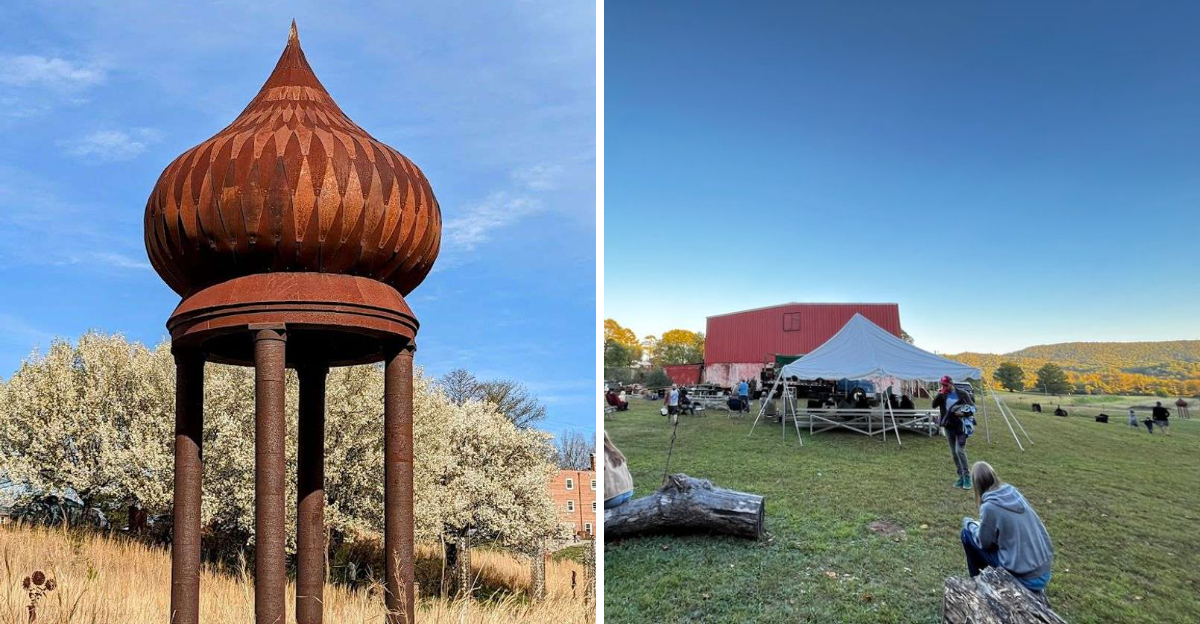
Finding one sculpture in the woods feels cool, but finding more than 100 turns a mountain walk into the artsiest scavenger hunt North Carolina has been quietly hiding.
A trail like this makes every bend feel suspicious, because a regular patch of trees can suddenly reveal metal, stone, or some strange handmade shape staring back like it planned the surprise.
The fun is trying to spot them all without turning the hike into a full detective operation.
Good luck with that.
Curiosity takes over fast, and suddenly every shadow looks like sculpture number 47.
Free admission makes the hunt even better, because getting happily distracted in the woods should absolutely cost zero dollars.
A Free Mountain Trail Turns Into An Outdoor Gallery
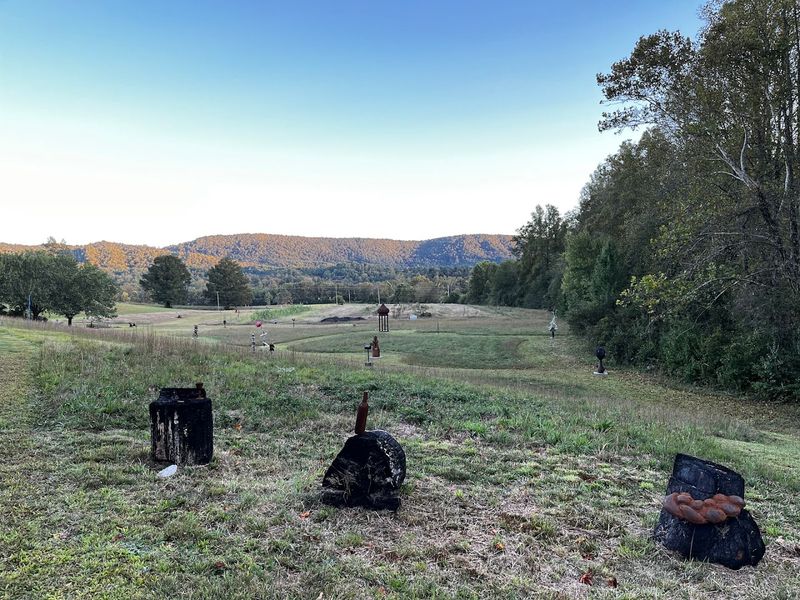
Gravel underfoot, trees overhead, and artwork waiting somewhere ahead create an opening scene that feels simple until the first sculpture appears.
Western North Carolina Sculpture Center and Park is free to visit, which gives the walk a generous quality before anyone has even started exploring.
Nothing about the experience requires a ticket window, a timed entry, or a formal tour. People can arrive, follow the trail, slow down when a piece catches their attention, and keep wandering at their own pace.
That freedom matters because outdoor sculpture works best when visitors have room to approach it from different angles. A metal form may look sharp and dramatic from one side, then softer once the trees and sky fall behind it.
Stone, wood, steel, bronze, stainless steel, cast iron, and found-object works all appear in the collection, according to Blue Ridge National Heritage Area material on the site. Natural surroundings keep the art from feeling sealed off or overly polished.
A gallery wall asks people to stand in one place and look straight ahead. This trail asks them to move, turn, pause, backtrack, and notice how sculpture changes when mountain light and forest texture become part of the frame.
Over 100 Sculptures Hide Across The Lenoir Hillside
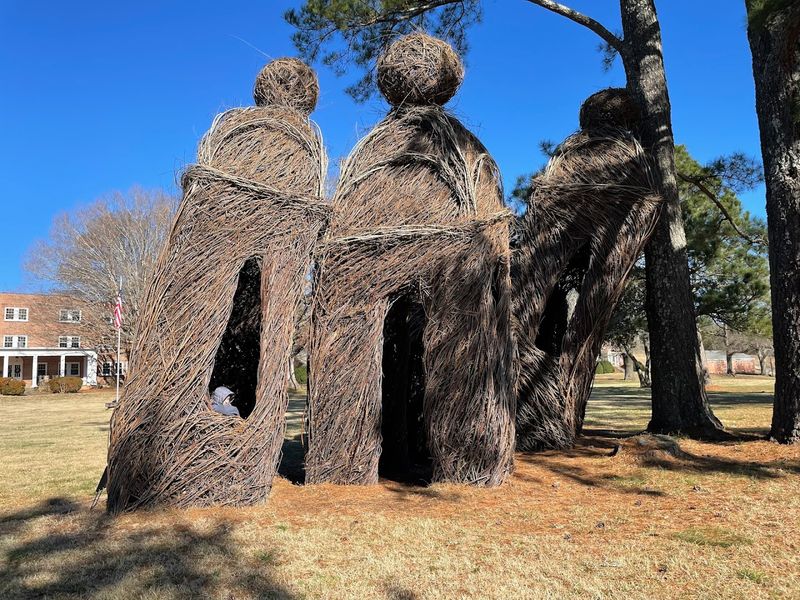
Scattered art gives the hillside a treasure-hunt feeling instead of a formal museum layout.
The official Western North Carolina Sculpture Center site says the park displays 100 sculptures across 12 acres. A Blowing Rock Chamber directory listing describes it as having almost 100 works on display.
That small wording difference is worth noting because outdoor collections can change as pieces rotate, new work is added, or older pieces are moved. Either way, the scale is large enough to make the walk feel full and surprising.
Visitors are not looking at a few pieces placed beside a path as an afterthought. They are moving through an entire sculpture landscape where art appears across open ground, wooded spots, and hillside views.
Some works command attention immediately because of their size or material, while others ask for more careful looking. That uneven rhythm is what keeps the trail interesting.
Every few minutes, the scenery shifts from forest to artwork and back again, making the line between nature and gallery feel pleasantly unstable.
Lenoir’s mountain foothills add depth to the experience, giving the collection room to breathe without making the park feel remote or difficult to reach.
Every Bend Makes The Woods Feel More Surprising
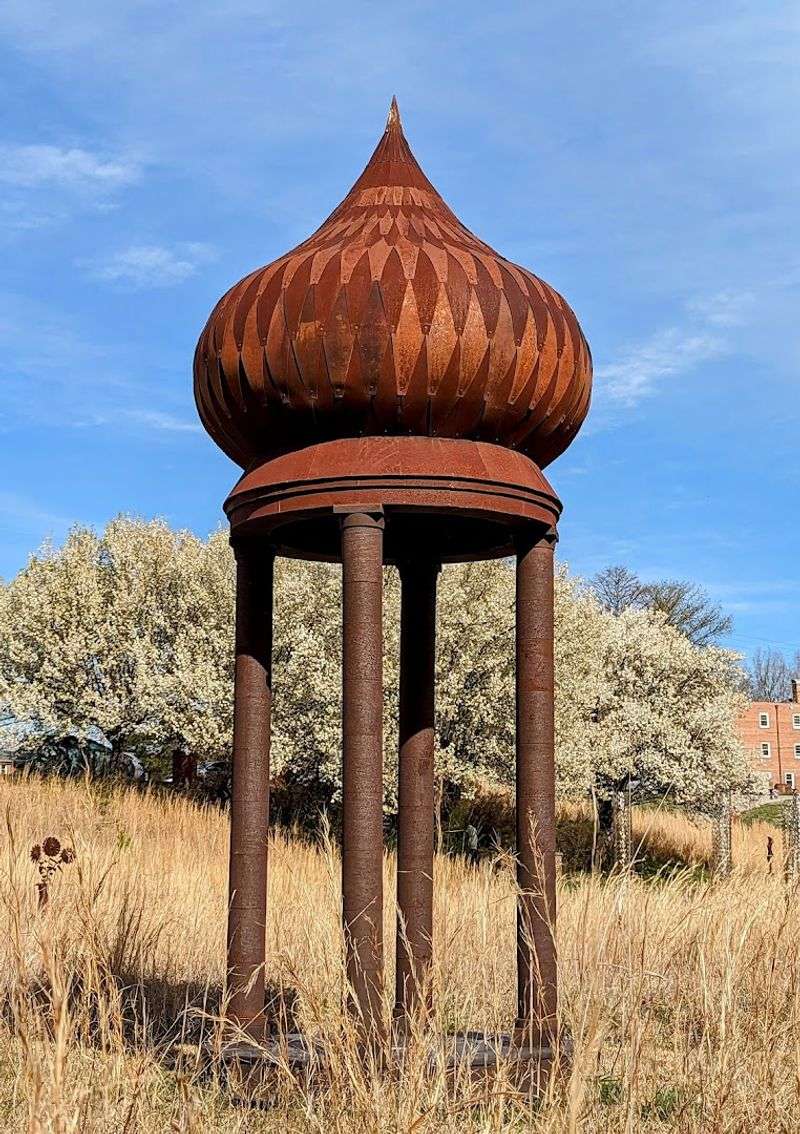
Unexpected placement gives this trail much of its charm.
Rather than feeling like a row of objects set out for quick viewing, the sculpture park encourages ongoing exploration. The next piece may appear near a tree line, in a clearing, or along a stretch of path that seemed ordinary seconds earlier.
That slow reveal makes the experience especially fun for families, since children often treat the walk like a search game. Adults get pulled into the same rhythm too, pausing to compare scale, surface, shadow, and shape.
The Blue Ridge National Heritage Area describes the site as an expansive viewing experience shaped by a wide range of materials, forms, and sizes, and that variety is exactly what makes the woods feel alert.
A sculpture made from steel behaves differently in the landscape than one made from stone or wood.
A found-object piece carries a different mood than polished bronze or stainless steel. Light matters as well.
Morning can make metal surfaces feel cool and sharp, while late afternoon gives certain pieces a warmer edge. The best visit is not rushed, because surprise depends on giving the trail enough time to reveal itself one turn at a time.
Big Metal Forms Rise Where Trees Should Be The Main Event
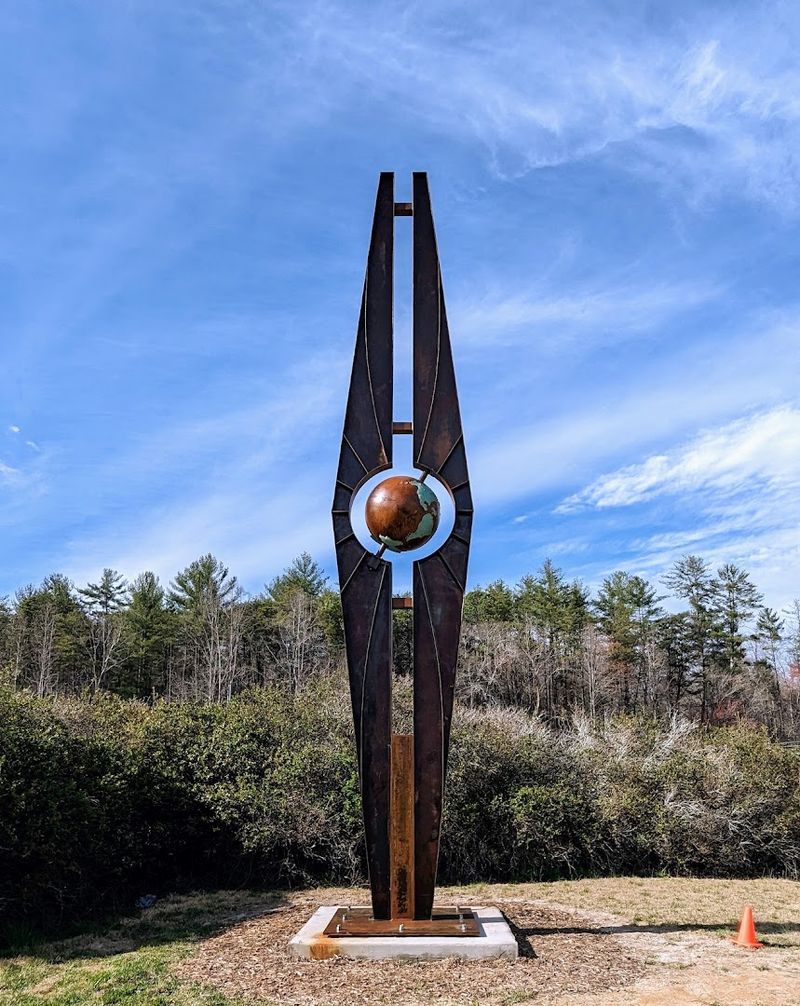
Steel, iron, bronze, and fabricated forms give the park some of its strongest visual moments.
WNC Sculpture’s official programming includes blacksmithing workshops, artist residencies, sculpture events, and access to sculpture processes. That focus helps explain why metalwork feels so central to the site’s identity.
The park is not only a place where finished pieces sit outdoors. It is also connected to studios and creative activity where sculpture is made, taught, and supported.
That working-art element gives the big metal pieces extra context. Welded steel, cast iron, stainless steel, and bronze can feel surprisingly alive outdoors because weather, sunlight, and changing seasons alter the way each surface reads.
A dark metal form may feel heavy and quiet under cloudy skies, then catch bright highlights when the sun shifts through the trees.
Larger works also create a striking contrast with the wooded setting, rising where visitors expect only trunks, branches, and mountain plants.
For people curious about how this kind of work comes together, the center’s blacksmithing workshop page describes beginner and advanced options. These sessions cover safety, tools, hammer techniques, forgework, and guided studio time.
Viewing the sculpture is rewarding on its own, but knowing the site also supports making and learning gives the walk more depth.
Happy Valley Gives The Art A Rolling Mountain Backdrop
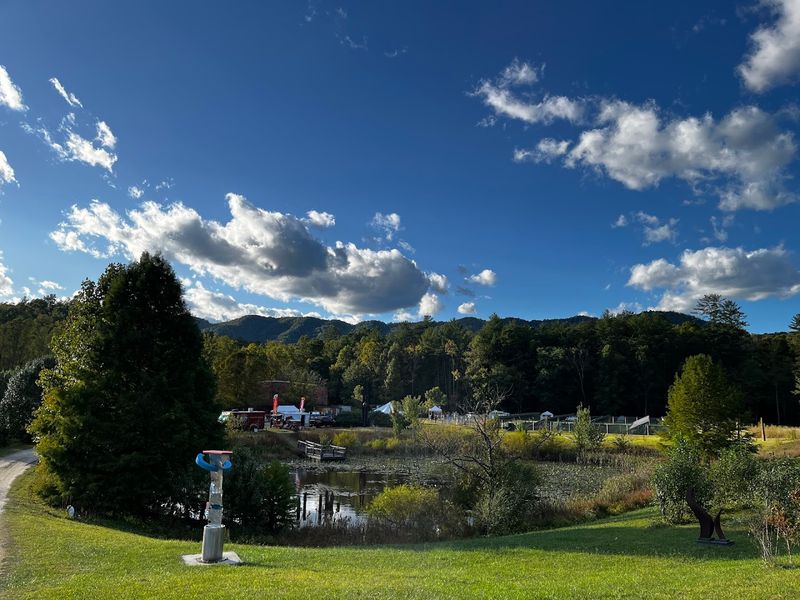
Landscape does as much for this park as the sculptures themselves.
The Blue Ridge National Heritage Area places the Western North Carolina Sculpture Center on the historic Patterson School grounds in Happy Valley. Gently rolling hills, open fields, trails, and mountain scenery shape the viewing experience.
That setting keeps the art from feeling isolated from its surroundings. A sculpture does not simply sit on a pedestal here; it shares space with grass, trees, slope, shadow, and distant ridgelines.
The drive toward Patterson School Drive also helps set the mood, especially for visitors coming through Caldwell County’s rural roads and foothill scenery. By the time the trail begins, the park already feels connected to the land around it.
Photographers can find plenty to work with because the backdrop changes constantly. Cloud cover, direct sun, spring growth, summer green, autumn color, and winter openness all affect how the sculptures look.
Happy Valley gives the collection a softer, more expansive feeling than an urban sculpture garden might have. The park’s 4612 Patterson School Drive address makes it specific and easy to map, but the surrounding valley gives the destination its sense of discovery.
Former School Grounds Now Hold A Wild Creative Detour
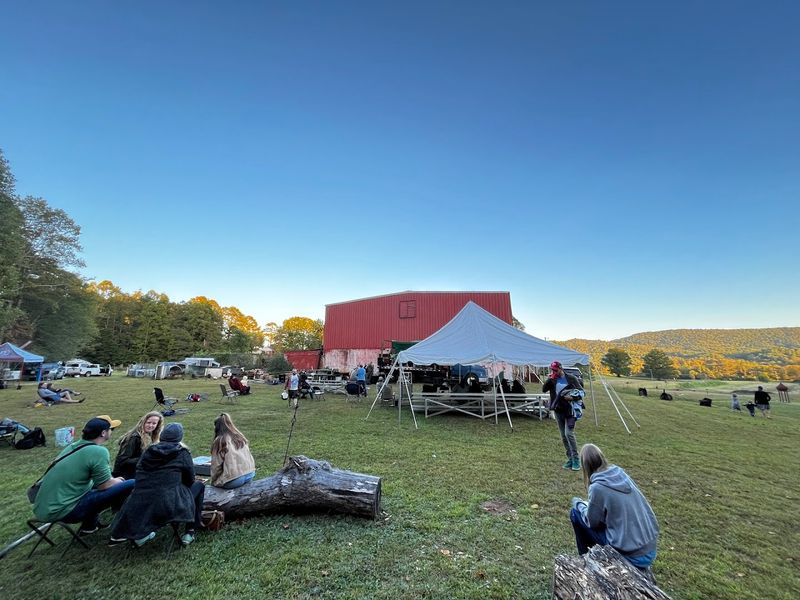
History sits quietly underneath the whole experience, which makes the art feel more rooted than random.
Western North Carolina Sculpture Center occupies land connected to the historic Patterson School grounds, and Blue Ridge National Heritage Area material identifies that setting as part of the center’s identity.
Former educational campuses often carry a particular atmosphere because paths, buildings, mature trees, and open spaces were shaped by earlier daily life. Here, that older purpose has been reimagined through sculpture, workshops, residencies, and public access.
The result feels like a respectful transformation rather than a complete erasure. Instead of students moving between lessons, visitors now move between works of art.
Instead of a closed campus, the grounds function as a free public destination where creativity becomes the main subject. Studio residencies and internships listed by the center show that learning still remains part of the site, only in a different form.
Artists come to make work, visitors come to experience it, and the landscape holds both activities at once. That continuity gives the place emotional weight.
The park is not just pretty hillside space with art added afterward. It is a former school setting still devoted to attention, curiosity, and hands-on creative work.
Dawn-To-Dusk Access Makes The Walk Feel Easy To Plan
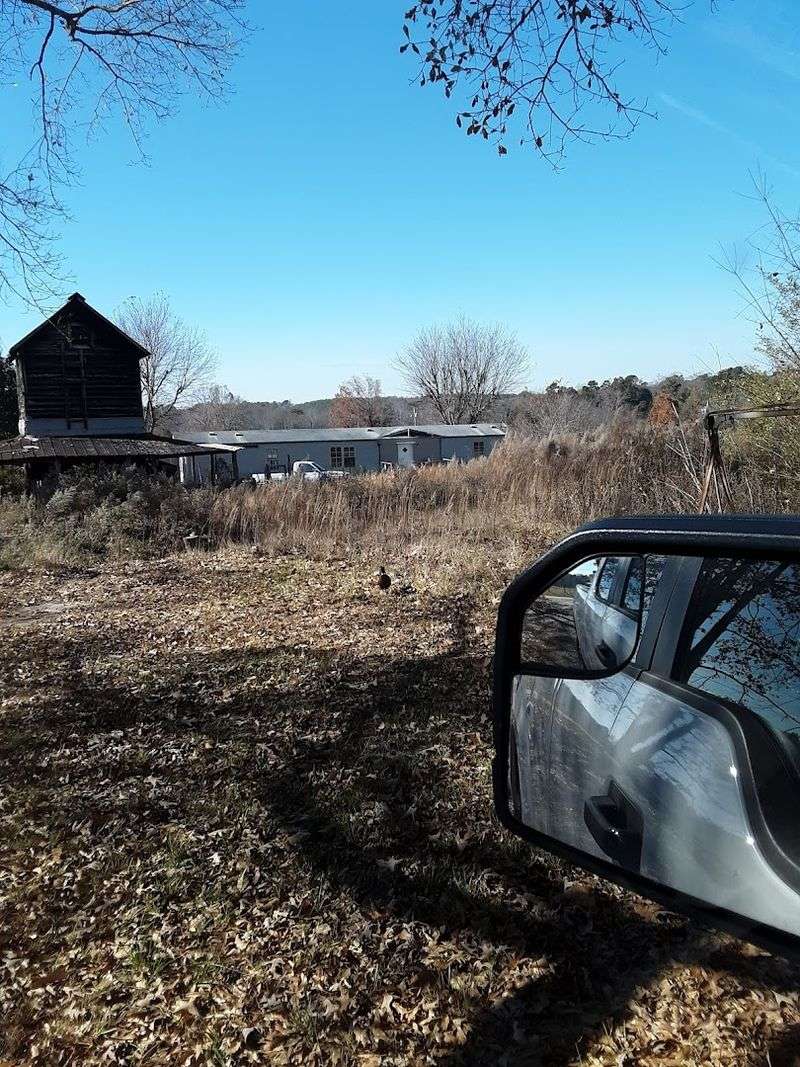
Flexible access makes the sculpture park unusually easy to fit into a western North Carolina day trip. The official site says WNC Sculpture Park is free and open to the public every day from dawn until dusk, which is more accurate than treating the visit as a fixed 9-to-7 attraction.
That dawn-to-dusk schedule gives visitors room to choose the kind of light and pace they want. Morning walks can feel cool and quiet, with long shadows and fewer distractions.
Midday visits make sense for families building the stop into a broader Lenoir outing. Late afternoon can be especially beautiful when lower sun brings out texture in metal, stone, and wood.
Because the park is free, visitors do not have to pressure themselves into seeing every piece in one rushed visit to justify admission. Donation support is welcomed through the organization, but the trail itself remains open as public access.
Basic planning still helps. Comfortable shoes matter because the grounds are natural, water is smart during warm months, and weather can change the feel of the walk quickly.
Simple logistics are part of the appeal. Show up, wander, look closely, and let the hillside decide how long the visit lasts.
Lenoir’s Sculpture Trail Rewards People Who Wander Slowly
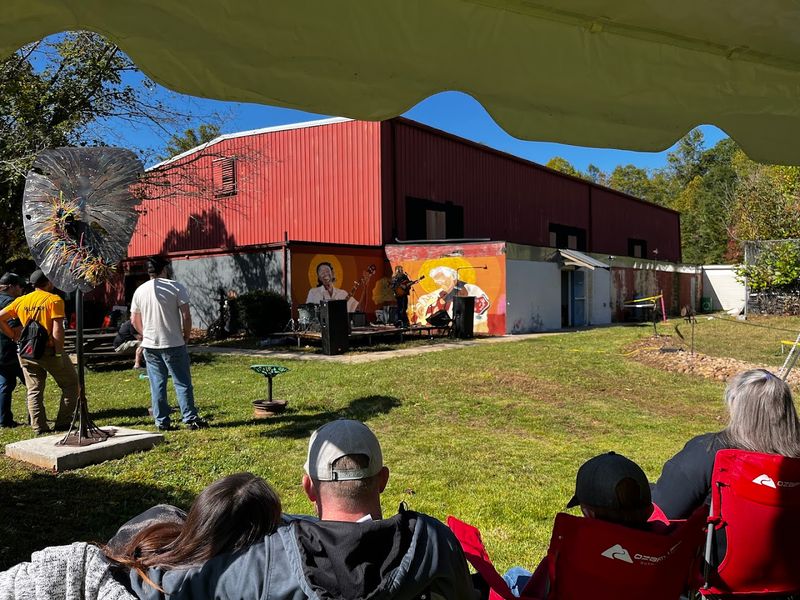
Rushing through this park would miss the whole point. Western North Carolina Sculpture Center and Park is strongest when visitors treat it as a slow walk through art and landscape rather than a checklist of pieces to photograph.
Textures, materials, scale, and placement all need time to register. A welded seam, a weathered surface, a carved edge, or the way a sculpture sits against the slope may only become noticeable after standing still for a moment.
The center’s mission statement says it exists to inspire the creation and appreciation of sculpture in the landscape of the Blue Ridge Mountains, and that wording fits the experience perfectly. Appreciation here depends on the landscape as much as the artwork.
Trees, hillside paths, open fields, and mountain light all become part of how each piece is seen.
The park sits at 4612 Patterson School Drive, Lenoir, NC 28645. The most satisfying visit comes with comfortable shoes, water, patience, and enough curiosity to double back when something catches the eye from a different angle.
This is not a place built around speed. It is a free mountain art walk that rewards lingering, looking, and letting the woods keep surprising you.