This Wild North Carolina Road Trip Leads To 9 Safari-Style Animal Parks
North Carolina’s back roads are not purring today.
They are roaring like the family SUV just crossed into somebody else’s kingdom.
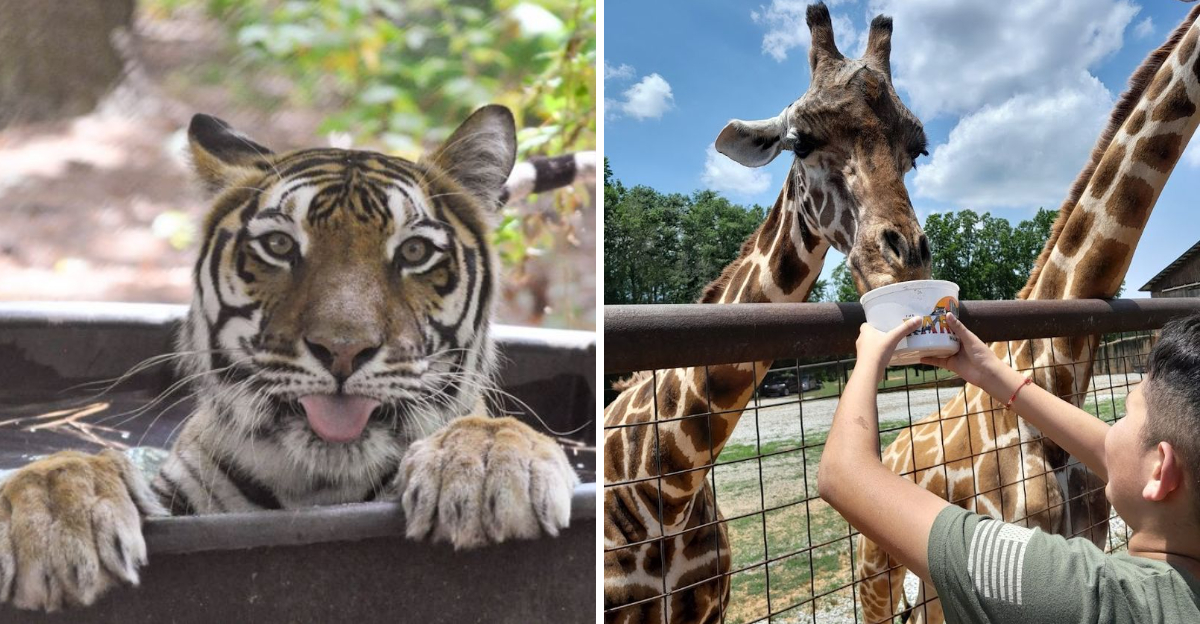
Safari-style parks across the state bring giraffes leaning in like they know the snack situation, while big cats stare with the confidence of creatures who have never once checked an email.
By the end, the camera roll is packed, the kids are suddenly wildlife experts, and at least one grown-up is narrating from the passenger seat like the food chain personally hired them.
1. Lazy 5 Ranch
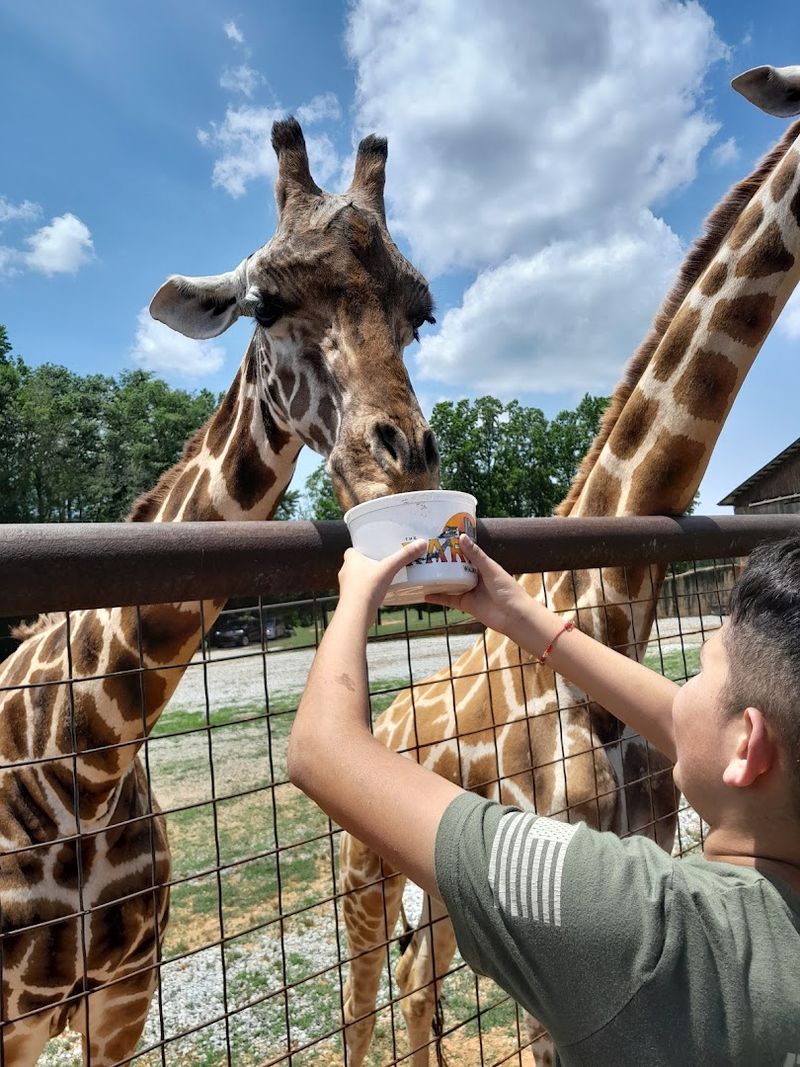
Giraffe breath through the car window is a very specific road-trip plot twist, and Lazy 5 Ranch in Mooresville delivers it with full pasture drama. The ranch at 15100 Highway 150 East offers a drive-through safari across rolling fields where a large collection of exotic and domestic animals can approach vehicles along the route.
Visitors can drive their own vehicle or choose a horse-drawn wagon ride, which gives the experience an old-school field-trip rhythm without losing the thrill of animals wandering up for feed. Kids usually start the ride as passengers and end it as self-appointed hoof-stock specialists.
Adults are not much calmer, especially once a llama starts negotiating like it has legal training. Lazy 5 works beautifully as a first stop because it sets the tone fast: this is not a look-through-the-glass animal outing.
It is dusty, funny, close, and wonderfully unpredictable. Planning ahead still matters, since the ranch advises calling during extreme weather and does not accept credit or debit cards.
North Carolina has plenty of family attractions, but few begin with the same instant sense of chaos and delight. Starting here makes the whole safari road trip feel louder, stranger, and much more alive before the map even cools down outside.
Bring cash, patience, and a camera ready for nonsense. Pure joy. Fast.
2. Aloha Safari Park
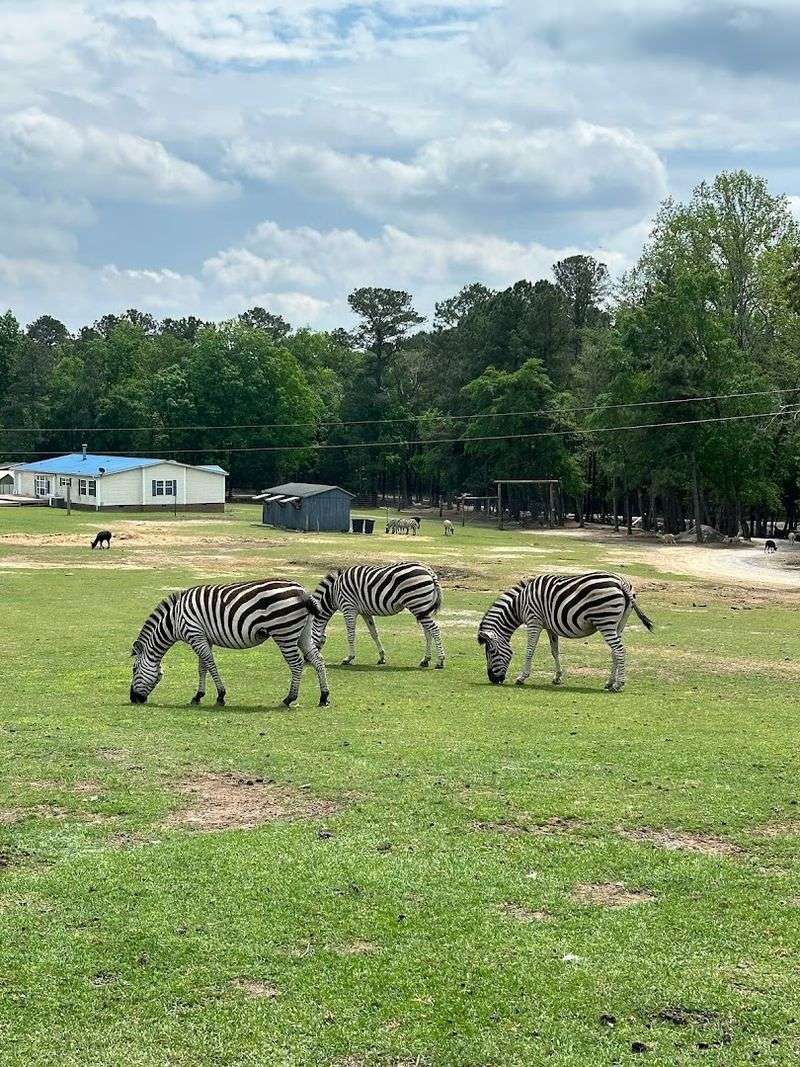
Zebras wandering past the windshield can make Cameron feel several time zones away from ordinary North Carolina, and Aloha Safari Park knows exactly how to create that jolt. The park at 159 Mini Lane operates with a true drive-thru safari section, where hoofed animals such as bison, zebras, ostriches, antelope, donkeys, llamas, water buffalo, and camels share the route with visitors moving slowly by car.
Advance admission is not currently sold online, so the trip keeps a little old-fashioned arrive-and-pay simplicity. Drive-thru rules on the official site help visitors understand how to behave before anyone meets an animal with strong snack opinions.
Such guidance matters because the fun depends on respect, calm driving, and patience when curious animals decide your vehicle is now part of their afternoon schedule. Aloha also includes walk-around animal areas, giving the stop more variety after the safari route ends.
Cameron’s countryside adds to the mood, making the approach feel like a detour with a punchline. Families get the best kind of travel chaos here: safe enough to plan, unpredictable enough to remember.
For a wild-road-trip itinerary, Aloha brings movement, humor, and close encounters without needing big-city polish. Every window suddenly feels important once the first zebra notices the car.
The result feels lively and controlled enough for the whole car to relax between animal greetings.
3. Zootastic Park
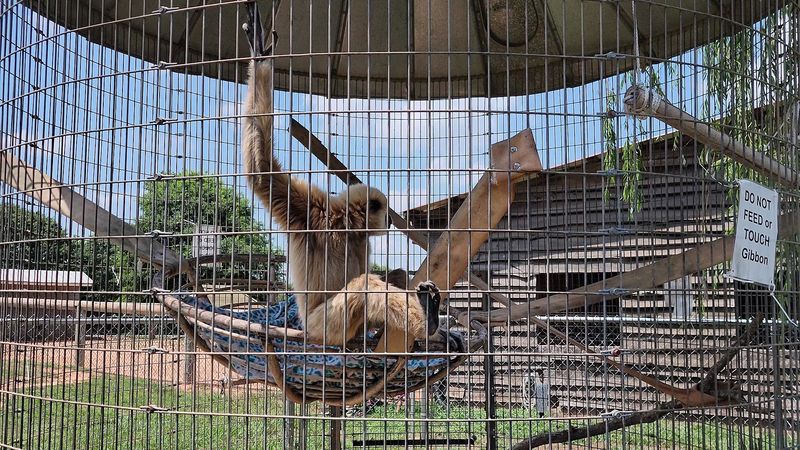
Roaring billboards are unnecessary at Zootastic Park in Troutman, because the animals handle the advertising once visitors reach The Sahari. The park at 448 Pilch Road promotes The Sahari as part of its attraction lineup, along with animal encounters, drive-thru rules, and other planning details that make the stop feel organized before the adventure begins.
Zootastic works well on this route because it blends safari-style movement with the fuller feel of a private zoo. Guests are not limited to one quick pass through a field.
They can build a visit around the drive-thru experience, planned encounters, and plenty of chances to slow down once the first burst of excitement fades. Troutman’s location near the Lake Norman area also makes the park convenient for travelers building a western Piedmont route around Mooresville, Statesville, and Charlotte-area stops.
The safari setup gives kids immediate spectacle, while animal encounters add structure for visitors who want more than window-level excitement. Good parks need both surprise and control, and Zootastic seems designed around that balance.
Feed, rules, timing, and layout all matter when animals and cars share space. For North Carolina families chasing a bigger-than-usual animal outing, this stop adds variety, energy, and enough personality to justify the drive.
It feels busy, with enough layers to keep the stop from ending too quickly. Pure road-trip fuel.
4. Circle M Safari Park
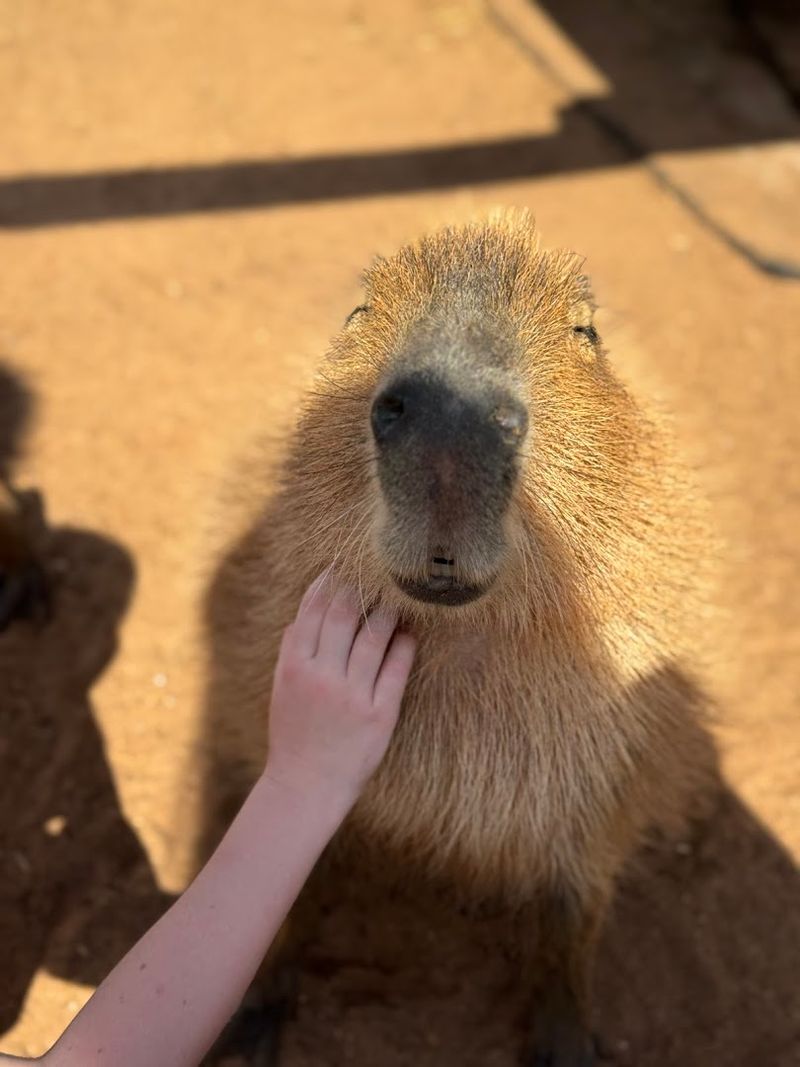
There is something wonderfully old-fashioned about climbing aboard a wagon and rolling through a field where animals from around the world graze calmly on either side. Circle M Safari Park in Shelby captures that feeling perfectly, offering a safari wagon ride that puts guests right in the middle of the action.
The official site for the park at 117 Doris Drive openly calls it a Safari Park, which tells you everything you need to know about the kind of experience waiting here.
Animals roam through wide pastures, and the wagon moves at a pace that gives everyone plenty of time to observe, photograph, and simply enjoy the moment. The park is operating in 2026 with current hours and admission details posted for the season, so planning a visit is straightforward.
Groups of all sizes seem to find the wagon ride format especially appealing because it keeps everyone together and sharing the same experience at the same time.
Shelby is a welcoming small city in the western part of North Carolina, and Circle M adds a genuinely wild dimension to any visit there. The official site emphasizes a safari wagon ride, walk-through exhibits, and a petting zoo barn, giving visitors several ways to experience the park.
Whether you are a lifelong animal lover or just looking for something out of the ordinary, this safari park has a way of turning a regular afternoon into a story worth telling.
5. North Carolina Zoo And Zoofari
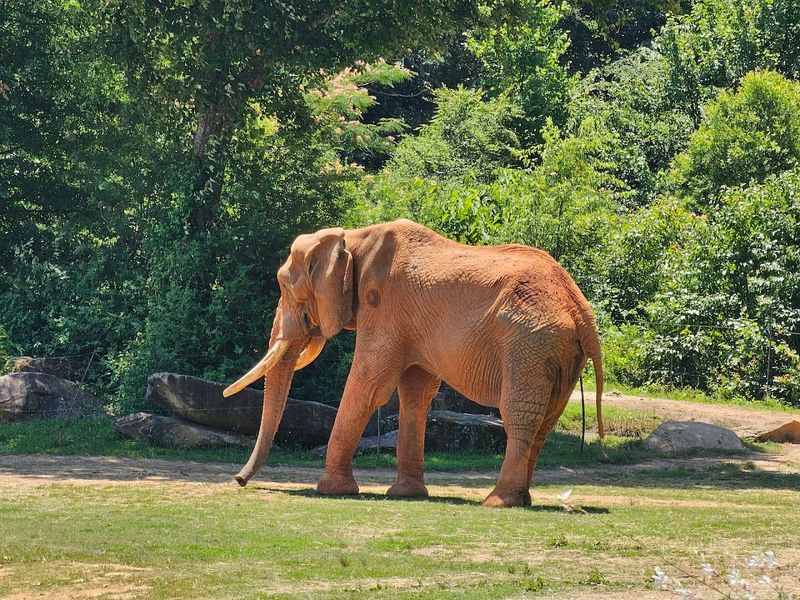
Open-air seats change the entire mood at the North Carolina Zoo, especially when the route rolls into the 40-acre Watani Grasslands. Zoofari runs from March 21 through November 15, with tours available Thursday through Sunday and select holidays, placing guests in a specially outfitted vehicle led by an experienced zoo educator.
Instead of walking past habitats at regular visitor speed, riders get a more focused look at nearly 100 animals representing nine species, including rhinoceroses, gazelles, greater kudus, antelope, and possible elephant views. Asheboro’s zoo already carries major road-trip weight because it spreads across a huge natural-habitat setting, but Zoofari gives the visit a sharper safari-style identity.
The ride feels guided, breezy, and immersive without pretending guests have left North Carolina for another continent. Timing matters, since the attraction is seasonal and weather dependent, so planning around operating dates is essential.
Families can easily spend a full day at the zoo before or after the tour, which makes this the most expansive stop on the route. For anyone who wants the safari feeling with professional interpretation and large-scale habitats, Zoofari gives the article its centerpiece experience.
Few North Carolina animal outings feel this broad, polished, and easy to anchor an entire trip around. Seasonal access makes the ride feel special, while the educator-led format keeps the excitement grounded in knowledge.
6. Tiger World Endangered Wildlife Preserve
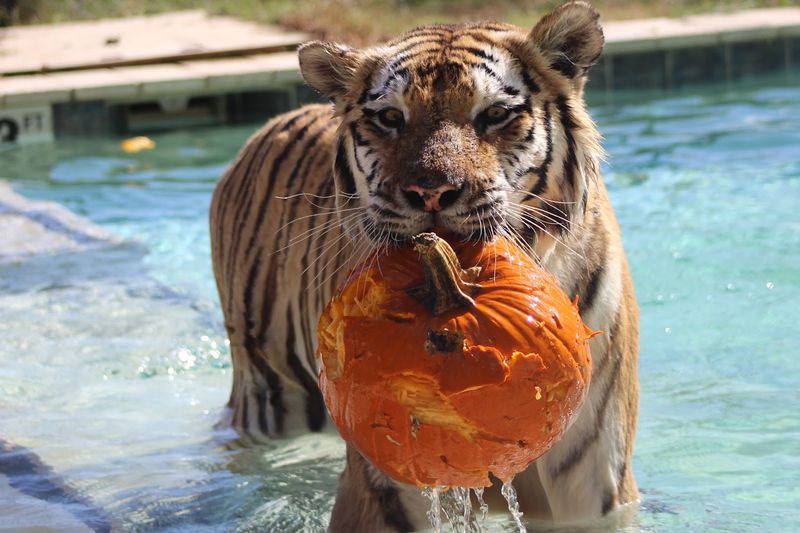
Big-cat silence can make a visitor lower their voice before any guide says a word, and Tiger World in Rockwell builds its strongest moments from that respect. The preserve at 4400 Cook Road operates as a nonprofit rescue, conservation, and educational center focused on exotic animals, with regular hours listed as 9 a.m. to 5 p.m. year-round except Wednesdays, Thanksgiving Day, and Christmas Day.
VIP Safari Tours add the road-trip angle, offering small-group guided access for 10 or fewer guests with behind-the-scenes moments and feeding experiences involving animals such as tigers, lions, kangaroos, tortoises, and parakeets. This is not the same kind of safari stop as a pasture drive-thru, and it should not be treated that way.
Tiger World belongs here because it brings intensity, education, and a close guided format to the itinerary. Visitors see powerful animals while also hearing about care, rescue, and the responsibilities behind keeping exotic species safe.
Rockwell’s Rowan County setting makes it easy to combine with other Piedmont stops, but the emotional tone is different. Laughter gives way to attention here.
For a wild North Carolina road trip with real conservation context, Tiger World adds depth, gravity, and memorable encounters beyond simple novelty. The tour is better framed as an educational animal-care experience than a casual photo stop, which is exactly its strength.
7. Animal Park At The Conservators Center
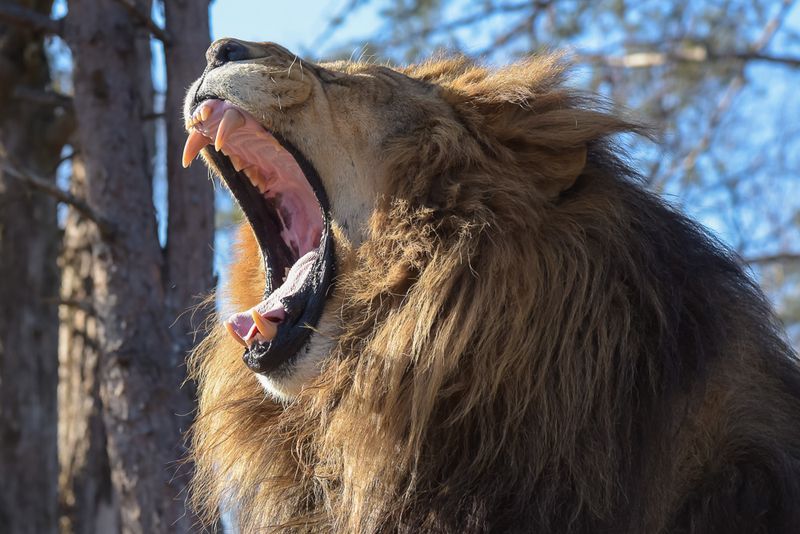
Guided footsteps replace car windows at the Animal Park at the Conservators Center, but the sense of discovery still feels safari-like in the best way. The Burlington-area park requires reservations and takes visitors along a three-quarter-mile path with an experienced guide, giving each tour a conversational rhythm instead of a rushed exhibit loop.
Guests learn about more than 20 species, individual animal behaviors, and the ecological importance behind the creatures they are seeing. Such pacing makes the visit feel personal because every stop has context, not just a sign and a quick photo.
The format also helps the park keep attention on animal care, education, and respectful viewing rather than pure spectacle. For a road trip built around safari-style animal parks, this stop adds a quieter but more thoughtful chapter.
Visitors still get the thrill of being near impressive wildlife, yet the guided structure shifts the focus toward stories, species, and careful observation. Burlington’s central location makes it a smart bridge between Triangle-area stops and the western part of the itinerary.
The Animal Park earns its place by proving wild encounters do not have to happen from a vehicle. Sometimes the strongest experience comes from walking slowly, listening closely, and letting the guide set the pace.
Patient movement turns the visit into a story, giving the park real staying power.
8. Sunset Ridge Buffalo Farm
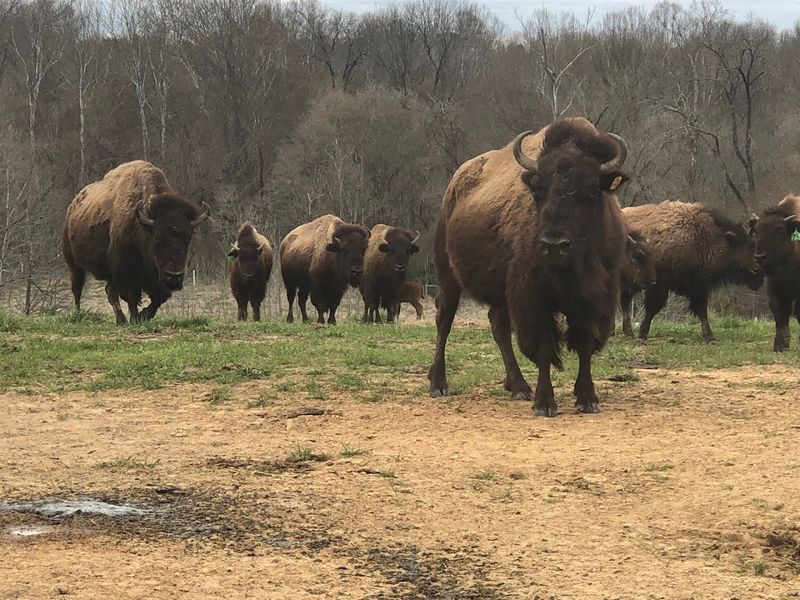
Bison can make a quiet pasture feel prehistoric, and Sunset Ridge Buffalo Farm near Roxboro gives visitors a close look without turning the experience into a theme-park stunt. The farm hosts narrated, interactive truck or wagon tours through the pastures, where participants observe buffalo behavior and learn how the herd is raised, fed, watered, fenced, and handled.
Tours typically last about an hour to an hour and fifteen minutes, giving the visit enough time to feel substantial without wearing out younger travelers. Visit NC also describes the property as a 300-acre working bison farm offering a guided safari-style ride through Person County’s rolling hills.
The working-farm identity matters because the stop feels grounded in daily animal care rather than staged wilderness. Guides can explain the herd, the land, and the practical side of raising bison, which gives the sight of these massive animals more meaning.
Roxboro’s rural setting adds a wide-open backdrop that suits the subject perfectly. This is not a place for roaring drama; it is a place for steady awe.
On a safari-style road trip through North Carolina, Sunset Ridge brings a different kind of wildness, one built from size, patience, history, and the deep rumble of animals moving through open fields. Cooler weather can make the ride pleasant, but the herd gives the farm real visual strength.
9. Carolina Tiger Rescue
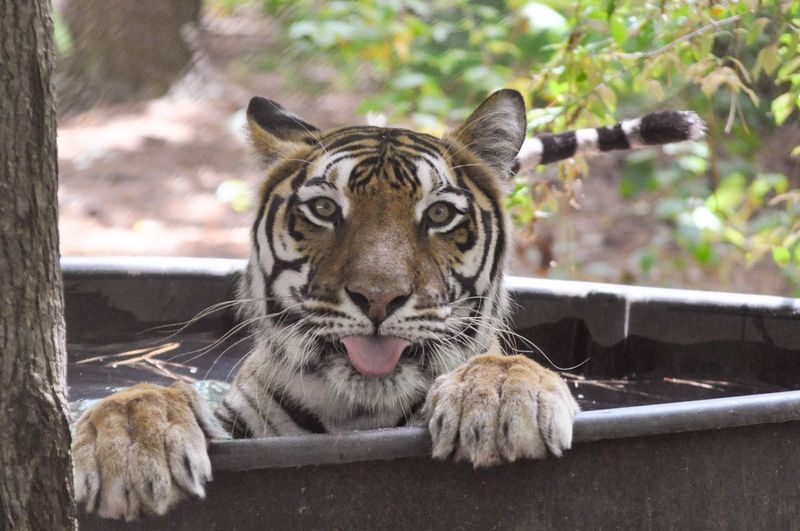
Rescued tigers give Pittsboro’s Carolina Tiger Rescue a powerful hush, the kind visitors remember long after the car ride home. The sanctuary at 1940 Hanks Chapel Road is not a drive-thru park, yet its guided-tour format fits a safari-style route because guests move through the property with trained interpreters while learning the stories behind rescued wild cats and other animals.
Advance booking is central to the experience, which keeps visits structured and respectful rather than casual wandering. Such control protects the animals and gives guests a deeper understanding of why sanctuaries operate differently from entertainment-focused attractions.
Carolina Tiger Rescue emphasizes rescue, education, and advocacy, so the visit carries more emotional weight than a quick roadside stop. Pittsboro’s rural Chatham County setting helps the sanctuary feel removed from everyday noise, which suits the reflective tone of the tour.
Guides connect individual animal histories to broader issues involving captivity, private ownership, and conservation, making the experience meaningful without turning it heavy-handed. This final stop works because it changes the road trip’s mood.
After drive-thrus, wagons, and family chaos, Carolina Tiger Rescue invites visitors to slow down and think. The wildness here is not loud.
It is watchful, dignified, and rooted in second chances. Leaving usually feels quieter than arriving, which may be the clearest sign the sanctuary has done its work well.