This 134-Year-Old Nebraska Mill Still Runs On Water And It’s The Last One Of Its Kind In The State
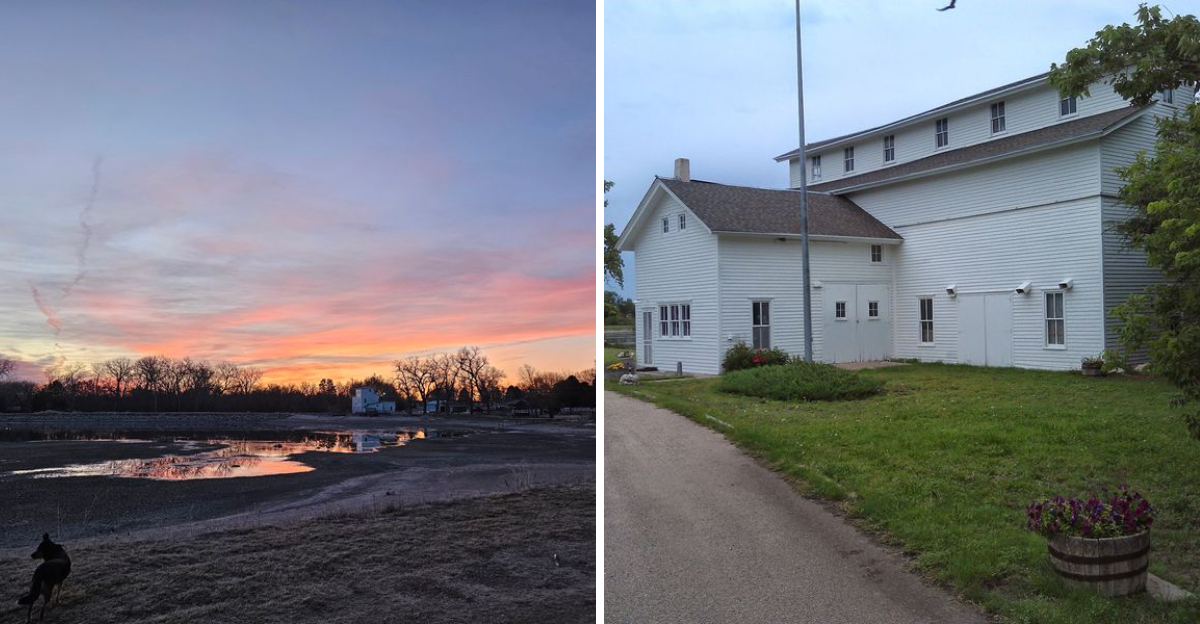
The sound comes first.
Water moves through the old mill system, wood and machinery answer back, and suddenly 134 years does not feel quite so distant.
This is not a display built to imitate the past. The place still works. That makes this Nebraska landmark unusually easy to connect with.
You can stand beside equipment designed for a very different era and watch the same basic force that powered the mill generations ago continue doing its job.
No touchscreen needed. No dramatic reenactment required.
Look closely at the mechanics instead. The gears, the flow of water, the weathered structure, and the sheer persistence of the operation tell a better story than a plaque ever could.
Most historic mills eventually become quiet shells. This one never completely stopped being what it was.
Nebraska’s Last Working Water-Powered Mill Sits Here
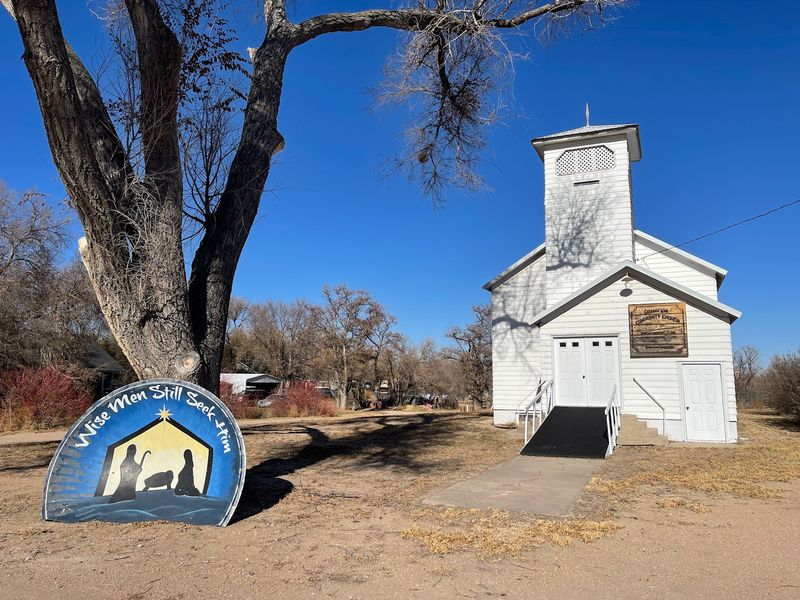
Very few places in the state let visitors see an entire water-power system still standing in one piece.
Champion Mill is recognized as the last functional water-powered mill in Nebraska, and what makes it unusual is not just the building itself.
The mill structure, the dam across the creek, the headrace canal that carries water toward the building, the turbine, and the power system all survive together.
Most historic mills across the Midwest lost one piece or another over the decades, whether it was the dam washing out or the machinery being sold for scrap.
Here, the parts still relate to each other the way they did when grain arrived by wagon.
Walking the grounds gives a clear sense of how water moved from the creek, through the canal, into the mill, and back out again.
The site operates as a Nebraska state historical park, so the buildings and grounds are maintained rather than left to weather on their own.
Expect a small-scale experience instead of a large museum campus.
The visit works well for anyone driving through southwest Nebraska who wants a genuine stop rather than a roadside marker. Plan on a relaxed pace, since the whole property can be seen without rushing in an afternoon.
A Building That Has Stood On This Spot Since 1892
Fire nearly ended the story before it really started.
Preliminary work on the original milling operation began in the fall of 1886, and the first mill was running by late 1888.
Then in December 1891 the building burned, which could have been the end for a small frontier community that had pinned real hopes on the enterprise.
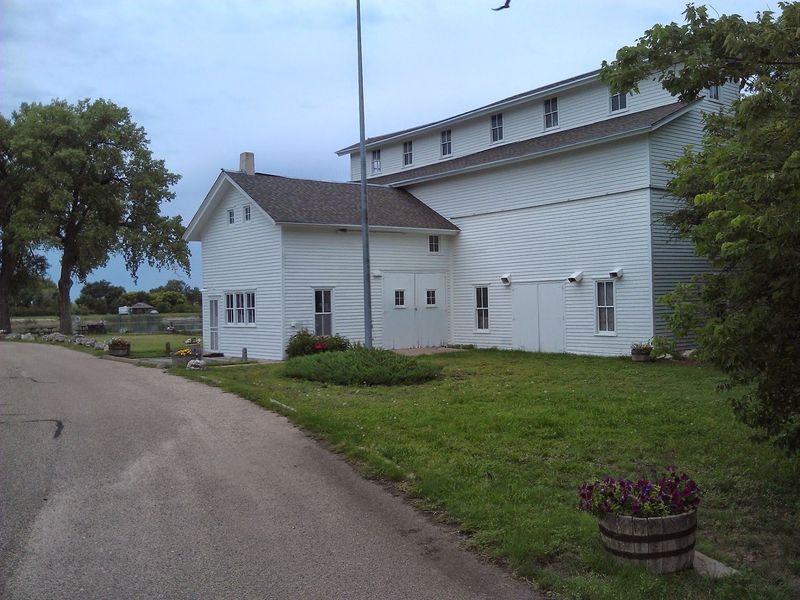
Instead the mill was rebuilt and back in operation in 1892, and that reconstruction forms the core of the three-story frame structure standing today.
The address for anyone plugging it into a map app is 2nd and Mill Street, Champion, NE 69023.
The exterior has kept much of its historical character, with the tall narrow proportions typical of grain mills built to move product downward by gravity.
Inside, the wooden floors and posts carry the marks of decades of work.
Sounds are different in a building like this, with footsteps echoing against bare wood rather than being absorbed by carpet or drywall.
Light comes through older window glass and lands unevenly across the floors.
Anyone who enjoys old construction will notice the joinery and the way the framing was sized for heavy loads.
Doing the math, the 1892 rebuild puts the current structure at well over a century of continuous presence on the same ground.
Why Builders Picked This Bend Of Frenchman Creek
Location was everything for a frontier mill, and this one was chosen with care.
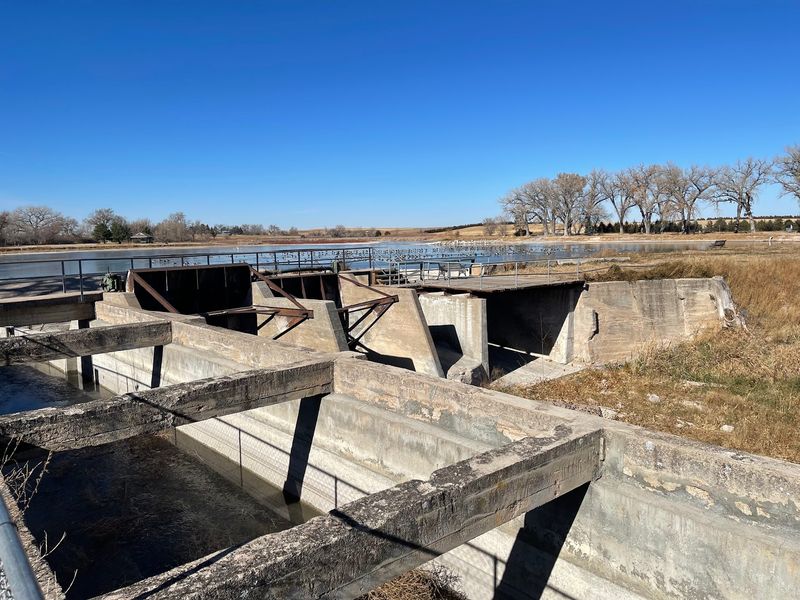
A natural three-foot rock drop along Frenchman Creek gave builders an unusually useful head of water power, which is exactly what a milling operation needed before electricity reached rural areas.
Falling water turns machinery, and three feet of reliable drop in a flat prairie region was worth building a town around.
The settlement was originally named Hamilton and was established in 1885 during a wave of newcomers moving into the area.
Land and water rights were acquired with the promise that a mill would follow, and that promise shaped everything that came after. Standing near the water today, the drop does not look dramatic to modern eyes.
That is part of what makes the site interesting, since it shows how much early settlers could accomplish with a modest natural advantage.
The creek still flows past the property, and the sound of moving water carries across the grounds on quiet days.
Visitors who take a few minutes to trace the route of the headrace canal will understand the engineering better than any sign can explain.
Wear shoes that handle grass and uneven ground, since the best views involve walking away from the parking area.
Look Inside For The 78-Horsepower Leffel Turbine
Forget the giant wooden wheel spinning on the outside of the building.
Nothing like that exists here, which surprises plenty of first-time visitors who arrived expecting a picture-book mill.
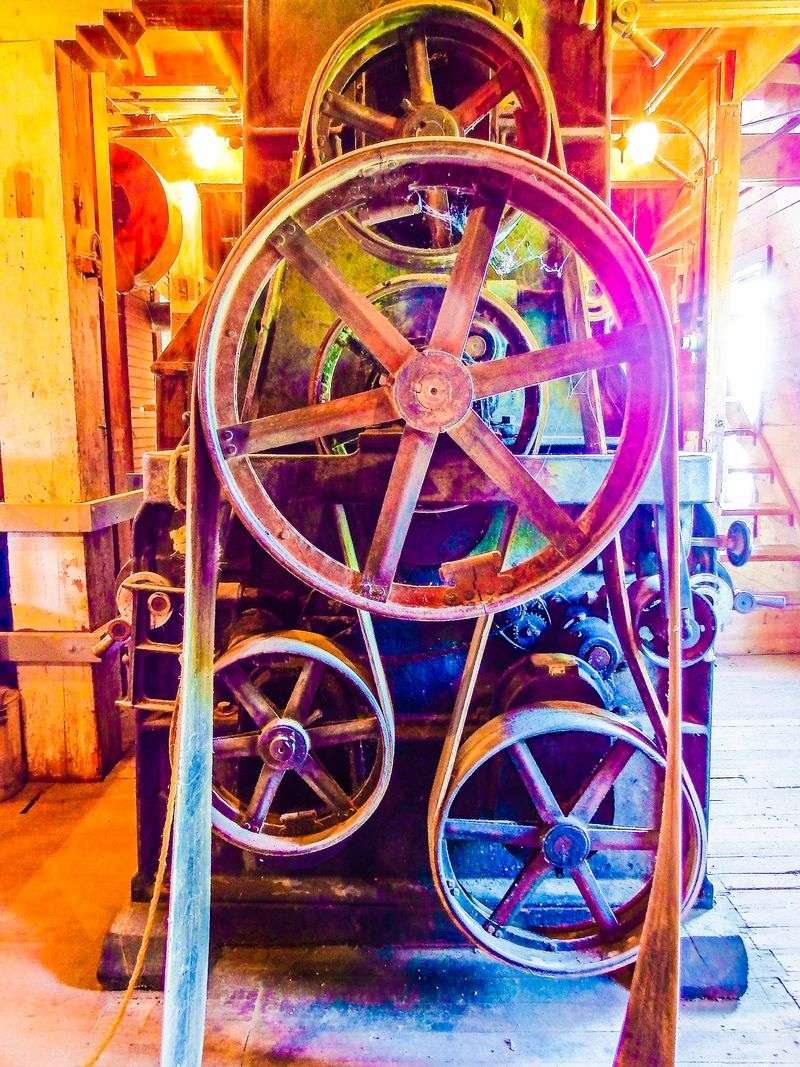
The machinery was driven by a 78-horsepower Leffel water turbine, installed as part of a significant upgrade in 1929.
Turbines sit low and enclosed, taking water through a channel and spinning a shaft with far more efficiency than an exposed wheel could manage.
Water diverted from Frenchman Creek traveled through the canal and into the mill to power the equipment.
The choice reflects real engineering judgment rather than nostalgia, since turbines handled variable water levels better and took up less space.
Seeing the setup in person helps explain why so many working mills quietly swapped out their wheels during the late nineteenth and early twentieth centuries.
The metal parts have the heavy, cold feel of cast iron built to outlast its owners.
Guides and interpretive materials on site cover how the water route worked from intake to discharge.
Kids who like machines usually find this part more interesting than the historical dates.
Bring a small flashlight if lower-level viewing areas are open, since interior lighting in older buildings can be dim.
The 1929 date matters too, showing the mill kept investing rather than coasting.
Nearly Eight Decades Of Feeding Local Farms
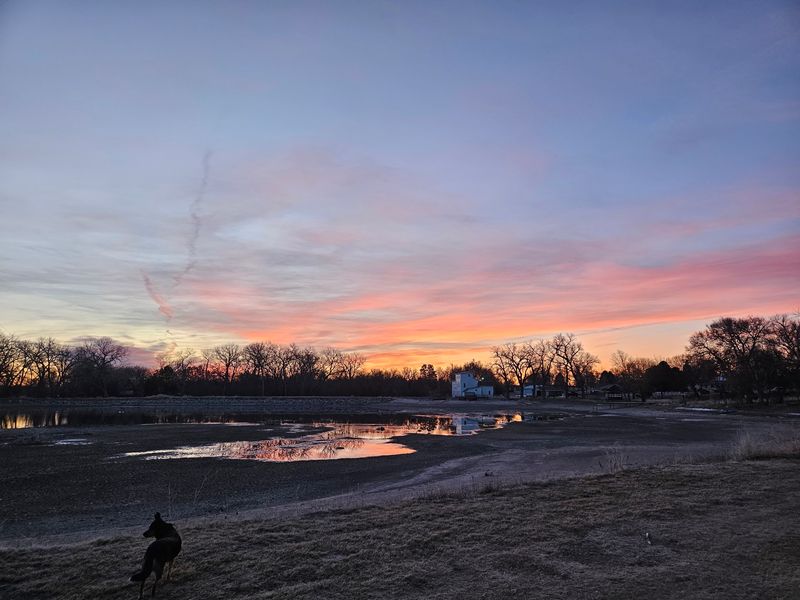
Businesses that last eighty years usually change more than once, and this one changed plenty.
Milling here produced both flour and animal feed, serving farms and families across the surrounding countryside.
As agriculture shifted and consumer habits moved toward commercially packaged goods, the operation adapted rather than closing.
Flour production ended in 1945, which lines up with broader changes in how Americans bought bread and baking supplies after the war.
Feed milling continued, since livestock producers still needed ground rations close to home.
Commercial operations finally stopped in June 1968, closing out a run that touched three generations of local farming.
Thinking about that timeline puts the building in perspective, because it worked through the horse-and-wagon era, the Dust Bowl years, two world wars, and the arrival of tractors and trucks.
Displays inside cover the products made and the customers served.
What sticks with most visitors is the practical nature of the place, since this was never a tourist attraction during its working life.
It was a business that farmers depended on to keep animals fed and kitchens stocked.
Reading the dates on old equipment and comparing them to the mill timeline makes the history feel less abstract and more like a working record of rural Nebraska life.
A Mill Pond That Once Drew Crowds From Across Southwest Nebraska
Industrial water storage turned into the closest thing the area had to a resort.
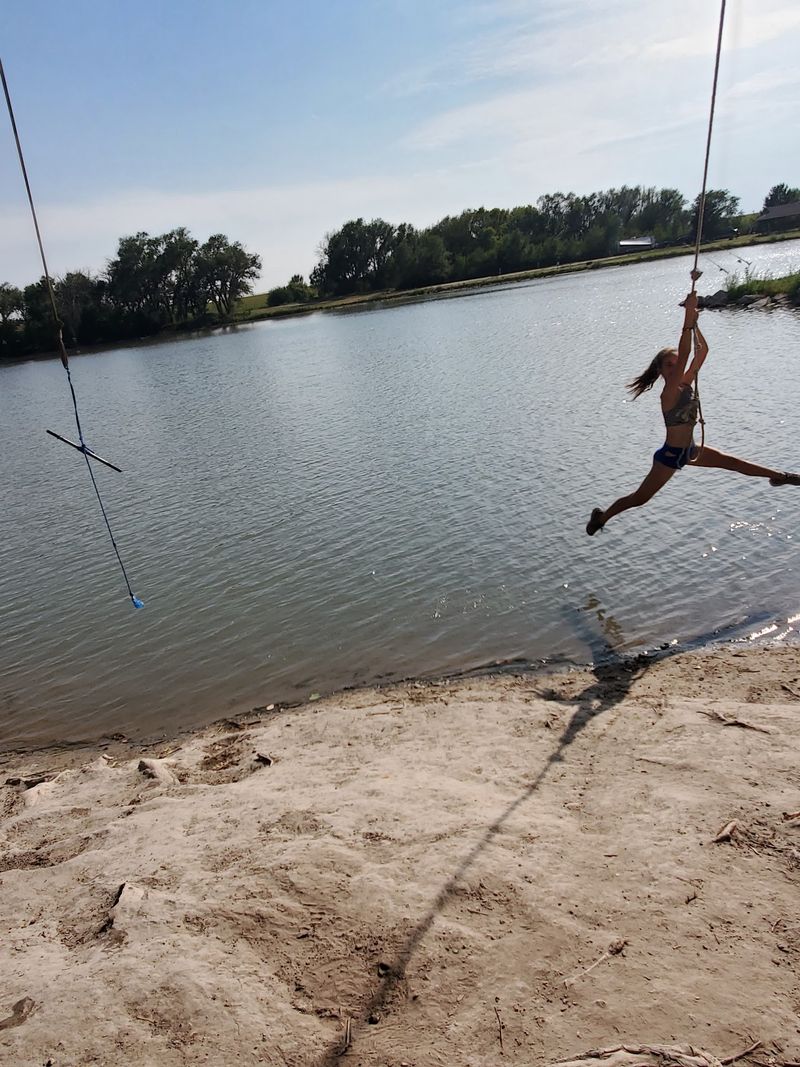
The pond held water for the mill, but during the peak years people came from across southwest Nebraska for reasons that had nothing to do with grain.
Picnics, fishing, boating, swimming, ice skating in winter, and holiday gatherings all happened on and around this water.
For families living miles apart on scattered farms, a pond with shade trees was a genuine social destination.
Those gatherings are a reminder that community life once organized itself around whatever local feature could hold a crowd.
Today the water is quieter, and the mood leans toward peaceful rather than bustling.
The pond and surrounding park remain accessible, and Nebraska Tourism specifically points to fishing and shallow-water recreation as reasons families make the trip.
Shade comes and goes depending on where a person sets up, so bringing a hat and water is sensible during hot months.
Sound carries differently near still water, and birds tend to be the loudest thing around on a weekday morning.
Anyone traveling with young children will appreciate that the shallow areas allow wading without much worry. Pack a blanket or folding chairs, since the setting rewards sitting still for a while.
National Register Recognition Arrived In 1988
Official recognition confirmed what locals already understood about the property.
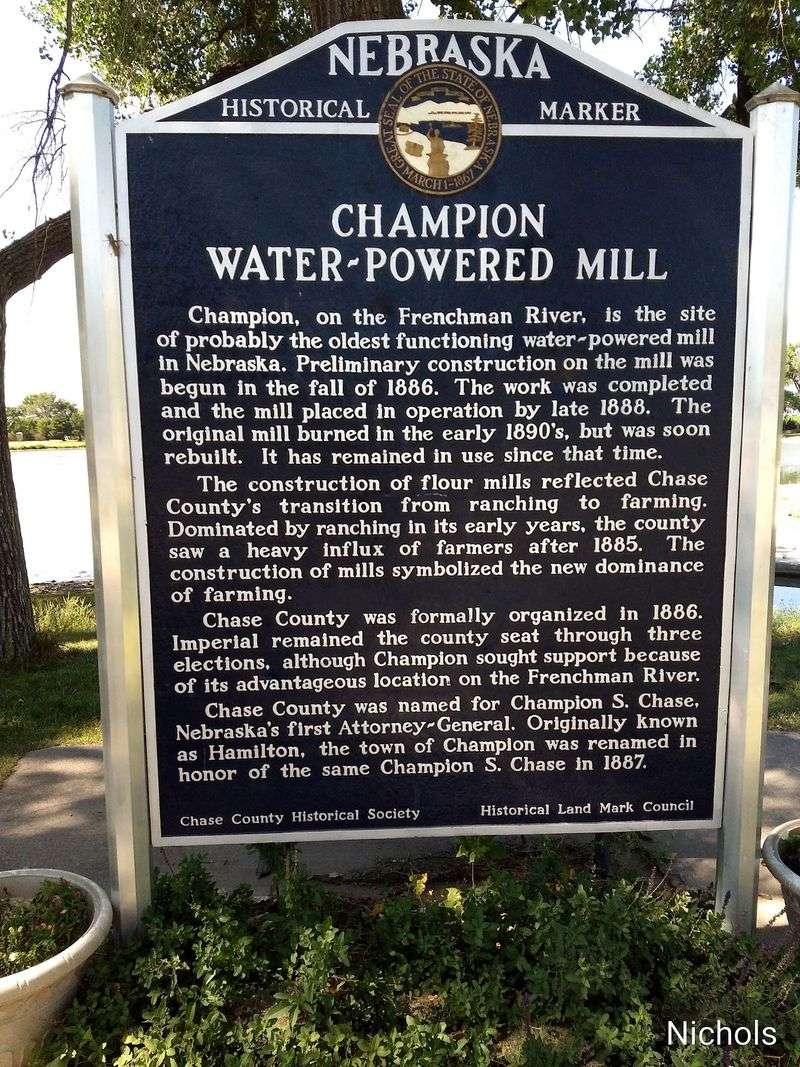
The mill, the dam, and the headrace were added to the National Register of Historic Places in 1988, a designation that covers more than just the main building.
Including the dam and headrace matters, because those pieces are what make the site a complete water-power system instead of an isolated old structure.
The listing acknowledges the property’s importance to both the industrial and recreational history of Nebraska.
Recreational history is an unusual thing to see cited in a listing like that, and it reflects how much the pond meant to the surrounding population.
Sites earn National Register status through documented significance and preserved integrity, so the designation reflects real research rather than local sentiment.
Practically speaking, the listing supports ongoing preservation efforts and helps ensure the buildings stay standing.
Visitors will not see a velvet-rope museum experience because of it, and that is fine.
The place still feels like a working property that simply stopped working.
For anyone who collects National Register visits as a travel hobby, this one delivers unusual completeness for a small rural site.
Taking a slow walk around the exterior helps show why all three elements were listed together rather than separately.
Slow Hours Beside The Water In The Surrounding Park
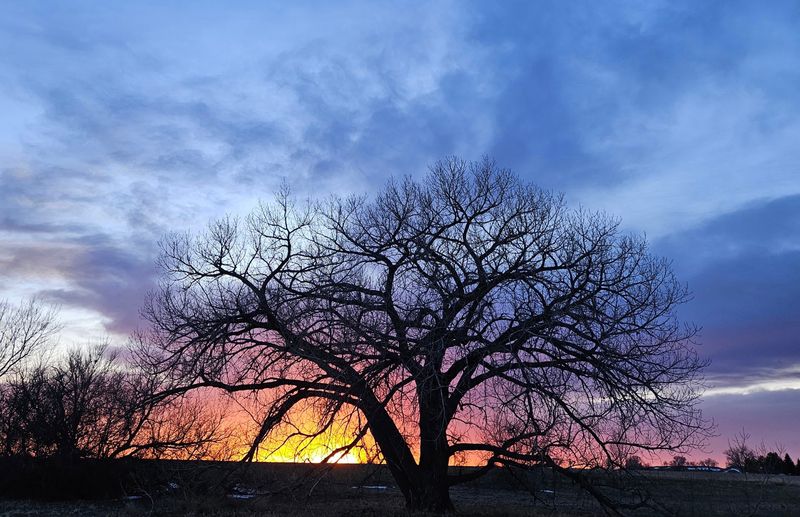
Not every stop needs a schedule, and this one rewards visitors who arrive without much of a plan.
The park and pond remain accessible year-round, which makes the property useful even outside the mill’s limited open hours.
Fishing is one of the main draws, and the calm water makes a reasonable place for a young angler to practice casting without much frustration.
Shallow-water recreation appeals to families with small children who want a simple outdoor afternoon.
Seasons change the feel considerably, with green shade in summer and open sightlines once leaves drop in autumn. Mornings are usually calmer than afternoons, and weekdays see fewer people than weekends.
Bring whatever gear is needed, since services in a community this small are limited and stocking up before arriving is the smarter approach.
Nebraska fishing regulations apply, so checking current permit requirements ahead of time avoids problems.
Ground near the water can be soft after rain, so footwear that handles mud is a good call.
The pacing here is unhurried by nature, and there is no attraction pushing visitors from one point to the next.
Many people treat the site as a lunch break on a longer drive, spreading out a meal near the water before continuing on.