Thousands Of Migrating Birds Flood This Idaho Mountain From July Through October
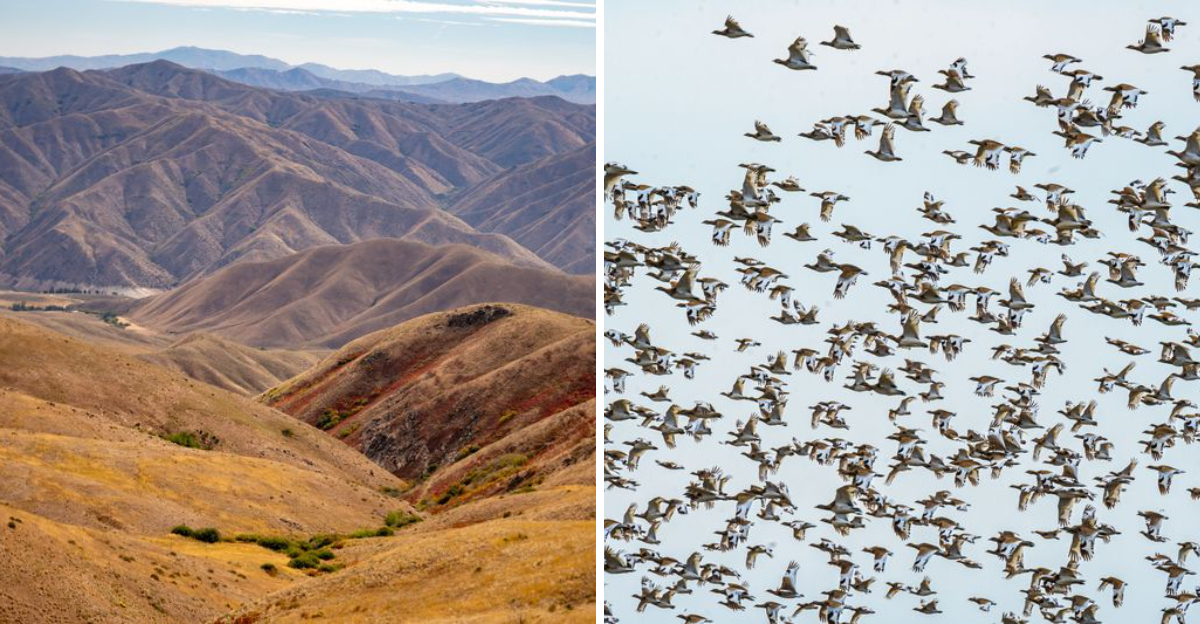
For a few months each year, one Idaho mountain turns into an airport with no runways.
The traffic is overhead.
Beginning in July, migrating birds start funneling across the ridge in remarkable numbers, and the movement continues well into October. Look up at the right moment and the sky can suddenly feel much busier than the trail beneath your feet.
That is what makes this place so addictive.
You do not need to be the person who can identify a bird from one feather and a distant squeak. The sheer movement is enough to pull you in.
Researchers have been studying migration here for decades, but visitors get something much simpler: the chance to stand on a mountain and watch a seasonal journey happening in real time.
August lands right in the middle of that window.
Bring binoculars if you have them.
If not, just remember to look up.
Watch The Mountain Fill With Migrating Birds
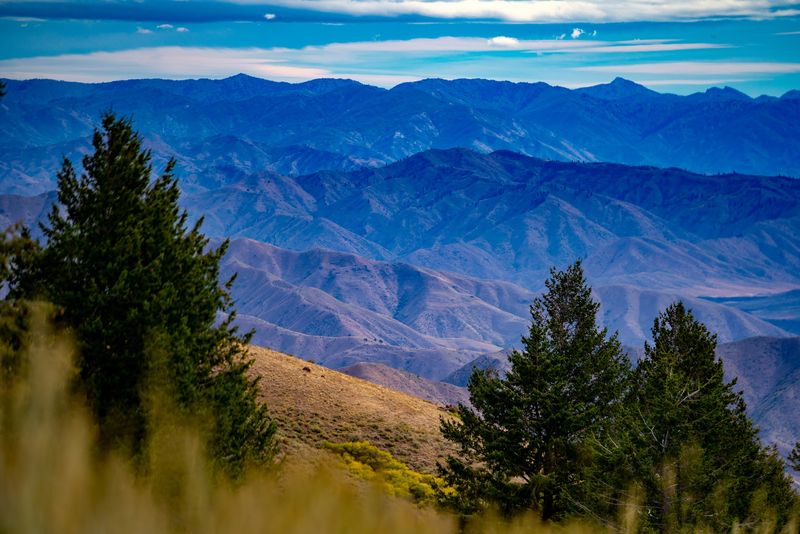
Migration does not arrive in one dramatic wave and disappear the next morning. It builds across weeks, with different groups taking their turn over Lucky Peak.
Songbirds begin moving through the station in mid-July. Raptors become increasingly noticeable as summer gives way to fall.
Owls add an entirely different nighttime chapter during September and October. Historical counts show why the word “thousands” belongs in the title.
Lucky Peak’s long-term raptor average sits above 6,000 birds per season. In 2022 alone, observers counted 5,504 raptors representing 18 species.
The following year brought 4,845, even though that total was well below the historical average. Songbird numbers add thousands more individuals to the broader migration story.
Researchers banded 2,975 new birds during the unusually slow 2025 season, plus hundreds of previously banded birds encountered again. Visitors should not expect the sky to stay packed every minute.
Bird movement changes with wind, weather, time of day, and migration timing. Some moments can be quiet.
Then several birds suddenly appear within minutes. That unpredictability is part of the appeal.
Bring binoculars, look often, and resist deciding the mountain is having a slow day after the first ten minutes.
See Why Lucky Peak Becomes A Fall Migration Hotspot
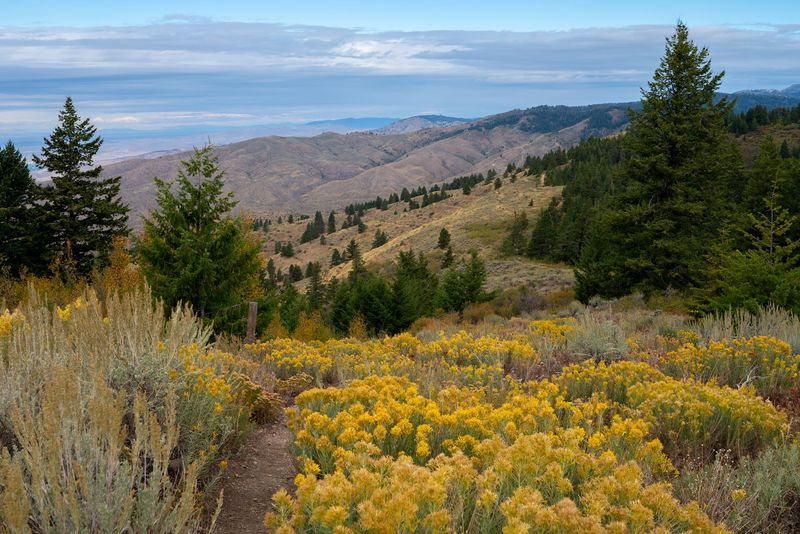
Geography gives the birds a very good reason to pass this particular summit. Lucky Peak sits at the southern end of the Boise Ridge, where Idaho’s forested mountains begin giving way to the much broader Snake River Plain.
Researchers describe the site as part of the Intermountain migration corridor. That position creates a natural transition point for birds moving south.
Raptors can use ridges, rising air, and favorable wind conditions while traveling. Smaller landbirds also pass through the mountain habitat before continuing across more open country.
Lucky Peak rises to roughly 6,000 feet, placing observers high enough to watch birds approaching from several directions. The station’s long history matters too.
Researchers have been returning since 1993, allowing migration patterns to be compared across decades instead of only one exciting season. Some years produce noticeably stronger counts than others.
Certain species can decline while another suddenly appears in unusual numbers. That variability is exactly why repeated monitoring matters.
Visitors get the fun part of the arrangement. You can stand on the same ridge where researchers are documenting those changes and watch migration happening in real time.
Look south across the landscape and the geography becomes easier to understand. Lucky Peak feels much less like a random mountain once you see how dramatically the terrain changes beyond it.
Visit During The Busy July Through October Research Season
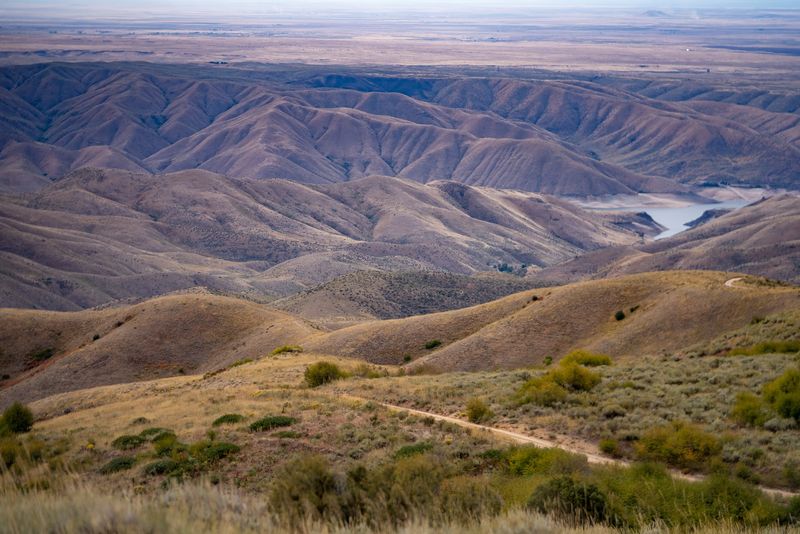
Timing your visit around the bird group you care about can make the day far more rewarding. Songbird banding currently runs every morning from July 16 through October 15, weather permitting.
Visitors should arrive between about 40 minutes after sunrise and five hours after sunrise. The observatory says the strongest activity often comes during the first half of that window.
Raptors follow a later schedule. Hawkwatch and raptor banding begin August 25 and continue through the end of October, generally from 10 a.m. until around 6 p.m.
September and the first week of October offer the best combination of higher numbers and species diversity. Owl activity shifts everything into darkness.
Public owl banding runs September 1 through October 28, with mid-September through mid-October especially productive. Visitors should arrive before sunset and bring a headlamp.
Small groups arriving in one or two vehicles do not need advance reservations. Larger groups should arrange their visit.
Weather can close any research operation with little notice. Wind, rain, snow, and poor air quality all affect whether nets can safely open.
Check conditions before starting the drive. Then choose the part of migration you most want to see instead of simply arriving at noon and hoping every project happens at once.
Look For Raptors, Songbirds, And Other Migrants Passing Through
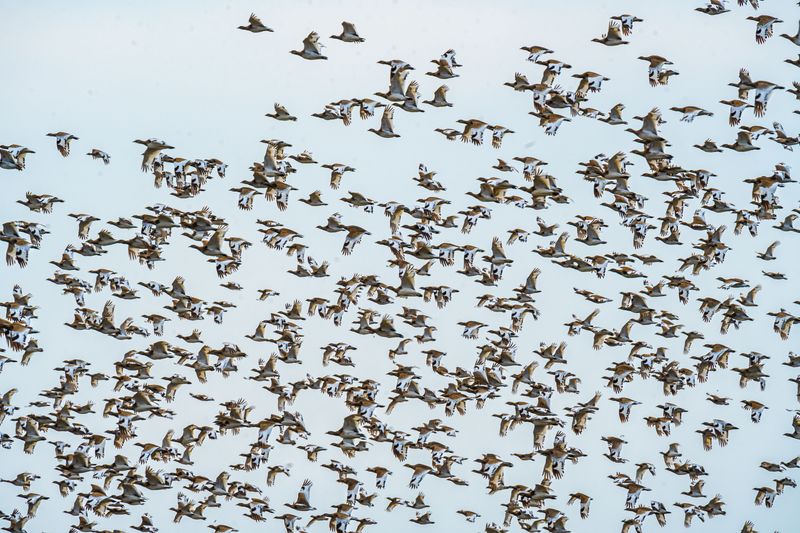
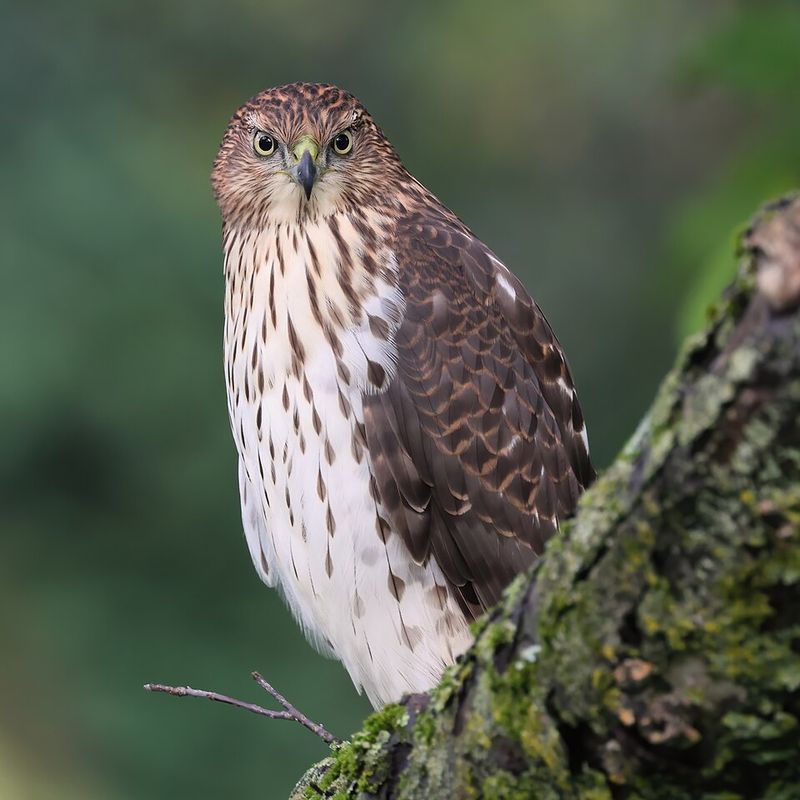
Bring a checklist and it may become crowded surprisingly quickly. Raptors documented at Lucky Peak include Cooper’s Hawks, Sharp-shinned Hawks, Red-tailed Hawks, American Kestrels, Golden Eagles, Peregrine Falcons, Northern Harriers, Ospreys, and several less commonly seen species.
The long-term hawkwatch has recorded around 18 raptor species during individual seasons. Songbirds create a very different experience closer to the banding station.
Recent seasons have included Lazuli Buntings, Chipping Sparrows, flycatchers, warblers, wrens, sparrows, woodpeckers, and other migrants moving through the mountain vegetation. The 2025 crew even documented unusually strong numbers of Lazuli Buntings and Chipping Sparrows compared with several other species.
Darkness brings two especially interesting visitors. Flammulated Owls move through Lucky Peak primarily in early and mid-September.
Northern Saw-whet Owls usually peak between mid-September and mid-October. No visitor is guaranteed a specific bird.
Migration refuses to follow a tourism brochure. That can make an unexpected sighting much more satisfying.
Scan the sky regularly instead of staring only toward the research station. Listen around the shrubs in the morning.
If you stay for owls, let your eyes adjust before reaching automatically for a bright light. Every part of the day brings a different set of possibilities.
See Bird Researchers At Work High Above The Treasure Valley
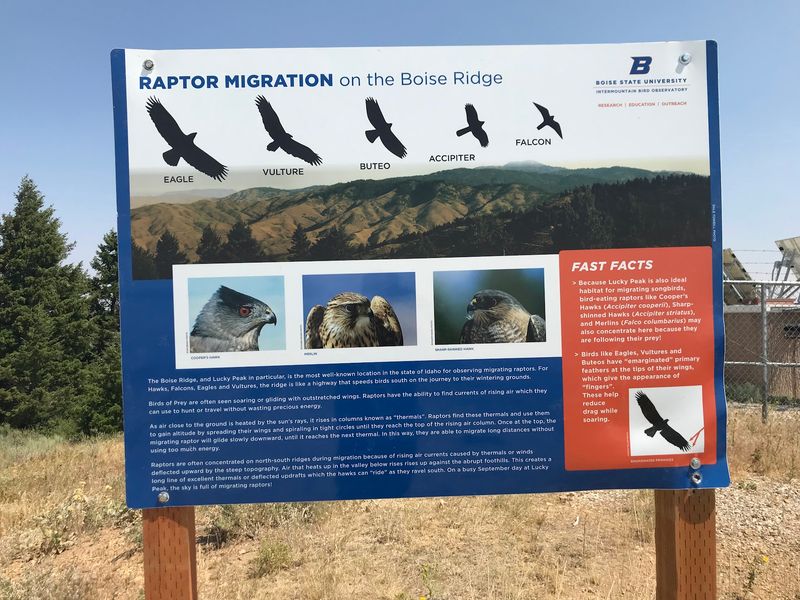
Birdwatching here comes with a front-row seat to actual field science. Researchers capture birds, collect measurements, apply identification bands, record information, and release each bird so its migration can continue.
Visitors can watch much of that process and ask questions when the crew is not overwhelmed with birds. Songbird and owl work centers around the banding area and yurt.
Crews check their nets at regular intervals, generally every 30 to 60 minutes for songbirds. On quieter days, visitors may be allowed to follow scientists toward the nets and watch extraction work.
That decision always belongs to the research team. Raptor viewing works differently.
Hawk watchers scan from near the summit while the trapping blind sits lower on the hillside. Visitors cannot enter that blind, but captured raptors may be brought toward hawkwatch before release.
The public sometimes gets an even closer role. When conditions and workload allow, researchers may invite a visitor to hold out a hand as a platform for a bird’s release.
It is never guaranteed. That uncertainty makes the experience more genuine.
You are visiting a working research station, not attending a scheduled animal presentation. Watch quietly, follow crew instructions, and let the birds determine how busy the next hour becomes.
Bring Binoculars And Scan The Sky Between Research Stops
Pack for a mountain research site instead of a polished visitor center. Water, food, sun protection, binoculars, a camera, layers, and closed-toe shoes all belong in the vehicle.
Morning temperatures can be surprisingly cold later in the season, even when Boise feels comfortable below. A folding camp chair can also make hawkwatch much easier on the legs.
Once on site, birding does not have to stop when the banding table gets quiet. Visitors can watch along the main road and use the trail connecting toward Adelmann Mine.
Short dead-end side trails should be avoided because research nets and other equipment may be operating there. Pets are not allowed in the banding area.
That rule helps keep working conditions calmer around wild birds and research equipment. The mountain also lacks the amenities many travelers expect from a developed attraction.
Toilets are basic, and visitors should arrive self-sufficient for food and water. Binoculars become particularly useful during raptor hours because hawks can pass high overhead or well out along the ridge.
Keep scanning even when everyone else seems to be looking in another direction. Someone usually spots the bird first.
Half the fun comes from figuring out where everybody suddenly pointed.
Learn Why This Idaho Ridgeline Funnels So Many Birds South
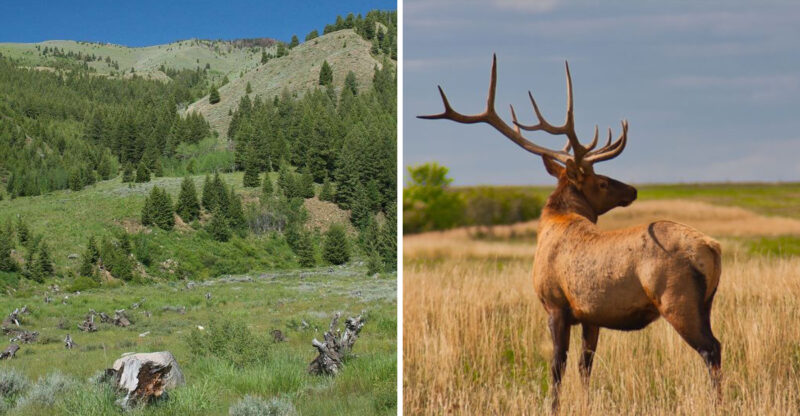
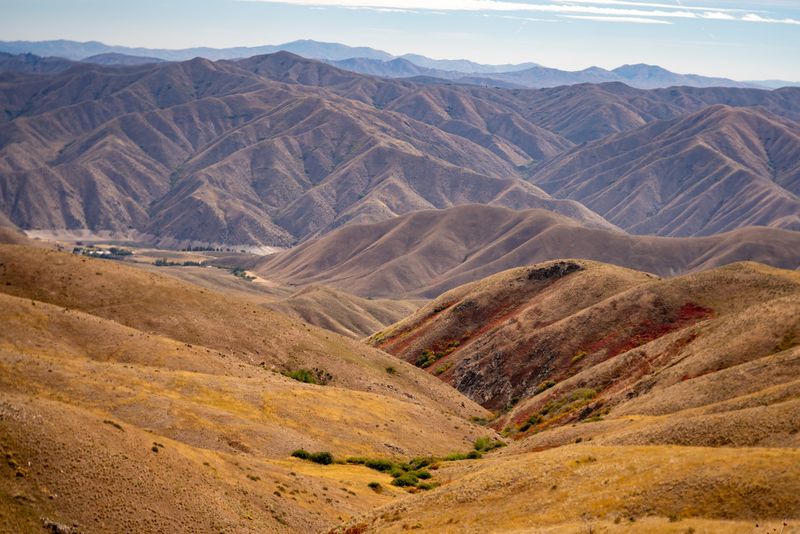
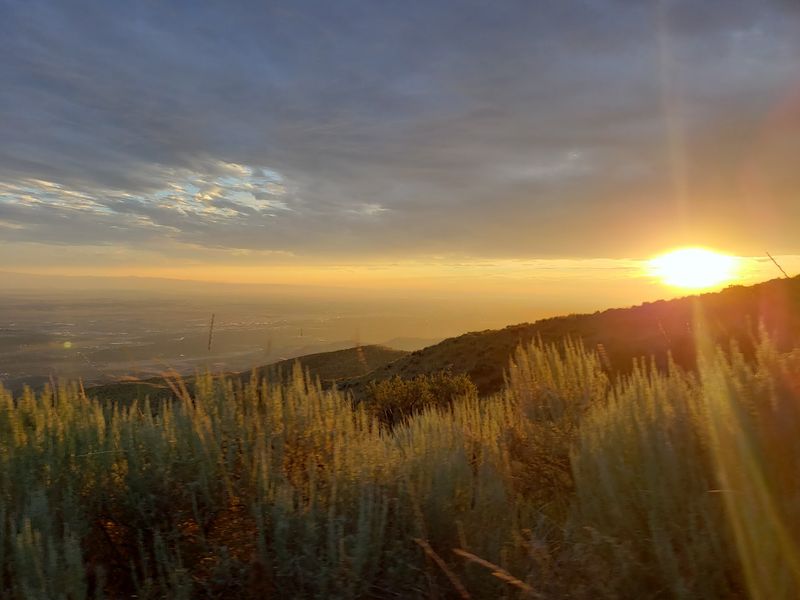
Stand near the summit and the landscape provides its own migration diagram. Mountains and forest extend behind Lucky Peak, while the Snake River Plain opens dramatically to the south.
Scientists studying the site describe it as a boundary between forested mountain country and shrub-steppe terrain. The summit also lies directly within the Intermountain migratory flyway.
Birds moving south can use the Boise Ridge as a prominent landscape feature before reaching that broad open plain. Raptors often take advantage of rising air and favorable winds rather than spending unnecessary energy flapping continuously.
Smaller migrants use surrounding vegetation to feed and rest as they move through the region. Lucky Peak’s position at the southern end of the ridge concentrates enough activity to support decades of standardized monitoring.
The observatory began its work here after researchers recognized the importance of the migration corridor in 1993. Looking down toward the Treasure Valley makes all of this easier to visualize.
The mountain is not simply a scenic overlook where people happen to count birds. Its shape and position are part of the reason those birds are being counted there in the first place.
Spend a few minutes watching the horizon rather than searching only directly overhead. Once the ridgeline comes into focus, you can almost trace the route migrants are using across the landscape.
Turn A Mountain Visit Into One Of Idaho’s Wildest Seasonal Spectacles
Getting to Lucky Peak requires more planning than driving to a normal roadside viewpoint. The station sits at the end of about six miles of Highland Valley Road, a steep and winding single-lane dirt route.
As of July 2026, the observatory describes the road as being in moderate condition. A high-clearance four-wheel-drive or all-wheel-drive vehicle is required.
Drivers should avoid the road during rain and for at least an hour afterward. Once you reach the upper parking area, the research station sits about 200 meters beyond a gate.
Visitor camping is currently unavailable, so nighttime owl guests need to be comfortable making the rough drive back after dark. That effort is exactly why checking weather and current station updates matters before leaving Boise.
Once you arrive, the experience can stretch well beyond ordinary birdwatching. Morning songbirds, afternoon raptors, and nighttime owls turn the same mountain into three noticeably different places.
Research crews add another layer by showing how each sighting contributes to a long-running scientific record. You may see dozens of birds.
You may hit a quieter period. Either way, standing on the Boise Ridge while migration moves overhead gives fall a completely different rhythm.
The mountain is doing the same thing it has done for generations. You are simply there at the right season to notice it.