Thrift Like A Pro At This North Carolina Store, Your Treasure Hunt Awaits This Week
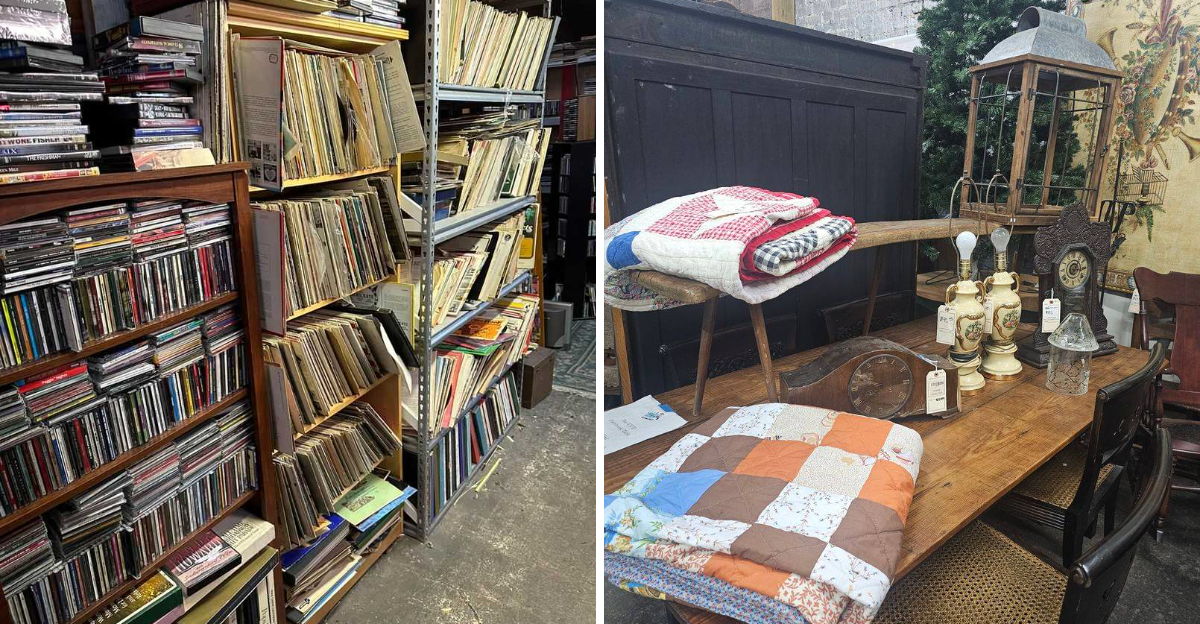
Rummage Warehouse in Wilson, North Carolina, isn’t your typical thrift store, it’s a sprawling 10,000‑square-foot playground for the curious and the creative. From towering antique armoires to quirky vintage décor, every corner hides something unexpected, from retro signs to furniture with stories etched into every scratch and curve.
The thrill isn’t just in finding an item, it’s in discovering the perfect piece you didn’t even know you were looking for. North Carolina shoppers know this is the spot where one trip can turn into a full‑day treasure hunt, Thursday through Saturday, the warehouse buzzes with excitement, carts rolling down aisles stacked high with collectibles and one-of-a-kind finds.
Whether you’re revamping a room, building a unique collection, or simply seeking something that sparks joy, each warehouse space delivers a cascade of possibilities. Rummage Warehouse, at 315 Barnes St S, Wilson, proves that thrifting can be wildly fun, endlessly surprising, and a little addictive in the best way.
Only in North Carolina can a shopping trip feel like a full-blown adventure.
1. A Massive 10,000-Square-Foot Shopping Paradise
Walking into a space this enormous feels like stepping onto a treasure map with countless X marks waiting to be discovered. The Rummage Warehouse stretches across three connected warehouse buildings, giving shoppers room to roam without feeling cramped.
Each section holds different categories of merchandise, from furniture galleries to glassware aisles.
Bring comfortable shoes because covering this much ground takes time and energy. The layout encourages exploration, with surprises tucked into every corner and aisle.
Fans throughout the building help with air circulation, though temperatures can mirror the weather outside since this authentic warehouse lacks central climate control.
First-time visitors often underestimate how long they’ll want to browse. Setting aside at least two hours ensures enough time to properly hunt through all three spaces.
Some dedicated treasure seekers return monthly just to see what new estate sale finds have arrived since their last visit.
2. Estate Sale Treasures Arrive Weekly
Fresh inventory flows into Rummage Warehouse constantly as the owners work with local estates to give pre-loved items new homes. Thursday mornings bring the newest arrivals, making it the best day for serious collectors who want first pick.
Estate sales often yield complete sets of china, vintage jewelry, and furniture pieces that tell stories of decades past.
The quality varies beautifully from humble everyday items to genuine antiques worth researching. Some pieces arrive still tagged with original estate sale prices, while others get evaluated and marked by the Rummage Warehouse team.
Each item carries a bit of history, whether it’s a mid-century lamp or grandmother’s recipe box.
Checking the store’s Facebook page before visiting reveals sneak peeks of recent arrivals. The owners highlight special pieces and furniture finds, helping shoppers plan their treasure hunts.
This constant turnover means every visit feels different, with new discoveries replacing sold items throughout the week.
3. Thursday Through Saturday Operating Hours
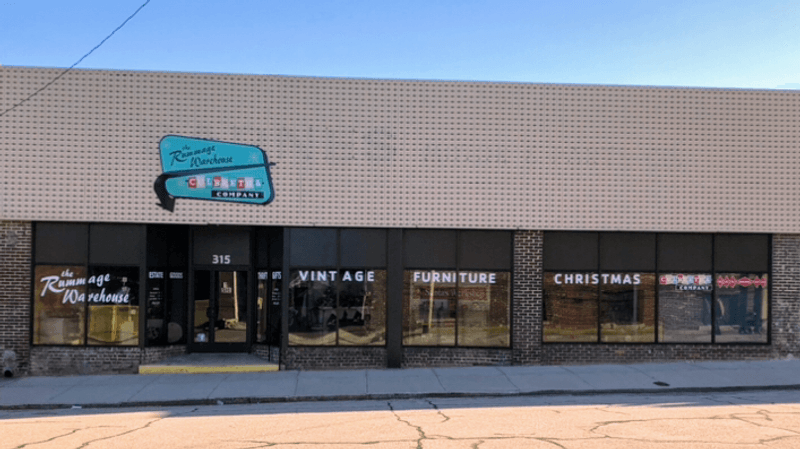
Mark your calendar because Rummage Warehouse, at 315 Barnes St S, Wilson, keeps a specific schedule that rewards planners. Doors open Thursday and Friday from 10 AM to 5 PM, then Saturday from 10 AM to 4 PM, giving shoppers three days each week to hunt for bargains.
The store stays closed Sunday through Wednesday, allowing time for sorting new estate sale acquisitions and restocking shelves.
Arriving right at opening on Thursday morning offers the advantage of seeing freshly stocked merchandise before crowds thin out popular items. Friday afternoons tend to be quieter, perfect for shoppers who prefer a more relaxed browsing experience.
Saturday draws weekend warriors, creating a livelier atmosphere with more people hunting through the aisles.
Weather occasionally affects opening times, especially during winter storms or severe conditions. Following their social media accounts prevents wasted trips, as the family posts closure announcements there.
The owners prioritize staff safety, sometimes closing when road conditions make travel risky for employees who commute from surrounding areas.
4. Prices Are Negotiable On Most Items
Sticker shock at first glance often fades once shoppers learn the secret: almost everything is negotiable. The marked prices frequently reflect original estate sale values or starting points for friendly bargaining.
Staff members expect customers to make offers, especially when buying multiple pieces, turning shopping into an interactive experience rather than a take-it-or-leave-it transaction.
Starting a conversation about price feels natural here, not awkward or rude. The owners encourage haggling as part of the fun, creating deals that work for both sides.
Buying several items at once typically unlocks better discounts, rewarding shoppers who commit to multiple purchases.
Some visitors find negotiating uncomfortable at first, but the friendly staff makes the process easy and pressure-free. Simply asking “Is there any flexibility on this price?” opens the door to discussion.
The family-owned atmosphere means decisions happen quickly, without needing manager approval or complicated pricing policies that slow down the conversation.
5. Family-Owned Business With Personal Touch
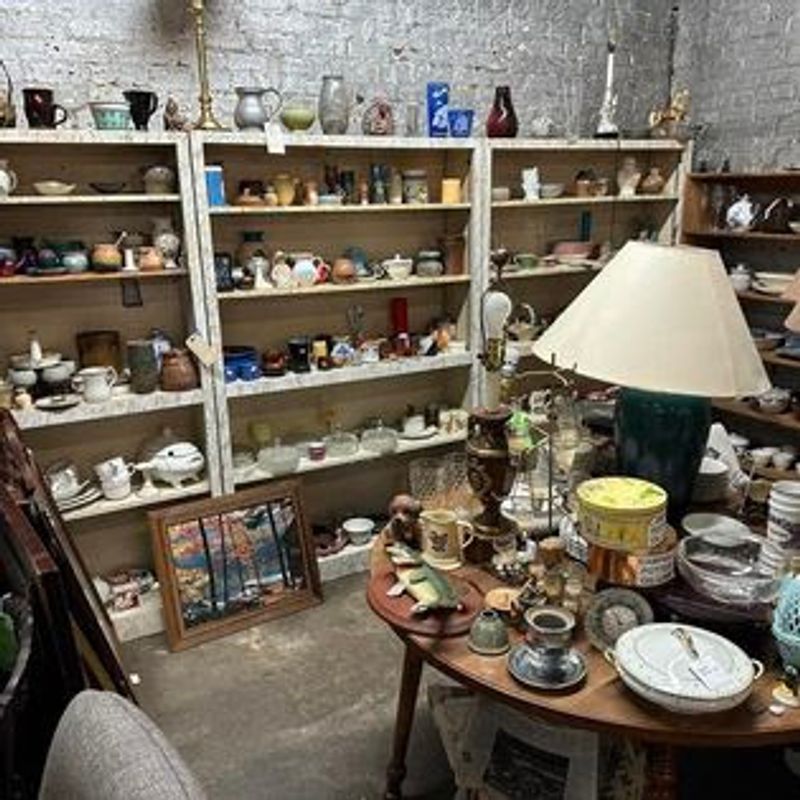
William Culbreth Spivey founded this venture with his parents Bessie and Herman, keeping the operation truly family-centered. The Spiveys often work the floor themselves, sharing stories about items and helping customers locate specific pieces.
This hands-on approach creates relationships rather than transactions, with regulars greeted by name and newcomers welcomed warmly.
Meeting the owners adds depth to the shopping experience, as they genuinely care about matching people with items they’ll treasure. Their knowledge of the inventory proves invaluable when hunting for something specific, like a particular style of lamp or type of glassware.
They remember customer preferences, sometimes setting aside pieces that match previous purchases.
This personal investment shows in how they respond to feedback and work to improve the experience. Customer reviews receive thoughtful replies, and suggestions get considered seriously.
The family’s pride in their business shines through every interaction, making shoppers feel like valued guests rather than anonymous buyers passing through.
6. Adjacent Culbreth And Company Holiday Shop
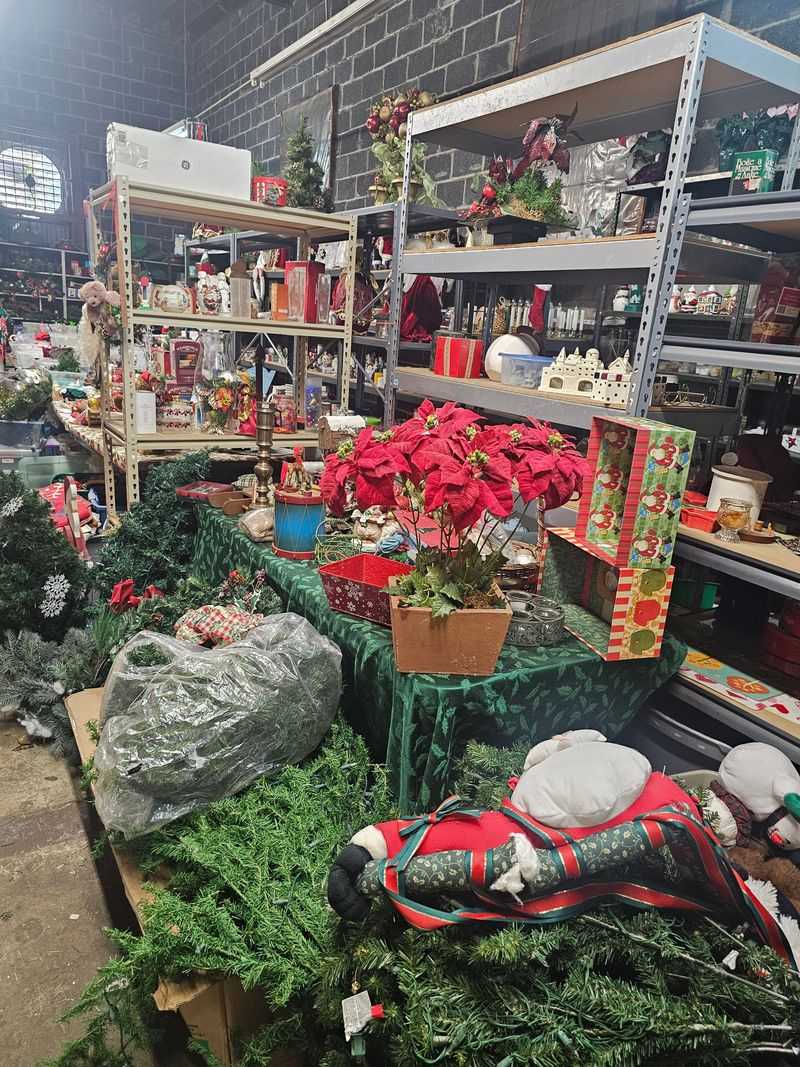
Right next door to the warehouse sits Culbreth & Company, a year-round wonderland of holiday cheer and home accents. William Culbreth Spivey created this sister business to offer brand-new seasonal décor alongside the vintage finds.
Ornaments, collectibles, and festive touches fill the space regardless of the calendar, letting Christmas enthusiasts shop in July or October shoppers plan ahead.
The inventory here operates differently from the warehouse, with regular retail pricing on new merchandise rather than negotiable estate sale goods. However, discounts of 20 to 40 percent appear regularly, making the new items competitive with discount stores.
Some vendor restrictions limit discounting on certain brands, but staff clearly communicate which items qualify for reductions.
Combining both shops in one visit satisfies varied shopping needs, from vintage hunting to modern holiday decorating. The contrast between dusty antiques and sparkling new ornaments creates an interesting shopping journey.
Many visitors budget time for both spaces, knowing they’ll find completely different treasures in each location.
7. Furniture Galleries In Overflow Spaces
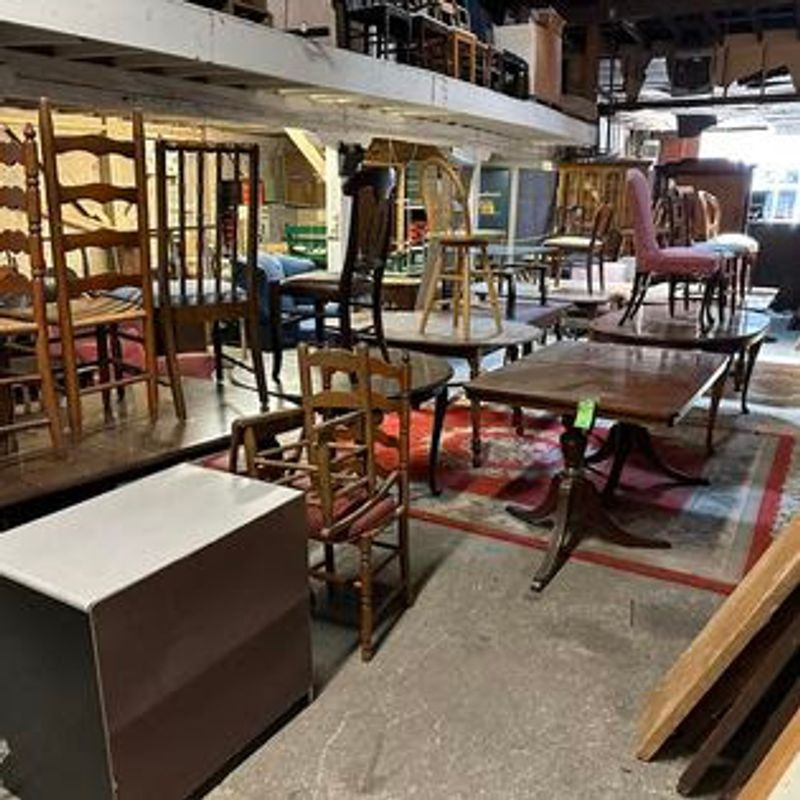
Serious furniture shoppers need to explore beyond the main warehouse into the overflow areas packed with larger pieces. Solid wood dining tables, vintage headboards, and complete bedroom sets fill these adjacent spaces, requiring patience to navigate and extract desired items.
The sheer volume means some pieces sit stacked or nested together, making viewing every option a commitment.
Getting quotes on furniture takes longer than grabbing a lamp or dish from the main floor. Staff need time to assess pieces, check for damage, and calculate fair pricing based on condition and market value.
Extracting a specific item from the furniture maze also requires coordination, sometimes involving moving other pieces temporarily.
The quality and construction of older furniture often surpasses modern particle board alternatives, making the hunt worthwhile for those furnishing homes or flipping pieces. Solid wood construction, dovetail joints, and real craftsmanship appear regularly.
Shoppers with trucks or trailers can score incredible deals on statement pieces that would cost thousands new.
8. Extensive Glassware And Collectibles Selection
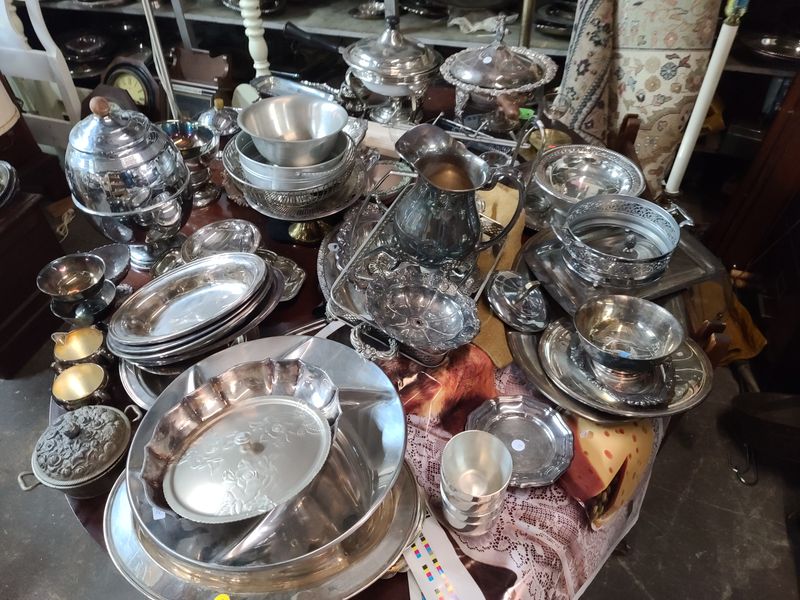
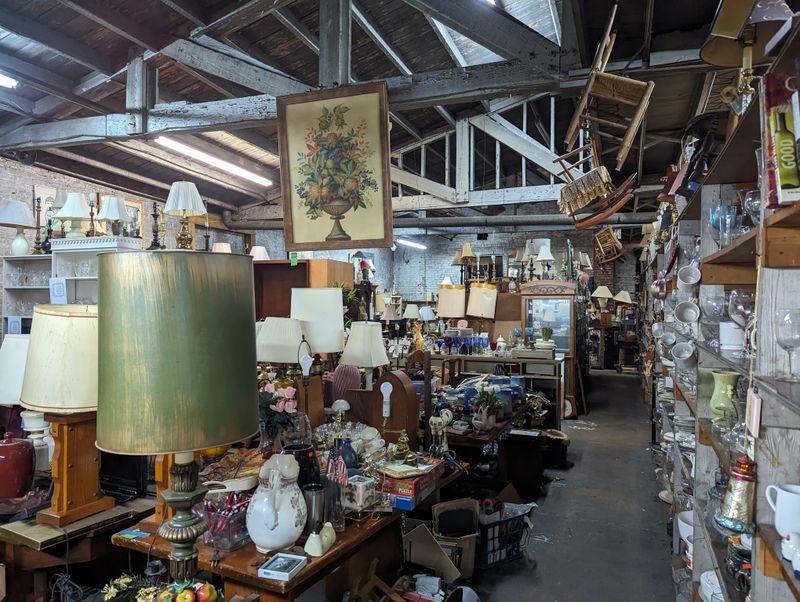
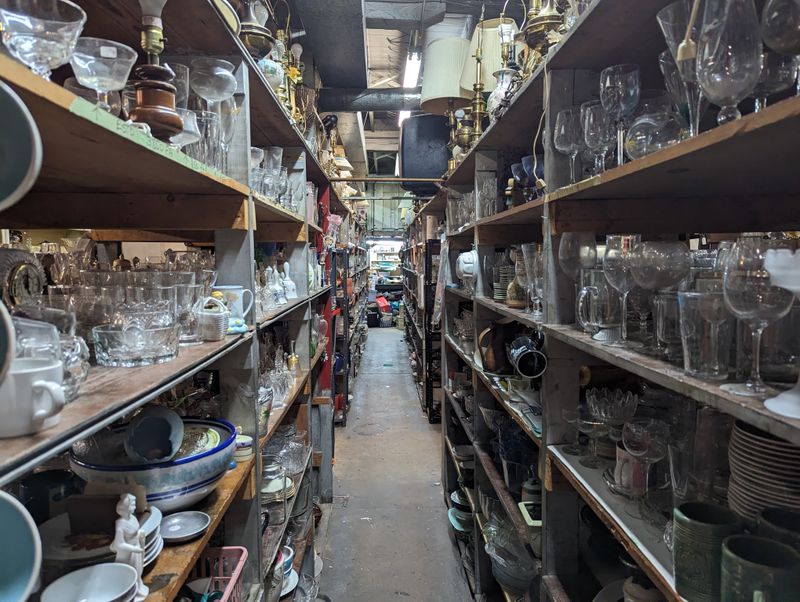
Rows upon rows of shelving hold enough glassware to outfit a restaurant, from everyday dishes to delicate crystal stemware. Depression glass, vintage Pyrex, carnival glass, and modern serving pieces share space in organized chaos.
Collectors hunting specific patterns often find pieces to complete sets, while casual shoppers discover charming odds and ends for eclectic table settings.
The variety extends beyond dishes to include decorative glass like vases, candy dishes, and art glass pieces. Some items show their age with minor chips or cloudiness, while others gleam like new despite decades of existence.
Prices reflect condition, with pristine pieces commanding more than damaged ones.
Bringing measurements helps when shopping for specific display spaces or cabinet dimensions. The selection changes constantly as estate sales yield new glassware collections.
Wrapping purchases carefully matters since the warehouse provides bags but customers handle their own packing for fragile items.
9. Temperature Varies With The Seasons
Authentic warehouse architecture means no central heating or air conditioning, so indoor temperatures mirror outdoor conditions fairly closely. Summer shopping feels like a complimentary sauna treatment, as the owners humorously acknowledge in their review responses.
Industrial fans circulate air but can’t compete with July heat in North Carolina, making morning visits smarter during warm months.
Winter brings the opposite challenge, with chilly temperatures encouraging shoppers to keep coats handy while browsing. The lack of climate control keeps operating costs down, allowing the business to maintain negotiable pricing and better deals.
Dressing in layers helps shoppers adjust as they warm up from walking and hunting through packed aisles.
Some visitors consider the temperature fluctuations part of the authentic treasure-hunting experience, adding to the warehouse’s character. Others prefer visiting during spring and fall when moderate weather makes extended browsing comfortable.
Checking the forecast before visiting helps set expectations and prepare appropriately for the indoor conditions.
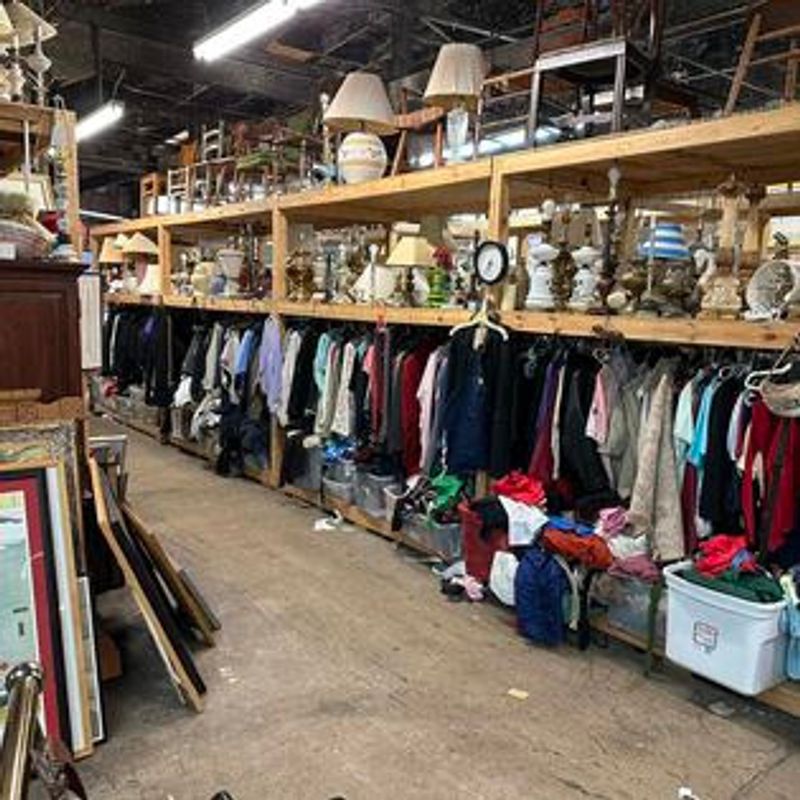
10. Vintage Clothing And Textile Finds
Fashion from past decades hangs on racks and fills bins throughout the warehouse, offering everything from everyday wear to special occasion pieces. Some items smell musty from storage, while others survived in remarkable condition.
Vintage enthusiasts hunt for specific eras, from 1950s dresses to 1980s statement pieces, knowing patience rewards those willing to dig.
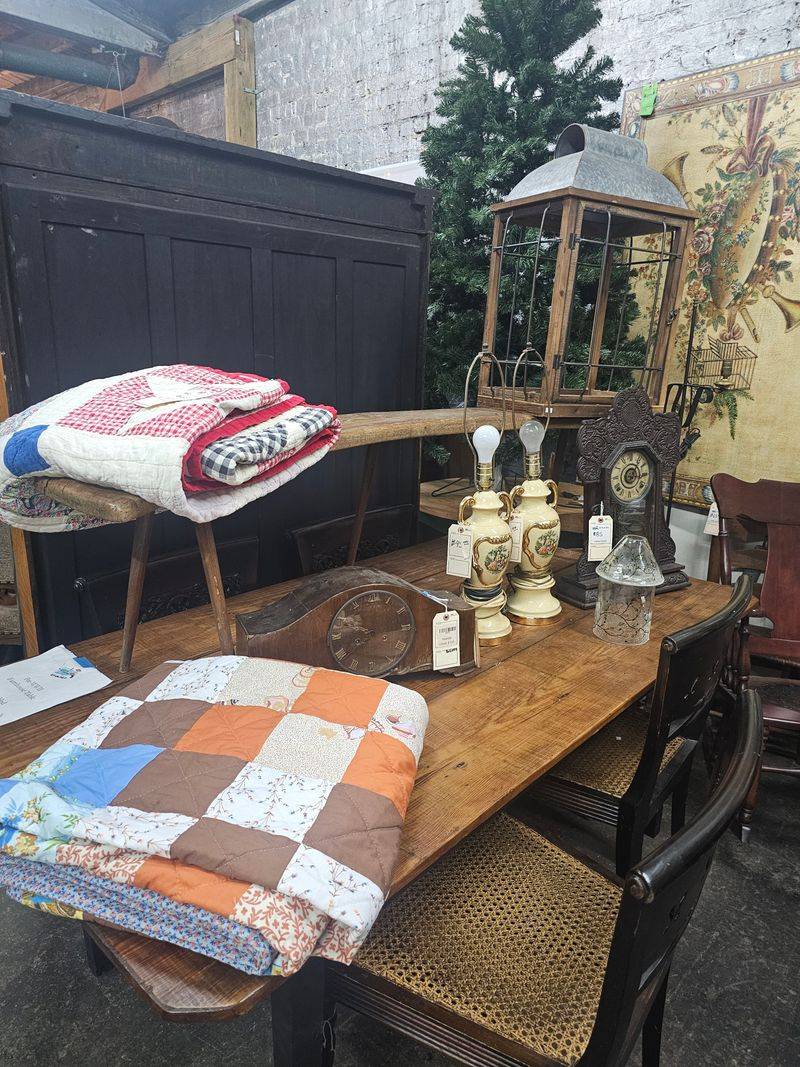
Linens, quilts, tablecloths, and fabric remnants also appear regularly, giving crafters and sewers raw materials for projects. Condition varies widely, with some textiles showing stains or wear while others remain crisp and clean.
Examining items carefully before purchasing prevents disappointment, especially with clothing that may need alterations or repairs.
The clothing selection tends to be hit-or-miss compared to dedicated vintage clothing boutiques, but prices stay reasonable for experimental pieces. Sizes and styles reflect whatever estates the warehouse recently acquired, creating unpredictable inventory.
Shoppers hunting specific garments may need multiple visits, while those open to surprises often leave with unexpected treasures.
11. Records, Books, And Media Treasures
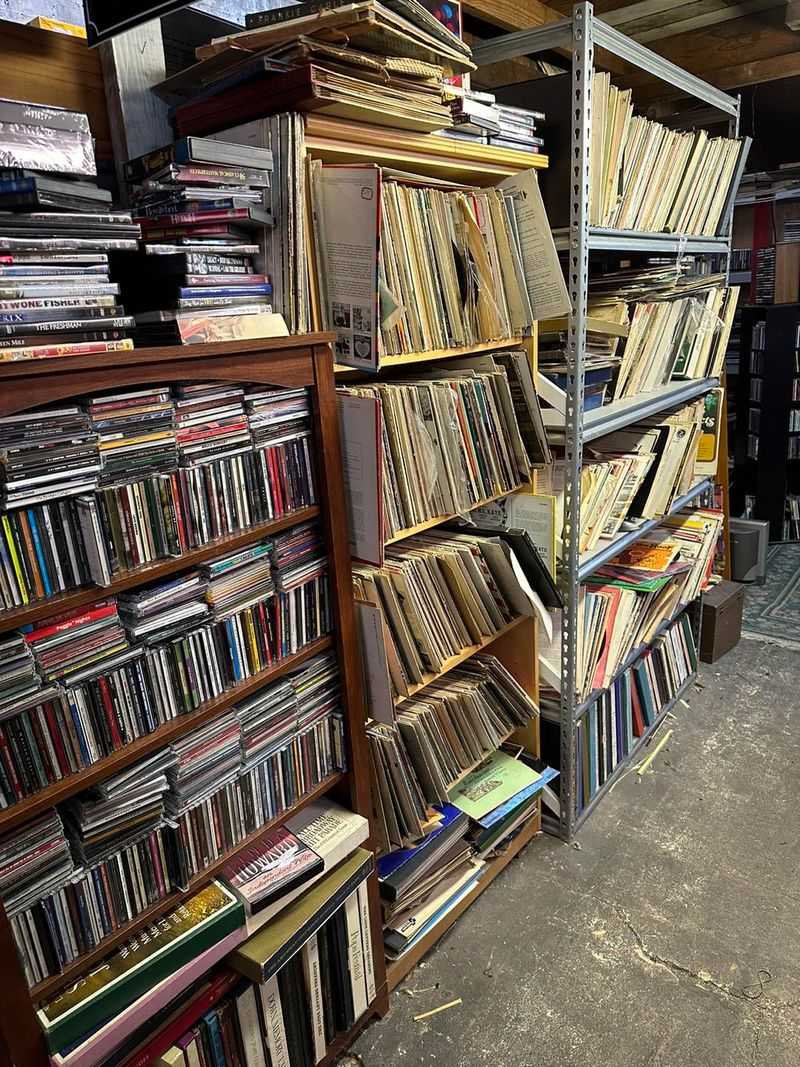
Music lovers find rows of vinyl records spanning decades of genres and artists, from classical to rock to obscure local recordings. Condition ranges from pristine to well-loved, with prices reflecting playability and rarity.
Serious collectors bring portable record players or know how to spot valuable pressings, while casual buyers grab albums with cool cover art or nostalgic appeal.
Books fill shelves in various sections, though organization may require hunting rather than browsing by category. Hardcovers, paperbacks, cookbooks, and reference materials appear in quantities that change weekly.
Some volumes show age and wear, while others look barely opened.
Other media like DVDs, VHS tapes, and cassettes pop up occasionally, appealing to collectors of obsolete formats or those seeking specific titles. The selection reflects what estates contained rather than curated inventory, creating a true rummage experience.
Finding exactly what you want requires luck and timing, but stumbling onto unexpected gems happens regularly.
12. Lamps, Lighting, And Home Accents
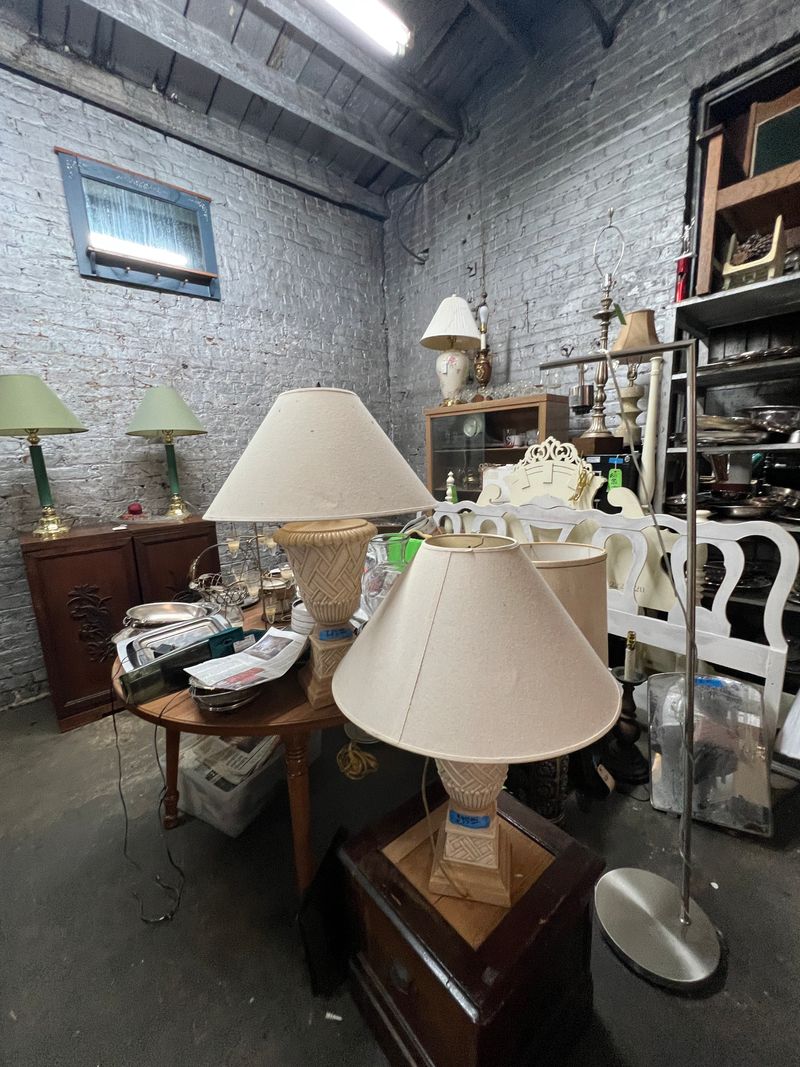
Illumination options glow throughout the warehouse, from table lamps to floor lamps to decorative light fixtures of every era. Mid-century modern pieces sit near Victorian-style lamps, with prices varying based on condition, style, and functionality.
Some need rewiring for safety, while others plug in and work immediately, so checking electrical components before buying matters.
The lamp selection draws particular praise from regular customers who specifically hunt for lighting deals. Shades may or may not match bases, creating opportunities for creative mixing or motivation to find replacement shades elsewhere.
Unique fixtures often disappear quickly, especially popular styles like industrial or farmhouse designs.
Beyond lamps, decorative accents like picture frames, mirrors, wall art, and sculptures fill every available surface. These smaller items refresh constantly as people buy them and new estate contents arrive.
Home decorators find endless possibilities for adding character and personality to rooms without paying retail prices for mass-produced décor.
13. Camping Gear And Unexpected Categories
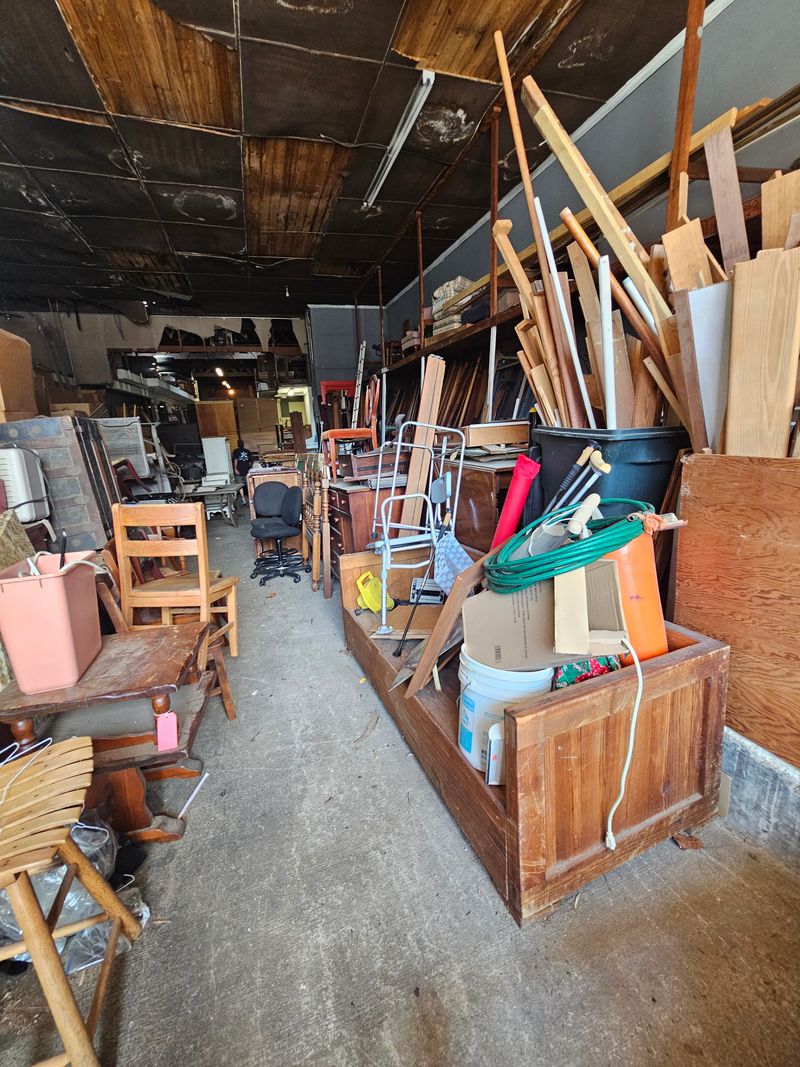
Beyond typical thrift store categories, surprising items appear in corners and on shelves throughout the space. Camping equipment, gardening tools, sporting goods, and hobby supplies show up based on estate contents.
A Corona hand shovel mentioned in reviews sits alongside seafood picks and grapefruit spoons, illustrating the wonderfully random nature of the inventory.
This unpredictability makes every visit different, as shoppers never know what unusual items might appear. Kitchen gadgets from decades past, craft supplies, hardware, and seasonal items create a true rummage experience.
Some visitors arrive with specific shopping lists, while others browse openly to see what catches their eye.
The anything-goes inventory means patient shoppers often find exactly what they need at unexpected moments. Someone hunting for Christmas decorations might stumble onto perfect camping gear for summer trips.
The warehouse essentially functions as a time capsule of American household goods, with items spanning decades of changing tastes and technologies all coexisting in one massive space.