Tour The Old Idaho Penitentiary Where Inmates Once Carved Cells From Sandstone
The prisoners built their own prison. They quarried sandstone from a nearby ridge and stacked it into the very walls that held them.
That detail alone stopped me cold. The place ran for 101 years, from 1872 to 1973.
More than 13,000 inmates passed through its gates in that time.
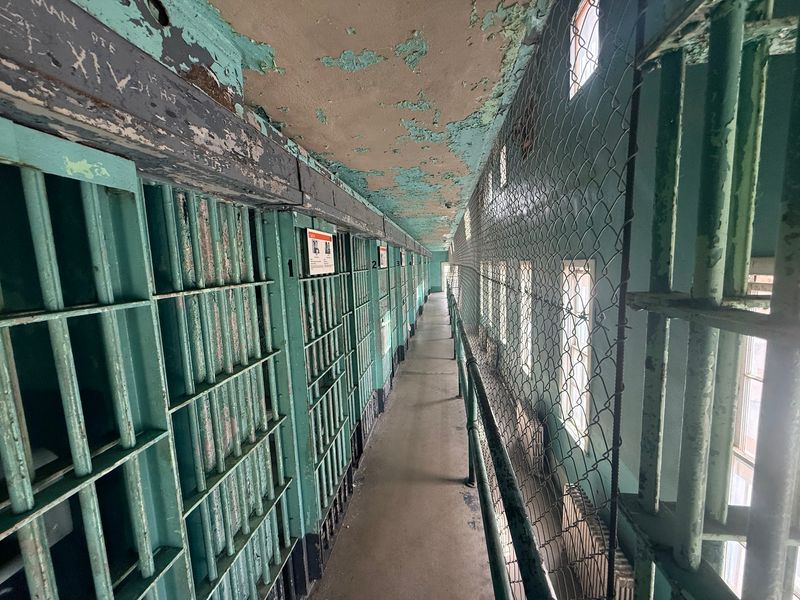
Today you can wander those same cell houses in Idaho at your own pace. The gallows still stand, and you can even walk underneath them.
A separate walled ward once held the women, and it has its own surprising story.
I love history that you can actually touch. Rough stone, iron bars, and faded inmate drawings make the past feel close.
So what would it feel like to stand inside a cell that someone carved out of a hillside by hand?
A Century-Old Prison Sitting Just East Of Downtown Boise
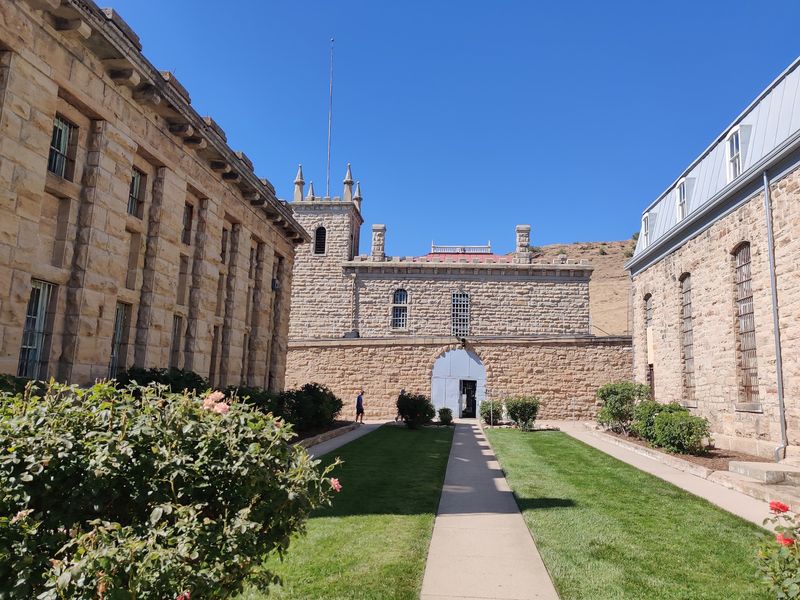
Few state historic sites start with a story this bold. The Old Idaho Penitentiary Site operated as a working prison from 1872 until 1973.
That’s 101 years of locked doors, roll calls, and stone walls. The Idaho State Historical Society now cares for the grounds and shares their history with the public.
You’ll find it on the east side of Boise, near the foothills. The complex holds about 30 historic buildings, so there’s far more here than one gloomy hallway.
It also ranks among just four territorial prisons in the country open to the public today. That makes it a rare stop, even for seasoned history fans.
The prison started back when Idaho was still a territory. Statehood didn’t arrive until 1890, so these walls are older than the state itself.
Families, history buffs, and curious road-trippers all end up here. Some come for the architecture, while others come for the outlaw tales.
Either way, the site offers a clear window into how justice worked in early Idaho. It’s part museum, part time capsule, and part outdoor walking tour.
Comfortable shoes are a smart call. You’ll cover plenty of ground between the cell houses.
Sandstone Walls Hauled Out Of Table Rock By Inmate Hands
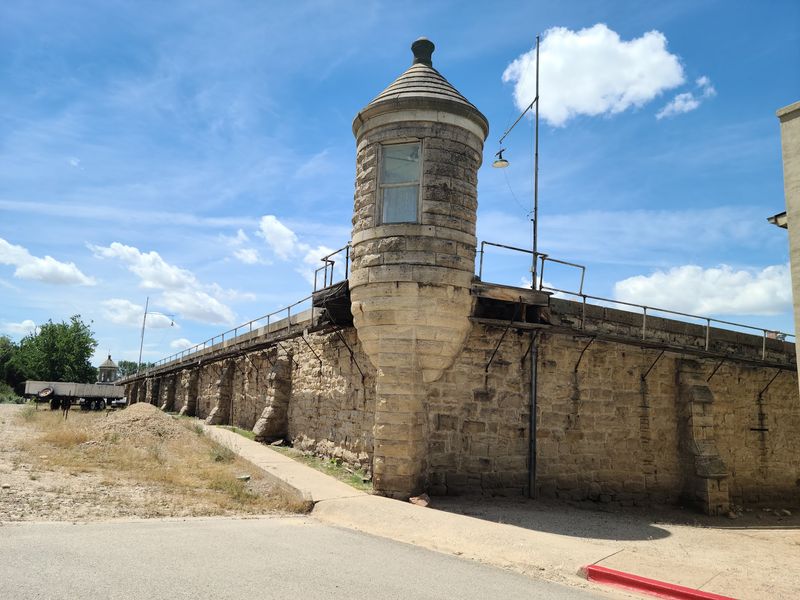
Here’s an odd bit of job security. Convicts quarried sandstone from nearby Table Rock and used it to build the prison that confined them.
The arrangement saved money for the young territory. It also kept prisoners busy, though the work was often hard and grueling.
Stand beside those walls and you’ll notice the stone’s warm, tan color. Every block went through human hands before it landed in place.
That fact changes how the whole visit feels. You aren’t just looking at a building, you’re looking at years of forced labor turned into architecture.
Table Rock still rises above the site today. The mesa is a familiar Boise landmark, and its sandstone is woven right into the prison’s bones.
Some of the inmates’ outside work assignments, like quarrying, also became chances to slip away. More on those escape stories later.
For now, give the walls a slow look. Run your eyes along the seams and the rough edges where tools once struck stone.
It’s a quiet reminder that the prison’s story starts with the rock itself. Few historic sites let you see their origin story this plainly.
Cell Houses That Grew From One Block Into Five
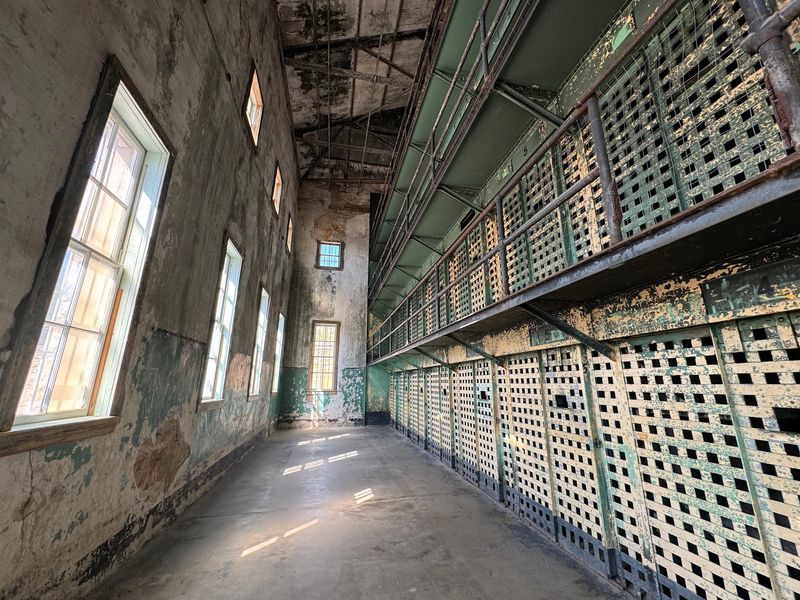
One cell house started it all. Over time, the prison expanded into a full complex with Cell Houses 1 through 5.
Walking through them is like flipping pages in a history book. The early cells feel cramped and primitive, while later blocks show changing ideas about confinement.
Cell House 4 arrived in 1952. At the time, it was considered the largest and most modern block on the grounds.
Look closely inside some of its cells. Paintings and drawings left by inmates still remain on the walls.
Those small artworks hit hard. They turn faceless numbers into real people who passed long hours in tiny spaces.
Life inside wasn’t easy, either. Cells could freeze in winter and grow uncomfortably hot in summer.
Bring a little patience for the stairs. Some upstairs areas can only be reached by climbing, though visual aids help those who can’t make it up.
Take your time in each building. The details are easy to miss if you rush, and the inmate artwork rewards a second look.
Honestly, the cell houses are where the Old Idaho Penitentiary Site feels most personal.
The Gallows And The Rose Garden Share A Strange Contrast
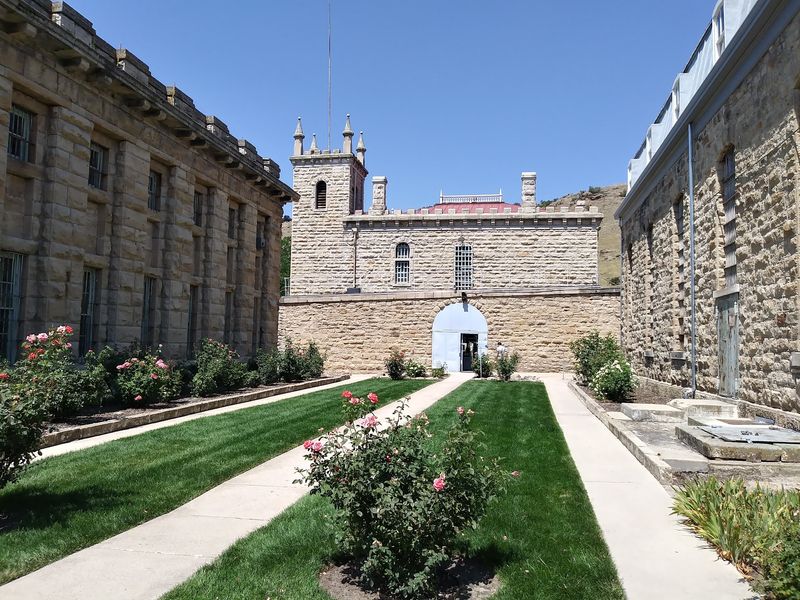
Talk about a mood shift. One of the prettiest spots on the grounds, the Rose Garden, carries one of the heaviest backstories.
Several of the prison’s executions happened in that area. Today, blooms soften a space with a very serious past.
The gallows themselves still stand inside the complex. Visitors can even walk underneath the structure and see how it worked.
It’s a sobering stop, and it’s meant to be. The site presents this chapter plainly, without turning it into a spooky gimmick.
Nearby, the solitary areas tell another hard story. Rule-breakers ended up in tiny isolated cells with nicknames like the Cooler, Siberia, and the Dungeon.
Those names don’t exactly sound like spa amenities. They show how harsh discipline could get behind these walls.
Parents should know the site gives a heads-up about younger kids. Some topics are mature, and every family’s comfort level is different.
Still, these spaces make the prison’s history feel real. Reading about punishment in a book is one thing.
Standing in the actual spot is something else entirely, and it lingers long after you head home.
Outlaws, Escape Artists, And Idaho’s Lady Bluebeard
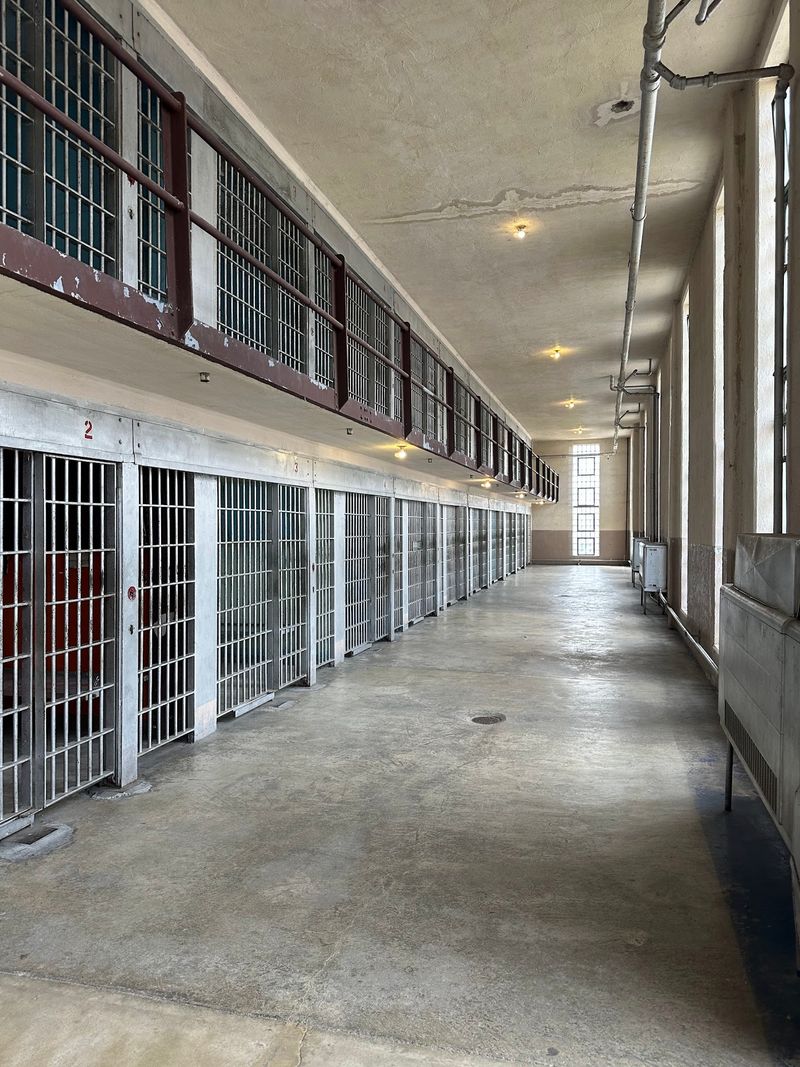
Over 500 escape attempts in 101 years. That number alone tells you life here wasn’t exactly peaceful.
About 90 prisoners were never recaptured. Many slipped away from outside work details like farm labor or sandstone quarrying.
Breaking out from inside the walls proved much tougher. Still, a few determined inmates managed it.
The roster of famous prisoners reads like an Old West novel. Harry Orchard was convicted in the assassination of former Idaho Governor Frank Steunenberg.
Then there’s Lyda Southard, nicknamed Idaho’s Lady Bluebeard. Her case involved husbands, insurance money, and a reputation that still draws curious visitors.
These names give the Old Idaho Penitentiary Site a true-crime edge. Yet the stories go deeper than headlines.
Guided tours lean into these personal histories. Guides share tales of the people who shaped the prison’s long timeline.
You’ll come away knowing names you’d never heard before. Some of them might stick with you for weeks.
And here’s a fun twist. The prison even had a baseball team called the Outlaws, which played teams from around the Treasure Valley.
A Separate Walled Ward Built For The Women
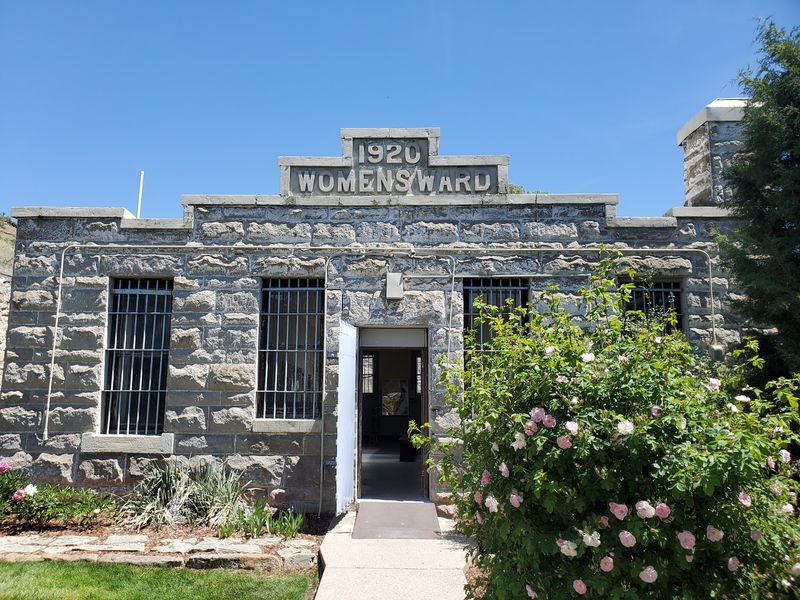
Tucked outside the main walls sits a smaller compound with its own story. The Women’s Ward housed female inmates in a separate walled space.
Inmate labor and local materials built it, just like the main prison. It was completed in 1920.
Here’s a surprise. The ward was the first inmate living quarters at the prison to use running water.
That sounds basic now, but back then it was a big deal. Everyone else made do without that comfort for years.
In total, 215 women served time at the penitentiary. Their experiences often get overlooked in tales of outlaws and escapes.
The ward helps balance that picture. It shows a quieter, less-told side of prison life in early Idaho.
Many visitors call this area a favorite stop. Its smaller scale makes the history feel more intimate.
Daily routines inside the prison weren’t idle, either. Inmates grew food, raised animals, and made goods like shirts and license plates.
So save time for this corner of the grounds. It rounds out the story in a way the big cell houses can’t.
Exhibits That Go Way Beyond Iron Bars
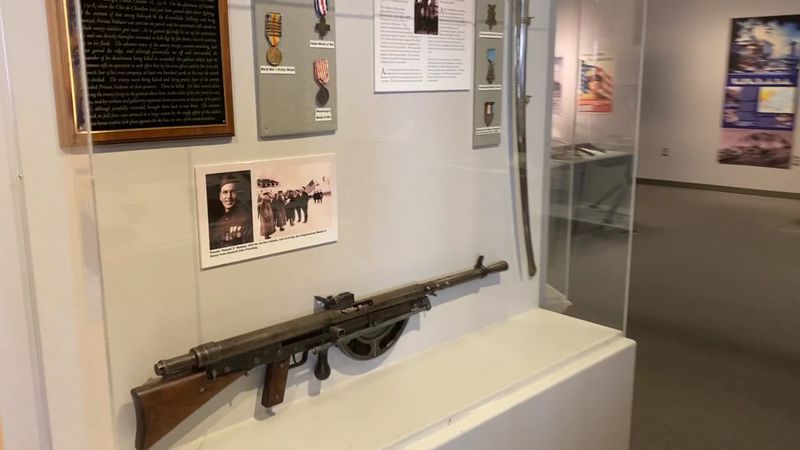
Weapons fans, this one’s for you. The J.
Curtis Earl Memorial Exhibit holds a huge collection of historic arms and military memorabilia.
It’s packed with displays and plenty of explanation. You could easily lose an hour in there alone.
Other exhibits shift the focus to people. Faces of the Idaho State Penitentiary explores inmates’ diverse backgrounds, including women and people of color.
It also touches on religious persecution and discrimination. Those stories add depth you won’t get from cell blocks alone.
Crafty Cons shows a lighter side. It highlights inmate artwork and hobbies made during long sentences.
Then there’s Idaho Crime, Boise Time. It explains why Boise got the prison and what conditions were really like inside.
A video presentation is a smart way to start. It covers the prison’s history, notorious inmates, and everyday routines.
Think of it as a quick primer before you roam. Everything else makes more sense once you’ve seen it.
Between the exhibits and the buildings, the Old Idaho Penitentiary Site can fill an entire afternoon. Plan accordingly and skip rushing.
Guided Or Self-Guided, Both Paths Pay Off
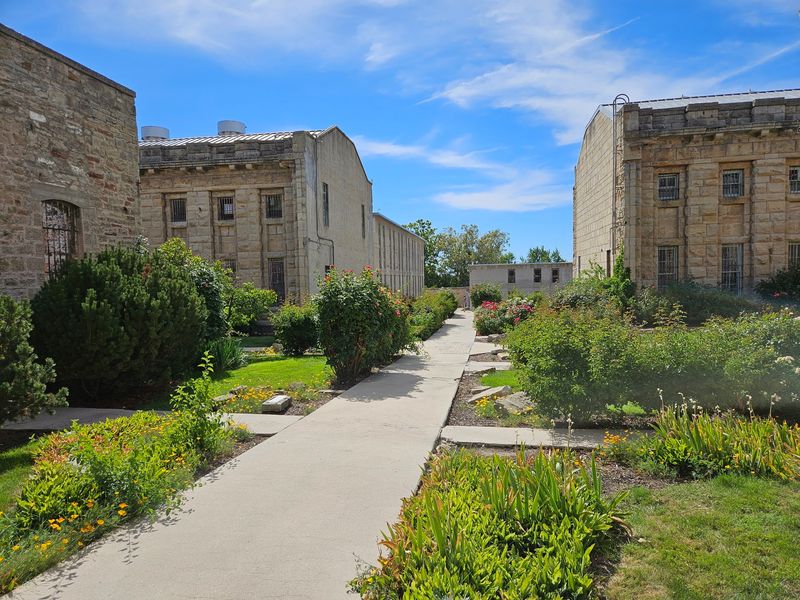
Two ways to explore, and neither is wrong. You can wander solo or join a guided tour for a small added fee.
Guided tours typically run around an hour and a half to two hours. They can also open up spots that are otherwise off-limits.
Guides share stories about the people behind the prison’s history. That human touch makes the buildings come alive.
Prefer your own pace? Self-guided visitors can follow an audio tour on their phones.
The self tour reaches nearly everything. The cemetery is the main exception, so that’s worth knowing upfront.
Either way, give yourself time. Many folks suggest planning closer to three hours to see it all.
Kids can come along, but use your judgment. The site notes some content may not suit younger children.
Teens and history-loving adults tend to find plenty to chew on. It’s an easy pick for a rainy-day plan or out-of-town guests.
Whichever route you choose, wear comfy shoes. There’s lots of walking between buildings, yards, and exhibits.
Your Game Plan For Hours, Tickets, And Getting There
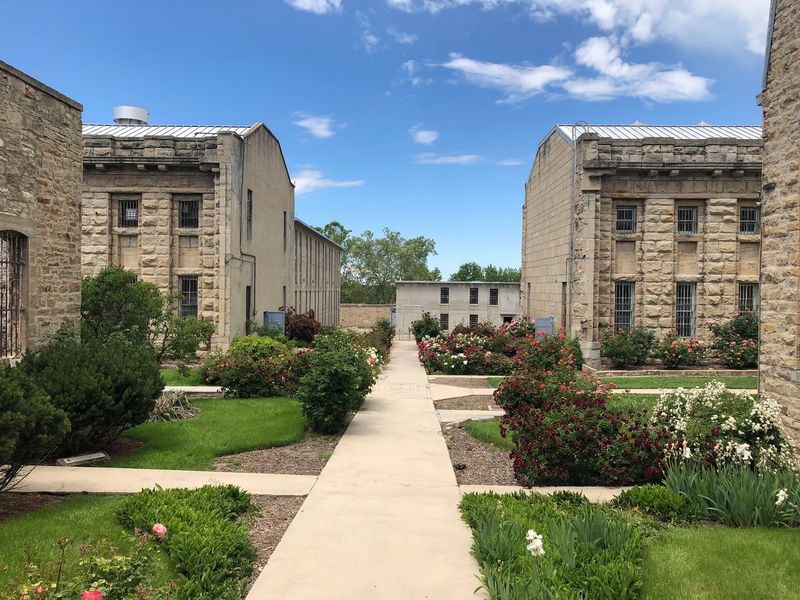
Mark your calendar for an afternoon trip. The site generally opens around midday and closes in the late afternoon.
Wednesdays are typically closed, and hours can shift by season. Check before driving so you don’t end up staring at a locked gate.
The address is 2445 Old Penitentiary Road, Boise, ID 83712. It sits on the city’s east side near the foothills.
Admission runs a few dollars, and the guided tour costs a bit more. Combo tickets with the neighboring Idaho Botanical Garden are another option.
That pairing makes for a full day out. History in the morning, flowers in the afternoon, or the other way around.
Nearby trails also wind through the surrounding area. They’re a nice bonus if you’ve got energy left.
Don’t skip the Souvenir Confinement gift shop on your way out. It’s small, so expect cozy quarters.
Watch for Dennis the Cat merchandise, too. The prison’s feline mascot shows up on shirts, with a yearly design contest for fans.
Special events pop up through the year. Party at the Pen, a motorcycle show, is one Idaho favorite.
Why These Stone Walls Earn A Spot On Your Idaho List
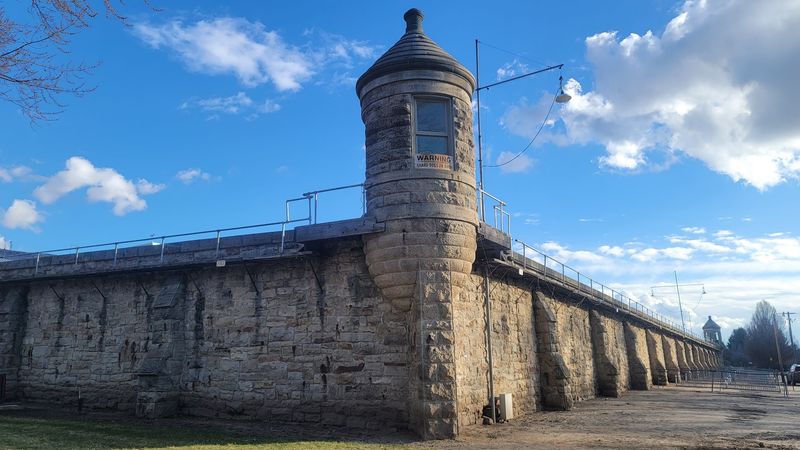
Stone outlasts almost everything. Those hand-quarried walls have now stood for more than 150 years.
They’ve watched Idaho go from territory to statehood to modern growth. Few places in Boise hold that much history in one spot.
The Old Idaho Penitentiary Site manages to be thoughtful without feeling stuffy. You get outlaws, escapes, art, weapons, and quiet moments of reflection.
It also doesn’t shy away from hard truths. Riots in 1952, 1971, and 1973 grew out of crowded, outdated conditions.
The final riot led to the prison’s closure in 1973. The remaining 416 inmates moved to a new facility south of Boise.
That ending gives the visit real weight. You leave understanding why the place mattered and why it changed.
I believe that’s the best kind of history stop. It entertains you, then quietly makes you think.
Treasure Valley locals can make it an easy afternoon outing. Visitors from elsewhere in Idaho will find it worth the drive.
Bring curiosity and a little time. These sandstone walls have plenty of stories left to tell.