10 Towns In Nebraska So Affordable Social Security Alone Can Cover The Basics
Retirement math gets real fast. Rent matters. Groceries matter.
A quiet place with lower everyday costs can start sounding better than any glossy retirement fantasy.
A few Nebraska towns know how to make a fixed income stop sweating so much. That is the angle people notice.
Social Security alone will not stretch the same way everywhere. A town with modest housing and a slower pace can make the monthly budget feel less impossible.
No one is pretending every situation is easy. Healthcare, transportation, and personal expenses still matter.
But affordability can change the whole conversation.
A place where basics feel reachable gives retirees something valuable: breathing room. A steadier way to make the numbers work.
1. McCook
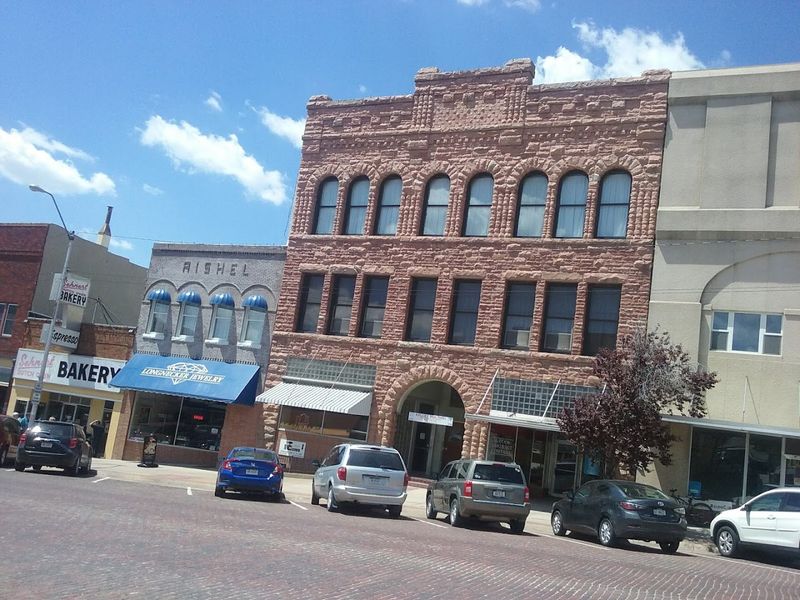
Known as one of Nebraska’s most affordable cities, McCook consistently ranks at the top of affordability lists for good reason.
The median home value sits around $172,000, which is well below the national median of $428,000.
For retirees relying on Social Security, that kind of housing cost makes homeownership or low rent a realistic option rather than a distant dream.
The cost of living in McCook runs about 5% below the Nebraska state average, meaning everyday purchases from groceries to gas tend to cost a little less here than in many other parts of the state.
Utilities stay manageable, and the town has enough basic services to handle daily needs without requiring long drives.
Situated in southwest Nebraska, McCook has a calm, unhurried pace that suits retirees well.
The community is small enough to feel personal but large enough to have medical offices, pharmacies, and grocery options nearby.
For someone living on a fixed monthly benefit, the combination of low housing costs and below-average daily expenses could make McCook one of the most financially comfortable places to settle in the state.
2. Alliance
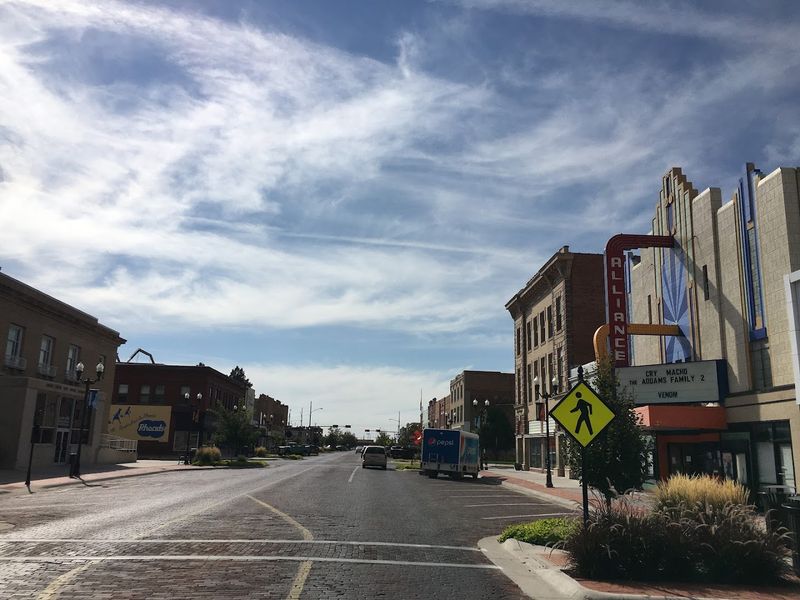
Alliance stands out on any Nebraska affordability list because it pairs a low median home value of $183,000 with some of the lowest rental rates in the state.
At around $600 per month for median rent, a retiree receiving an average Social Security benefit of roughly $1,907 could potentially cover housing and still have money left for utilities, food, and transportation.
Healthcare costs in Alliance are notably 8% below the national average, which matters a great deal for older adults managing ongoing medical needs.
Lower healthcare spending is one of the most underappreciated advantages of choosing a small Nebraska town over a larger metro area.
Located in the Panhandle region of western Nebraska, Alliance has a straightforward, no-frills quality to daily life.
The town is home to Carhenge, a quirky roadside attraction made from vintage cars arranged like Stonehenge, which gives the area a bit of personality beyond its practical advantages.
For retirees who want low costs, manageable healthcare expenses, and a community that feels genuinely neighborly, Alliance offers a combination that is hard to match elsewhere in the state.
3. Beatrice

There is something reassuring about a town where the basics just feel within reach, and Beatrice delivers exactly that kind of financial breathing room.
With a median home value of around $154,667, it carries one of the lowest price tags for homeownership among Nebraska’s more established small cities.
That figure puts real estate well within range for someone drawing Social Security and looking to own rather than rent.
The cost of living in Beatrice runs approximately 5% below the Nebraska state average, which compounds the savings across groceries, services, and everyday purchases.
Small towns at this price point often sacrifice amenities, but Beatrice has enough local infrastructure to support comfortable retirement living, including medical services and retail options.
Southeast Nebraska tends to be greener and more temperate than the western part of the state, and Beatrice benefits from that geography with accessible parks and outdoor spaces.
The town has a historic downtown area with local character that gives daily life a sense of place.
For retirees who want their Social Security check to stretch without feeling like they are sacrificing quality of life, Beatrice consistently earns its reputation as one of Nebraska’s most practical choices.
4. North Platte
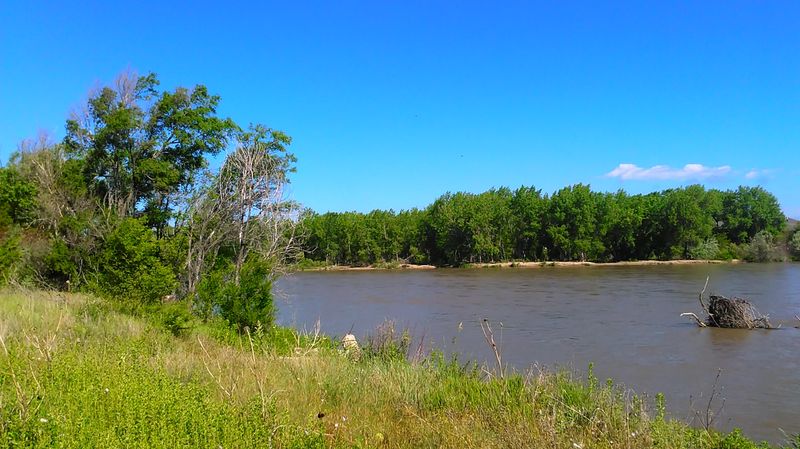
For retirees who want a bit more of a city feel without paying city prices, North Platte hits a practical middle ground.
With a median home value around $184,569 and a cost of living about 6% below the Nebraska state average, it offers more services and amenities than a tiny rural town while still keeping monthly expenses manageable.
Monthly household bills in North Platte average around $1,668, which is a meaningful figure for retirees budgeting on Social Security.
That number covers utilities and basic services, and when paired with modest housing costs, it suggests that a monthly benefit near the national average could cover the fundamentals without constant financial stress.
North Platte is the largest city in western Nebraska and serves as a regional hub for healthcare, shopping, and transportation.
That regional role means more medical specialists, more grocery options, and better access to services that older adults often need.
The Union Pacific railroad history gives the city a distinct identity, and outdoor recreation along the Platte River adds a pleasant layer to everyday life.
5. Lexington
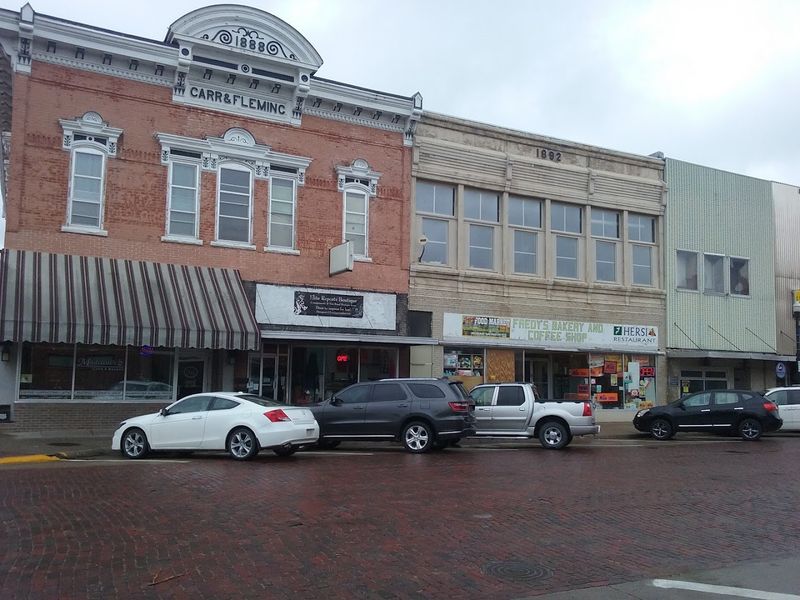
Among all the towns on this list, Lexington carries one of the strongest cost-of-living arguments.
Its cost of living sits 7% below the Nebraska state average, and its home price-to-income ratio of 1.75 is among the most favorable in the entire state.
That ratio means housing costs are genuinely low relative to what residents typically earn, which translates to real affordability for people on fixed incomes.
The median home price in Lexington is around $191,271, which remains accessible for retirees who may be purchasing with cash from a prior home sale or managing a modest mortgage payment.
Everyday expenses like groceries and gas tend to stay on the lower end here, helping monthly budgets stay balanced.
Lexington sits along Interstate 80 in south-central Nebraska, giving it decent connectivity to larger cities like Kearney and Grand Island without the higher costs those cities carry.
The town has a working-class, practical character to it, and daily life moves at a pace that tends to suit retirees well.
For someone whose Social Security check needs to cover rent or a mortgage, utilities, food, and transportation each month, Lexington may offer the most favorable math on this entire list.
6. Hastings
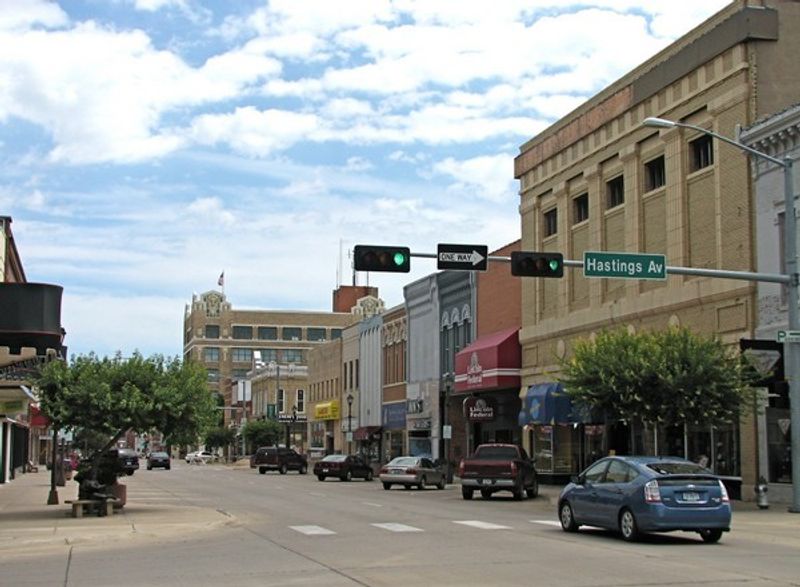
Hastings holds a notable distinction as the most affordable major city in Nebraska, according to cost-of-living data that places it 7% below the state average and 15% below the national average.
That kind of gap from the national norm is significant for retirees, because it means the purchasing power of a fixed Social Security benefit stretches considerably further here than in most American cities of comparable size.
The affordability index for Hastings sits at 85.7 compared to the national baseline of 100, confirming that everyday costs from housing to services are measurably lower than what most Americans pay.
Median home values in the area have been reported between roughly $154,000 and $206,000 depending on the source and timeframe, but either figure represents genuine accessibility for retirees.
Beyond numbers, Hastings has a solid community infrastructure with hospitals, specialty medical services, retail options, and parks that make it functional for older adults.
The city is home to Hastings College and carries a bit of cultural energy that smaller towns sometimes lack.
For retirees who want to stay socially connected while keeping monthly costs firmly within the range of a Social Security benefit, Hastings delivers on both fronts without requiring financial compromise.
7. Scottsbluff

Western Nebraska has its own distinct character, and Scottsbluff captures it well.
The cost of living here runs about 6% below the Nebraska state average, and median home values have been reported in a range from roughly $175,000 to $251,000 depending on the source and neighborhood.
For retirees, that variability means options exist across different budget levels within the same community.
Median rent in Scottsbluff sits around $1,049 per month, which is workable for someone receiving an average Social Security benefit of around $1,907.
After covering rent, a retiree would still have roughly $858 left for utilities, groceries, healthcare, and transportation, which aligns reasonably well with Nebraska’s lower-than-average costs in those categories.
The city benefits from its proximity to Scotts Bluff National Monument, a dramatic landmark that gives the area a scenic quality rarely found in Great Plains towns.
Outdoor recreation, hiking, and nature access are genuine parts of daily life here rather than occasional road trip destinations.
Scottsbluff also has a regional hospital and medical services that matter for retirees managing health needs.
For anyone drawn to wide open western skies and a slower pace of life, Scottsbluff pairs natural beauty with practical affordability in a way that feels genuinely livable.
8. Holdrege
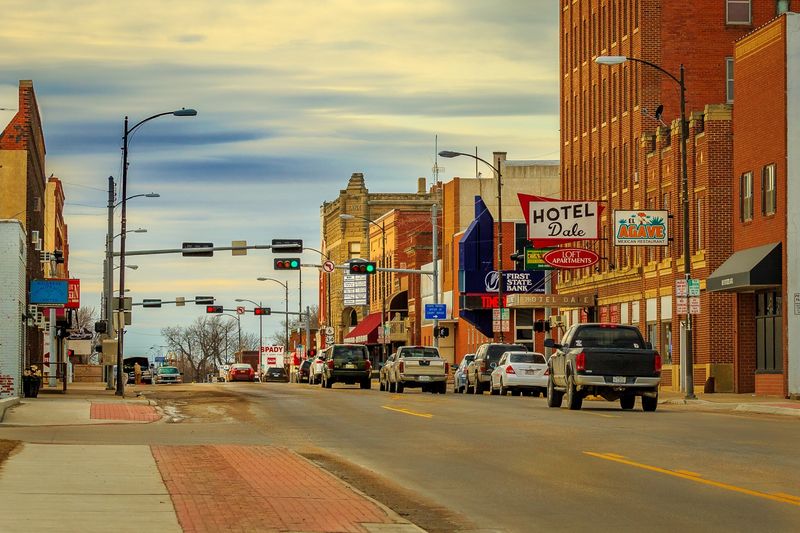
Smaller towns often deliver the best value for retirees, and Holdrege makes a compelling case for that idea.
With median rent around $902 per month and a cost of living about 6% below the Nebraska state average, the monthly math works in a retiree’s favor.
A Social Security benefit near the national average of $1,907 could cover rent and still leave around $1,000 for other essentials.
Holdrege is the county seat of Phelps County in south-central Nebraska, giving it a bit more administrative and commercial presence than a purely rural town.
That translates to local services, healthcare access, and basic retail that make independent living more practical for older adults who may not want to drive long distances for routine needs.
The town has a quiet, settled quality that many retirees find genuinely appealing after years of busier living. Streets are calm, neighbors tend to know each other, and the pace of daily life rarely feels rushed.
The Nebraska Prairie Museum is located in Holdrege and adds a touch of local history and culture to an otherwise modest community.
For retirees prioritizing low rent, manageable daily costs, and a peaceful environment, Holdrege offers a straightforward and honest value that does not require any exaggeration to appreciate.
9. Norfolk
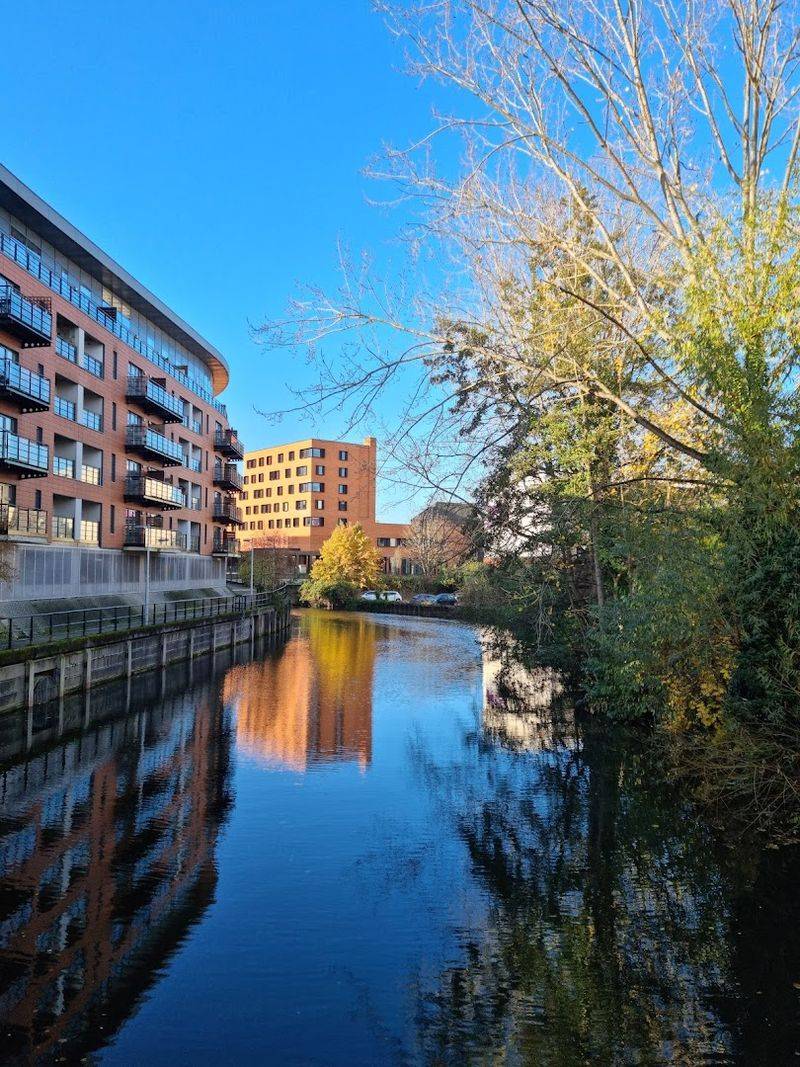
Bringing a bit more energy and urban convenience to this list while still keeping rental costs within a range that many retirees can manage is Norfolk.
Average rent in Norfolk runs around $1,013 per month as of mid-2026, which leaves a meaningful portion of an average Social Security benefit available for other monthly expenses once housing is covered.
As one of northeastern Nebraska’s larger cities, Norfolk has a well-developed commercial and healthcare infrastructure.
Regional medical facilities, specialty clinics, and a range of grocery and retail options make it easier to handle everyday life without long drives to larger cities.
That kind of local access matters more as people age and transportation becomes a bigger consideration.
The city has a genuine community identity, with local events, parks, and recreational facilities that give daily life some texture beyond pure utility.
Skyview Lake and nearby green spaces offer pleasant outdoor options during warmer months. Norfolk also has a modest arts and culture scene that keeps it from feeling entirely utilitarian.
For retirees who want more services and social activity than a tiny rural town provides, but still need to keep monthly spending firmly within the range of a Social Security check, Norfolk strikes a reasonable and livable balance.
10. Fremont
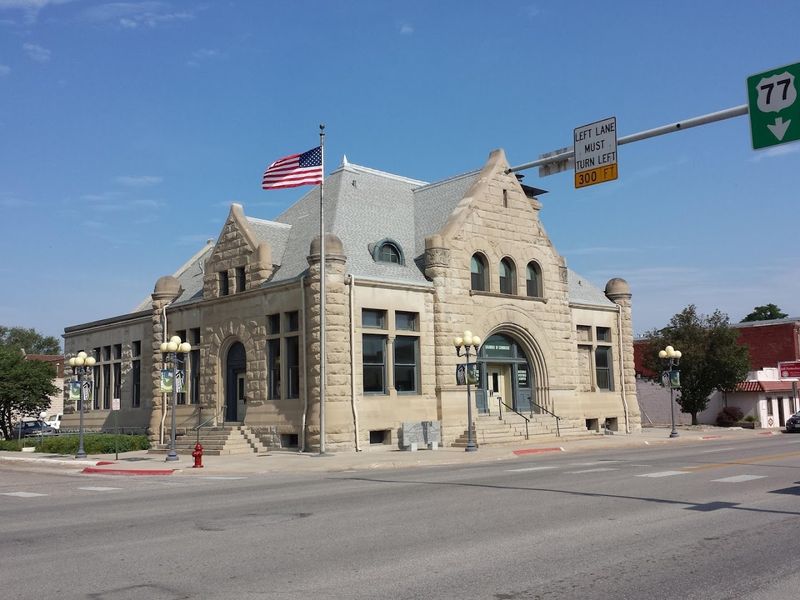
Fremont rounds out this list as one of Nebraska’s most affordable cities by current rental market data, with average rent sitting around $1,062 per month.
That figure places it at the higher end of this list, but it still falls below Nebraska’s median rent of $1,094 and well below the national median of $1,639, making it a realistic option for retirees on Social Security.
Located about 35 miles northwest of Omaha, Fremont benefits from proximity to a major metro area without adopting Omaha’s higher cost structure.
Retirees who want occasional access to larger city amenities, specialty healthcare, or cultural events can reach Omaha without making it a daily or weekly financial burden.
The city itself has a solid local economy, established neighborhoods, and enough retail and service options to support comfortable everyday living.
Fremont has several parks and the Pathfinder Nature Center nearby, giving residents pleasant outdoor spaces to enjoy across the seasons.
The town has a stable, established character that tends to appeal to retirees looking for predictability and community rather than novelty.
For someone whose Social Security benefit needs to stretch across housing, food, utilities, and basic transportation each month, Fremont offers a grounded and practical entry point into affordable Nebraska living.