10 Tranquil South Carolina Beaches Tourists Rarely Find
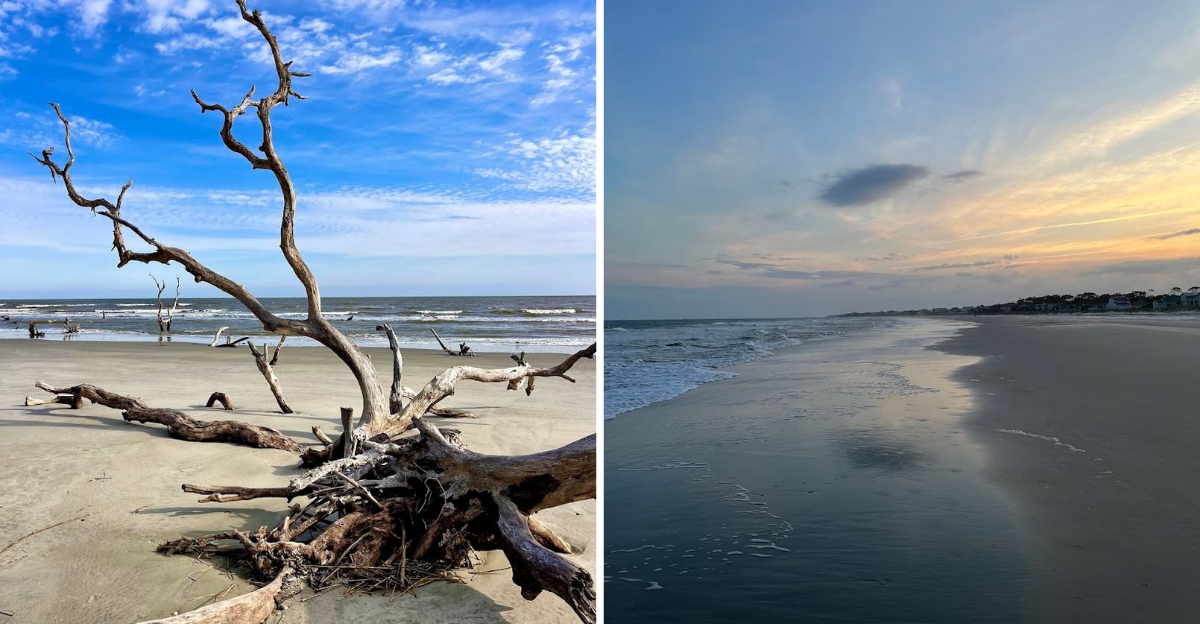
South Carolina has some really beautiful beaches, but most people just go to the same few spots. You know, the ones that get super crowded.
But what if I told you there are other places, quieter spots, where you can actually relax? I’m talking about beaches that most tourists don’t even know exist.
These are the places where you can hear the waves without a hundred conversations happening at once.
If you’re looking for a break from the usual hustle and bustle, stick around. I’ve found some of South Carolina’s best-kept beach secrets.
1. Edisto Beach
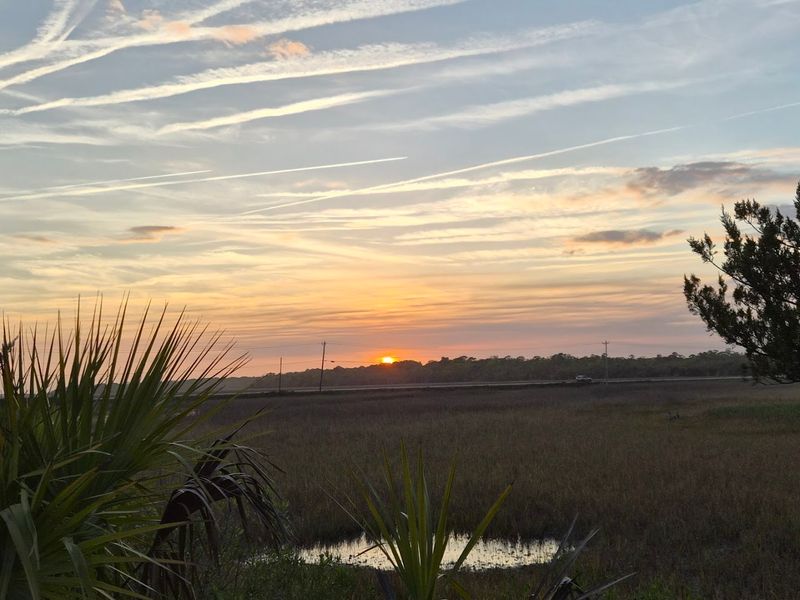
This coastal escape moves at its own pace, and once you arrive, you will find yourself slowing down to match it almost immediately. This is a beach town that resisted the overdevelopment that swallowed so many of its neighbors decades ago.
The result at Edisto Beach is a shoreline lined with modest beach cottages, many of them owned by the same families for generations, giving the place a wonderfully lived-in character.
Public beach access is generous here, with multiple entry points and generally easier parking than major resort beaches.
Shelling is excellent along this stretch, particularly in the early morning when the tide pulls back and reveals sand dollars, whelks, and the occasional fossilized shark tooth.
Edisto Beach State Park sits right at the edge of town and offers both camping and cabin rentals, so staying a few nights is easy and affordable.
The park’s nature trail winds through maritime forest and salt marsh, giving you a chance to explore the island beyond the waterline.
Families with younger children especially appreciate how calm the surf tends to be here, making it a low-stress place to spend a full beach day without the sensory overload of a busier resort town.
2. St. Phillips Island, Wild Barrier Island
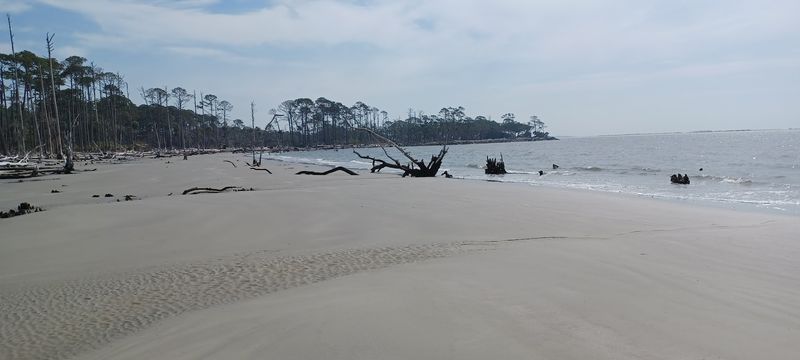
Would you be willing to go back in time to a coast that hasn’t changed in centuries?
Few places in South Carolina feel as genuinely wild as this protected sanctuary, and the moment you step off the boat, you understand why.
This barrier island was once privately owned and shielded from development for decades, leaving its beaches and maritime forests in remarkable condition.
St. Phillips Island was owned by Ted Turner for years before it was eventually transferred to the State of South Carolina.
Access is strictly by boat, and guided eco-tours departing from nearby Hunting Island State Park are the most reliable way to visit without your own vessel. The beaches here are edged with ancient live oaks draped in Spanish moss.
White-tailed deer wander near the shoreline with little fear of people, and bottlenose dolphins are frequently spotted just offshore in the island’s surrounding tidal creeks.
Because infrastructure is essentially nonexistent, visitors should bring everything they need, including water, food, and sunscreen, since there are very limited visitor facilities.
The reward for that preparation is a stretch of coast that looks much the same as it did hundreds of years ago. That’s a rarity that becomes harder to find with every passing season.
3. Morris Island
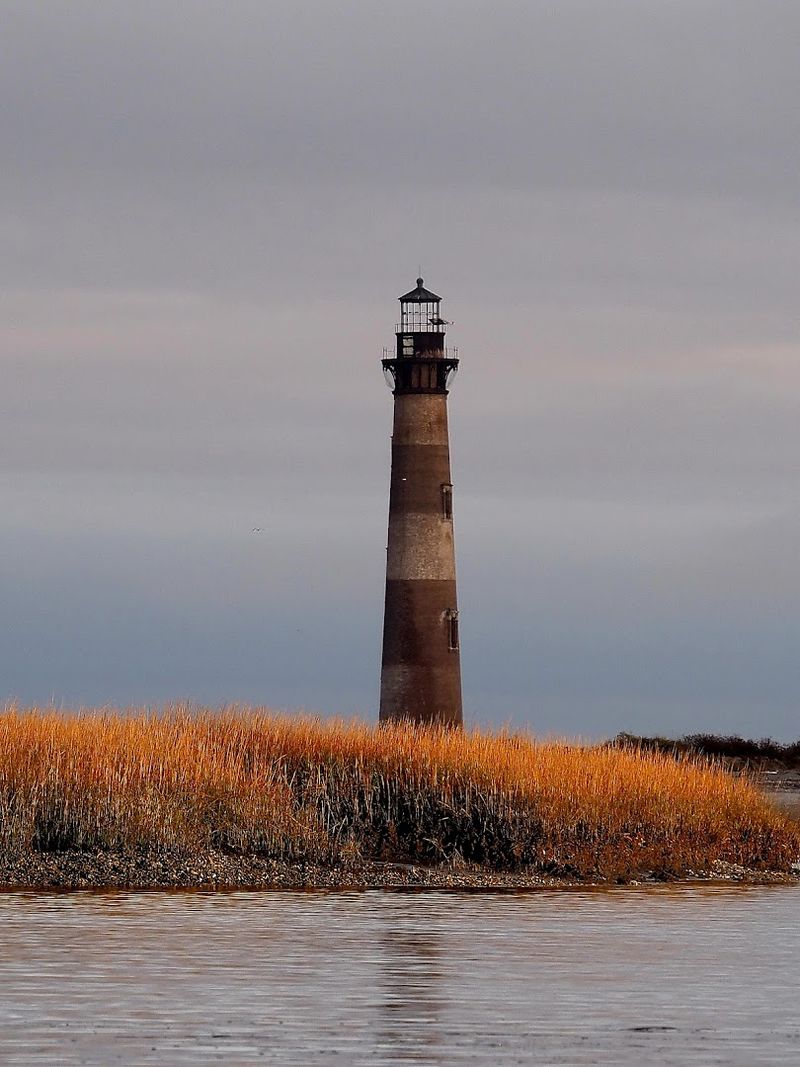
The silhouette of a lonely lighthouse rising from the water just offshore is the first thing most visitors notice. It sets the mood for everything that follows.
Reaching this landmark requires a boat. Morris Island sits at the entrance to Charleston Harbor, and most visitors take a water taxi or kayak from Folly Beach.
The island is uninhabited and undeveloped, with a broad sandy beach that wraps around its southern tip and offers sweeping views of the harbor and the Charleston skyline in the distance.
History runs deep here, the previous lighthouse was destroyed during the Civil War. The Lighthouse Preservation Society has worked for years to stabilize the tower, which now stands surrounded by water due to decades of shoreline erosion.
I can’t imagine a more iconic backdrop for a sunset photo than a lighthouse standing in the waves.
Shelling and beachcombing are popular activities, and the lack of any permanent facilities means the beach stays clean and uncluttered.
Watching the sun drop behind the Charleston skyline from this beach, with the lighthouse glowing in the fading light, is a scene that photographs will never fully do justice.
4. Waties Island
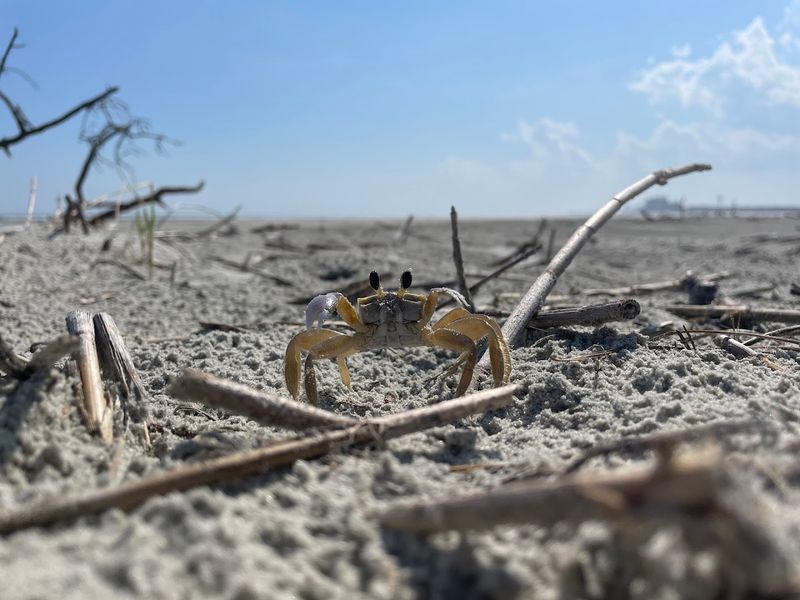
This narrow strip of sand holds a quiet distinction that most South Carolinians are not even aware of. It is widely considered one of the last largely undeveloped barrier islands.
Found in Horry County near North Myrtle Beach, Waites Island is accessible only by kayak or, on certain guided tours, by horseback across the tidal flats at low tide.
Coastal Carolina University owns much of the island and uses it for research, which has helped protect it from the commercial pressure that has changed so many similar places.
The dunes are tall and stabilized by thick sea oats, creating a natural barrier that gives the beach a sense of enclosure and quiet.
Shorebirds, nesting sea turtles, and migratory species all rely on this island as critical habitat. That makes it a serious destination for wildlife enthusiasts with a spotting scope and patience.
Solitude seekers will find exactly what they came for here, and probably nothing else.
5. DeBordieu Beach, Pristine Private Community
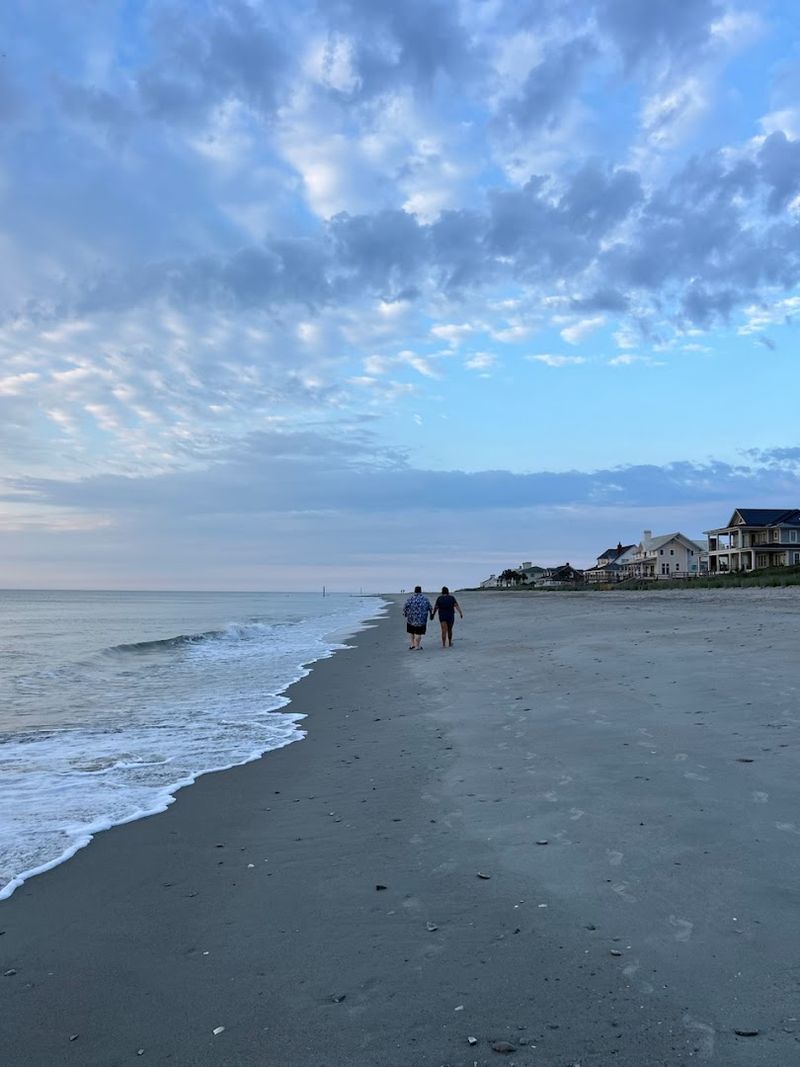
This area sits behind a gated entrance in Georgetown County. That privacy has done wonders for preserving one of the most beautiful stretches of coastline in the entire state.
The community, encompasses thousands of acres including beach, freshwater ponds, and maritime forest that together create an ecosystem of remarkable richness. This shore never sees the kind of foot traffic that defines more open stretches.
The shoreline itself is wide and clean, backed by natural dunes that have not been flattened or engineered, giving the beach a raw, undisturbed quality. Bald eagles, ospreys, and wood storks are regularly spotted in the skies above.
The freshwater ponds within the community attract an impressive variety of wading birds throughout the year. The Waccamaw National Wildlife Refuge borders the community to the west.
That adds another layer of protected habitat that makes the surrounding environment seem especially intact.
Visitors who manage to spend time on this beach often describe it as the place they assumed no longer existed on the East Coast.
That reaction, honestly, is the best possible endorsement for everything this private community has managed to hold onto.
6. Fripp Island
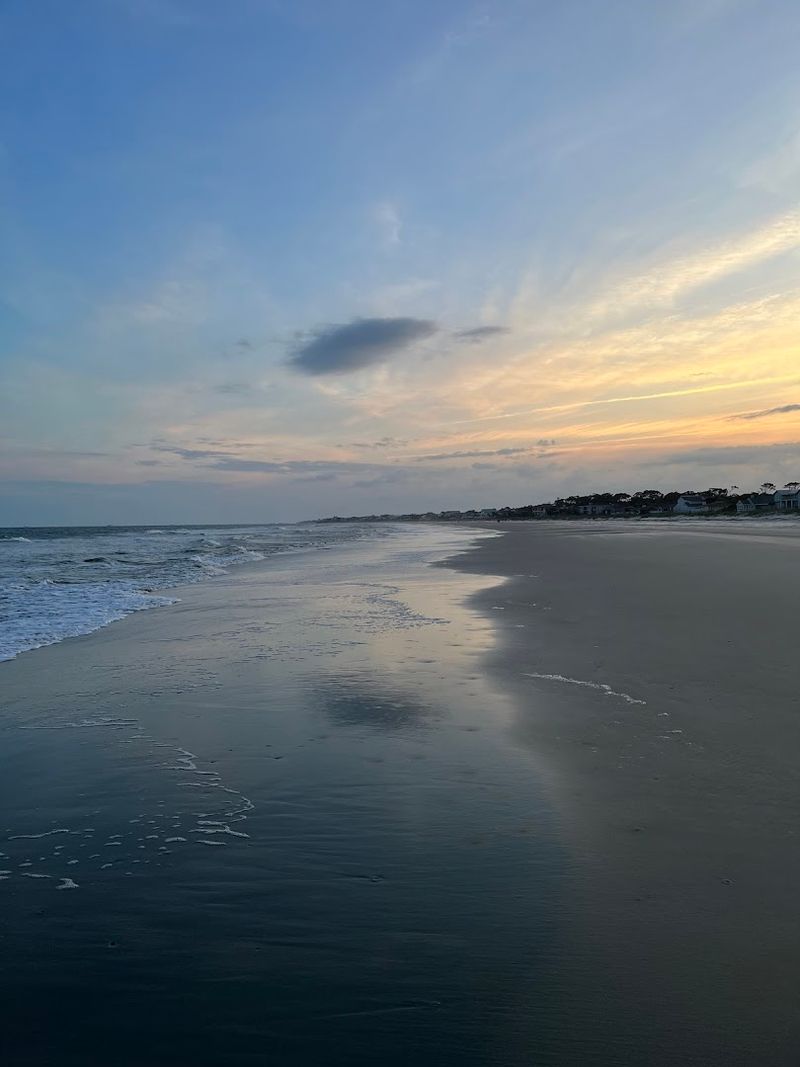
This location operates as a private residential resort community and requires gate pass. Just south of Hunting Island State Park, Fripp Island is reached by a single road that crosses the marshes in a way that immediately signals you are entering a different kind of world.
The beach here is wide, the sand is fine. The Atlantic surf tends to be calm enough for comfortable swimming during most of the summer season.
Deer are a constant presence on the island, wandering through residential yards and occasionally appearing at the edge of the dunes with a nonchalance that charms first-time visitors every single time.
Kayaking through the surrounding tidal creeks is one of the best ways to explore the island beyond the beach, and rentals are available through the resort’s activity center.
The golf course and marina give the island a low-key resort feel without the overwhelming commercial energy that defines places like Myrtle Beach.
Why not exchange the neon lights of the boardwalk for a quiet afternoon of fishing on the pier?
Beach and dock fishing are common is a popular way to pass an afternoon, and the catches here are respectable by any standard.
For a relaxed, unhurried beach experience with a touch of comfort, this destination delivers in a way that few others can match.
7. Capers Island Heritage Preserve
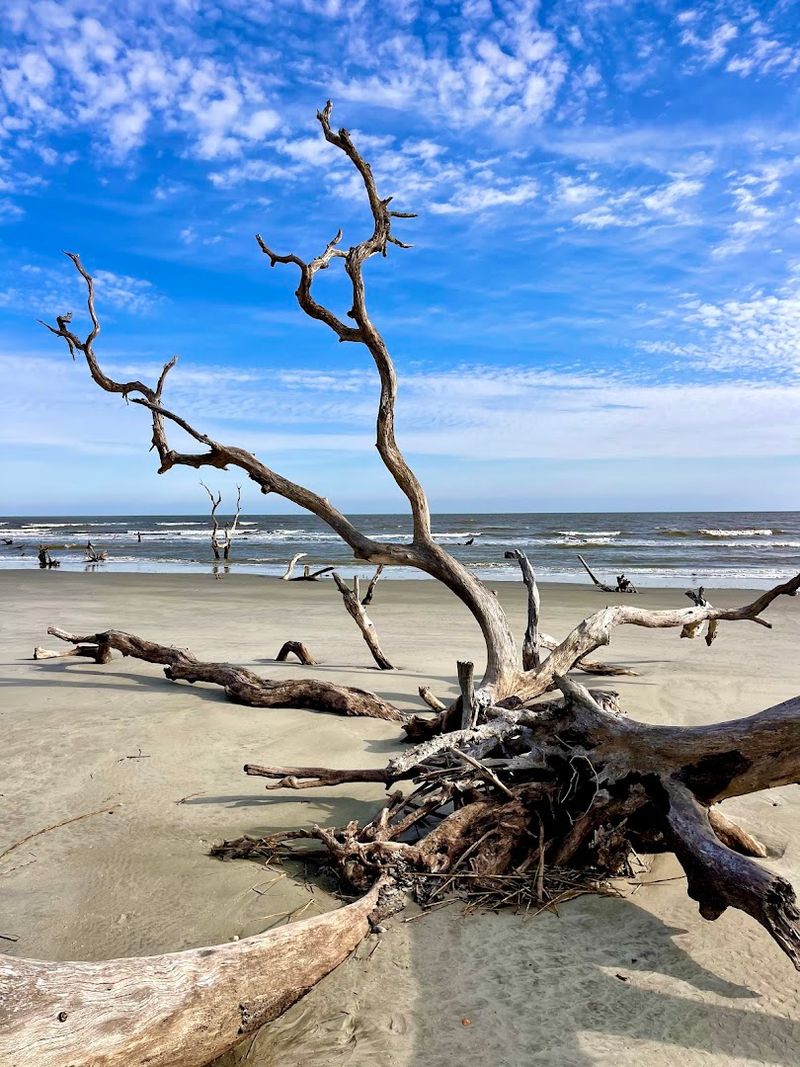
Reaching this destination requires a kayak or a boat, and that single fact keeps the crowds away better than any fence ever could.
This barrier island is managed as a heritage preserve. That means no roads, no shops, and no development of any kind.
The shore at Capers Island Heritage Preserve is wide and raw, shaped entirely by tides and wind rather than bulldozers.
Loggerhead sea turtles nest here every summer, and shorebirds crowd the tide line in numbers that would make any birdwatcher reach for their binoculars.
Because there is no ferry service, you have to plan your trip carefully. Paddling over from the mainland near Awendaw takes roughly 30 to 45 minutes depending on conditions.
Low tide is the best time to walk the island’s edges, when sandbars appear and the scenery shifts in ways that feel almost theatrical.
Camping is permitted with a permit from the South Carolina Department of Natural Resources, making an overnight stay one of the most memorable experiences on the entire East Coast.
Sunrise on this island, with no artificial light anywhere nearby, is something you must see for yourself because no description does it justice.
8. Mitchelville Beach, Hilton Head
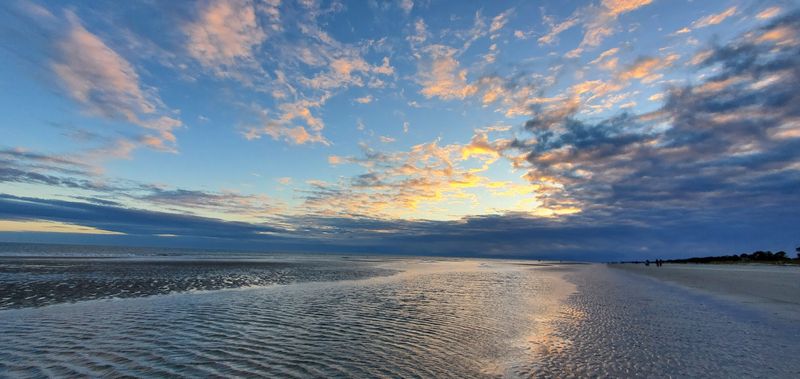
Hilton Head Island is famous for its manicured resort beaches. But a park on the island’s northern end operates in a completely different register from everything else around it.
The Mitchelville Freedom Park sits adjacent to the sand and tells that story through interpretive exhibits, making this one of the few beach stops in South Carolina that is as historically meaningful as it is scenic.
The beach itself is a public park with modest facilities, a far cry from the polished amenities at Coligny Beach just a few miles away. Calm water and a natural, ungroomed shoreline give this area a character that feels honest and unperformed.
That is refreshing after the highly curated experience of the main resort beaches.
Fishing, birdwatching, and quiet walks are the main activities here, and the lack of beach chair rentals and umbrella vendors keeps the atmosphere low-key and relaxed.
Who says a beach day can’t also be a profound history lesson? Families and couples looking for a slower pace will find this spot easy to appreciate, especially in the shoulder seasons of spring and fall when even the more popular Hilton Head beaches thin out.
Pairing a beach visit with a walk through the Freedom Park makes for a full and genuinely rewarding afternoon on the island.
9. Litchfield Beach, Calm Pawleys Island Area
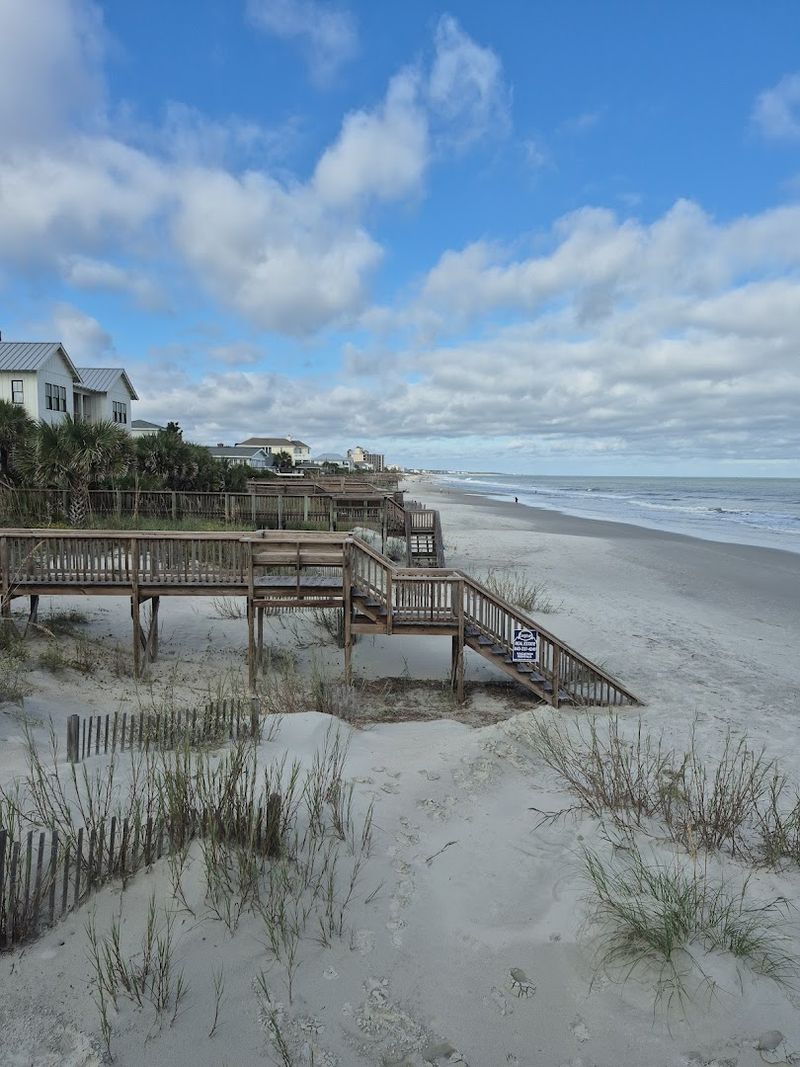
Sandwiched between Myrtle Beach to the north and Pawleys Island to the south, this area manages to absorb almost none of the frenetic energy of its more famous neighbors.
This residential beach community in Georgetown County has stayed deliberately low-key. No boardwalk, no amusement rides, and no strip of souvenir shops crowding the access roads.
The sand at Litchfield Beach is wide and generously proportioned, with enough space during most visits to find a stretch that is less crowded than nearby major beaches.
Shelling here is consistently good, particularly in the early morning hours after a strong tide has washed new material onto the shore overnight. The Litchfield Beach and Golf Resort offers accommodations for those who want easy access without renting a private home.
Its location right on the water makes it a convenient base for exploring the surrounding area.
Nearby Brookgreen Gardens is one of the most underrated attractions in the entire state, a combination of sculpture garden and wildlife preserve that rewards a half-day visit without question.
Pawleys Island, just a short drive south, adds another layer of low-key coastal charm to the area and is worth a walk on its own quiet beach.
The overall vibe of this area is one of unhurried contentment, the kind of place where a good book and a beach chair are all you need.
10. Isle Of Palms
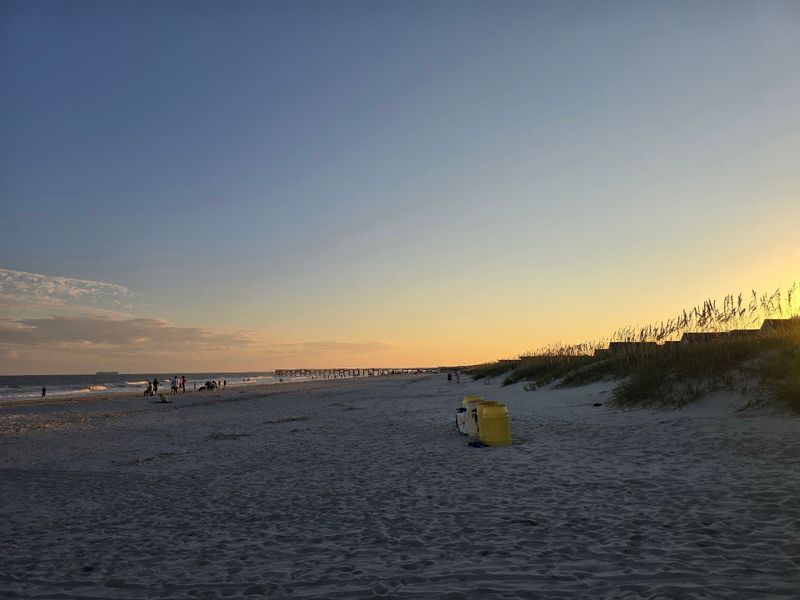
This island is not exactly a secret. But knowing which specific access points to use changes the experience entirely and turns a well-known beach into something that feels almost private.
18 miles from downtown Charleston, Isle of Palms stretches for about seven miles of Atlantic-facing shoreline. The crowds that form near the main county park thin out dramatically as you move toward the island’s quieter northern and southern ends.
Access points near the 50th Avenue area or toward the Wild Dunes Resort boundary offer wide, uncrowded stretches of sand. Most day-trippers never find them because they stop at the first convenient parking spot they see.
The beach here is beautiful, with fine pale sand, and water that can appear clear or green depending on conditions. There’s enough space to spread out without feeling like you are sharing a parking lot.
Pelicans cruise the surf line in low formation throughout the day. Dolphins are a regular sight just beyond the breaking waves during morning and late afternoon hours.
The town of Isle of Palms has a handful of good casual restaurants within walking distance of the beach, making it easy to combine a full day with a satisfying meal.
Spring and fall visits reward those who prefer cooler temperatures and thin crowds, with the water staying swimmable well into October most years.
Finding the right access point on this island is honestly half the adventure, and the payoff is absolutely worth the extra five minutes of navigation.
Are you willing to walk an extra five minutes to find your own private paradise?