2026 Travelers Are Adding These 15 Georgia Attractions To Their Plans
Something shifts once you start looking beyond the obvious, and Georgia begins to feel far bigger than expected. Heading into 2026, the state is stepping into the spotlight in a new way, with Atlanta drawing global attention and the rest of Georgia quietly proving it has just as much to offer.
The range is what makes it stand out. One stop might take you to ancient Native American mounds rich with history, while another brings you face to face with wide-open landscapes that feel more like a safari than the Southeast. In between, there are charming towns, scenic trails, and cultural spots that add depth to every trip.
It is easy to build an itinerary that never feels repetitive. Each destination offers a different perspective, making the journey just as rewarding as the stops themselves. Visitors often arrive focused on one place and leave wanting to see much more.
For anyone planning travel in 2026, these 15 Georgia attractions highlight a state that feels diverse, exciting, and ready to be explored.
1. Georgia Safari Conservation Park in Madison

Spotting a giraffe from just a few feet away while still technically in Georgia sounds like a fantasy, but Georgia Safari Conservation Park makes it real. Located at 1761 Monticello Rd, Madison, GA 30650, United States this 530-acre open grassland and forest reserve is home to over 60 wild and exotic species, including rhinos, zebras, and zebras that roam freely across the landscape.
Visitors board guided safari vehicles that move through the property at a relaxed pace, giving everyone a chance to observe animals in a naturalistic setting. The experience tends to feel more immersive than a traditional zoo, partly because the animals are not confined to small enclosures.
Weekday visits are generally quieter, making them a better choice for families with young children. Comfortable, closed-toe shoes are recommended, and arriving early in the morning often means more active animals and softer light for photos.
2. Ocmulgee Mounds National Historical Park in Macon
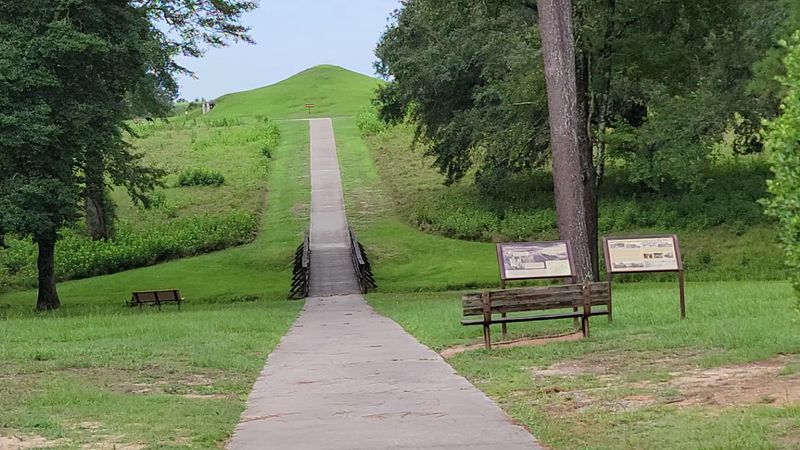
Few places in the American Southeast carry the kind of quiet, grounding weight that Ocmulgee Mounds does. Situated at 1207 Emery Hwy, Macon, GA 31217, this national historical park preserves over 12,000 years of continuous human habitation, making it one of the oldest and most significant archaeological sites in the country.
The park features ceremonial mounds built by the Mississippian culture, a reconstructed Earth Lodge with a remarkably preserved clay floor, and miles of trails winding through forests and wetlands. Rangers lead interpretive programs that add meaningful context to what visitors are seeing.
Morning visits work especially well here because the light hits the mounds at a flattering angle and the trails are cooler. The museum near the entrance is worth at least 30 minutes before heading outdoors. Comfortable walking shoes and a water bottle are simple essentials that make a big difference on longer trail loops.
3. St. Simons Island
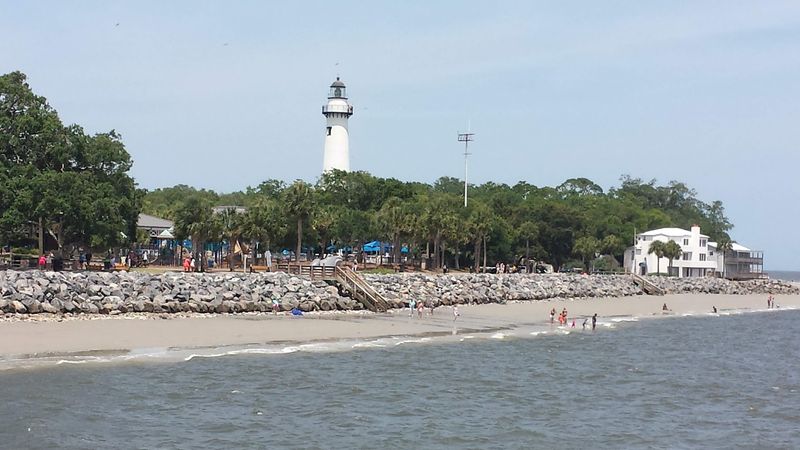
St. Simons Island operates at a pace that feels genuinely unhurried, which is part of what keeps drawing visitors back season after season. The island is accessible via the F.J. Torras Causeway from Brunswick, Georgia, and its most recognizable landmark, the St. Simons Lighthouse Museum, stands at 101 12th St, St Simons Island, GA 31522.
Fort Frederica National Monument, located at 6515 Frederica Rd, preserves the ruins of a British colonial fort and tells a compelling story about early Georgia history through exhibits and walking paths. The island’s beaches are wide and generally uncrowded compared to more commercialized coastal destinations.
Local restaurants along Mallery Street offer fresh seafood with a laid-back coastal atmosphere that feels authentic rather than touristy. Biking is a popular and practical way to get around the island, with rental shops available near the village. Weekends in summer can get busy, so spring and fall visits tend to feel more relaxed.
4. Atlanta BeltLine

What used to be a ring of abandoned railway corridors around Atlanta has been transformed into one of the most celebrated urban trail networks in the country. The Atlanta BeltLine, accessible from dozens of entry points across the city, stretches across 22 miles of multiuse paths that connect neighborhoods, parks, and local businesses in a way that feels genuinely community-driven.
The Eastside Trail, running near Ponce City Market at Atlanta Beltline Eastside Trl, Atlanta, GA 30312, United States is among the most active and visually interesting stretches, lined with public art installations, food vendors, and green spaces. The trail is open to walkers, joggers, and cyclists, and tends to buzz with energy on weekend mornings.
Parking can be tricky near popular entry points, so using MARTA or rideshare services is often the smarter move. Early weekday mornings offer a noticeably calmer experience for those who prefer a quieter stroll through Atlanta neighborhoods.
5. Georgia Aquarium in Atlanta
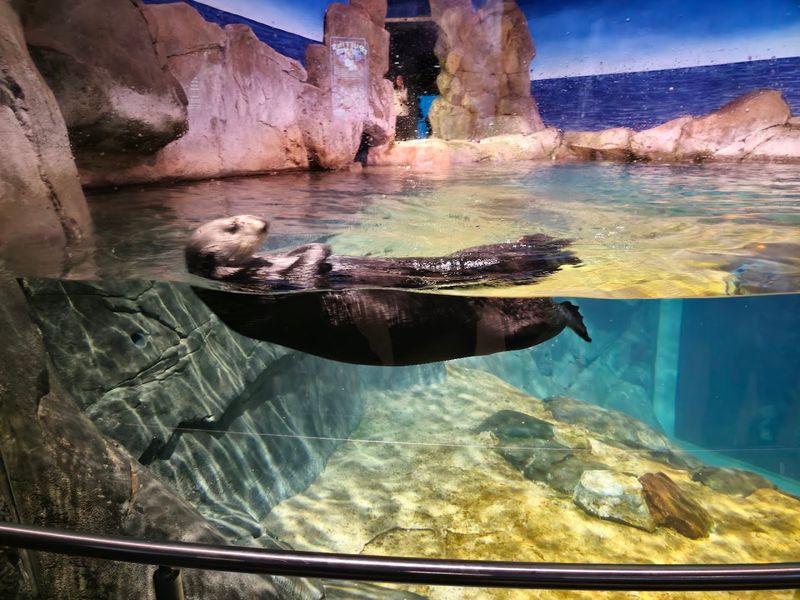
Home to more gallons of water than almost any other aquarium on the planet, the Georgia Aquarium is the kind of place where jaws literally drop. Located at 225 Baker St NW, Atlanta, GA 30313, this downtown attraction sits steps away from Centennial Olympic Park and draws millions of visitors each year with exhibits that range from gentle beluga whales to powerful whale sharks.
The Ocean Voyager exhibit, featuring a transparent underwater tunnel, gives visitors the surreal sensation of walking beneath a sea of rays, sharks, and massive groupers. Interactive experiences like behind-the-scenes tours and dive programs are available for those who want to go beyond the standard visit.
Purchasing tickets online in advance is strongly recommended, especially during peak seasons and holidays, as walk-up lines can stretch significantly. Arriving when doors open tends to make navigating the exhibits much more comfortable. Weekday visits outside of school holidays offer a noticeably less crowded experience overall.
6. Savannah Historic District
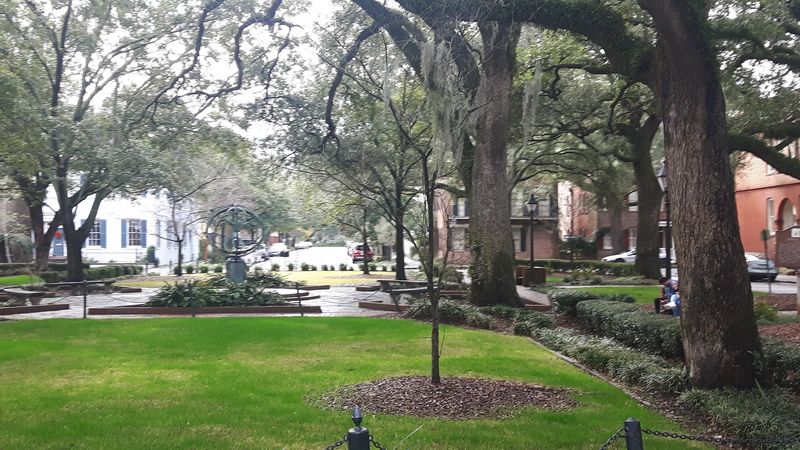
Spanish moss hangs from live oaks like curtains in a slow-moving dream, and that image is essentially Savannah in a single frame. The Savannah Historic District, centered around the famous squares and accessible from the Savannah Visitor Center at 301 Martin Luther King Jr Blvd, Savannah, GA 31401, is one of the largest and best-preserved urban historic districts in the United States.
The district contains 22 of the original 24 planned squares, each with its own character, monuments, and surrounding architecture dating from the 18th and 19th centuries. River Street, just north of the district, adds a lively waterfront dimension with shops, restaurants, and frequent festivals.
Walking is genuinely the best way to explore here, and comfortable shoes matter more than most people expect after a full day on cobblestone streets. Ghost tours are popular in the evenings and tend to sell out quickly on weekends. Spring is widely considered the most pleasant season for visiting Savannah.
7. Amicalola Falls State Park
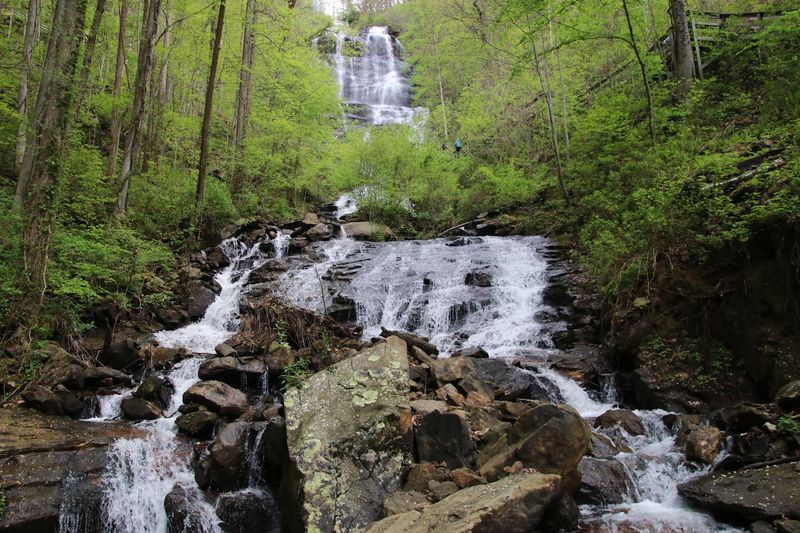
At 729 feet, Amicalola Falls is the tallest cascading waterfall east of the Mississippi River, and standing at its base makes that statistic feel completely believable. The park is located at 418 Amicalola Falls Lodge Rd, Dawsonville, GA 30534, nestled in the North Georgia mountains and serving as the approach trail gateway to the Appalachian Trail.
Multiple trail options allow visitors to experience the falls from different elevations, including a staircase route of over 600 steps that rewards climbers with a close-up view near the top. The lodge at the summit offers overnight accommodations for those who want to extend their stay into the surrounding mountain scenery.
Fall foliage season, typically mid-October through early November, draws the largest crowds, so weekday visits during that window are worth planning ahead. Spring also brings strong water flow and wildflowers along the trails. Parking fills up quickly on weekends, so an early morning arrival is the most practical approach.
8. Martin Luther King Jr. National Historical Park in Atlanta
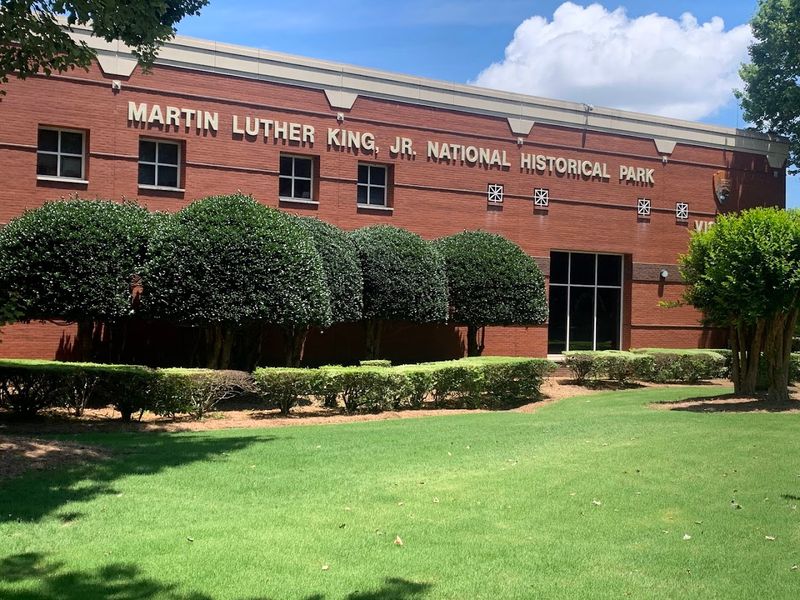
Auburn Avenue in Atlanta carries a kind of historical gravity that is hard to put into words until a person is actually standing there. The Martin Luther King Jr. National Historical Park, centered at 450 Auburn Ave NE, Atlanta, GA 30312, preserves the birthplace, church, and burial site of one of the most influential figures in American history.
Visitors can tour Dr. King’s birth home through ranger-led programs, explore Ebenezer Baptist Church where he preched, and reflect at the memorial pool surrounding his crypt. The visitor center offers free admission and houses exhibits that chronicle the Civil Rights Movement with photographs, recordings, and personal artifacts.
The park is walkable and compact, making it manageable even for younger visitors or those with limited mobility. Timed entry passes for the birth home tour are required and often fill up early in the day, so checking availability online before arriving is a smart move. Parking is available nearby on Auburn Avenue.
9. Cumberland Island National Seashore
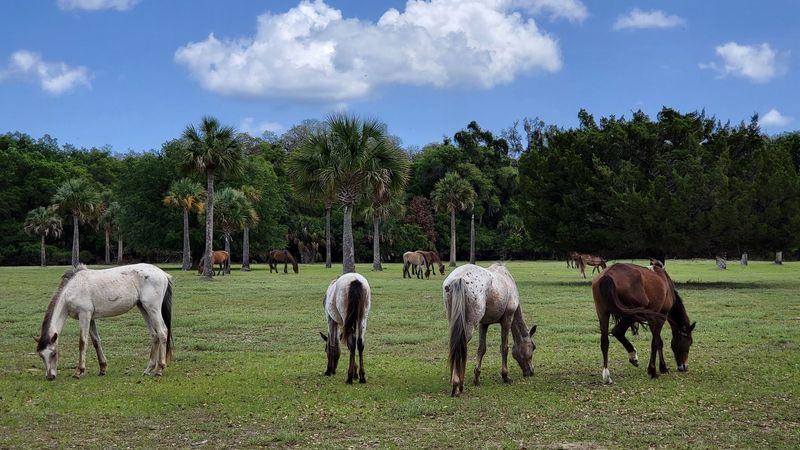
Wild horses roaming an undeveloped barrier island with no cars, no resorts, and no crowds is not a scene from a novel. Cumberland Island National Seashore, accessible by ferry from St. Marys, Georgia, with the ferry departing from 113 St Marys St, St Marys, GA 31558, offers exactly that kind of raw, unhurried coastal experience.
The island spans over 17,000 acres of maritime forest, marshes, and pristine Atlantic beaches, with ruins of the Carnegie family mansion, Dungeness, adding a fascinating historical layer to the natural surroundings. Hiking trails wind through ancient live oaks draped in Spanish moss, and the beaches feel genuinely untouched.
Ferry reservations fill up weeks in advance during spring and summer, so booking early is essential. Day trippers should pack everything they need, including food, water, and sunscreen, because services on the island are extremely limited. Camping is available for those who want to experience the island after the day visitors leave.
10. Stone Mountain Park
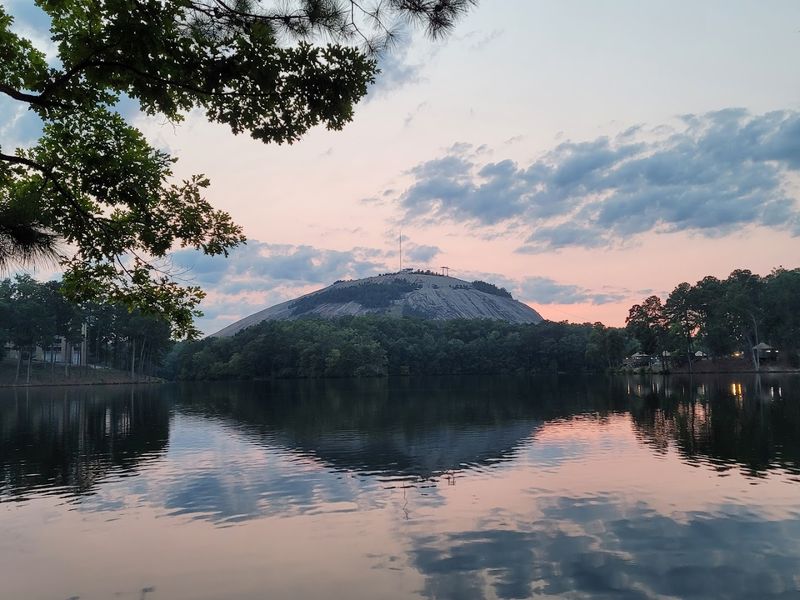
The sheer scale of Stone Mountain tends to catch first-time visitors off guard, even those who think they know what to expect from a big rock. Stone Mountain Park is located at 1000 Robert E Lee Blvd, Stone Mountain, GA 30083, just east of Atlanta, and the granite dome that defines the park is one of the largest exposed pieces of granite in the world.
A cable car carries visitors to the summit for panoramic views stretching across the Atlanta metro area, while a hiking trail provides a more active option up the same route. The park also features a lake, miniature golf, a 4D theater, and seasonal events like the laser show on weekend evenings during warmer months.
Families tend to find the park easy to navigate, with plenty of shaded areas and rest spots along the main pathways. Parking is included with admission, and the park tends to be busiest on weekend afternoons. Mornings offer cooler temperatures and shorter wait times at popular attractions.
11. Tallulah Gorge State Park
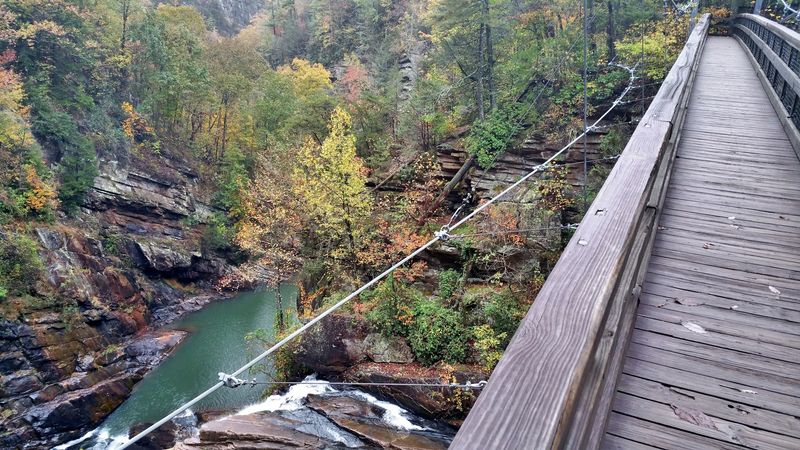
Tallulah Gorge cuts nearly 1,000 feet into the earth across a two-mile stretch of northeast Georgia, creating one of the most visually dramatic natural features in the entire Southeast. Tallulah Gorge State Park is situated at 338 Jane Hurt Yarn Dr, Tallulah Falls, GA 30573, and the gorge itself offers viewing platforms, a suspension bridge, and trail access for those who want to hike to the floor.
The suspension bridge hangs 80 feet above the rocky gorge floor and sways gently underfoot, which tends to delight adventurous visitors and make others grip the railing a little tighter. A permit is required for the floor trail, and permits are limited daily, so planning ahead is genuinely necessary.
The gorge rim trails are accessible without a permit and still deliver stunning views without the steep descent. Spring and fall are the most popular seasons here, and the surrounding town of Tallulah Falls adds a charming, low-key stop for food and local shopping after a day on the trails.
12. World of Coca-Cola in Atlanta
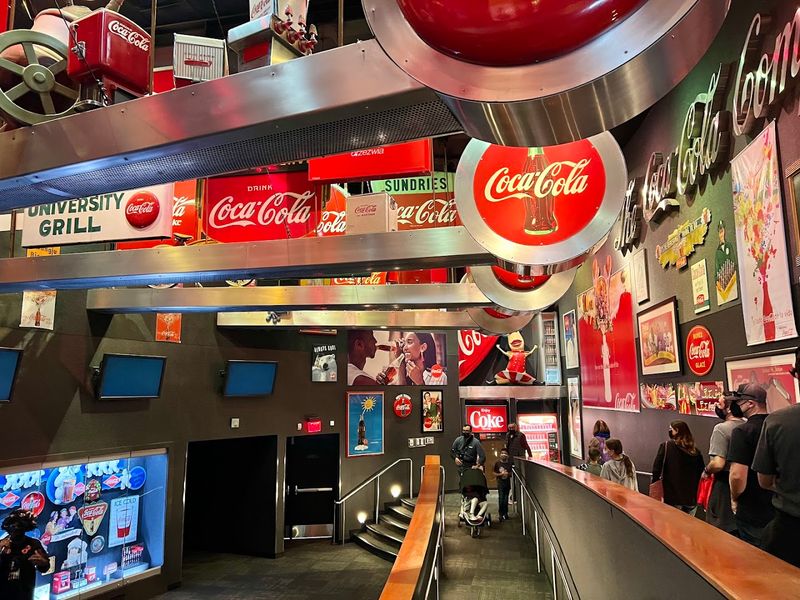
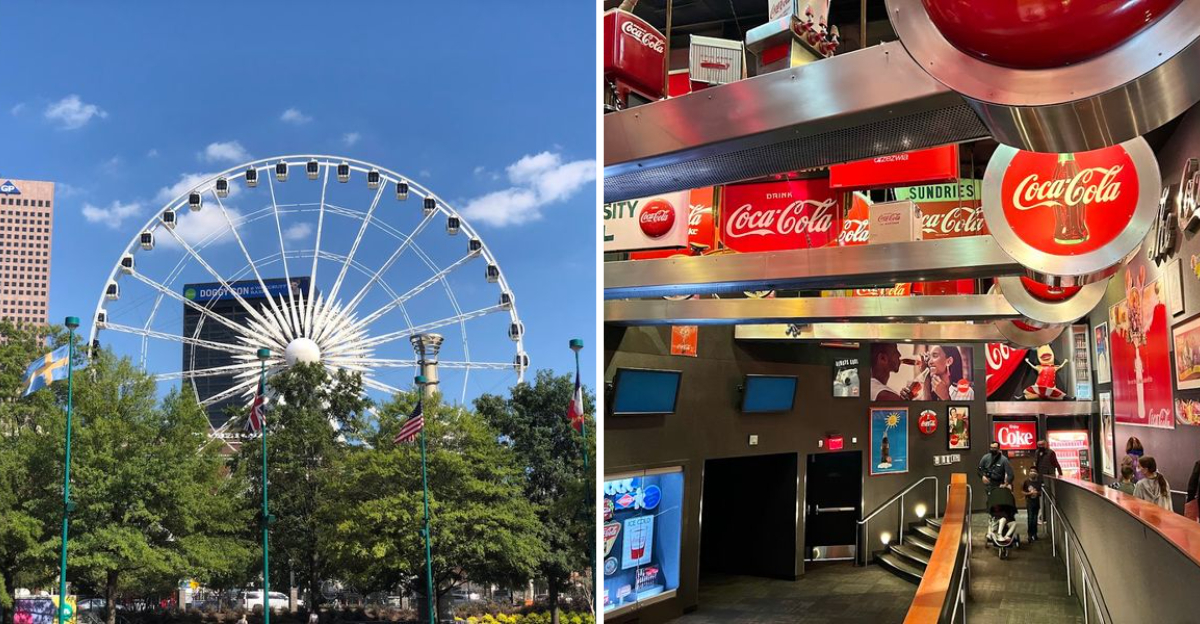
There is something undeniably fun about a museum dedicated entirely to a soft drink, and the World of Coca-Cola leans fully into that energy. Located at 121 Baker St NW, Atlanta, GA 30313, right next to Centennial Olympic Park and the Georgia Aquarium, this attraction draws both curious locals and international visitors who want to understand one of the world’s most recognized brands.
Exhibits trace the history of Coca-Cola from its 1886 origins in Atlanta through its global expansion, with interactive stations, vintage advertising displays, and a vault where the secret formula is kept under theatrical guard. The tasting room, where visitors sample Coca-Cola products from around the world, is consistently the most talked-about part of the experience.
Tickets can be purchased online, and combination packages with the Georgia Aquarium offer good value for those planning to visit both. The museum moves at a comfortable, self-guided pace and tends to take around 90 minutes to two hours for most visitors.
13. Blue Ridge Scenic Railway
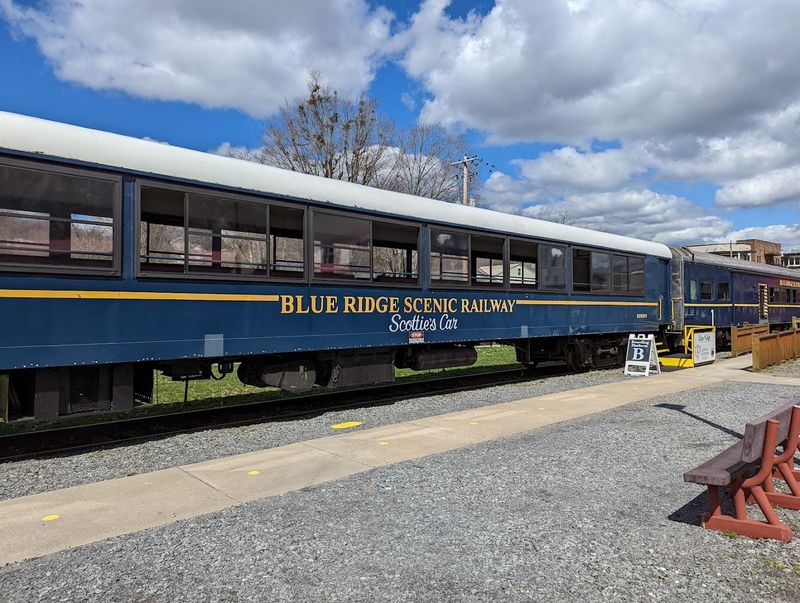
Riding a vintage train through the Blue Ridge Mountains while the Toccoa River winds alongside the tracks below is one of those experiences that feels almost too picturesque to be real. The Blue Ridge Scenic Railway departs from 241 Depot St, Blue Ridge, GA 30513, a charming small-town depot in the North Georgia mountains that itself looks like something from a storybook.
Round trips run approximately 26 miles through forested mountain terrain to the town of McCaysville on the Georgia-Tennessee border, where passengers have about an hour to explore shops and restaurants before returning. The ride takes around four hours total and operates on select days throughout the year, with seasonal themed excursions adding extra appeal.
Fall foliage trips book up months in advance, so early reservations are essential for autumn travel. The open-air cars offer the most scenic views but can get chilly in cooler months, so bringing a layer is practical advice worth heeding. Blue Ridge itself has excellent dining and shopping worth exploring before or after the ride.
14. Centennial Olympic Park in Atlanta
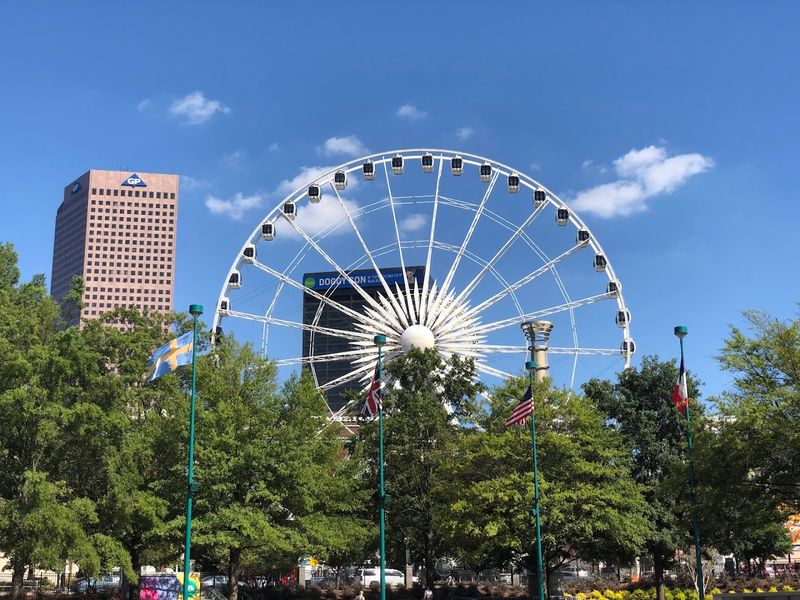
Built for the 1996 Summer Olympics, Centennial Olympic Park has grown from a construction-era gathering place into the true civic heart of downtown Atlanta. The park is located at 265 Park Ave W NW, Atlanta, GA 30313, and sits at the center of a cluster of major attractions including the Georgia Aquarium, World of Coca-Cola, and the National Center for Civil and Human Rights.
The Fountain of Rings, which choreographs water jets to music and light in the evenings, is the park’s signature feature and a reliable crowd-pleaser for all ages. Expansive green lawns host free concerts, festivals, and community events throughout the year, giving the park a lively, ever-changing personality.
The park is free to enter and open daily, making it an easy and cost-effective stop in any Atlanta itinerary. Shade can be limited on hot summer afternoons, so early morning or evening visits tend to feel more comfortable. The surrounding sidewalks connect easily to multiple MARTA stations for those skipping the parking challenge entirely.
15. Brasstown Bald in Blairsville
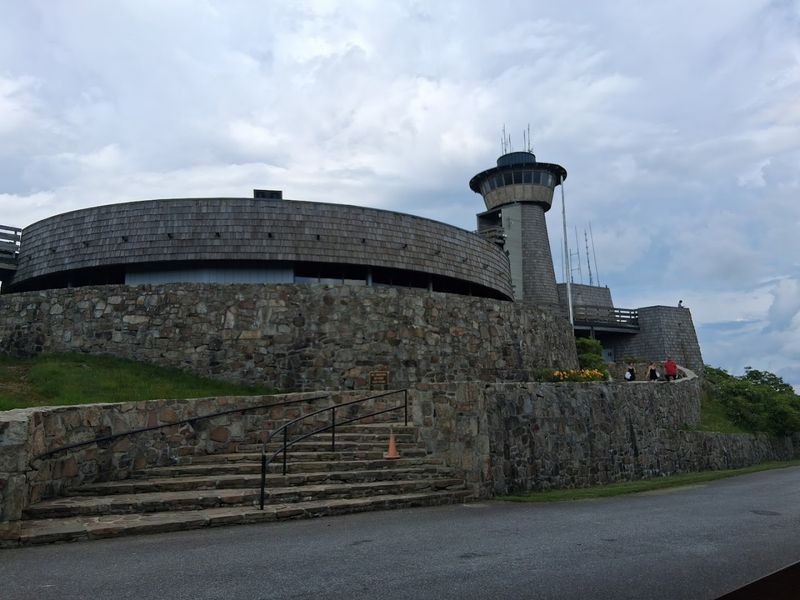
Standing at the highest point in Georgia, with views stretching into four states on a clear day, has a way of making every step of the hike feel completely worth it. Brasstown Bald, located off GA-180 Spur near Blairsville, GA 30512, reaches an elevation of 4,784 feet and sits within the Chattahoochee-Oconee National Forest.
A paved but steep half-mile trail leads from the parking area to the summit, where a visitor center and observation deck provide shelter and interpretive exhibits about the surrounding Appalachian landscape. A shuttle is available for those who prefer not to make the climb on foot, which is a genuinely useful option for visitors with mobility considerations.
Summer afternoons bring afternoon thunderstorms with some regularity, so morning visits are both safer and more likely to deliver clear views. The access road closes during winter weather, so checking road conditions before making the trip in late fall or early spring is important. Fall color typically peaks here in mid-October.