2026 Travelers Are Discovering This Secluded Beach In Georgia
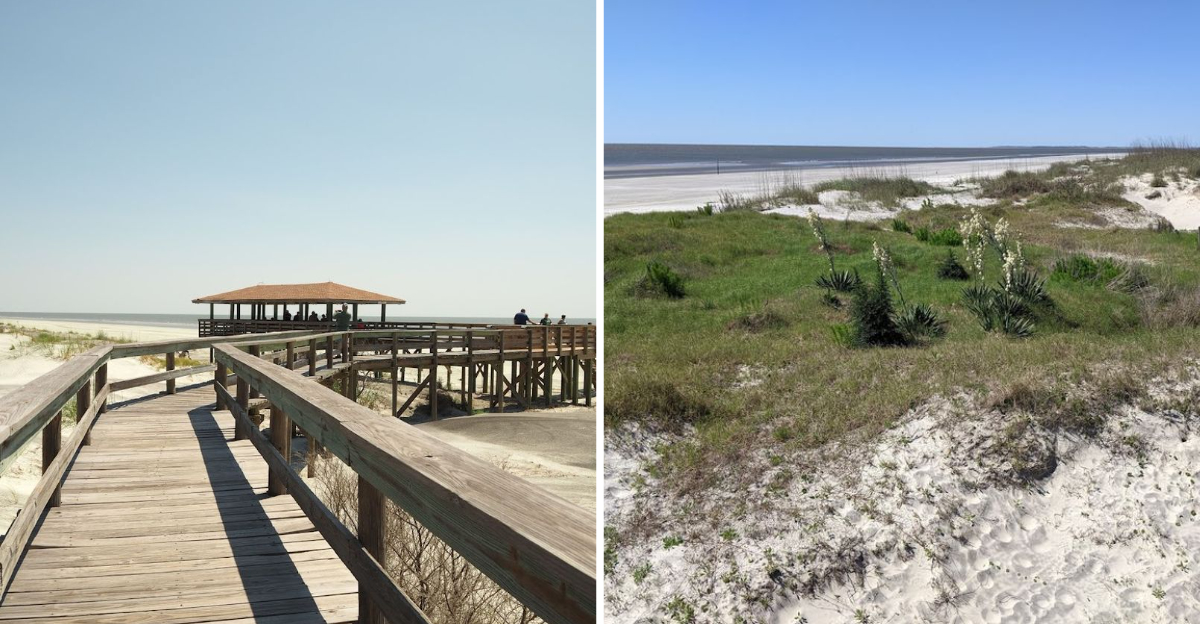
You do not just stumble onto a place like this, and that is exactly why it feels so special. Nanny Goat Beach on Sapelo Island, Georgia offers a coastal experience that stays quiet, uncrowded, and deeply connected to nature. The ferry ride over sets the tone, leaving behind busy roads and bringing you into a slower, more peaceful rhythm.
Once you arrive, the shoreline stretches wide and open, with soft sand, gentle waves, and hardly another person in sight. The landscape feels untouched, where wildlife moves freely and the only sounds are the wind and the water. It is the kind of place that invites you to pause, walk a little slower, and take everything in.
Beyond the beach, the island carries a rich cultural and natural history that adds depth to the visit. Exploring Sapelo becomes more than just a day trip, it turns into an experience that feels meaningful and memorable.
For anyone looking ahead to 2026 travel plans, Nanny Goat Beach offers a coastal escape that is calm, authentic, and truly worth the journey.
1. Pristine Natural Beauty That Feels Almost Unreal
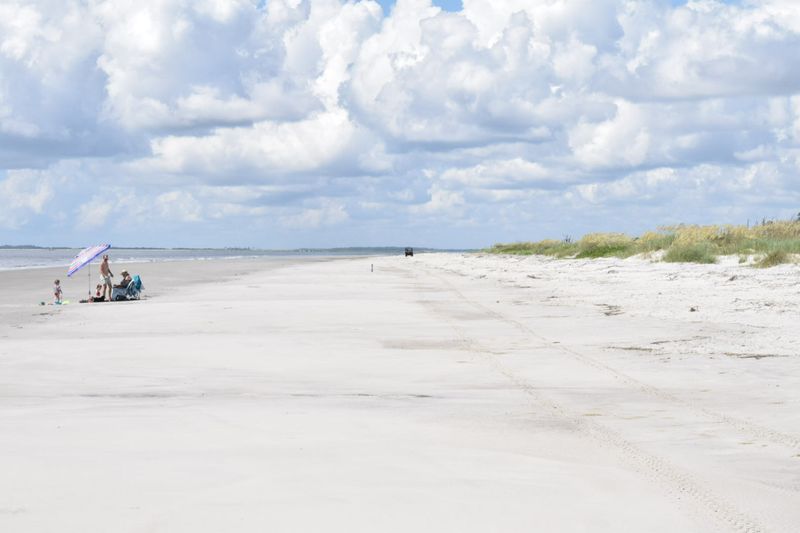
Some beaches demand attention the moment you step onto them, and Nanny Goat Beach is exactly that kind of place. Located on Sapelo Island, Georgia, this stretch of shoreline offers white sands and calm, clear waters that feel worlds away from busy resort beaches. There are no vendors, no umbrellas for rent, and no background noise except the rhythm of the Atlantic.
The lack of commercial development is exactly what makes this beach so refreshing. Visitors often describe the experience as genuinely restorative, the kind of quiet that is hard to find in modern travel. Morning light on the sand here has a softness that photographers and casual walkers alike tend to appreciate.
Because access to Sapelo Island is limited and requires a ferry from the Meridian Ferry Dock in Meridian, Georgia, the beach stays naturally uncrowded. Planning ahead with ferry schedules ensures a smooth, stress-free visit to this coastal treasure.
2. Extensive Sand Dunes Found Nowhere Else on Georgia’s Coast
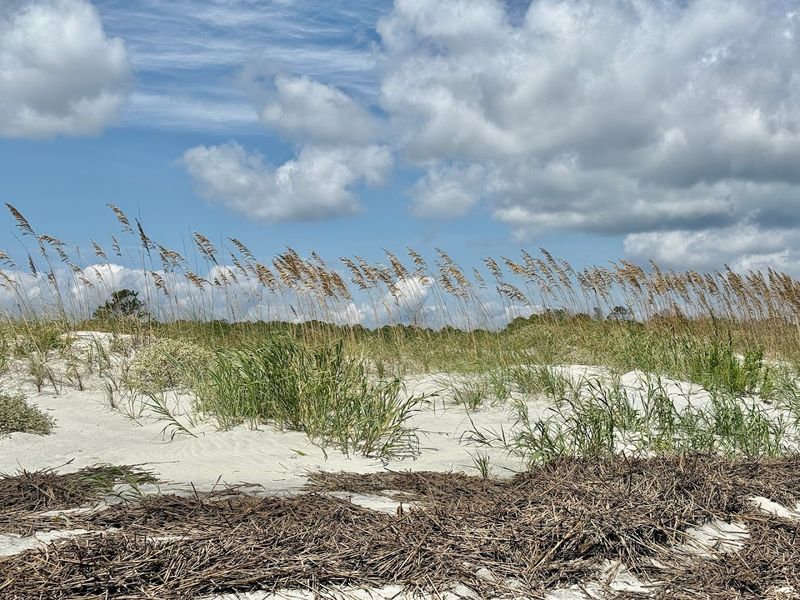
Nowhere else along Georgia’s coast will travelers encounter sand dune systems as expansive and undisturbed as those found at Nanny Goat Beach. These dunes have developed over centuries without interference, making them ecologically significant and visually striking. Walking alongside them offers a sense of scale that smaller, developed beaches simply cannot replicate.
The dune formations here act as natural barriers that protect the interior of the island from storm surge and erosion. Scientists and conservationists consider them among the most intact examples of barrier island dune ecology remaining in the southeastern United States. That distinction alone makes a visit feel meaningful rather than just recreational.
Visitors are encouraged to stay on marked paths to avoid damaging the fragile root systems of dune grasses. A little mindfulness goes a long way toward preserving these formations for future travelers. Early morning is the best time to explore, when the light is soft and the air is cool.
3. Rich Biodiversity That Surprises Every Visitor
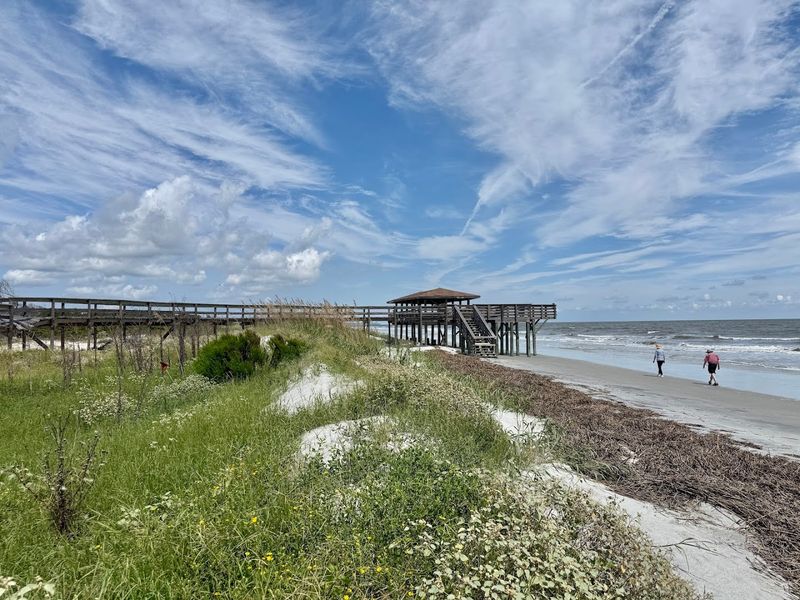
Stepping onto Sapelo Island feels like walking into a living field guide. The ecosystems surrounding Nanny Goat Beach support an extraordinary range of wildlife, from loggerhead sea turtles nesting in the sand to bottlenose dolphins occasionally spotted just offshore. The variety of species found here reflects the island’s long history of minimal human disturbance.
Marsh habitats fringe much of the island, providing critical nursery grounds for fish, crabs, and shrimp. These wetlands also attract wading birds that feed along the edges during low tide, creating natural spectacles that require no planning to enjoy. Simply arriving at the right time of day, typically early morning or late afternoon, increases the chances of memorable wildlife encounters.
Nature enthusiasts who bring binoculars and a field guide tend to get the most out of a visit. The biodiversity here is genuine and unscripted, which makes every sighting feel like a small reward for the effort of getting to the island.
4. Shelling Opportunities That Reward Patient Walkers
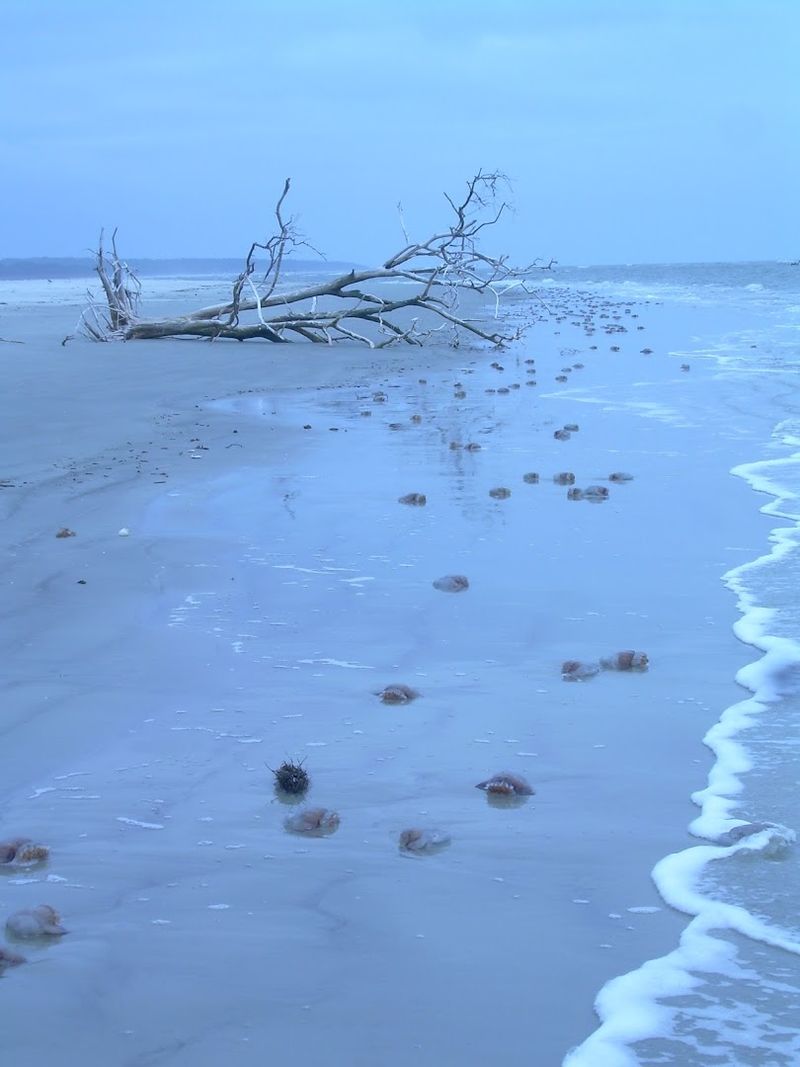
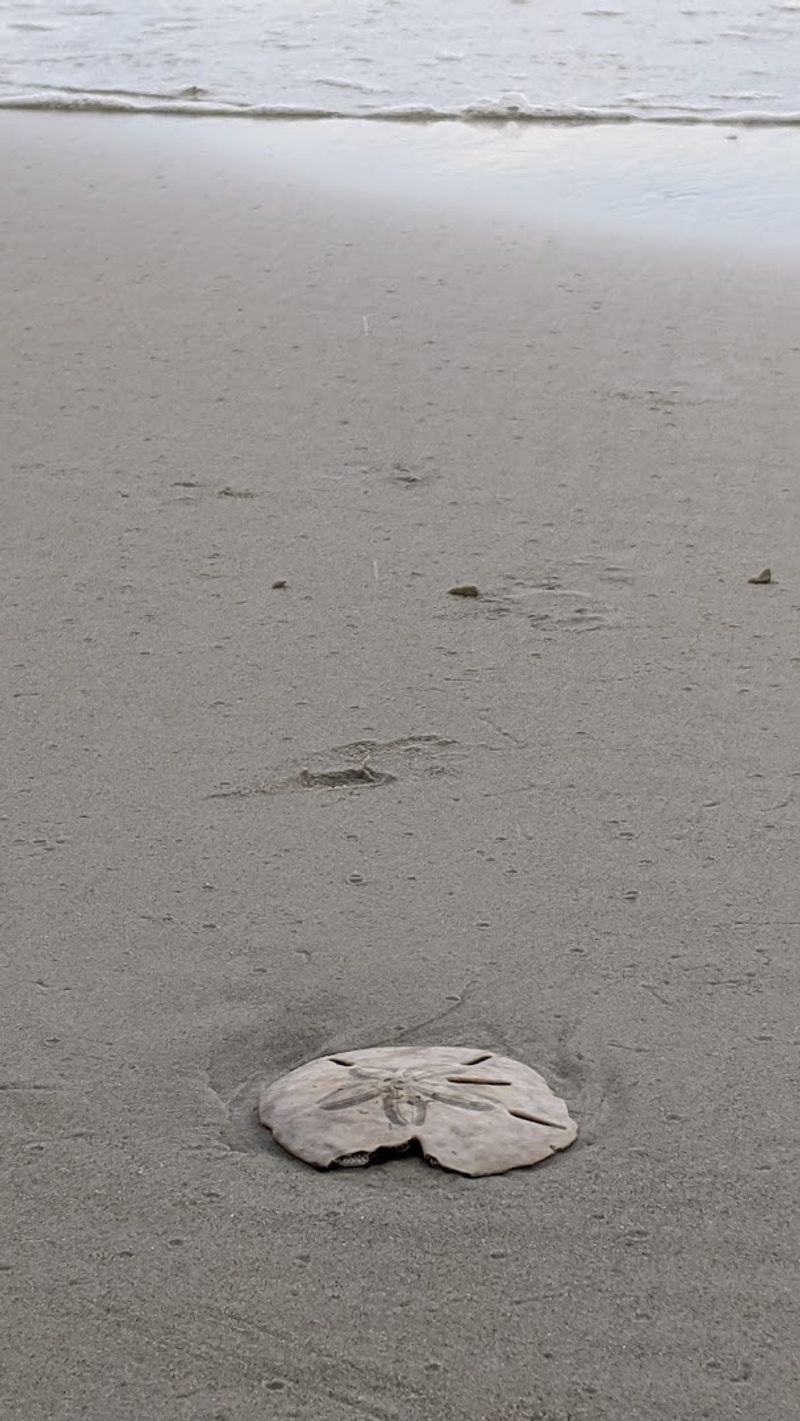
Beachcombers tend to fall in love with Nanny Goat Beach almost immediately. The shoreline consistently yields a generous variety of shells, including sand dollars, whelks, olive shells, and moon snails, many of them intact because the beach sees so little foot traffic. Low tide is the golden window for shelling, when the retreating water exposes fresh finds along the waterline.
Unlike heavily visited beaches where shells are picked clean within hours of washing ashore, Sapelo’s remote location means the pickings remain genuinely rewarding throughout the day. Families with children especially enjoy the treasure-hunt quality of a morning walk along the surf zone. It is one of those simple pleasures that does not require any gear or preparation.
A lightweight mesh bag makes collecting easier without adding bulk to a beach bag. Just remember that live shells and sea stars should always be returned to the water. Taking only empty shells keeps the ecosystem balanced and the beach beautiful for the next visitor.
5. Historical Significance Woven Into Every Corner of the Island
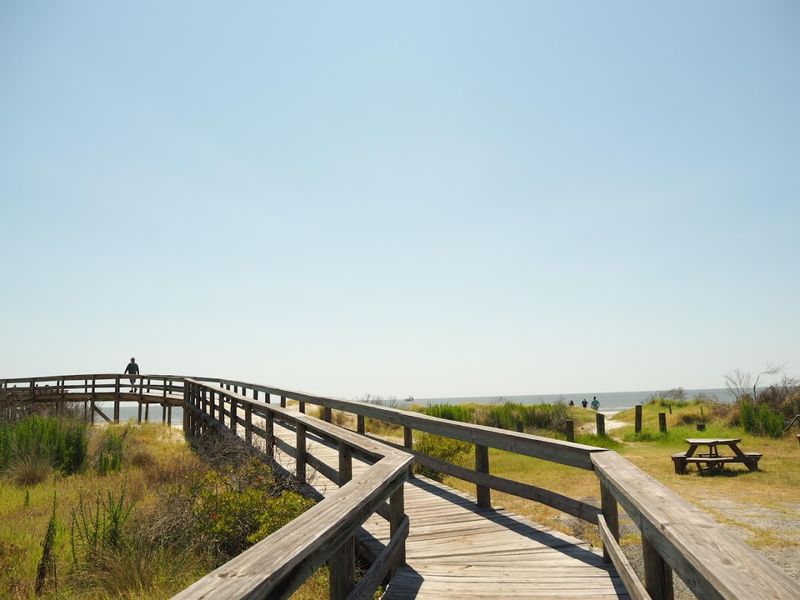
History runs deep on Sapelo Island, and a visit to Nanny Goat Beach naturally connects travelers to layers of the past that few Georgia destinations can match. The island was once home to tabby-constructed plantation structures dating back to the early 1800s, some of which still stand in various states of preservation. Walking the land here means walking ground that has witnessed centuries of change.
The R.J. Reynolds Mansion, located on Sapelo Island and operated as a conference and education center, stands as a prominent reminder of the island’s more recent history. Reynolds purchased the island in the 1930s and played a significant role in shaping its modern character, including establishing the University of Georgia Marine Institute that still operates there today.
Guided tours of the island frequently include stops at historical sites, giving context to what visitors see. Understanding the human history behind a landscape tends to deepen appreciation for its natural beauty in a way that solo exploration alone cannot always provide.
6. Secluded Atmosphere That Modern Travelers Crave
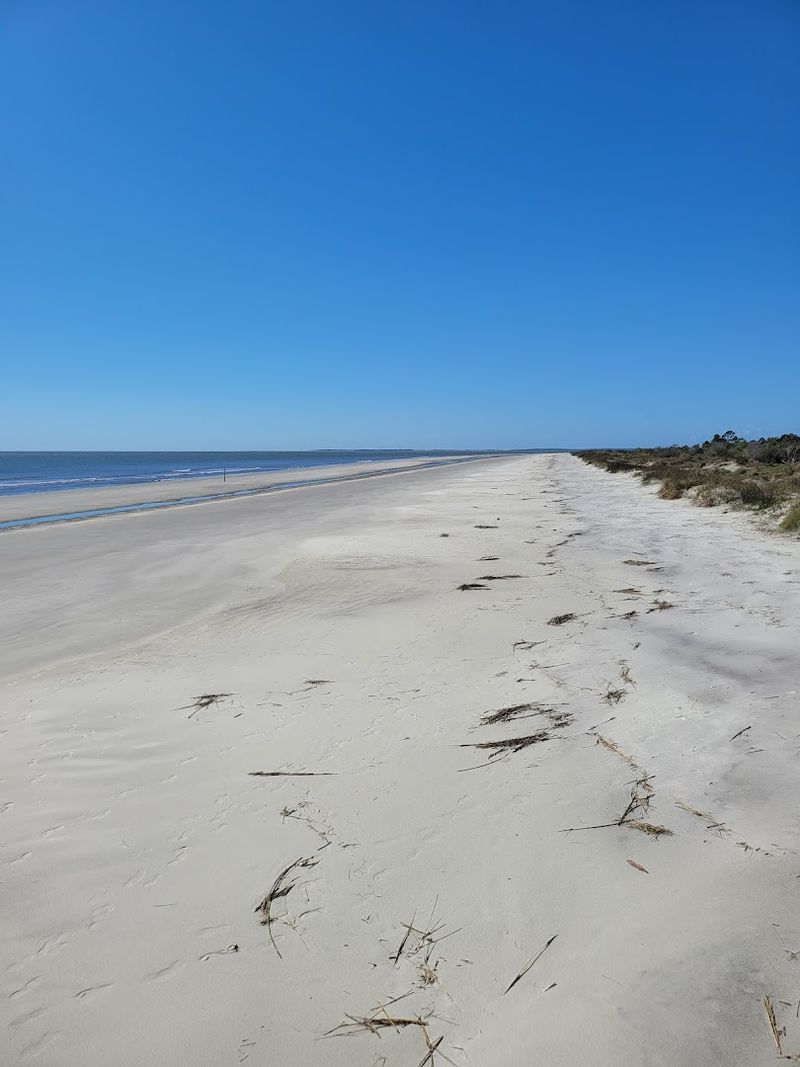
There is a growing hunger among travelers for places that feel genuinely removed from the noise of everyday life, and Nanny Goat Beach answers that call in the most honest way possible. Access to Sapelo Island is controlled through a state-operated ferry system, which naturally limits the number of visitors on any given day. That limitation is, paradoxically, the beach’s greatest asset.
On a typical weekday, it is entirely possible to walk a long stretch of shoreline without encountering another person. That kind of solitude is increasingly rare along the East Coast, where popular beaches can feel more like outdoor shopping malls than natural retreats. Here, the only competition for space comes from shorebirds and the occasional ghost crab.
Weekend visits tend to draw slightly more visitors, particularly during summer months, but the numbers remain modest compared to mainland Georgia beaches. Checking the Sapelo Island ferry schedule in advance and booking early helps secure a spot during preferred travel dates.
7. Birdwatching That Rivals Dedicated Wildlife Refuges
Ask any serious birdwatcher about Sapelo Island and watch their eyes light up. The combination of maritime forest, salt marsh, open beach, and tidal creeks creates a mosaic of habitats that supports an impressive checklist of bird species throughout the year. Ospreys, bald eagles, painted buntings, and great blue herons are among the regularly spotted residents and seasonal visitors.
During spring and fall migration periods, the island becomes a temporary resting point for songbirds crossing the Georgia coast, adding even more variety to an already rich bird list. Patient observers who spend time near the marsh edges during low tide are often rewarded with close views of wading birds actively feeding. A good pair of binoculars and a regional bird guide make the experience significantly more rewarding.
Even casual visitors who do not identify as birdwatchers tend to notice and enjoy the avian activity at Nanny Goat Beach. The sheer number and variety of birds visible without any special effort adds a lively, animated quality to the beach environment that feels genuinely special.
8. Educational Tours That Bring the Island to Life
Sapelo Island is not just a beach destination; it is an outdoor classroom with centuries of stories to tell. Organized tours run by the Georgia Department of Natural Resources offer structured visits that cover the island’s ecology, cultural heritage, and conservation efforts in an accessible, engaging way. These tours are a smart choice for first-time visitors who want context alongside scenery.
Tour Sapelo, based at the Sapelo Island ferry landing area in McIntosh County, Georgia, offers additional guided experiences that go deeper into the island’s Gullah-Geechee history and natural environment. Groups tend to be small, which allows for genuine conversation with knowledgeable guides rather than a passive, follow-the-crowd experience. Questions are welcomed, and guides often share details not found in any brochure.
Booking tours in advance is strongly recommended, especially during spring and summer when demand peaks. Children and adults alike tend to leave with a noticeably richer understanding of why barrier island ecosystems matter and why places like Sapelo deserve careful protection.
9. Beachcombing With No Rush and No Crowds
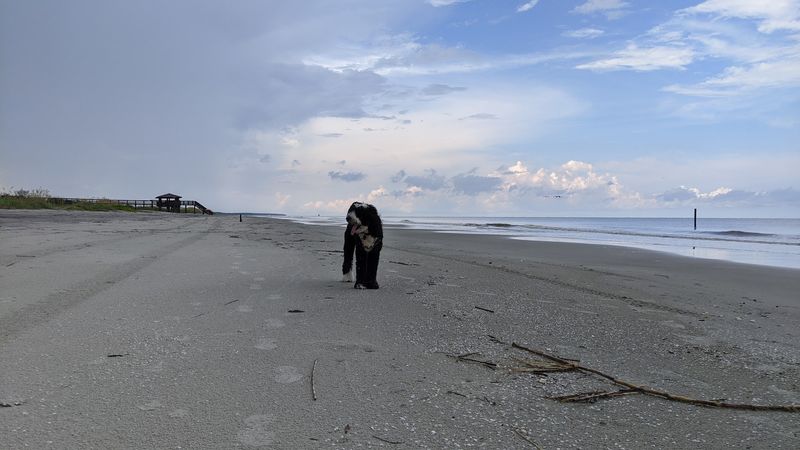
Few activities match the quiet satisfaction of a long, unhurried walk along a natural beach with nowhere specific to be. At Nanny Goat Beach, beachcombing takes on an almost meditative quality because the environment encourages slowing down. There are no distractions, no food stands, and no background music, just sand, water, and whatever the tide has left behind.
Driftwood pieces here can be surprisingly sculptural, shaped by years of ocean travel before washing ashore. Alongside shells and wood, visitors occasionally find sponges, sea beans carried by ocean currents from as far as Central America, and fragments of coral. Each walk along the waterline offers a slightly different collection of finds depending on recent wave and wind conditions.
Comfortable walking shoes with good grip are advisable, as the sand near the dune line can be soft and shifting. Arriving at low tide maximizes the width of exposed beach and the variety of items available for exploration. A simple walk here tends to feel far more rewarding than expected.
10. Photography Opportunities Around Every Turn
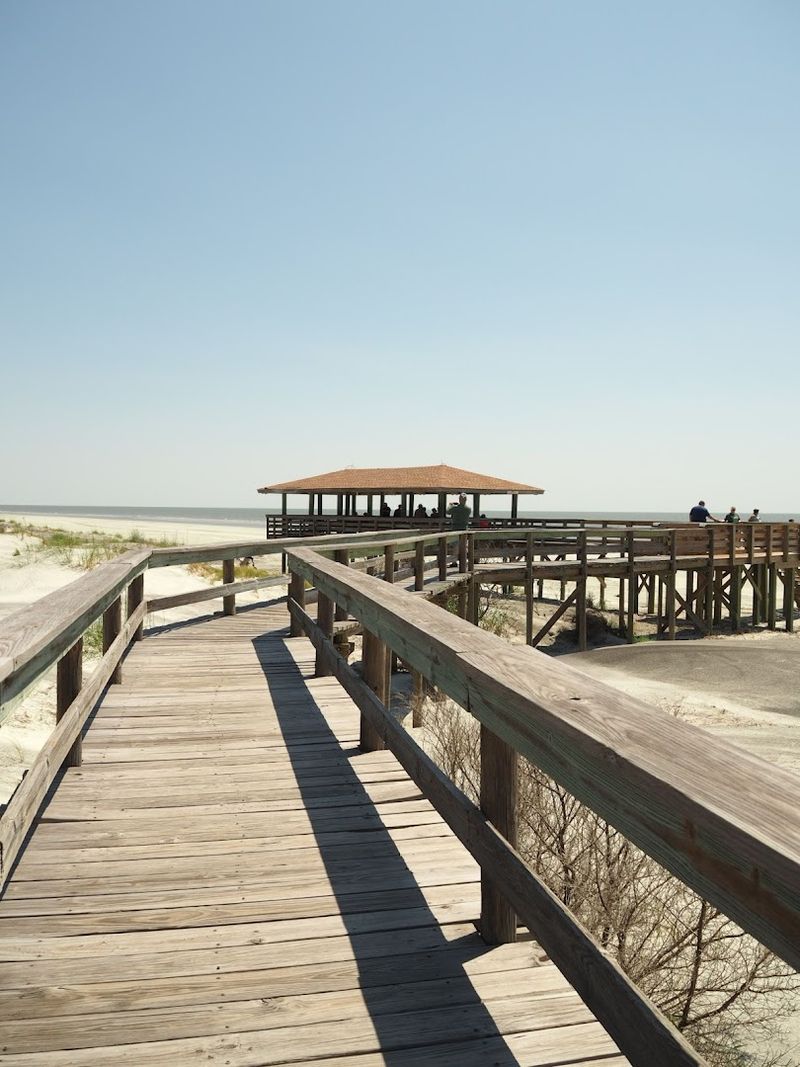
Golden hour at Nanny Goat Beach produces the kind of light that makes even a basic smartphone camera look like professional equipment. The combination of open sky, reflective wet sand, and undisturbed natural scenery creates compositions that feel effortless. Sunrise on the eastern-facing beach is particularly dramatic, with soft pinks and oranges spreading across a horizon completely free of buildings or infrastructure.
Wildlife photography is equally rewarding here. Shorebirds, wading herons, and the occasional sea turtle track in the sand provide subjects that mainland beaches rarely offer in such an undisturbed setting. The natural dunes and sea oat grasses create beautiful foreground framing elements for wide landscape shots.
Bringing a camera with a zoom lens significantly expands the range of subjects available, particularly for bird photography. Early morning and late afternoon offer the best light and the most active wildlife. Even photographers who consider themselves beginners tend to come home from Sapelo Island with images they are genuinely proud of.
11. Cultural Heritage Rooted in Gullah-Geechee Tradition
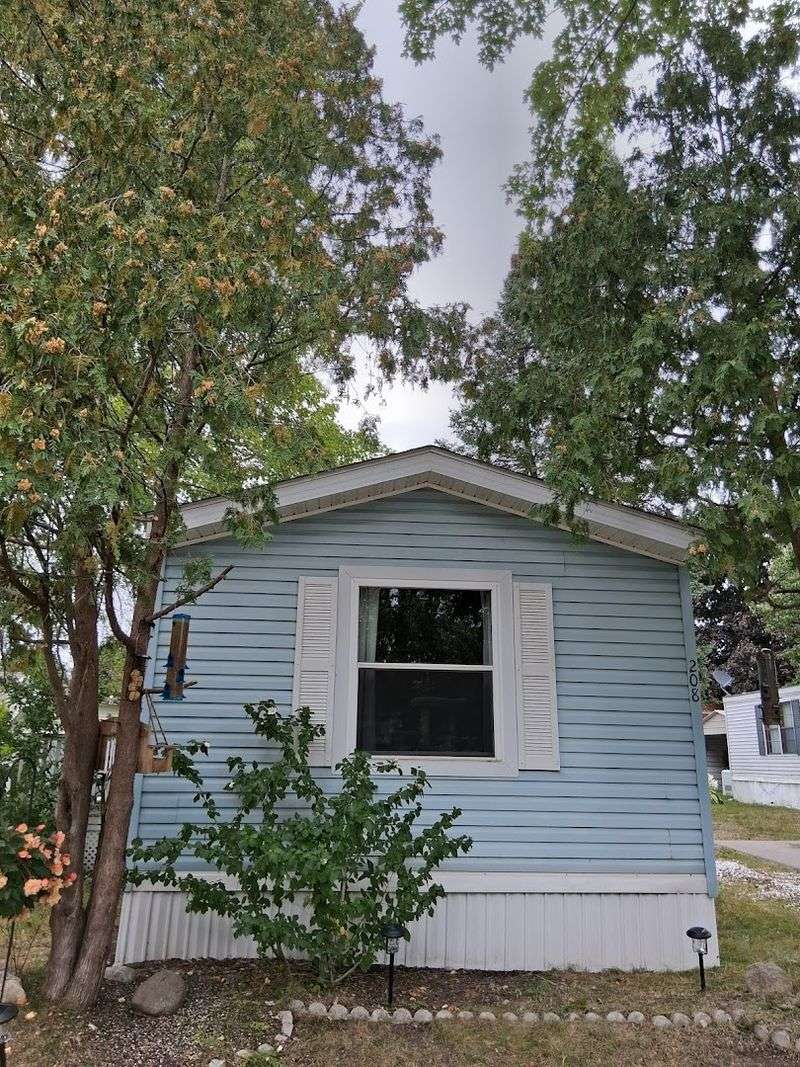
Sapelo Island holds a living piece of American history that many travelers never encounter anywhere else. The Hog Hammock community, home to descendants of enslaved Africans who worked the island’s plantations, represents one of the last remaining Gullah-Geechee communities on a Georgia barrier island. The culture, language, and traditions preserved here have been recognized nationally for their historical and anthropological significance.
Visiting Hog Hammock, located on Sapelo Island, McIntosh County, Georgia, offers a chance to engage respectfully with a community that has maintained its identity across generations despite considerable external pressure. Local community members sometimes offer tours and cultural demonstrations that include traditional crafts, storytelling, and food traditions rooted in West African heritage.
Approaching this aspect of the visit with genuine curiosity and respect creates a far more meaningful experience than treating it as a sightseeing stop. Supporting local guides and businesses during a visit directly benefits the community and helps sustain the cultural traditions that make Sapelo Island genuinely unlike any other place in Georgia.
12. Ecological Research That Puts Conservation in Context
Not many beach destinations come with an active scientific research station attached, but Sapelo Island does. The Sapelo Island National Estuarine Research Reserve has operated on the island for decades, conducting long-term studies on salt marsh ecology, water quality, and the effects of climate change on barrier island systems. The research happening here directly informs conservation policy across the southeastern United States.
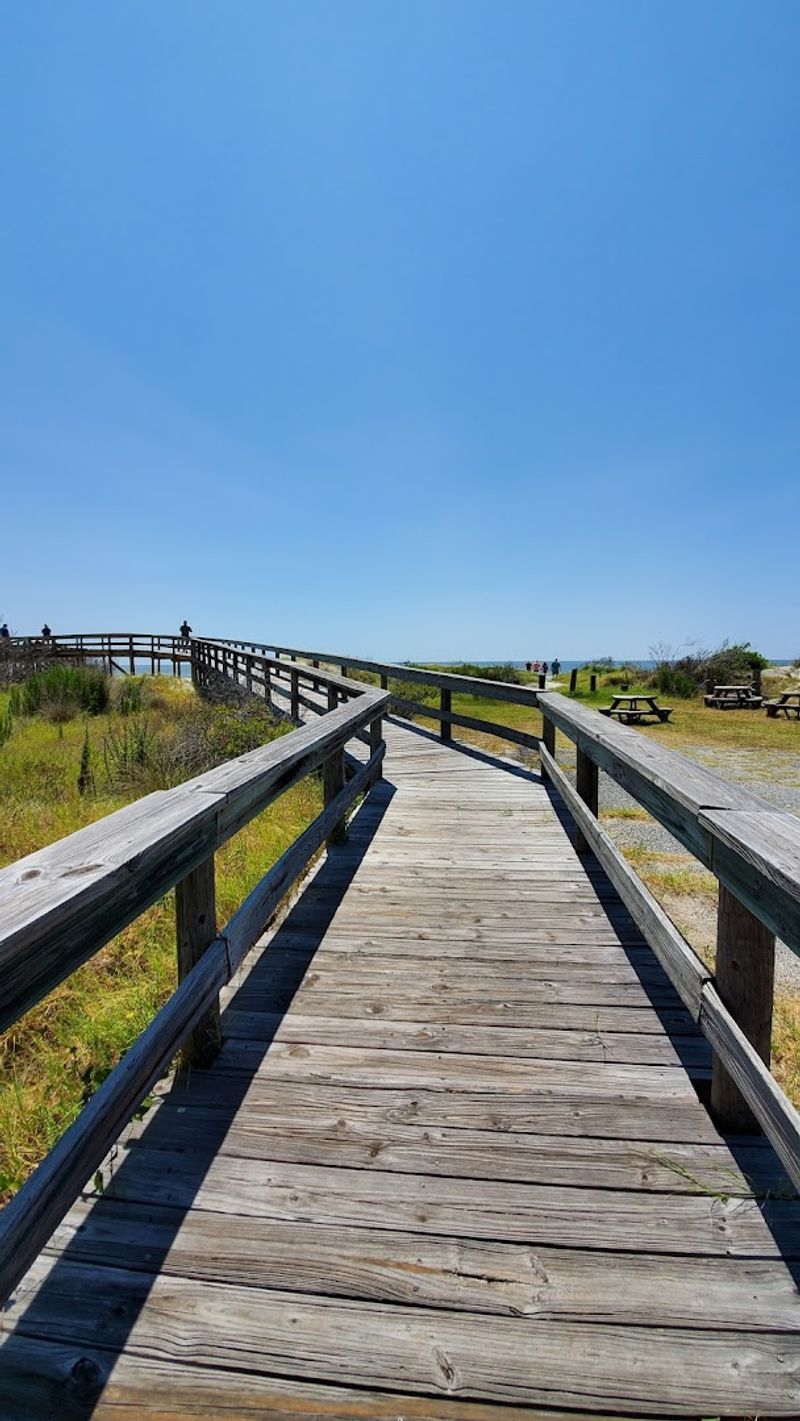
The reserve, located on Sapelo Island in McIntosh County, Georgia, occasionally opens its work to public interpretation through guided programs and informational signage along the Nanny Goat Beach boardwalk. Visitors who take time to read these materials leave with a much clearer understanding of why estuarine ecosystems matter for fisheries, storm protection, and carbon storage.
Knowing that a beach visit contributes to the visibility and value of a protected research site adds a layer of purpose to the trip. Conservation areas that welcome thoughtful visitors tend to receive stronger public support, which ultimately benefits the long-term protection of places like Nanny Goat Beach.
13. Access to Remarkable Attractions Beyond the Beach
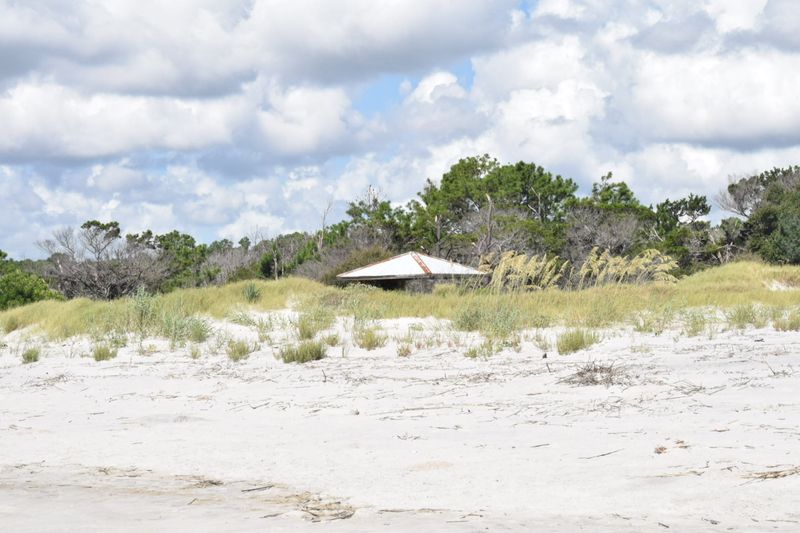
Nanny Goat Beach is an excellent anchor for a day trip that covers far more than just sand and surf. Sapelo Island packs a surprising number of notable attractions into a relatively compact area, making it easy to combine a beach visit with exploration of the island’s other highlights. The Sapelo Island Lighthouse, one of the oldest lighthouses in Georgia, is a short distance from the beach and well worth a stop.
The lighthouse, located on Sapelo Island in McIntosh County, Georgia, dates to 1820 and has been carefully restored. Its distinctive candy-stripe pattern makes it one of the more photogenic structures on the Georgia coast. The Reynolds Mansion grounds are also accessible during certain tour schedules, offering a glimpse into the island’s 20th-century history.
Planning a visit that combines the beach, the lighthouse, and a walk through Hog Hammock creates a well-rounded day that covers natural beauty, history, and living culture in a single trip. Ferry schedules typically allow enough time for all three if the day is organized thoughtfully.
14. Unique Flora Including the Resilient Sea Oat
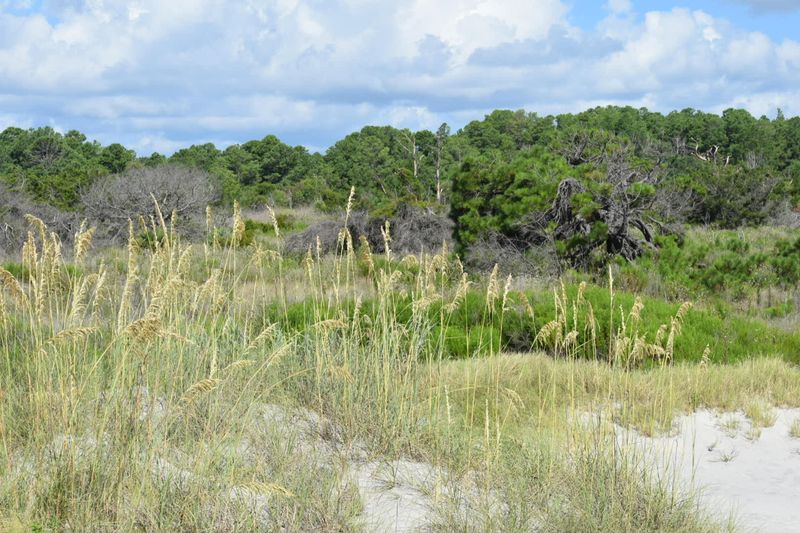
The plant life at Nanny Goat Beach is as compelling as the wildlife, especially for visitors who pay attention to the details underfoot. Sea oats dominate the upper dune zones, their feathery seed heads swaying in the coastal breeze in a way that is both graceful and purposeful. These plants are protected under Georgia law because of their critical role in anchoring dune sand and preventing erosion.
Beyond sea oats, the dune and swale areas support a variety of salt-tolerant plants including beach morning glory, sea rocket, and yucca. These species have adapted to survive in conditions that would challenge most plants: intense sun, salt spray, shifting sand, and periodic flooding. Their resilience is quietly impressive once a visitor learns to recognize them.
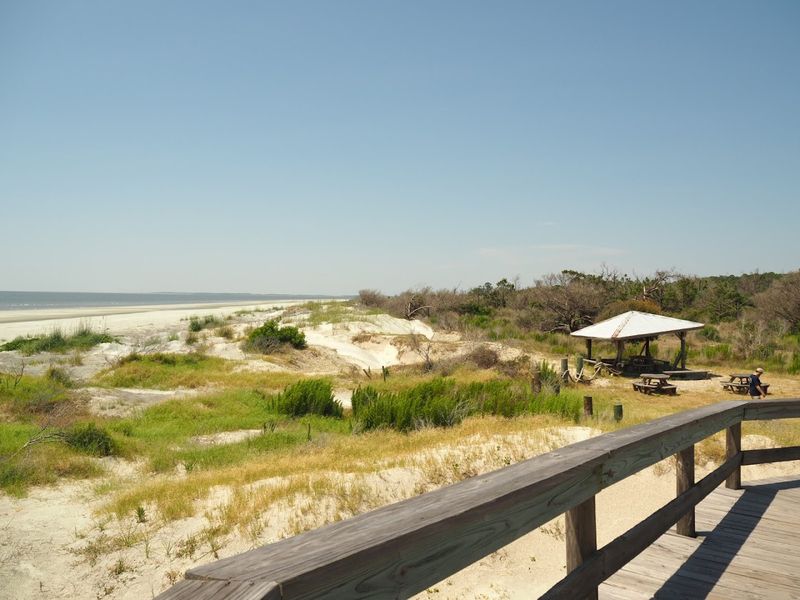
Staying on designated paths protects these plants from foot traffic damage, which can destabilize dune systems surprisingly quickly. Interpretive signs along the Nanny Goat Beach boardwalk identify several key species, making a slow, observant walk through the dune area feel like a worthwhile mini nature lesson for all ages.
15. An Unspoiled Environment That Feels Genuinely Rare
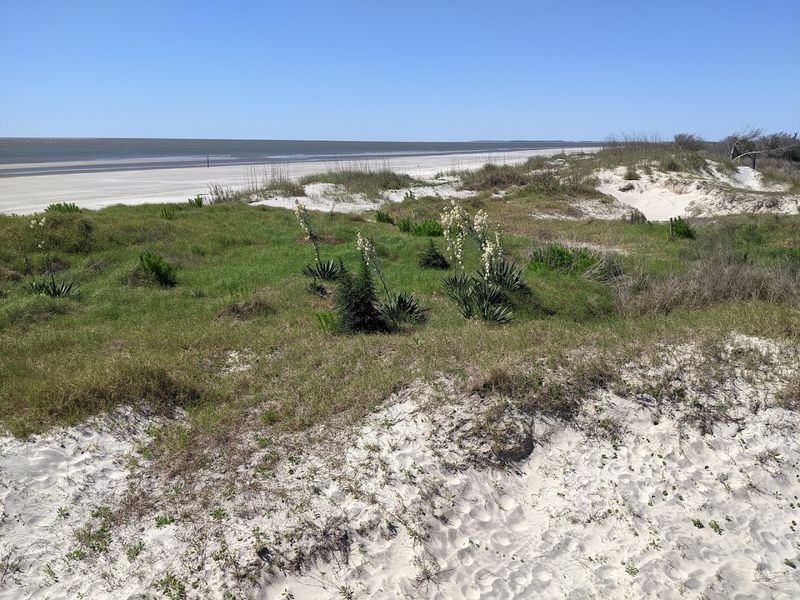
There is something quietly radical about a beach that has never been developed. No hotels line the horizon, no parking lots crowd the approach, and no signage competes for attention with the natural landscape. Nanny Goat Beach exists in a state that most American beaches lost decades ago, and that authenticity is something travelers in 2026 are actively seeking out.
The remoteness of Sapelo Island has functioned as its best preservationist. Because reaching the island requires taking the state-operated ferry from the Meridian Ferry Dock in Meridian, Georgia, casual drive-by tourism simply does not happen here. Every person who arrives has made a deliberate choice to be there, which creates a visitor community that tends to be respectful and engaged.
That collective mindfulness shows in how the beach looks. Litter is rare, wildlife is undisturbed, and the overall atmosphere carries a calm that feels earned rather than manufactured. For travelers tired of carefully curated nature experiences, Nanny Goat Beach offers something far more satisfying: the real thing.