Treasure Hunters From All Over Missouri Are Flocking To This Giant Flea Market
Nobody warns you about the scale of it.
You follow the signs down a rural Missouri road expecting something modest and manageable, the kind of flea market you can cover in an hour with a cup of coffee and a vague sense of purpose.
Then, you turn into the lot and your brain quietly recalibrates everything it thought it knew about the word large. Eighty acres.
Hundreds of vendors.
People who drove from three states away and brought their own golf carts because they have done this before and they know what they are dealing with.
I had not done this before, which meant I did everything wrong on the first visit and had the time of my life anyway.
Missouri has been running this particular event since 1948, which means it was already a legend before most of the people currently shopping here were born.
If you have never made the drive out to this corner of the state on a market weekend, you are genuinely missing something.
The Place That Catches You Off Guard
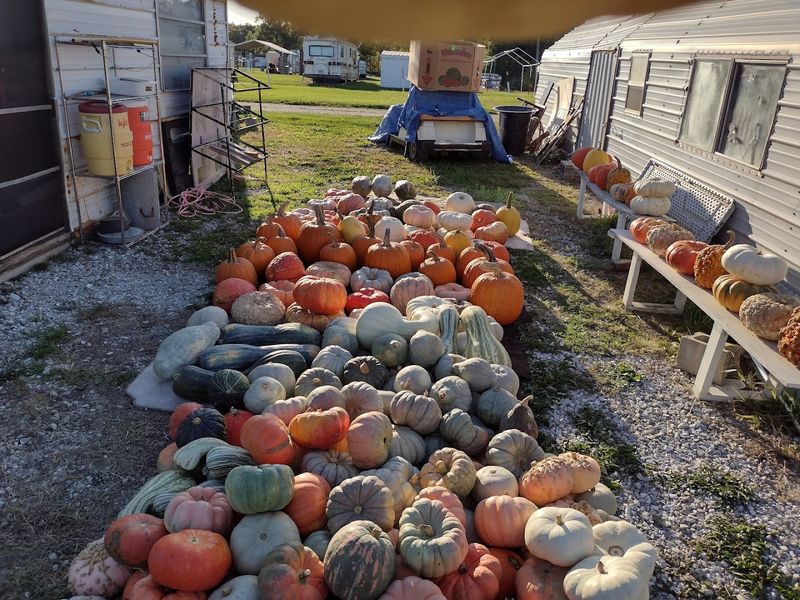
Rutledge Flea Market is the kind of place that makes you wonder how you went this long without knowing it existed.
Set along a quiet stretch of Missouri highway, it draws buyers and sellers from across the state every weekend. The scale of it catches you off guard.
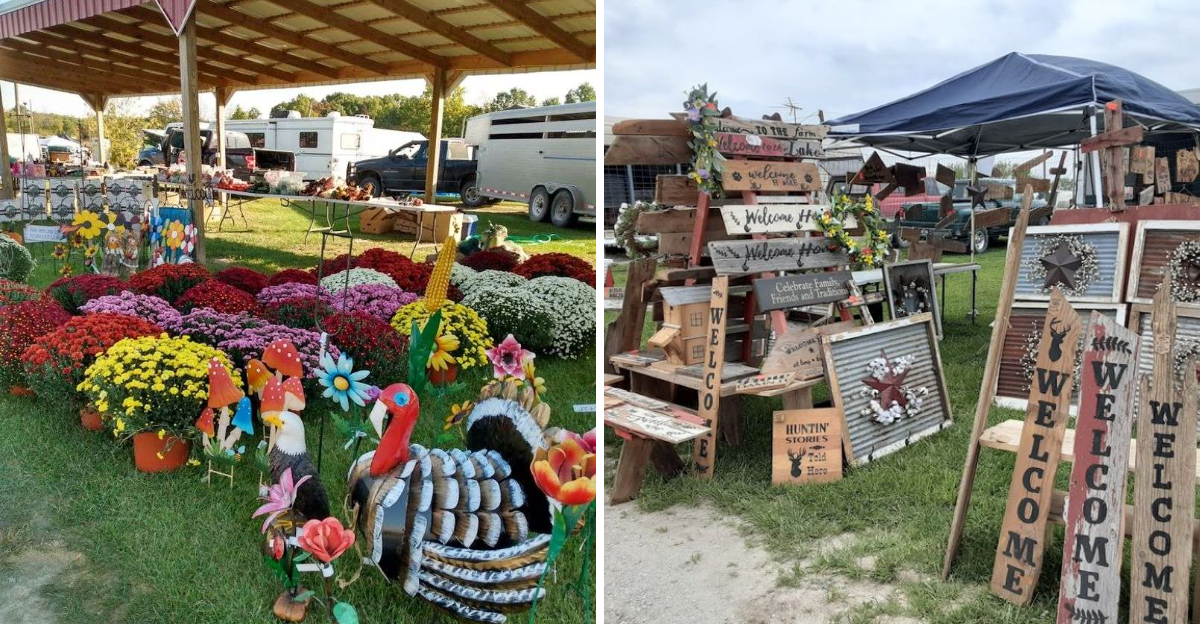
Vendors line up with everything from vintage tools to handmade crafts to furniture that looks like it came straight out of a farmhouse attic.
The layout sprawls across a large open area, giving each booth enough room to breathe. You never feel rushed or crowded.
What makes this market stand out is the mix of people. Serious collectors show up early.
Casual browsers arrive mid-morning. Families wander through with kids in tow.
Everyone finds something worth stopping for. The atmosphere feels genuinely welcoming, not performative.
If you have never made the trip out to Rutledge, this is the reason to finally go. Missouri has plenty of flea markets, but few carry this much character in one place like the one located at 46001 State Hwy V, Rutledge, Missouri.
Bring cash, wear comfortable shoes, and leave the trunk empty.
The Vendors Who Make Every Visit Unpredictable
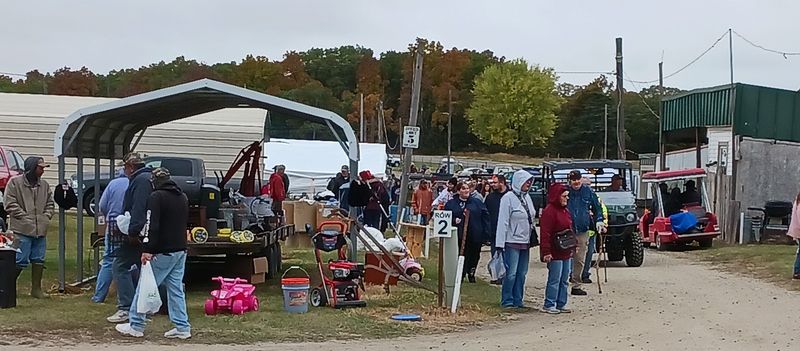
No two weekends at this market look the same, and that is entirely by design.
The vendor roster rotates regularly, which means a booth selling cast iron cookware one Saturday might be replaced by someone hawking baseball card collections the next. You genuinely never know what you will find.
Some vendors are regulars who have built loyal followings. Shoppers seek them out specifically, sometimes arriving before the gates open just to get first pick.
That kind of dedication tells you something real about the quality on offer.
Other sellers are first-timers clearing out a garage or a grandparent’s house. Those booths tend to be the most interesting because the pricing is unpredictable and the stories behind the items are even better.
I once found a hand-painted ceramic rooster next to a stack of 1970s encyclopedias. Both were priced at one dollar each.
Talking to the vendors is half the experience. Most are happy to share where something came from or why they are selling it.
That kind of conversation turns a shopping trip into something closer to an afternoon well spent. Plan to stay longer than you think you need to.
Antiques And Collectibles That Serious Shoppers Chase
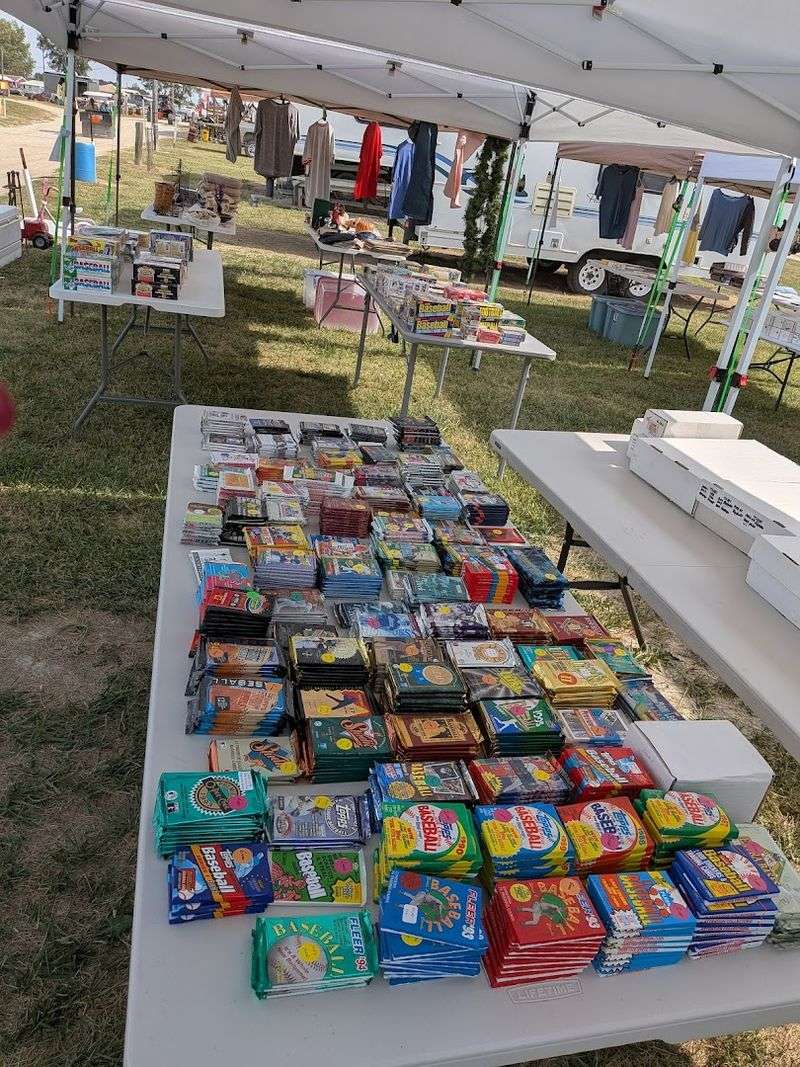
Collectors drive hours for markets like this one. The antique selection at Rutledge changes constantly, which keeps the regulars coming back with the same excitement every single time.
There is no catalog and no online preview. You show up and see what the week brought in.
Vintage glassware shows up often, especially Depression-era pieces in soft greens and pinks. Old farm tools appear regularly too, the kind with wooden handles worn smooth from decades of actual use.
Tin signs, cast iron, pottery, and mid-century kitchen items all cycle through depending on who sets up that weekend.
The pricing here tends to be more reasonable than what you find in antique shops closer to the city. Part of that is the rural location.
Part of it is that sellers here are often motivated to move inventory rather than sit on it for months waiting for the right buyer.
For anyone building a collection on a budget, this market is a serious resource. You need patience and a sharp eye, but the payoff is real.
I have seen pieces here that would retail for triple the price in Kansas City.
Bring a list of what you are hunting and stay flexible.
Furniture Finds That Would Cost A Fortune Elsewhere
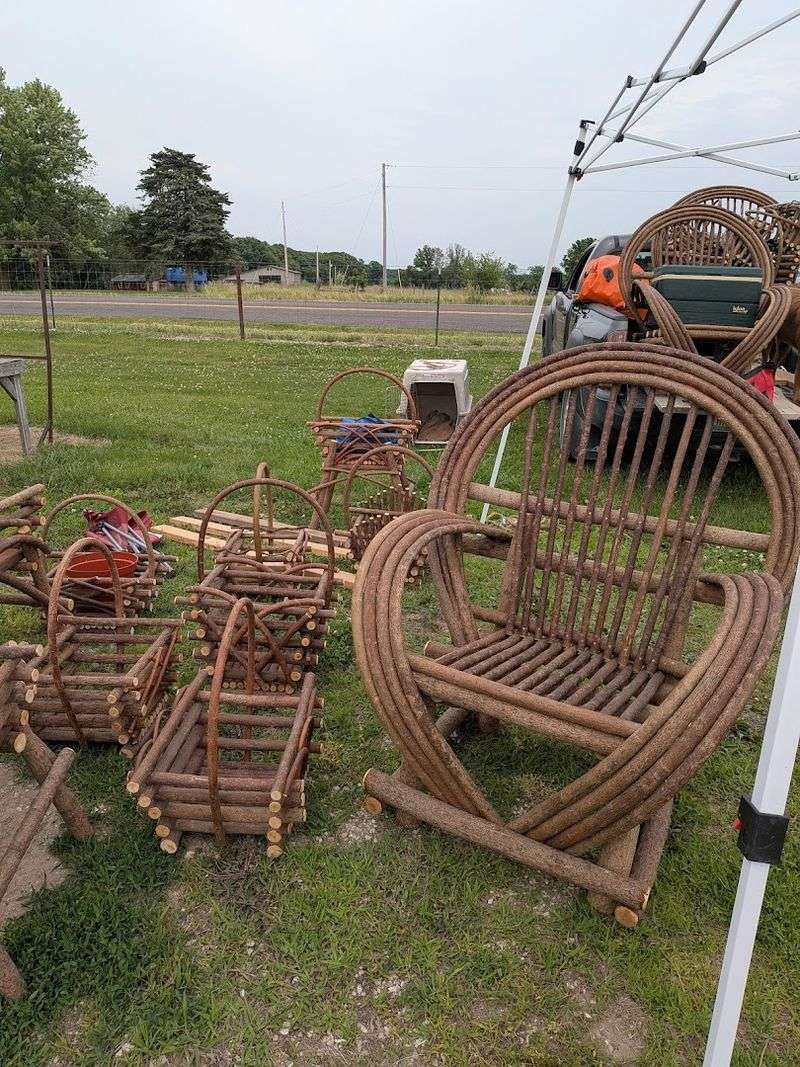
Furniture hunting at a flea market requires a certain mindset. You are not shopping for perfection.
You are shopping for character, and this market delivers that in abundance.
Solid wood pieces show up regularly, and the prices reflect the outdoor setting rather than a showroom floor.
Wooden dressers with original hardware, ladder-back chairs with hand-tied seats, and side tables with the kind of patina that takes decades to develop are common finds here.
Most pieces need at least a little work, but that is part of the appeal for buyers who enjoy a project.
Hauling furniture is the one logistical challenge worth planning for. Bring a truck or borrow one from a friend who owes you a favor.
Some sellers will help you load if you ask nicely, but do not count on delivery.
This is a cash-and-carry situation.
The reward for all that effort is a dining room chair or a bookcase with an actual story behind it. That matters to a lot of people, and it matters more than matching a catalog.
If you are furnishing a home on a creative budget, this market is one of the most practical stops in northern Missouri.
Handmade Goods From Local Craftspeople
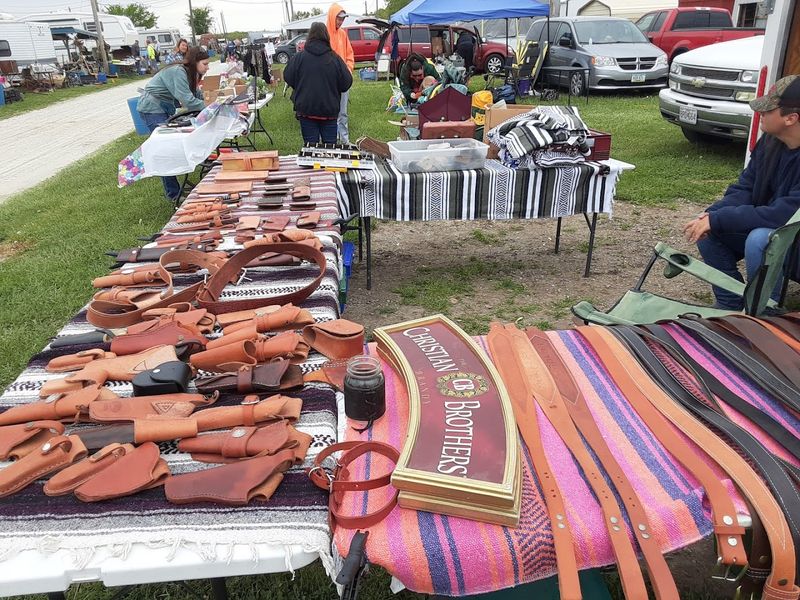
Not everything at this market is old. A solid portion of the booths feature handmade goods from people who live within driving distance of Rutledge.
Quilts stitched by hand, small woodworked items, hand-painted signs, and sewn goods show up regularly alongside the vintage merchandise.
These booths tend to attract a different kind of shopper. People who want something original and locally made rather than mass-produced.
The quality varies, as it does with any handmade market, but the effort behind each item is obvious. You are buying from someone who made the thing themselves, and that changes the transaction entirely.
Prices on handmade goods are usually fair given the labor involved. A hand-stitched quilt that took weeks to complete is not going to cost what you would pay at a department store, but it will cost more than a dollar.
Budget accordingly and appreciate the value for what it actually is.
If you find a craftsperson whose work you like, ask if they sell online or attend other markets. Many of them do, and staying connected to local makers is a genuinely good habit.
Supporting someone’s craft at a rural Missouri flea market is a small act with a real impact.
The Early Bird Advantage That Regulars Swear By
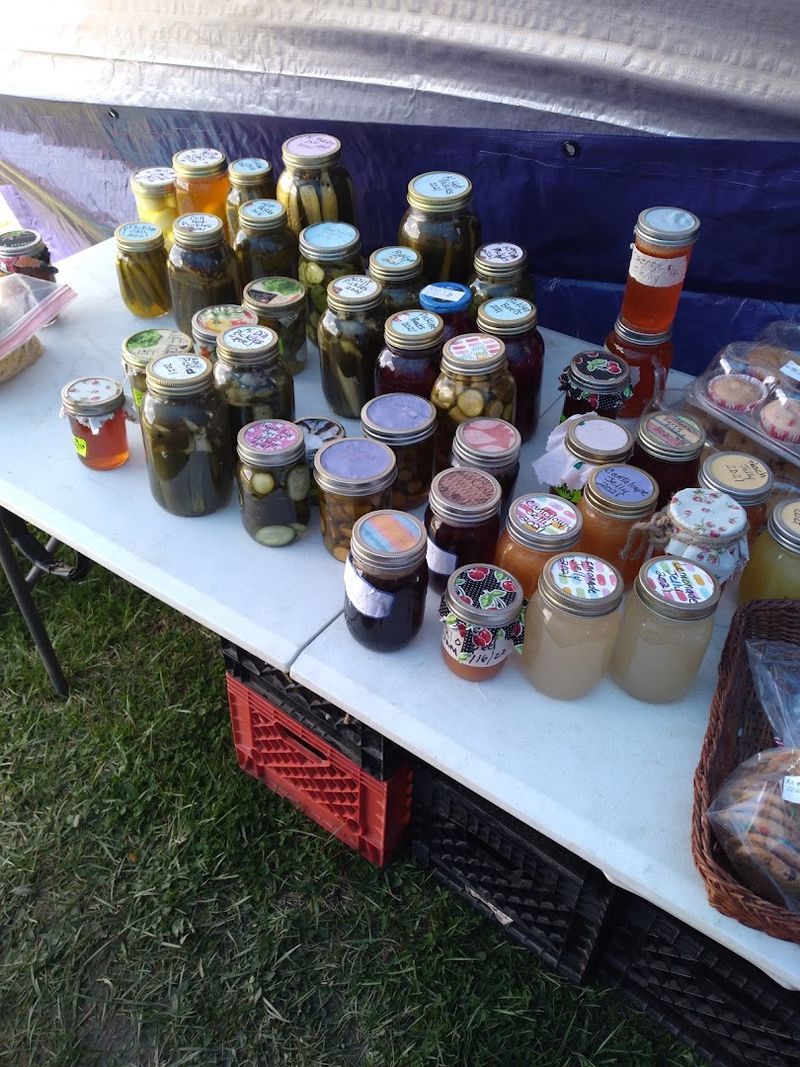
Ask anyone who shops flea markets seriously and they will tell you the same thing: arrive early or accept the leftovers.
The best pieces at Rutledge move fast, and the sellers who know what they have priced things to sell, not to sit. Hesitation is expensive at a market like this.
Arriving early also means you get to watch the market come to life.
Vendors are still setting up, which gives you a chance to spot things before they are fully displayed. Some buyers make deals while items are still being pulled out of boxes.
That takes confidence, but it works.
The energy in the first hour is different from mid-afternoon. There is a focused buzz that fades as the day goes on.
By noon, the serious collectors have already made their moves and moved on.
What remains is still worth browsing, but the real action happens before most people finish their morning coffee.
Set your alarm, eat something before you go, and get there when the gates open. It sounds extreme until you watch someone else walk away with the exact thing you wanted.
After that happens once, you will never sleep in on market day again. The early habit sticks fast.
Pricing Culture And The Art Of The Reasonable Ask
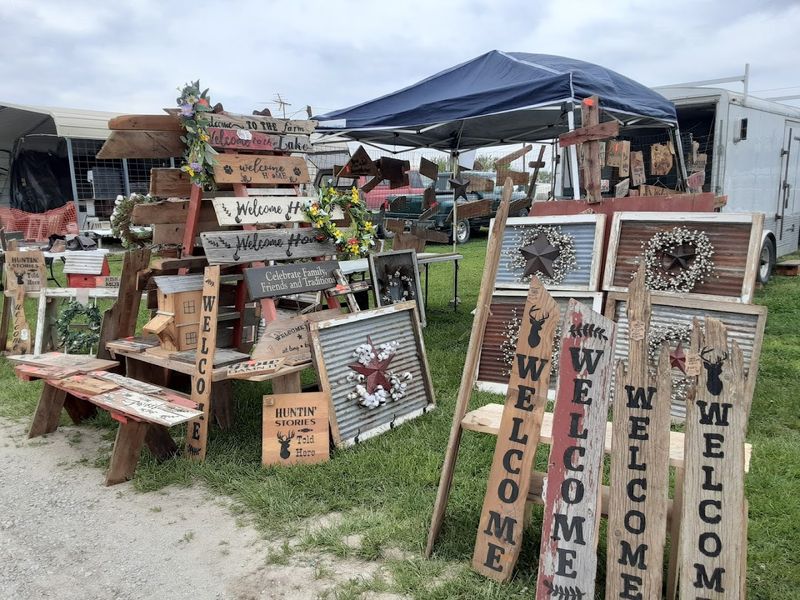
Flea market pricing follows its own logic, and Rutledge is no exception. Most prices are marked, but many are open to a conversation.
The key is to be respectful about it. A reasonable ask is welcome.
An insulting offer is remembered, and vendors talk to each other.
A good rule of thumb is to ask if the price is firm before throwing out a number. If the seller says yes, take them at their word or move on.
If they say no, you have room to work with.
Splitting the difference is usually a fair outcome for both sides.
Cash makes everything smoother. Some vendors accept cards or payment apps, but cash remains the preferred currency at most outdoor markets.
Having small bills helps too.
Asking someone to break a hundred for a three-dollar item is not a great way to start a negotiation.
The culture here is friendly and low-pressure. Nobody is going to chase you down the aisle.
If something catches your eye and the price feels off, walk away and come back.
Sometimes that is all it takes for a deal to happen naturally. Patience and politeness go further than any bargaining tactic at a place like this.
Why Missouri Shoppers Keep Coming Back Season After Season
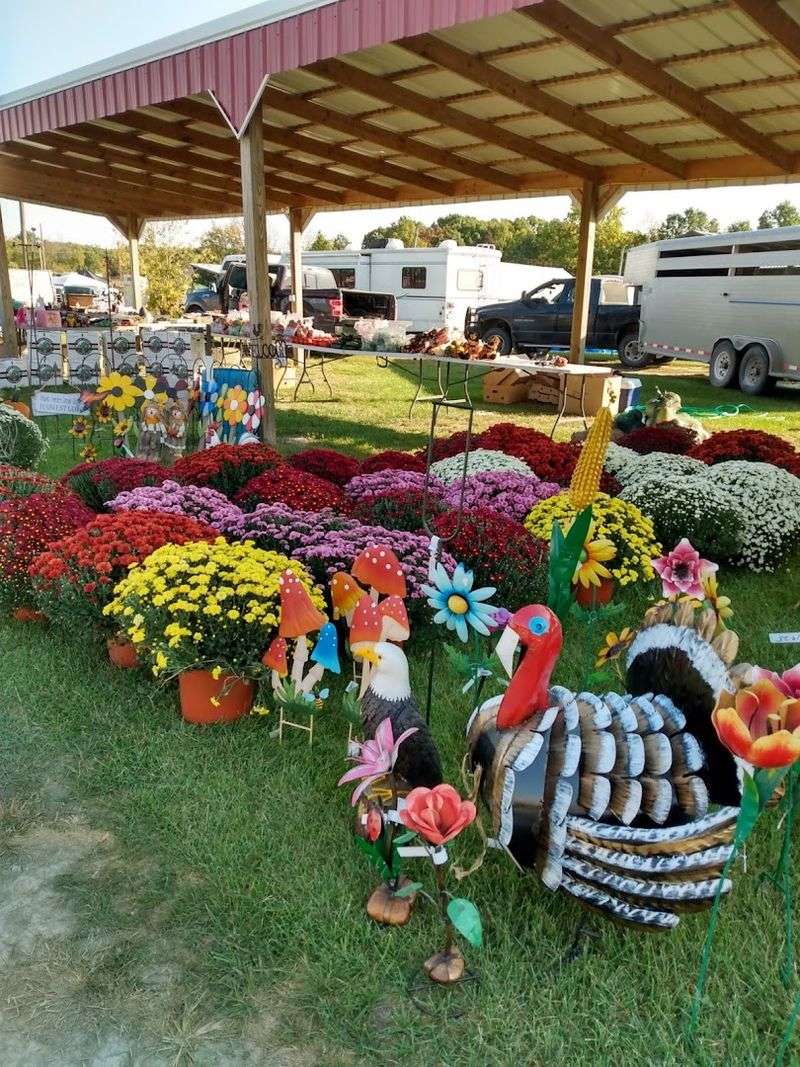
Repeat visitors to Rutledge will tell you the market earns its reputation through consistency. It shows up, it delivers variety, and it treats buyers and sellers with the same level of respect.
That reliability is rarer than it sounds in the world of outdoor markets.
Word of mouth is what built this market’s following. Missouri is not a small state, and people are making long drives specifically for this stop.
That kind of loyalty does not happen because of advertising.
It happens because the experience holds up every time someone makes the trip.
The setting plays a role too. Rural northern Missouri has a pace to it that feels different from shopping in a city.
The drive out is part of the experience.
You arrive a little slower, a little more open to discovery, and that mindset makes you a better shopper.
Coming back season after season is how you learn the rhythms of a market like this. You start to recognize which vendors show up in spring, which ones come in fall, and which booths always have the best kitchen finds.
That knowledge is earned through visits, not research. The market rewards the curious and the consistent in equal measure.