The 2-Ton Iron Horse Sent To A Cornfield Georgia’s Most Relocated Monument
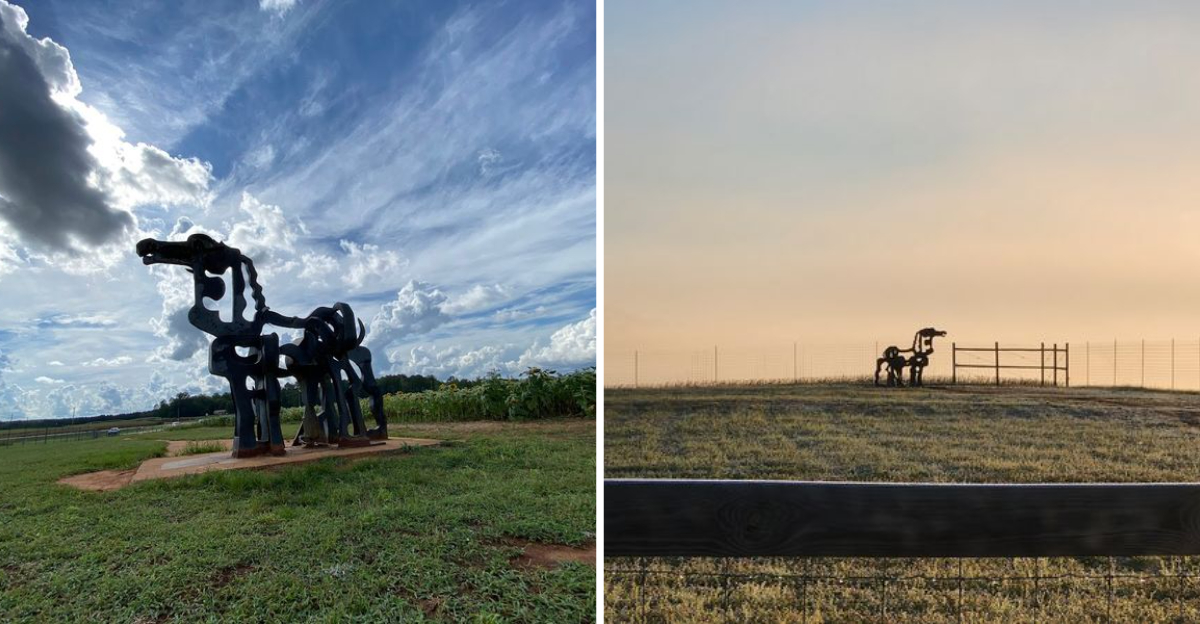
Along a quiet stretch of land between Athens and Watkinsville, Georgia, an unusual landmark rises from the countryside and captures the curiosity of nearly everyone who passes by. The Iron Horse, a striking steel sculpture created in 1954 by artist Abbott Pattison, has become one of the region’s most talked about works of public art.
Standing twelve feet tall and weighing nearly two tons, the sculpture has lived a dramatic life that few artworks could match. Over the decades it has been relocated, damaged, restored, and even knocked down by powerful storms, yet it continues to return as a symbol of persistence and creativity.
Surrounded by open farmland, the sculpture feels both unexpected and unforgettable. Its story blends art, local culture, and a touch of controversy, making the Iron Horse a fascinating piece of Georgia history that still sparks curiosity today.
1. The Sculptor Behind the Iron Horse
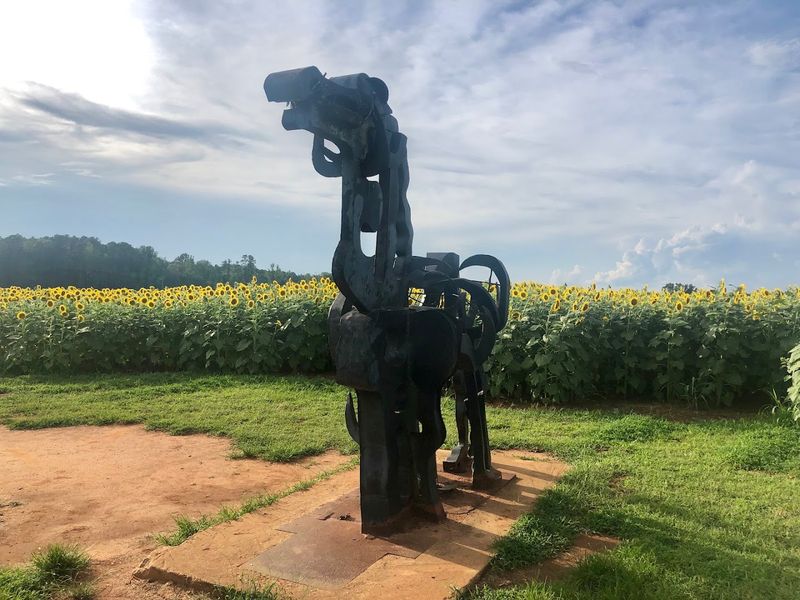
Abbott Pattison was not a quiet artist. Known for pushing boundaries in American sculpture during the mid-20th century, he created the Iron Horse in 1954 while serving as an artist-in-residence at the University of Georgia in Athens. The piece was bold, abstract, and unlike anything the campus had seen before.
Pattison titled the work “Pegasus Without Wings,” a nod to the mythological winged horse stripped of its most magical feature. That choice alone says a lot about his artistic philosophy grand ambition grounded in raw, earthly material. Steel was his medium, and emotion was his message.
His career spanned decades and included work displayed in major museums across the United States. Yet the Iron Horse, sitting on a Georgia farm, may be among his most talked-about pieces not because of where it ended up, but because of everything it survived to get there.
2. What the Sculpture Actually Looks Like
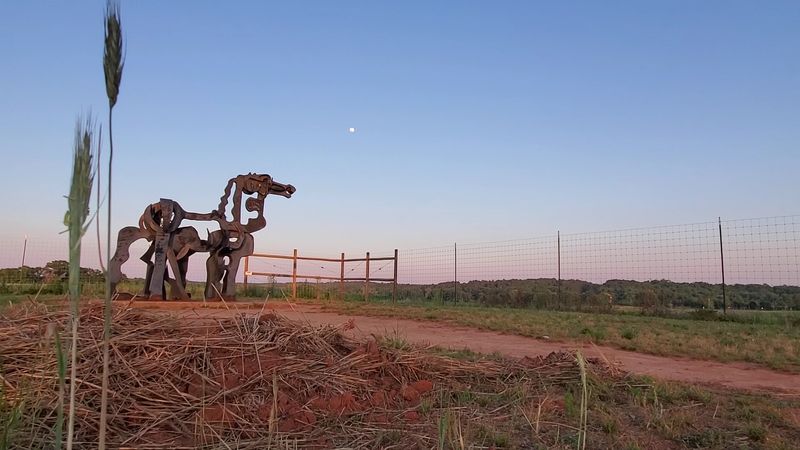
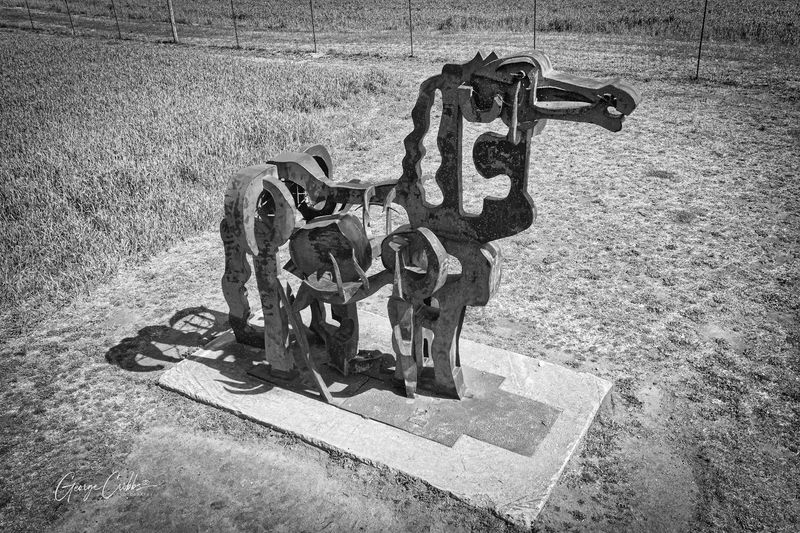
Standing 12 feet tall and weighing a full 2 tons, the Iron Horse is not something you stumble past without noticing. Crafted from welded steel, the sculpture captures the raw energy of a horse in motion muscular, angular, and slightly unnerving in the best possible way.
Unlike traditional equestrian statues that show polished, realistic horses, this one leans heavily into abstraction. The limbs are exaggerated, the body blocky, and the overall form feels more like a force of nature than a farm animal. That’s exactly what made it controversial when it first appeared on the UGA campus.
Over the years, weathering and restoration have given the surface a layered, textured look that only adds to its character. Seeing it up close at the Iron Horse Plant Sciences Farm near Watkinsville, Georgia, visitors often describe the experience as unexpectedly powerful like meeting something ancient and alive at the same time.
3. Its Controversial Debut at UGA
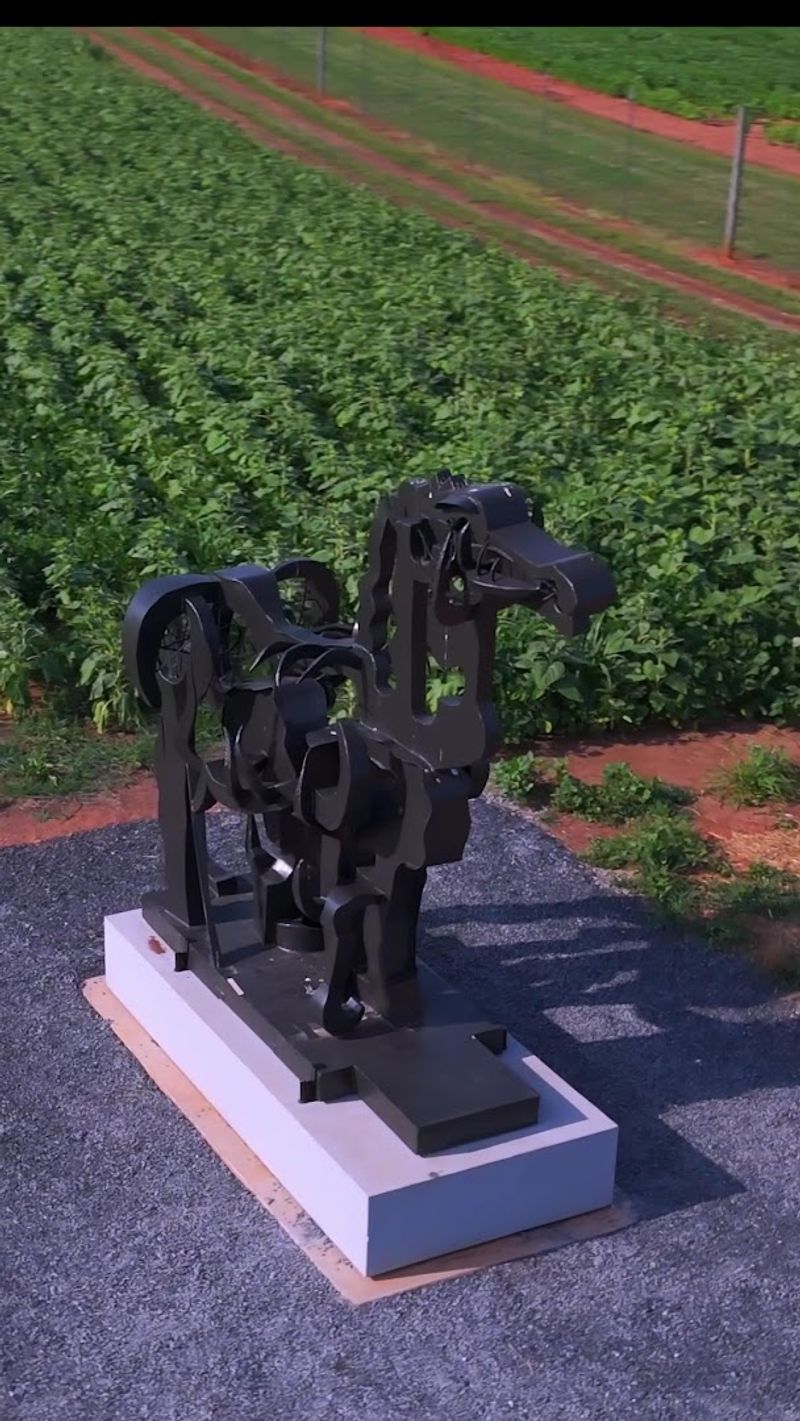
When the Iron Horse was first installed outside Reed Hall on the University of Georgia campus in Athens, the reaction was anything but warm. Students in the mid-1950s were not particularly prepared for large-scale abstract art sitting in their daily path, and many made their feelings known in very direct ways.
Vandalism started almost immediately. The sculpture was scratched, painted, and physically damaged by students who either found it ugly, confusing, or simply fun to mess with. Campus art had never quite triggered this level of reaction before, which ironically says a lot about how impactful the piece actually was.
University officials eventually decided the safest option was to remove the sculpture entirely and place it in storage. Rather than being celebrated, the Iron Horse spent its early years hidden away — a rough start for a piece that would eventually become one of Georgia’s most enduring and beloved public art landmarks.
4. The Move That Sent It to a Farm
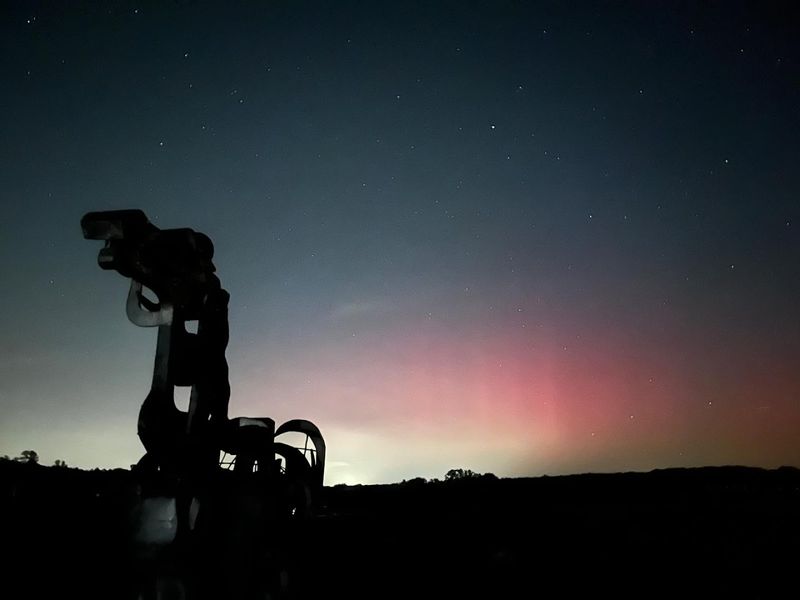
In 1959, a UGA horticulture professor named L.C. Curtis stepped in with an unusual solution to the university’s unwanted sculpture problem. Rather than letting the Iron Horse rust in storage or be scrapped entirely, Curtis relocated it to his personal farm near Watkinsville, Georgia, roughly 25 miles south of Athens.
The decision was equal parts practical and visionary. Curtis had both the land and the appreciation for something that others had dismissed too quickly. On the farm, the sculpture found breathing room — literally and figuratively surrounded by open fields instead of skeptical students.
That farm eventually became part of the University of Georgia’s agricultural research network, and the Iron Horse came along for the ride. Today, the site is known as the Iron Horse Plant Sciences Farm, a working UGA research facility where the sculpture stands as both a historical artifact and an unexpected piece of rural Georgia charm.
5. How It Got the Name Iron Horse
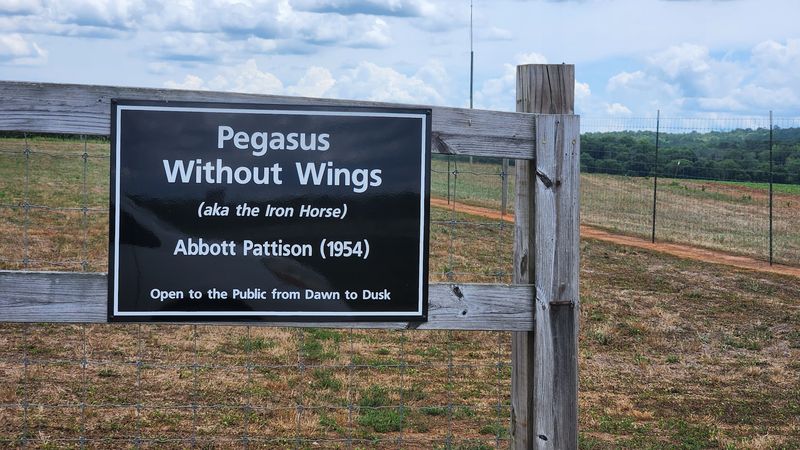
Pattison originally called the work “Pegasus Without Wings,” but that name never really stuck with the public. Over time, students, faculty, and locals simply started calling it the Iron Horse and that straightforward nickname turned out to be far more durable than the official title.
There’s something fitting about that evolution. The sculpture is made of iron and steel, it looks like a horse, and it has shown the kind of stubborn endurance that the phrase “iron horse” has historically represented. In American culture, the term has been used to describe everything from locomotives to Lou Gehrig, always carrying connotations of toughness and staying power.
The nickname reflects how people actually experience the piece rather than how the artist originally framed it. For generations of UGA students and Georgia residents, it has never needed a mythological reference to feel meaningful just four steel legs, a powerful frame, and a long, complicated history rooted in Georgia soil.
6. The Role of UGA in Its Preservation
The University of Georgia’s connection to the Iron Horse runs deeper than its original campus installation. When the Curtis family eventually sold their farm property to UGA, the sculpture became part of the university’s broader agricultural research holdings an unlikely but permanent home for a piece of fine art.
UGA’s stewardship has meant that the Iron Horse has received periodic professional attention, including cleaning, structural reinforcement, and repainting over the decades. Without institutional backing, a 2-ton outdoor steel sculpture exposed to Georgia’s humid climate would likely have deteriorated far beyond repair.
The Iron Horse Plant Sciences Farm, located near Watkinsville, Georgia, operates as a legitimate working research facility while also serving as the sculpture’s permanent address. It’s a quirky combination that only Georgia could pull off agricultural science and abstract art sharing the same red clay ground. UGA’s ongoing commitment ensures that the sculpture remains accessible to visitors and researchers alike.
7. Decades of Vandalism and Resilience
Vandalism followed the Iron Horse from its very first days on the UGA campus, and that pattern did not completely disappear once it moved to the farm. Over the decades, the sculpture was tagged, scratched, and occasionally damaged by those who either wanted to leave their mark or simply underestimated what the structure could withstand.
Each time, the Iron Horse came back. Restorations were carried out at various points throughout its history, with workers addressing corrosion, reinforcing structural joints, and applying fresh coats of paint to keep the steel protected from Georgia’s humid, often punishing weather conditions.
There’s a certain irony in the fact that a sculpture once deemed too ugly to keep on campus became worth protecting so carefully. The vandalism that once threatened to destroy it now reads more like a record of all the people who couldn’t quite ignore it which, in a way, is proof that the art was always working exactly as intended.
8. The Major 2024 Restoration
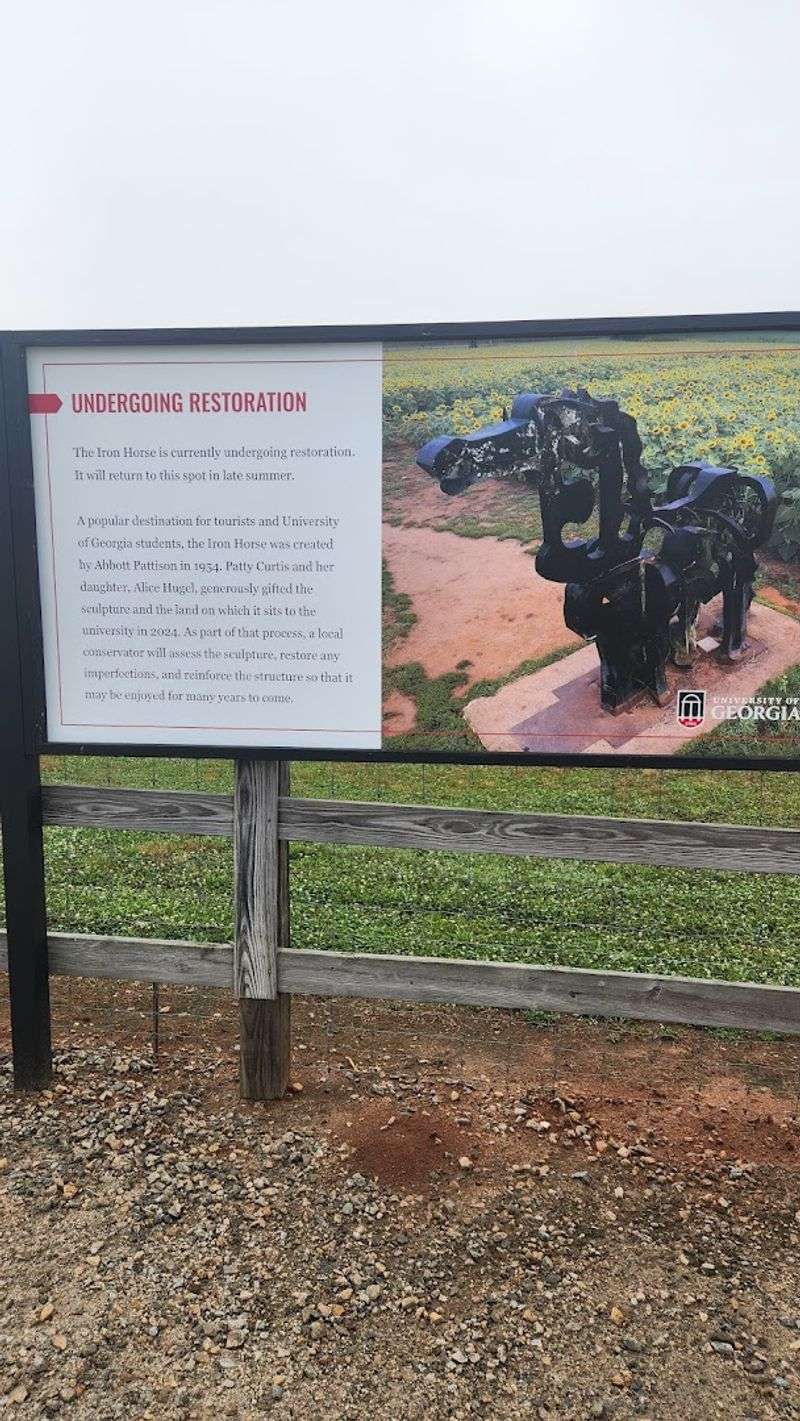
By 2024, the Iron Horse was overdue for a serious overhaul. Decades of outdoor exposure, Georgia humidity, and the occasional act of vandalism had taken a visible toll on the sculpture’s surface and structural integrity. A comprehensive restoration project was launched to address all of it at once.
The work involved much more than a fresh coat of paint. Conservators performed deep cleaning to remove built-up grime and biological growth, carefully addressed corrosion that had worked into the steel joints, and reinforced areas of the structure that had weakened over time. The goal was to ensure the piece could stand safely for another generation.
After months of work, the Iron Horse was reinstalled in November 2024 looking sharper and more stable than it had in years. The restoration drew attention from Georgia art enthusiasts and UGA alumni who had grown up knowing the sculpture as a permanent fixture of the state’s cultural landscape.
9. When a Storm Knocked It Down in 2025
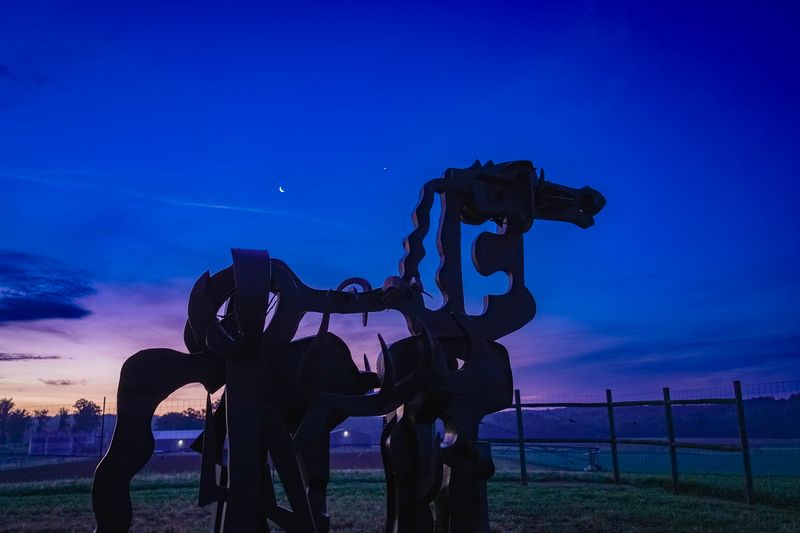
Just months after its 2024 restoration, the Iron Horse faced one of its most dramatic challenges yet. In February 2025, a severe storm system pushed through Georgia with wind gusts reaching between 60 and 70 miles per hour strong enough to topple a 2-ton steel sculpture that had been standing for decades.
The image of the Iron Horse lying on the ground was striking, almost cinematic. For many Georgia residents and UGA followers who saw news coverage of the event, it felt like watching an old friend take a fall. Social media responses ranged from genuine concern to dark humor, which is very much the Georgia way.
Fortunately, assessments after the storm found that the damage was minimal. Plans were quickly put in place to reinstall the sculpture, continuing a pattern that has defined its entire existence getting knocked down and coming right back up. The 2025 storm chapter may be the most dramatic verse in a very long ballad.
10. Why It Became a Student Tradition
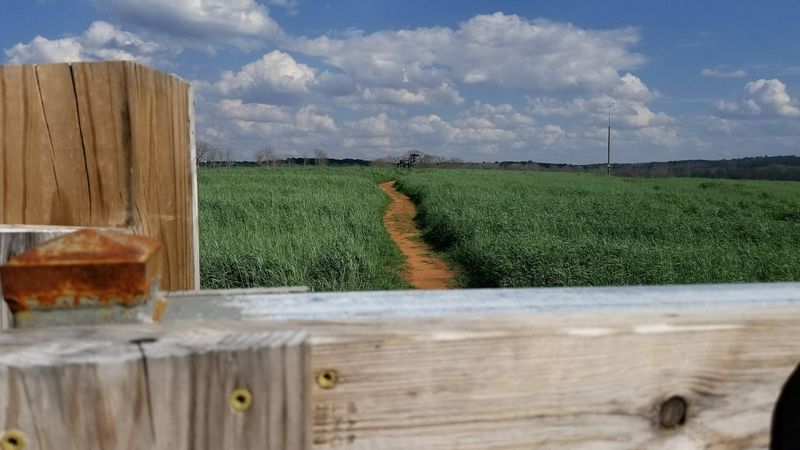
Somewhere between being vandalized and being restored, the Iron Horse quietly transformed from a campus embarrassment into a beloved tradition. UGA students began making pilgrimages out to the farm near Watkinsville, Georgia, treating a visit to the sculpture as something of a rite of passage an unofficial item on the college bucket list.
Part of the appeal is the journey itself. Getting to the Iron Horse Plant Sciences Farm requires a short drive out of Athens into the quieter, rural stretches of Oconee County. For students used to campus life, that trip feels like a small adventure, especially at sunset when the sculpture casts long shadows across the field.
The tradition has been passed down through generations of Bulldogs, with older students introducing the spot to younger ones each fall. What started as controversy has settled into affection the kind of complicated, earned love that only comes from a long shared history between a community and its most stubborn landmark.
11. Its Location Today: Iron Horse Plant Sciences Farm
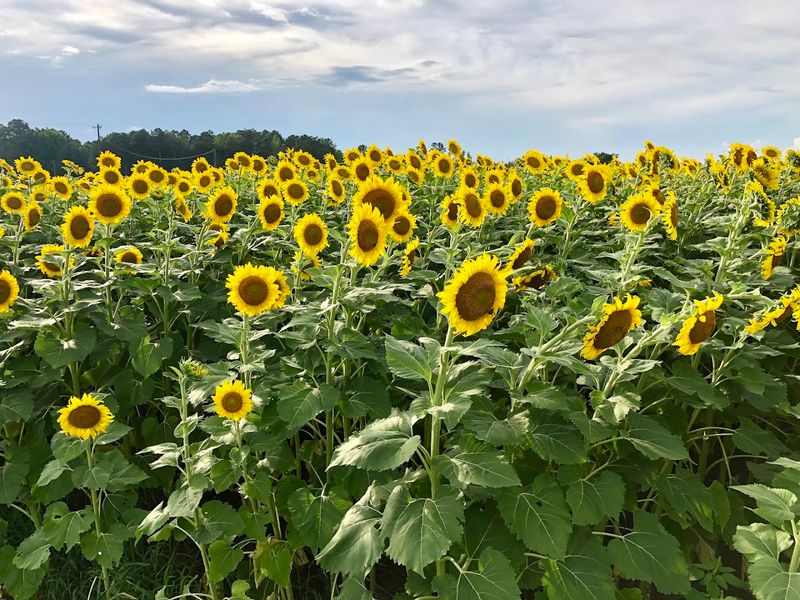
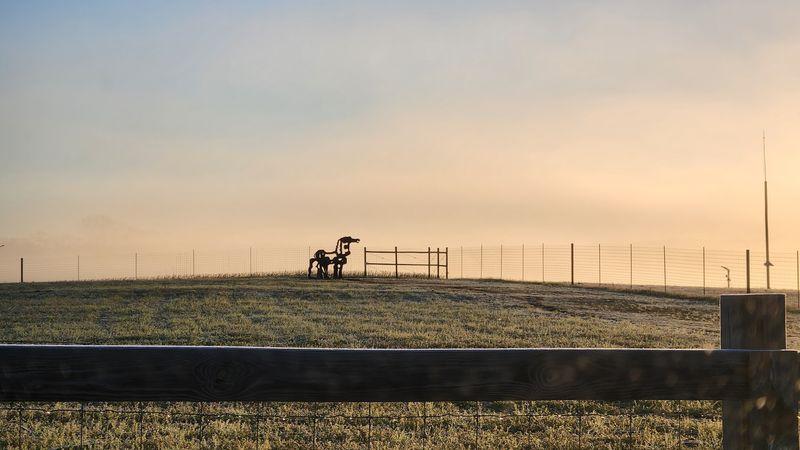
The current home of the Iron Horse is the UGA Iron Horse Plant Sciences Farm, a working agricultural research facility operated by the University of Georgia. Located near Watkinsville in Oconee County, the farm sits about 25 miles south of the Athens campus in a stretch of Georgia that feels genuinely rural and unhurried.
Visitors who make the drive are rewarded with an experience that feels refreshingly low-key. There are no ticket booths, no gift shops, and no crowds fighting for the best angle. Just open land, Georgia sky, and a 12-foot steel horse standing in the middle of it all like it owns the place — which, at this point, it kind of does.
The farm setting adds an unexpected layer of meaning to the sculpture’s story. Surrounded by research fields and working agricultural infrastructure, the Iron Horse feels less like a museum piece and more like a living part of Georgia’s landscape, rooted in both its academic and rural heritage.
12. The Shifting Public Perception of the Art
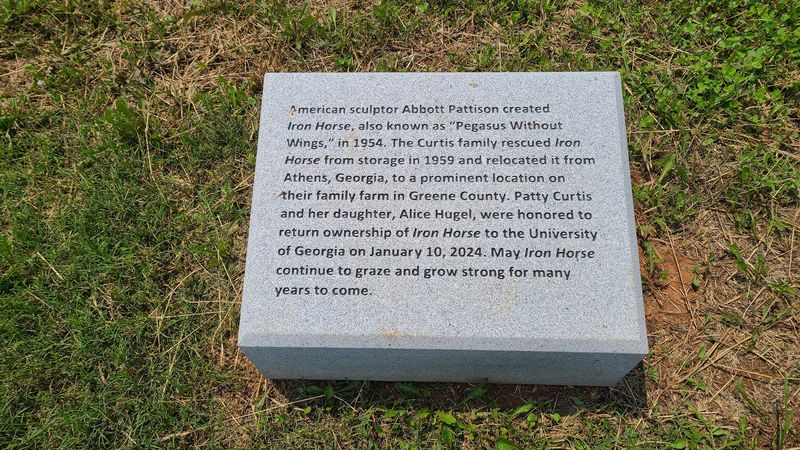
Few pieces of public art in Georgia have traveled such a dramatic arc in public opinion. When the Iron Horse first appeared on the UGA campus in the 1950s, it was met with mockery and physical abuse. Today, it is described by many as a cherished landmark, a symbol of resilience, and even a point of Georgia pride.
That shift didn’t happen overnight. It took decades of familiarity, a few rounds of restoration, and the slow accumulation of shared memories among generations of UGA students and Athens-area residents. Art that survives long enough often earns a kind of affection that immediate acceptance never quite produces.
The Iron Horse story is also a useful reminder that public taste changes. What seems awkward or unwanted in one era can become iconic in the next. Georgia’s relationship with this sculpture mirrors how communities grow into their history sometimes reluctantly, sometimes proudly, but always with a little more complexity than the original moment suggested.
13. The Themes of Resilience the Sculpture Represents
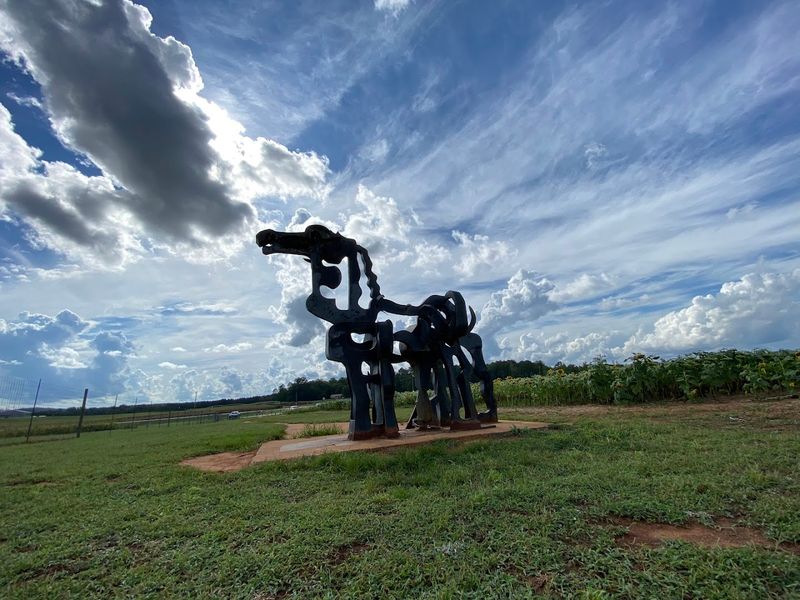
A sculpture that has been vandalized, removed, stored, relocated to a farm, restored multiple times, and knocked flat by a windstorm has earned the right to represent resilience. The Iron Horse carries that theme not as a marketing slogan but as lived experience embedded in every dent and weld mark on its surface.
For UGA students, alumni, and Georgians who know the story, the sculpture functions almost like a mascot for persistence. It has outlasted the critics who dismissed it, the storms that knocked it over, and the decades of neglect that could have ended it entirely. Every comeback adds another layer to what the piece means.
There’s also something quietly powerful about the fact that it ended up on a working farm. The Iron Horse doesn’t sit in a climate-controlled gallery it stands in Georgia weather, year after year, doing what it has always done: refusing to disappear. That stubbornness, more than anything, is what makes it genuinely memorable.
14. How to Visit the Iron Horse Today
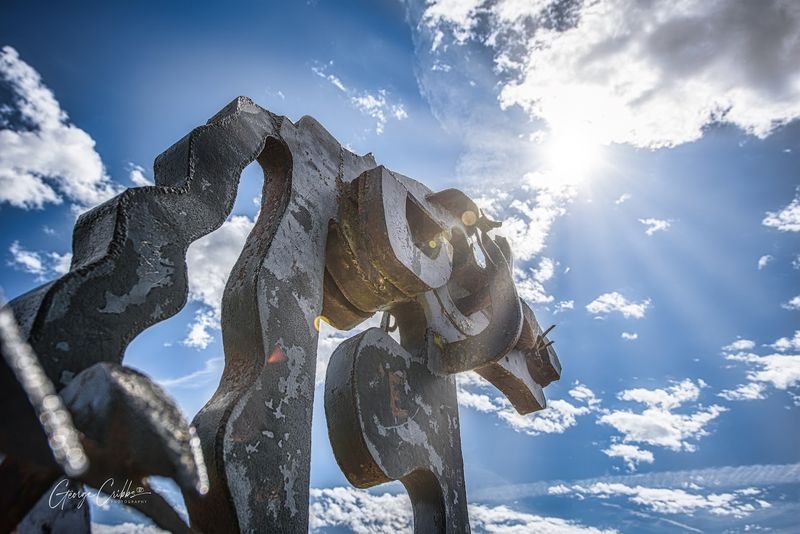
Planning a visit to the Iron Horse is refreshingly simple. The sculpture stands on the grounds of the UGA Iron Horse Plant Sciences Farm near Watkinsville, Georgia, in Oconee County. The drive from downtown Athens takes roughly 30 to 40 minutes depending on the route, making it a manageable day trip or afternoon detour.
Since the farm is a working UGA research facility, visitors should check ahead to confirm access, especially during active research periods or following weather events like the February 2025 storm. Weekday visits during daylight hours tend to be the most straightforward option for those hoping to see the sculpture without any complications.
Bring comfortable shoes, as the terrain around the farm is unpaved and uneven in places. Early morning and late afternoon light tend to make the sculpture look its most dramatic. There’s no formal parking facility, so arriving in a standard vehicle and being respectful of the working farm environment goes a long way.
15. Why the Iron Horse Matters to Georgia’s Cultural Story
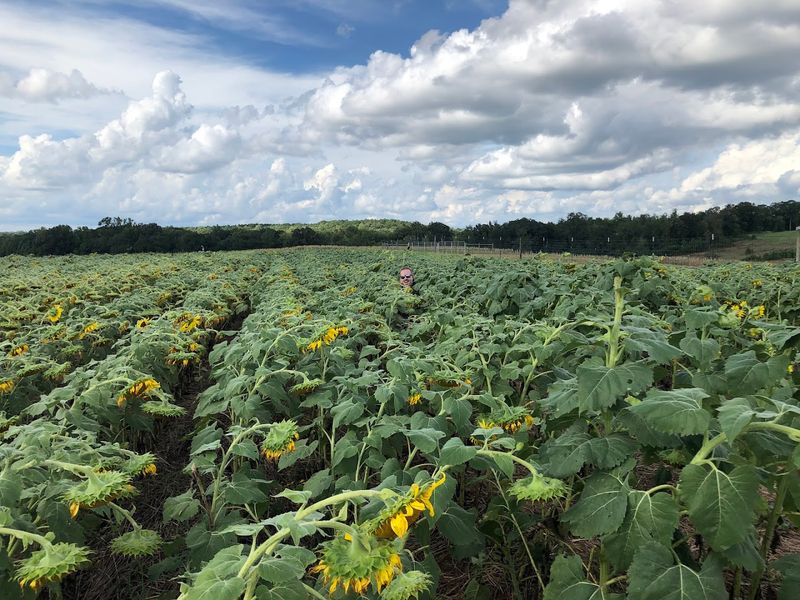
Georgia has no shortage of monuments, landmarks, and historical markers but the Iron Horse occupies a genuinely unusual place in that landscape. Created at a major state university, rejected by the campus community, saved by a single professor, and eventually claimed by an entire region, its story is deeply human and specifically Georgian.
The sculpture sits at the intersection of academic life, agricultural heritage, and the slow, sometimes painful process of a community learning to appreciate what it once dismissed. That combination is rare, and it makes the Iron Horse more than just a piece of public art. It’s a cultural document written in steel.
For anyone trying to understand Georgia beyond its more famous landmarks, the Iron Horse offers something honest and unpretentious. A 2-ton horse standing in a cornfield doesn’t ask for your admiration it simply remains. And after more than 70 years of remaining through everything Georgia’s weather and history could throw at it, that’s more than enough.