This Unassuming Georgia Farm Is Quietly Driving A Revolution In American Agriculture
In the quiet southwest Georgia town of Bluffton, a remarkable farm has been redefining what modern agriculture can look like. White Oak Pastures is a sixth generation family operation with roots that stretch back to 1866, and its story is woven deeply into the land it cares for.
What began as a traditional farm has grown into a nationally recognized example of responsible, pasture based farming that puts animal welfare, soil health, and community first. Visitors quickly discover that this place offers far more than open fields and grazing livestock.
A historic general store, on site dining, and guided farm experiences give guests a closer look at how food is raised with intention and care. For travelers interested in sustainability, local food, and authentic Southern heritage, White Oak Pastures offers a memorable stop that feels both inspiring and refreshingly real.
1. Diverse Livestock Across Ten Species
Walking the grounds at White Oak Pastures feels a little like stepping into a living encyclopedia of farm animals. Located at 101 Church St, Bluffton, GA 39824, the farm raises ten different species side by side, including cattle, hogs, sheep, goats, rabbits, chickens, turkeys, geese, guinea fowl, and ducks.
Every single one of them is pasture-raised and grass-fed, which means they live the kind of life animals are actually built for. This variety is not just for show. Having multiple species on the same land actually benefits the soil, since different animals graze and behave in ways that complement each other naturally.
Visitors who walk the property often say seeing so many animals thriving together is surprisingly moving. It is one of those rare moments where farming feels less like an industry and more like a relationship between people, animals, and the land they all share.
2. On-Site USDA-Inspected Processing
Most farms ship their animals off to distant processing facilities, losing control of the final product. White Oak Pastures chose a different path entirely. The farm operates two USDA-inspected abattoirs directly on-site, one dedicated to red meat and one to poultry.
This setup keeps the entire process transparent and humane from start to finish. Animals never travel far or experience the stress of long-distance transport before processing, which many animal welfare advocates consider a significant ethical improvement over standard industry practices.
For visitors, knowing that the beef, pork, or chicken they purchase from the farm store was raised and processed on the same land is a powerful thing. It removes the guesswork entirely. The farm is remarkably open about how this works, and that honesty is a big part of why people keep coming back to shop and visit again.
3. Regenerative Agriculture in Action
Regenerative agriculture is one of those terms that gets thrown around a lot, but at White Oak Pastures it is not a buzzword. It is the entire operating philosophy of the farm, practiced daily.
The farm uses rotational grazing, a method where animals are moved regularly between sections of pasture so the land has time to rest and recover. This approach rebuilds organic matter in the soil, encourages biodiversity, and can even help sequester carbon over time. A study commissioned by General Mills actually found that White Oak Pastures beef had a net negative carbon footprint, which is extraordinary for any meat operation.
Touring the pastures gives visitors a real, ground-level look at what healthy farmland can look like when it is managed with patience and intention. The grass genuinely looks different here, thicker and more alive, and that difference is visible even to an untrained eye.
4. Zero-Waste Farm System
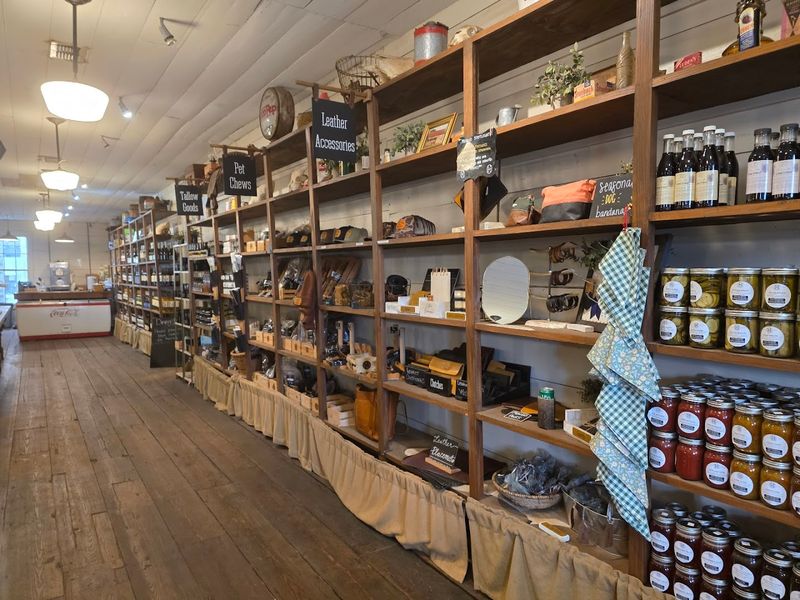
There is something deeply satisfying about a place that wastes absolutely nothing. White Oak Pastures runs a genuine zero-waste system, and it is one of the most impressive things about the operation.
Every part of every animal is put to use. Hides become handmade leather goods sold in the general store. Tallow is rendered into soaps and balms.
Bones and other remains are composted and returned to the pastures as nutrients, completing a closed loop that the broader agriculture industry rarely achieves.
This is not just environmentally responsible, it is also economically smart. By finding value in every piece of the animal, the farm reduces costs and creates additional products that visitors can actually buy and take home. Picking up a leather belt or a bar of tallow soap knowing exactly where it came from adds a layer of meaning that mass-produced goods simply cannot replicate.
5. The Historic General Store
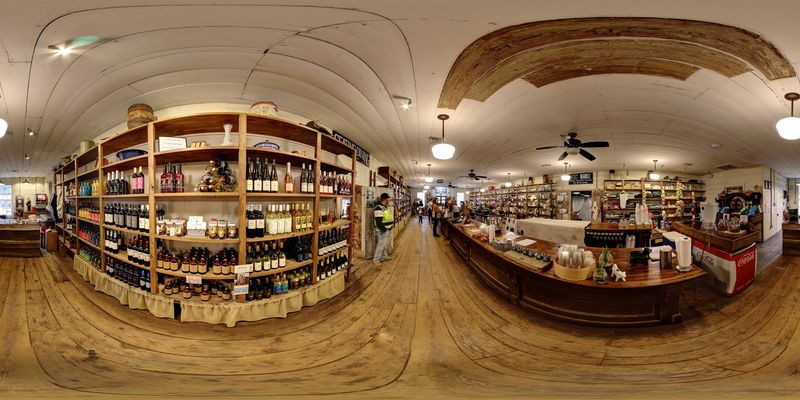
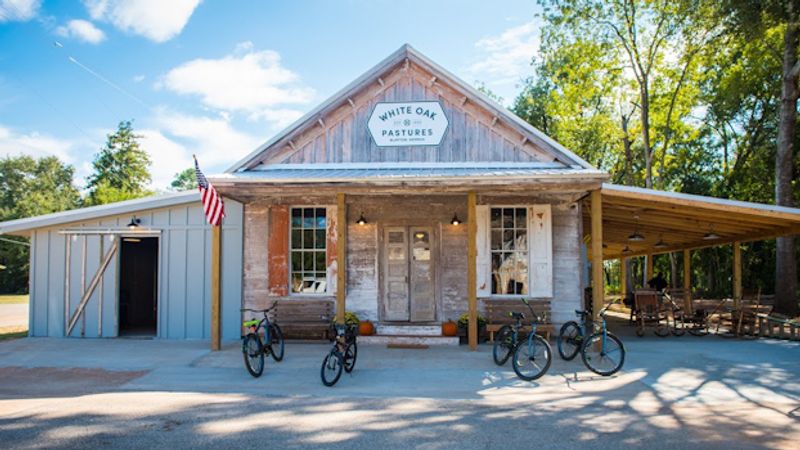
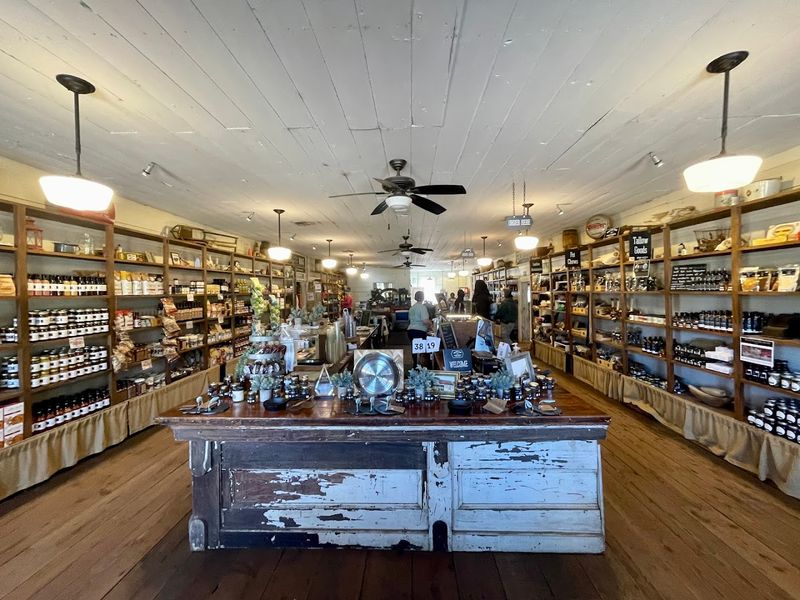
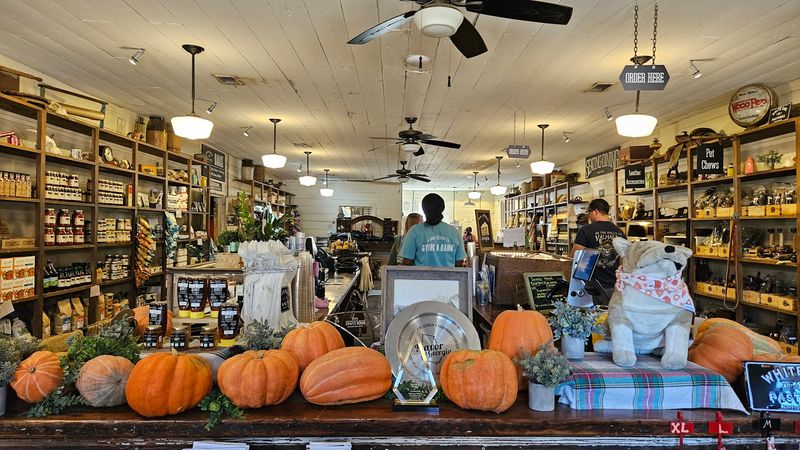
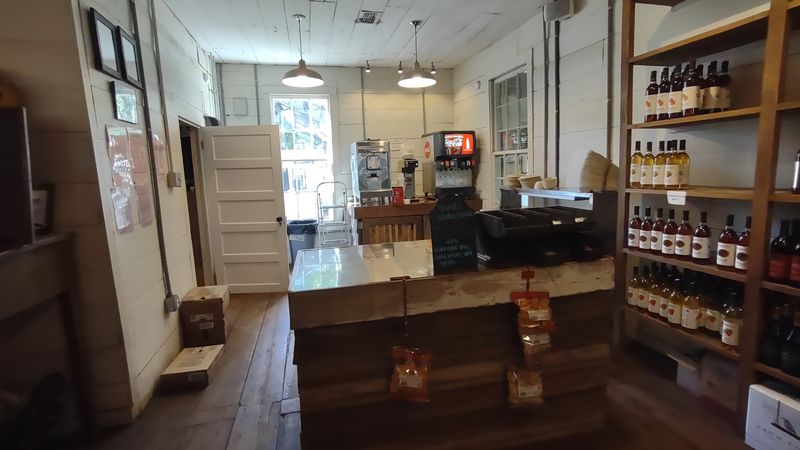
Some stores feel like museums in the best possible way. The White Oak Pastures General Store, housed in a building that is over 175 years old is exactly that kind of place.
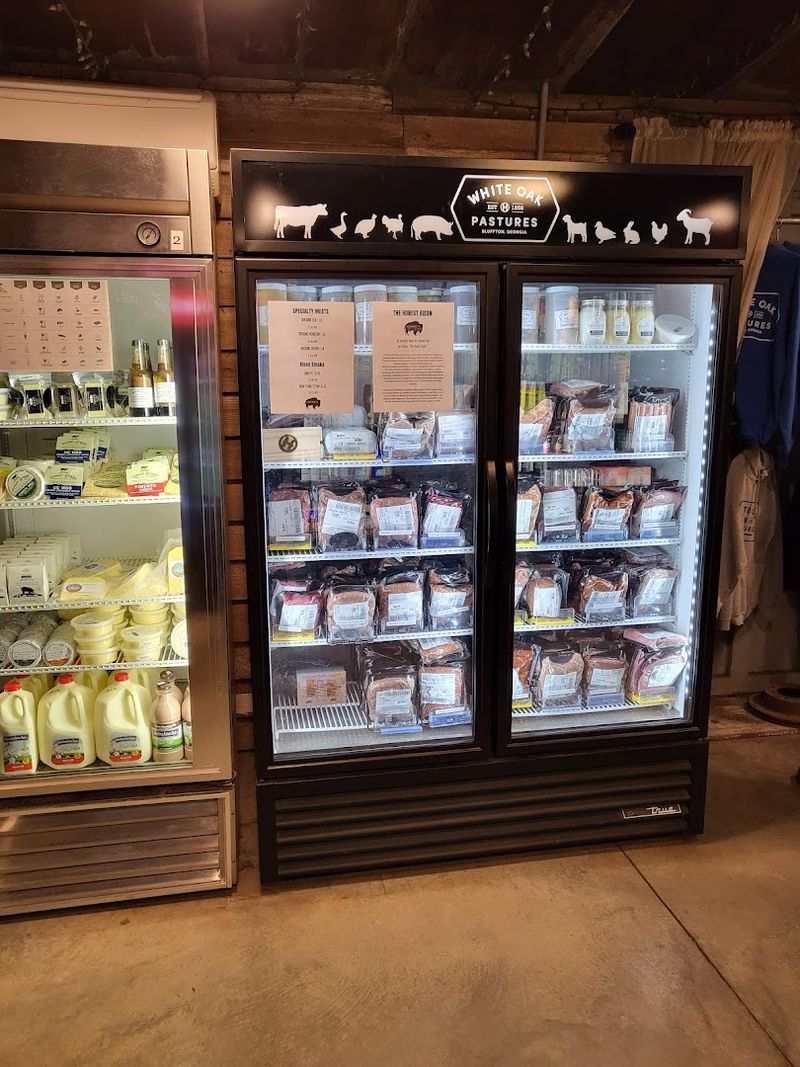
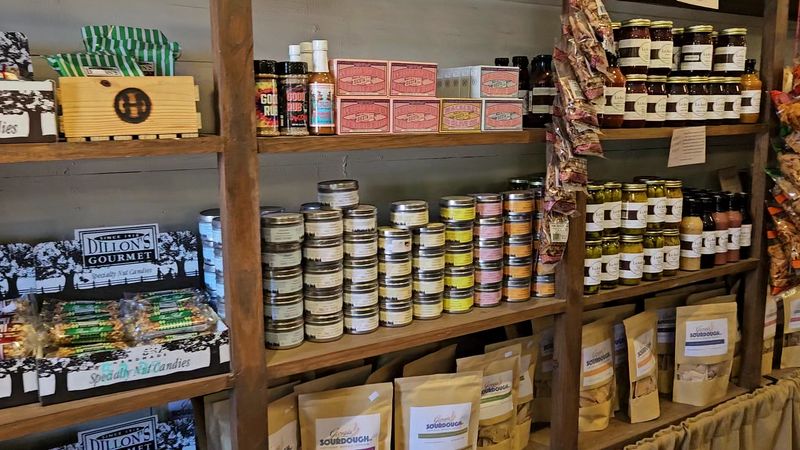
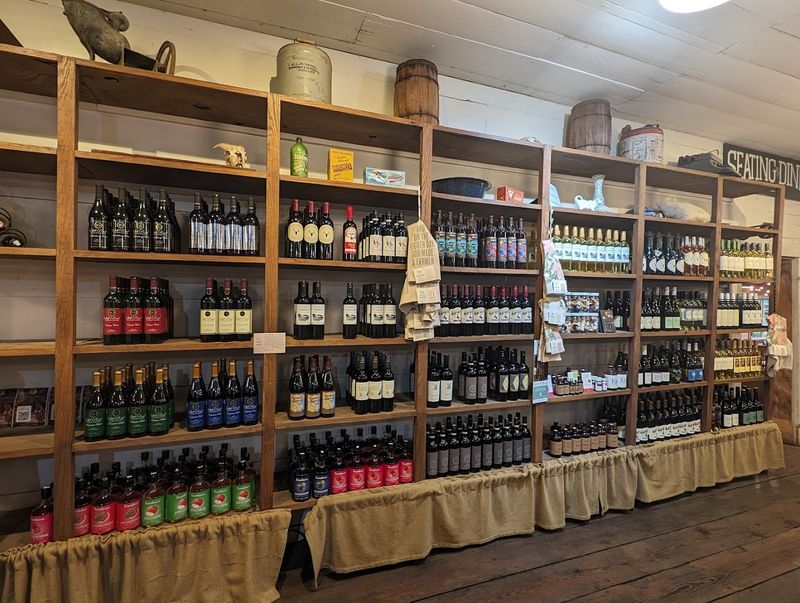
Shelves are stocked with small-batch products made right here in Georgia and across the South. Shoppers can find pepper jellies, stone-ground grits, local cheeses, raw honey, handmade leather goods, farm-raised meats, and an assortment of pantry staples that are genuinely hard to find elsewhere. The selection changes with the seasons, so repeat visits often turn up something new.
Beyond the products, the store itself has a warm, unhurried atmosphere that feels completely at odds with the frantic pace of modern retail. Spending an hour here browsing, chatting with staff, and sampling local goods is one of those low-key pleasures that visitors consistently mention as a highlight of their trip to Bluffton.
6. Farm-to-Table Dining Experience
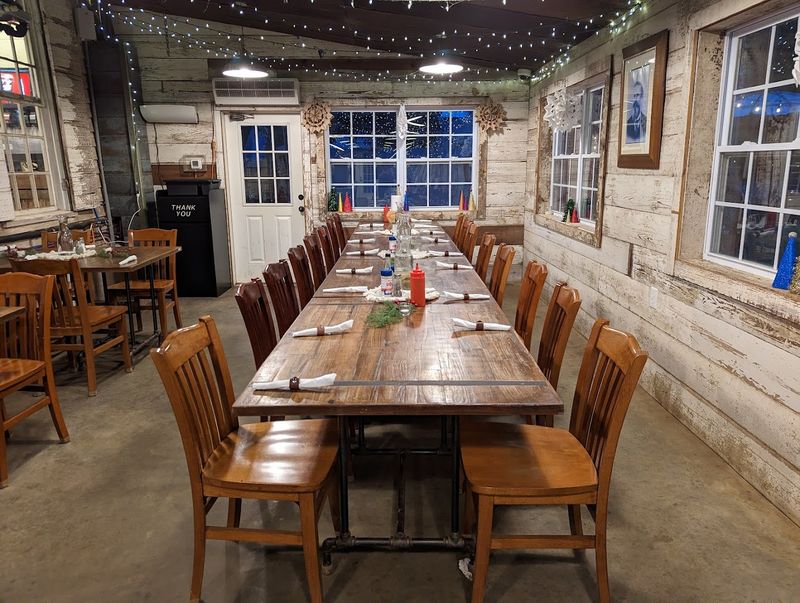
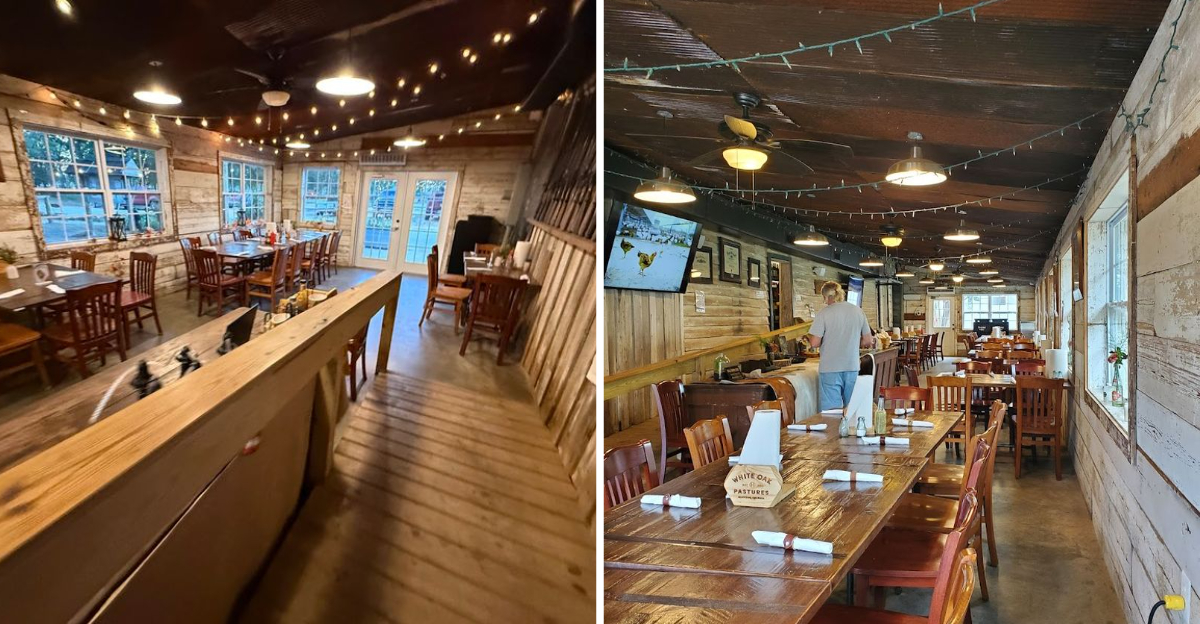
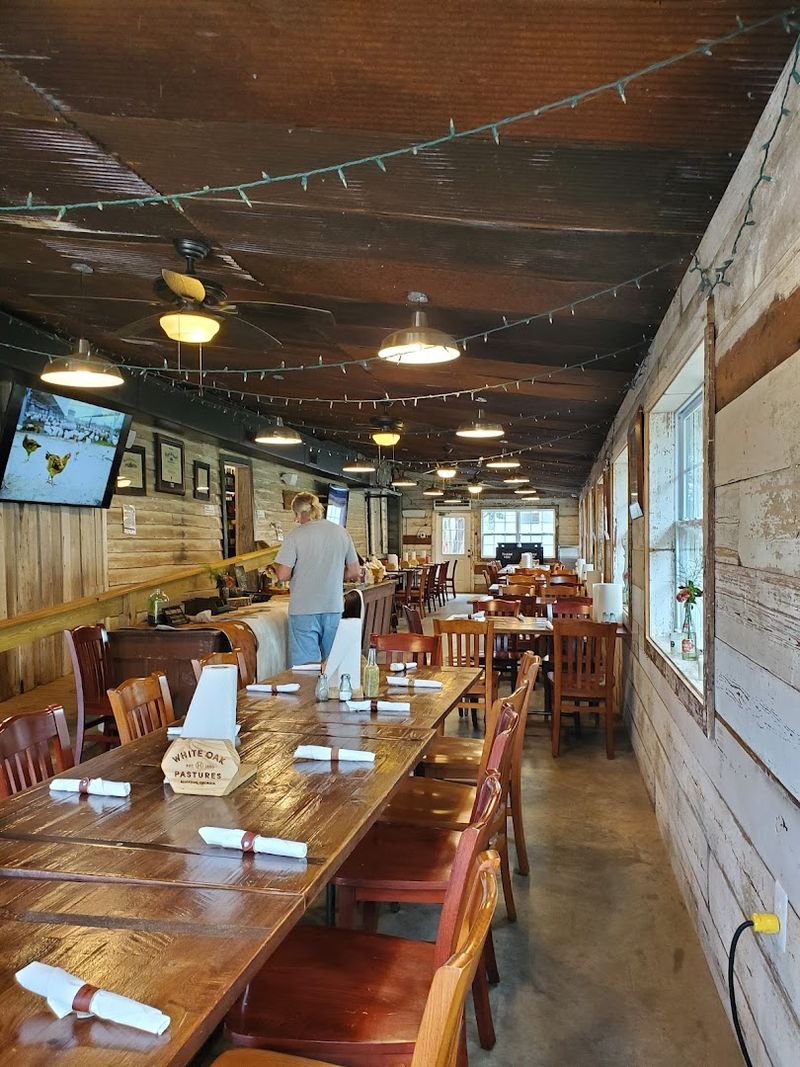
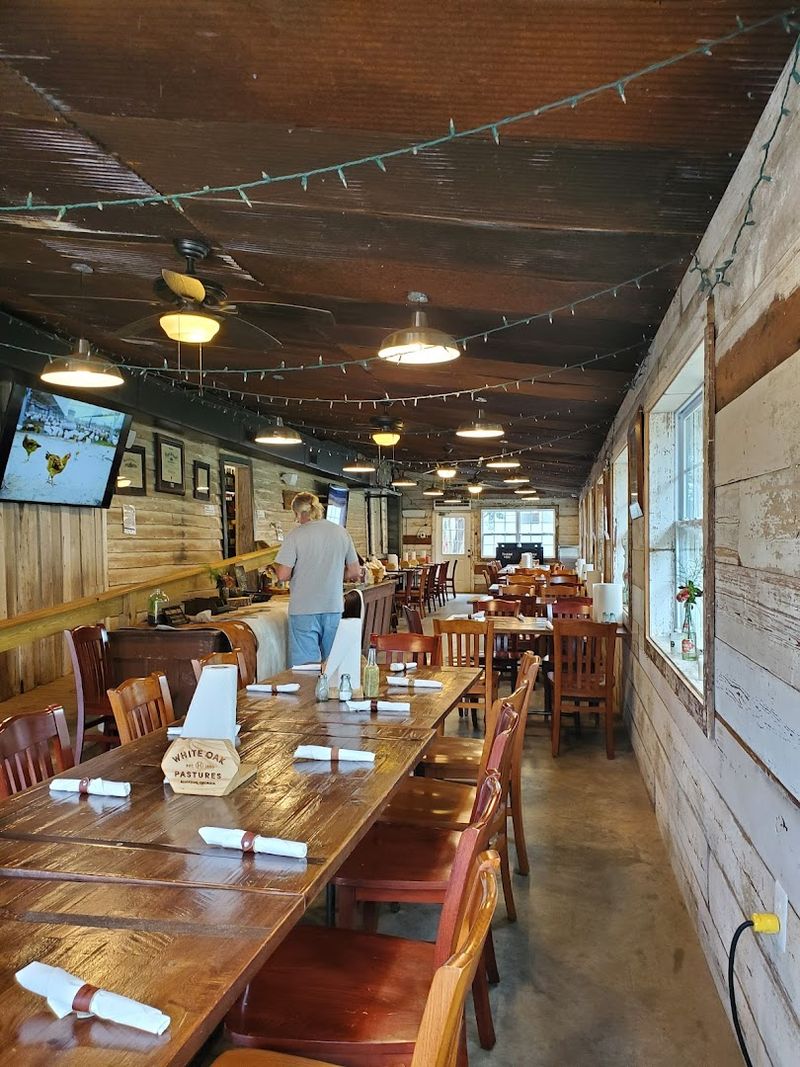
Farm-to-table dining has become a popular restaurant trend, but most places stretching that claim are working with ingredients sourced from many different suppliers. At White Oak Pastures, the phrase is taken literally.
The on-site restaurant serves meals built almost entirely from animals raised and processed right on the farm. Grass-fed burgers, pasture-raised chicken, and seasonal vegetables show up on a menu that reflects what the land is actually producing at that moment in time. The food is straightforward and honest, not fussy or over-styled, which somehow makes it taste even better.
Eating here carries a different kind of satisfaction than dining at most restaurants. Knowing the story behind the meal, from the pasture to the plate, changes the experience in a way that is hard to put into words but easy to feel. Plan to arrive a little early, as seating can fill up quickly on weekends and during farm events.
7. On-Farm Lodging Options
Spending a single afternoon at White Oak Pastures is worthwhile, but staying overnight transforms the visit into something much richer. The farm offers several lodging options ranging from cozy on-farm cabins to a charming Pond House and rental homes tucked into the small downtown of Bluffton.
Waking up on the property means catching the farm at its quietest and most atmospheric hours, early morning fog over the pastures, roosters doing their thing, and the unhurried rhythm of a working farm starting its day. It is genuinely unlike any hotel experience.
The accommodations are simple and comfortable rather than luxurious, which fits the whole spirit of the place perfectly. Guests who stay multiple nights often say they leave with a much deeper appreciation for how the farm operates, simply because they had the time to slow down and actually observe it. Booking in advance is strongly recommended, especially for weekends.
8. Educational Farm Tours
Not everyone grows up knowing where food comes from, and that knowledge gap is exactly what the educational tours at White Oak Pastures are designed to address. Tours depart from the farm and walk visitors through the full scope of how a regenerative farm actually functions day to day.
Guides cover topics like rotational grazing, humane animal handling, composting, and the philosophy behind the farm’s zero-waste approach. The tours are informative without being preachy, and they tend to spark genuine curiosity rather than guilt. Kids and adults alike tend to leave with new questions they had never thought to ask before.
Workshops are also available for those who want to go deeper on specific topics. Whether the interest is in soil science, fermentation, or beekeeping, the farm offers hands-on learning experiences that go well beyond what any documentary or book could provide. Checking the farm’s website ahead of time for the current tour schedule is a smart move.
9. Community Revitalization Story
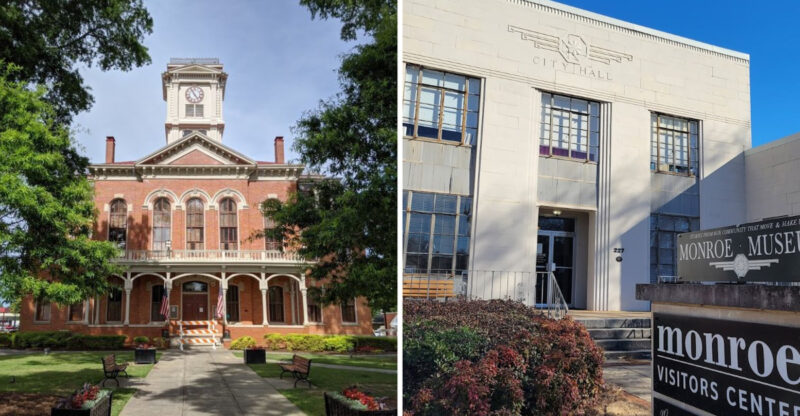
Bluffton, Georgia was fading quietly before White Oak Pastures began its transformation. The town sits at and for years it was the kind of rural community that younger generations left behind in search of opportunity elsewhere.
The farm’s growth changed that trajectory in a meaningful way. White Oak Pastures now employs more than 180 people, many of them from the surrounding area, and has brought new economic energy to a community that was genuinely struggling. The farm has helped restore downtown buildings, support local families, and create a reason for people to stay.
Visiting Bluffton today, a traveler can feel the difference. There is a quiet pride in the place, a sense that something real and lasting is being built here. The farm’s owner, Will Harris, has spoken openly about the responsibility that comes with being the largest employer in a small rural town, and that sense of accountability shows in how the community has responded.
10. Handcrafted Artisan Leather Goods
Most farms sell meat. White Oak Pastures sells leather goods too, and they are genuinely beautiful. Crafted from the hides of cattle raised right on the property these handmade items include bags, belts, dog collars, and other leather accessories.
The craftsmanship is careful and unhurried, which shows in the finished products. Each piece carries a provenance that mass-manufactured leather goods simply cannot claim. Knowing that the hide came from a specific farm, raised humanely and processed on-site, gives the item a kind of story that most shoppers never get to know about what they buy.
These goods are popular and tend to sell out, so picking them up during a visit rather than hoping to find them later is a smart approach. They also make genuinely meaningful gifts for people who appreciate quality materials and honest sourcing. The artisan behind the leather work often works on-site, and visitors sometimes get to watch the process firsthand.
11. Workshops and Seasonal Events
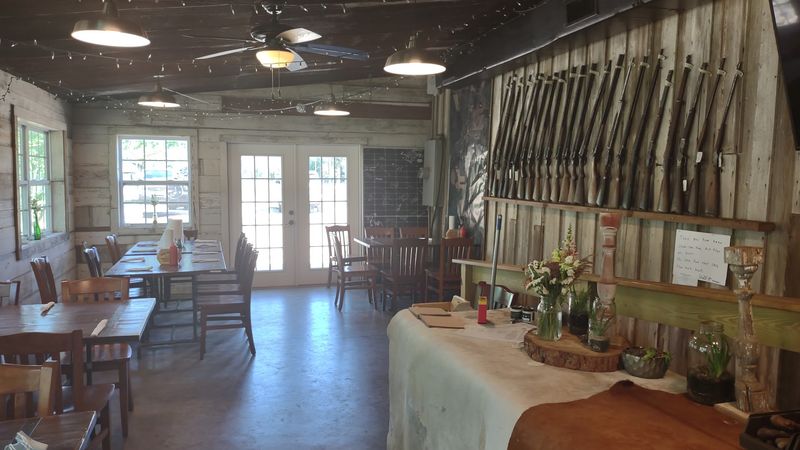
Beyond the standard farm tour, White Oak Pastures hosts a rotating calendar of workshops and events that cover a surprisingly wide range of skills and subjects. The farm’s address is and events there have included beekeeping intensives, fermentation classes, holistic land management seminars, and seasonal celebrations that bring the broader community together.
These workshops attract a genuinely mixed crowd, from experienced homesteaders looking to sharpen specific skills to curious city visitors who have never touched a beehive in their lives. The farm does a good job of pitching sessions at accessible levels without dumbing things down.
Attending an event here adds a completely different dimension to a visit. Rather than observing the farm from the outside, participants actually get to practice something, whether that is pulling honey frames, making fermented vegetables, or learning to read a pasture’s health indicators. Checking the farm’s event calendar before booking a trip is highly recommended to catch something that lines up with personal interests.
12. Solar Power and Sustainable Infrastructure
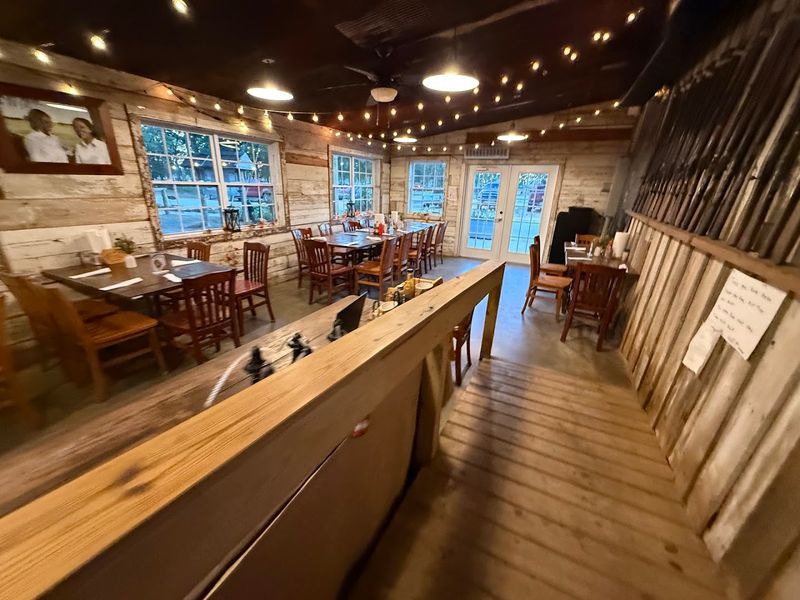
Running a farm of this scale requires serious energy, and White Oak Pastures has made a deliberate commitment to generating as much of that energy as possible from clean sources. A substantial solar array installed on the property currently supplies roughly 30 percent of the farm’s total power needs.
Beyond solar, the farm uses composting systems and irrigation infrastructure designed to recycle organic waste back into the land rather than sending it off-site. Every system on the property is evaluated through the lens of closing loops and reducing external inputs wherever possible.
For visitors interested in sustainable infrastructure, this aspect of the farm is genuinely fascinating to learn about during tours. The farm is transparent about where it currently stands and where it hopes to go, which is refreshing compared to operations that make sweeping environmental claims without the specifics to back them up. Progress here is measured and documented rather than just marketed.
13. Georgia Grown Products in the Store
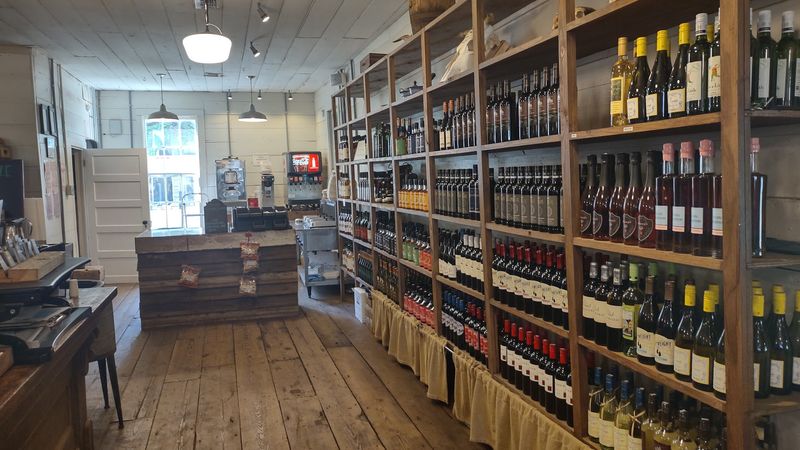
Shopping at the White Oak Pastures General Store is a crash course in just how much good food Georgia actually produces. The store carries an impressive lineup of Georgia Grown products that most grocery chains never carry.
Sweet Grass Dairy cheeses from Thomasville, Georgia are a consistent highlight, known for their quality and the care that goes into their production. Alongside those, shoppers find pepper jellies, fruit preserves, stone-ground grits, local honey, and a variety of pantry staples that reflect the agricultural richness of the surrounding region.
Buying these products directly from a store like this means the money stays closer to the farmers and makers who produced them. It is a small but tangible way that visitors can support Georgia’s agricultural community simply by stocking their pantry. Many people who visit once end up becoming regular online customers simply because the products are that hard to find anywhere else.
14. Pet-Friendly Accommodations
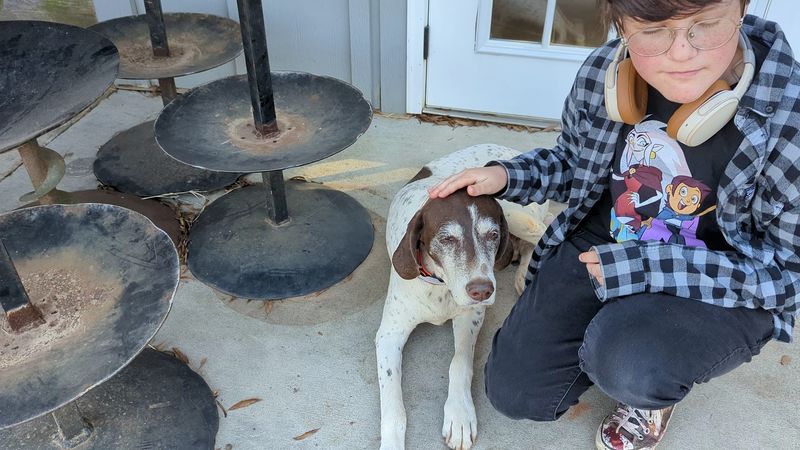
Leaving a pet behind when traveling is one of those small frustrations that can take the joy out of a trip before it even starts. White Oak Pastures removes that problem entirely. The on-farm lodging welcomes pets, making it a genuinely rare find among farm stays and rural retreats.
Dogs especially tend to thrive in this environment. Wide open spaces, fresh air, and the sensory experience of a working farm make for an enriching outing for animals that spend most of their time in urban or suburban settings. Guests are expected to keep pets under control around the farm animals, which is a reasonable and easy-to-follow guideline.
Traveling with a pet often limits accommodation choices significantly, so finding a place this interesting and this welcoming is genuinely useful information for animal-loving travelers. Confirming pet policies and any associated fees directly with the farm before booking is always a good idea, as details can vary by accommodation type.
15. A Farm With 158 Years of History
Six generations of one family have worked this land, and that continuity is not something to gloss over. White Oak Pastures has been in continuous operation since 1866, placing it as one of the oldest family farms still actively running in the southeastern United States.
The farm survived the aftermath of the Civil War, the Great Depression, the industrialization of American agriculture, and the rise of factory farming. Each generation made choices that kept the land alive and productive, even when the easier path might have been to sell or consolidate.
Walking the property with that history in mind shifts how the whole visit feels. The old buildings, the worn fence posts, the rhythm of daily farm work, all of it carries the weight of a story that stretches back more than a century and a half. That kind of deep-rooted legacy is increasingly rare anywhere in American agriculture, and it is worth appreciating firsthand.
16. Commitment to Quality and Ethical Sourcing
Quality at White Oak Pastures is not a marketing slogan plastered on packaging. It is the result of specific, deliberate decisions made every single day on the farm from how animals are raised to how products are processed and sold.
Grass-fed beef, pasture-raised poultry, and humanely handled livestock are the standard here, not the exception. The farm does not cut corners to lower costs or scale up production at the expense of animal welfare. That restraint is increasingly unusual in an industry where efficiency often wins over ethics.
For visitors who care about where their food comes from and how it was produced, buying directly from White Oak Pastures is about as transparent as food purchasing gets. The people who raised the animals, processed the meat, and stocked the shelves are often the same people greeting visitors at the store. That human connection to food is exactly what makes this farm worth the trip to rural Georgia.