10 Underrated Towns In South Carolina Where Retirees Are Living Their Best Life
South Carolina makes the next chapter look surprisingly fun.
These small towns give retirees more time for lake days, local festivals, weekend outings, and the hobbies that always got pushed aside before.
The pace slows down, but the calendar does not have to!
Mild winters keep more plans outdoors, while friendly downtowns and community events make it easier to stay connected.
Everyday costs can also leave more breathing room for trips, dinners out, and spontaneous fun.
Retirement here feels less like stepping away from life and more like finally having time to enjoy it on your own terms.
1. Aiken
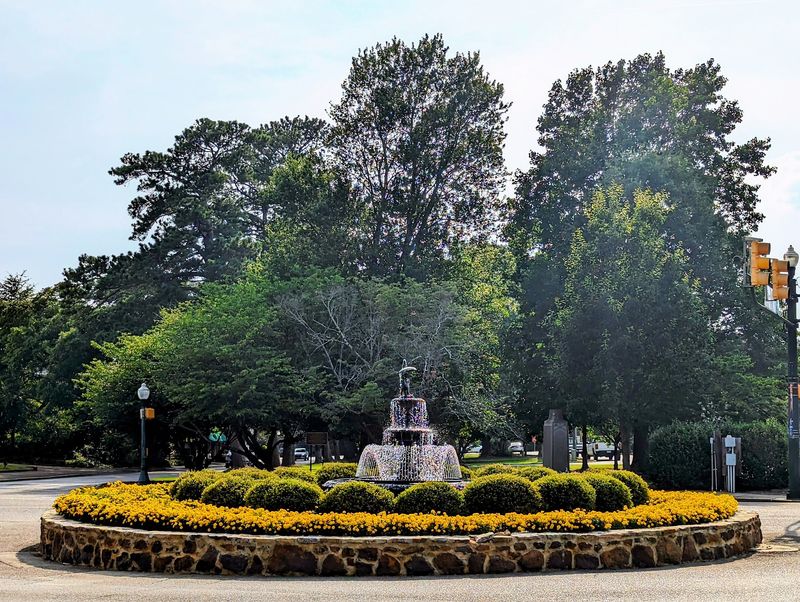
Just imagine for a second trading your snow shovel for a riding helmet. Some towns simply know how to slow down without getting boring.
Aiken sits east of Augusta, Georgia, with a compact downtown, established neighborhoods, and one of South Carolina’s strongest equestrian identities.
Horse culture is woven into the calendar through spring and fall steeplechase races, the annual horse show, training grounds, and museums devoted to racing history.
Hitchcock Woods gives active retirees an unusual amenity close to town. The privately managed urban forest covers 2,100 acres and offers about 70 miles of sandy trails for walking and horseback riding.
Nearby Aiken State Park brings fishing, paddling, birding, and several hiking routes, although trail conditions can change after wet weather.
There is plenty to do away from the saddle too. USC Aiken’s Center for Lifelong Learning offers short courses and workshops for mature adults, while the Aiken County Historical Museum fills a former Winter Colony home with local exhibits.
Community theater, galleries, gardens, and a walkable downtown add easy options for quieter days.
Practical needs are close at hand as well. Aiken Regional Medical Centers operates a full-service hospital in town, keeping emergency, surgical, heart, and other medical services close for everyday appointments and unexpected needs.
2. Anderson
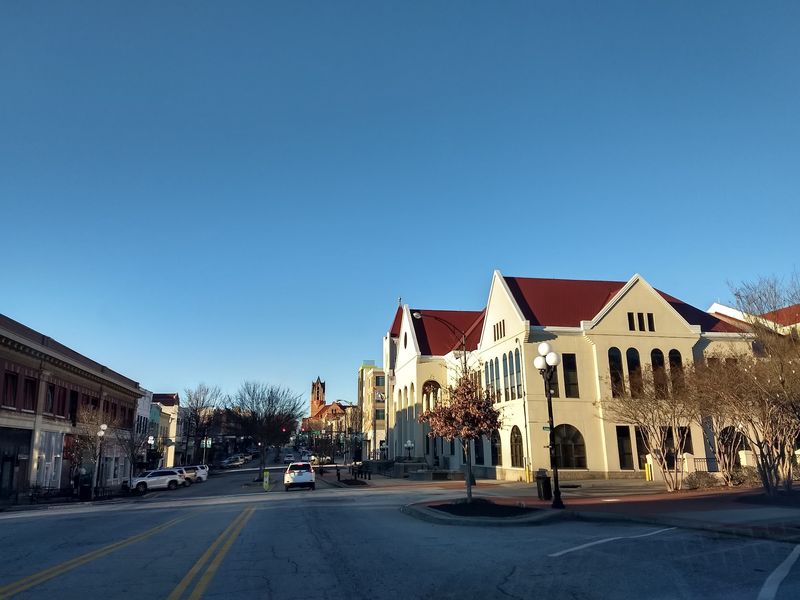
You would take the words right out of my mouth by calling lake life the best life. Big water and small-town manners make a winning pair.
Anderson sits in the Piedmont near the Blue Ridge foothills, giving retirees quick access to both downtown amenities and a large outdoor playground.
Lake Hartwell covers about 56,000 acres along the Georgia border, with boating, fishing, paddling, and lakeside parks spread around its shoreline.
Sadlers Creek State Park contributes six miles of biking and walking trails, picnic space, camping, and boat access.
Rocky River Nature Park and the Fant’s Grove trail system create more options for days built around walking, wildlife watching, or an easy ride through the woods.
Downtown Anderson has restaurants, public spaces, seasonal events, and a busy arts calendar.
The Anderson County Museum offers free admission, while the amphitheater and civic center bring concerts, fairs, and community gatherings into the year.
Retirement support is unusually visible here. Anderson County’s senior program serves residents 55 and older with recreation, fellowship, travel opportunities, and organized activities, with the Jo Brown center functioning as a home base.
Healthcare is anchored by AnMed Medical Center, a 461-bed hospital, plus a large outpatient campus and a dedicated rehabilitation hospital.
3. Greenwood
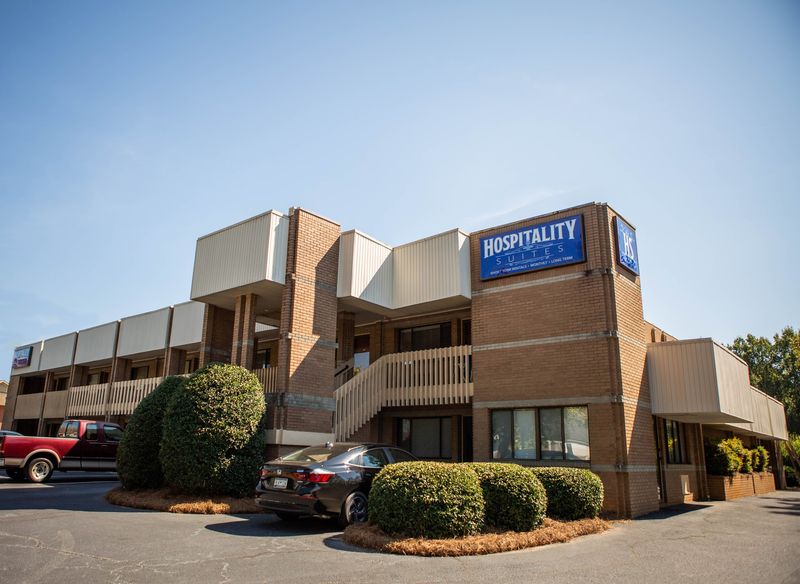
It makes you wonder, doesn’t it, why more people have not discovered this corner? Green landscapes and gentle prices rarely show up together so neatly.
Greenwood sits in the Lakelands region, where a compact city center is surrounded by lakes, parks, and small communities.
The annual Festival of Flowers remains one of its signature traditions, filling June with topiary displays, garden events, music, arts, and downtown activity.
Lake Greenwood gives retirees an easy outdoor anchor. The reservoir covers about 11,400 acres and has roughly 212 miles of shoreline, supporting boating, fishing, and relaxed afternoons near the water.
Lake Greenwood State Park expands that access with more than 900 acres of parkland and a shoreline trail stretching just over four miles.
Uptown keeps the cultural side active. The Arts Center of Greenwood maintains rotating exhibitions, artist studios, classes, and community events in its historic downtown building.
Seasonal festivals, local performances, and independent shops give residents reasons to return throughout the year rather than saving downtown for special occasions.
Healthcare is another practical strength. Self Regional Healthcare operates a major medical campus in Greenwood with emergency care, heart and vascular services, orthopedics, rehabilitation, oncology, primary care, and numerous specialties.
Anyone hoping for a smaller city without an empty calendar gets a useful mix of water access, arts programming, walkable downtown activity, and substantial medical resources close to home.
4. Conway
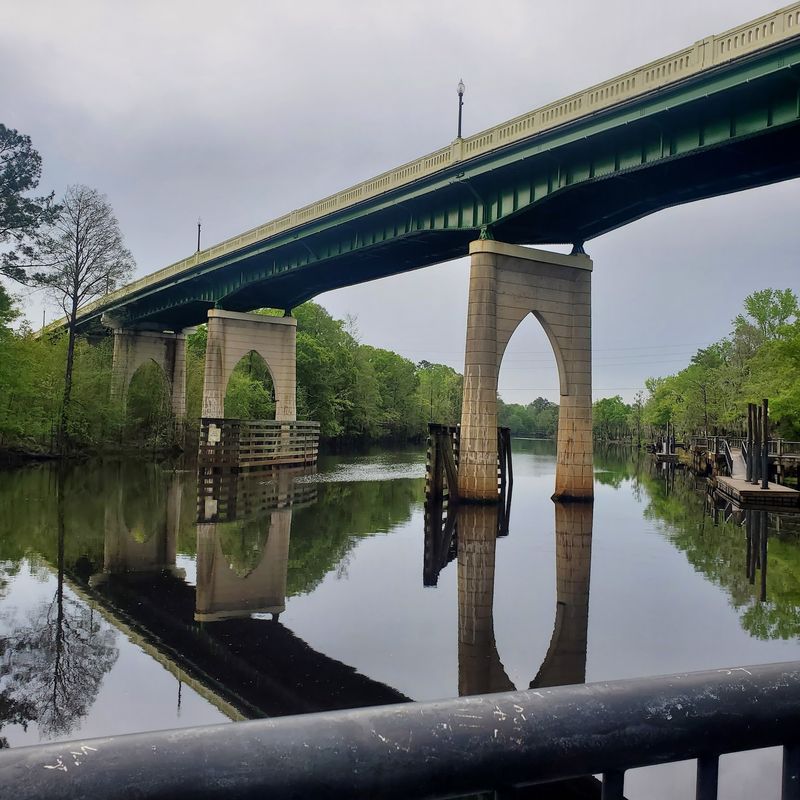
Call me crazy, but beach access without beach traffic sounds like a dream. Some folks want salty air on weekends and quiet streets the rest of the time.
Conway is a historic river town on the Waccamaw, close enough to the Grand Strand for an easy coastal outing without living directly in the busiest resort corridor.
Downtown puts the river, shops, restaurants, and cultural stops within a compact area.
The Conway Riverwalk runs about 1.5 miles beside the water, combining boardwalk and paved sections with access to Riverfront Park and the marina.
Waccamaw River Park brings trails, observation areas, a boardwalk, mountain-bike routes, and disc golf for days that call for more movement.
Indoor options are equally useful. Theatre of the Republic continues a full season of live productions, while the Horry County Museum explores local history and natural history inside a restored school building.
Its freshwater aquarium is still a centerpiece. The nearby living-history farm recreates local family farm life from 1900 through 1955 with changing demonstrations.
The Conway Senior Center offers meals, planned activities, social time, and transportation services. Conway Medical Center provides around-the-clock hospital care and access to dozens of specialties across its broader system.
The result is a retirement base with river walks, arts, history, medical care, senior programming, and the coast close enough for spontaneous day trips.
5. Seneca
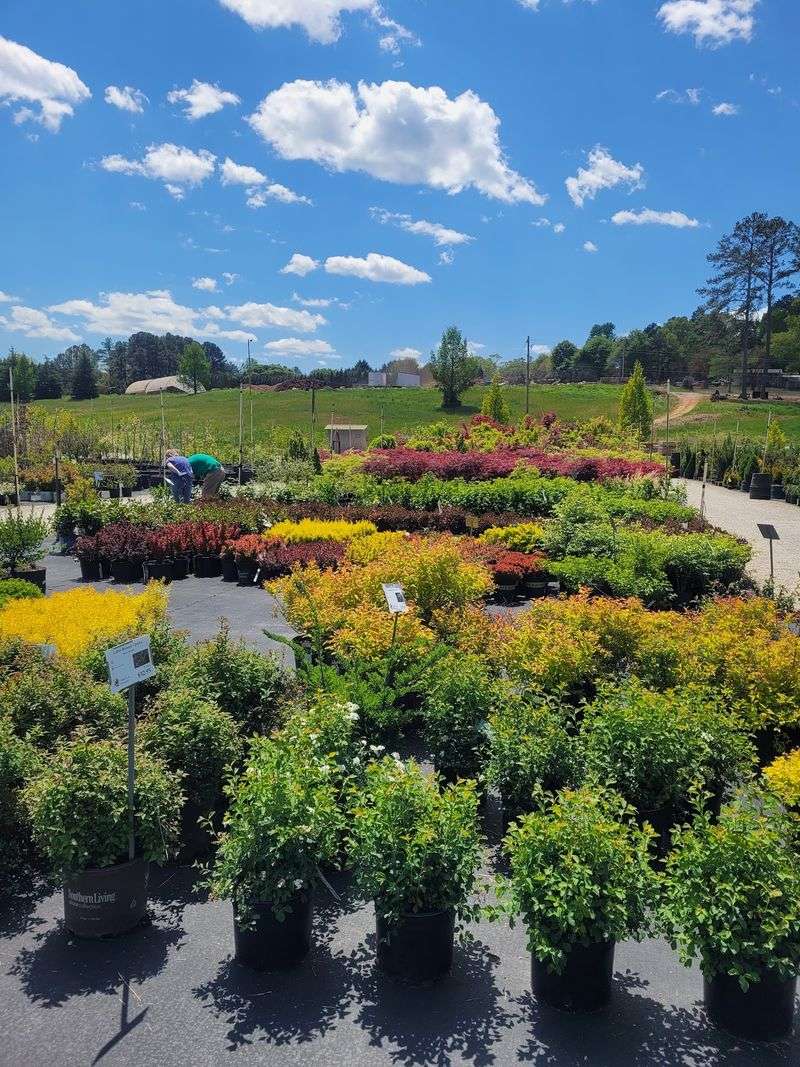
I am still trying to wrap my head around water this clear in the South. Mountains on one side and a glassy lake on the other sound almost unfair.
Seneca sits in the Upstate near the Blue Ridge foothills, with Lake Keowee forming a major part of everyday recreation.
The lake covers about 18,370 acres and has roughly 300 miles of shoreline, supporting boating, swimming, fishing, and paddling. High Falls and South Cove county parks provide public access close to town.
Spring adds a distinctive seasonal attraction. BellFest celebrates the rare Oconee Bell at the beginning of its bloom period, while nearby Devils Fork State Park is one of the best-known places to see the flower in its natural setting.
Historic downtown gives quieter days plenty of structure. Ram Cat Alley mixes independent shops, restaurants, public art, and weekly outdoor music during much of the warmer season.
Blue Ridge Arts Center maintains changing exhibitions and classes, while the local community theater presents live performances in a historic building. Two city museums add local architecture and cultural history by appointment.
The Oconee Senior Center offers exercise programs, a fitness area, games, social activities, and an indoor walking track. Prisma Health’s Oconee Memorial Hospital provides nearby medical care.
Water, mountain scenery, arts, and an active downtown fit into the same routine, giving retirement plenty of variety without making the city feel oversized.
6. Newberry
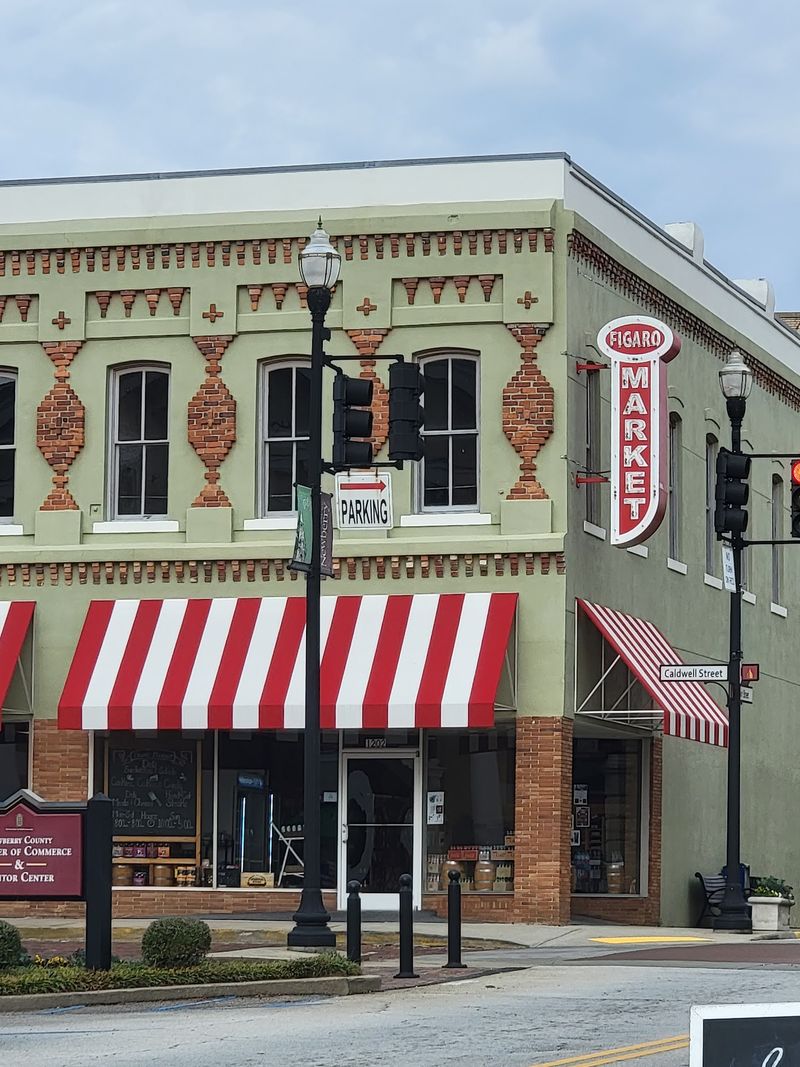
What if your weekly night out came with a gorgeous 1881 opera house?
Newberry sits in the Midlands between Columbia and Greenville, giving retirees a quieter home base with access to larger cities.
Downtown centers on the restored Newberry Opera House, an 1881 landmark that still hosts concerts, theater, dance, and touring performances throughout the year.
Live entertainment continues at the Ritz Theatre, home to community productions and special events.
A few blocks away, Wells Japanese Garden offers a compact green retreat, while downtown shops and cafes make it easy to turn an errand into a longer stroll.
Outdoor options extend well beyond Main Street. The Newberry Passage forms part of South Carolina’s only cross-state trail and runs through town before connecting toward wooded sections outside the city.
Lynch’s Woods Park adds hiking, bicycling, and equestrian routes, including a Palmetto Trail connection and several miles of local paths.
Annual events help keep the calendar social. The Irish Fling returns each spring with downtown music, shopping, and activities, while seasonal programs continue around the center.
Older residents also have practical support nearby. The county Council on Aging operates the Waldrop Senior Center with exercise, meals, social activities, and transportation programs.
Newberry works especially well for retirees who want culture, trails, healthcare, and community programming without losing small-city scale.
7. Camden
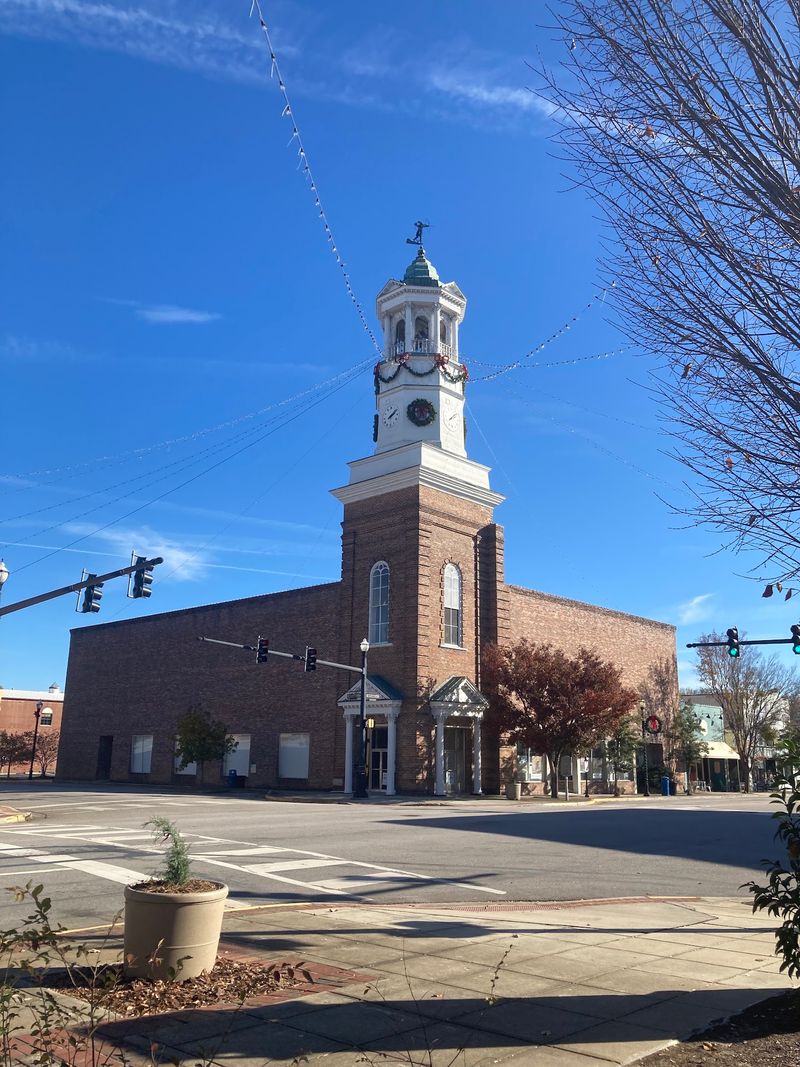
Would you believe me if I said one town holds a world title for horse racing? Hooves and history mix beautifully in this corner of the Midlands.
Camden is the state’s oldest inland city, with a walkable downtown, historic neighborhoods, and more than 150 acres of parks and green space.
Its equestrian identity remains strong through the Carolina Cup, the fall Colonial Cup, and the National Steeplechase Museum.
History fills a large part of the local landscape. Historic Camden preserves more than 100 acres of eighteenth-century buildings, trails, exhibits, and living-history spaces.
Visitors can even ride in a real Conestoga wagon while learning how the town developed during the colonial era.
Outdoor options extend beyond the historic district. Camden Riverfront Environmental Park has a walking trail, observation areas, bridges, and a kayak launch along the Wateree.
Goodale State Park adds a spring-fed lake, hiking, paddling, fishing, and shaded picnic areas a short drive away.
Downtown galleries, antique shops, restaurants, and community events keep ordinary weeks from feeling empty.
The Camden Vitality Center gives older residents another social hub with fitness classes, educational programs, meals, transportation assistance, and activities.
MUSC Health Kershaw Medical Center provides nearby hospital care and specialty services. Horses, history, outdoor recreation, and an active downtown all sit within easy reach, giving retirement plenty to do without bringing the pace of a large city.
8. Georgetown
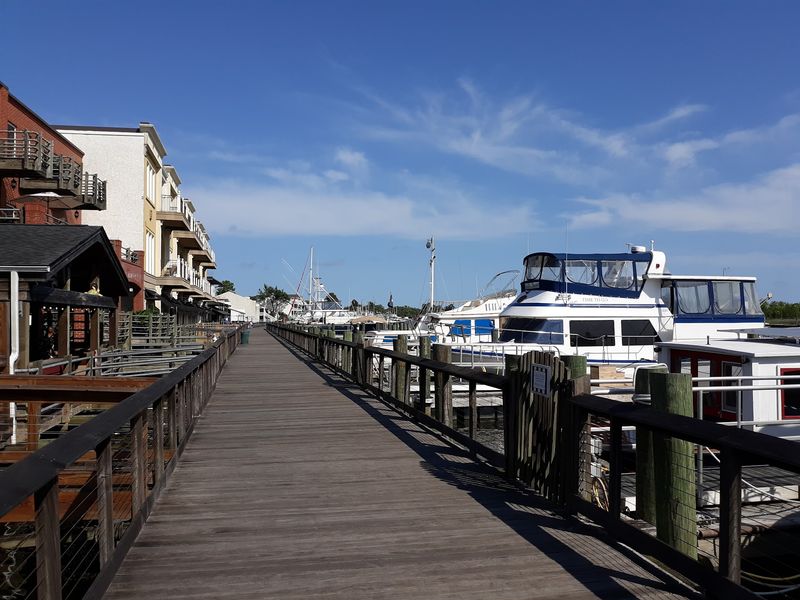
Correct me if I am wrong, but coastal towns this pretty are usually packed. Somehow this one kept its quiet streets and easy pace.
Founded in 1729, Georgetown is South Carolina’s third-oldest city and sits where five rivers flow toward Winyah Bay. The waterfront setting gives downtown a maritime character without requiring residents to live directly on a busy beach strip.
The Harborwalk makes the historic center easy to enjoy on foot. Shops, restaurants, old homes, and river views sit within a compact district, while more than 60 local buildings carry National Register recognition.
Five museums are also clustered downtown, covering regional history, maritime traditions, historic architecture, rice culture, and Gullah heritage.
Water shapes recreation as much as history. Fishing, paddling, boating, and birding are natural choices around the rivers, bay, and nearby coastal areas.
The annual Wooden Boat Show adds another waterfront tradition each October, bringing classic vessels and maritime demonstrations to the harbor. The 2026 event is scheduled for October 17 and 18.
Older residents have practical support through the Georgetown Bureau of Aging Services.
Programs at the Howard Center include group dining, transportation, health screenings, classes, trips, and other activities designed to help people stay connected.
Tree-lined streets and a genuinely walkable downtown give everyday errands a slower rhythm.
9. Gaffney
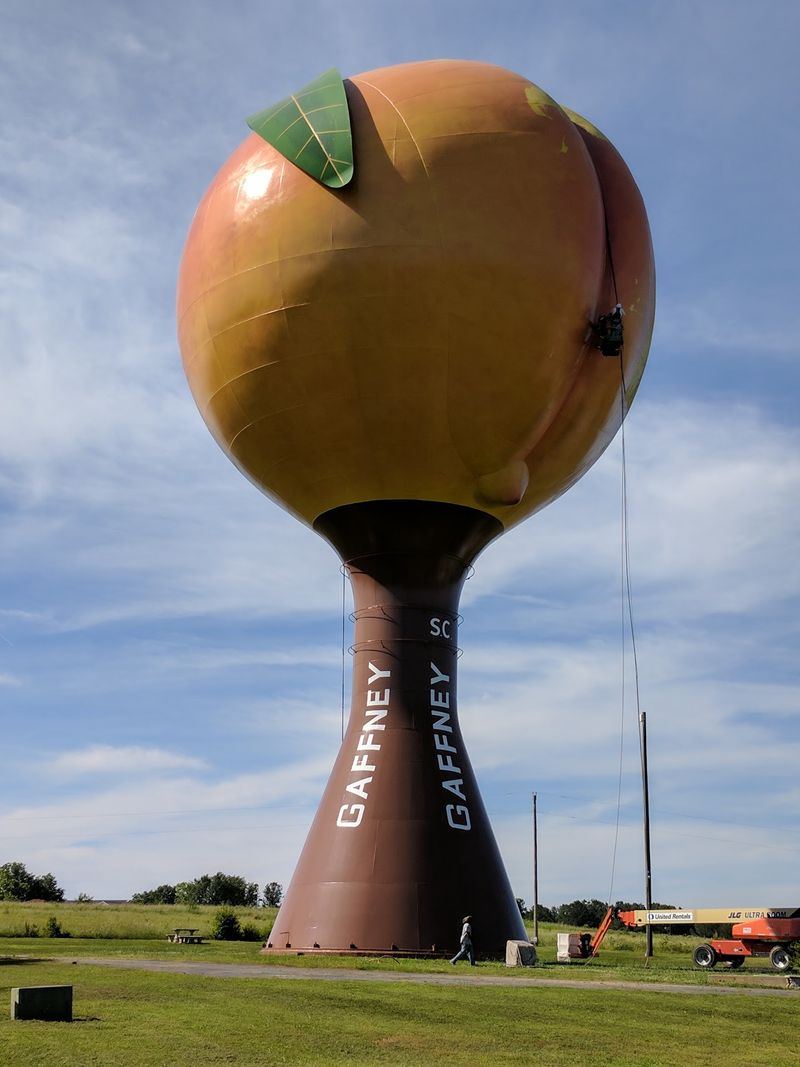
I had to do a double-take the first time I saw a giant peach in the sky. Some towns go big with their pride, and this one went extra juicy.
Gaffney’s Peachoid is impossible to miss. The one-million-gallon water tower rises about 135 feet beside Interstate 85 and reflects a peach-growing tradition that still shapes local identity.
The annual Peach Festival keeps that connection visible with summer events spread across the community.
Downtown offers more than the famous landmark. The restored 1913 post office now houses the Visitors Center and Art Gallery, where rotating exhibitions highlight regional artists.
Historic districts, public art, local shops, and community events give the center of town plenty of reasons for a leisurely visit.
The surrounding county adds trails, parks, museums, and major Revolutionary-era heritage sites for residents who enjoy history without needing a long drive.
Cultural programs continue closer to home through local theater, gallery events, and seasonal festivals. Retirement support is especially practical.
Senior Centers of Cherokee County serves adults 60 and older with weekday meals, recreation, wellness activities, transportation for essential errands and appointments, educational programs, and a shaded quarter-mile walking trail.
10. Sumter
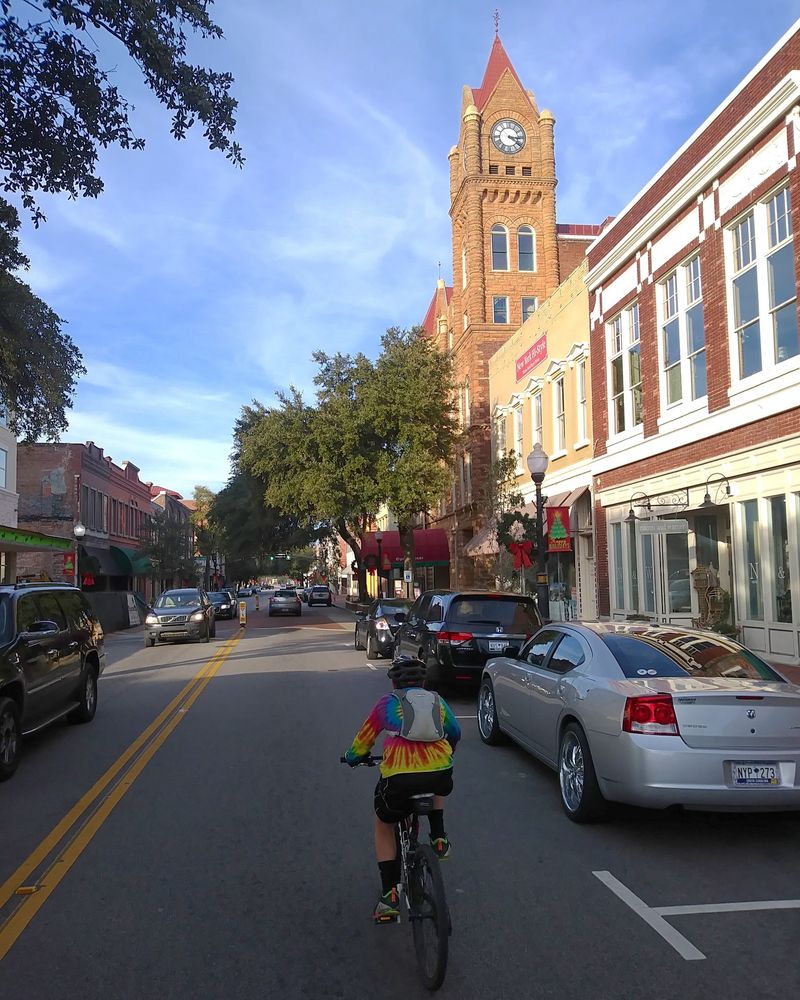
Let me be real for a second about swans. Most towns brag about one or two, but this town has every known species.
Sumter sits in the Midlands with one of South Carolina’s most unusual public gardens at the center of local life.
Swan Lake Iris Gardens covers 150 acres and is the only public park in the United States where all eight swan species can be seen. More than 120 varieties of Japanese iris add color in late spring.
The annual Iris Festival builds on that setting with several days of music, crafts, activities, and garden-focused events each May.
Winter brings Fantasy of Lights, a seasonal display around the garden entrance and surrounding streets. After-dark walking trails are closed, so visitors enjoy the illuminated areas from designated viewing and driving routes.
Outdoor choices extend beyond Swan Lake. Poinsett State Park, nearby forests, Palmetto Trail passages, lakes, and county recreation areas make hiking, biking, fishing, and birding easy to work into the year.
Downtown adds restaurants, local shops, museums, and seasonal gatherings. Prisma Health Tuomey Hospital provides hospital and emergency services in town, while Shaw Air Force Base contributes to the area’s broader community and economy.
Gardens, accessible recreation, cultural events, and medical care all fit comfortably into the routine here, keeping the calendar active without making every day feel scheduled.