This Unexpected Georgia Canyon Feels More Like The Desert Southwest
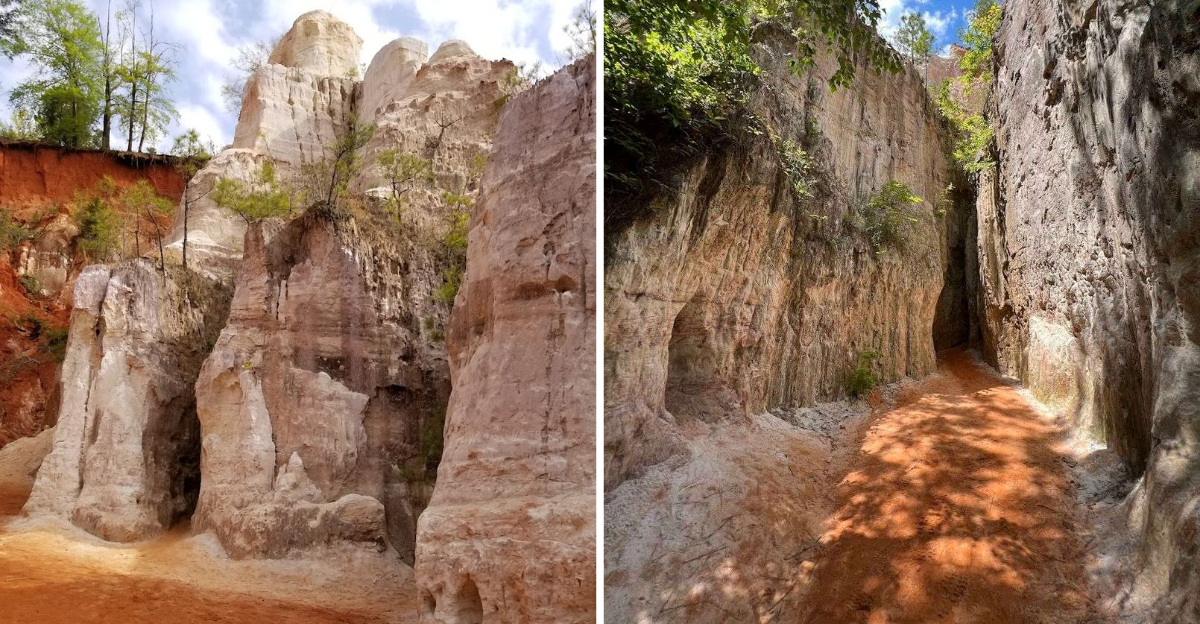
Color takes over the moment the canyon walls come into view. Providence Canyon State Park does not look like the rest of Georgia, and that contrast is exactly what makes it so striking.
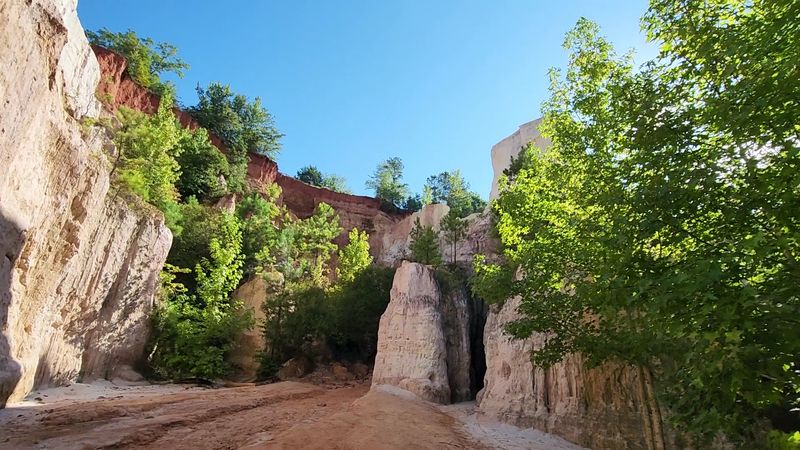
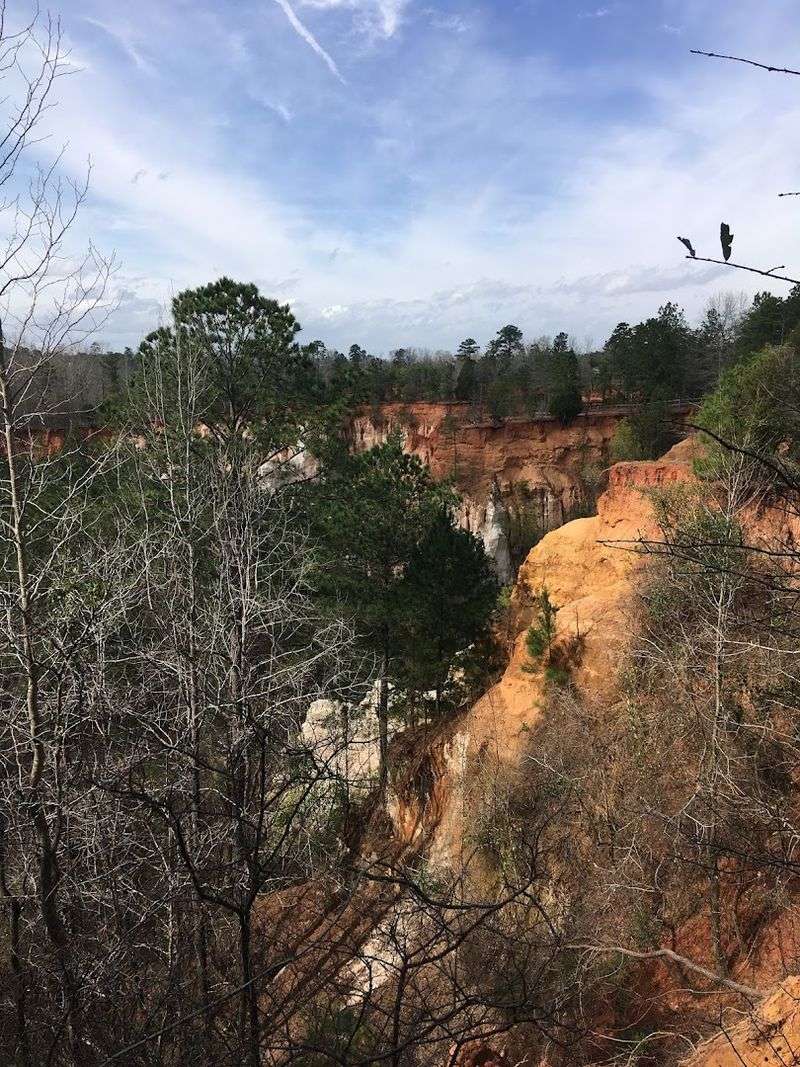
Layers of pink, orange, red, and even purple soil rise around you, creating formations that feel more like the Southwest than the Deep South. Some canyons drop as deep as 150 feet, and the scale becomes more impressive the further you explore.
The experience shifts depending on how you approach it. Hikers can weave through the canyon floor, photographers find endless angles in the changing light, and casual visitors can simply take it in from overlooks without needing a long trek. Every path reveals something slightly different.
There is also a sense of discovery here. The landscape feels unexpected, almost like stumbling onto something you were not supposed to find, which makes the visit even more memorable.
For anyone looking to experience a completely different side of Georgia, Providence Canyon offers an adventure that feels bold, unusual, and absolutely worth exploring.
1. Unique Geological Formations That Rival the Southwest
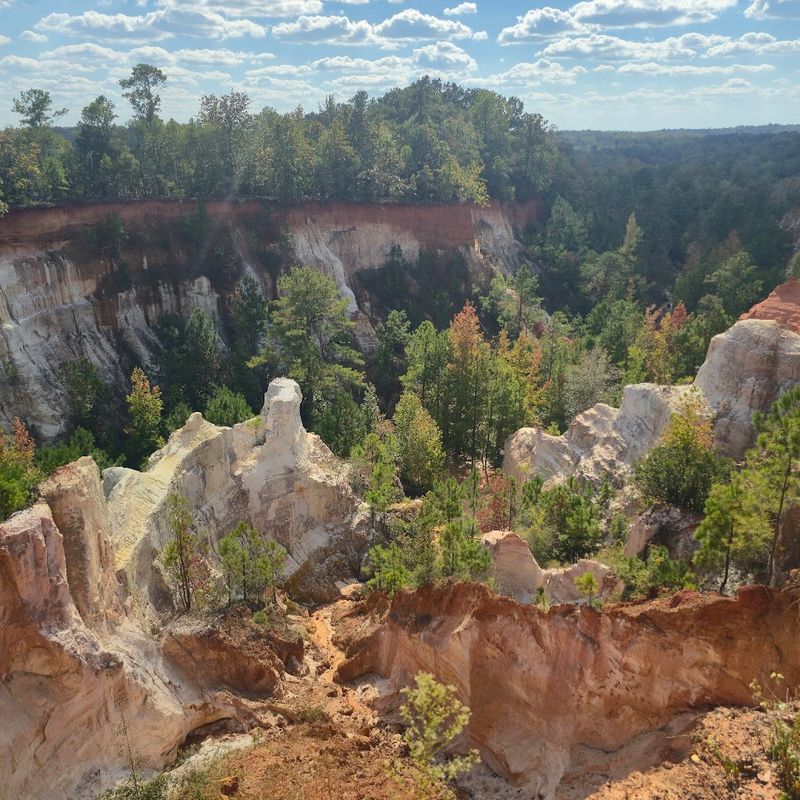
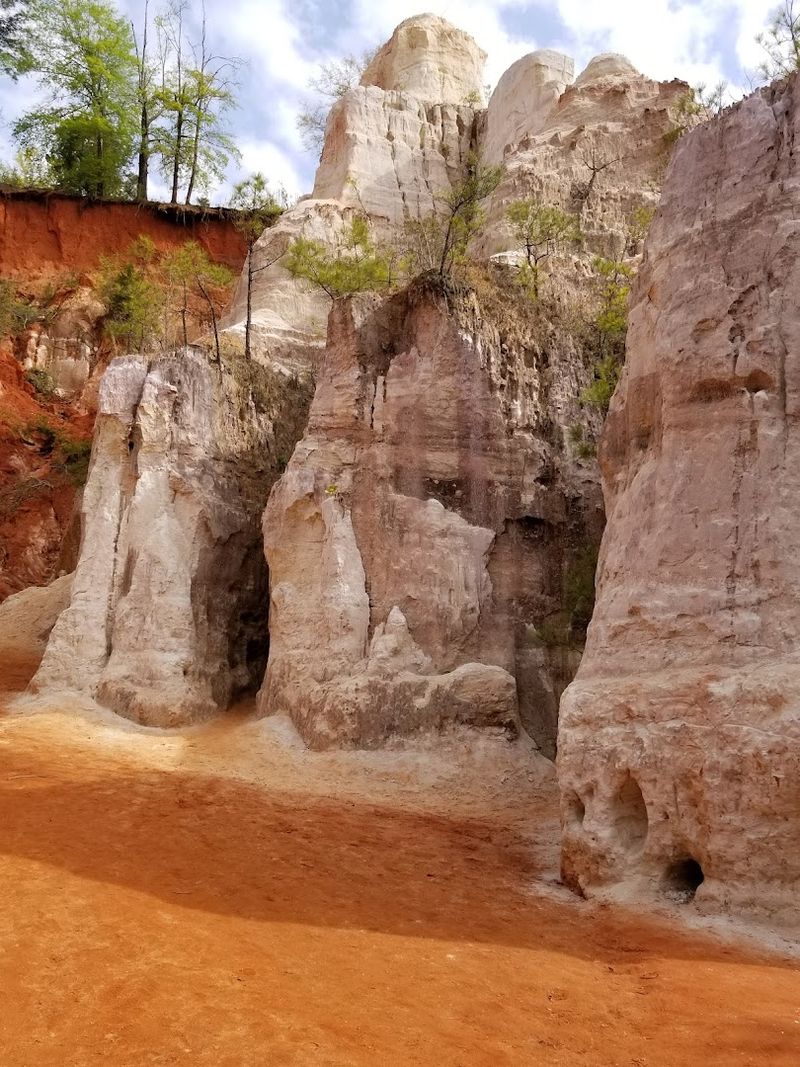
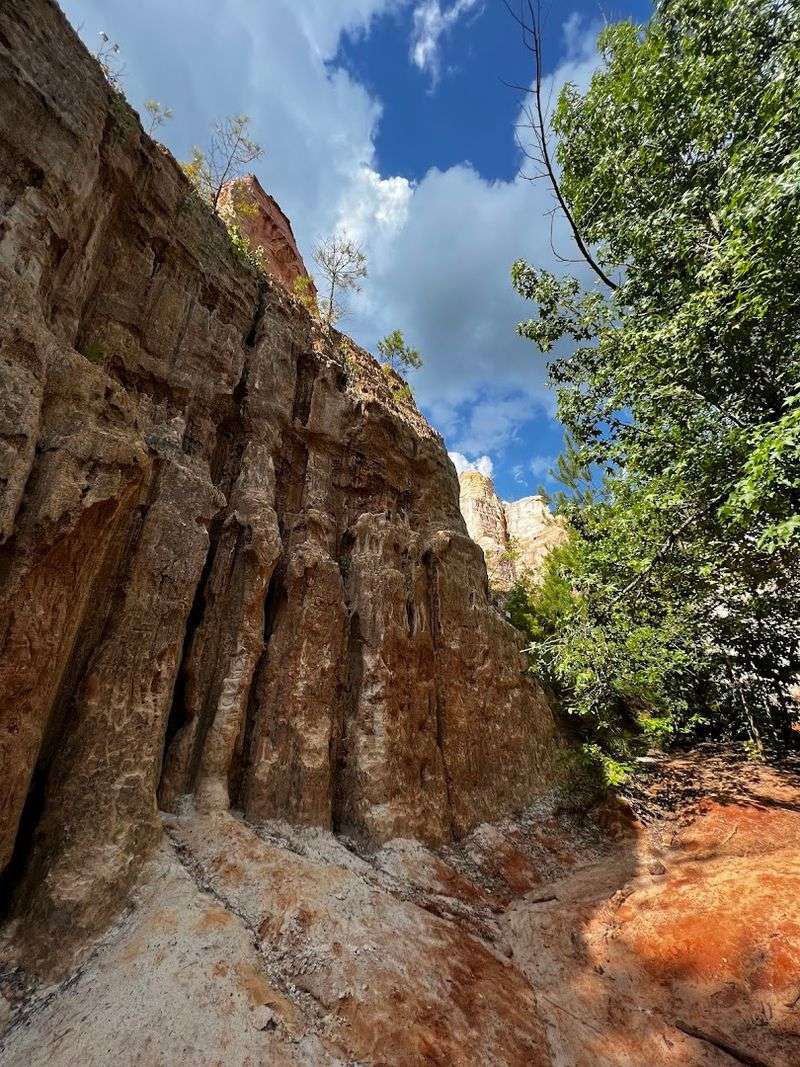
Standing at the canyon rim for the first time, most visitors do a double-take. Providence Canyon State Park, features 16 individual canyons carved into the earth over roughly 150 years. The walls glow with shades of pink, orange, red, and deep purple, colors produced by iron and manganese staining in the soil layers.
What makes this especially fascinating is that these canyons are entirely human-caused. Poor farming practices in the 1800s stripped the land of its protective vegetation, allowing rainwater to cut deeply into the soft soil over generations. The result is an accidental wonder that now attracts visitors from across the country.
Some canyon walls reach depths of up to 150 feet, creating dramatic vertical drops that feel genuinely surreal. Geology enthusiasts will find the exposed soil strata endlessly interesting, while casual visitors simply enjoy the visual spectacle of colors that shift throughout the day as the light changes.
2. A History Rooted in Human Error
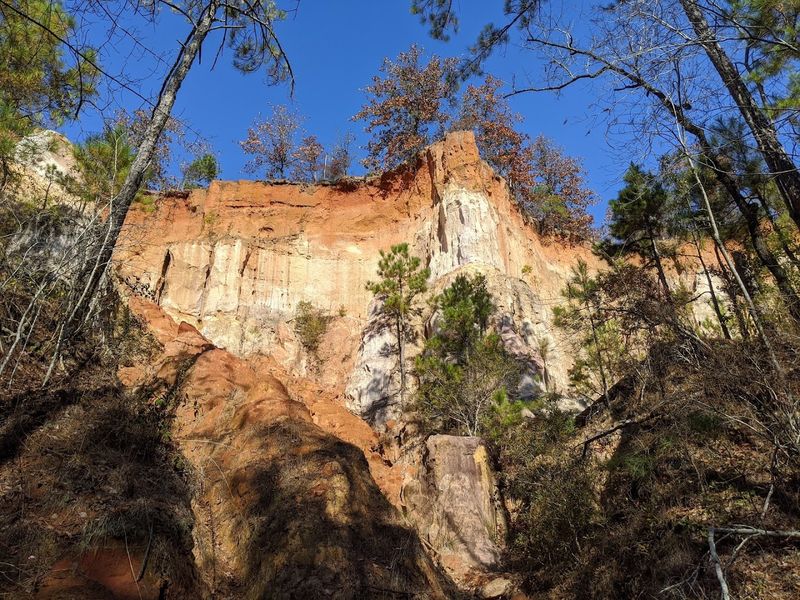
Not every natural wonder is actually natural, and Providence Canyon is a perfect example of that truth. The canyons began forming in the early 1800s when settlers cleared land for cotton farming without understanding the long-term consequences of removing native vegetation from Georgia’s sandy, erosion-prone soil.
Within just a few decades, small gullies became massive ravines. What started as shallow ditches grew into canyon systems stretching hundreds of feet wide and over a hundred feet deep. The park itself now serves as a living case study in soil conservation and land management.
Visiting with kids makes this history especially meaningful. Rangers and interpretive signs throughout the park explain how quickly the landscape changed and what lessons modern farmers and land managers have taken from the experience. Few places in the Southeast offer such a vivid, walk-through environmental history lesson that feels both humbling and genuinely eye-opening.
3. Hiking Trails for Every Skill Level
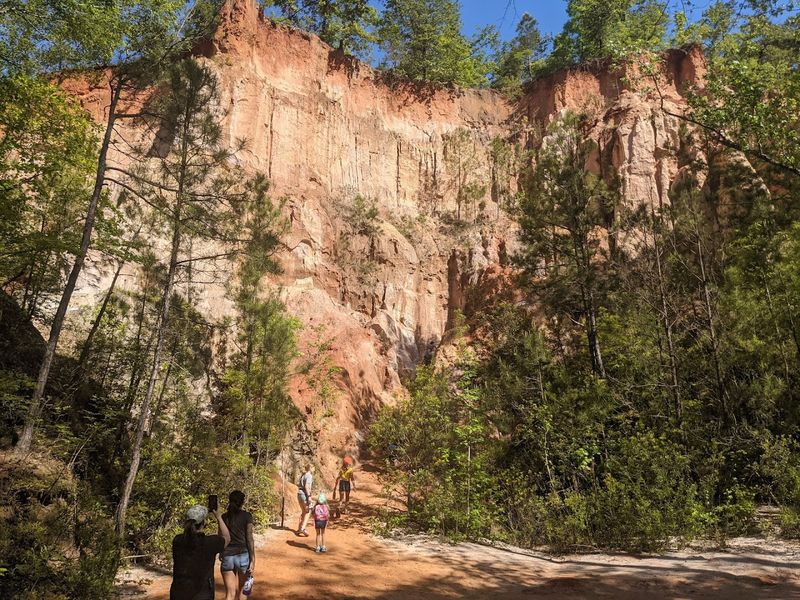
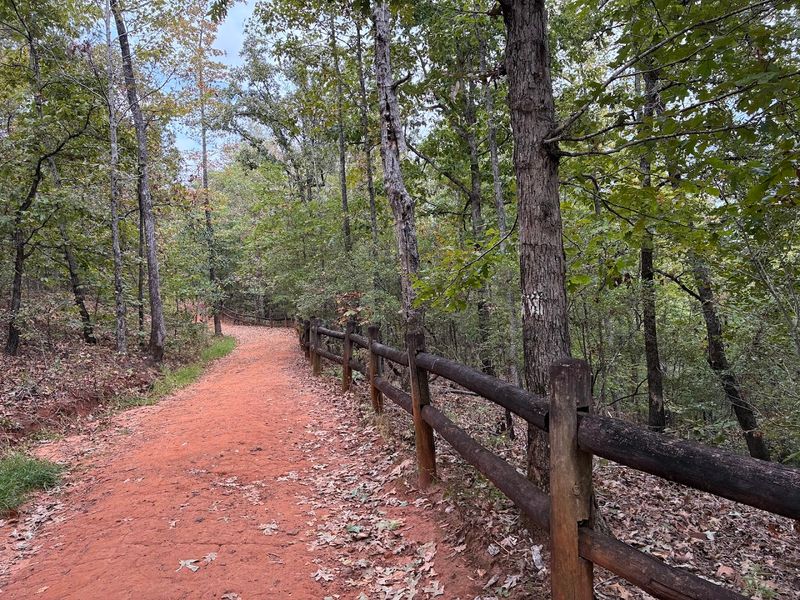
Lacing up your boots at Providence Canyon means choosing your own adventure. The park offers two main trail options that cater to very different fitness levels and time commitments. Beginners and families tend to gravitate toward the 2.5-mile Canyon Loop Trail, which winds through nine of the park’s sixteen canyons and stays manageable for most ages.
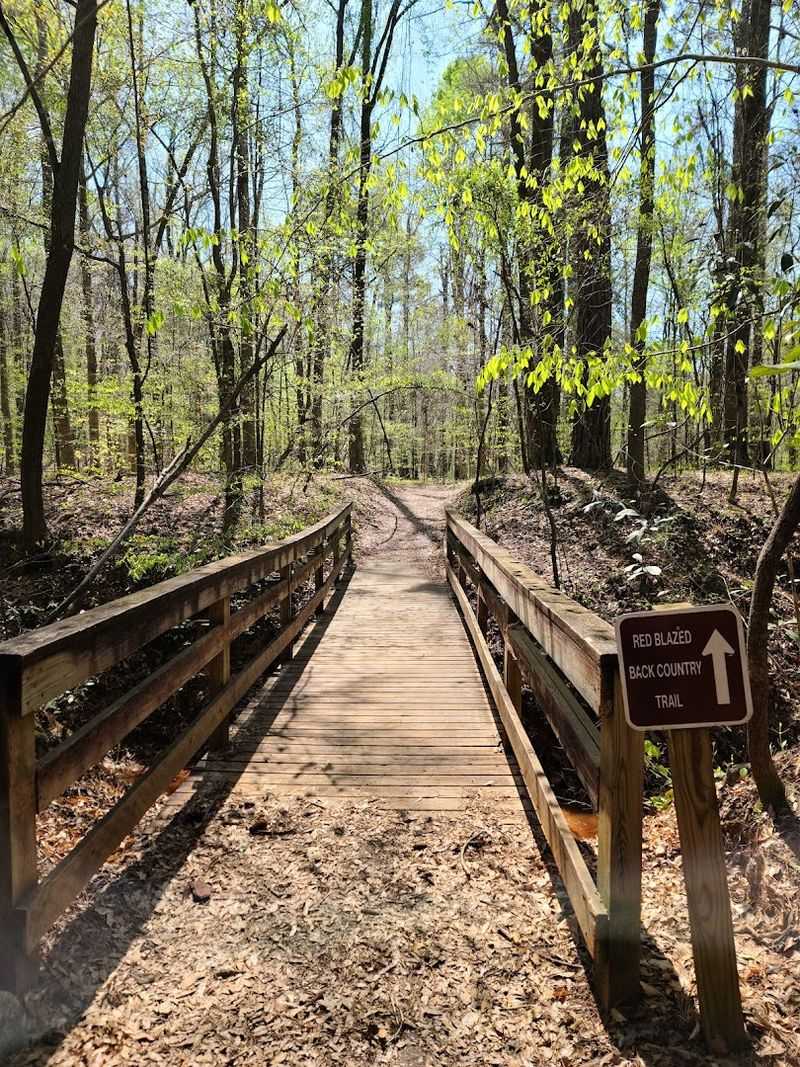
Providence Canyon State Park sits and the trailhead is easy to find right from the main parking area. For those craving more challenge, the 7-mile Backcountry Trail pushes deeper into the surrounding woodland, offering a quieter, more immersive experience away from the canyon overlooks.
Trail conditions can vary with weather, so checking in at the visitor center before heading out is always a smart move. Sturdy shoes with ankle support are strongly recommended since the sandy canyon floor can shift underfoot. Bringing plenty of water is essential, especially during Georgia’s warm summer months when temperatures rise quickly.
4. Photography Opportunities That Feel Almost Unreal
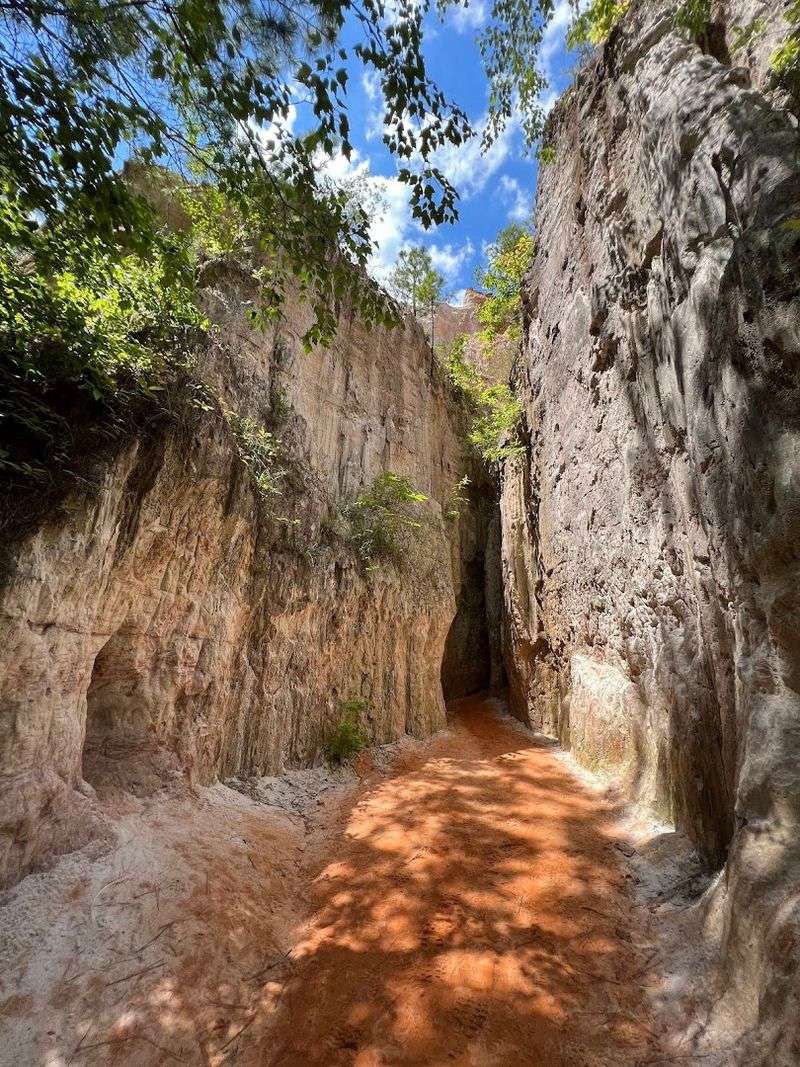
Photographers travel from hundreds of miles away just to capture what Providence Canyon offers at sunrise and sunset. The canyon walls shift dramatically in color as the angle of light changes throughout the day, turning already-vivid hues of orange, pink, and lavender into something almost otherworldly. No filter required here.
The park opens early enough to catch the morning light spilling into the canyon floor, which tends to produce the most striking shadows and color contrasts. The sandy canyon floor also reflects light in a way that adds warmth and depth to wide-angle shots.
Smartphone photographers will find plenty of compelling compositions too, since the canyon walls frame natural shots beautifully from nearly every angle. Early weekday mornings offer the quietest shooting conditions with the fewest other visitors in frame. Bringing a polarizing filter can help reduce glare from the pale sandy surfaces during midday hours.
5. Wildlife and Rare Plant Species Worth Seeking Out
Among all the plants that grow wild in Georgia, the Plumleaf Azalea holds a special status at Providence Canyon. This rare native shrub blooms in vivid orange-red clusters during July and August, which happens to be a time when most other wildflowers have already faded in the summer heat. Finding one in bloom feels like discovering something truly exclusive.
Providence Canyon State Park is considered one of the best places in the world to observe this rare plant in its natural habitat. Beyond the azalea, the park shelters a surprising variety of wildlife including white-tailed deer, wild turkey, and various songbirds that move through the canyon edges and surrounding forest.
Reptile enthusiasts may spot lizards and non-venomous snakes along sunny canyon walls. Bringing binoculars adds another layer of enjoyment, particularly in the early morning when wildlife activity tends to peak. The mix of canyon and woodland habitat creates a surprisingly rich ecosystem within a relatively compact area.
6. Picnicking Spots That Make Family Outings Easy
Some of the best park memories happen not on the trail but at the picnic table. Providence Canyon offers designated picnic areas that make it easy to turn a canyon visit into a full-day family outing without needing to pack up and drive somewhere else for lunch. The shaded spots near the visitor center provide a comfortable break spot, especially during warmer months.
The picnic facilities are clean and well-maintained, with nearby restroom access making logistics simple for families with young children. Packing a cooler with sandwiches, fruit, and cold drinks makes the midday pause genuinely refreshing after a morning hike through the canyons.
Weekday visits tend to offer more picnic table availability than busy weekend afternoons. Arriving early and claiming a shaded spot before hitting the trails is a practical strategy that many regular visitors swear by. The relaxed pace of a picnic lunch fits perfectly with the unhurried mood the canyon naturally encourages.
7. Backcountry Camping for a Secluded Night Out
Spending a night inside the boundaries of Providence Canyon is an experience that feels completely removed from everyday life. The park offers primitive backcountry campsites that are only accessible by hiking in, which naturally keeps the crowds minimal and the atmosphere genuinely peaceful. Waking up surrounded by canyon country in southwest Georgia is a surprisingly special way to start a morning.
Campers must pack in all their supplies and pack out all their waste, keeping the backcountry pristine for future visitors.
The 7-mile Backcountry Trail connects to the designated camping areas, so arriving with a well-fitted backpack and broken-in boots is essential. Nights in this part of Georgia can still carry a chill in spring and fall, so layering appropriately makes a big difference in overall comfort during overnight stays.
8. Educational Programs That Bring the Science to Life
Few state parks in Georgia put as much effort into connecting visitors with the science behind what they are seeing as Providence Canyon does. The park regularly hosts astronomy nights, geology talks, and guided interpretive walks that transform a casual visit into something genuinely educational. Kids and adults alike tend to leave with a much richer understanding of what shaped this landscape.
The park schedules these programs throughout the year, with some seasonal offerings tied to specific natural events like the Plumleaf Azalea bloom or meteor shower viewings. Checking the Georgia State Parks events calendar before planning a trip helps ensure catching a program that matches personal interests.
Geology programs are particularly popular because the canyon itself becomes the classroom. Rangers explain soil composition, erosion mechanics, and the environmental history of southwest Georgia in ways that feel accessible rather than academic. Visitors who attend these sessions consistently rate them among the highlights of their entire park experience.
9. Stargazing Under Exceptionally Dark Skies
Getting away from city lights makes a bigger difference than most people realize until they actually do it. Providence Canyon’s remote location in rural southwest Georgia means the night sky above the park is genuinely dark, offering the kind of stargazing that feels rare and almost old-fashioned in the best possible way. On clear nights, the Milky Way is visible to the naked eye.
The park sits far enough from major metropolitan areas that light pollution stays minimal throughout the year. Astronomy programs hosted by the park take advantage of this, using telescopes to highlight planets, star clusters, and deep-sky objects that urban visitors rarely get to observe clearly.
Even without a formal program, simply spreading out a blanket on a clear summer night and watching the sky overhead is a memorable experience. Bringing a red-light flashlight helps preserve night vision while navigating the park after dark, and a star-map app can add helpful context to the show unfolding overhead.
10. Dog-Friendly Trails That Welcome Four-Legged Visitors
Leaving a dog at home when heading out on a park adventure can feel like a tough call, but Providence Canyon makes bringing a furry companion genuinely easy. Dogs are welcome on all trails throughout the park, provided they stay on a leash no longer than six feet at all times. That simple rule keeps the experience enjoyable for every visitor, human and canine alike.
Providence Canyon State Park and the sandy canyon floor can get warm during midday summer visits, so checking paw temperature before long stretches on exposed terrain is a good habit. Early morning hikes are typically cooler and more comfortable for dogs during the warmer months.
Bringing enough fresh water for both the hiker and the dog is non-negotiable on longer trail segments. The Canyon Loop Trail at 2.5 miles tends to be the most manageable option for dogs, offering interesting smells, varied terrain, and enough visual stimulation to keep even energetic breeds thoroughly entertained throughout the walk.
11. A Visitor Center Stocked With Everything You Need
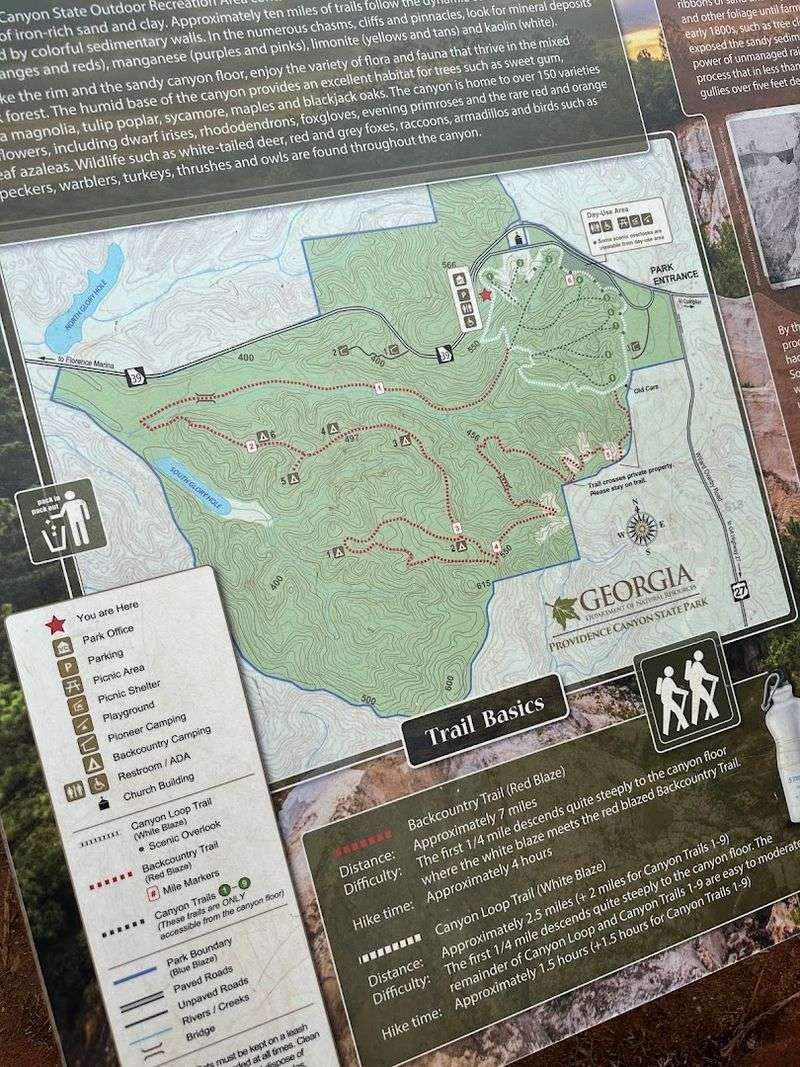
Starting a park visit at the visitor center is one of those habits that genuinely pays off. At Providence Canyon, the center provides trail maps, restroom facilities, interpretive exhibits, and a small gift shop where visitors can pick up souvenirs, field guides, and educational materials related to the park’s geology and natural history. Staff members are consistently helpful with trail recommendations.
The visitor center at Providence Canyon State Park serves as the natural starting point for orienting to the park’s layout before heading out on foot. Rangers stationed there can offer current trail conditions, seasonal highlights, and safety reminders that make the overall experience smoother and safer.
First-time visitors especially benefit from spending ten minutes in the center before hitting the trails. The exhibits explaining the canyon’s formation through erosion provide helpful context that makes the actual landscape feel more meaningful once you are standing inside it. The gift shop also carries locally relevant books that make excellent reading for the drive home.
12. Seasonal Beauty That Changes With Every Visit
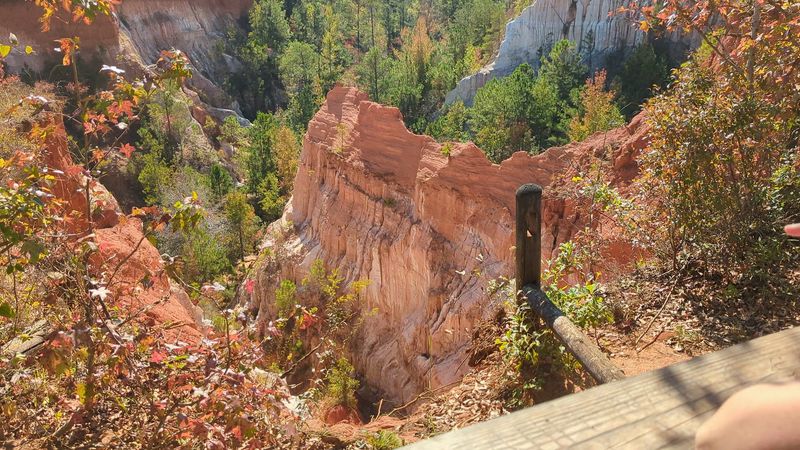
One of the quiet pleasures of Providence Canyon is that it never looks exactly the same twice. Each season brings a different visual personality to the park, making repeat visits feel fresh rather than repetitive. Spring brings soft green growth along the canyon rims, while summer delivers the stunning orange-red bloom of the rare Plumleaf Azalea deep inside the canyon.
The park transitions beautifully into fall when surrounding hardwood trees shift into warm yellows, oranges, and reds that frame the already-colorful canyon walls with an extra layer of visual richness. Winter visits offer a quieter, more introspective experience with fewer crowds and crisp air that makes the colors of the canyon walls appear even more saturated.
Planning a visit around a specific seasonal highlight, like the July azalea bloom or peak fall foliage in October and November, can make the experience feel especially well-timed. Each season also tends to attract a slightly different crowd, which changes the overall energy of the park in interesting ways.
13. An Accessible Year-Round Destination With Flexible Hours
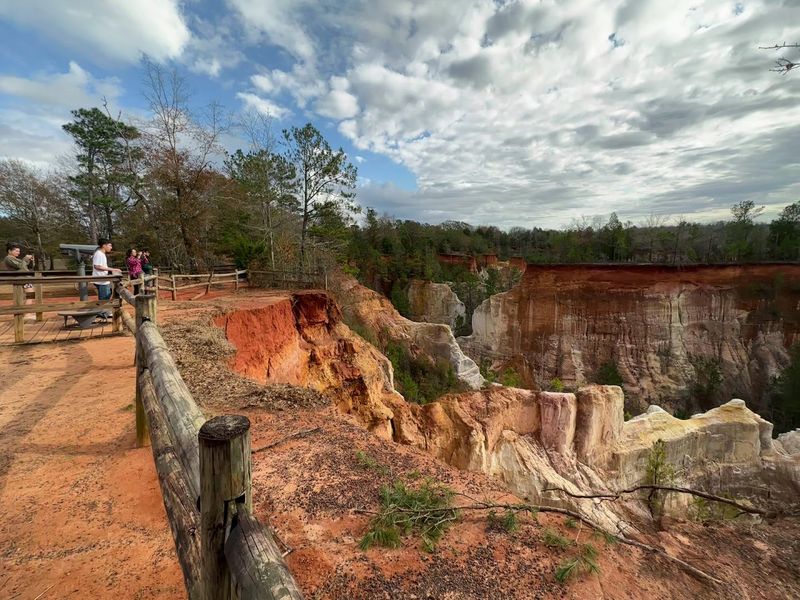
Not every great natural destination is easy to plan around, but Providence Canyon keeps things refreshingly straightforward. The park is open year-round, and during summer months the hours extend to accommodate longer days, giving visitors more flexibility to arrive, explore, and still catch the late afternoon light on the canyon walls before heading home.
Providence Canyon State Park typically operates from 7 a.m. to dark, with specific closing times varying by season. Checking the Georgia State Parks website before visiting confirms current hours and any special closures that might affect plans. A small parking fee applies, and Georgia State Parks passes are accepted for those who visit multiple parks throughout the year.
The park’s year-round accessibility makes it a viable destination in any season, which is not always the case for more weather-sensitive natural attractions. Weekday visits during school hours tend to be noticeably quieter than weekend mornings, making them a better choice for anyone who prefers a more private, unhurried experience inside the canyons.
14. Educational Exhibits Inside the Visitor Center
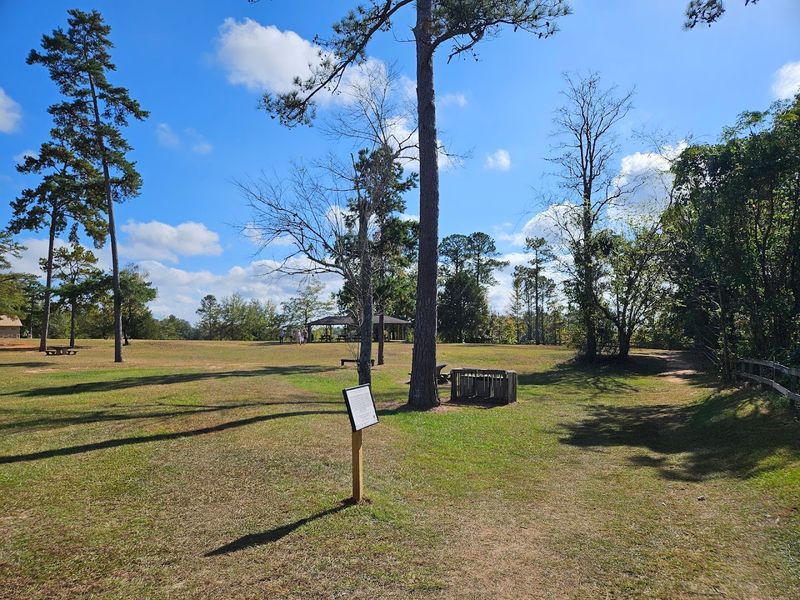
Walking through the visitor center exhibits at Providence Canyon is genuinely worthwhile before stepping onto any trail. The displays cover the park’s geological history, ecological significance, and the human story behind the canyon’s formation with clear, easy-to-follow explanations that work well for both adults and younger visitors. Historical photographs showing the canyon’s growth over decades are particularly striking.
The visitor center presents this information in a way that feels engaging rather than textbook-dry. Soil sample displays and cross-section diagrams help make the abstract science of erosion tangible and understandable, especially for school-age visitors who might be studying environmental science.
Teachers and homeschool families have found the exhibits especially useful as a complement to classroom lessons on land use, conservation, and Georgia history. The combination of visual displays, hands-on elements, and knowledgeable park staff creates a learning environment that reinforces what visitors then see firsthand out on the trails. It is a genuinely effective educational setup without feeling overly formal.
15. A Landscape That Genuinely Surprises First-Time Visitors
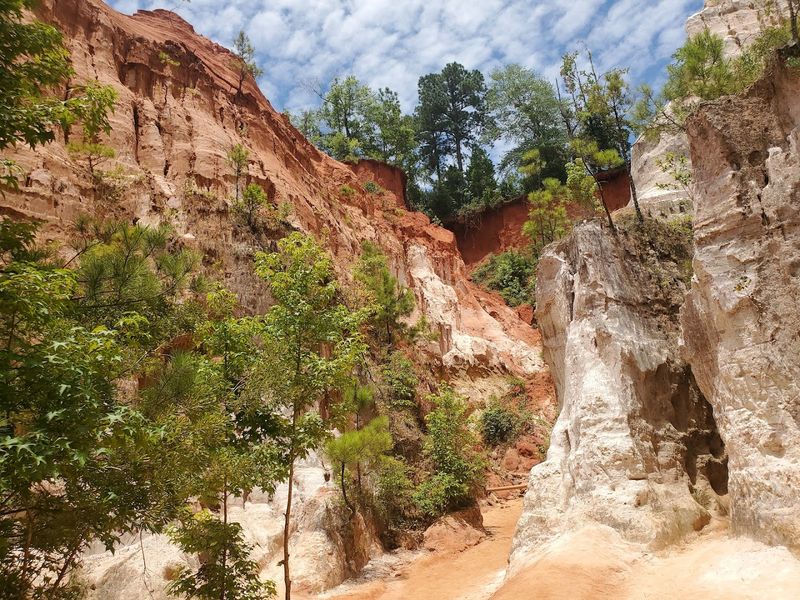
Most people driving through southwest Georgia have no idea what is waiting for them at the end of Canyon Road. The surrounding landscape gives almost no visual warning of what lies ahead, which makes the first glimpse of the canyon rim one of the more genuinely surprising moments available anywhere in the Southeast. The contrast between the flat farmland outside and the dramatic canyon interior is hard to overstate.
Providence Canyon State Park consistently earns reactions of disbelief from first-time visitors who simply did not expect to find anything resembling the American Southwest in rural Georgia. That element of surprise is part of what gives the park its lasting appeal and keeps visitors recommending it enthusiastically to friends and family.
The park offers one of those experiences that photographs struggle to fully capture. Standing inside the canyon and looking up at those towering, color-streaked walls creates a sense of scale and wonder that only works in person. For anyone seeking something genuinely different from a typical Georgia day trip, this is an easy, memorable choice.