12 Unforgettable California Day Trips, One For Each Month Of 2026
A full year opens up in a way that feels easier when each month already has a plan. The pressure disappears. Choices feel clearer. Instead of wondering where to go next, there is always something waiting at just the right time.
Seasonal changes do more than shift the weather. They reshape entire landscapes. One month brings open desert views that feel calm and quiet.
Another fills hillsides with color or reveals coastal stretches at their best. Timing matters, and getting it right turns a simple outing into something far more memorable.
Travel across California works best when it follows the rhythm of the year.
Short drives start to feel like real escapes. A single day can deliver something completely different depending on when it happens. That variety keeps the experience fresh without needing complicated planning.
From redwood forests to ocean cliffs and wide open valleys, these day trips are set up to match each month naturally, making it easy to turn 2026 into a year filled with moments that actually stand out.
1. January: Death Valley National Park
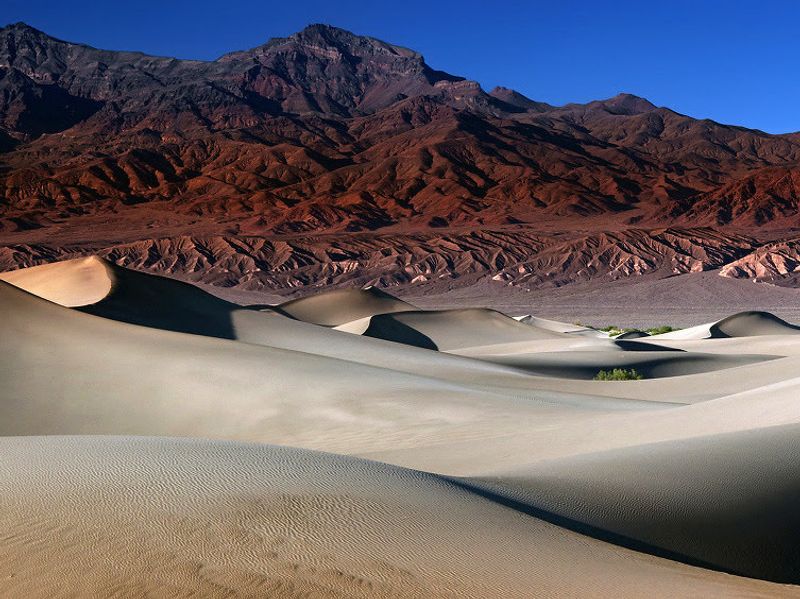
Cold desert air and jaw-dropping silence greet visitors to Death Valley in January, making it one of the best months to explore one of the most extreme landscapes on the planet.
Temperatures in winter tend to stay mild and manageable, often sitting between 50 and 65 degrees Fahrenheit during the day, which is a far cry from the scorching summer heat the park is famous for.
Mesquite Flat Sand Dunes rise gently near the main corridor and offer an easy walk across rippled golden sand without requiring any special gear.
Zabriskie Point rewards early risers with layered badland views that shift dramatically in the morning light, painting the ridgelines in shades of amber and rust.
Badwater Basin, the lowest point in North America at 282 feet below sea level, gives visitors a rare chance to walk across a vast salt flat that stretches as far as the eye can see.
Parking can fill quickly at popular trailheads on clear winter weekends, so arriving before 9 a.m. tends to help.
Packing layers is smart because temperatures drop quickly once the sun sets over the valley floor.
2. February: Point Reyes National Seashore
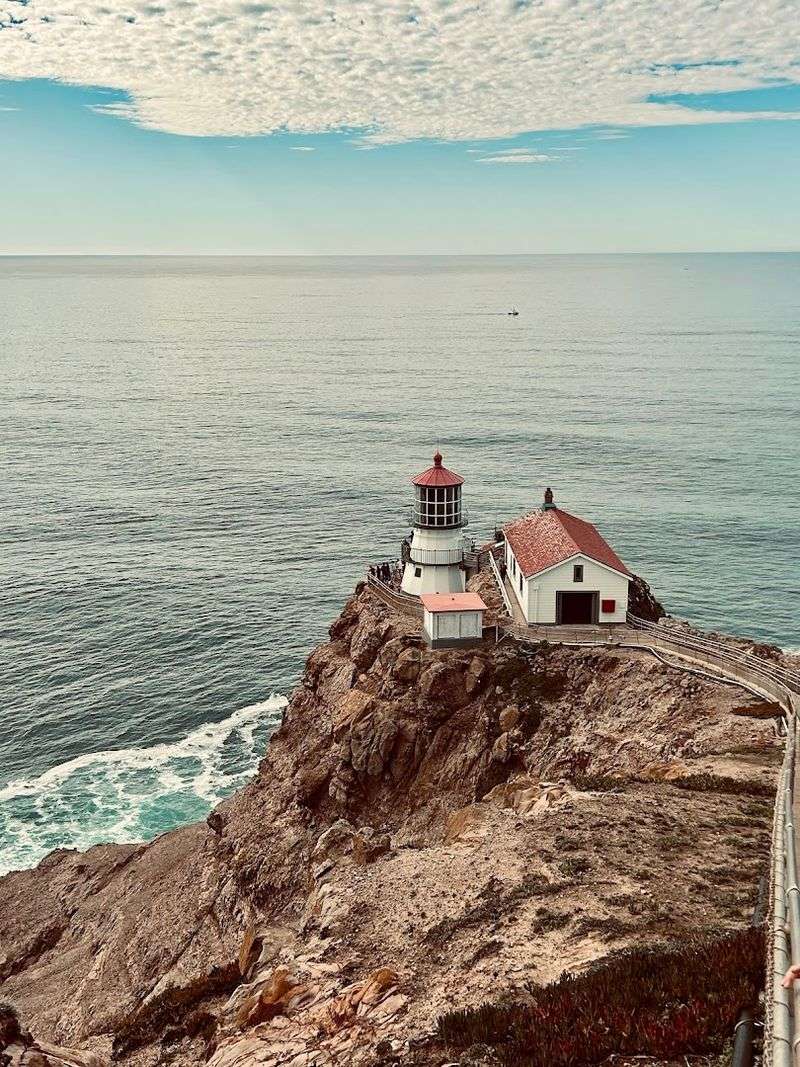
February brings lush green hillsides and powerful surf to Point Reyes National Seashore, a rugged stretch of coastline about an hour and a half north of San Francisco that feels like a world apart from the city.
The winter rains keep the landscape vivid and alive, and the cooler temperatures make long walks along the bluffs genuinely comfortable.
Elephant seals gather at Drakes Beach area during this time of year, and the Point Reyes Lighthouse offers sweeping views of the Pacific while also serving as a prime whale-watching spot during gray whale migration season.
The lighthouse sits at the end of a steep staircase with over 300 steps, so comfortable footwear makes a noticeable difference.
Tomales Point Trail winds through open grasslands where tule elk roam freely, and sightings are fairly common in the morning hours.
The trail runs about 9.4 miles round trip and stays mostly flat, making it accessible for a range of fitness levels.
Fog is common in February and can roll in quickly, so bringing a wind-resistant jacket is a practical choice for any visit to the seashore.
3. March: Carlsbad Flower Fields
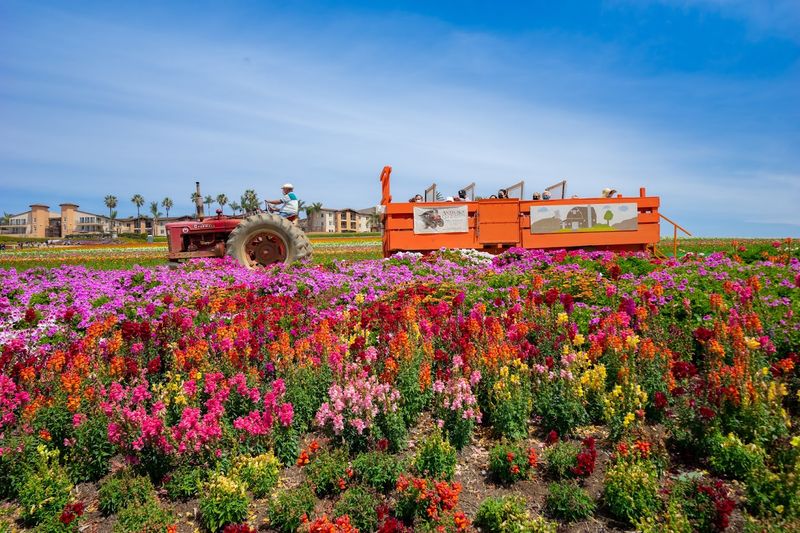
Few sights in California compare to the ranunculus fields of Carlsbad bursting into bloom each spring, and March sits right at the heart of peak season for one of the most colorful displays in the state.
The Flower Fields at Carlsbad Ranch span approximately 50 acres of hillside and are planted in sweeping diagonal rows of red, orange, yellow, pink, and white blooms that are best seen from the higher paths on the property.
The Flower Fields at Carlsbad Ranch is located at 5704 Paseo Del Norte in Carlsbad, and the fields are typically open from early March through early May each year.
Admission is charged per person, and tickets can be purchased at the entrance or in advance online, which is recommended on sunny weekends when lines tend to grow.
A tractor wagon ride offers a relaxed overview of the entire field layout for those who prefer a seated tour.
The grounds also include a sweet pea maze and a working greenhouse that lets visitors see how the bulbs are grown and prepared for the season.
Mornings on weekdays tend to be less crowded and offer softer light that makes the colors especially vivid in photographs.
4. April: Piedras Blancas Elephant Seal Rookery
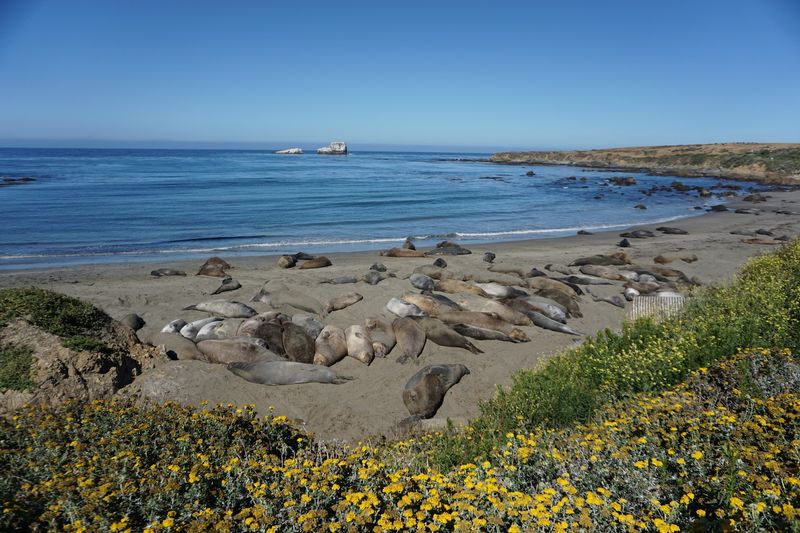
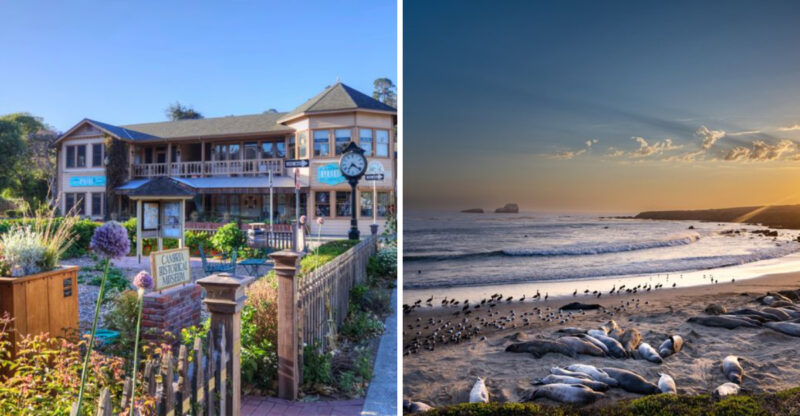
Watching hundreds of elephant seals sprawled across a sandy beach along the central California coast is the kind of experience that stays with a person long after the drive home.
April is a particularly rewarding month to visit the Piedras Blancas Elephant Seal Rookery near San Simeon because weaned pups, known as weaners, are still present on the beach and the overall energy of the colony remains active and watchable.
The rookery sits along Highway 1 roughly 5 miles north of Cambria, and a free boardwalk runs parallel to the beach so visitors can observe the seals up close without disturbing them.
No admission fee is required, and docents are often present on weekends to answer questions and point out specific animal behaviors.
Male elephant seals can weigh up to 5,000 pounds, and watching them move, vocalize, and interact with one another is both humbling and entertaining.
The viewing area is fully exposed to coastal wind, so a jacket is worth bringing regardless of the inland temperature forecast.
Binoculars help with spotting smaller pups nestled among the larger adults farther down the beach.
5. May: Yosemite National Park
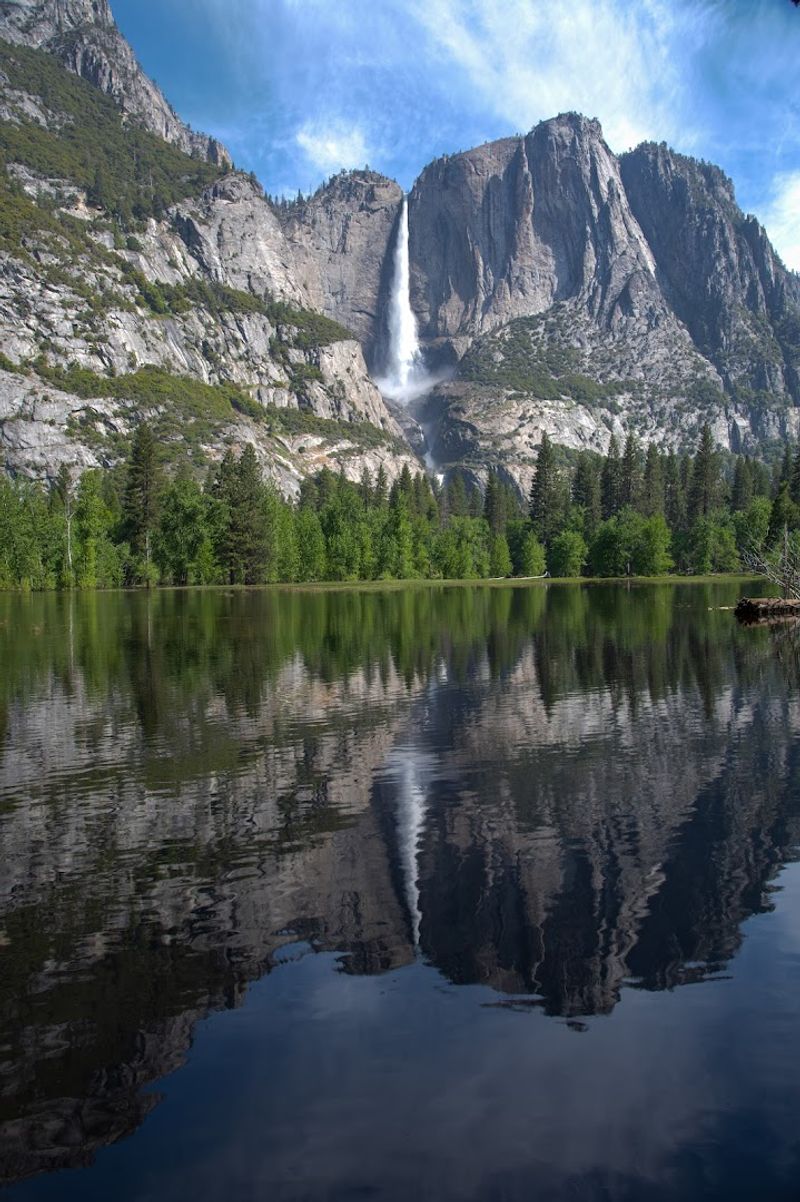
Snowmelt in May turns Yosemite’s waterfalls into roaring curtains of white water that cascade down granite walls with a force that can be felt from hundreds of feet away.
Yosemite Falls, one of the tallest waterfalls in North America, reaches its peak flow during late spring, and the mist at the base of the lower falls can soak a light jacket within minutes of arrival.
Yosemite Valley tends to fill quickly on weekends in May, and a timed-entry reservation is required during peak periods, so checking the National Park Service website well ahead of the visit is essential.
Arriving early on a weekday morning offers a noticeably calmer experience with shorter lines at popular trailheads.
Valley floor meadows are lush and green in May, and the reflections of Half Dome in the still waters of the Merced River near Sentinel Bridge are among the most photographed scenes in the park.
Mirror Lake offers a relatively easy 5-mile loop that showcases both forest and granite scenery.
Temperatures in the valley are generally pleasant in May, though higher elevation areas like Tioga Road may still be closed due to lingering snow.
6. June: Lake Tahoe
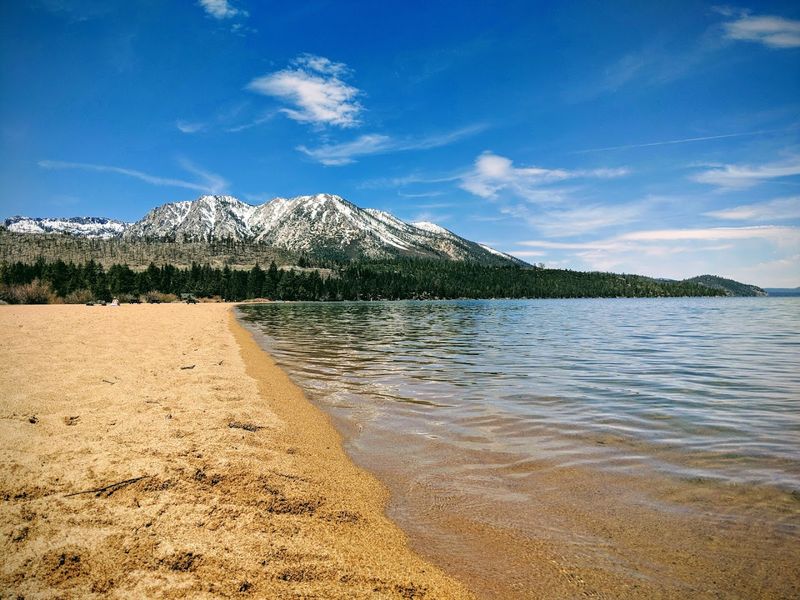
Crystal-clear water in shades of cobalt and turquoise makes Lake Tahoe one of the most visually striking destinations in the entire state, and June marks the beginning of its most accessible season.
Snowpack in the surrounding Sierra Nevada mountains has typically finished melting by mid-June, leaving the hiking trails open and the beaches gradually warming up for the summer.
Sand Harbor State Park on the Nevada side of the lake offers some of the clearest water access and most photogenic rocky shoreline, and it tends to attract visitors early in the season before peak summer crowds arrive.
On the California side, Kings Beach and Tahoe City both provide easy lakefront access with nearby food options and kayak rentals available.
The Tahoe Rim Trail offers sections of day-accessible hiking with panoramic views over the lake basin that are genuinely hard to match anywhere else in the region.
June temperatures around the lake typically sit in the mid-60s to low 70s Fahrenheit, making outdoor activity comfortable throughout the day.
Evenings cool down quickly at elevation, and a light layer is useful once the sun drops behind the ridgeline.
7. July: Santa Cruz Beach Boardwalk
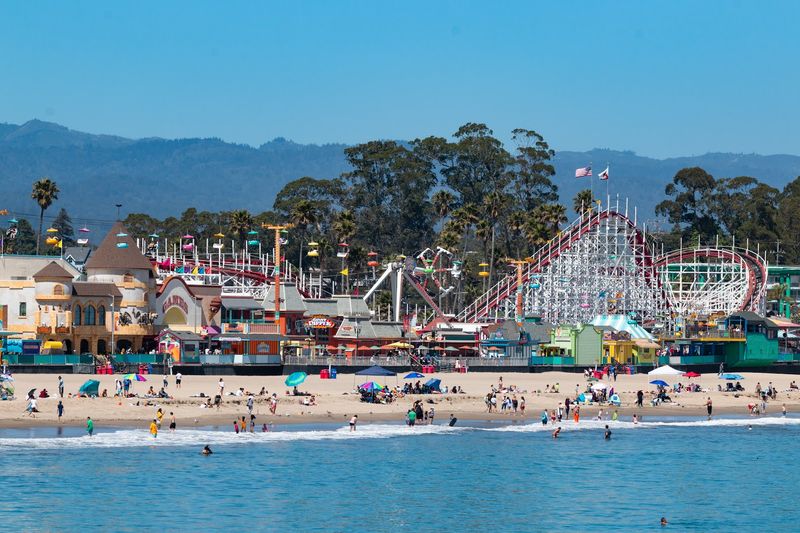
Classic seaside fun with the smell of sunscreen and cotton candy in the air sums up a July visit to the Santa Cruz Beach Boardwalk, one of California’s most beloved coastal amusement parks.
The Giant Dipper roller coaster, which opened in 1924 and is a National Historic Landmark, still runs daily during summer and offers a surprisingly thrilling ride for something nearly a century old.
The Santa Cruz Beach Boardwalk is located at 400 Beach Street in Santa Cruz, and the park sits directly on the beach, meaning visitors can move between rides and the shoreline without having to travel anywhere.
Parking fills up fast on weekends, and arriving before 10 a.m. or using public transit from downtown Santa Cruz makes the day run more smoothly.
Beyond the rides, the beach itself is wide and walkable, with calm enough surf for casual wading and paddling.
July in Santa Cruz tends to bring morning fog that burns off by midday, leaving warm afternoon sunshine that makes the beach especially enjoyable in the second half of the day.
Bringing cash for some of the boardwalk food vendors can speed up the ordering process during busy afternoon rushes.
8. August: Avenue Of The Giants
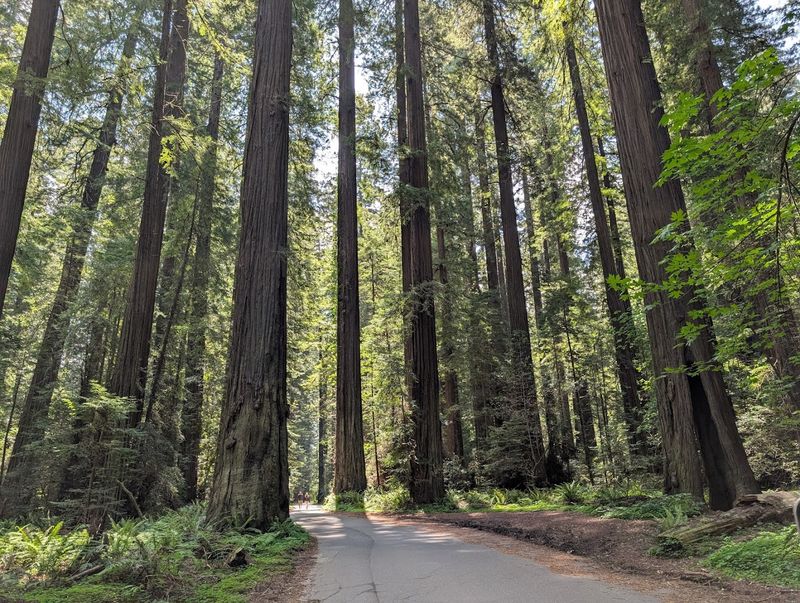
Standing beneath a 300-foot coastal redwood puts the ordinary scale of the world into a completely different perspective, and the Avenue of the Giants in Humboldt County offers that experience at every turn.
The route runs for about 31 miles through Humboldt Redwoods State Park alongside some of the tallest and oldest trees on Earth, many of which were already centuries old when the first European explorers arrived in California.
August is a popular month for the drive because the weather in Humboldt County tends to be mild rather than hot, which makes walking the shaded forest trails genuinely pleasant.
The Founders Grove Nature Loop Trail is a short and flat half-mile walk that passes the Founders Tree and several other massive old-growth specimens that require no strenuous hiking to reach.
Rockefeller Forest, accessible via a short detour off the main avenue, contains one of the largest remaining old-growth redwood forests in the world and feels remarkably quiet and undisturbed.
The canopy blocks most direct sunlight, keeping the forest floor cool and dim even on the warmest days.
Weekday visits tend to bring noticeably fewer cars parked along the roadside pullouts, allowing for a more peaceful and unhurried experience.
9. September: Napa Valley
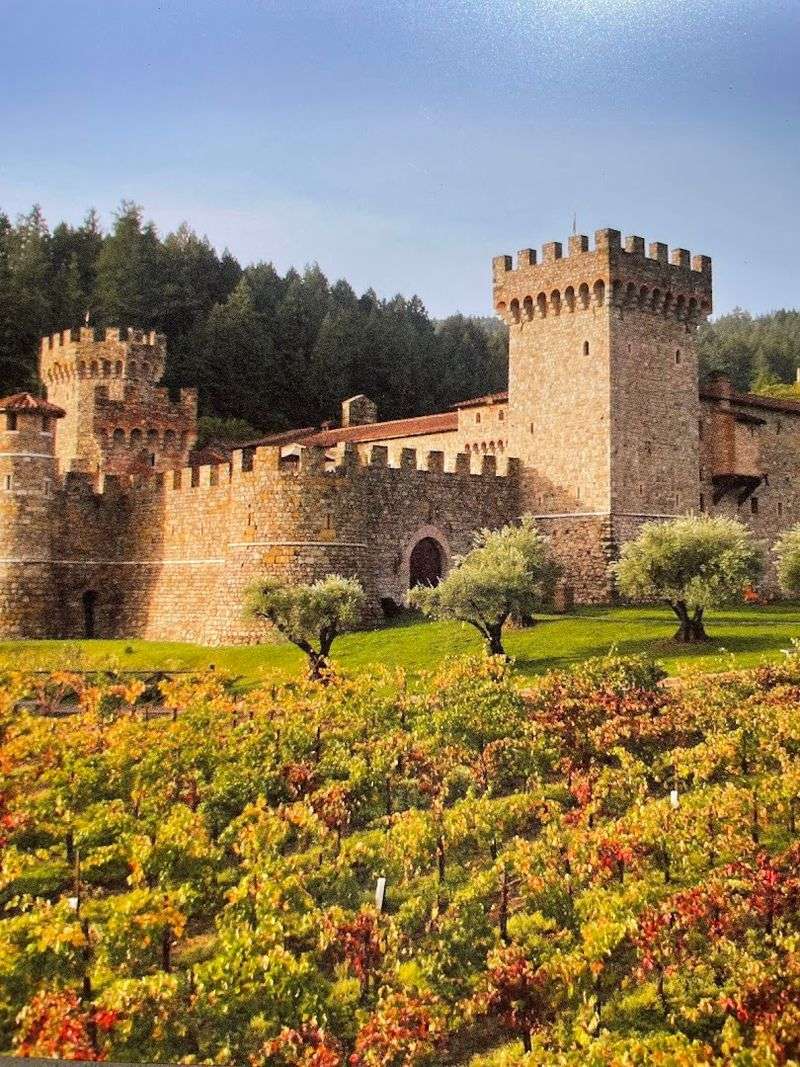
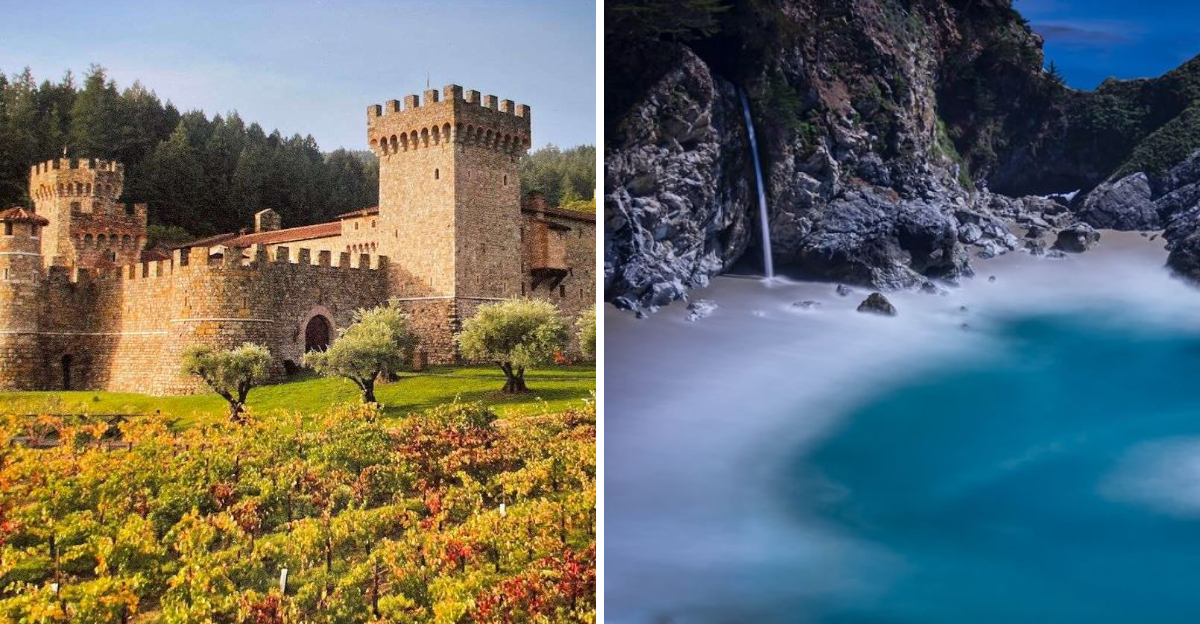
Golden light falling across row after row of grapevines in September makes Napa Valley look like a painting, and the timing could not be better for a day trip during harvest season.
The harvest period typically runs from late August through October, and driving through the valley in September means catching vineyards at their most active and visually rich moment of the year.
The Napa Valley Welcome Center at 600 Main Street in Napa serves as a helpful starting point for visitors who want maps, tasting room recommendations, and information about seasonal events happening throughout the region.
Downtown Napa has expanded considerably in recent years and now offers a walkable stretch of restaurants, cafes, and shops that can fill an afternoon on their own.
The Vine Trail along the Napa River runs through the heart of the valley and offers a flat and easy cycling or walking path for those who want to explore at a relaxed pace.
September temperatures in the valley can climb into the upper 80s Fahrenheit in the afternoon, so starting the day early and saving indoor tasting room visits for midday works well for comfort.
The valley is roughly 90 minutes north of San Francisco by car via Highway 29.
10. October: Julian
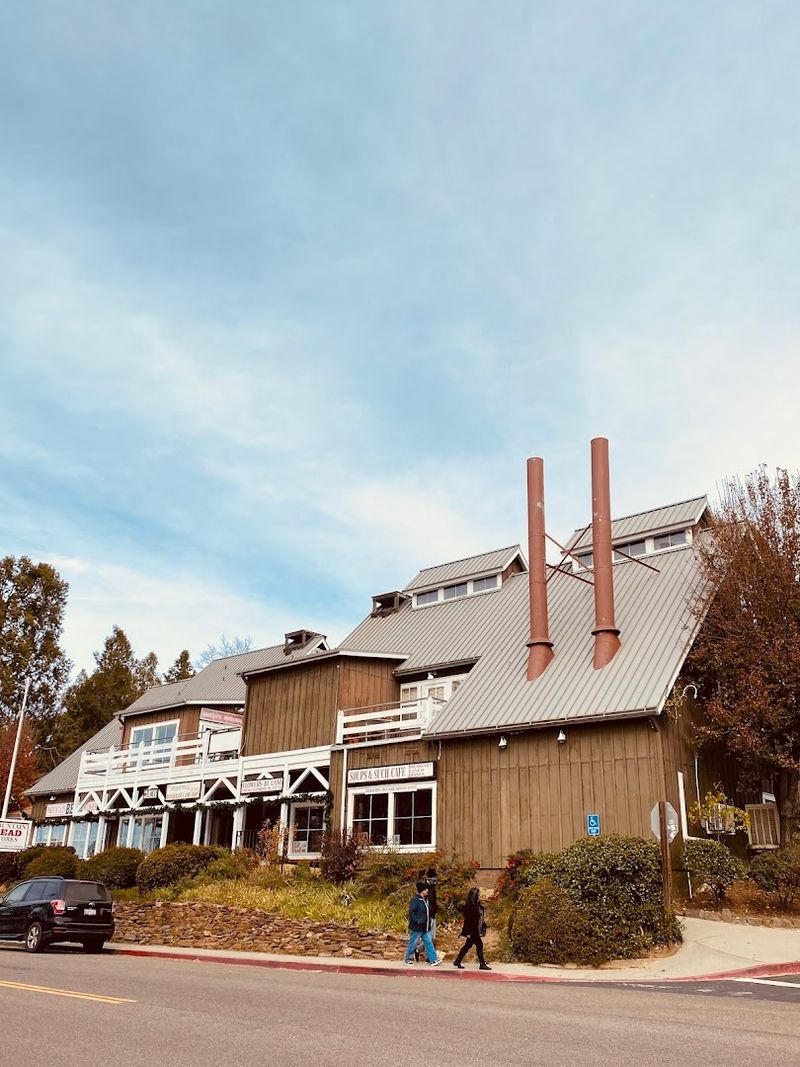
Tucked into the mountains east of San Diego, the small historic mining town of Julian transforms into a warm and festive destination every October when apple harvest season brings the whole community to life.
The town sits at roughly 4,200 feet elevation in the Cuyamaca Mountains, and the cooler temperatures and turning oak trees give it an autumn atmosphere that feels rare in Southern California.
Julian is well known for its apple pies, and several bakeries along Main Street sell whole pies and slices that draw long lines on fall weekends, particularly the Julian Pie Company and Mom’s Pie House, both of which have been serving the area for decades.
Arriving mid-morning on a weekday avoids the heaviest crowds and leaves more time to explore the small shops and historic buildings at a comfortable pace.
The Eagle and High Peak Mine offers underground tours that tell the story of the gold rush era that originally put Julian on the map in the 1870s.
Cuyamaca Rancho State Park sits just a short drive from town and offers hiking trails through oak and pine woodland that are especially scenic during peak fall color.
Julian is about 60 miles east of San Diego and takes roughly 90 minutes to reach by car.
11. November: Big Sur
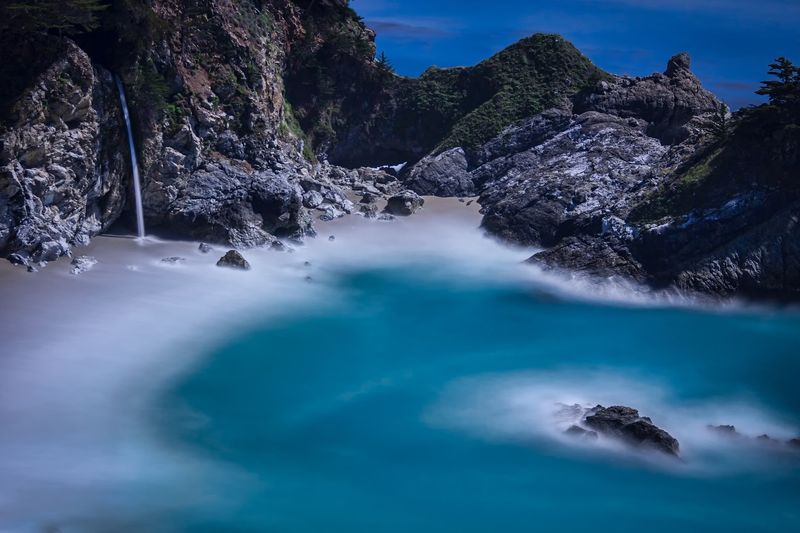
November settles over Big Sur with a moody, cinematic quality that feels completely different from the crowded summer months, and the dramatic stretch of Highway 1 between Carmel and San Simeon becomes easier to enjoy at a slower pace.
Rainfall picks up in November, but clear days between storms offer some of the most vivid coastal scenery anywhere on the California coast, with deep green hillsides contrasting sharply against the steel-blue ocean below.
McWay Falls in Julia Pfeiffer Burns State Park drops 80 feet directly onto a secluded beach cove and is one of the most photographed natural features along the entire coast.
The overlook trail is short and paved, making it accessible for most visitors without requiring any serious hiking preparation.
Bixby Creek Bridge, one of the most iconic structures in California, stands tall along the highway and offers a striking foreground for coastal photographs, especially when low clouds drift through the canyon below the span.
November traffic along Highway 1 is noticeably lighter than summer, and pullout spaces at scenic overlooks are easier to find.
Road conditions can change quickly after heavy rain, so checking Caltrans updates before departure is a smart habit for any Big Sur trip in the fall or winter months.
12. December: Solvang
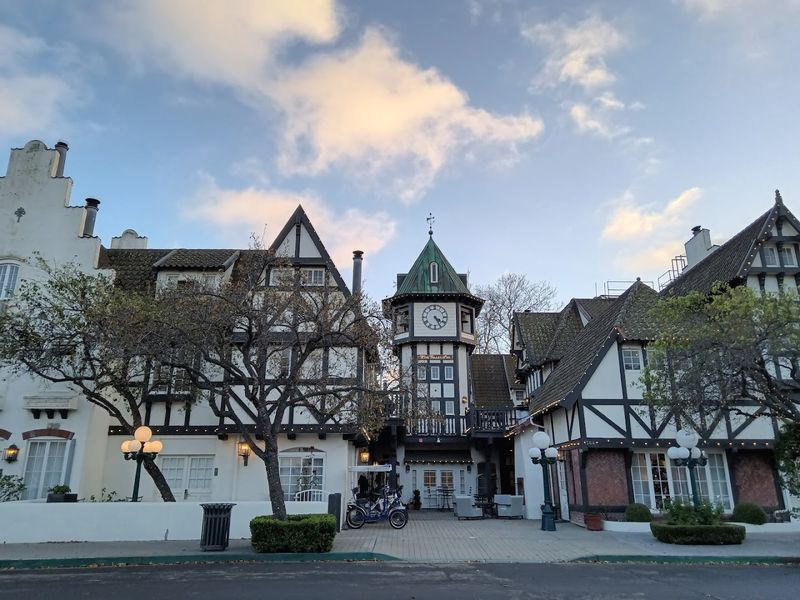
Few places in California feel as genuinely festive in December as Solvang, the Danish-inspired village in the Santa Ynez Valley that fills its streets with holiday lights, windmills, and the warm smell of fresh-baked pastries drifting from open doorways.
The town was founded in 1911 by Danish settlers and has maintained its distinctive architectural character ever since, with half-timbered facades, copper rooftops, and hand-painted signs giving Main Street a storybook quality that feels especially charming during the winter holidays.
Aebleskiver, a traditional Danish spherical pancake dusted with powdered sugar and served with jam, is available at several bakeries along Copenhagen Drive and makes for a memorable December morning treat.
The Elverhoj Museum of History and Art at 1624 Elverhoy Way in Solvang offers an interesting look at the Danish heritage and artistic traditions that shaped the community over more than a century.
Solvang sits in the Santa Ynez Valley about 35 miles north of Santa Barbara and takes roughly 45 minutes to reach by car from there.
December weekends bring holiday shoppers and families looking for a festive outing, so arriving on a weekday morning offers a more relaxed experience with easier parking along the main streets.
The surrounding valley countryside turns a soft golden green in December after the first rains of the season.