9 Unforgettable Destinations In Virginia That Belong On Every Bucket List
Some destinations earn a bucket list spot and some just demand one. Virginia has multiple that belong firmly in the second category entirely.
Each one offers something that no photograph can fully manage to capture. History, landscape, and experience all pull in very different directions here.
What connects them is the feeling they leave you with after visiting. That feeling makes you want to go back almost immediately after leaving.
I visited a few and each one changed how I see Virginia entirely. The state is a gift for people who look beyond the familiar and obvious choices.
These destinations are where that reward becomes completely and clearly undeniable.
1. Abingdon
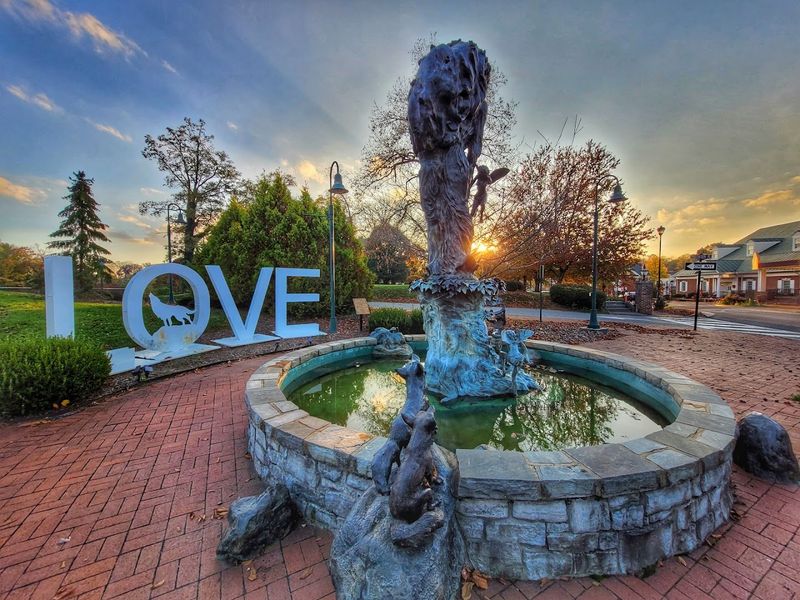
You might not believe me when I say this, but a small Virginia town once traded farm goods for theater tickets.
Abingdon sits in the southwestern corner of Virginia, nestled in the Blue Ridge Highlands. It carries a creative energy that sneaks up on you.
The Barter Theatre at 127 W Main St is one of the oldest professional theaters in the United States. It has been running productions since 1933, and the performances are genuinely impressive.
Arts and culture are not an afterthought in this town.
The Virginia Creeper Trail begins near Abingdon and winds through breathtaking mountain scenery. You can bike or hike the trail depending on your energy level. The forested sections feel incredibly peaceful in every season.
Fall is arguably the best time to come, when the leaves turn shades of amber and rust. The downtown historic district is filled with locally owned shops and galleries.
Every storefront has its own personality, which makes wandering around feel genuinely rewarding.
Abingdon also hosts the Virginia Highlands Festival each summer. The event celebrates regional arts, crafts, and local food traditions. It is the kind of town that rewards slow travel and curious minds.
What makes it even more special is how effortlessly history, nature, and creativity seem to blend into everyday life here.
2. Staunton

Who would have thought that one of Virginia’s most architecturally rich cities sits quietly in the Shenandoah Valley?
Staunton, pronounced STAN-ton, is a city that rewards anyone willing to look up at its skyline. The rooftops alone tell a century of stories.
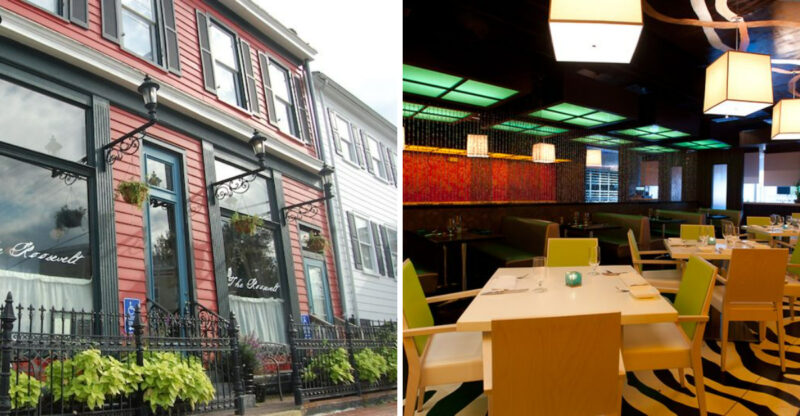
The Newtown Historic District features stunning Victorian and Italianate buildings. Many have been carefully preserved and converted into restaurants, boutiques, and studios.
Walking its streets feels like flipping through a beautifully illustrated history book.
Staunton is also the birthplace of Woodrow Wilson, the 28th U.S. president. His boyhood home is now a presidential library and museum worth a full afternoon. History fans will find plenty to explore beyond the main exhibits.
The American Shakespeare Center at 10 S Market St operates the Blackfriars Playhouse here, the world’s only re-creation of Shakespeare’s indoor theater.
Performances are staged with Elizabethan-style lighting and seating. It is a uniquely immersive theatrical experience you cannot find anywhere else.
Spring and fall bring ideal weather for exploring on foot. Staunton Farmers’ Market at 2020 W Beverley St runs regularly and showcases fresh regional produce and handmade goods.
Staunton is small in size but enormous in character, and it will stay with you long after you leave.
3. Clarksville
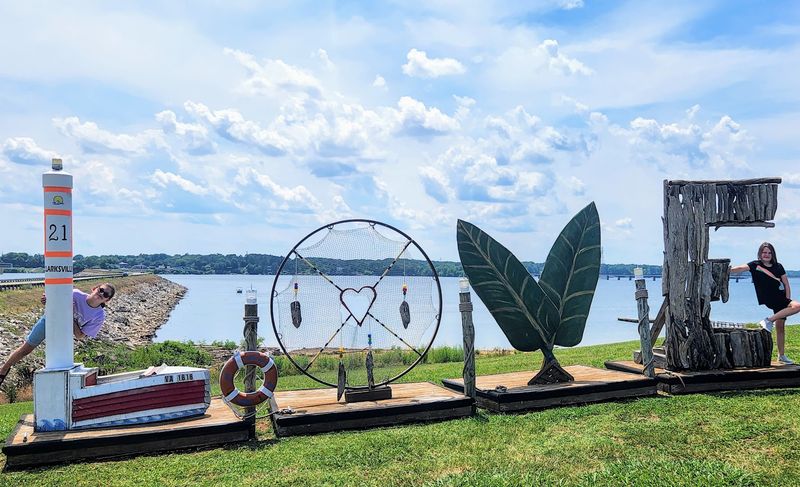
I never would have guessed that one of Virginia’s best-kept waterfront secrets sits along the North Carolina border.
Clarksville is a small Southside Virginia town perched along the Roanoke River. Its laid-back pace and natural beauty make it genuinely hard to leave.
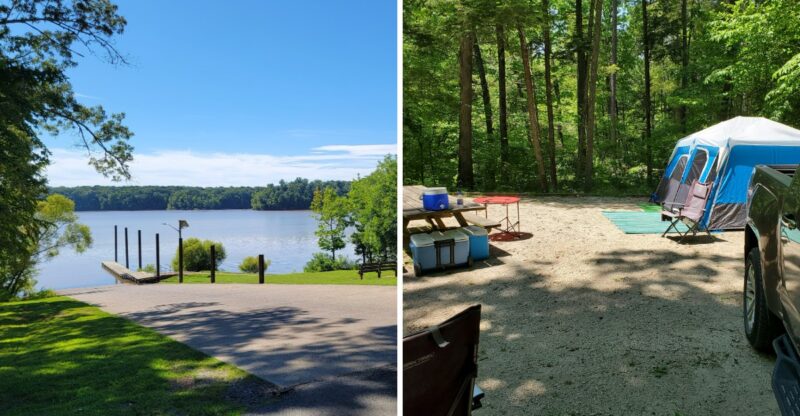
Kerr Reservoir, known locally as Buggs Island Lake, is a massive body of water right on Clarksville’s doorstep. It spans over 50,000 acres and is one of the largest lakes on the East Coast.
Boating, fishing, and swimming are all popular here throughout warmer months.
The town itself has a charming downtown area lined with murals and historic buildings. Local shops and eateries give it a community feel that chain stores cannot replicate.
Everything here feels genuinely rooted in the region’s identity.
Clarksville was once a major tobacco trading hub, and that history is woven into its architecture. The Clarksville Lake Country Regional Museum at 801 West St tells that story with care and detail. It is a compact but surprisingly rich cultural experience.
Late spring and early summer bring perfect conditions for outdoor adventures on the lake. Birdwatching along the river corridor is also exceptional during migration seasons.
Clarksville is proof that the quietest towns often carry the loudest charm.
It is the kind of place where the scenery does not just surround you, but quietly shapes the entire experience of the town itself.
4. Lexington
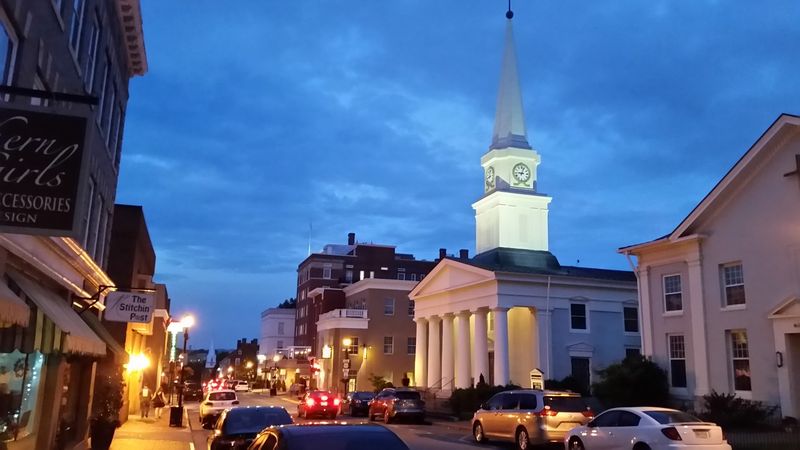
I know, a town of barely 7,000 people can feel like an entire world of history and natural beauty.
Lexington is in the Shenandoah Valley between the Blue Ridge and Allegheny mountains. It punches well above its weight in terms of what it offers.
Two prestigious institutions, Virginia Military Institute at 319 Letcher Ave and Washington and Lee University at 204 W Washington St, anchor the town’s identity.
Their campuses are architecturally stunning and open to curious wanderers. The college-town energy adds a lively rhythm to everyday life here.
Lexington is closely tied to Civil War history. Stonewall Jackson’s home and Robert E. Lee’s final resting place are both here. History runs deep in every street and building in this town.
The surrounding natural landscape is equally compelling. The Maury River flows through the area and is popular for kayaking and tubing.
Natural Bridge State Park at 6477 S Lee Hwy is just a short drive away and features a 215-foot natural rock arch.
Downtown Lexington has a walkable, unhurried feel with independent bookshops and cozy cafes. Farmers markets and seasonal festivals bring the community together throughout the year.
Any season works well for a trip here, but fall transforms the surrounding hills into something truly spectacular.
5. Culpeper
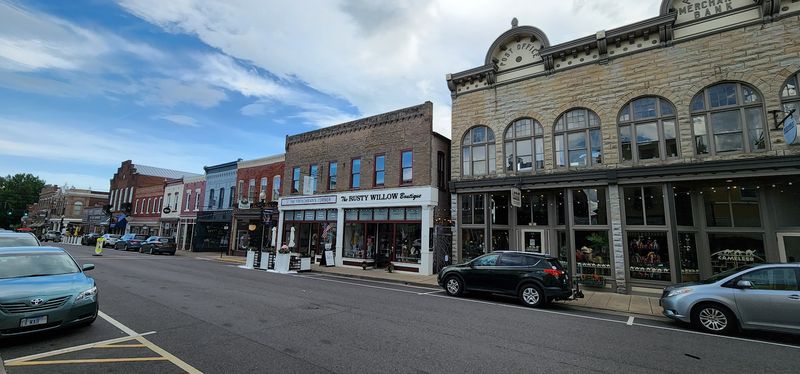
Doesn’t it sound interesting, a town where Civil War battlefields sit side by side with thriving vineyards and farm-to-table dining?
Culpeper is tucked into the Piedmont region of northern Virginia. It blends outdoor adventure with a genuine foodie culture in a way that feels effortless.
The town’s location made it strategically important during the Civil War. Brandy Station Battlefield, the site of the largest cavalry battle in North American history, is just outside town. Walking those fields gives you a powerful sense of scale and history.
Culpeper’s downtown has undergone a remarkable transformation in recent years. Renovated storefronts now house art galleries, independent restaurants, and specialty shops.
The energy here is creative and forward-moving without losing its small-town roots.
The surrounding Piedmont countryside is dotted with family-owned establishments. Many of them welcome drop-in guests for tastings and tours during weekends. The scenery alone makes the drive between vineyards worthwhile.
Cycling is popular here thanks to the gently rolling terrain and scenic back roads. The Virginia Piedmont Heritage Area provides excellent context for understanding the region’s layered history.
Culpeper rewards those who take their time and explore beyond the main street.
If you are a history buff, a nature lover, or a dedicated gourmet, this hidden destination offers an escape that stays with you long after you leave.
6. Luray
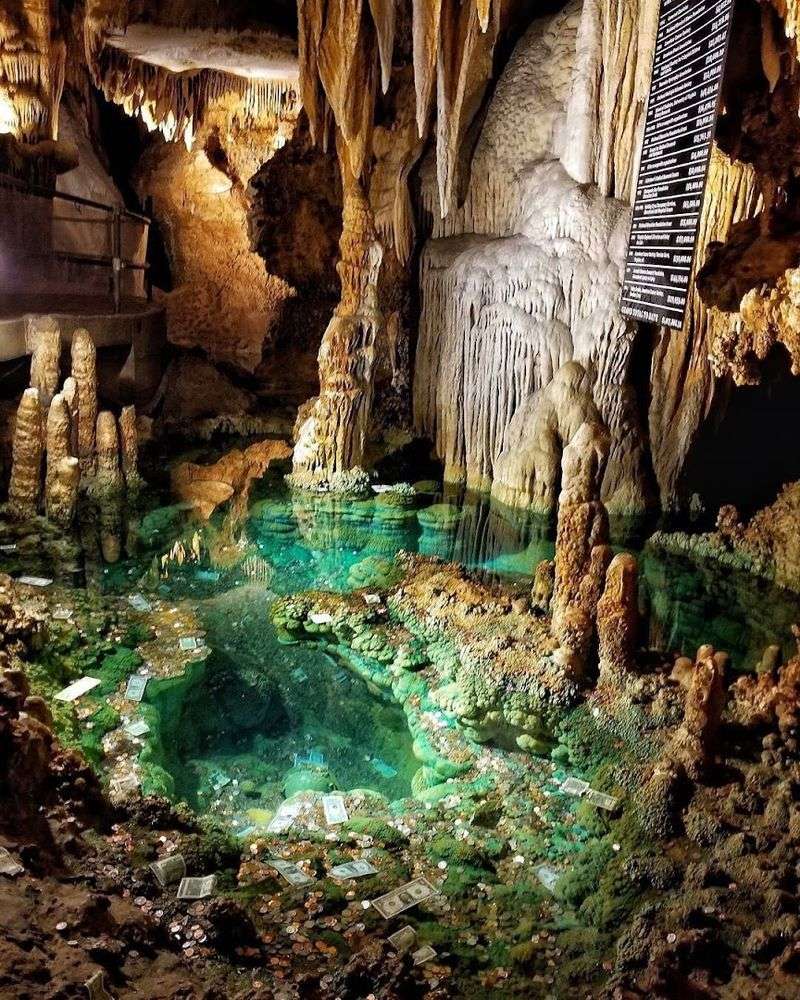
I’m aware that this sounds dramatic, but standing inside Luray Caverns genuinely made me forget I was underground in Virginia.
Luray is a small town in the Shenandoah Valley, Rockingham County, and it is home to one of the most spectacular cave systems in the eastern United States. The caverns stretch for miles beneath the valley floor.
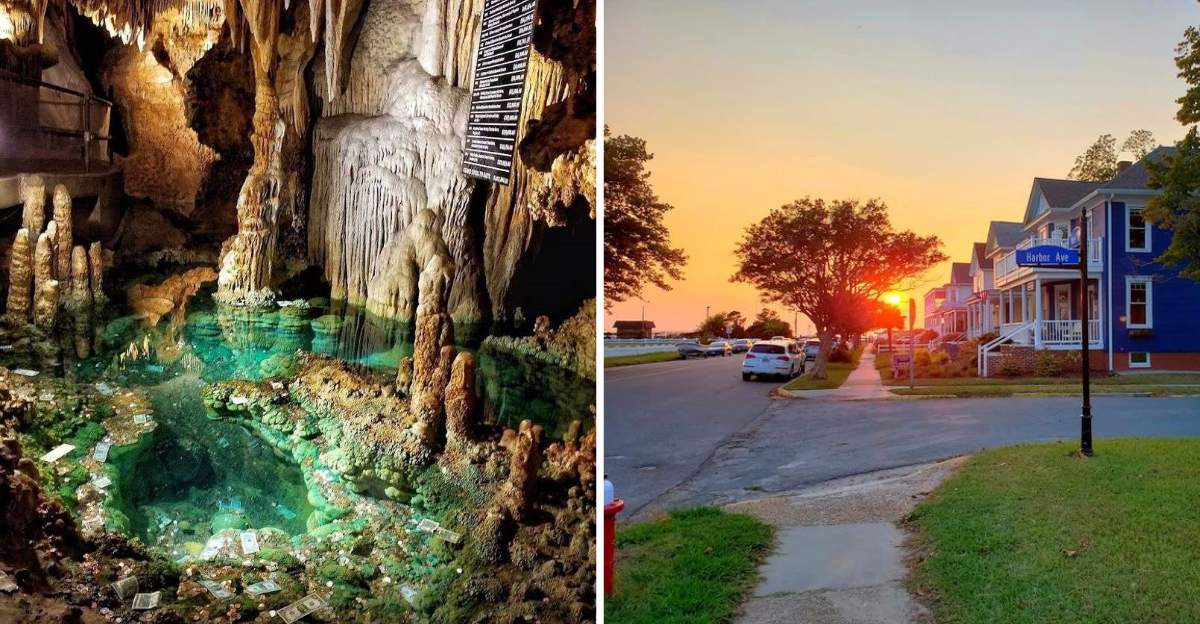
Luray Caverns opened to the public in 1878 and still manages to leave visitors completely speechless. The formations include massive columns, flowstone draperies, and mirrored underground pools.
The Great Stalacpipe Organ, a real instrument that uses stalactites to produce sound, is unlike anything else on Earth.
Above ground, the surrounding Shenandoah Valley is equally breathtaking. Skyline Drive runs along the ridge of the Blue Ridge Mountains just east of town.
It offers some of the most scenic driving in all of Virginia.
Luray is also a strong base for hiking, particularly in Shenandoah National Park. Trails range from easy riverside walks to challenging ridge climbs with panoramic views.
The town itself has a friendly, welcoming character that makes it easy to linger. Autumn is the peak season here, and for good reason. The valley transforms into a sea of red, orange, and gold.
Luray is the stop that turns a weekend trip into a lasting memory.
7. Pulaski County
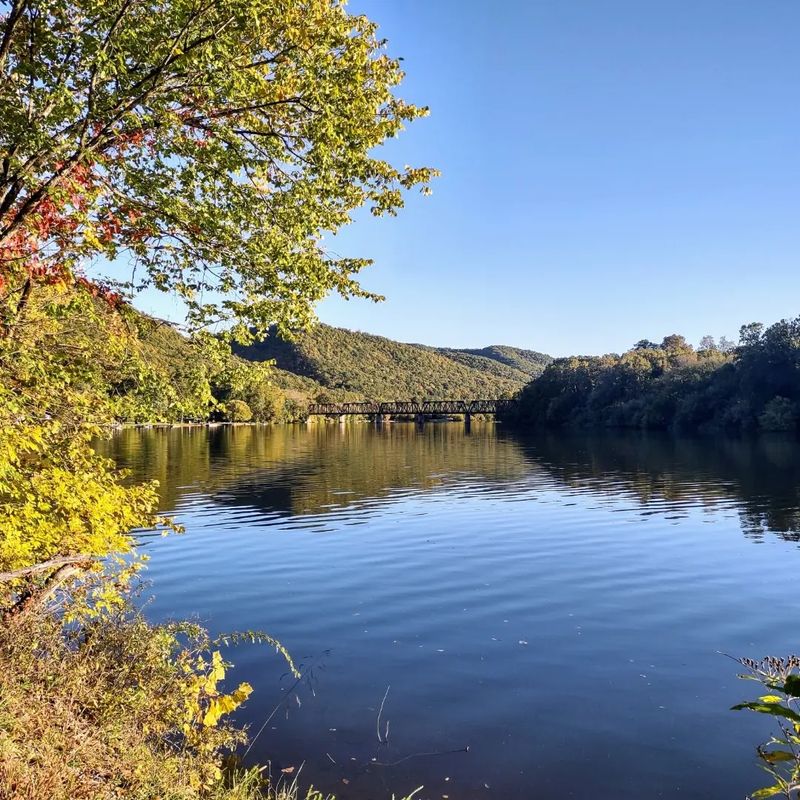
Can you believe that one of Virginia’s most underrated outdoor destinations is hiding in plain sight along the New River?
Pulaski County sits in the New River Valley in southwestern Virginia. It is a region where outdoor adventure comes standard and crowds are refreshingly rare.
The New River is one of the oldest rivers in the world, flowing north through ancient rock formations. Paddling its calm stretches is a genuinely peaceful experience.
The river corridor also supports incredible biodiversity, including rare freshwater mussels and fish species.
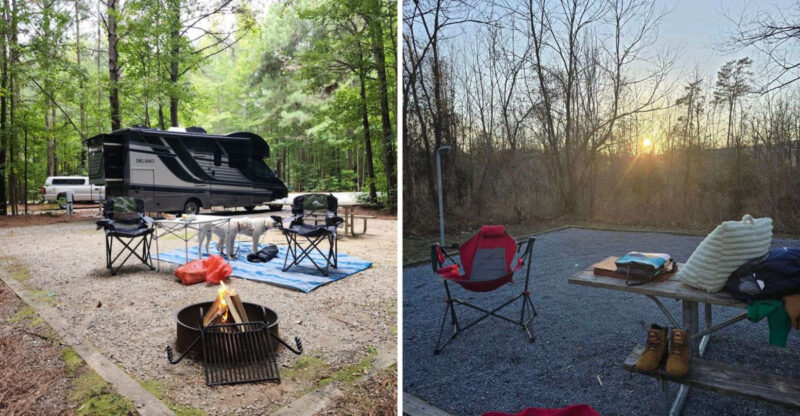
The New River Trail State Park at 116 Orphanage Dr, runs 57 miles along an old railroad corridor through the county. It is perfect for hiking, cycling, and horseback riding.
The trail passes through tunnels, over bridges, and along dramatic river bluffs.
Claytor Lake State Park at 6620 Ben H Bolen Dr in Dublin offers swimming, boating, and camping in a beautiful reservoir setting. It is a popular summer destination for Virginia families.
The park’s facilities are well-maintained and the scenery is consistently gorgeous.
The town of Pulaski itself has a charming historic downtown with a restored 1941 theater. Local events and community festivals keep the cultural calendar active year-round.
8. Cape Charles
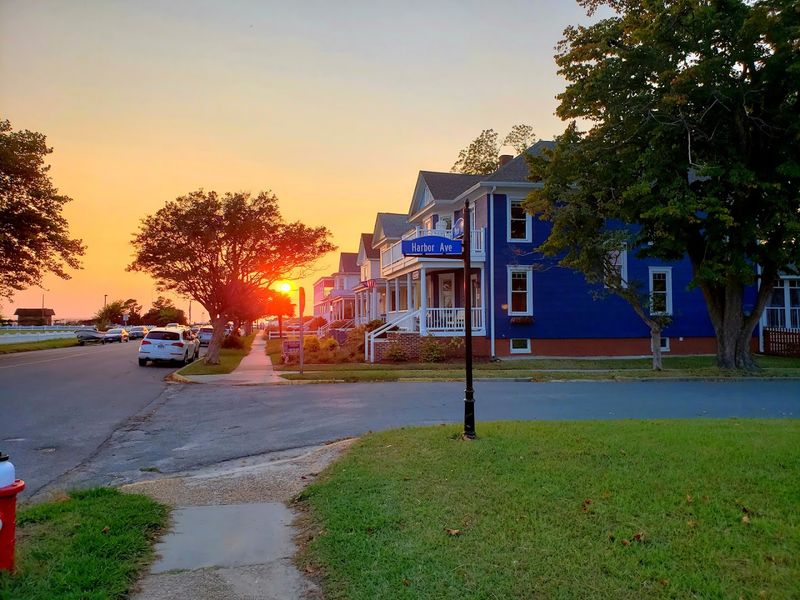
There is something almost cinematic about arriving in Cape Charles for the first time.
This small waterfront town sits at the southern tip of Virginia’s Eastern Shore, overlooking the Chesapeake Bay. The light here in the late afternoon is the kind photographers chase for years.
Cape Charles was established in 1884 as a railroad terminus and ferry hub. Its historic downtown is remarkably intact, with Victorian-era homes lining wide, tree-shaded streets.
The architectural consistency makes the whole town feel like a beautifully preserved film set.
The beach at Cape Charles is calm, clean, and far less crowded than most Atlantic-facing Virginia beaches. The bay waters are shallow and warm, making it ideal for families and casual swimmers.
Sunsets from the beach are genuinely extraordinary.
Kiptopeke State Park accessed at 3540 Kiptopeke Dr is just a few miles south and offers excellent birding, especially during fall migration.
Thousands of raptors pass through the area each autumn, making it a serious draw for wildlife enthusiasts. The park’s hawkwatch platform is a prime viewing spot.
The dining scene in Cape Charles has grown impressively in recent years. Locally caught seafood features prominently on menus throughout town.
Cape Charles is the coastal retreat that makes you want to extend your stay by at least two more days.
9. Chincoteague
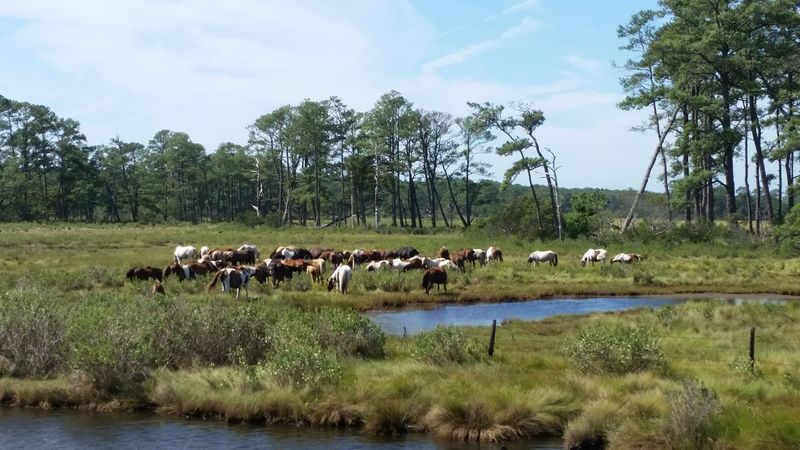
Isn’t it sound a little magical that wild ponies roam freely on an island just off the Virginia coast?
Chincoteague is a small island town in Accomack County on Virginia’s Eastern Shore. It sits just across a narrow channel from Assateague Island, home to one of the most famous wild horse herds in North America.
The Chincoteague National Wildlife Refuge accessed at 8231 Beach Rd covers a large portion of Assateague Island. It protects critical habitat for migratory birds, native plants, and, of course, the iconic Chincoteague ponies.
Wildlife sightings here feel effortless, whether you are hiking or simply driving the refuge roads.
Assateague Beach itself is a stunning stretch of undeveloped Atlantic coastline. The waves are rolling and consistent, making it popular with surfers and bodyboarders.
The wide, natural beach feels worlds away from commercialized coastal resorts.
Chincoteague town has a warm, seafood-focused culture built around its famous clam and oyster harvests. Local eateries serve up some of the freshest shellfish you will find anywhere on the East Coast.
The annual Pony Swim in July draws visitors from all over the country.
Spring and fall are ideal for birdwatching and quieter beach time. The sunrises over the Atlantic here are genuinely breathtaking. Chincoteague is not just a trip, it is an experience that rewires your sense of wonder entirely.